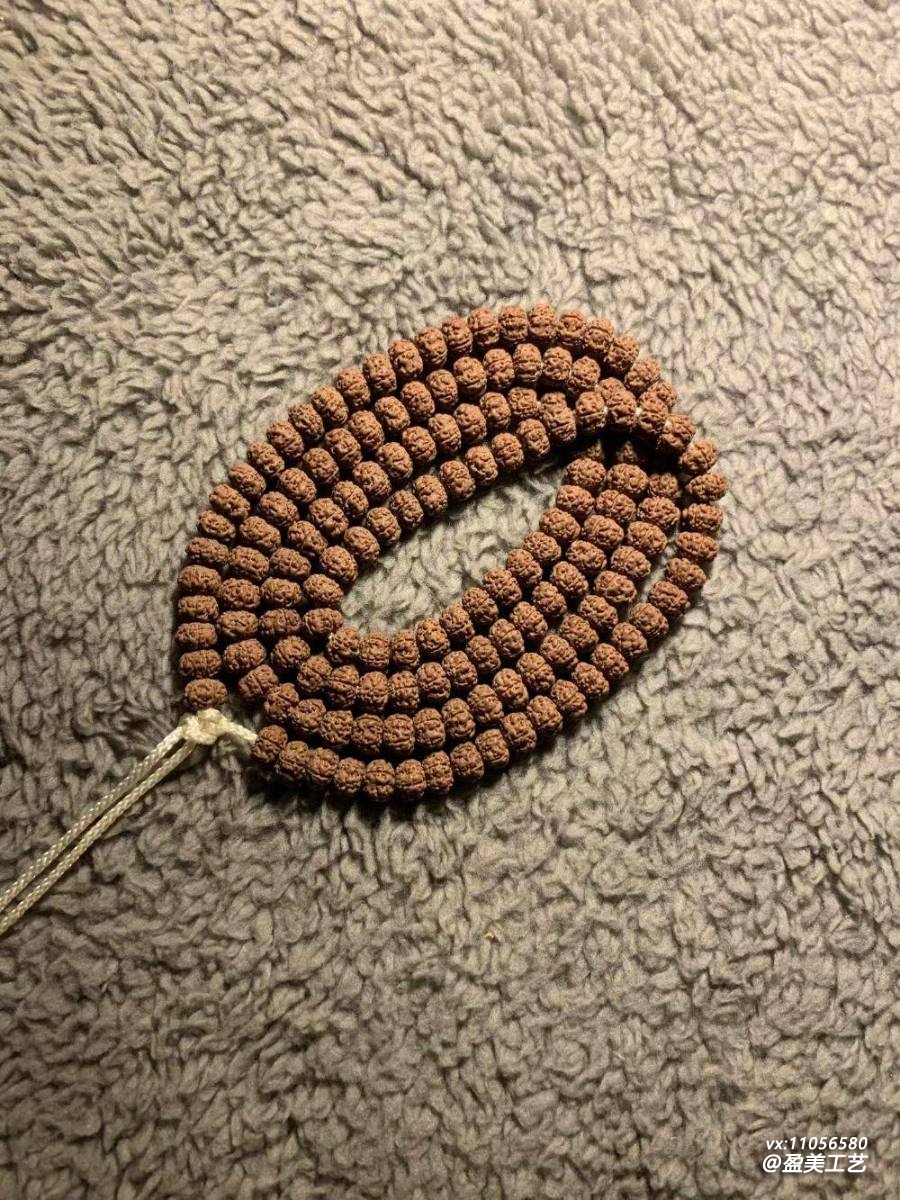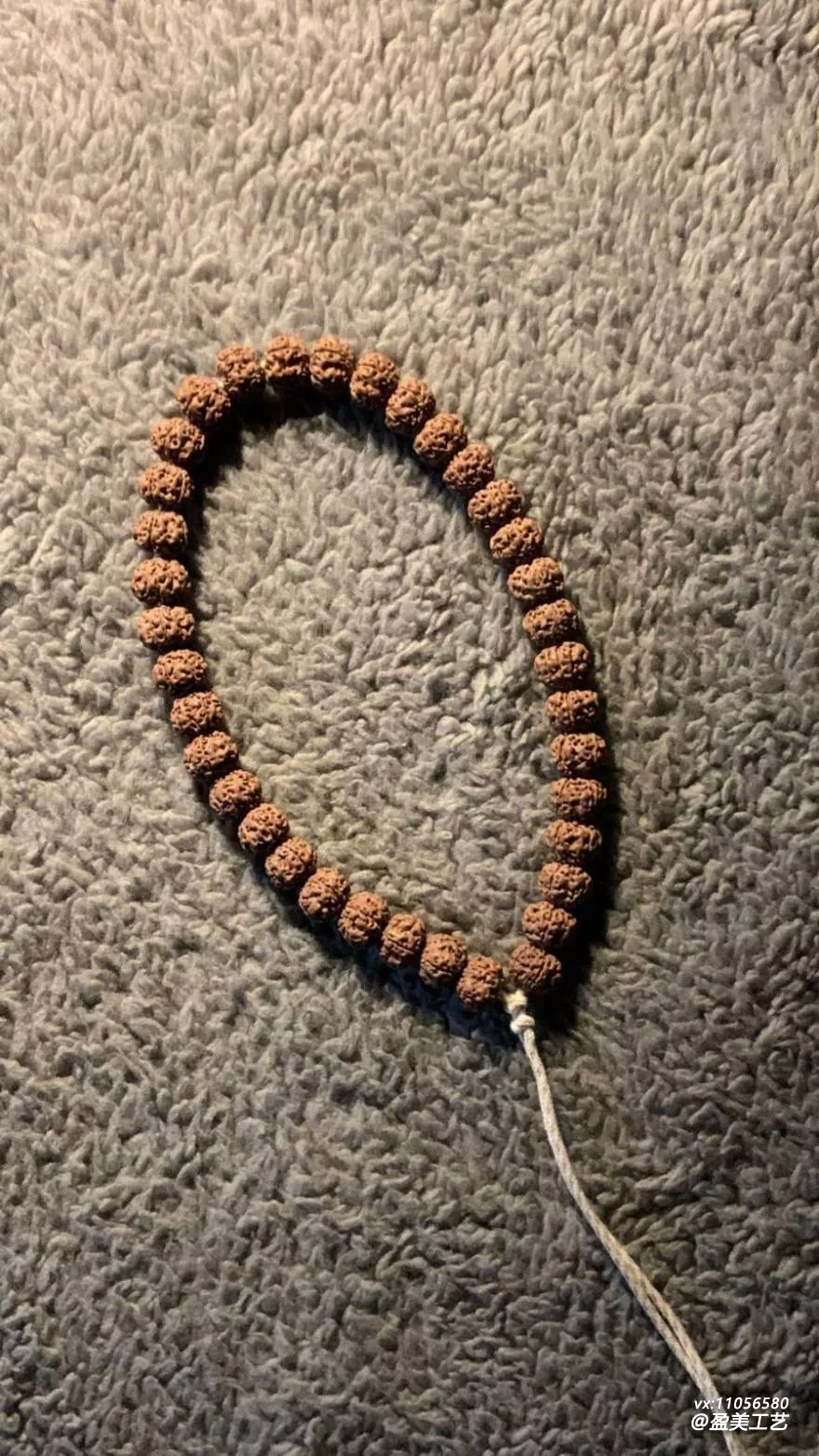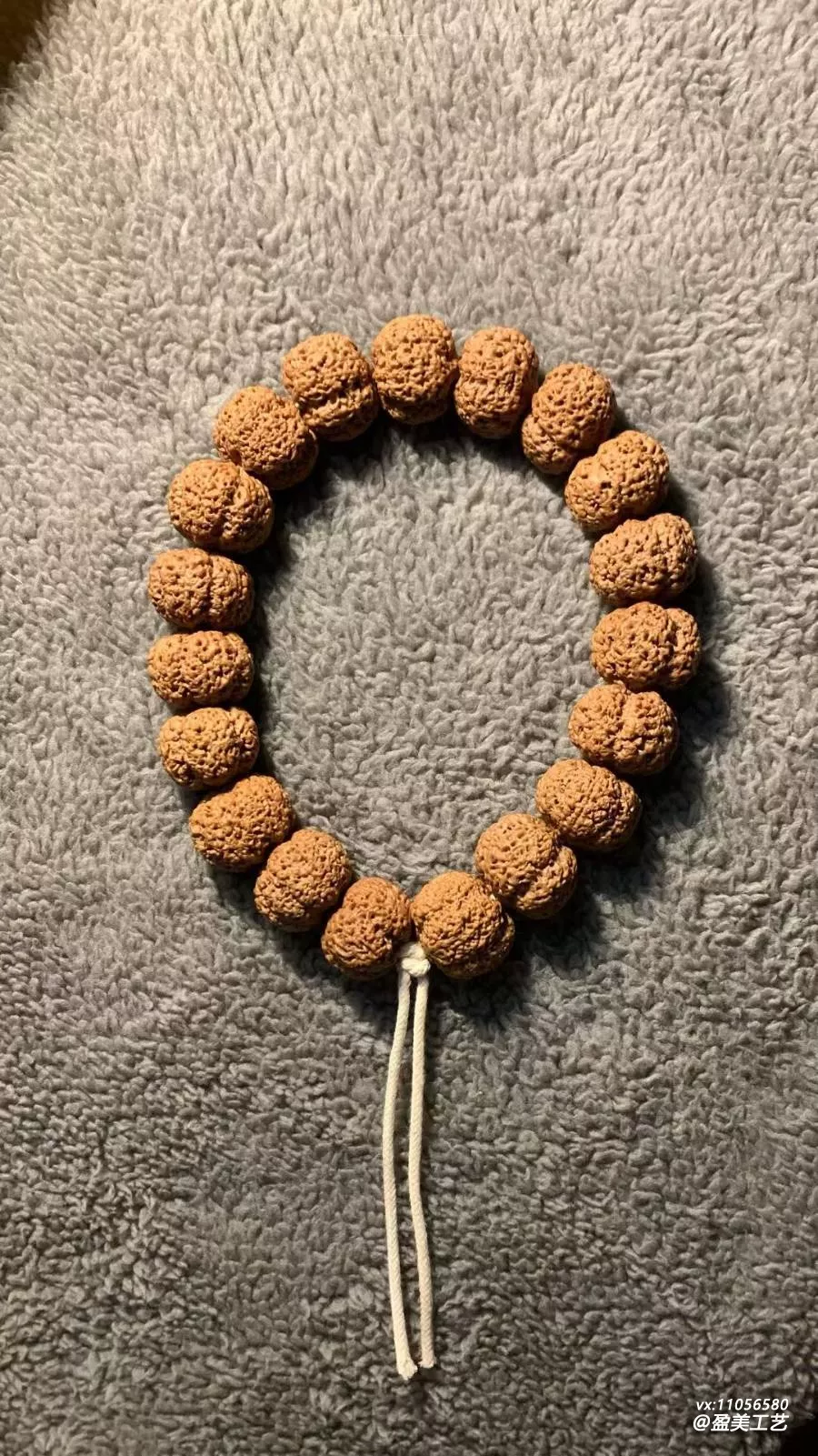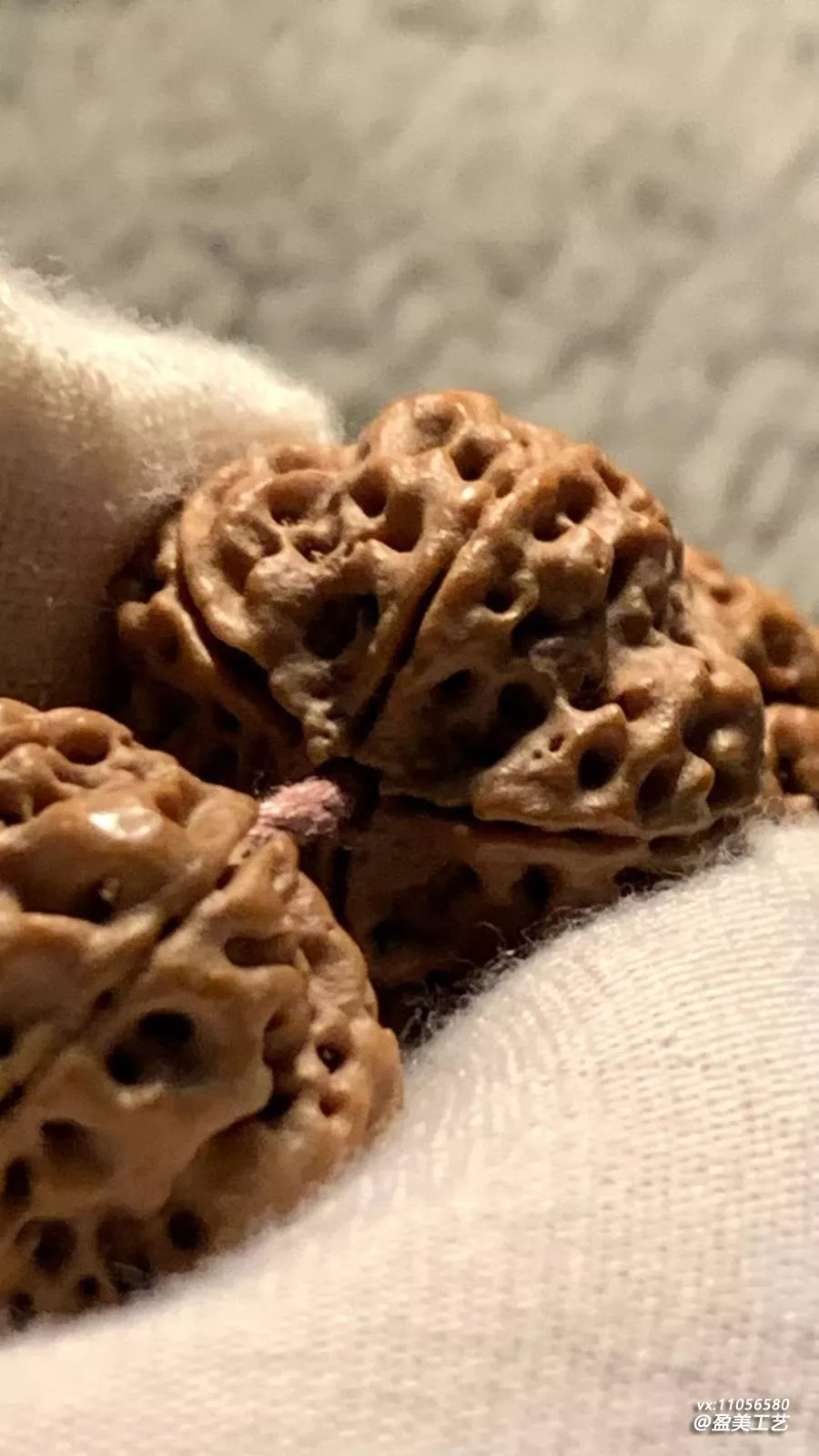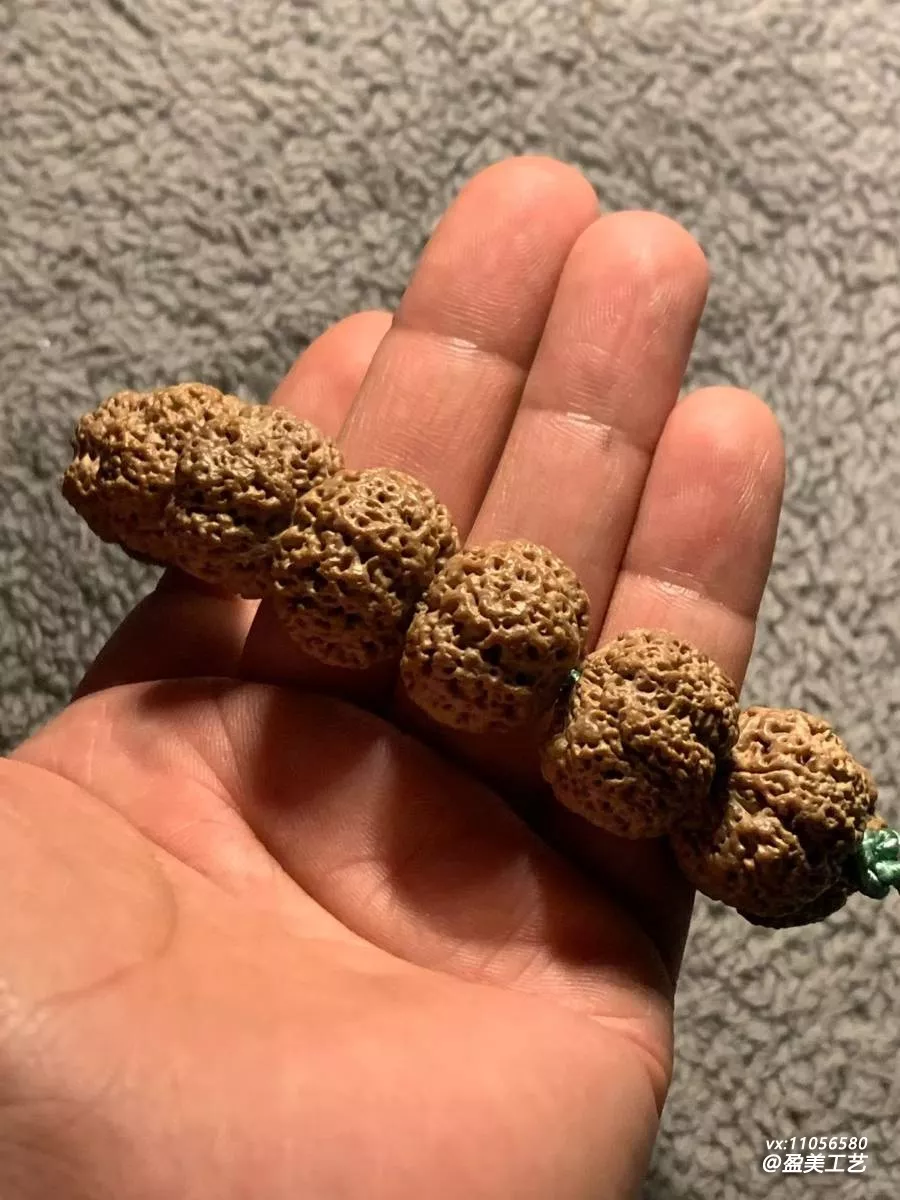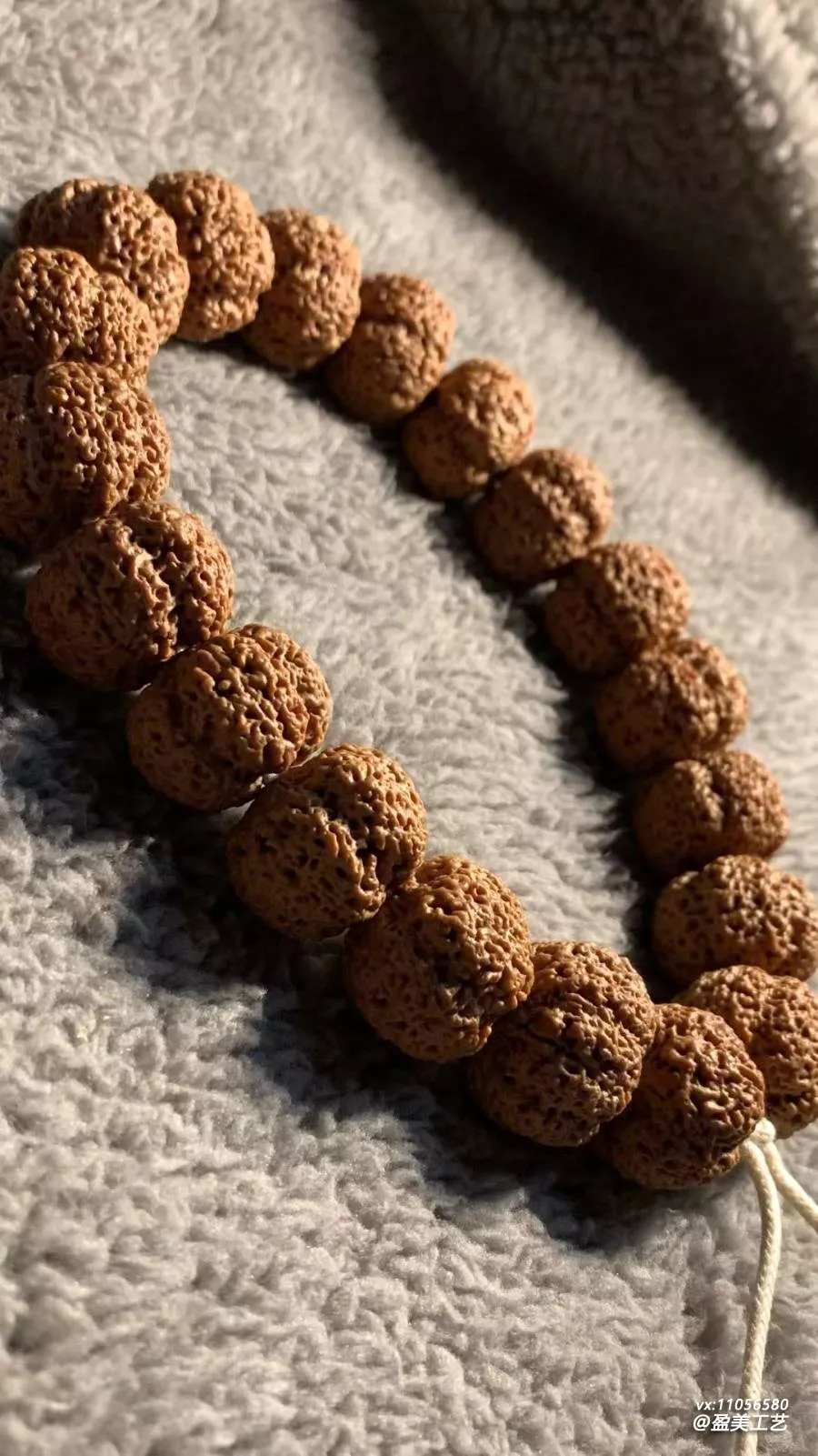
Do cracks count as a quality issue? Let's clarify the cracking of Rudraksha (large). When you receive a new mala and find cracked beads, you might feel uneasy and want to know if this counts as a quality issue and if it can be returned. Cracking in Rudraksha (large) depends on the situation; once clarified, you will know how to handle it.
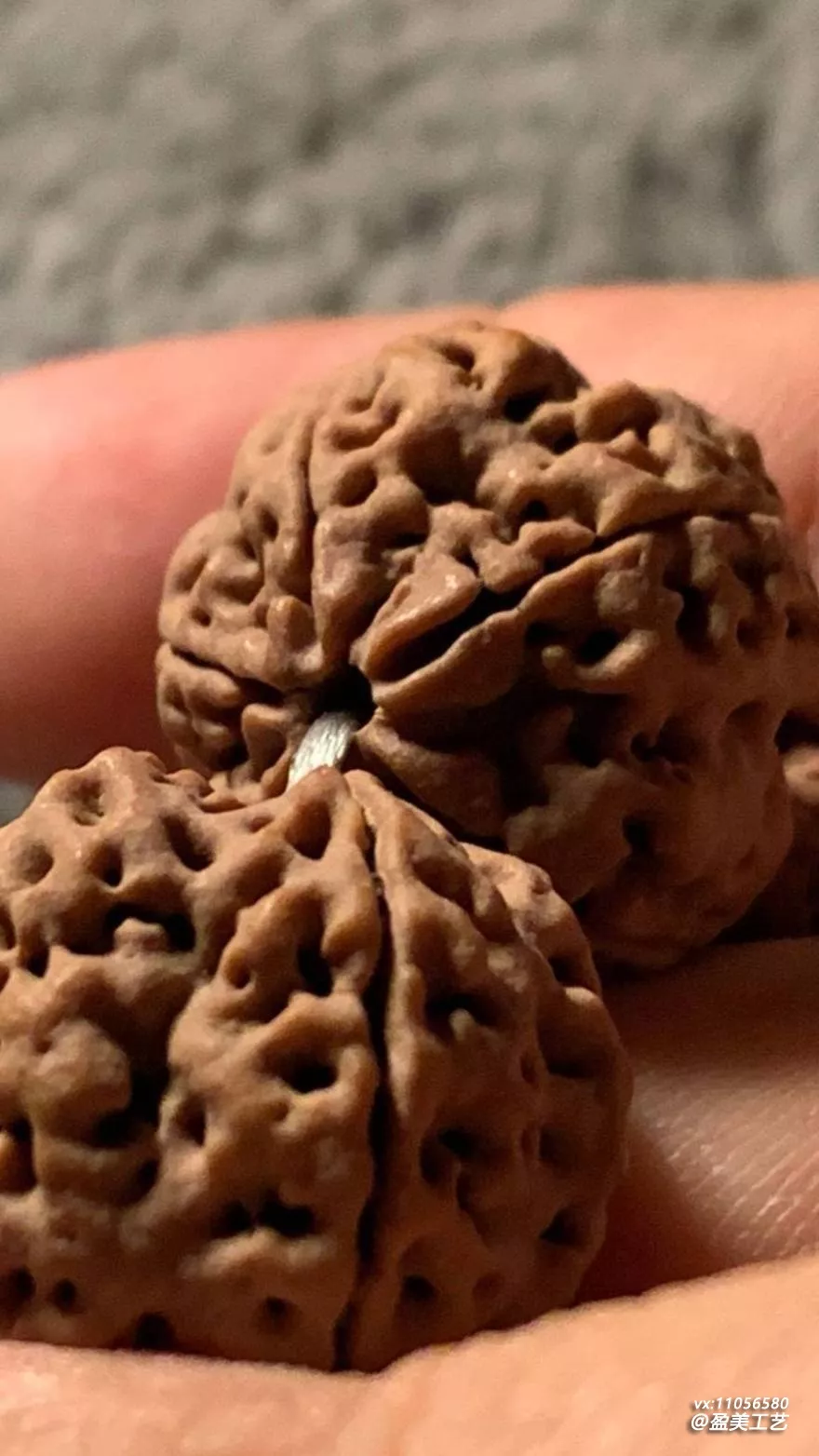
Natural Cracking
Natural cracking: Rudraksha seeds are naturally prone to cracking, which can be caused by dryness and temperature differences. Small cracks at the root of the teeth and the tips are very common. This is a natural attribute of the seeds and does not count as a quality issue. For seeds with natural cracks, they can be smoothed over through prolonged breaking-in (patina process), without affecting the process.
Human Damage
Human damage: Large cracks, broken teeth, and chipped edges caused by bumps or drops are considered human damage and are unrelated to the inherent quality of the seeds. For seeds with human damage, depending on the severity, you can contact the seller if it affects the appearance, but strictly speaking, it is not a quality issue of the seed itself.
How to Judge and Handle
How to judge and handle: When you receive a new mala and find cracks, first check the location and extent. Small cracks at the root of the teeth are normal, so you can break them in with peace of mind. For penetrating large cracks or deep cracks, take photos and contact the seller to clarify; exchange them if possible. Do cracks count as a quality issue? Natural cracking does not, while human damage depends on the situation. Judge first before handling it, and don't get frustrated.
Cracking is a common puzzle for beginners. Once you distinguish between natural cracks and damage cracks, you will have a direction for handling them. Don't rush to return the mala just because you see a crack.