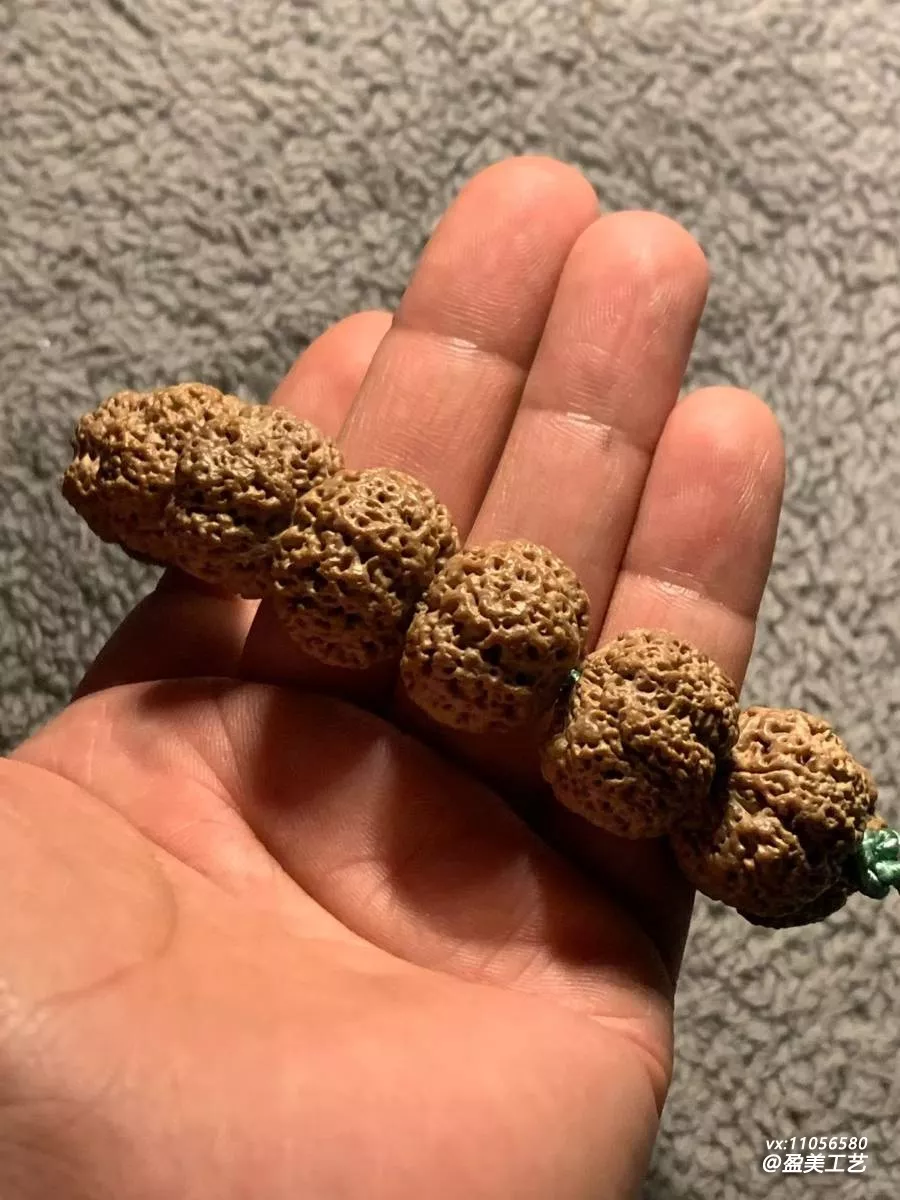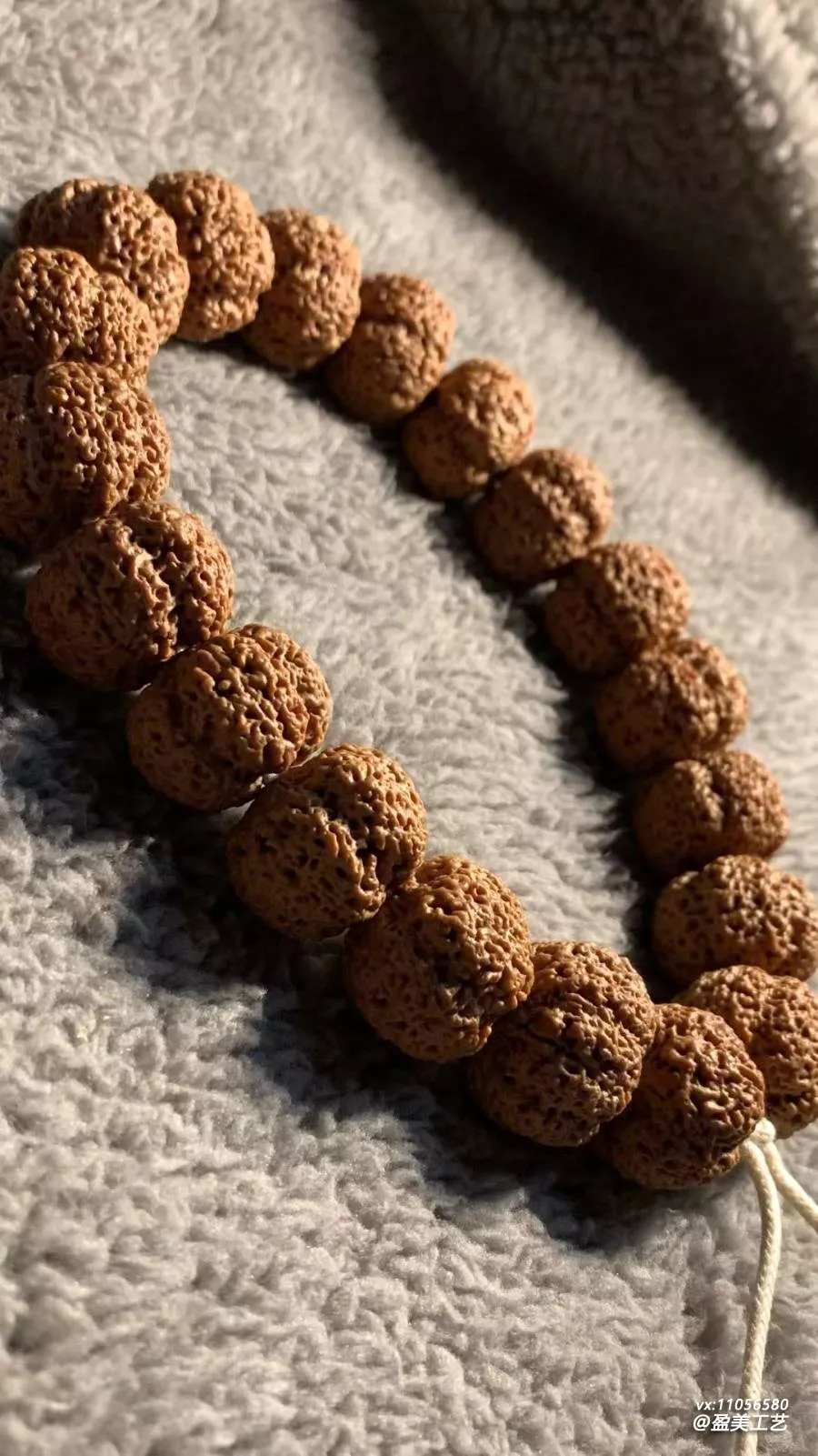
What is the difference in style between Tibetan-style Rudraksha and large Rudraksha? When browsing the cultural artifacts market, you often hear people mention Tibetan-style Rudraksha and large Rudraksha, and beginners can't tell the difference. Each style has its own characteristics. Once the differences are explained clearly, you will be able to tell them apart.
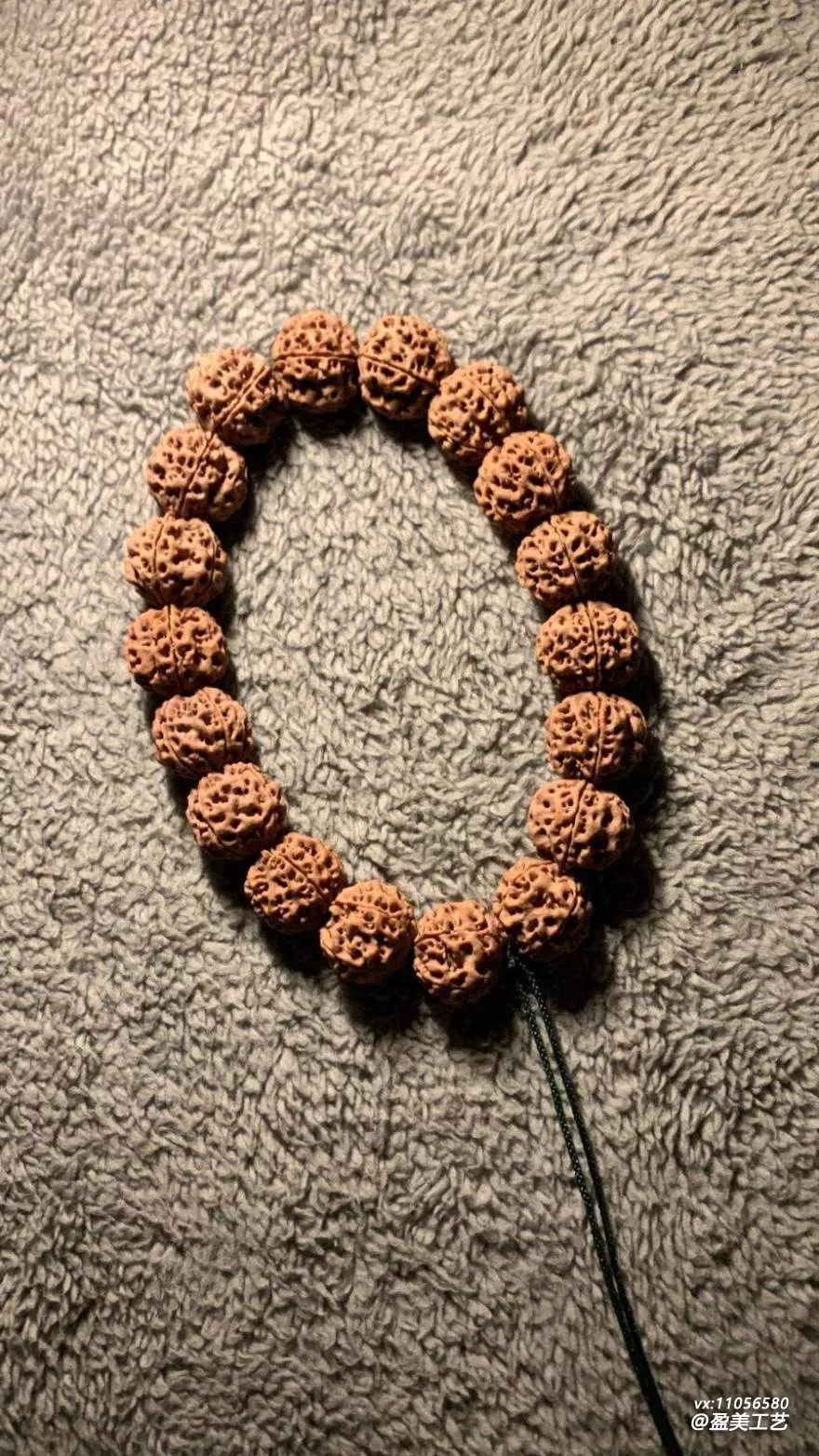
Characteristics of Tibetan-style Rudraksha
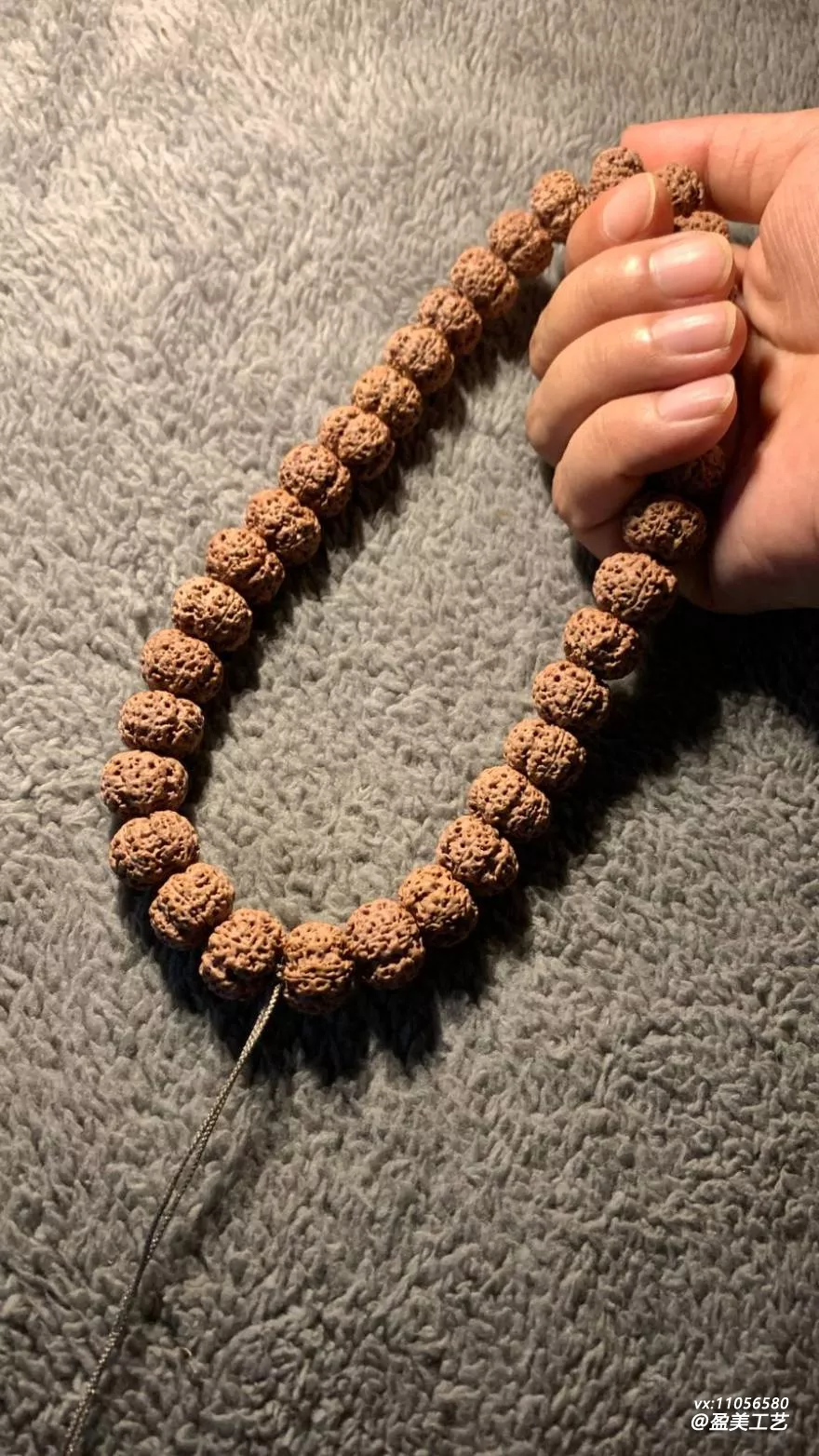
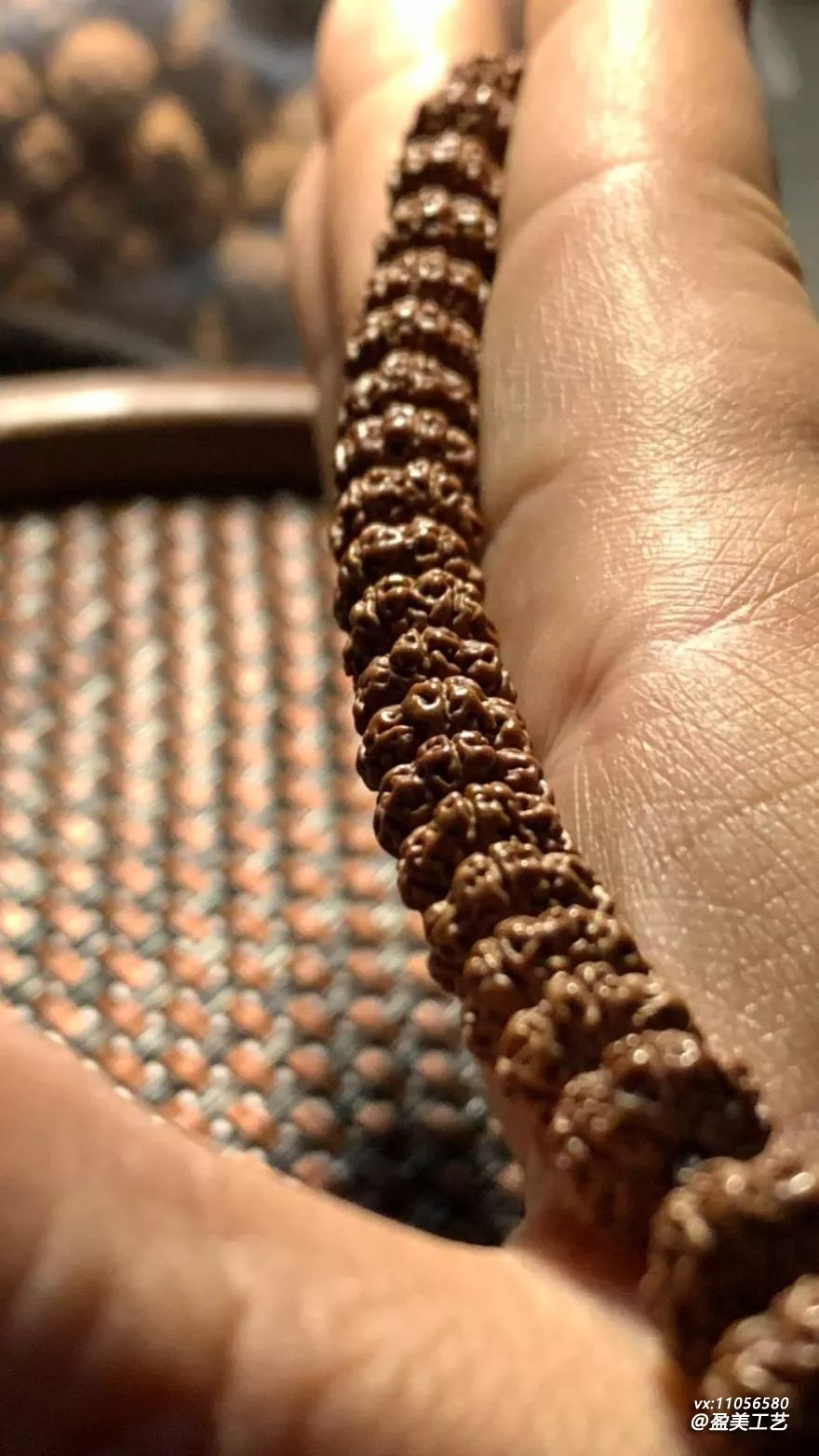
Characteristics of Tibetan-style Rudraksha: the head and tail of the seeds are ground flat, creating a barrel-bead shape with an antique and rugged style, exuding the flavor of Tibetan culture. The seeds of Tibetan-style Rudraksha are mostly ground, with carefully crafted holes, and the accessories tend to be Tibetan-style, such as counters and leather cords.
Characteristics of large Rudraksha
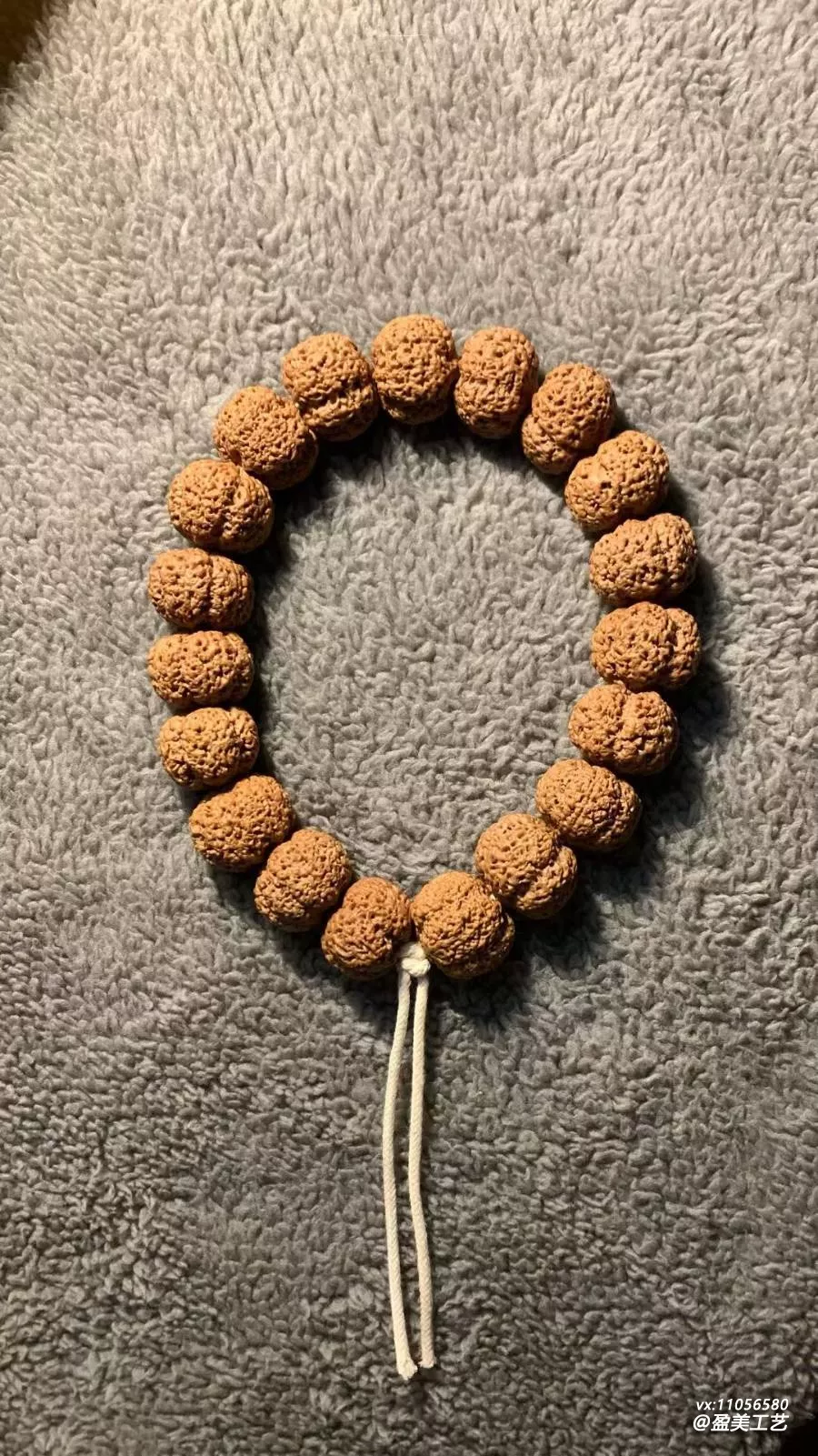
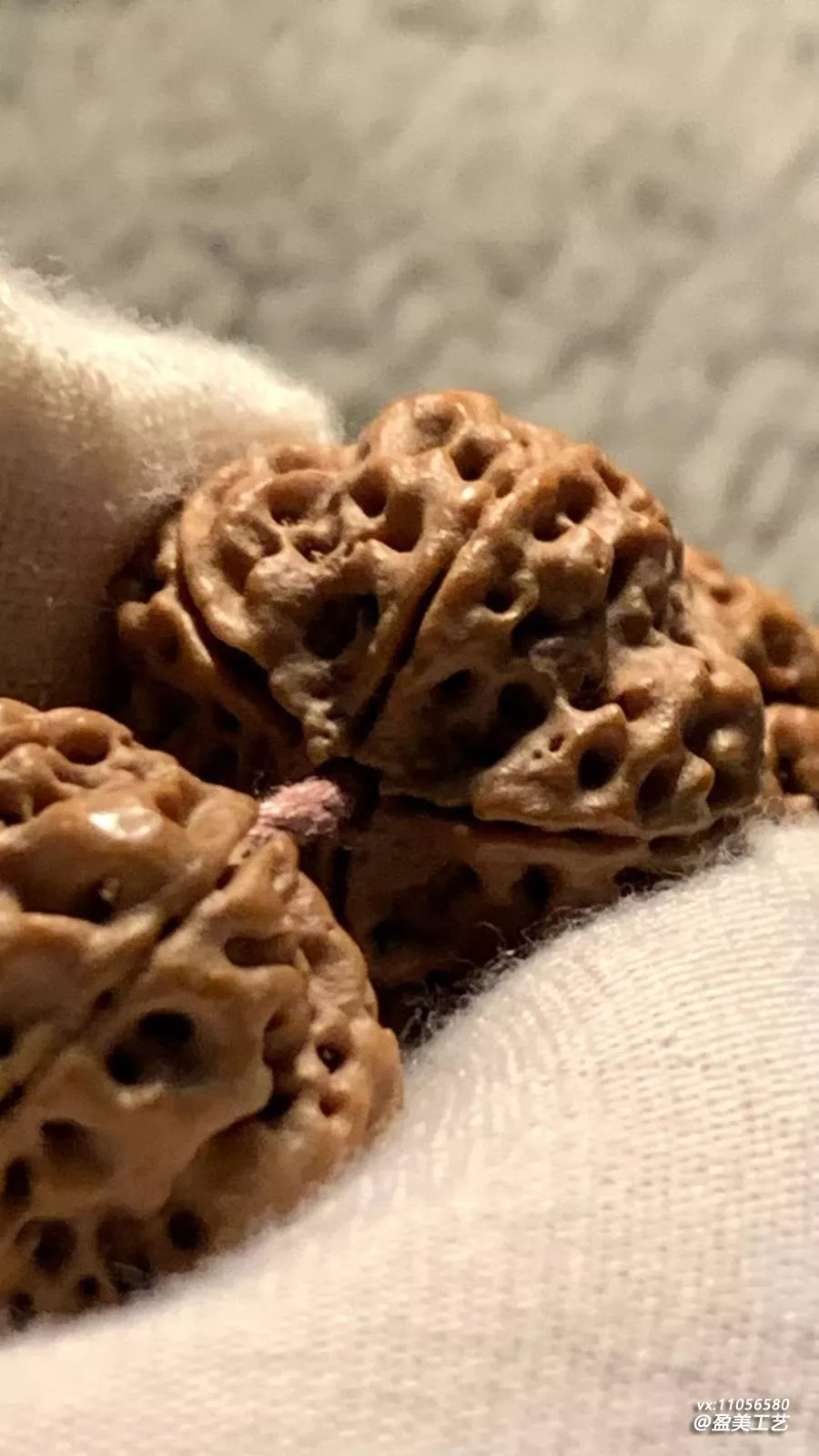
Characteristics of large Rudraksha: the original shape of the seeds is preserved, round and natural, with three-dimensional grain and a simple style. Large Rudraksha is closer to the original appearance of the seeds, with intuitive changes during breaking-in, flexible matching, and looks good in both single-strand and 108-bead forms, making it a popular style.
How to choose
How to choose: if you like the antique, rugged look and Tibetan culture, choose Tibetan-style Rudraksha; if you like the natural, round look and popular style, choose large Rudraksha. The breaking-in method is the same for both, but the styles differ, so it depends on your own aesthetic. The difference in style between Tibetan-style Rudraksha and large Rudraksha lies in the shape and cultural flavor: Tibetan-style is antique and rugged, while large Rudraksha is natural and simple. Choose according to your preference.
Each style has its own charm: Tibetan-style is rugged and full of stories, while large Rudraksha is simple and full of character. Choose according to your own aesthetic, and you will enjoy the breaking-in process more.