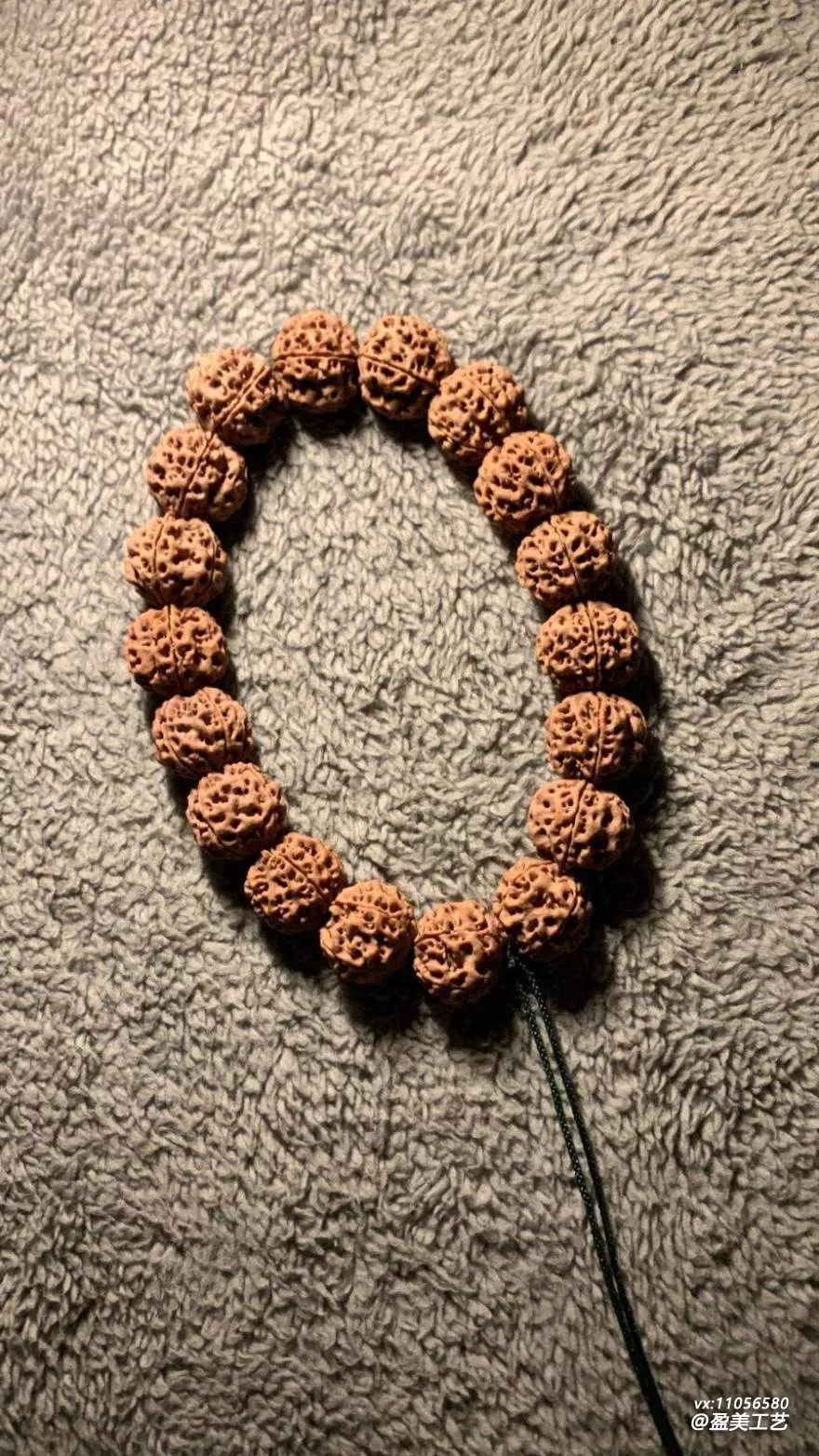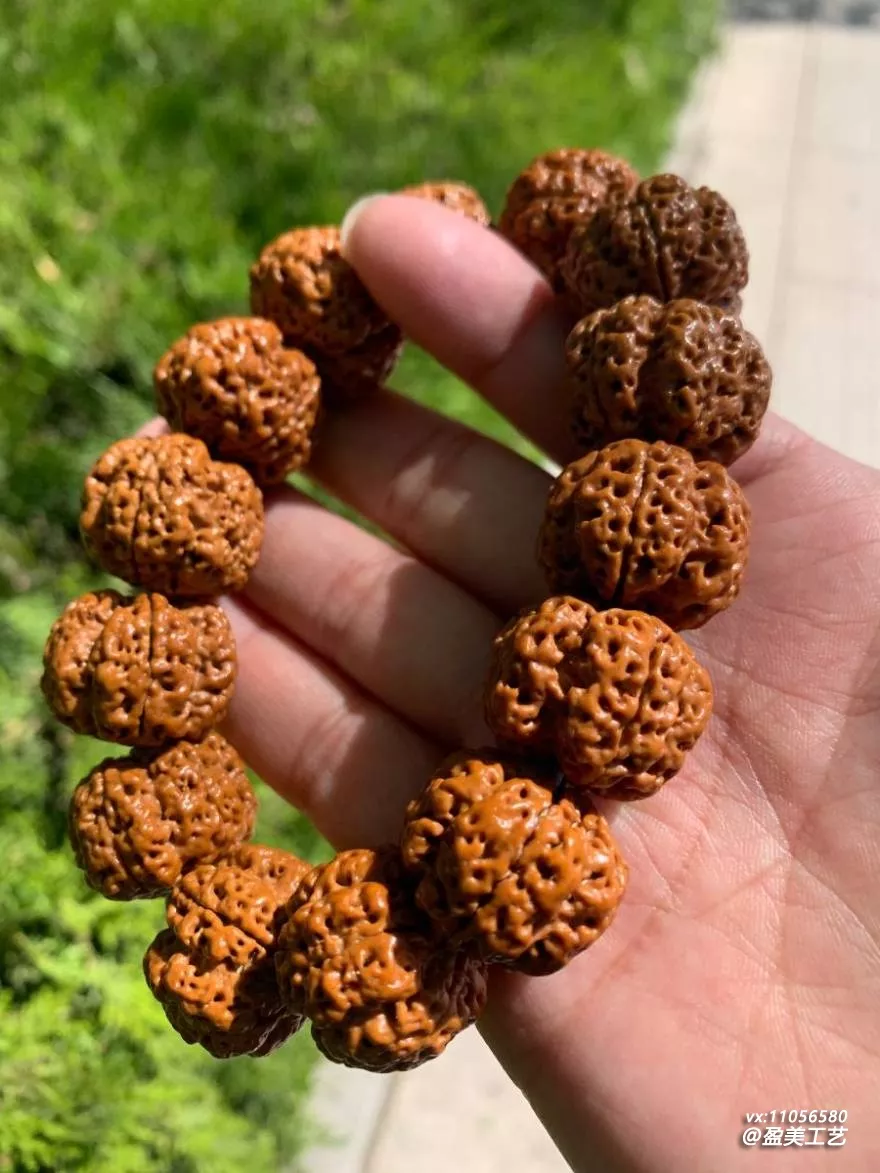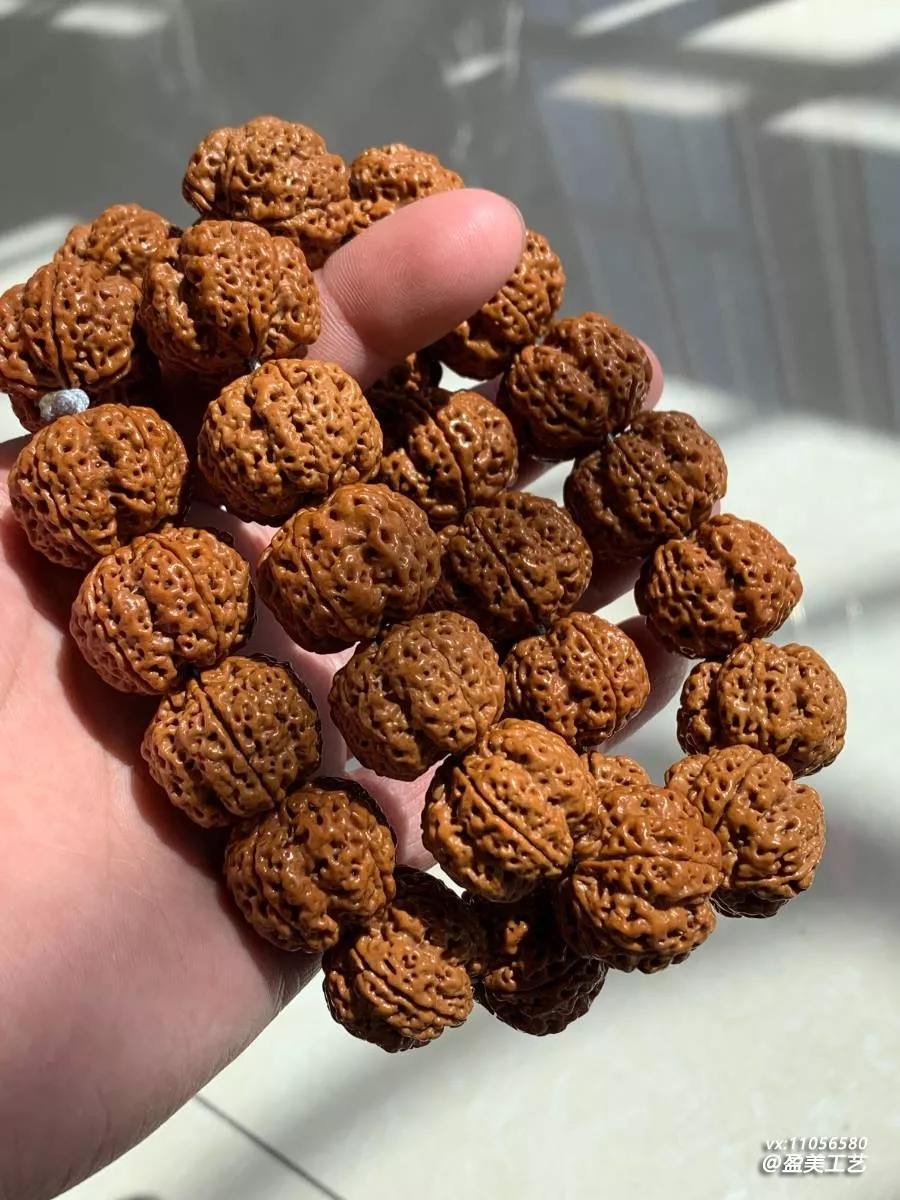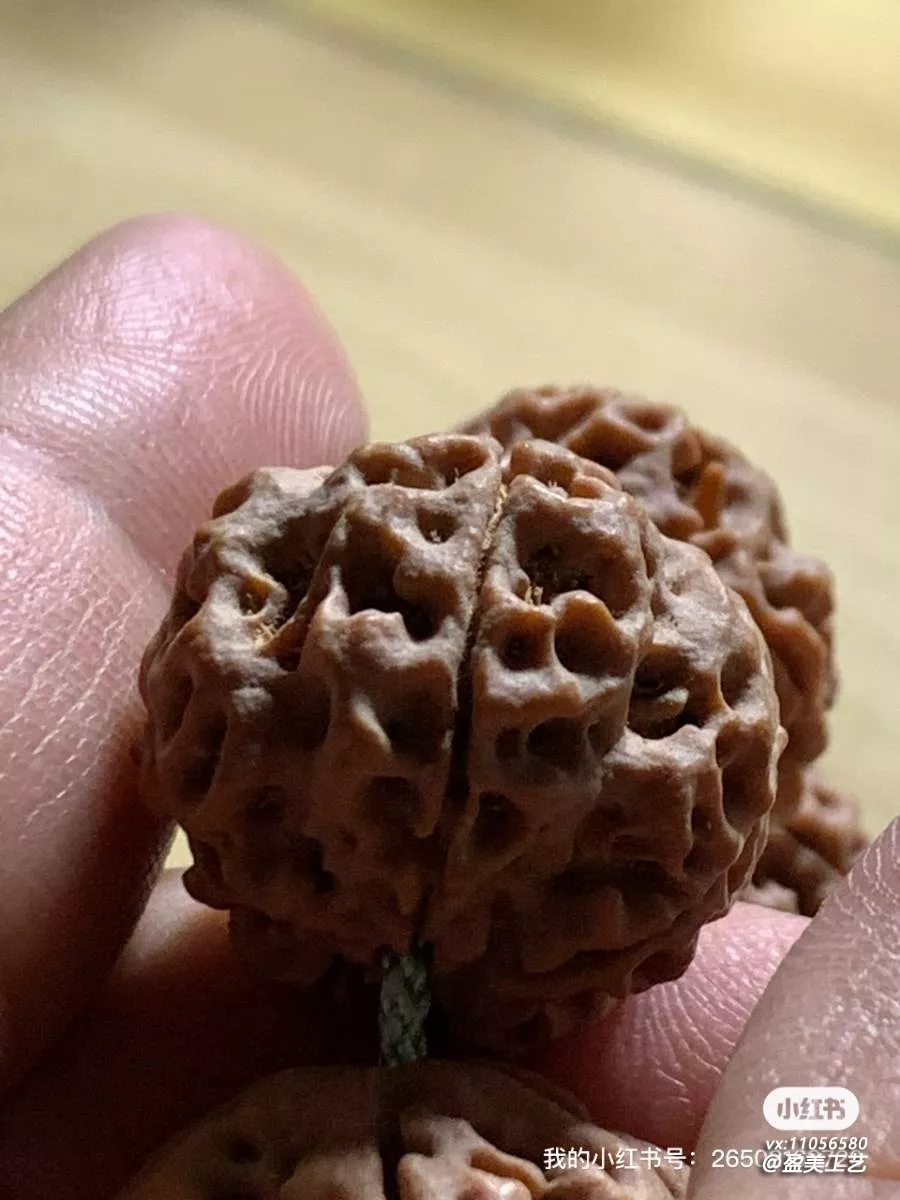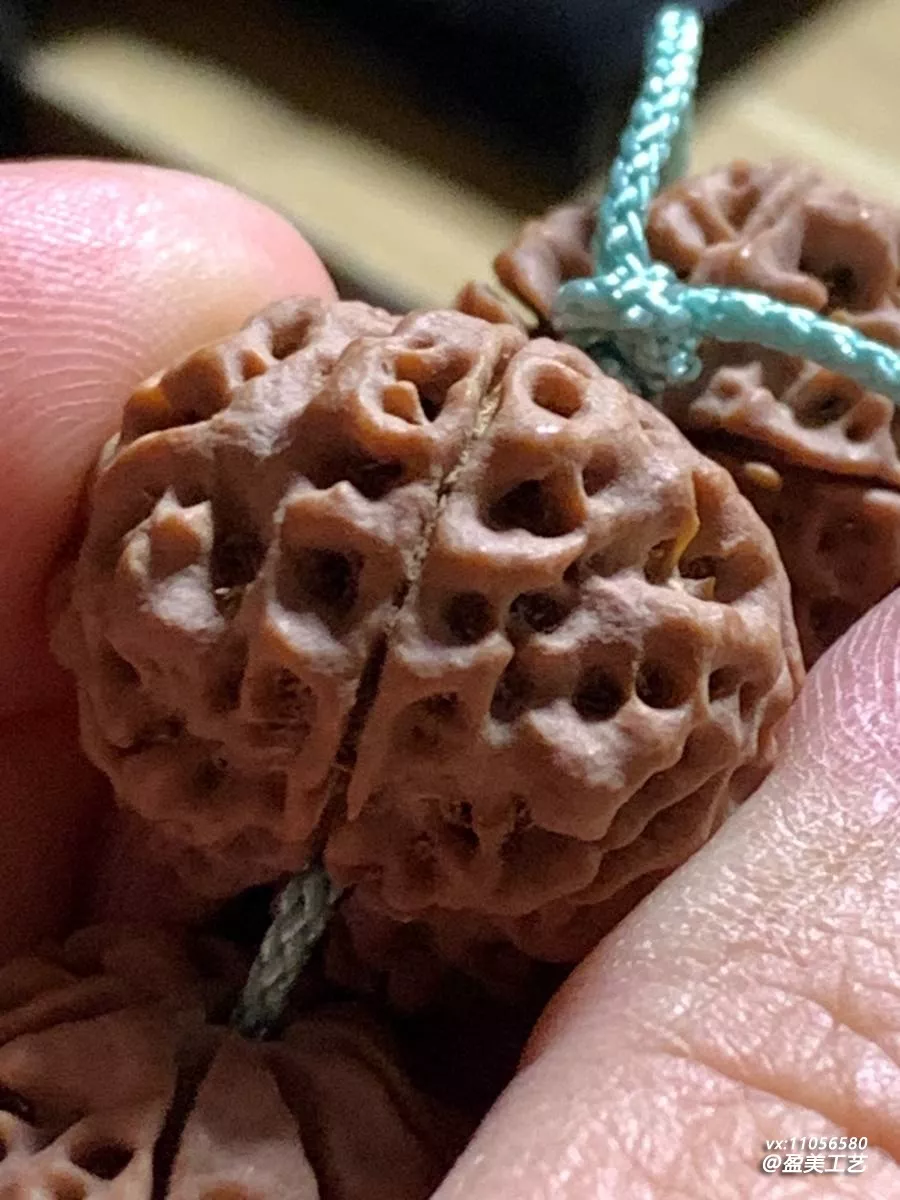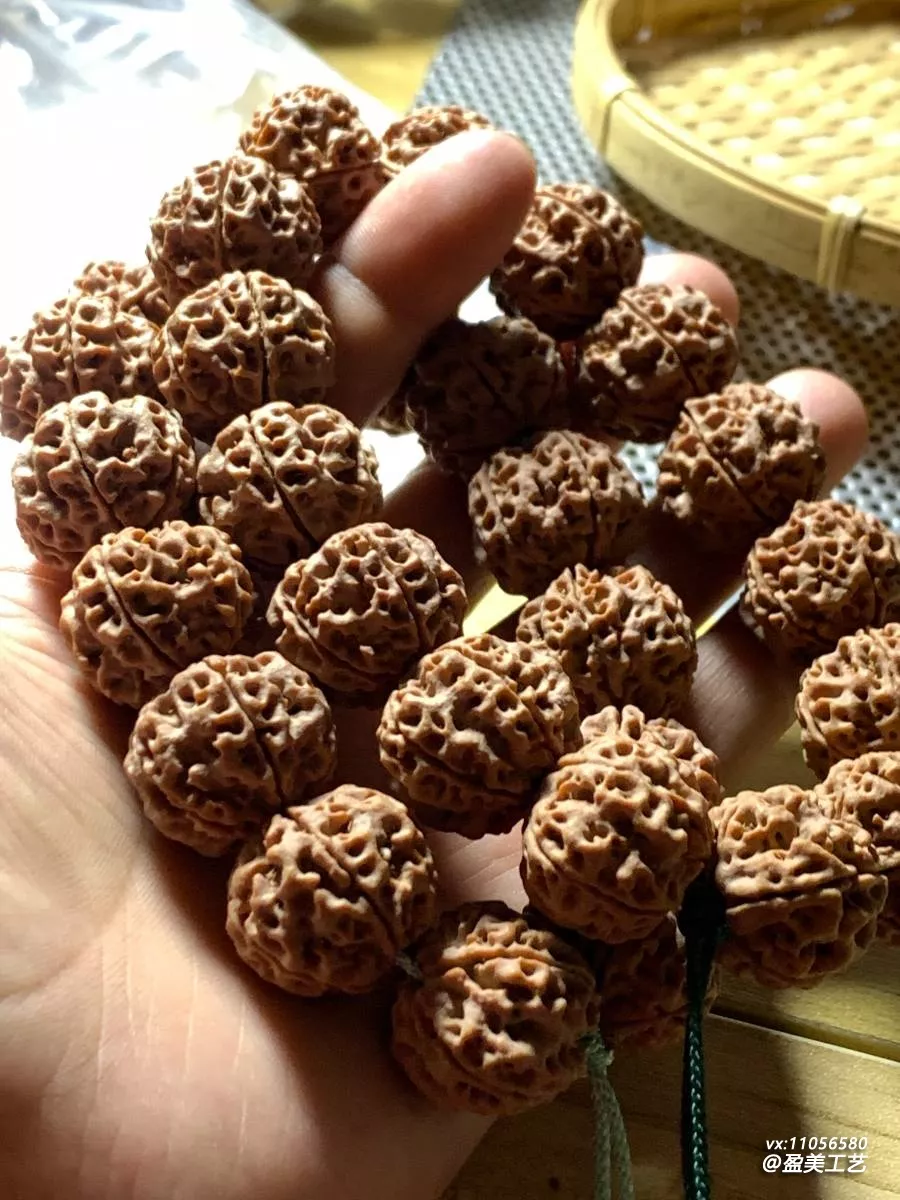
How to judge quality roughly? Three checks for a large bodhi in hand. Buying, you fear getting a poor one, and you have no idea how to judge quality. For a large bodhi, three checks in hand — no professional tools needed, just a rough read, and you have some ground under you.
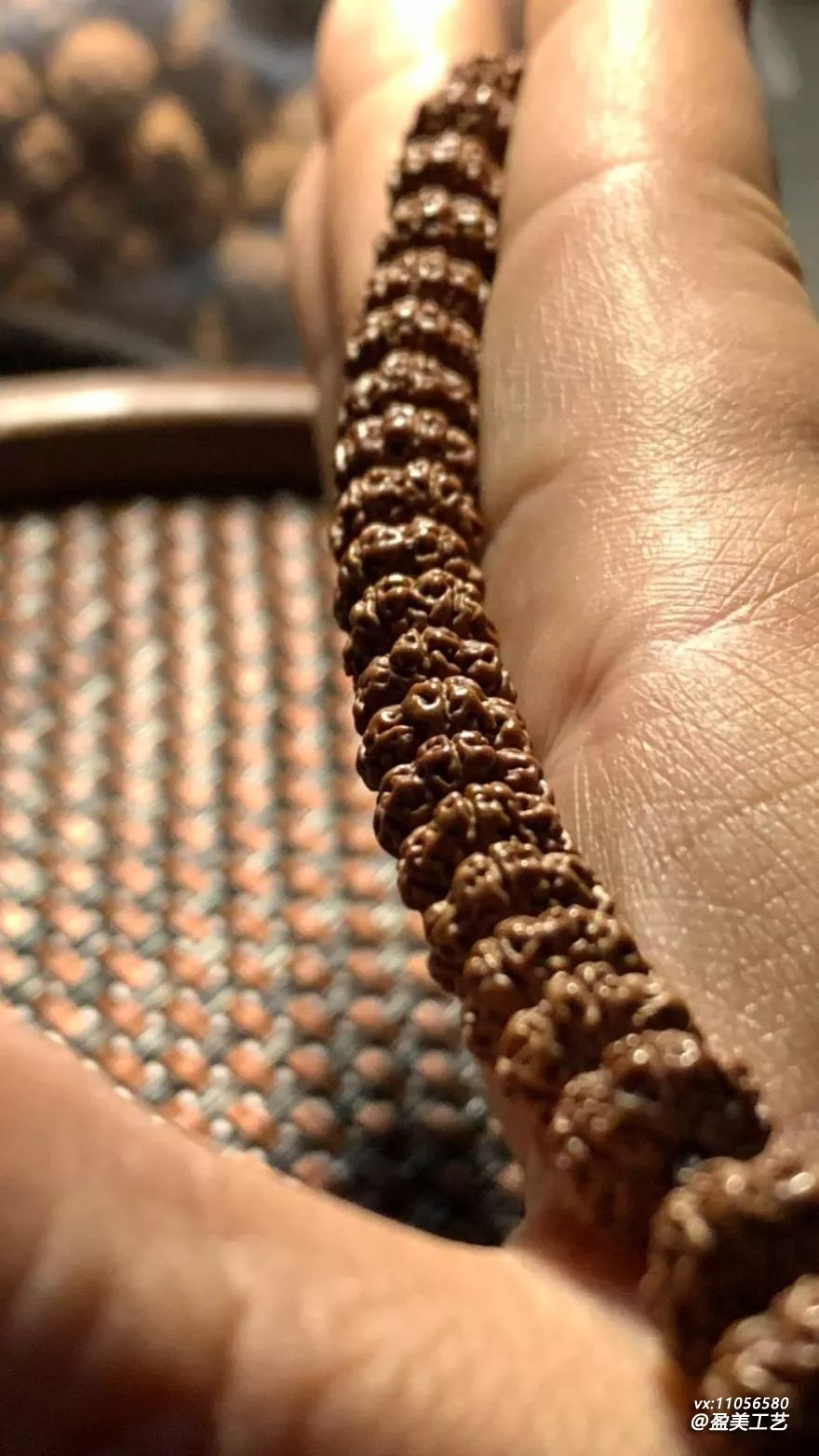
Step one: look
Step one: look. Look at the skin — oily and natural is a good seed, dry and pale is cause for caution; look at the grain — three-dimensional and regular is good, stiff is ordinary; look at the seed shape — even and uniform is good, uneven usually means flawed seeds were mixed in. One look and you roughly know the condition.
Step two: touch
Step two: touch. Feel the surface in hand — fine, smooth and oily is good skin, dry and rough calls for care; press the seed's hardness — firm means good density, loose means chaff. One touch and the skin and density are roughly clear.
Step three: weigh
Step three: weigh. Heft it in hand — weighty means high density and a good seed; light and airy means poor density and calls for caution. Then look at the hole — clean and neat means good workmanship, slanted or chipped edges need attention. How to judge quality roughly? Three checks for a large bodhi: skin, grain and seed shape by eye, hardness by touch, weight and hole by hand — three steps and you have a rough read.
After three checks you have a feel for the quality. Buying, the worst thing is having no ground under you; learn these three steps and you can walk the market and choose with confidence.