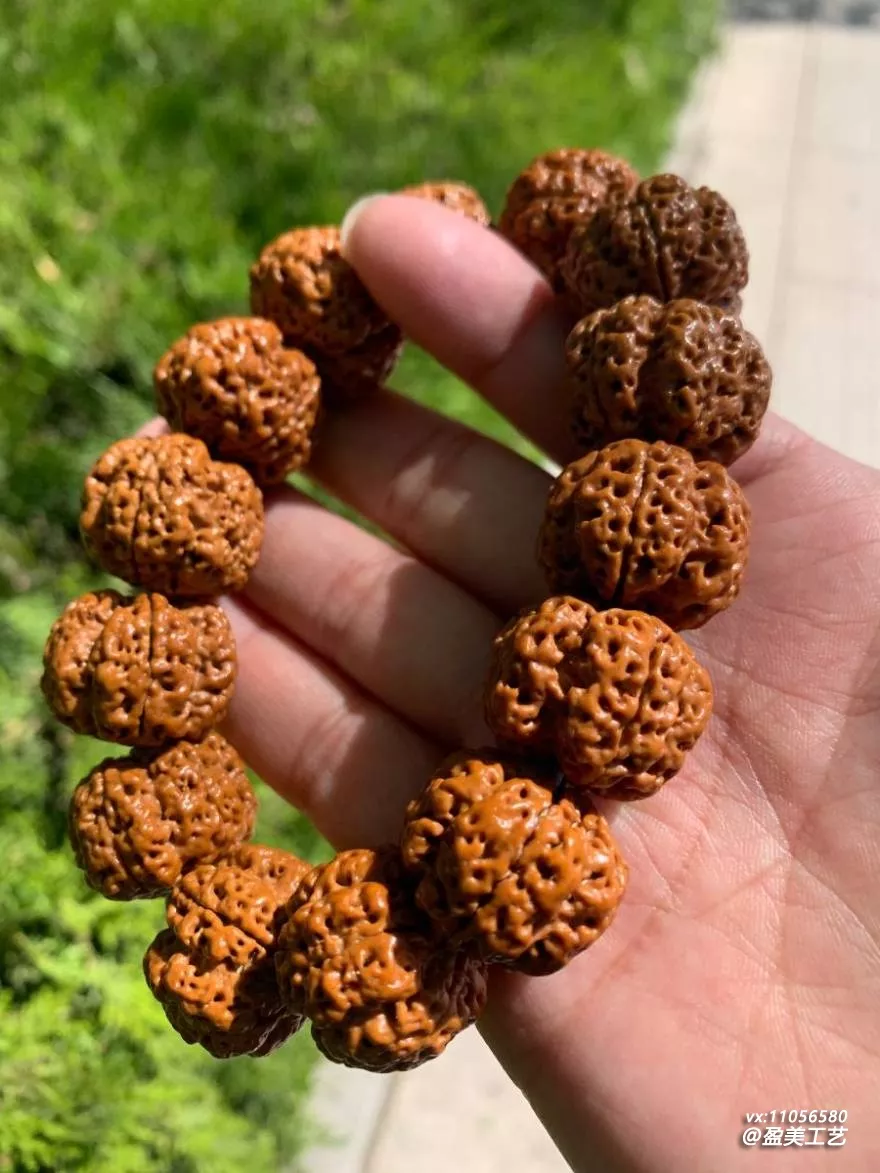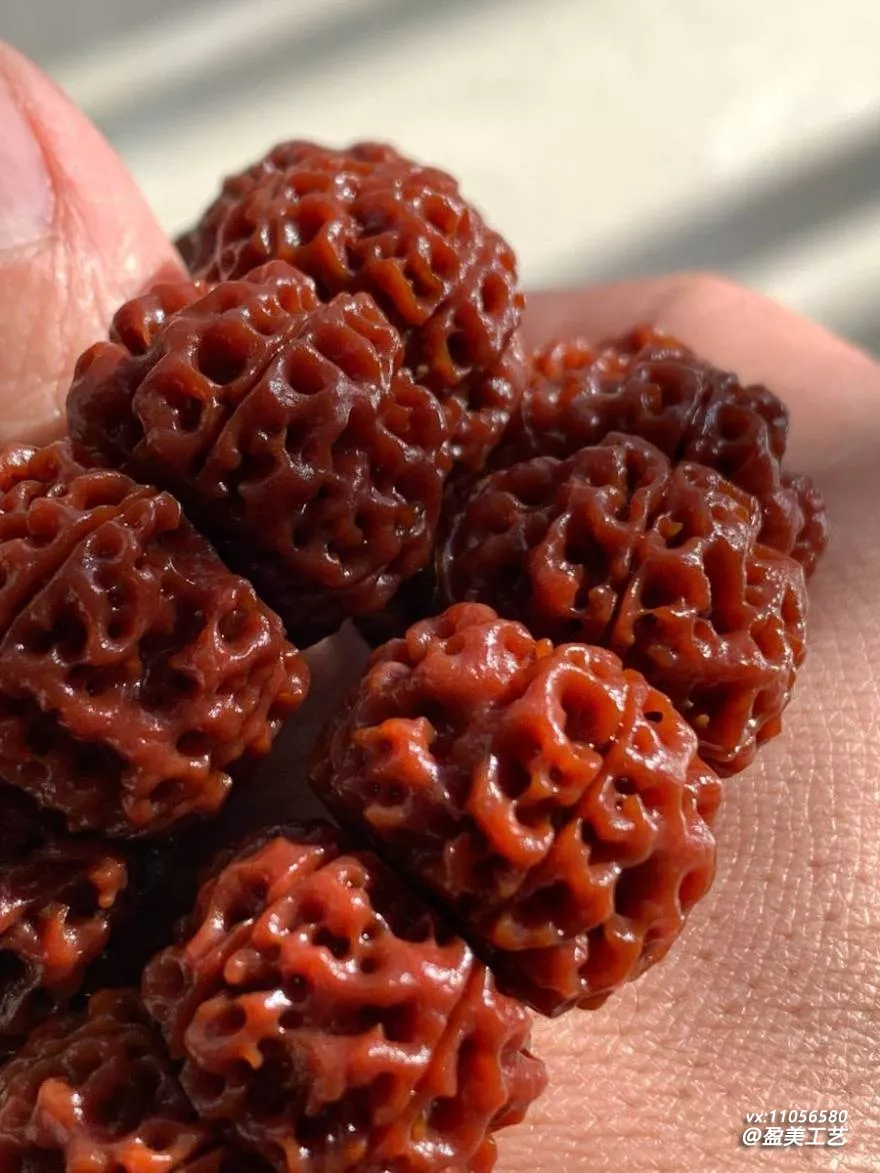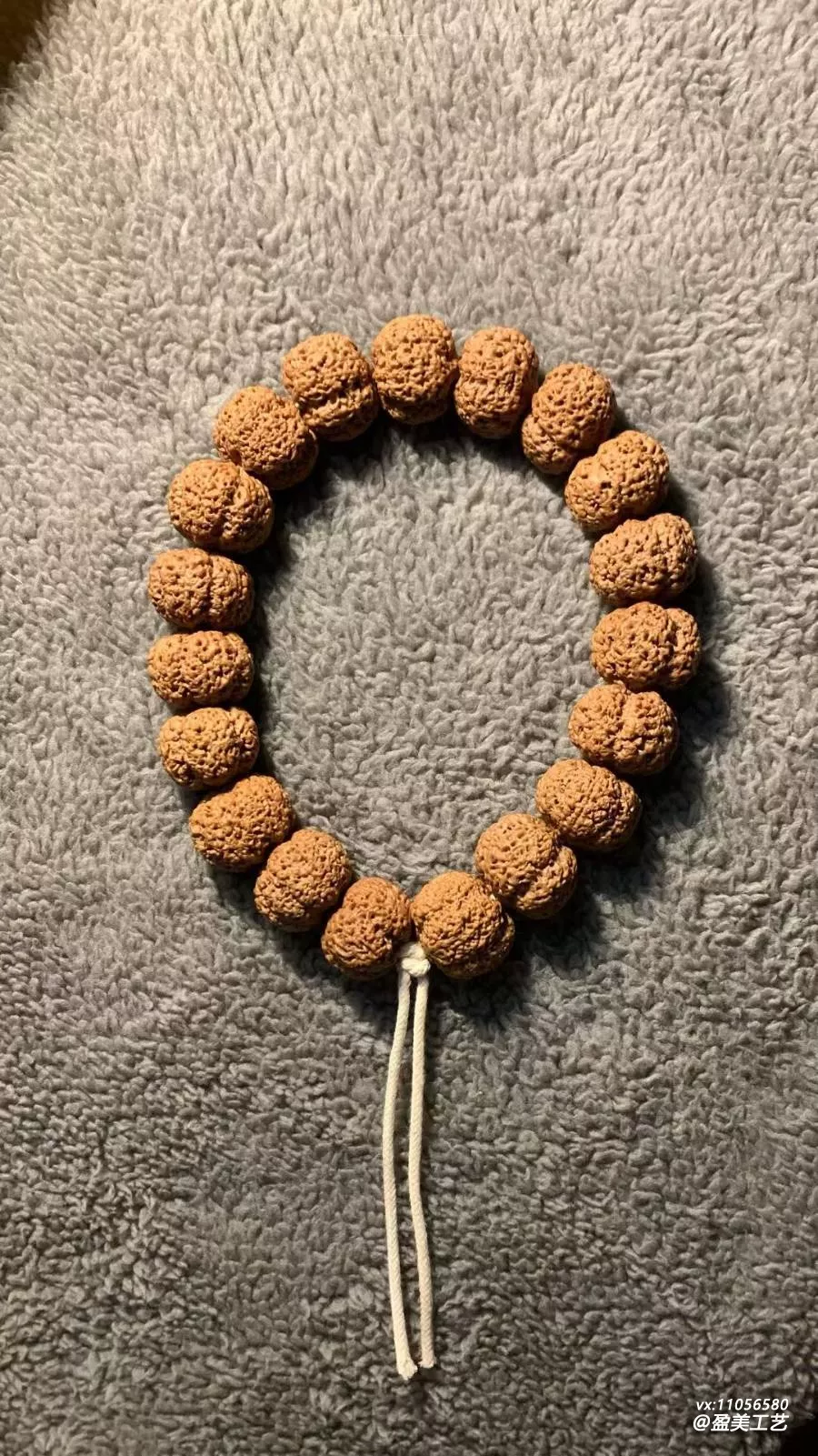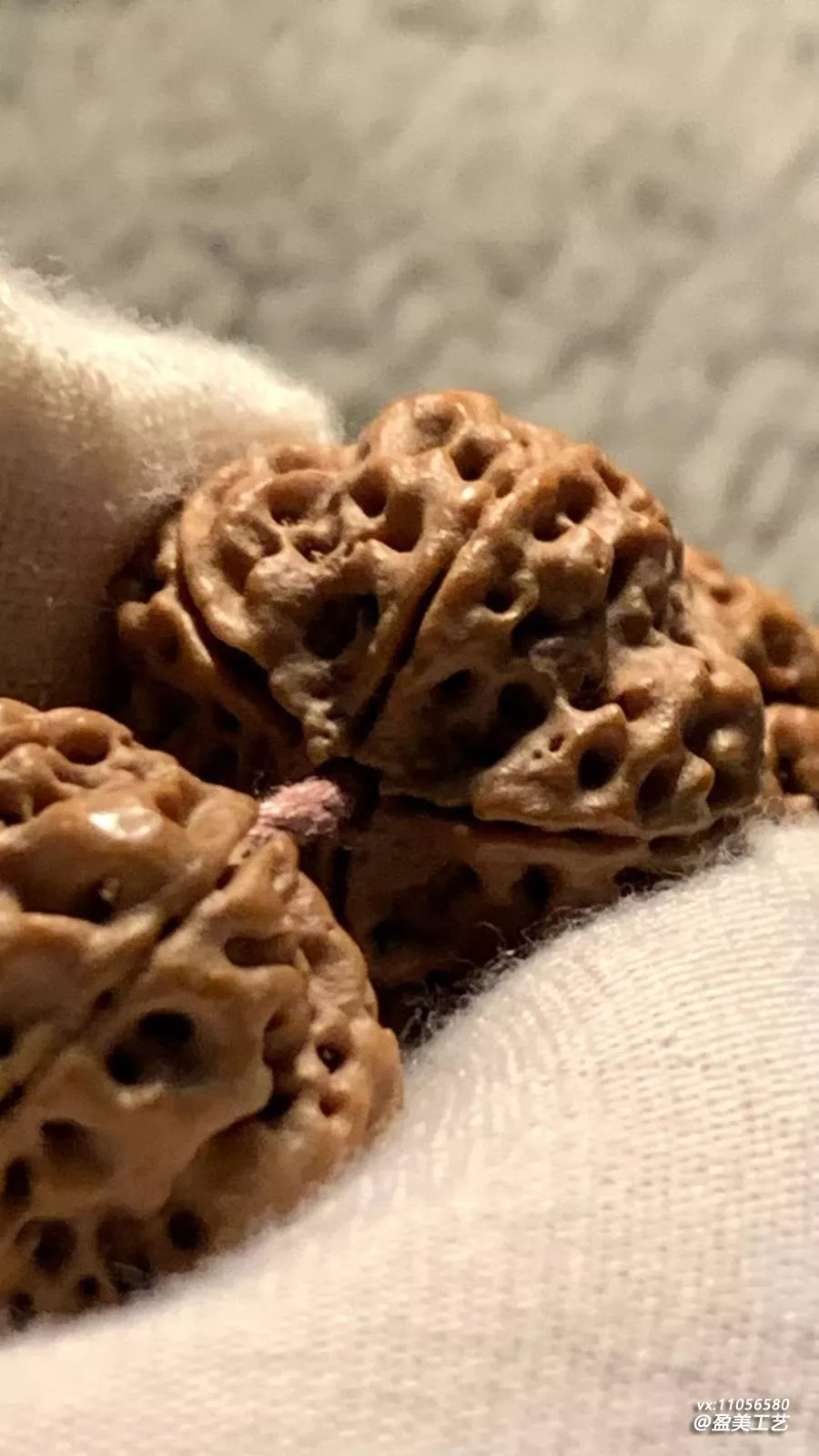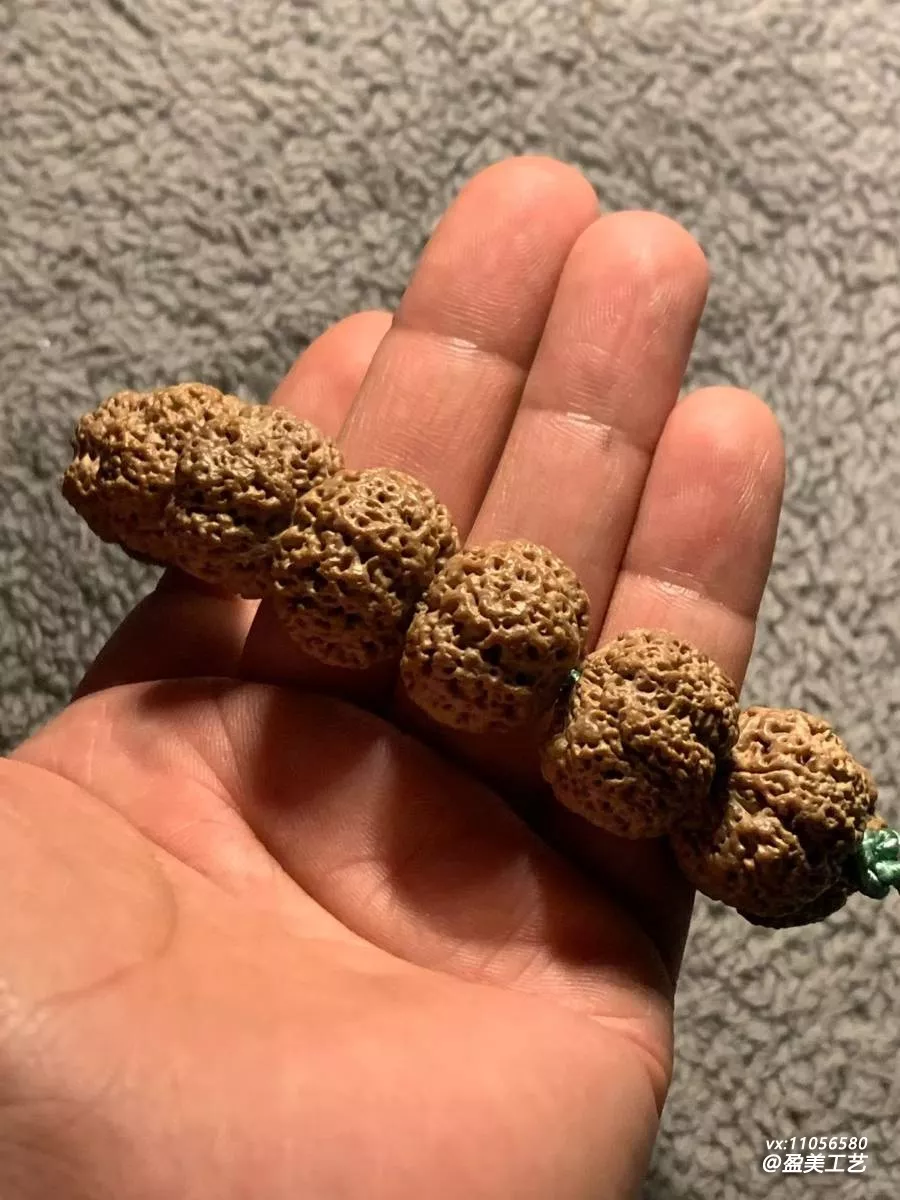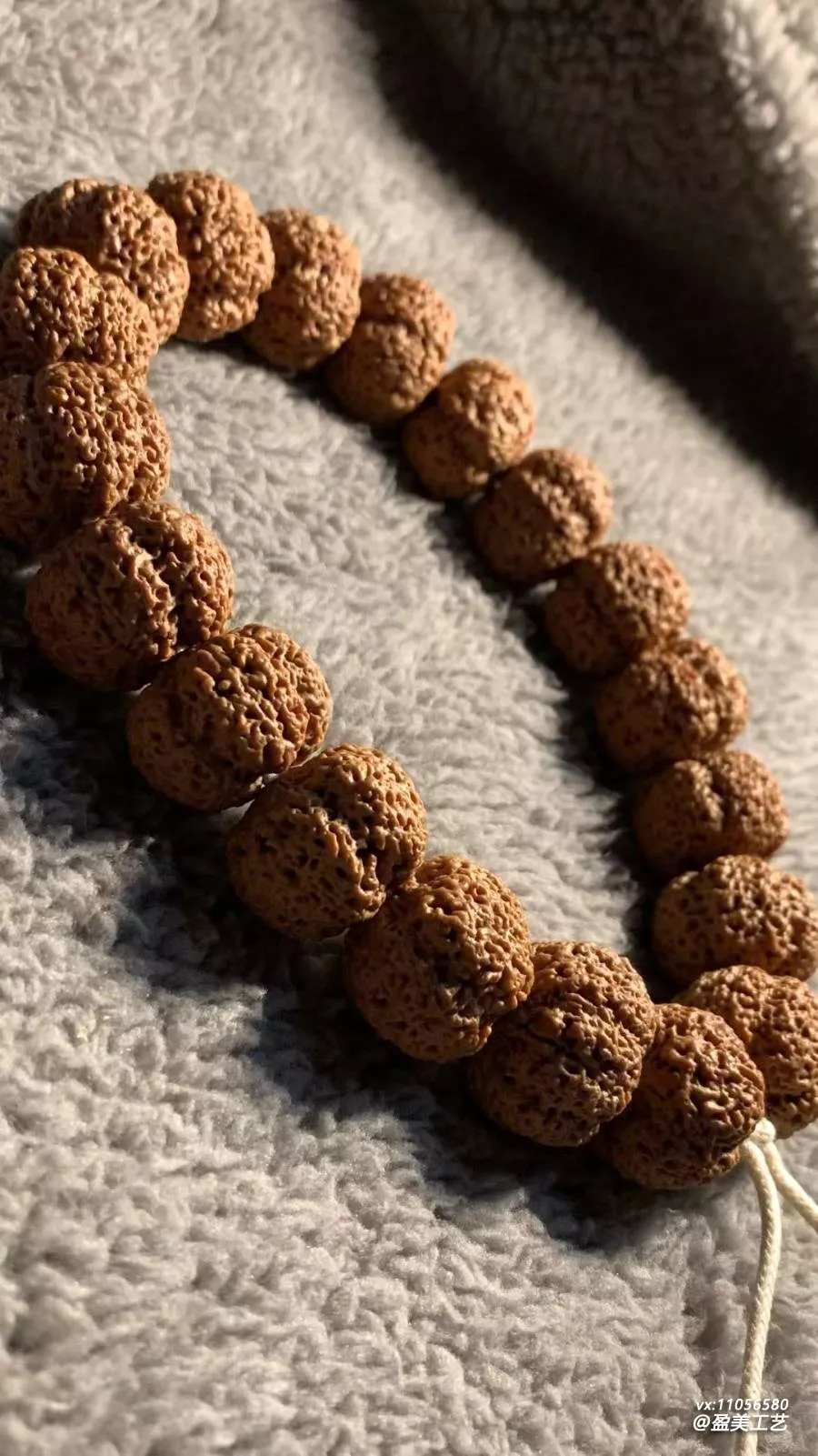
Mala or hand-held? A comparison of two ways to play with large Rudraksha. For large Rudraksha, wearing as a mala and holding in hand are the two most common approaches, and beginners often struggle to choose. Each has its own characteristics; once you compare them clearly, you'll know which suits you best.
Characteristics of a Mala
Characteristics of a mala: strung into a loop and worn on the wrist, with a flexible number of beads. It is convenient for daily wear and can be worked with anytime. A mala fits the wrist comfortably, making it suitable for everyday outings—just play with it whenever you like. It is the mainstream choice for most players.
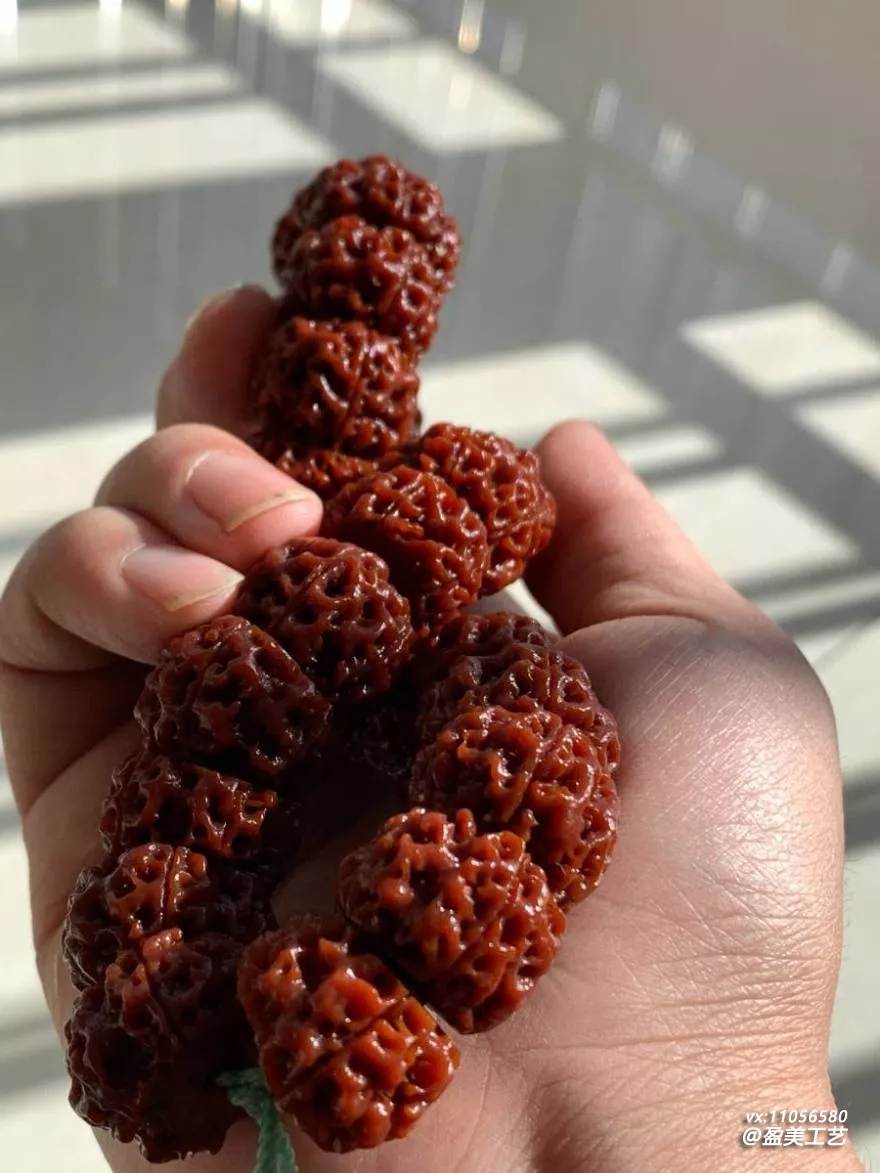
Characteristics of a Hand-held Strand
Characteristics of a hand-held strand: a short strand held in the hand for working, usually around twenty beads, often adorned with disciple beads and tassels, giving the practice a sense of ritual. A hand-held strand is not worn on the wrist but is used specifically for focused breaking-in. It feels solid in the hand and suits players who enjoy dedicated practice, offering a better breaking-in experience.
How to Choose
How to choose: if you like daily wear and playing anytime, go with a mala; if you prefer focused practice and a sense of ritual, choose a hand-held strand. A mala is practical, while a hand-held strand has character. You can also keep one of each and switch between them. Mala or hand-held? A comparison of two ways to play with large Rudraksha: a mala is convenient for wearing, while a hand-held strand is for focused practice—choose based on your habits.
There is no superior way to play, only what suits you. A mala is convenient to carry, and a hand-held strand offers immersive enjoyment. Try both, and you will discover which one you prefer.