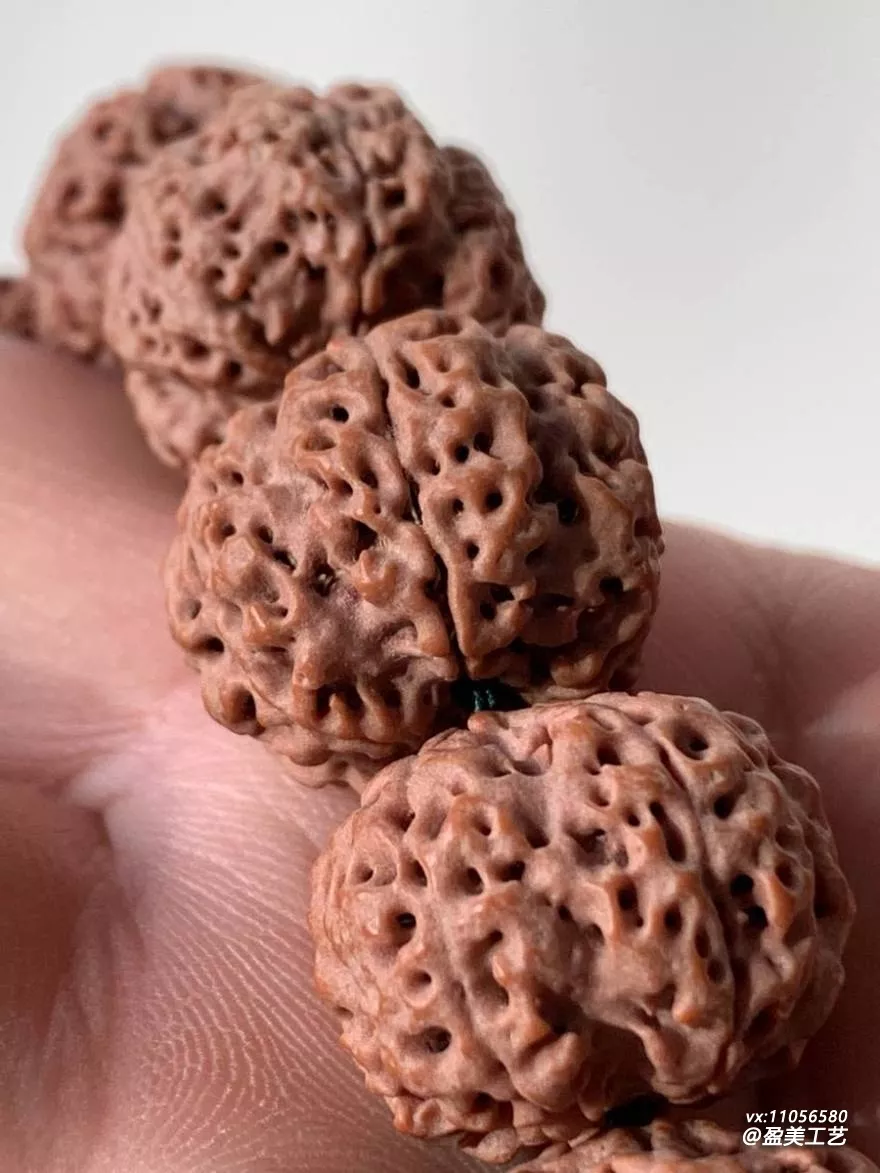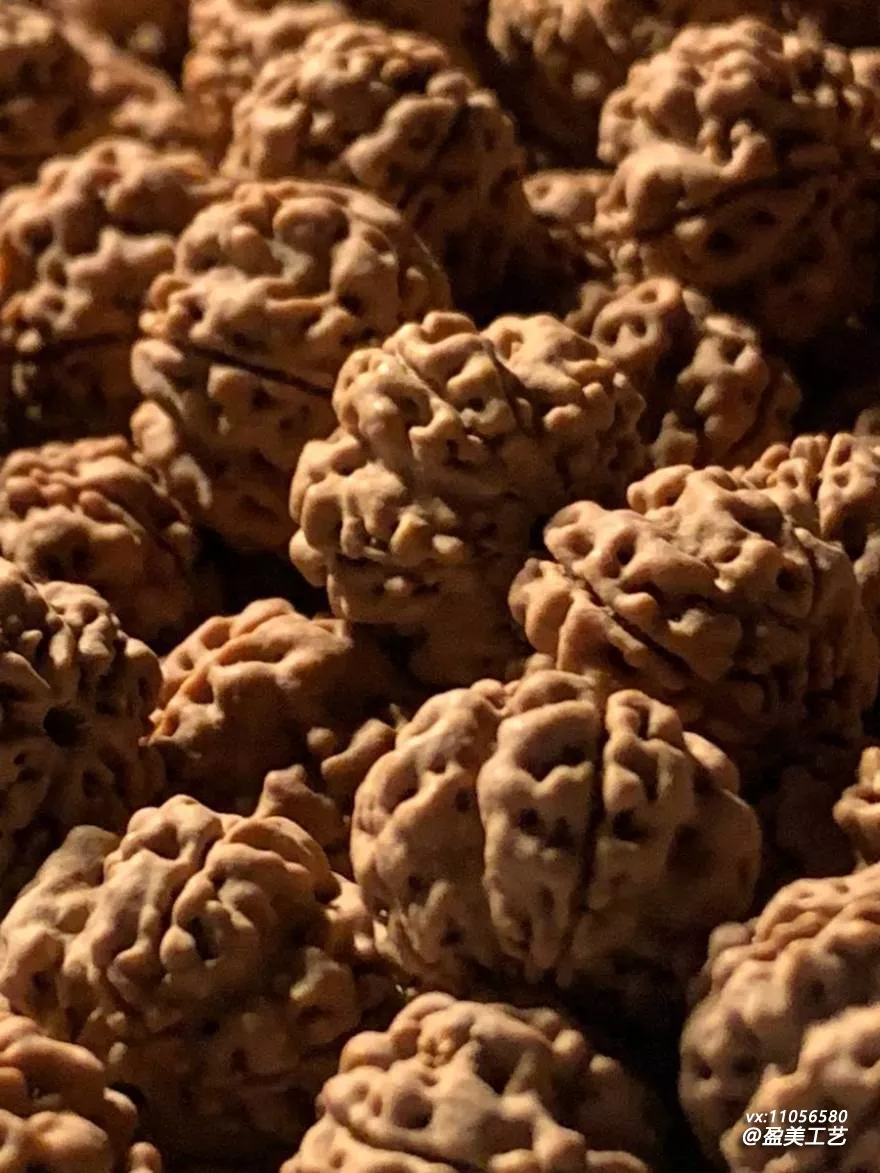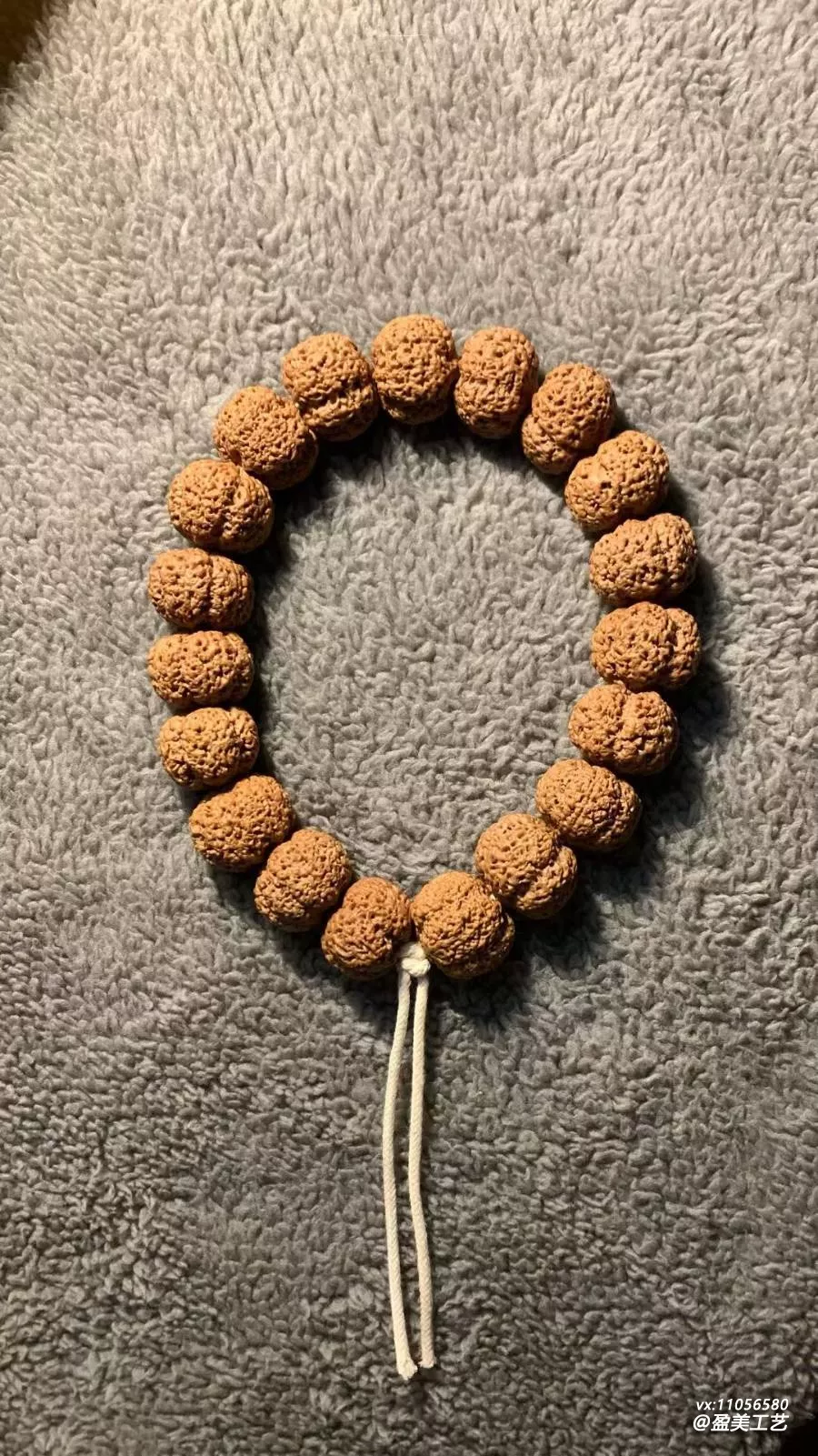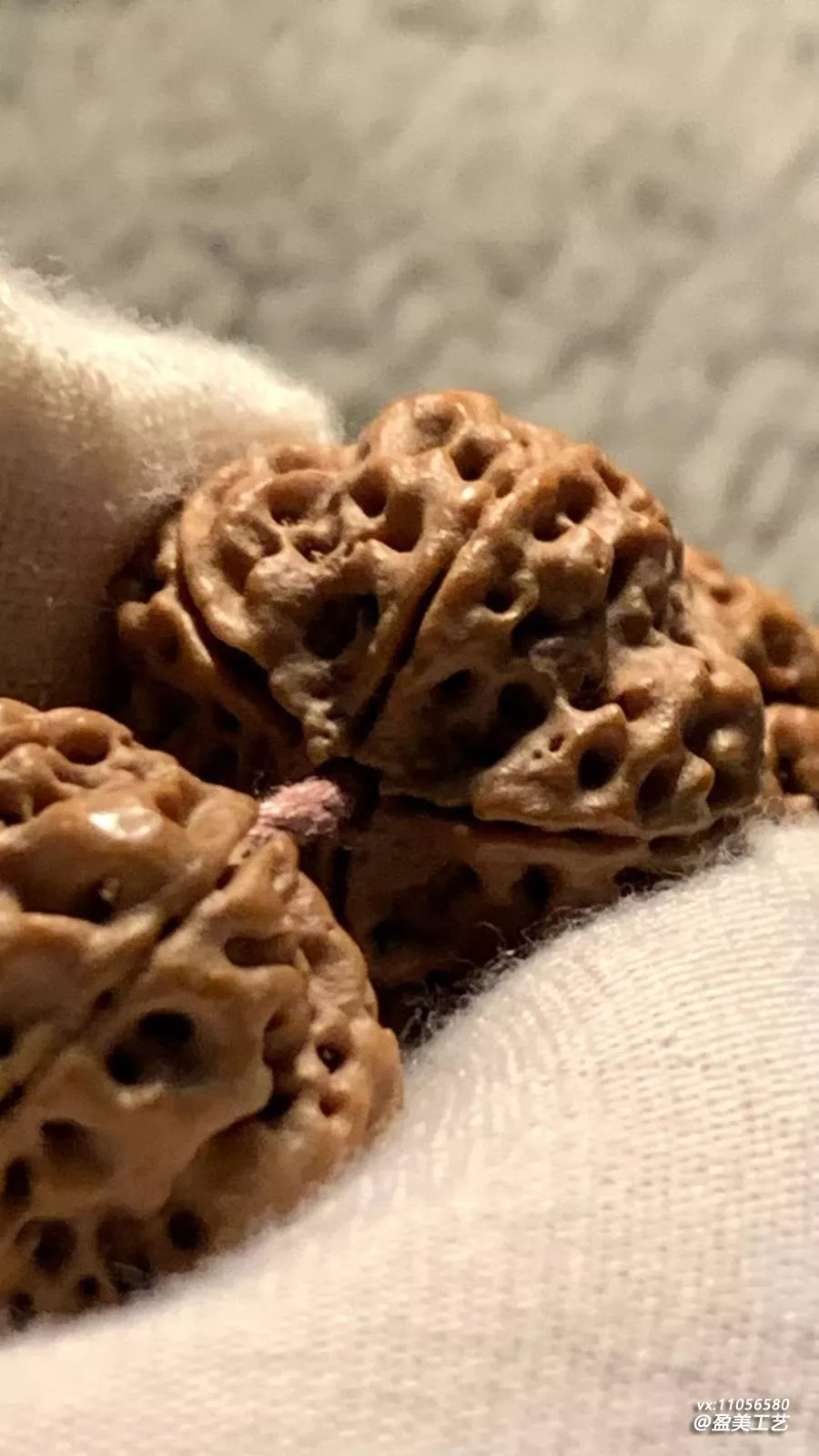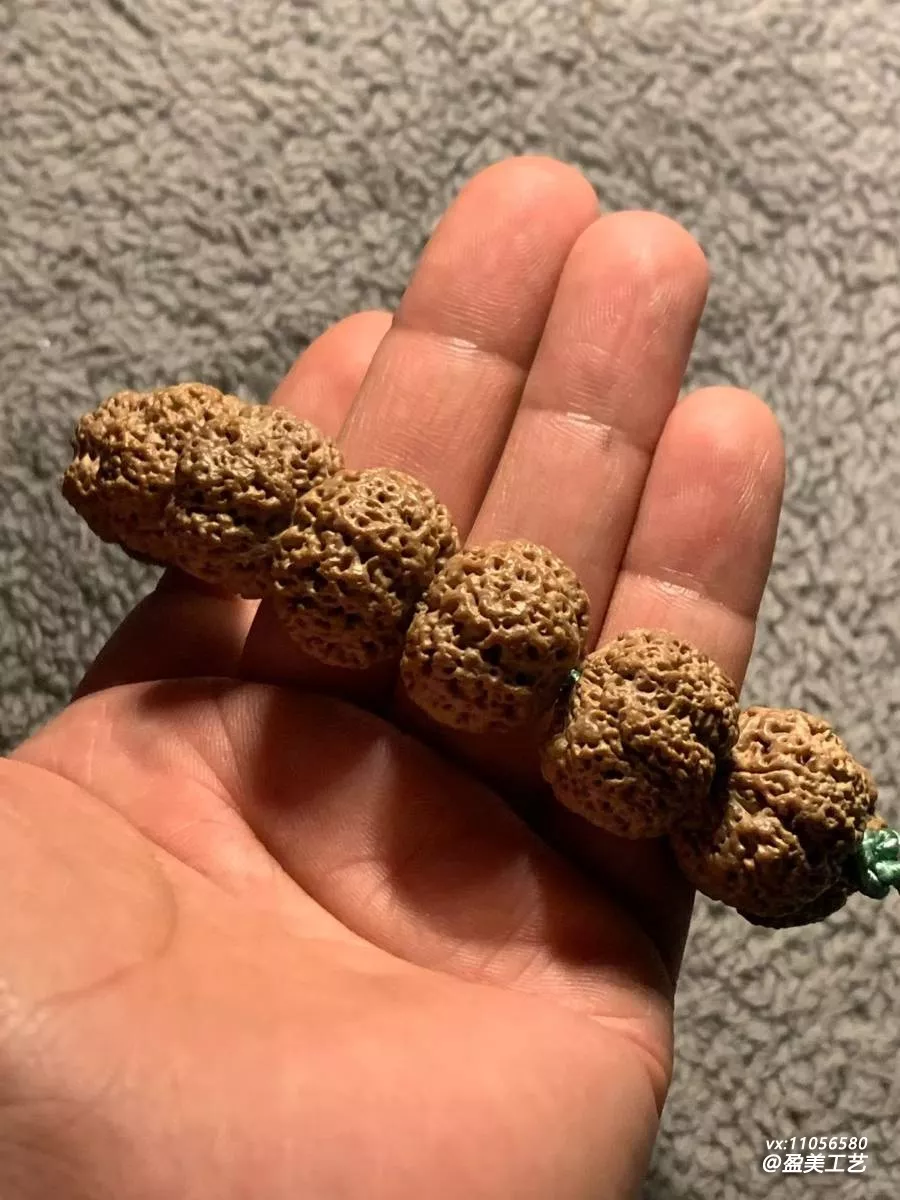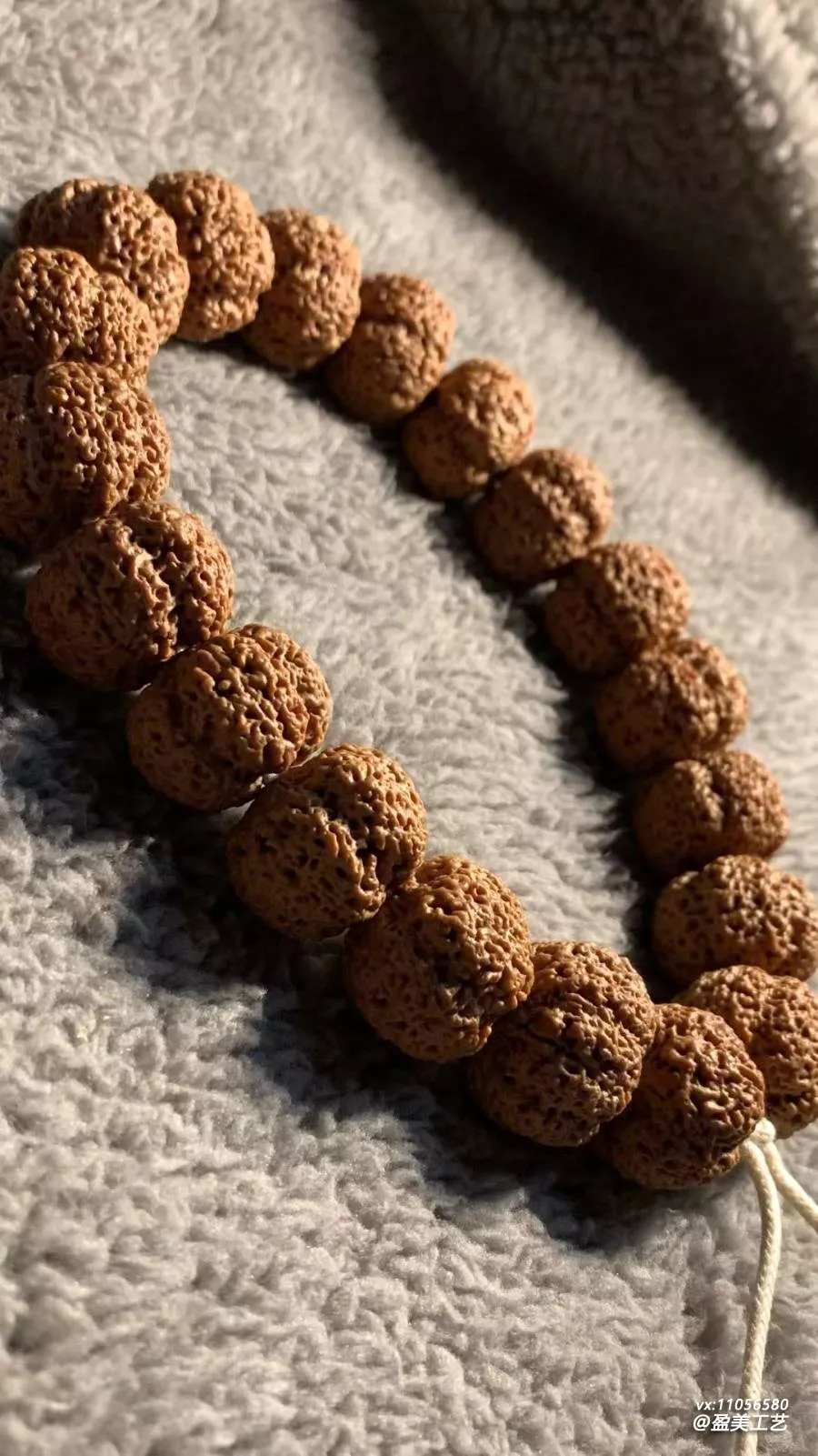
Don't buy Rudraksha (large) that's too cheap—avoid these pitfalls. It's human nature to look for a bargain, but if Rudraksha (large) is too cheap, there's usually a catch. You won't be able to break it in (patina process), and your money will be wasted. Don't buy Rudraksha (large) that's too cheap—avoid these pitfalls.
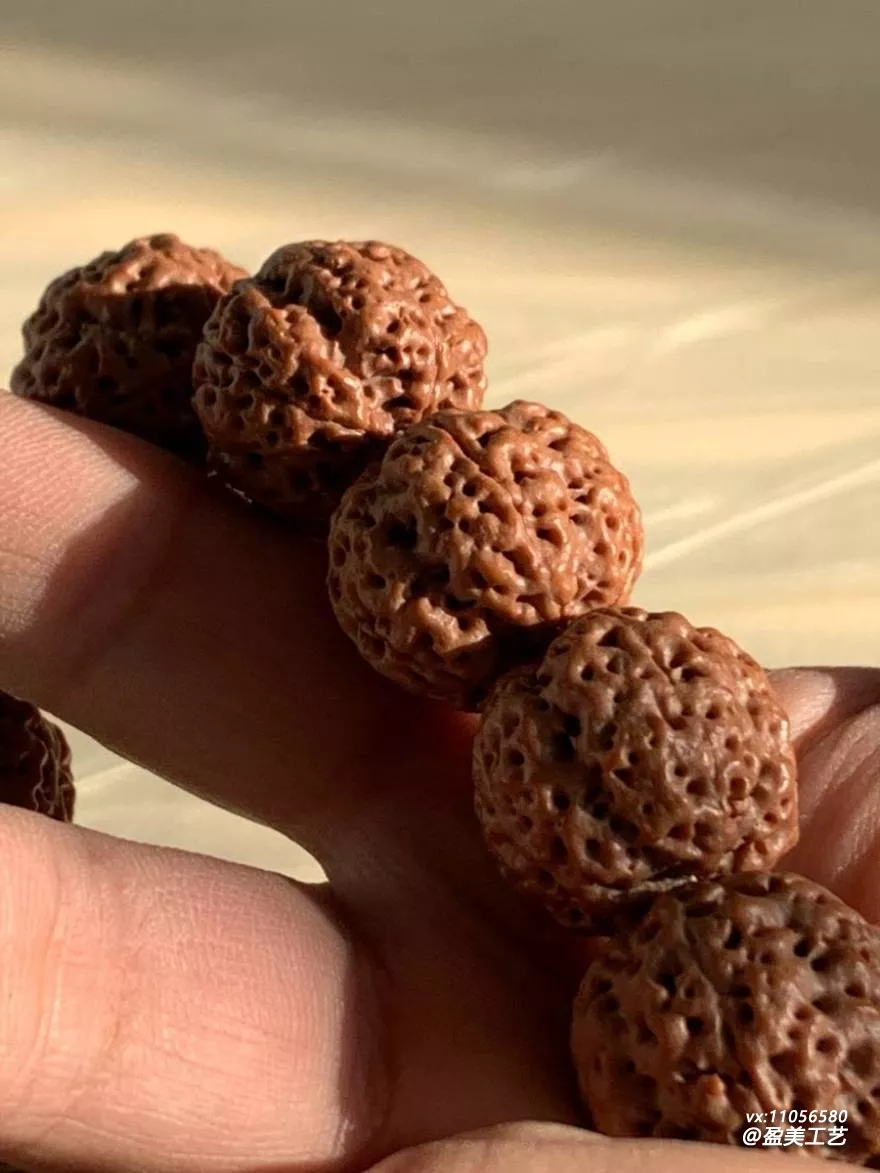
Pitfall 1: Fake "Luodi Hong"
Pitfall 1: Fake "Luodi Hong." Luodi Hong looks like Rudraksha (large) and is cheap, but its grain / texture is rigid, its skin is dry, and its density is poor—it won't develop a patina. If something called Rudraksha (large) is too cheap, first suspect it might be Luodi Hong. Check the skin and density before buying.
Pitfall 2: Dyed and chemically treated beads
Pitfall 2: Dyed and chemically treated beads. Some malas (prayer beads) are dyed or soaked in chemicals. They look nicely colored, with big, shiny beads, but the skin has actually been damaged—they won't develop a patina and may even harm your hands. Cheap malas (prayer beads) with bright colors have most likely been treated. Don't chase bargains.
Pitfall 3: Chaffy beads and defective pieces
Pitfall 3: Chaffy beads and defective pieces. Cheap malas (prayer beads) commonly contain chaffy beads, broken teeth, and repaired beads. The quality is poor, and the results after breaking-in (patina process) won't be good either. Ask clearly about quality before buying, and inspect carefully when it arrives. Don't buy Rudraksha (large) that's too cheap. Avoid these pitfalls—Luodi Hong, dyed and chemically treated beads, and chaffy or defective beads—and you won't lose out when buying a mala (prayer beads).
Bargain-hunting on malas (prayer beads) often ends up costing you more. Remember these three pitfalls, stay alert before buying, and your money will be well spent.