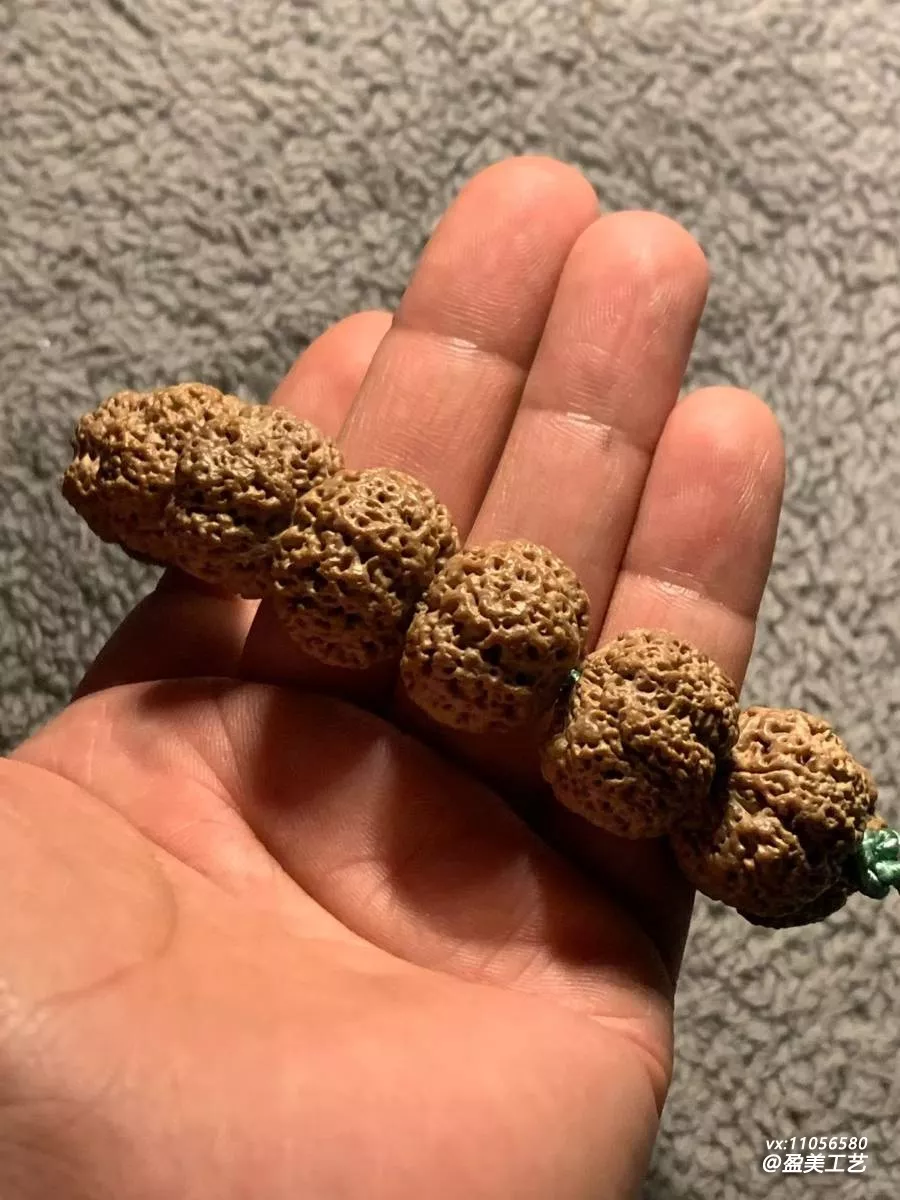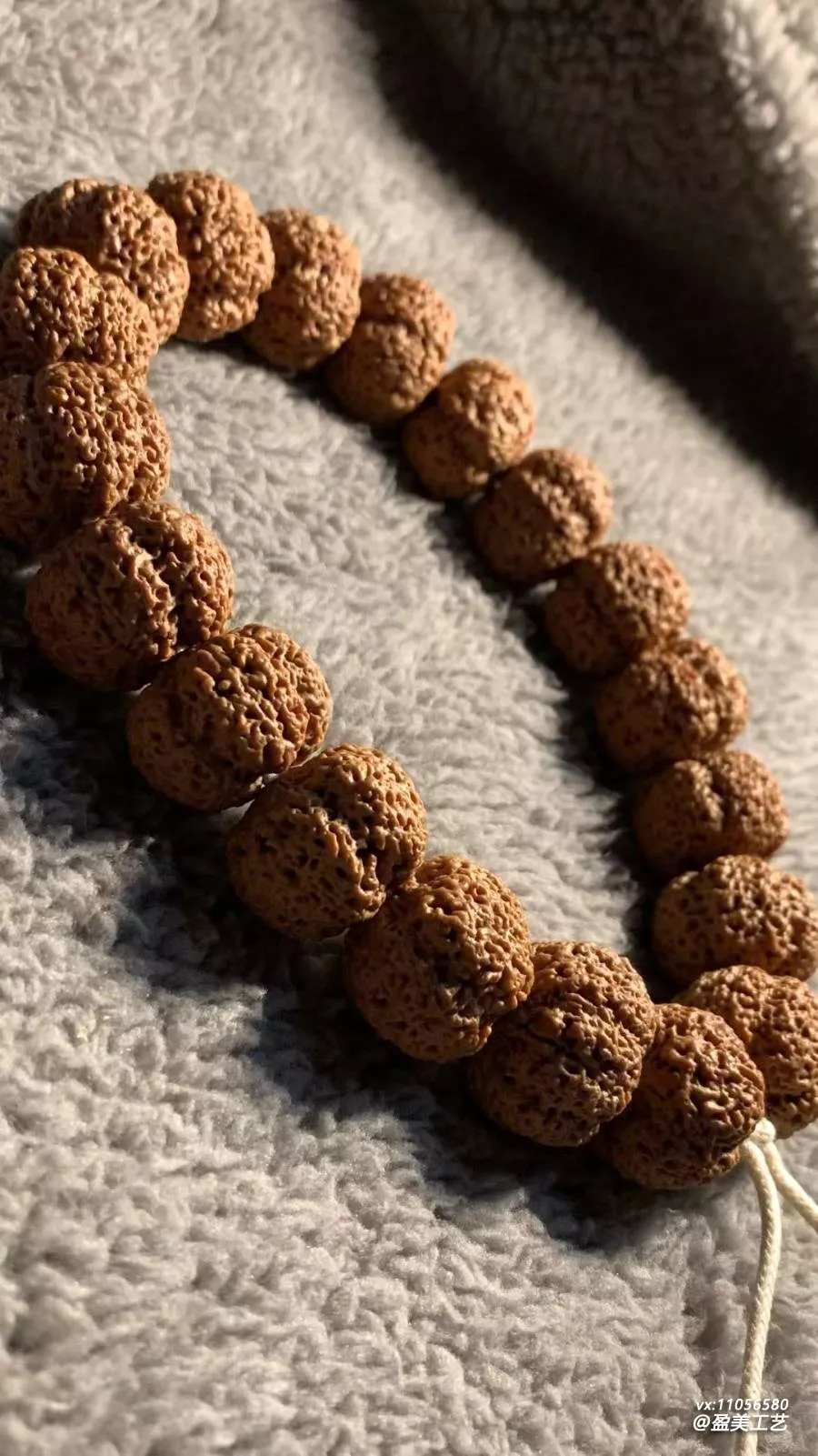
How do you tell old seeds from new seeds? For Rudraksha (large), look at these two things. When buying a mala (prayer beads), sellers often mention old seeds and new seeds, and beginners get confused, not knowing which is better. How to tell old seeds from new seeds—look at these two things, figure it out clearly, then decide which to buy.
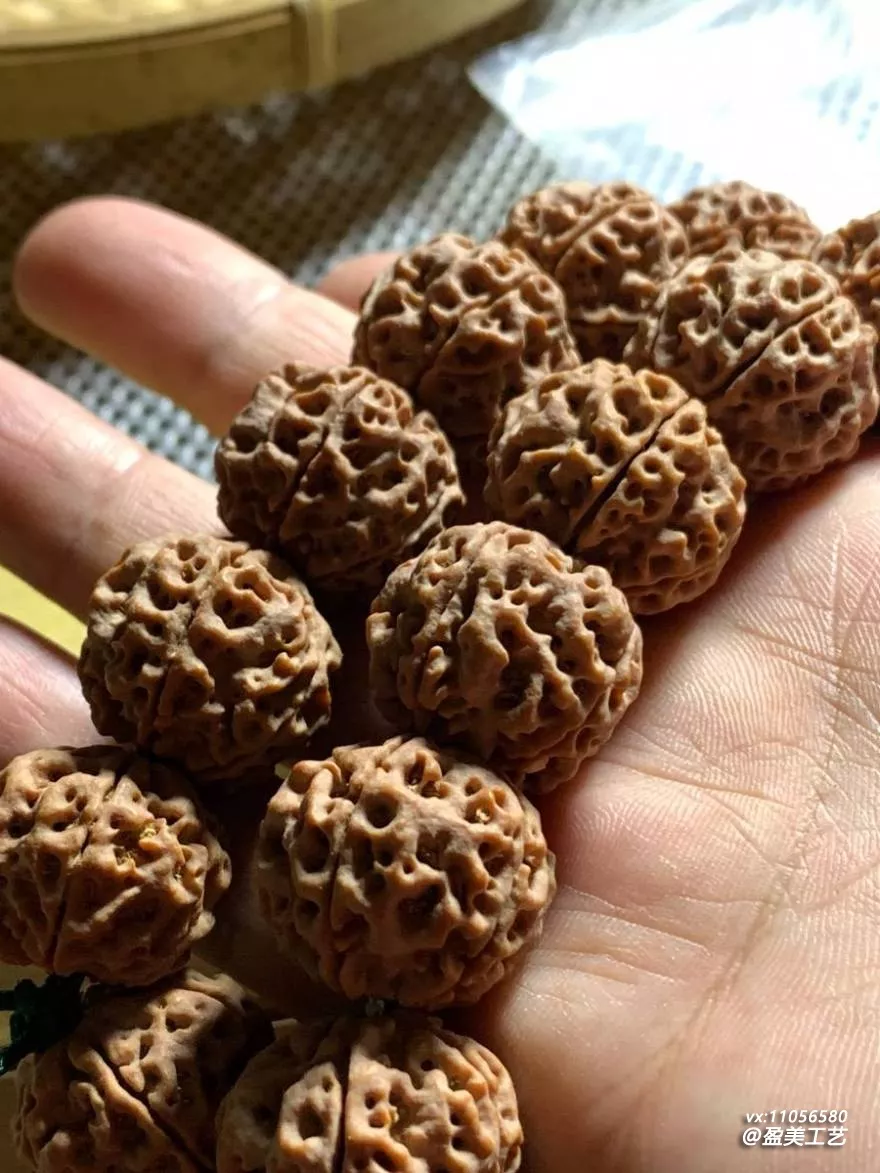
Look at the color
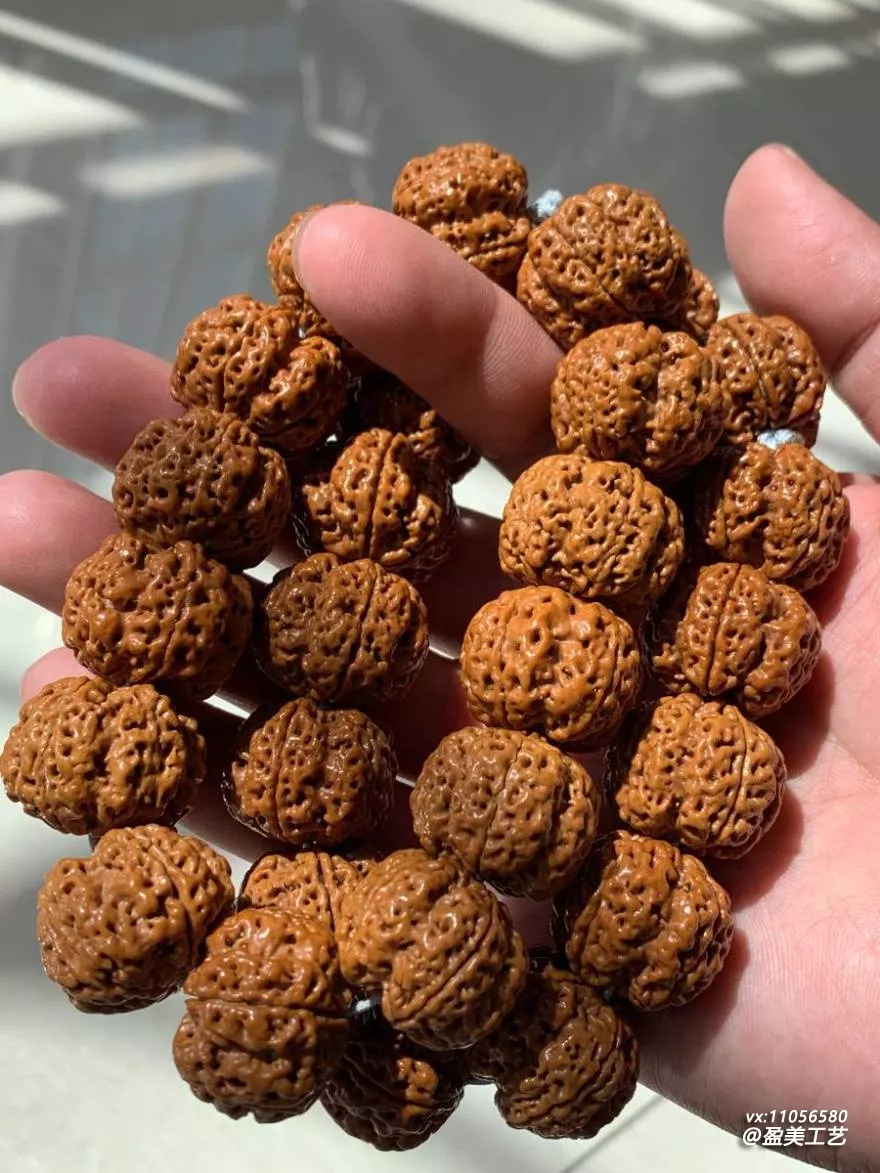
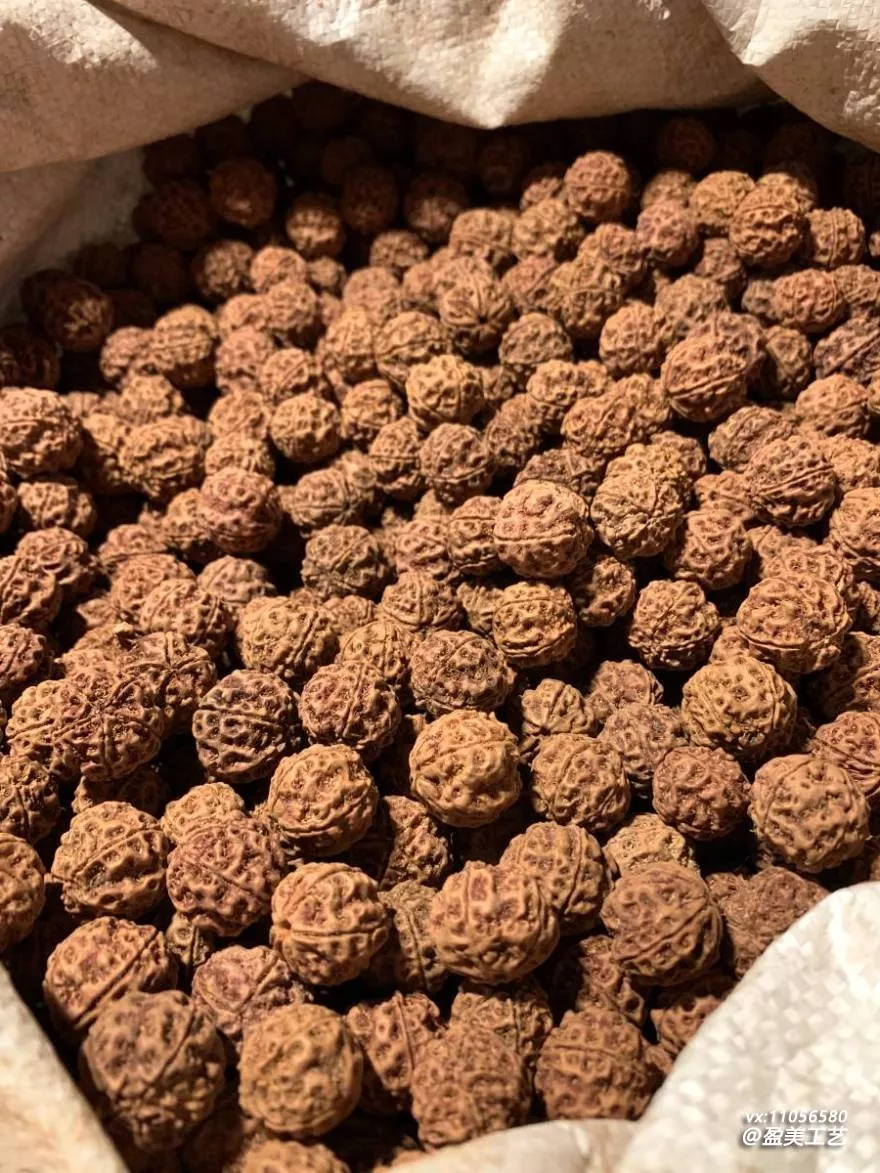
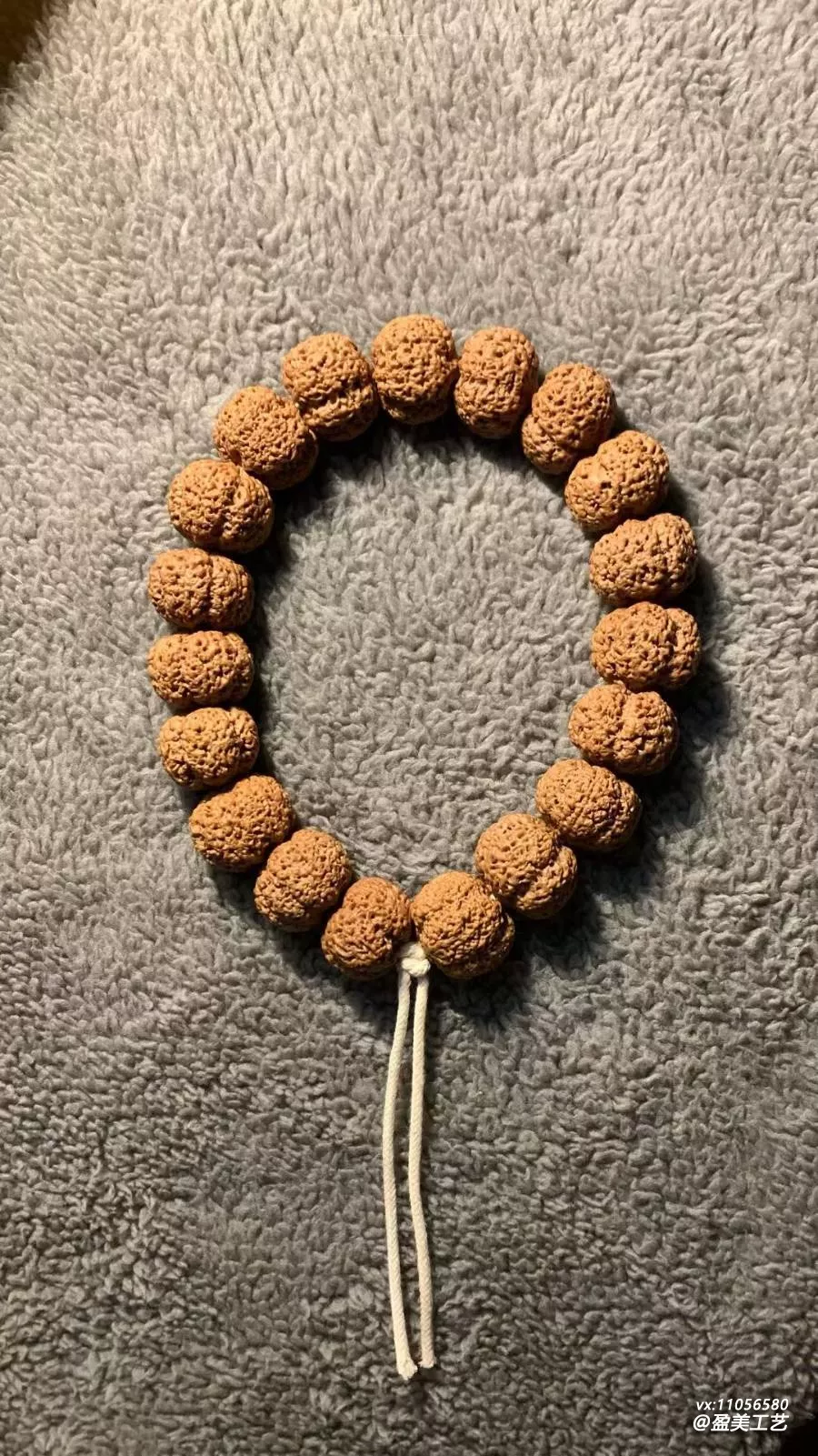
Look at the color: old seeds have been stored for a long time, so their color naturally deepens, leaning toward reddish-brown or deep yellow, and they look steady and composed; new seeds are light yellow, pale in color, with the fresh brightness of new seeds. Color is the most intuitive point for telling old seeds from new seeds—the darker ones are mostly old seeds.
Look at the skin
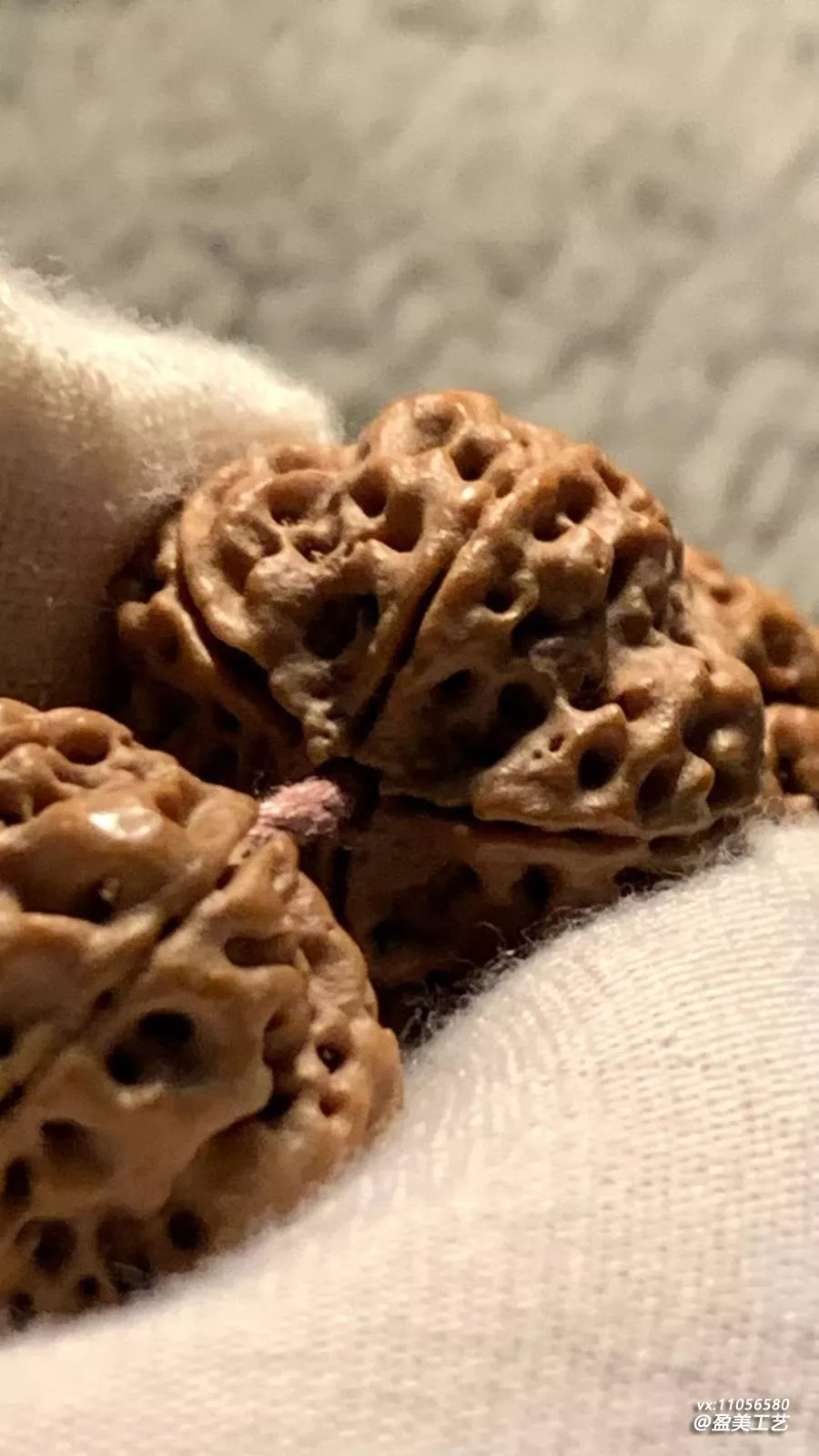
Look at the skin: old seeds have been stored a long time, so the skin is stable, the moisture has fully evaporated, and the surface is dry yet oily; new seeds have plenty of moisture, so the skin is on the damp side, and alkaline bloom is also relatively obvious. Stable skin is the advantage of old seeds, making breaking-in (patina process) less troublesome, while new seeds need initial prep work to deal with alkaline bloom.
How to choose
How to choose: old seeds have stable skin and are easy to break in, but cost a bit more; new seeds need alkaline bloom dealt with, but have more room for color development and are more affordable. If you like convenience, choose old seeds; if you like to break in your own changes, choose new seeds. How do you tell old seeds from new seeds? For Rudraksha (large), look at these two things: look at how deep the color is, and look at whether the skin is stable. Once you have it clear, choose according to your preference.
Both old seeds and new seeds can be broken in to make a good mala. See the characteristics clearly and choose what you like—once you break it in, it is a good mala.