Ordinary grade and fine grade — where does a large bodhi differ? When buying, the price gap is several times, and beginners want to know where it lies and whether the difference is worth it. Explained clearly, so you know where you stand.
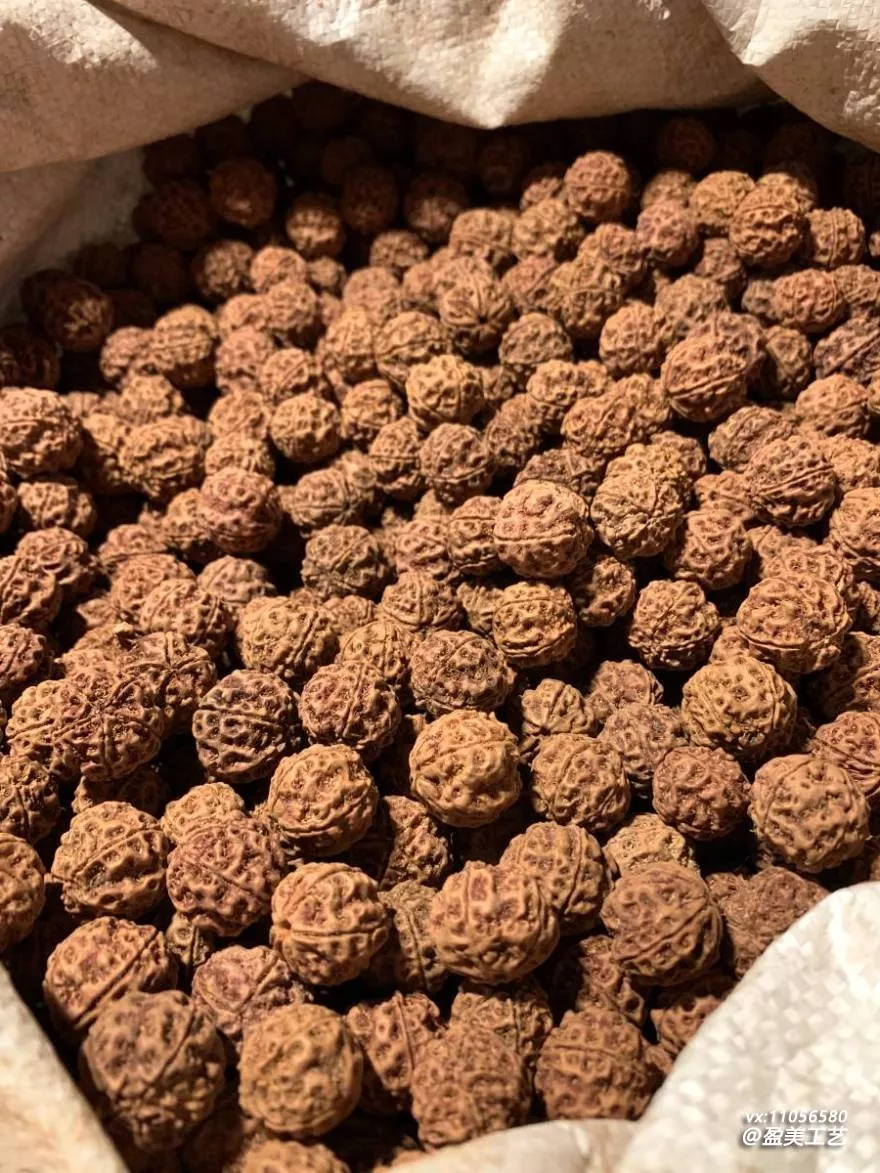
The gap in condition
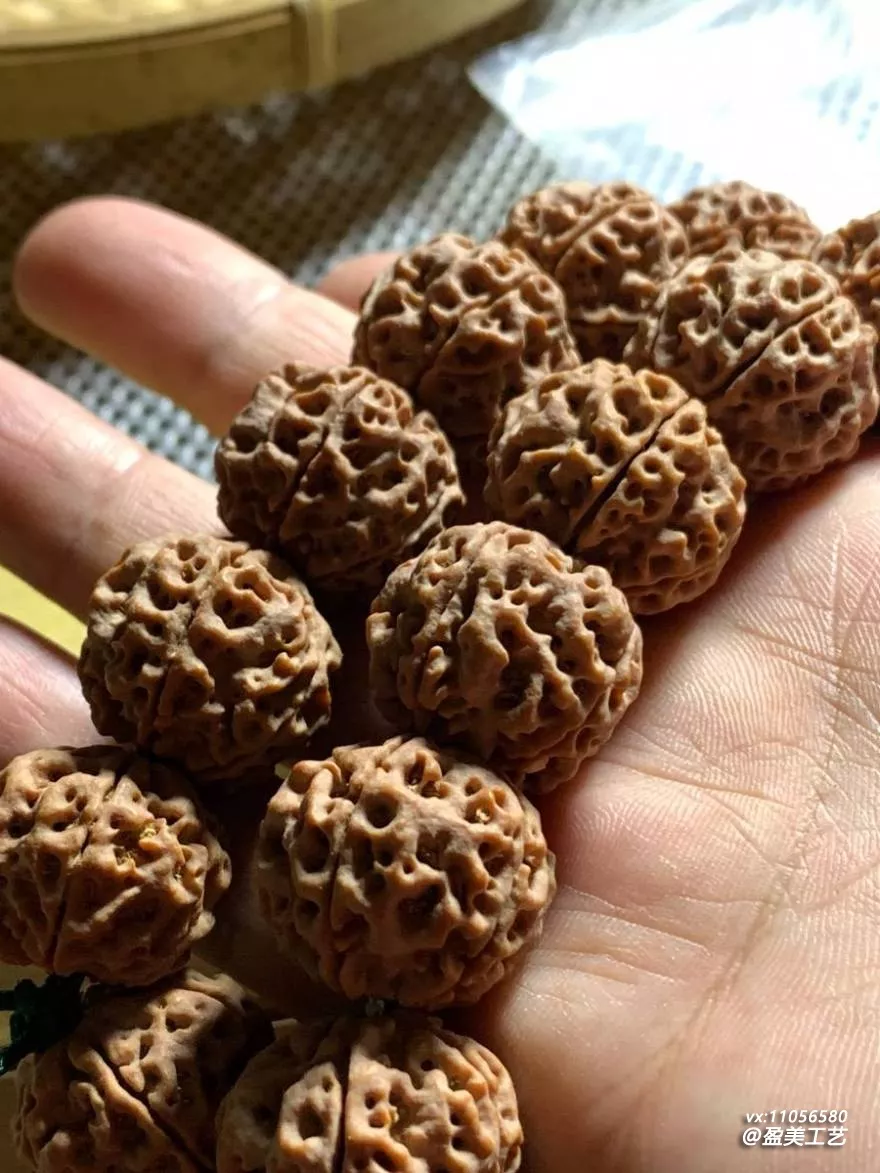
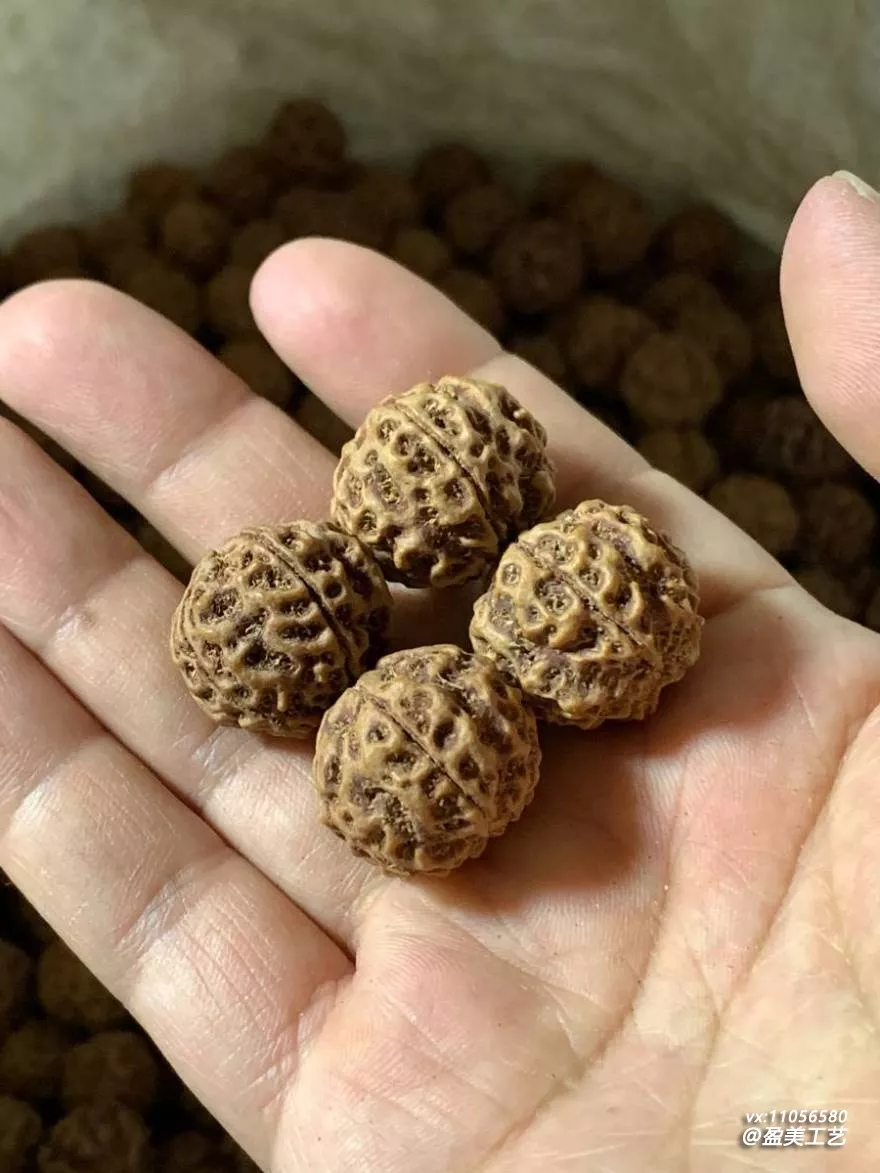
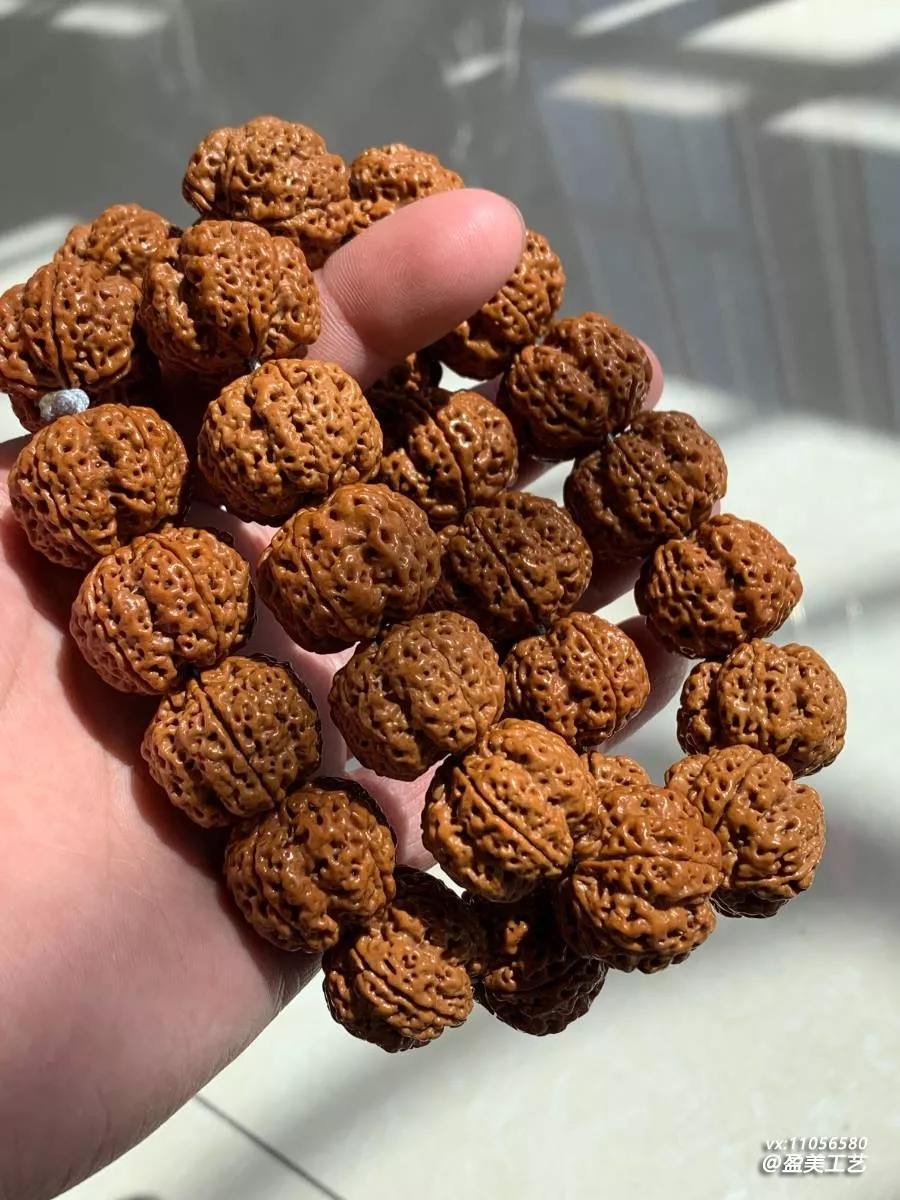
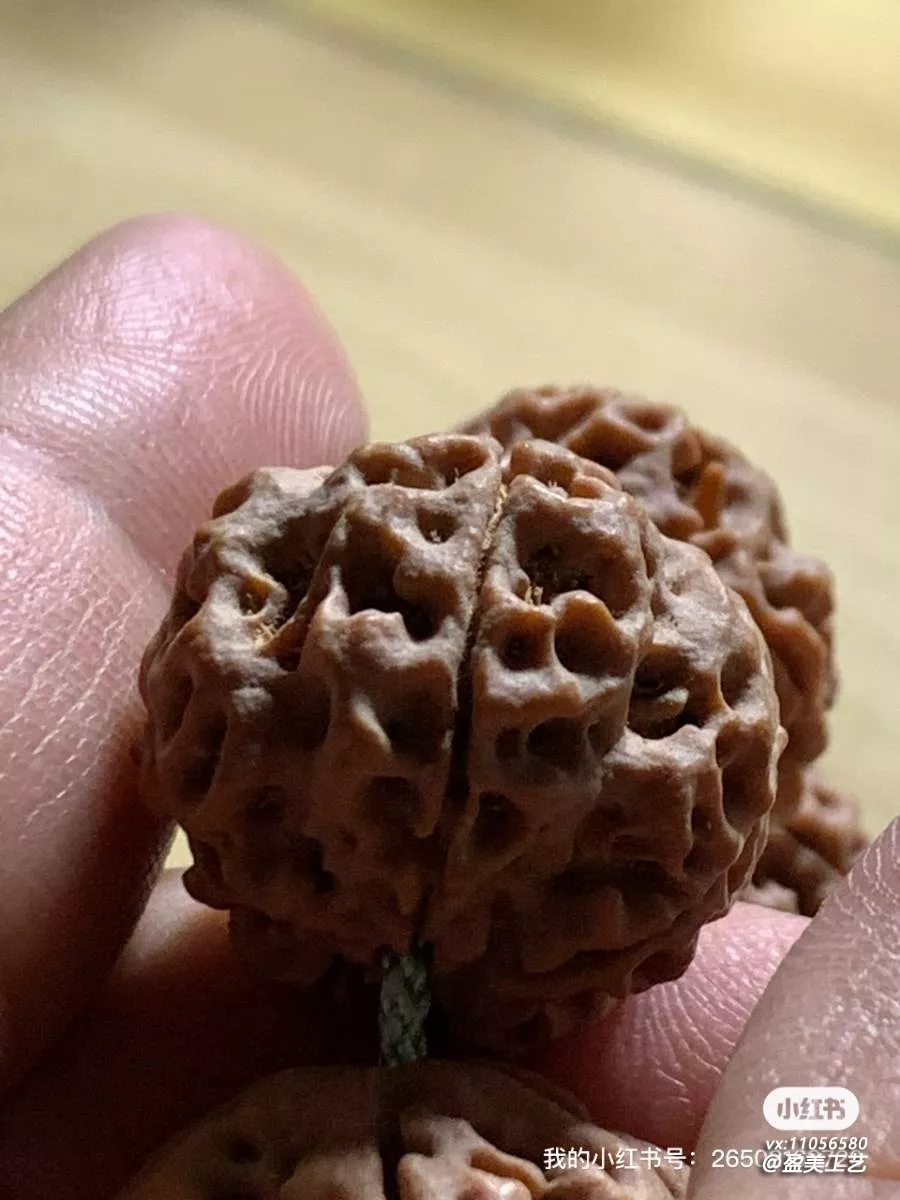
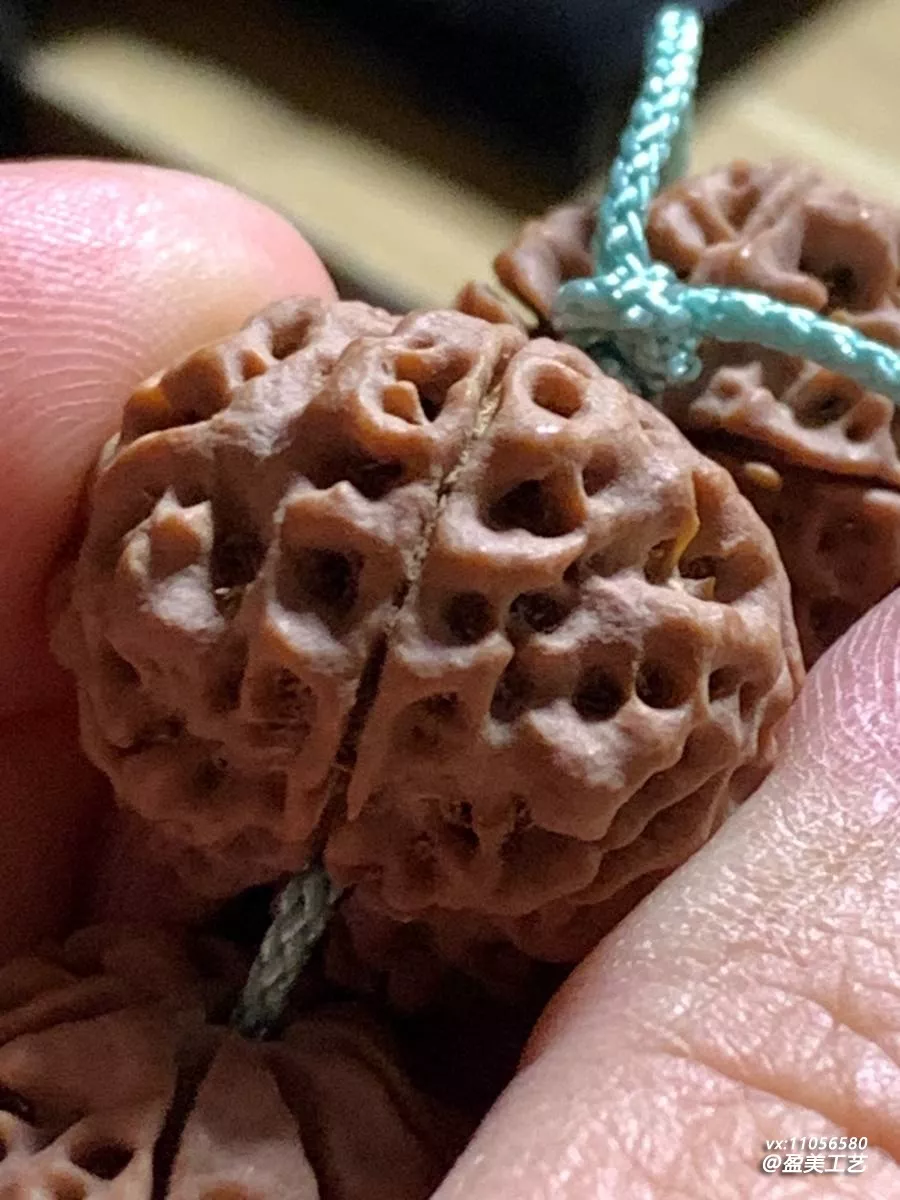
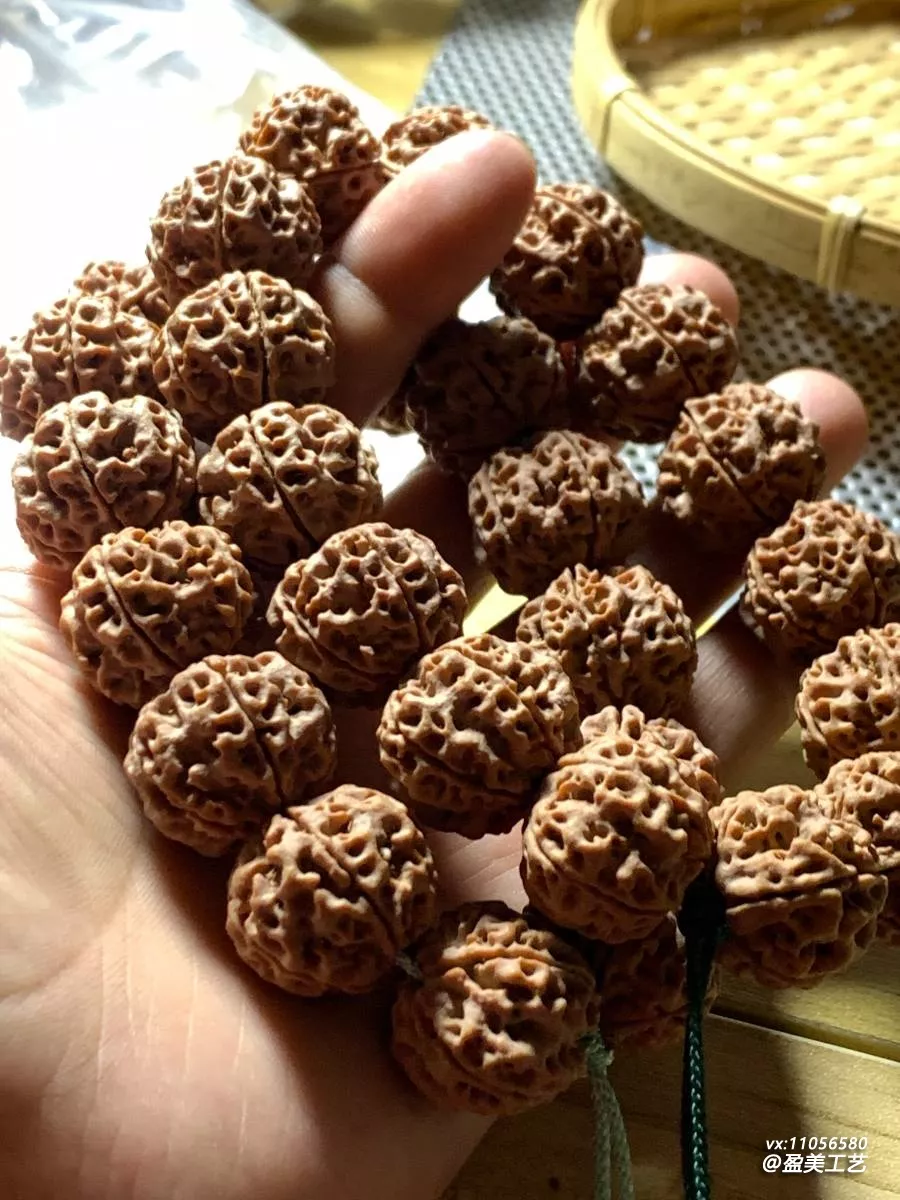
The gap in condition: ordinary seeds have average grain, uneven seed shape and the odd flaw; fine seeds have three-dimensional regular grain, every seed consistent in shape, and oily skin. Set side by side, the difference in condition is visible at a glance — fine grade is clearly more refined.
The gap in quality
The gap in quality: ordinary skin and density vary, some good and some poor, so the playing result is unstable; fine grade has dependable skin and density, colours evenly and plays up consistently. Quality decides the playing experience, and a fine string is easy to live with.
How to choose
How to choose: for beginner practice, ordinary is enough and you can train the method without regret; chasing quality, fine is better value and plays up beautifully. The gap in price lies in condition and quality — choose by budget and need. Where a large bodhi differs between ordinary and fine is condition, quality and playing experience; choose for your own situation and each has its way.
Ordinary is for practice, fine is for enjoyment, and each has its pleasure — buy to your budget. A string is made by playing, not by buying, so once bought, play it well.