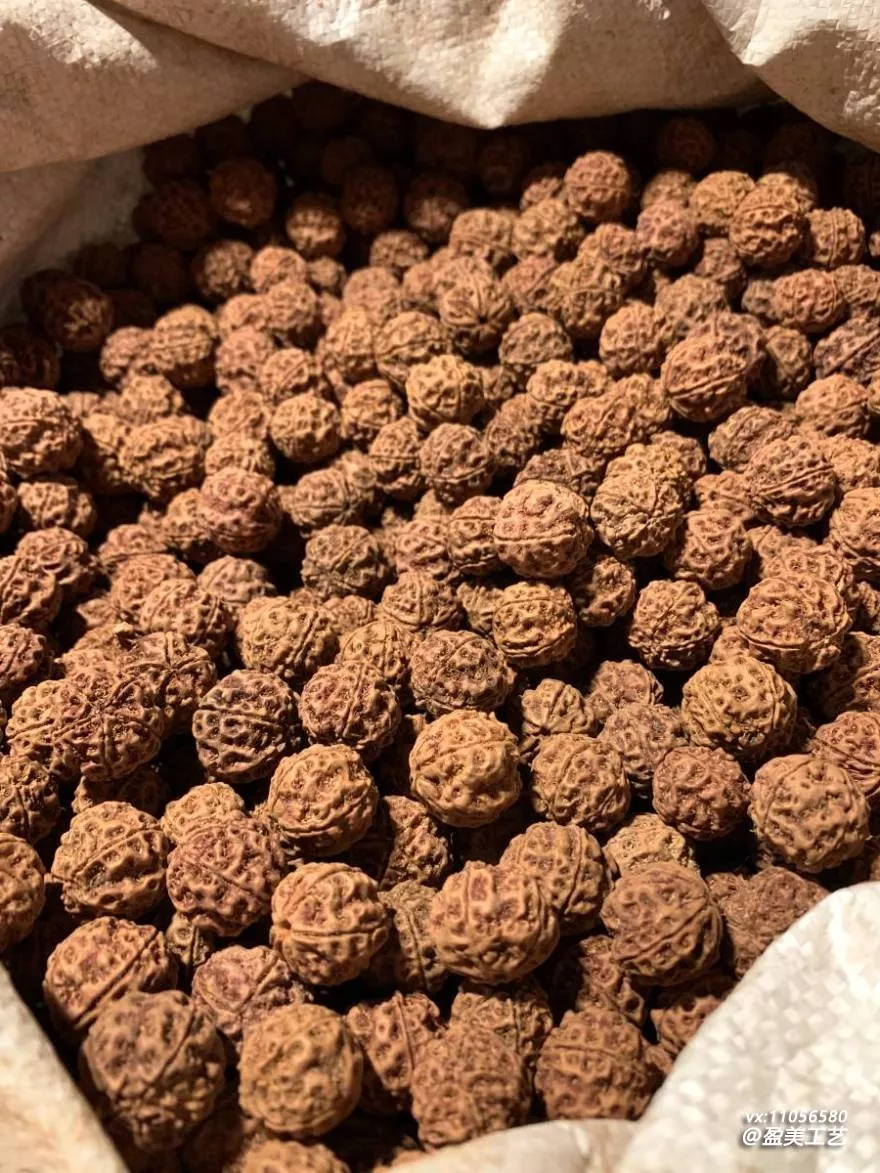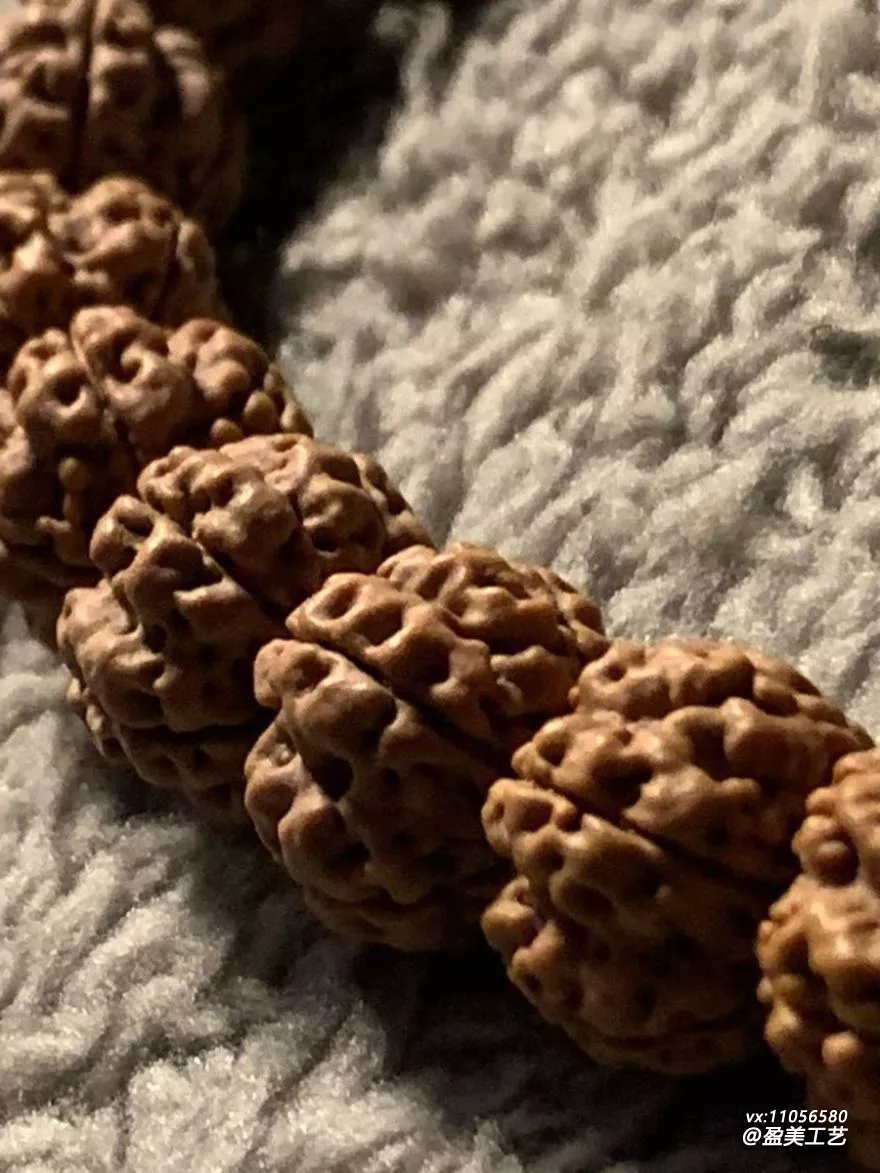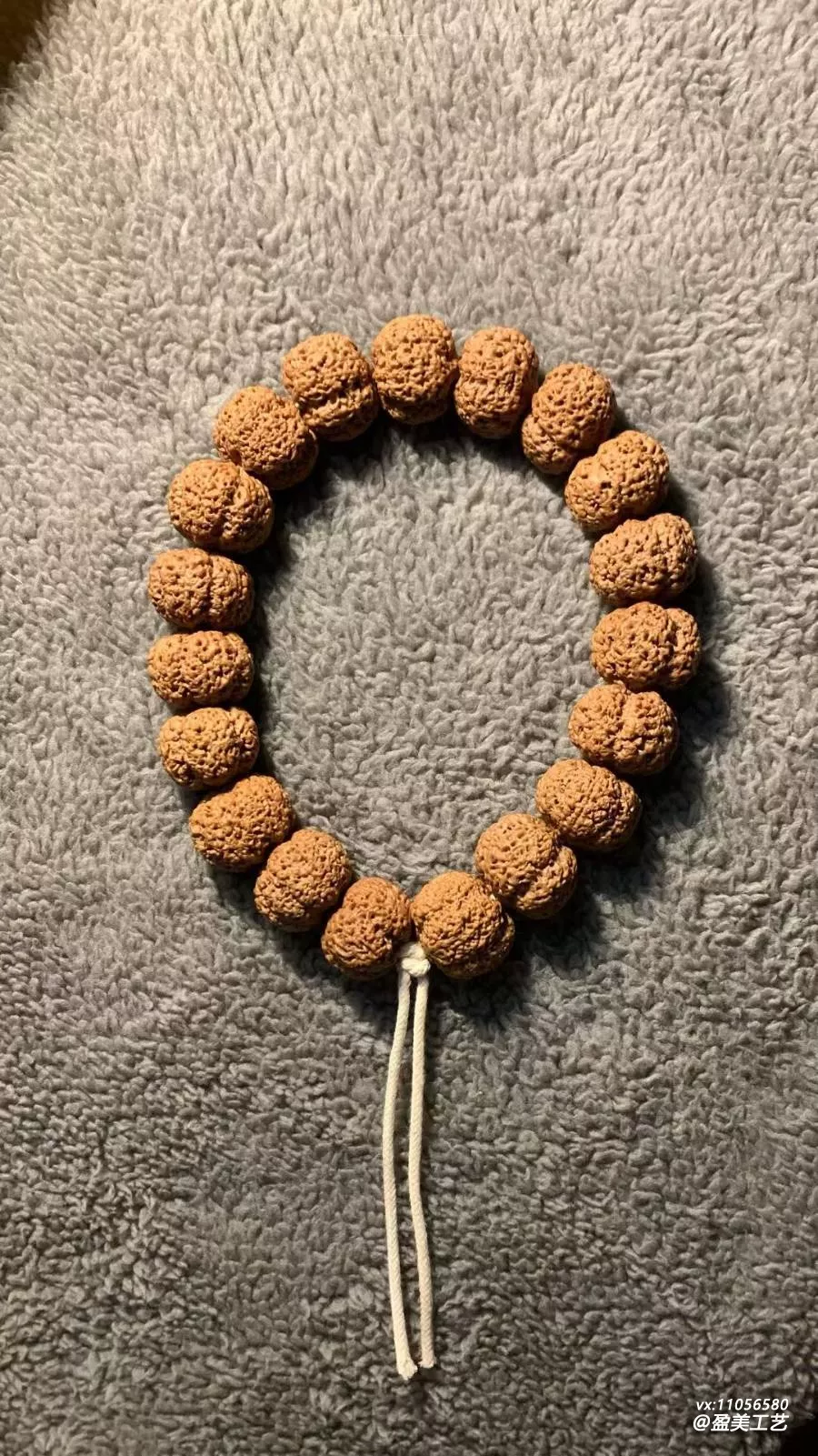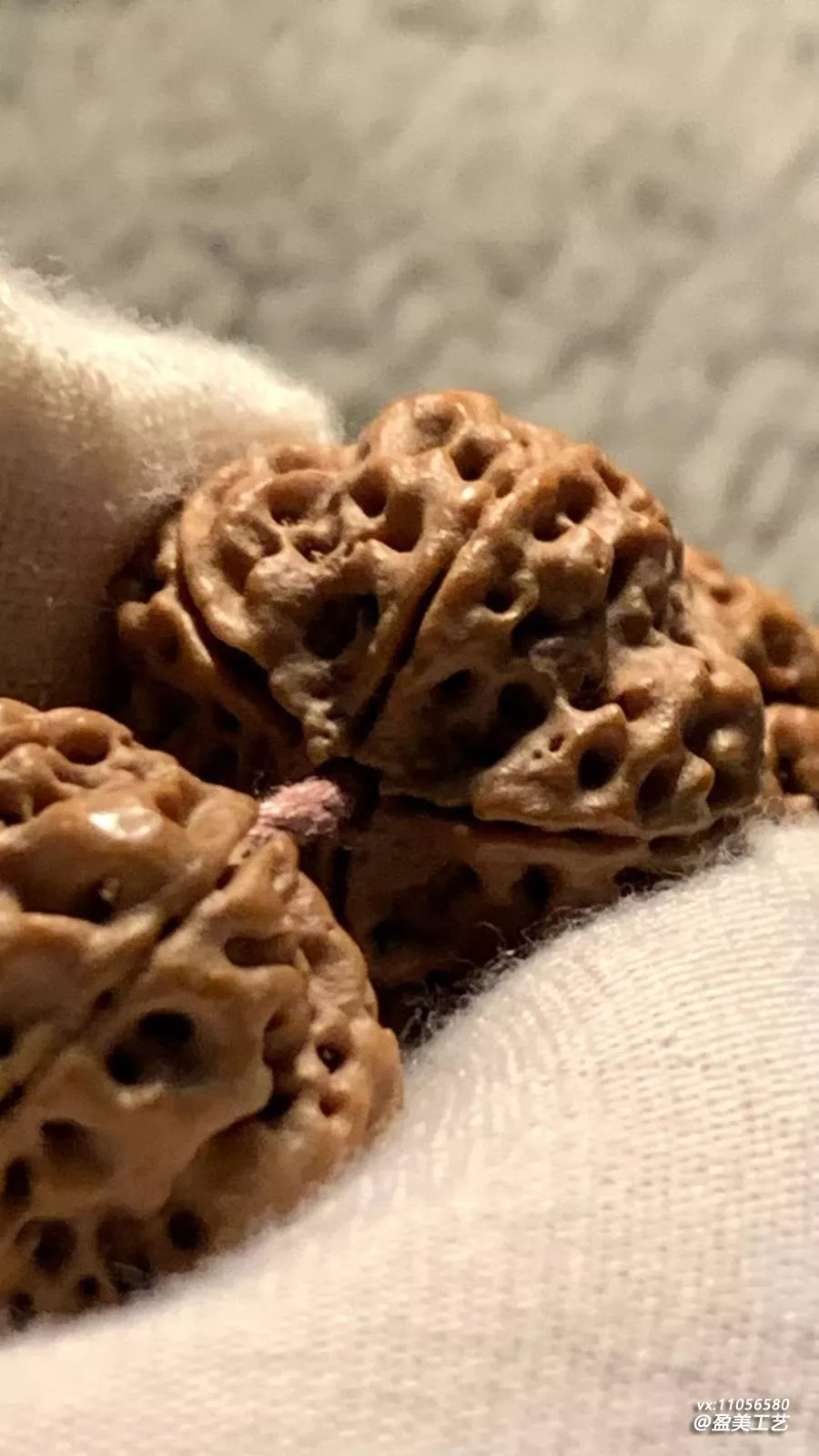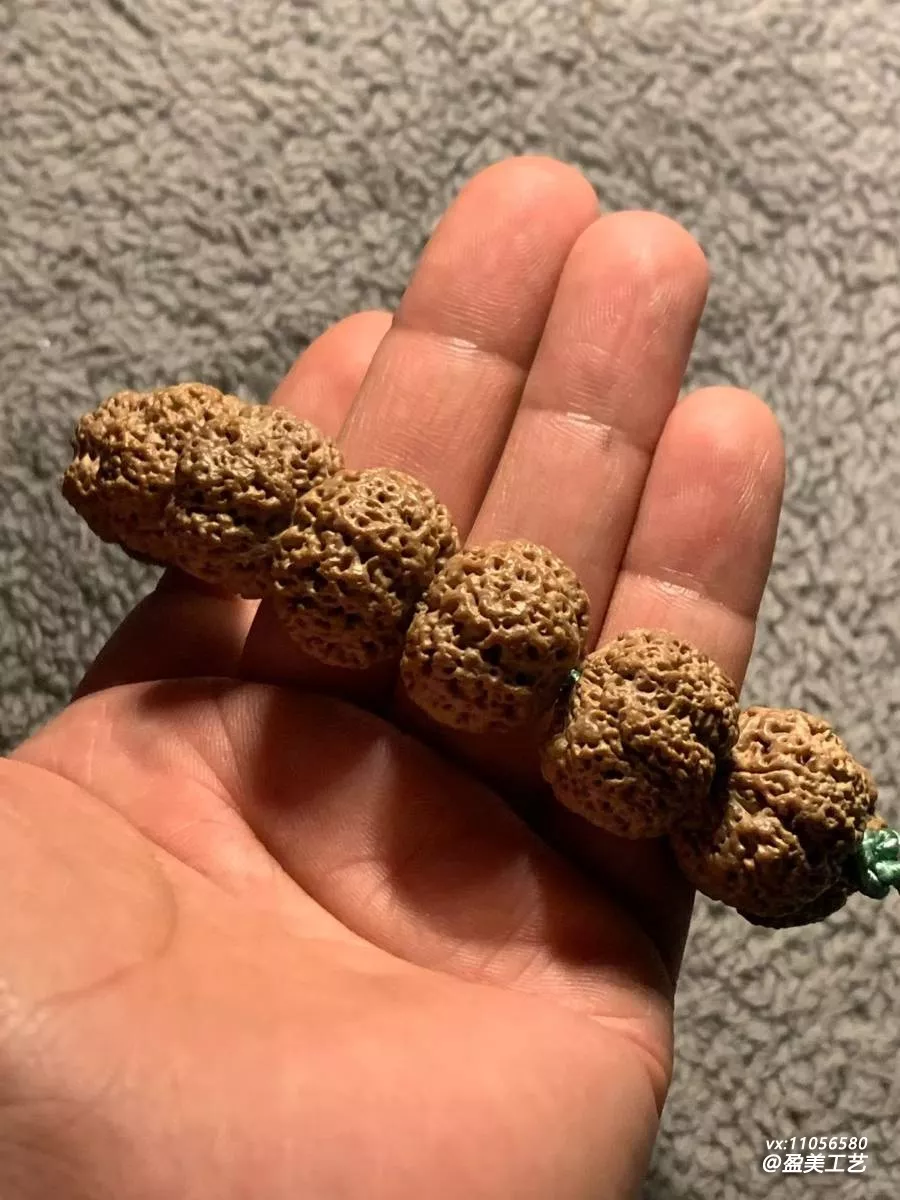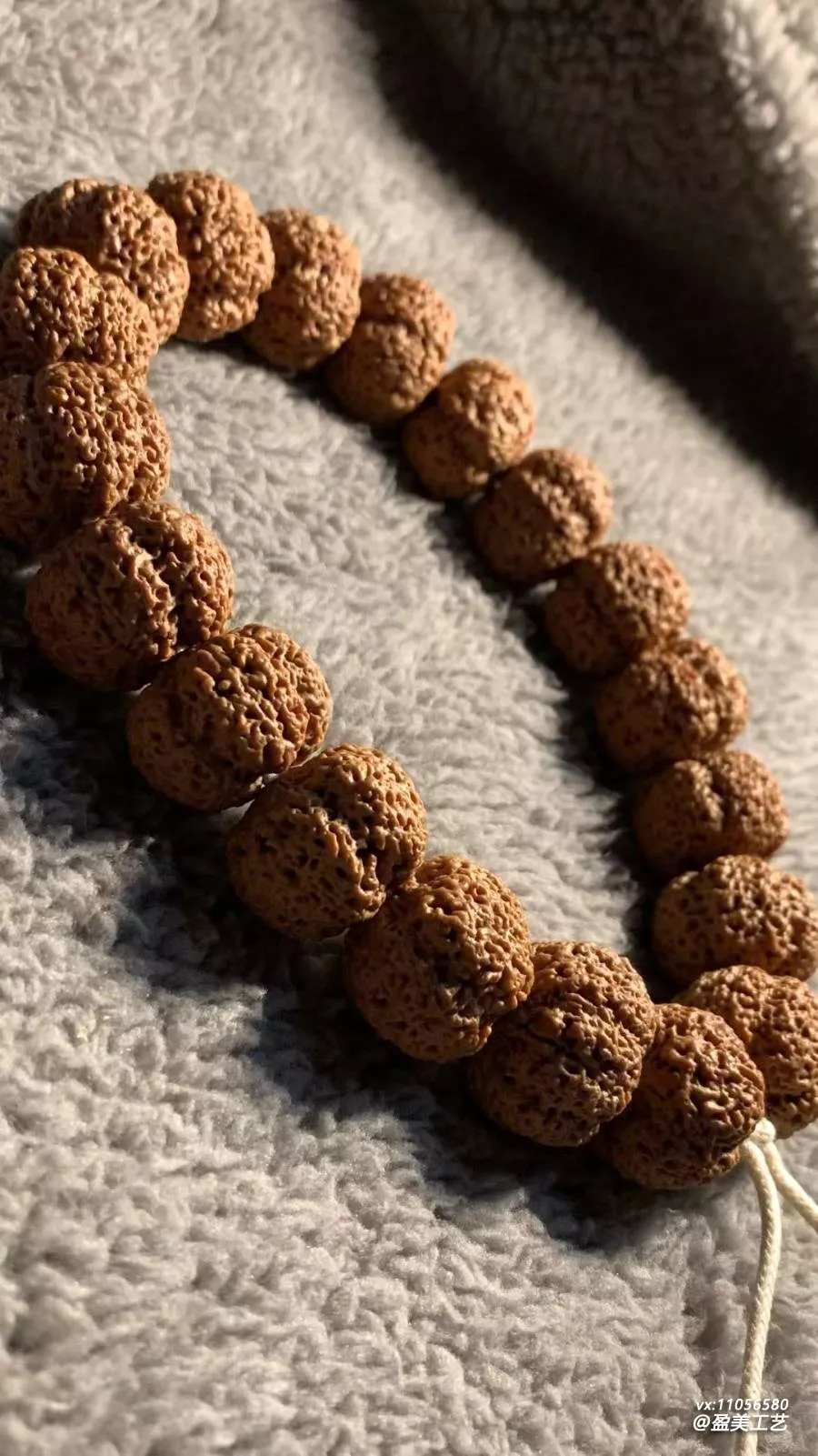
Between sparse grain and full grain, which is easier to break in for Rudraksha (large)? When choosing Rudraksha (large), the grain is divided into sparse grain and full grain. Beginners often ask which is easier to break in. Both have their own characteristics. Whether it is easy to break in or not depends on your preference and breaking-in goals. Once explained clearly, you will know.
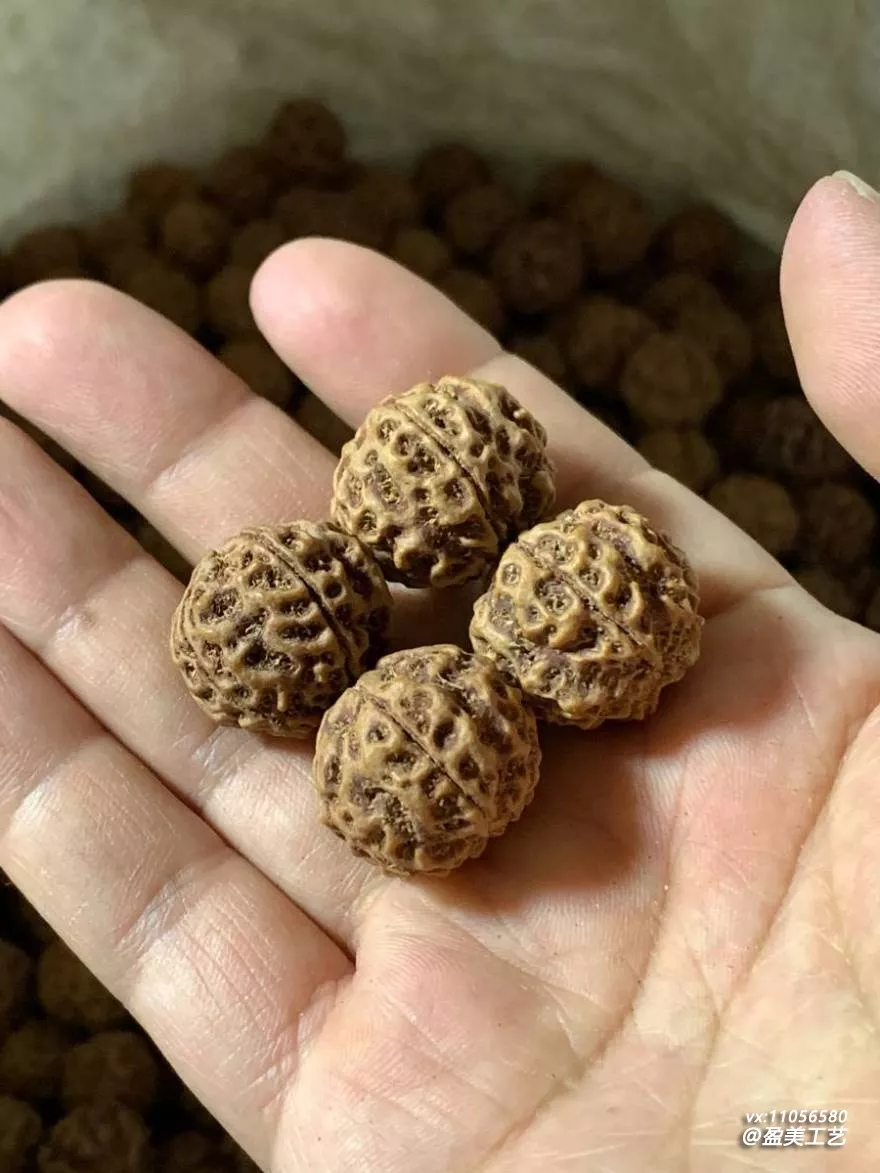
Characteristics of Sparse Grain
Characteristics of sparse grain: The grain is fine, the grooves are deep, it is as thin as firewood, and has a strong three-dimensional sense. The density of sparse grain seeds is generally good, the color is beautiful after breaking-in, and many achieve an Oxford red color, making it a favorite of many veteran players. The breaking-in changes of sparse grain are obvious, but the gaps are deep, requiring more effort for the initial preparation.
Characteristics of Full Grain
Characteristics of full grain: The grain is full and fleshy, overall round, and looks thick. Full grain seeds feel good to the touch when breaking-in, the gaps are shallow, and the initial preparation is relatively effortless; however, the density of full grain varies, some have average results after breaking-in, so you need to choose ones with good density.
Which is Easier to Break In
Which is easier to break in: If you pursue color changes, sparse grain is easier to break in, and Oxford red appears quickly; if you pursue an effortless feel, full grain is easier to break in, and the initial preparation is relaxing. Both have their own advantages, and the key lies in your preference. Between sparse grain and full grain, which is easier to break in for Rudraksha (large)? Choose sparse grain if you like color changes, choose full grain if you prefer the feel; what suits you is what's easy to break in.
Sparse grain and full grain each have their own charm. Choose the one that catches your eye, and you'll be happy breaking it in.