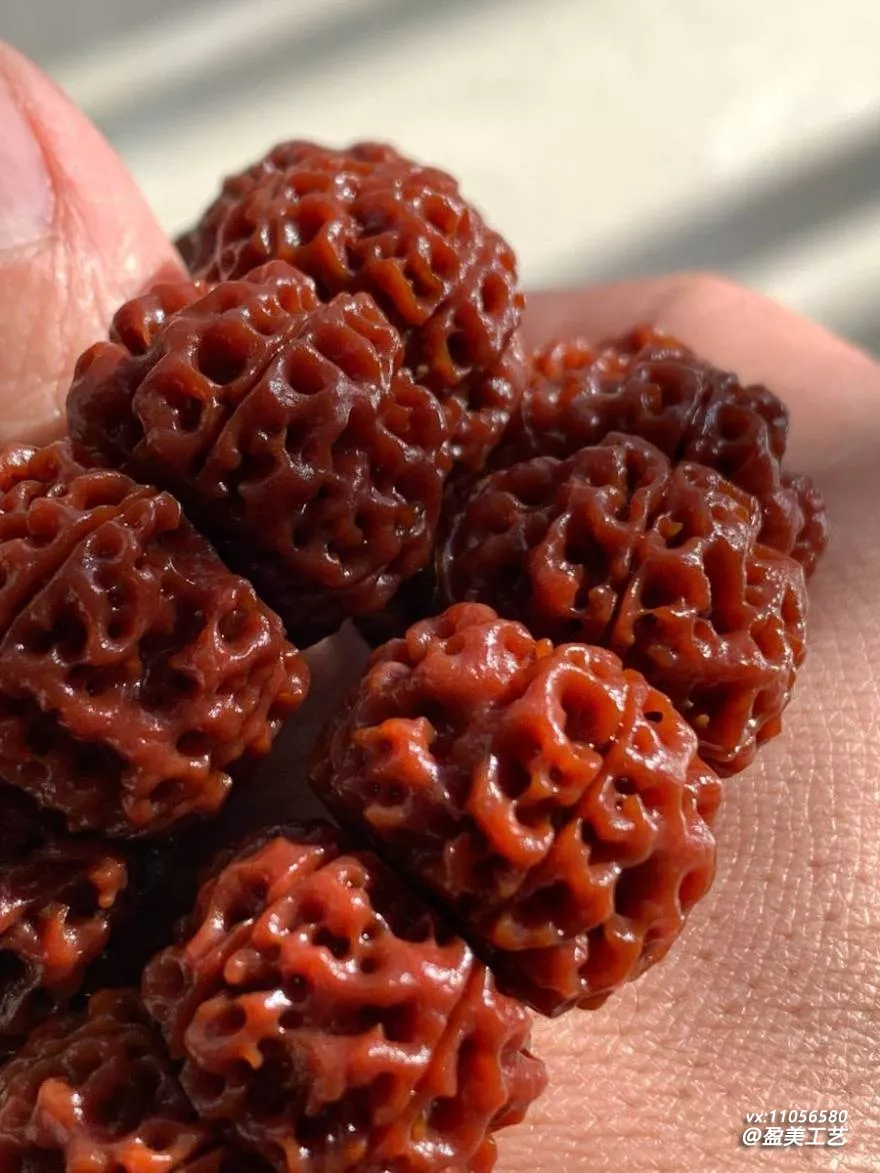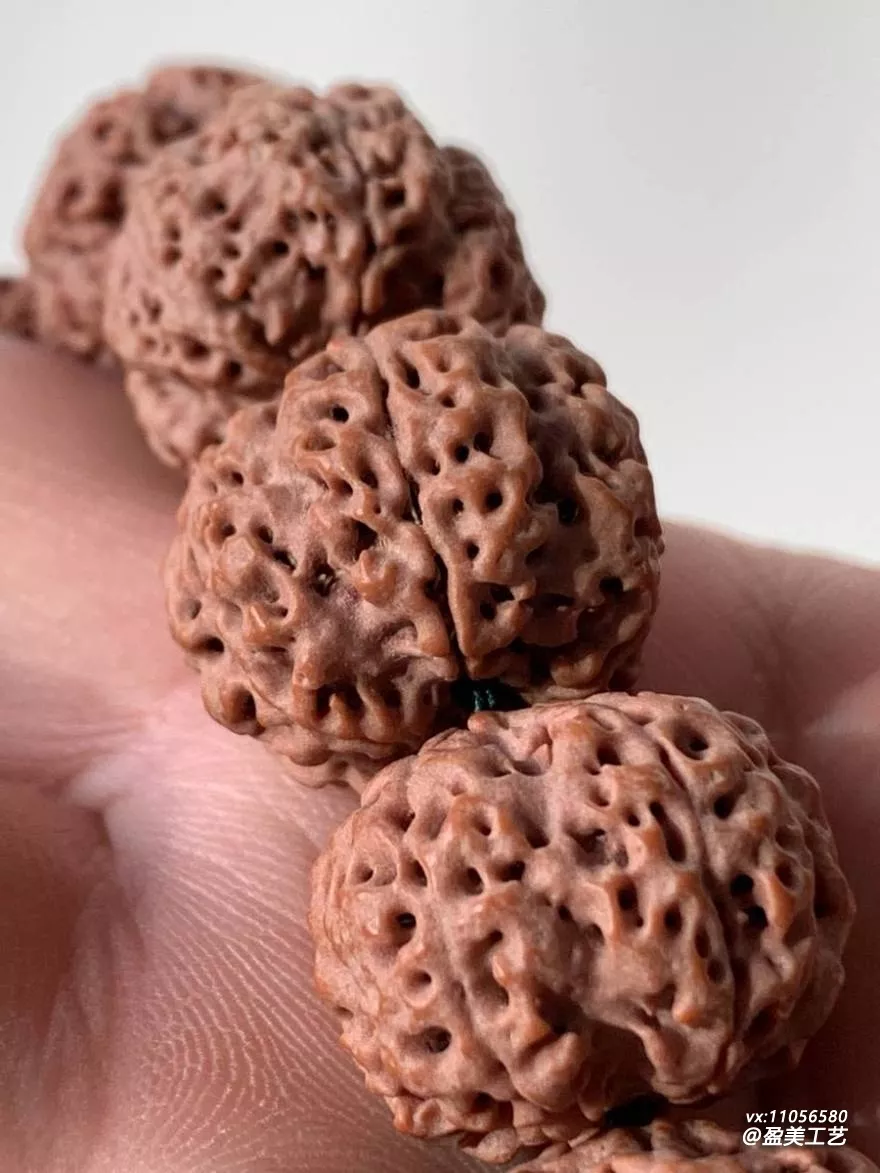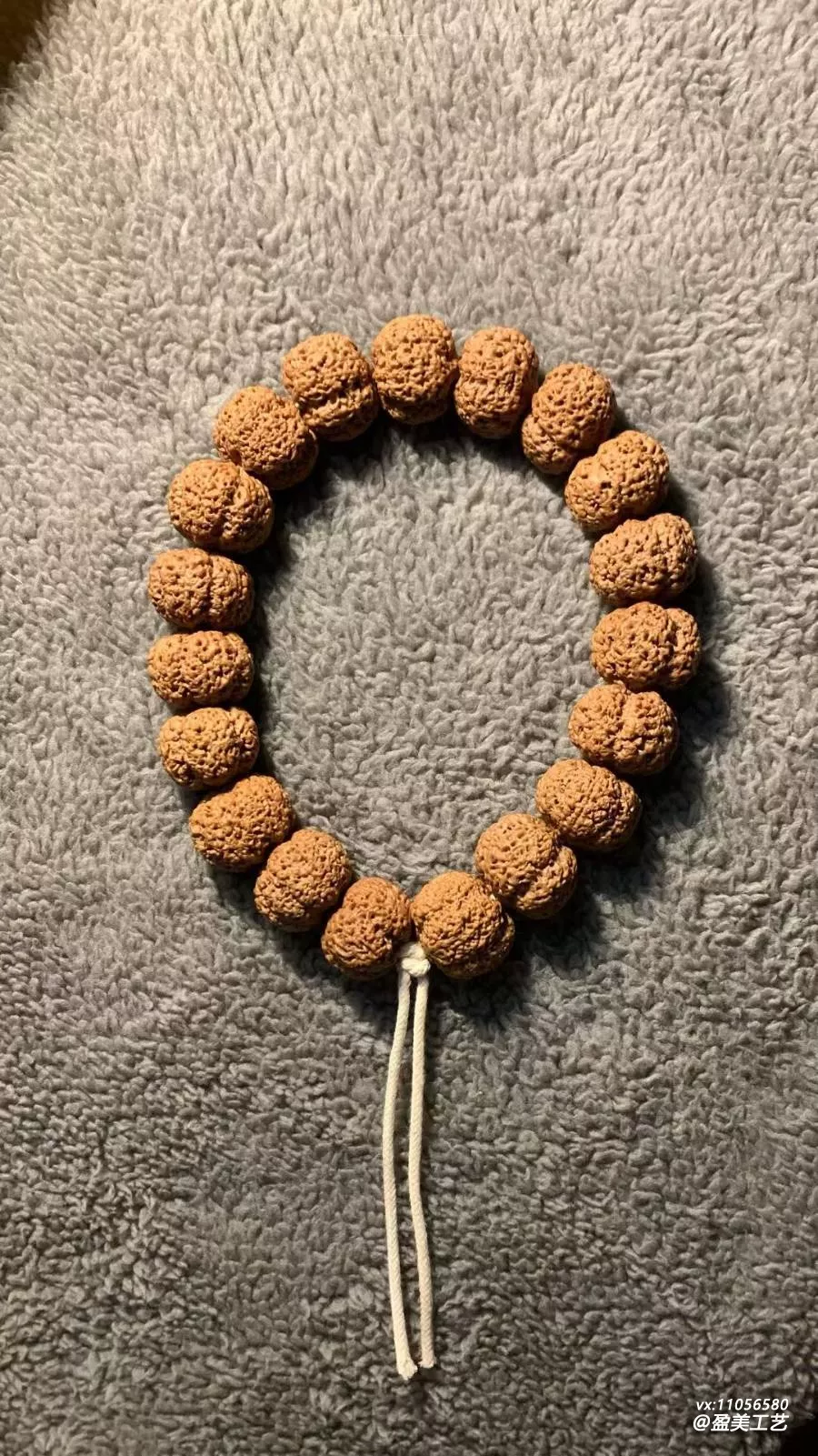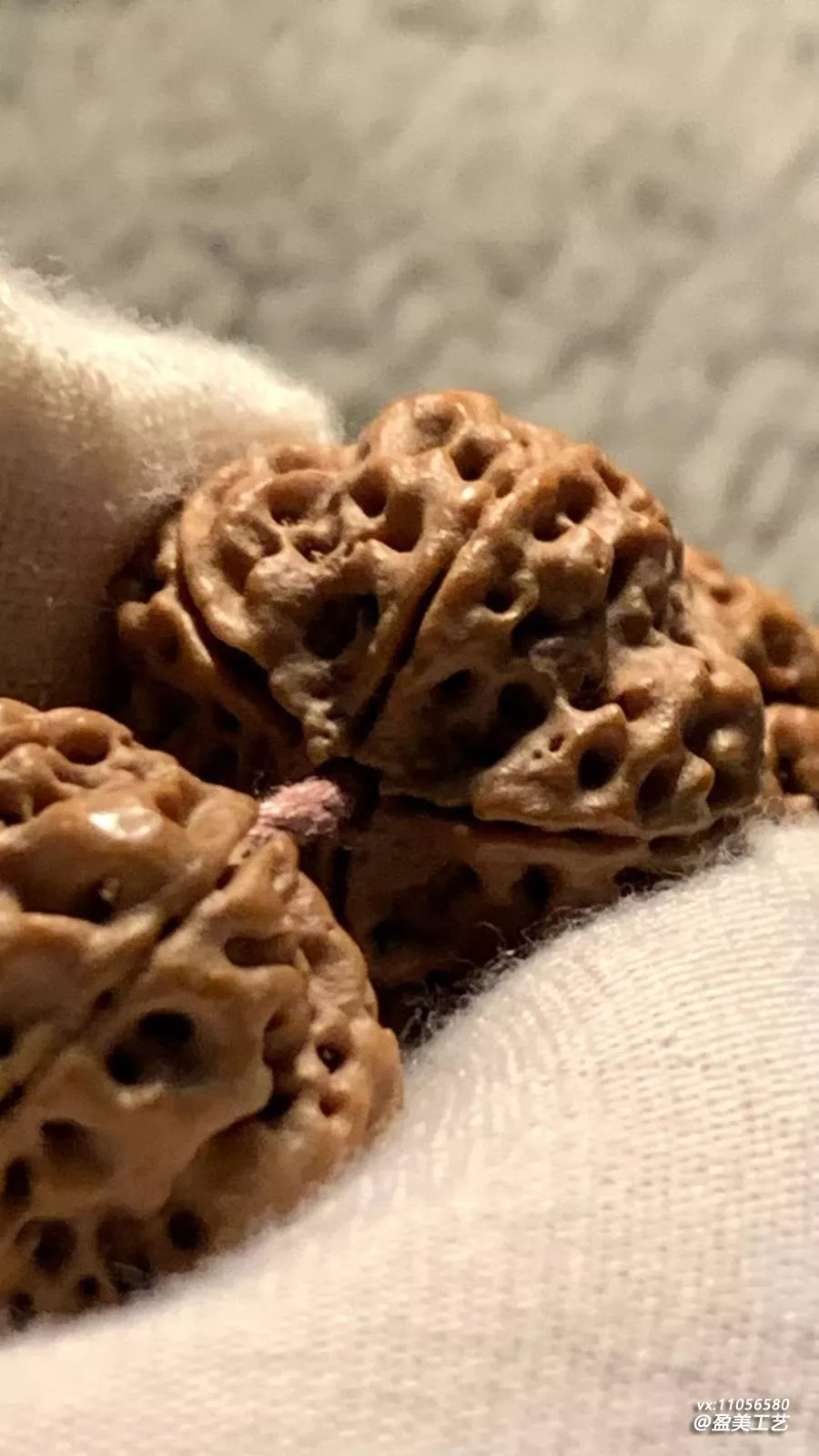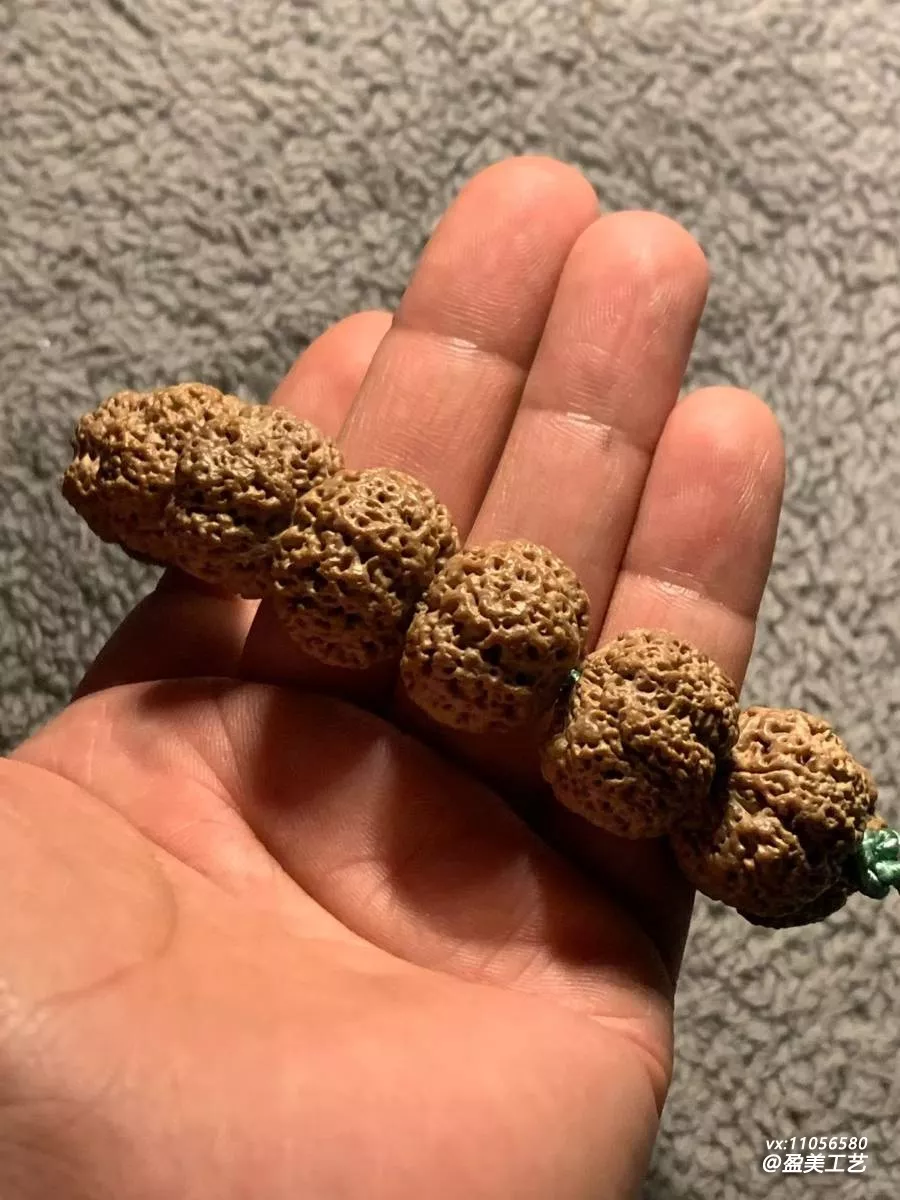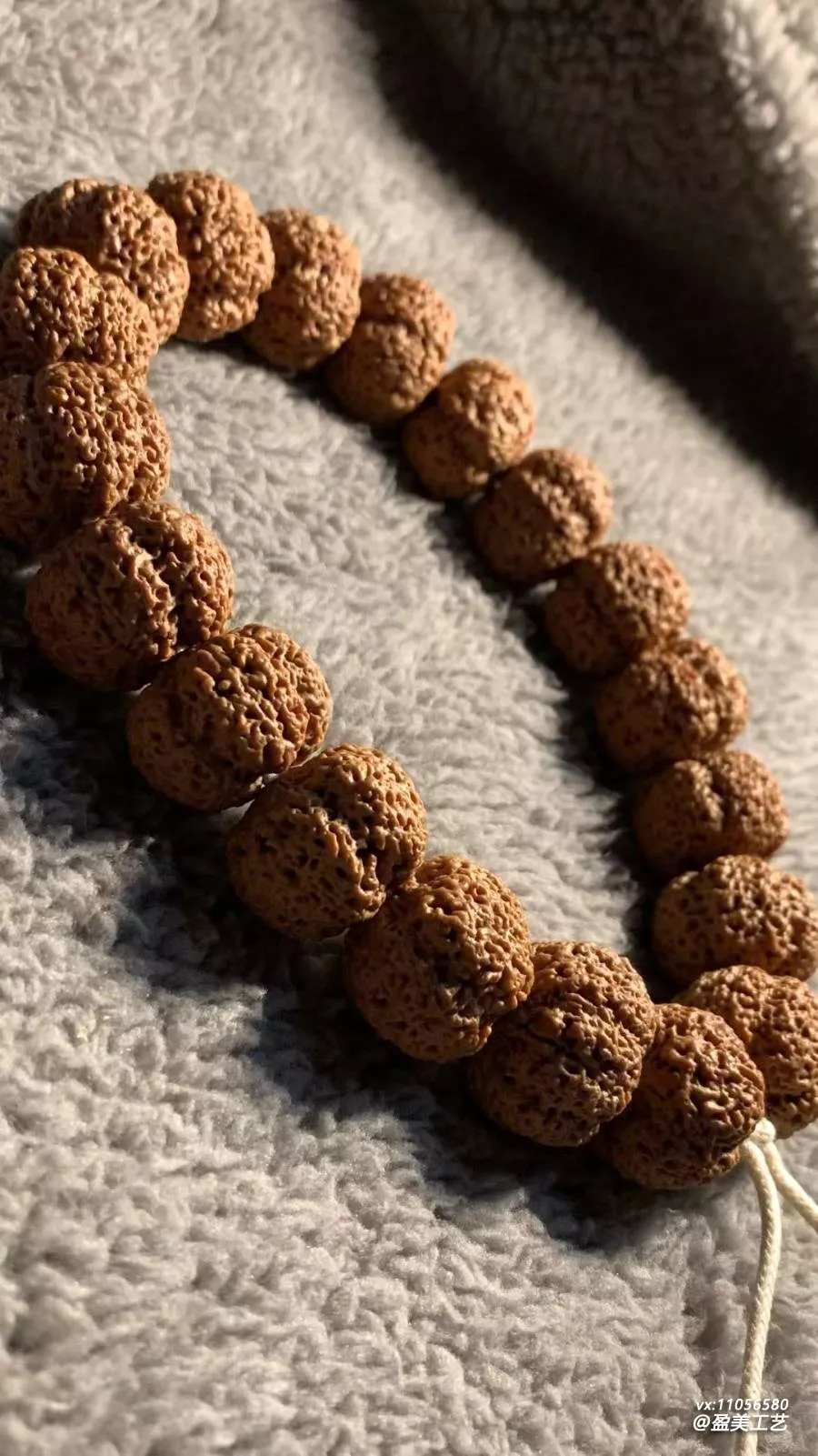
Does discolored skin count as a flaw? Let's clarify this for large Rudraksha. When buying a mala, some sellers call beads with discolored skin a feature, others call it a flaw, and beginners don't know what to make of it. Once you understand whether discolored skin counts as a flaw, you'll know how to judge it.
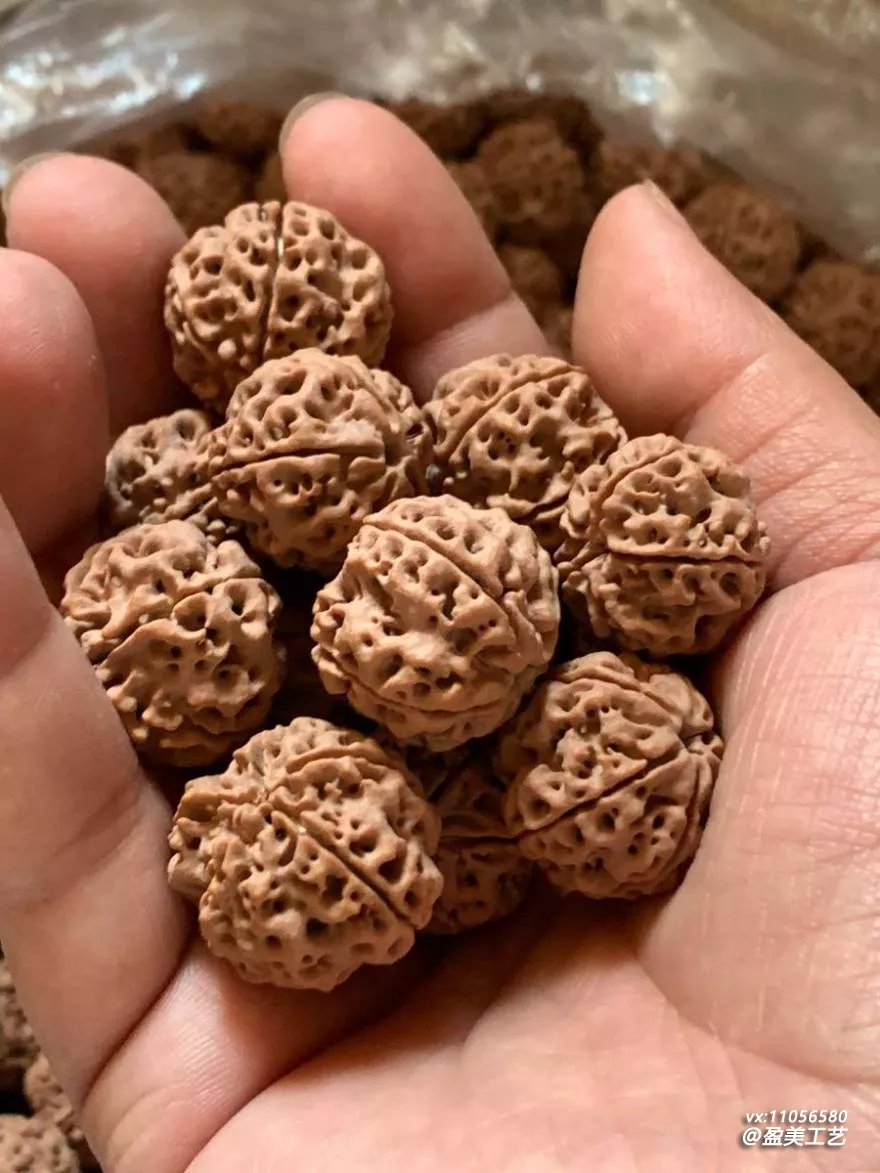
What is discolored skin
What is discolored skin: a patch on the bead with a darker color, like a stain that has seeped in, is called discolored skin. Discolored skin is a color spot formed during the bead's growth or processing. It doesn't affect breaking-in, but it affects the appearance and the overall look of the mala.
Does discolored skin count as a flaw
Does discolored skin count as a flaw: strictly speaking, discolored skin is a flaw in appearance. If a mala has beads with discolored skin, the color looks uneven and affects the aesthetics; however, discolored skin doesn't affect the cortex density, and the breaking-in results are not compromised. It depends on what you care about—if you care about appearance, it's a flaw; if you care about breaking-in, it's not a major issue.
How to view discolored skin
How to view discolored skin: when buying a mala, strands with many discolored beads are cheaper and can be acceptable; if you mind it, choose strands with no or few discolored beads, which cost more. After long-term breaking-in, the color of discolored beads deepens, and the discoloration becomes less noticeable. Does discolored skin count as a flaw? It's an appearance flaw that doesn't affect breaking-in—it depends on what you care about, so choose according to your needs.
Regarding discolored skin, it depends on what kind of mala you want to buy. If you pursue perfection, choose beads without discoloration; if you pursue value for money, choose beads with discolored skin. Once you know what you want, you won't be torn.
Think it through before buying, and you won't hesitate.