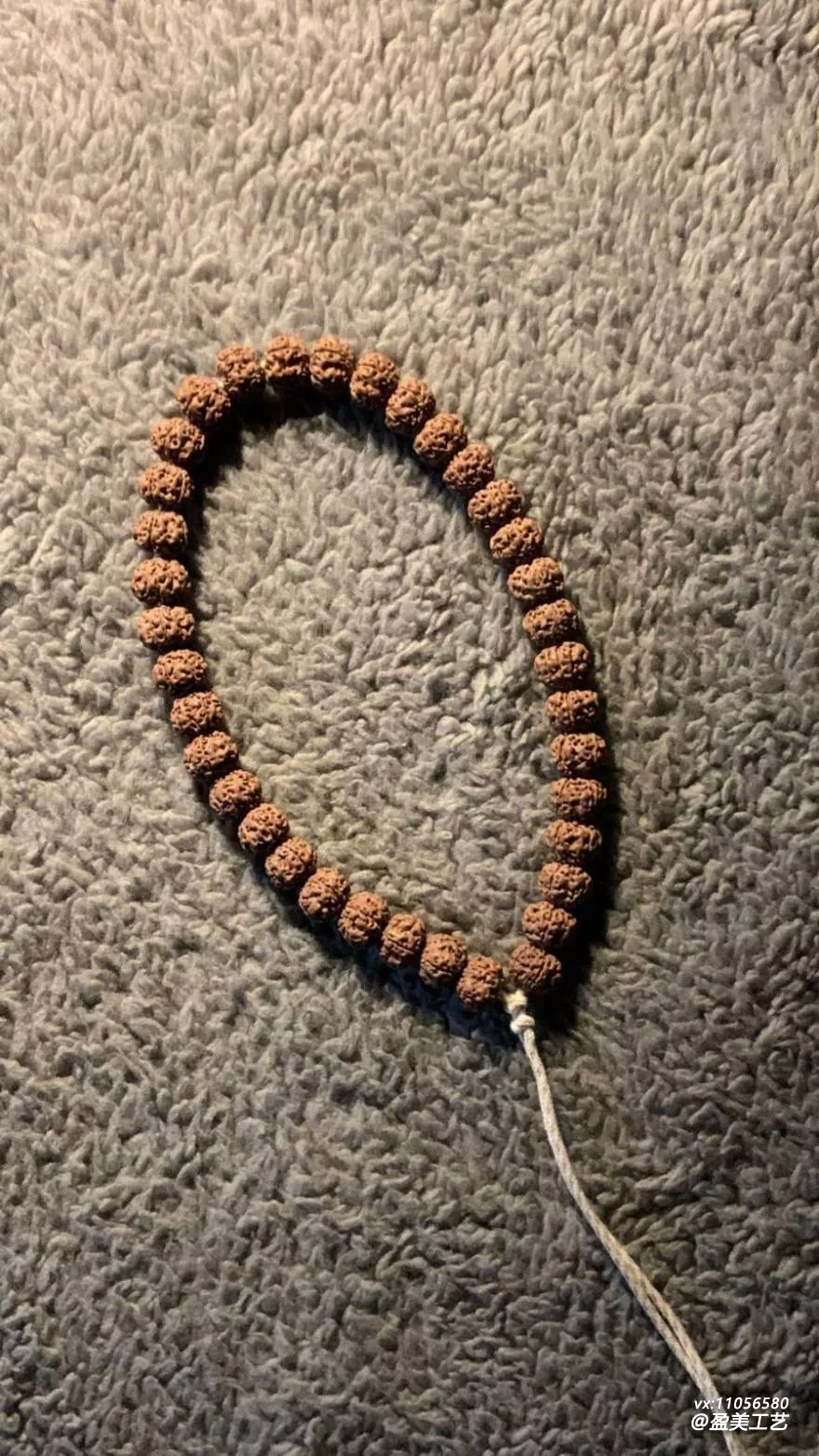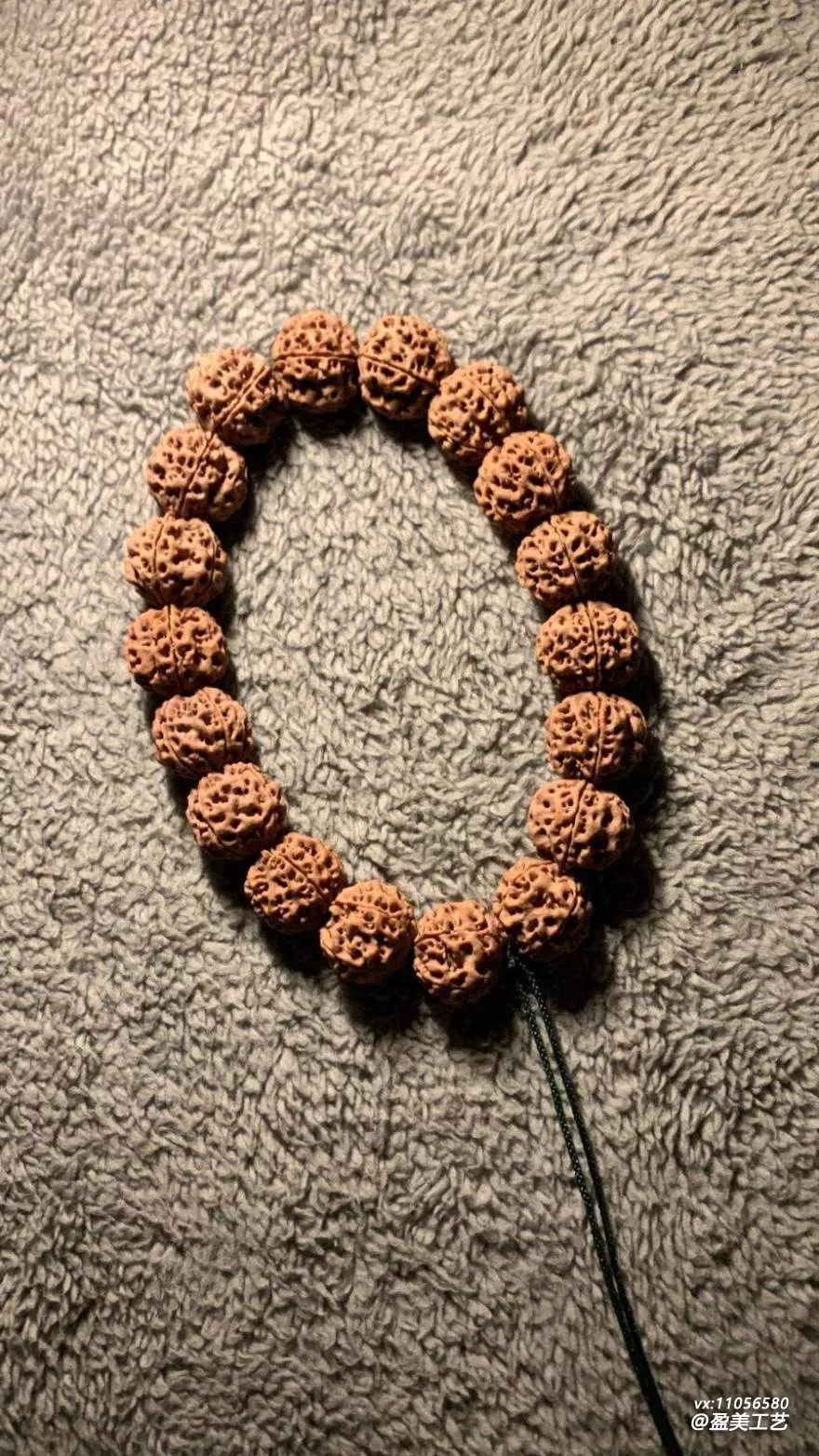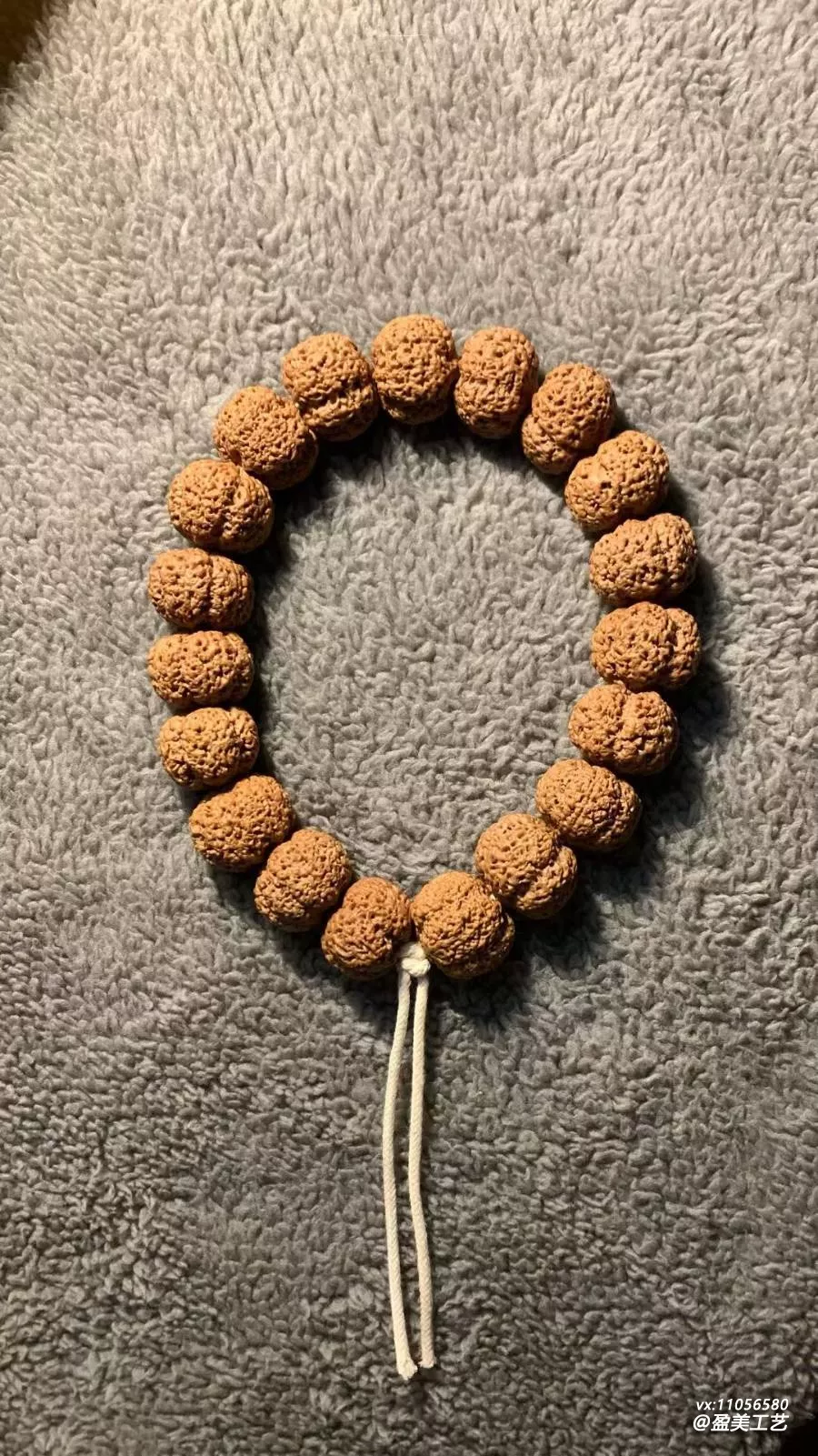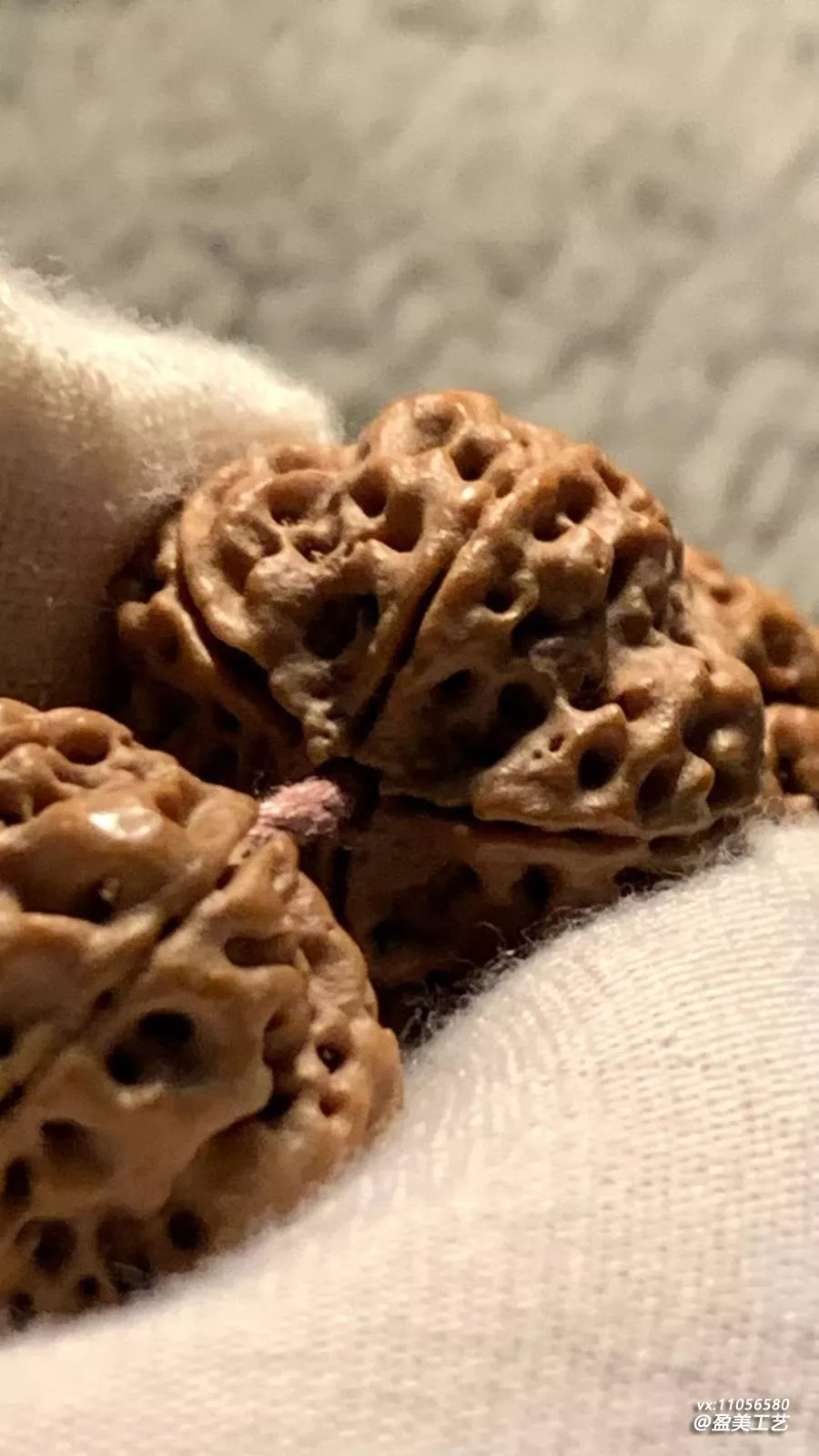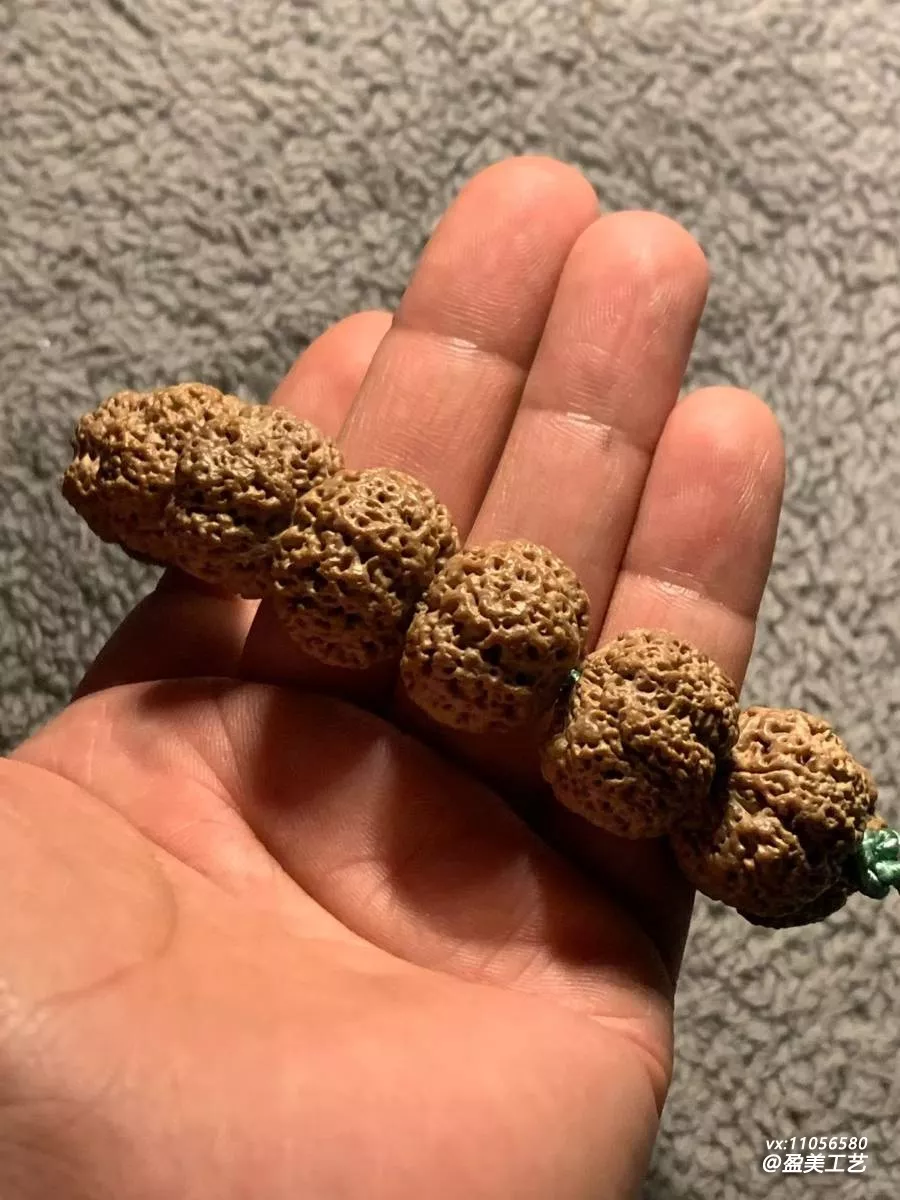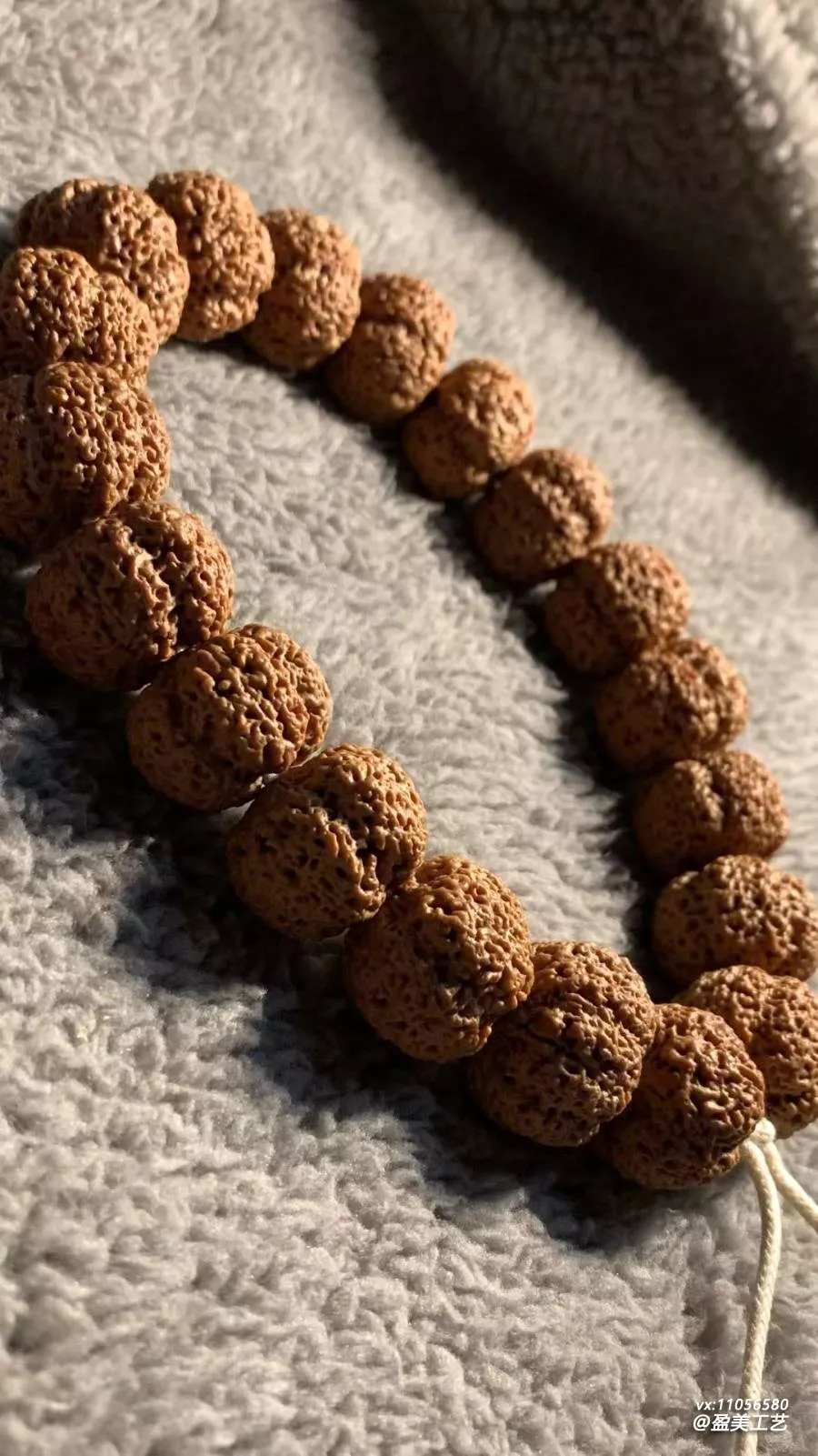
Can you tell if beads have been chemically treated? A guide to identifying fake Rudraksha (large). Some beads on the market have been chemically treated; treated beads look nice, but their surface texture is actually damaged. Can you tell if beads have been chemically treated? Yes—master a few characteristics and you can identify them.
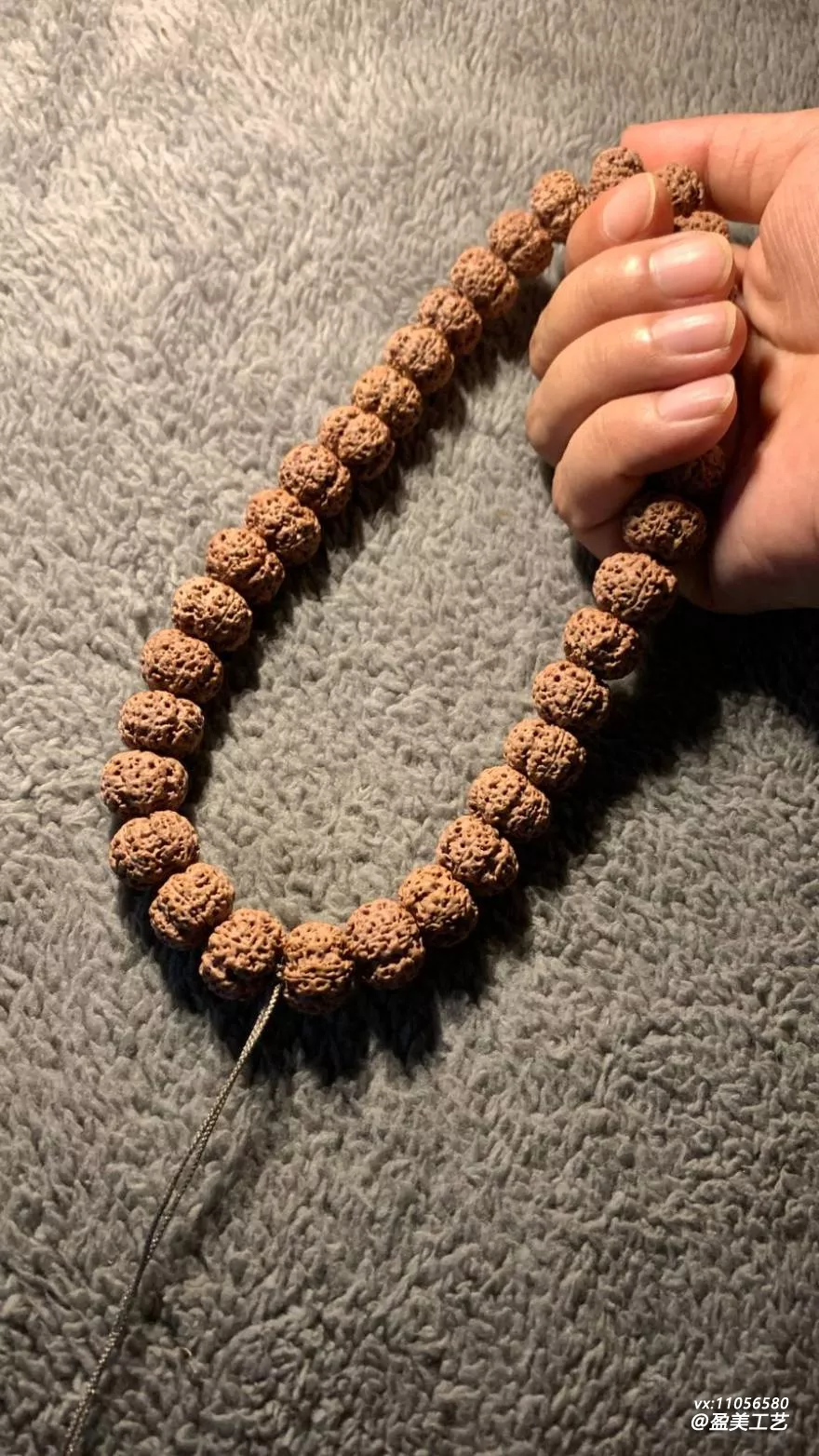
Check the color
Check the color: chemically treated beads look whitish or unnaturally bright, as if they've been bleached; natural beads have natural yellow or reddish-brown tones. Hold them up to the light—if the color looks unnatural, fake, or whitish, be wary of chemical treatment.
Smell the scent
Smell the scent: chemically treated beads carry the smell of chemical solution—sour or pungent; natural beads have a faint fruity scent. Bring them close and take a sniff—if there's a chemical odor, they've most likely been treated. This characteristic is very direct.
Weigh them
Weigh them: the density of chemically treated beads is damaged, so they feel noticeably lighter—you can tell just by hefting them. Combined with the surface texture, treated beads feel dry and woody, lacking oiliness. Can you tell if beads have been chemically treated? Fake-looking color, pungent smell, and light weight—if all three characteristics match, you can basically conclude they've been treated. Don't buy.
Chemically treated beads look shiny, but breaking them in is nothing but tears. Learn these three characteristics, take a closer look when buying a mala (prayer beads), and you can avoid this trap.
Learn to identify fakes, avoid getting ripped off when buying a mala (prayer beads), and enjoy breaking-in (patina process) with more peace of mind.