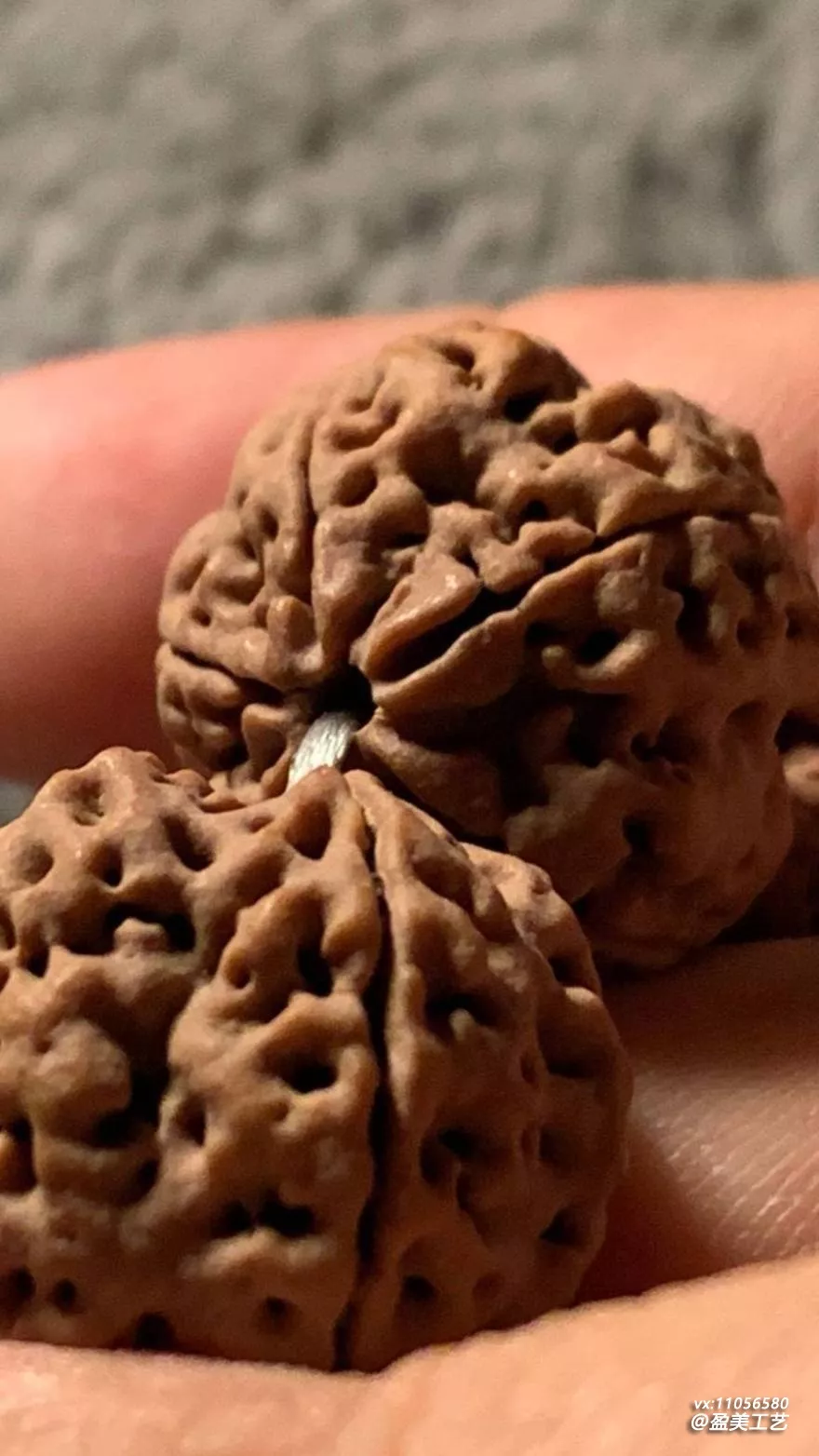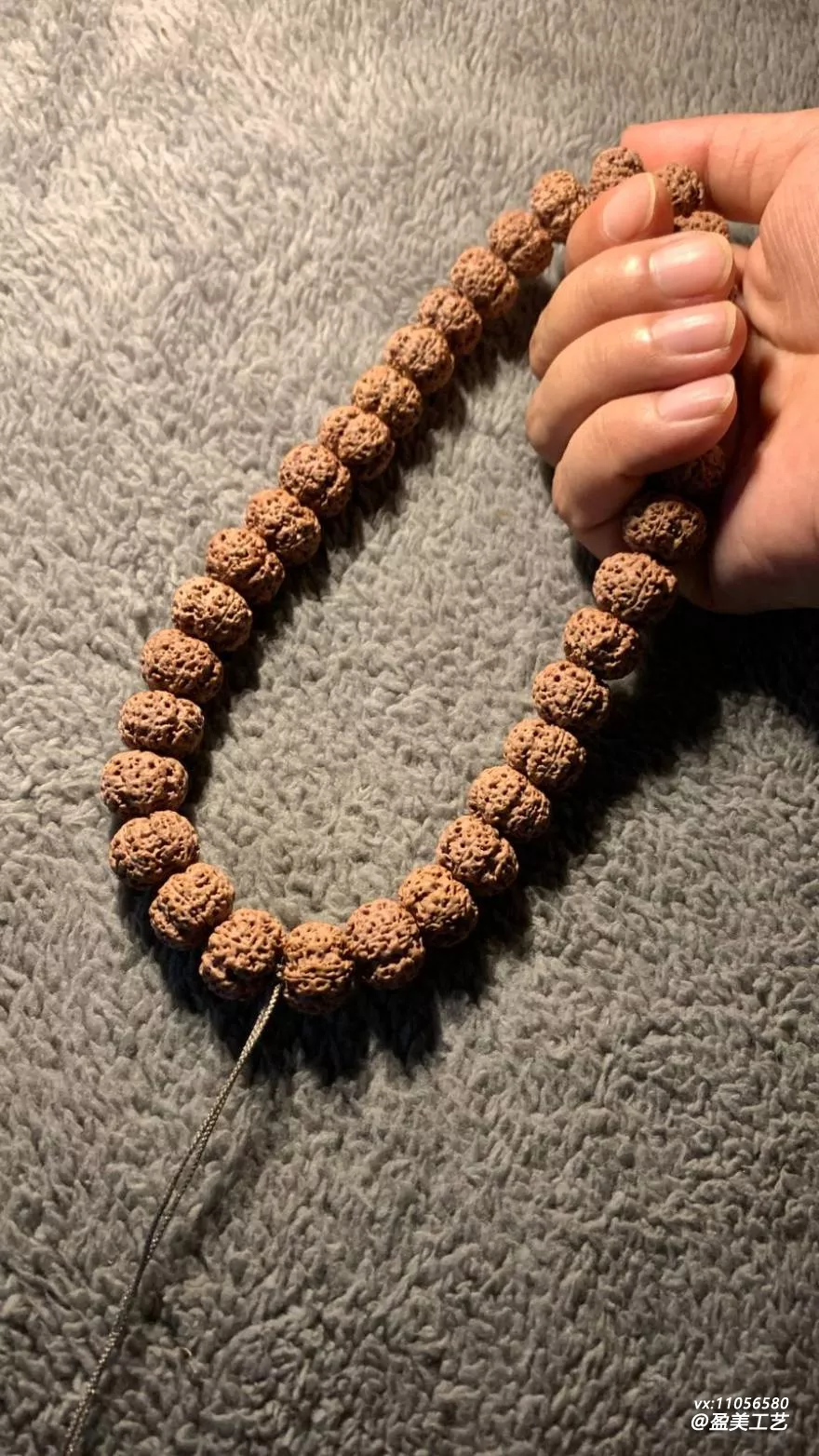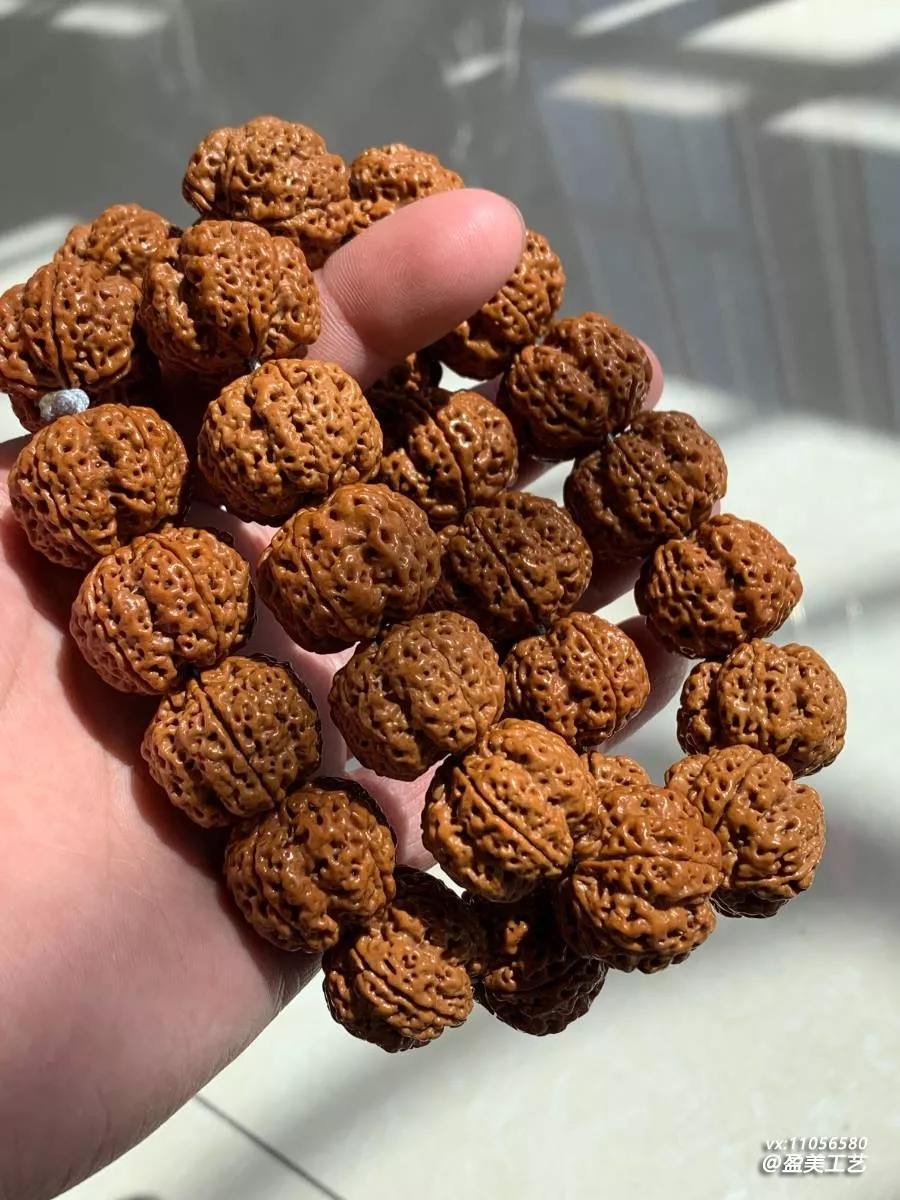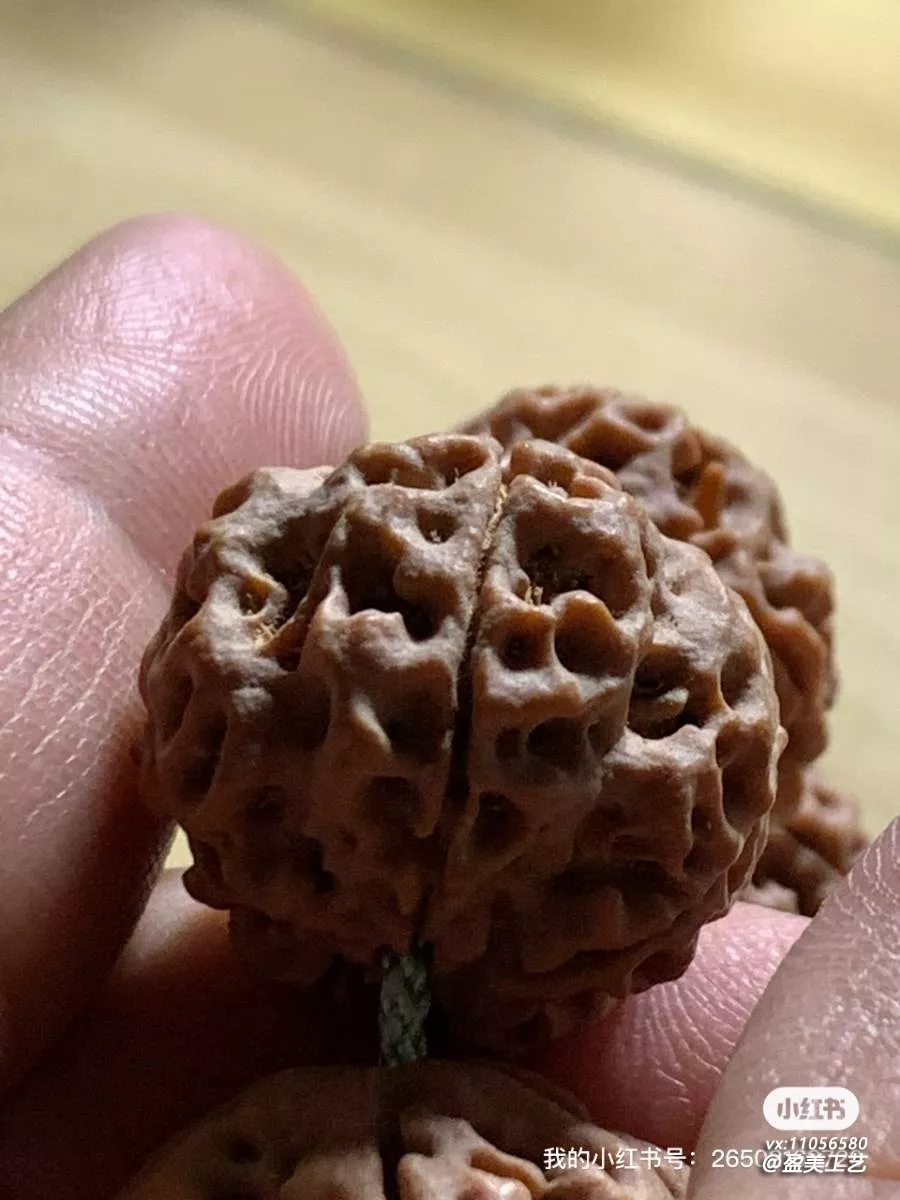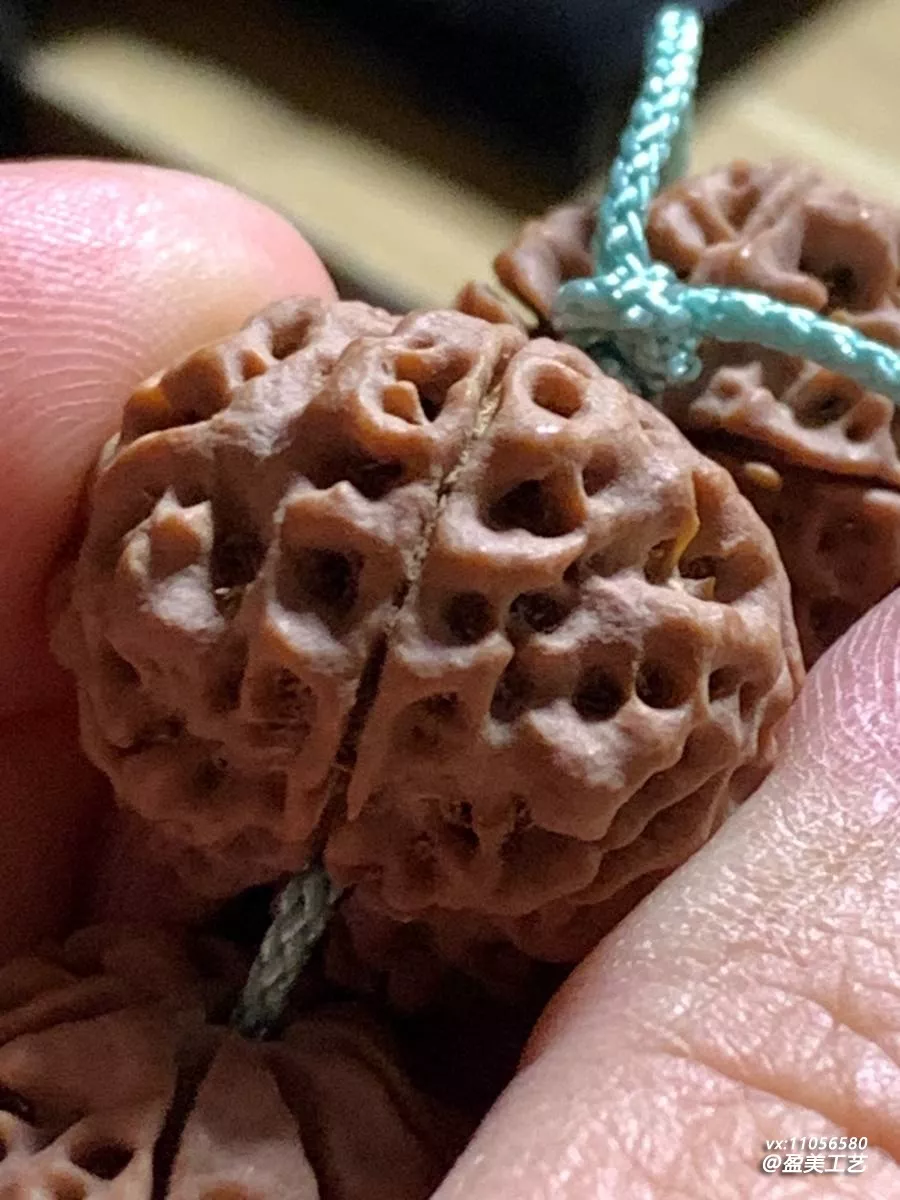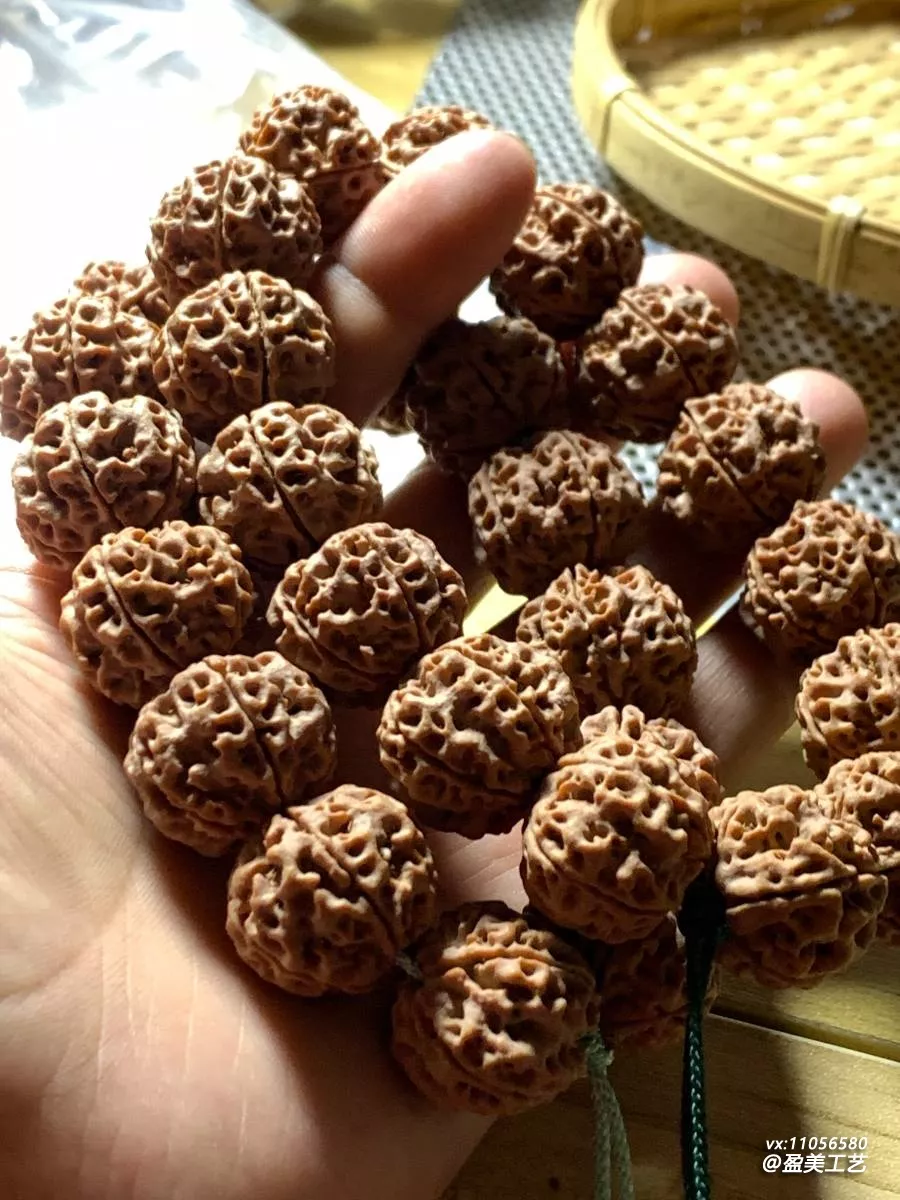
Does a slanted seed shape affect value? The plain truth about a large bodhi's shape. Choosing a string, you meet a slanted seed and the seller calls it character, and you hesitate inside. Does it affect value? To be plain: it does, but it depends how slanted.
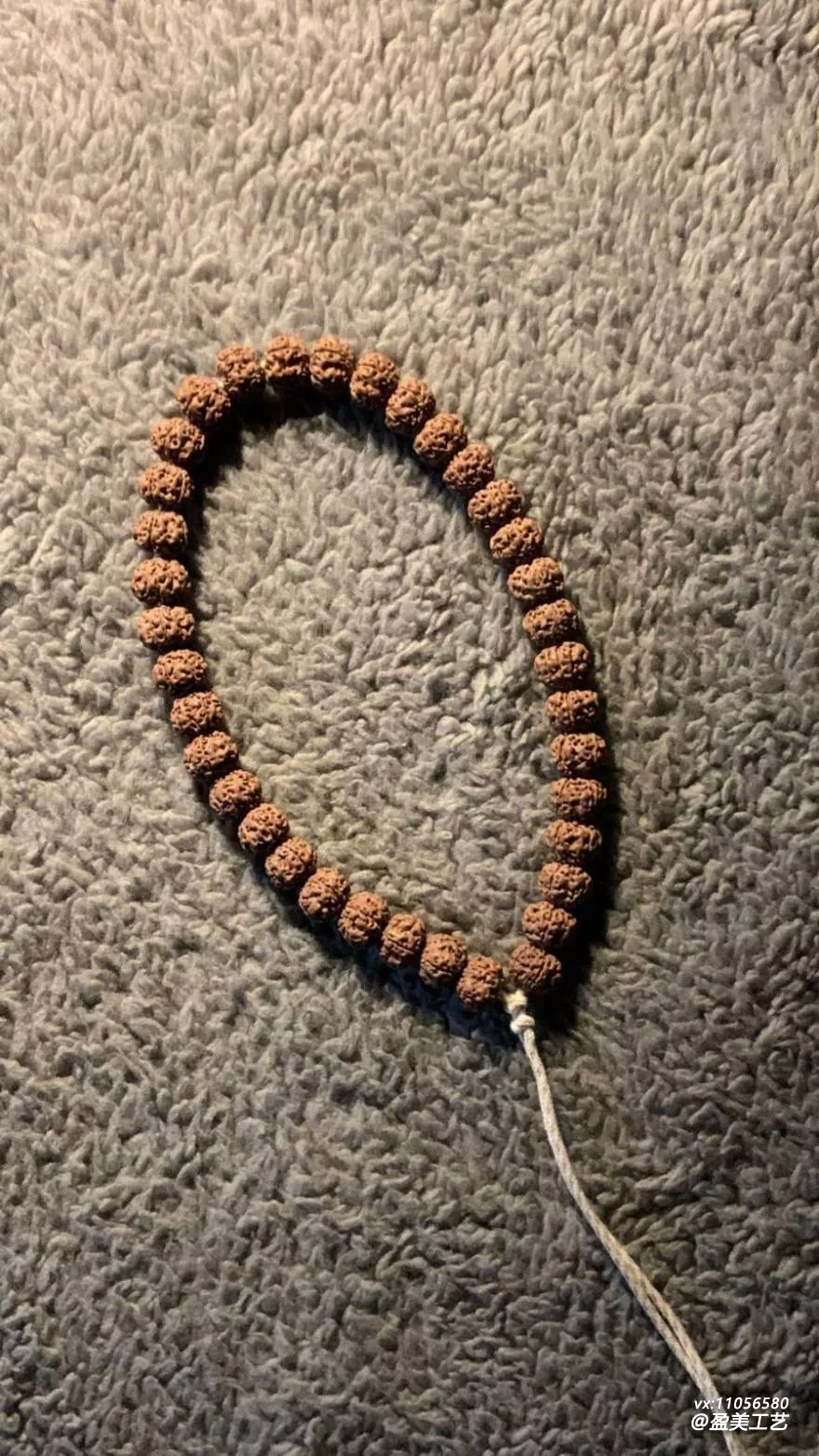
Slightly slanted
Slightly slanted: the seed's shape leans a little, not obvious, and on its own it is not a problem. A slight slant matters little — if the string is uniform you cannot tell; the playing result is not compromised either, and if you like it you can accept it.
Obviously slanted
Obviously slanted: the shape leans badly and you can see it at a glance, which affects how the whole string looks. An obvious slant affects value — the string looks irregular and the condition is discounted; mixed into a string, it drags down the grade however uniform the other seeds are.
How to regard a slanted shape
How to regard it: a fine-grade string demands every seed regular, and a slanted one downgrades it; in ordinary grade slants are common and the price is lower. Judge the string's overall uniformity — many slanted seeds mean lower value; one or two slightly slanted can be accepted. Does a slanted shape affect value? Plainly: a slight slant matters little, an obvious one affects value — judge by the string's uniformity.
The slanted-shape question is, put plainly, a matter of condition. Chase regularity and choose fine grade; accept flaws and choose ordinary grade — set your own standard and do not fret.