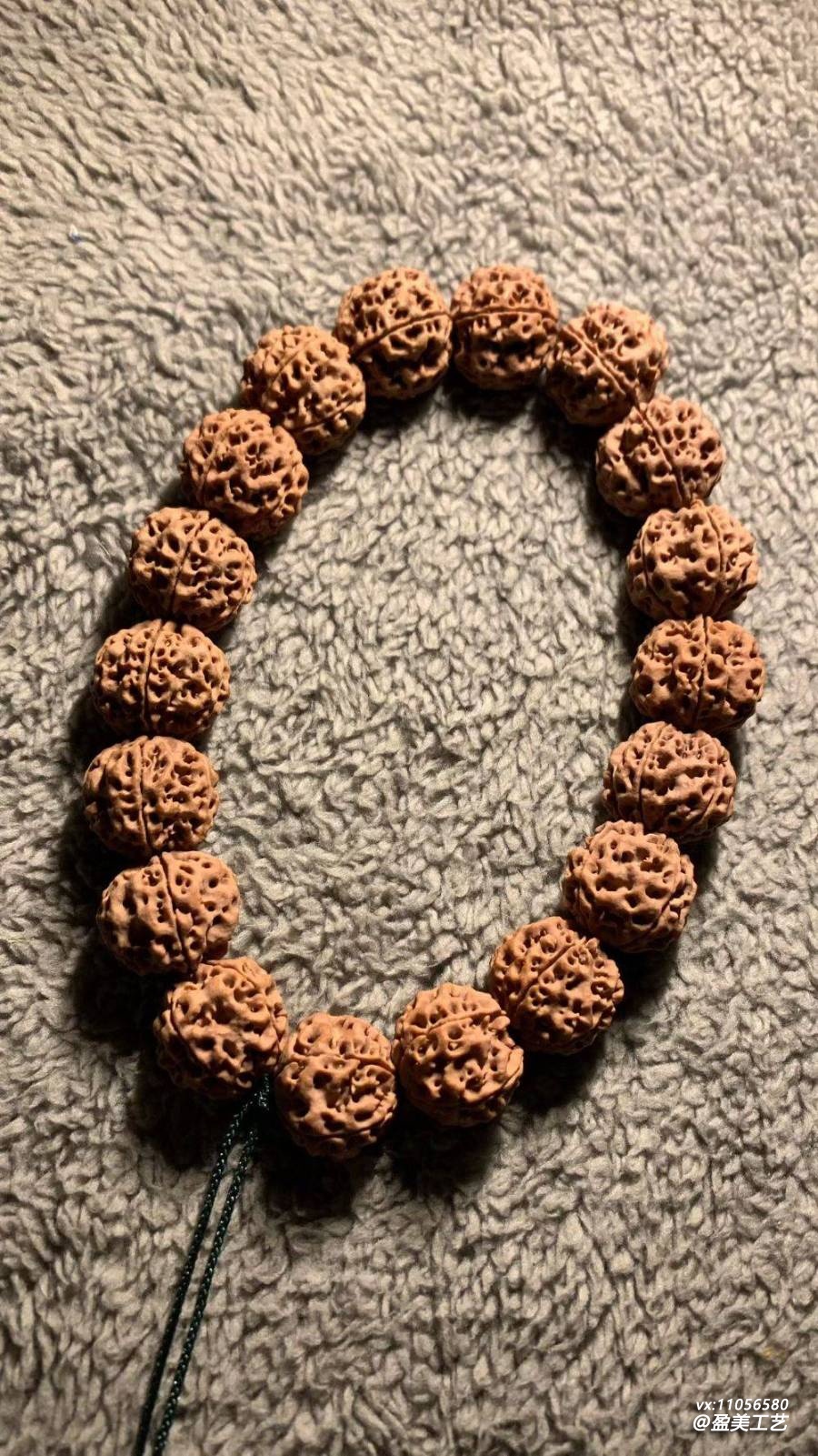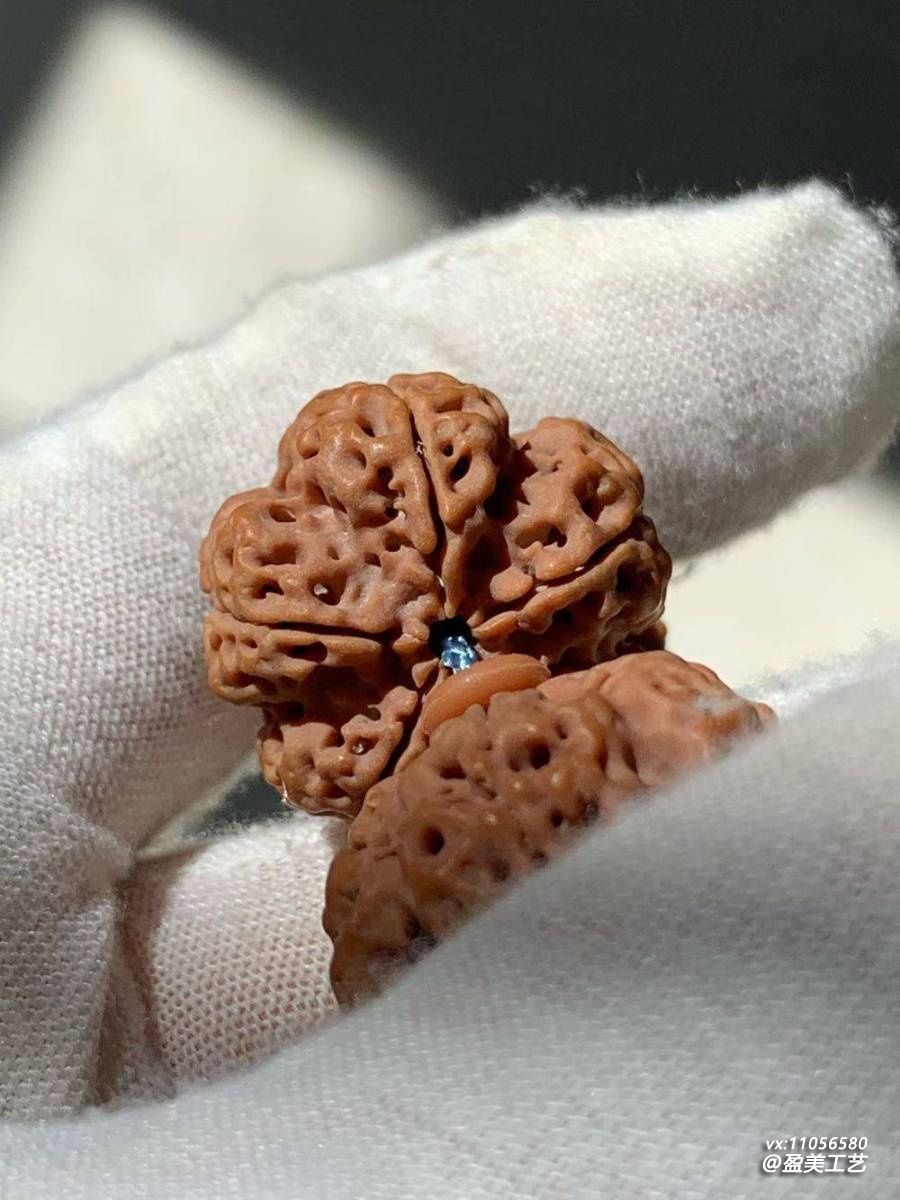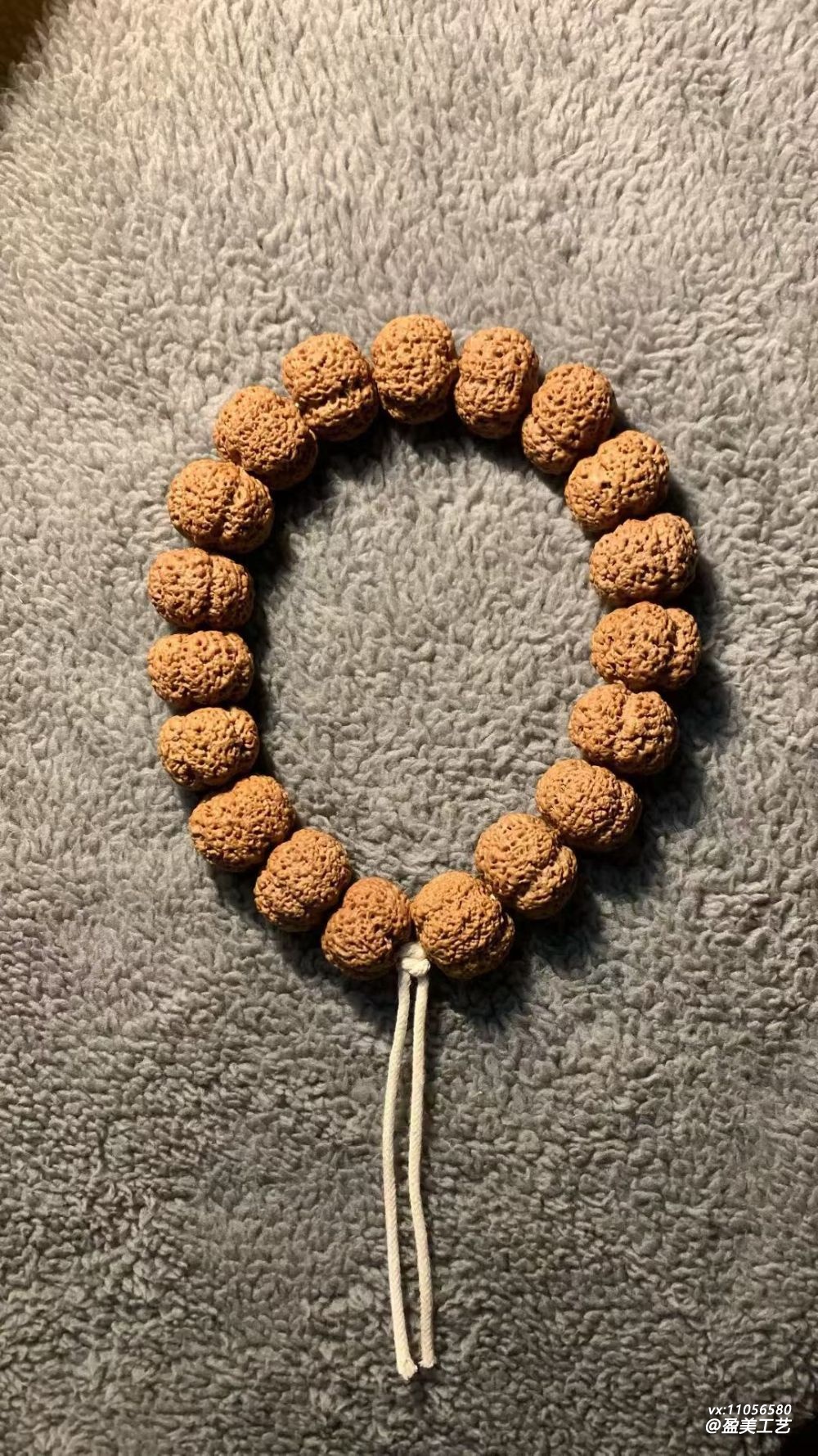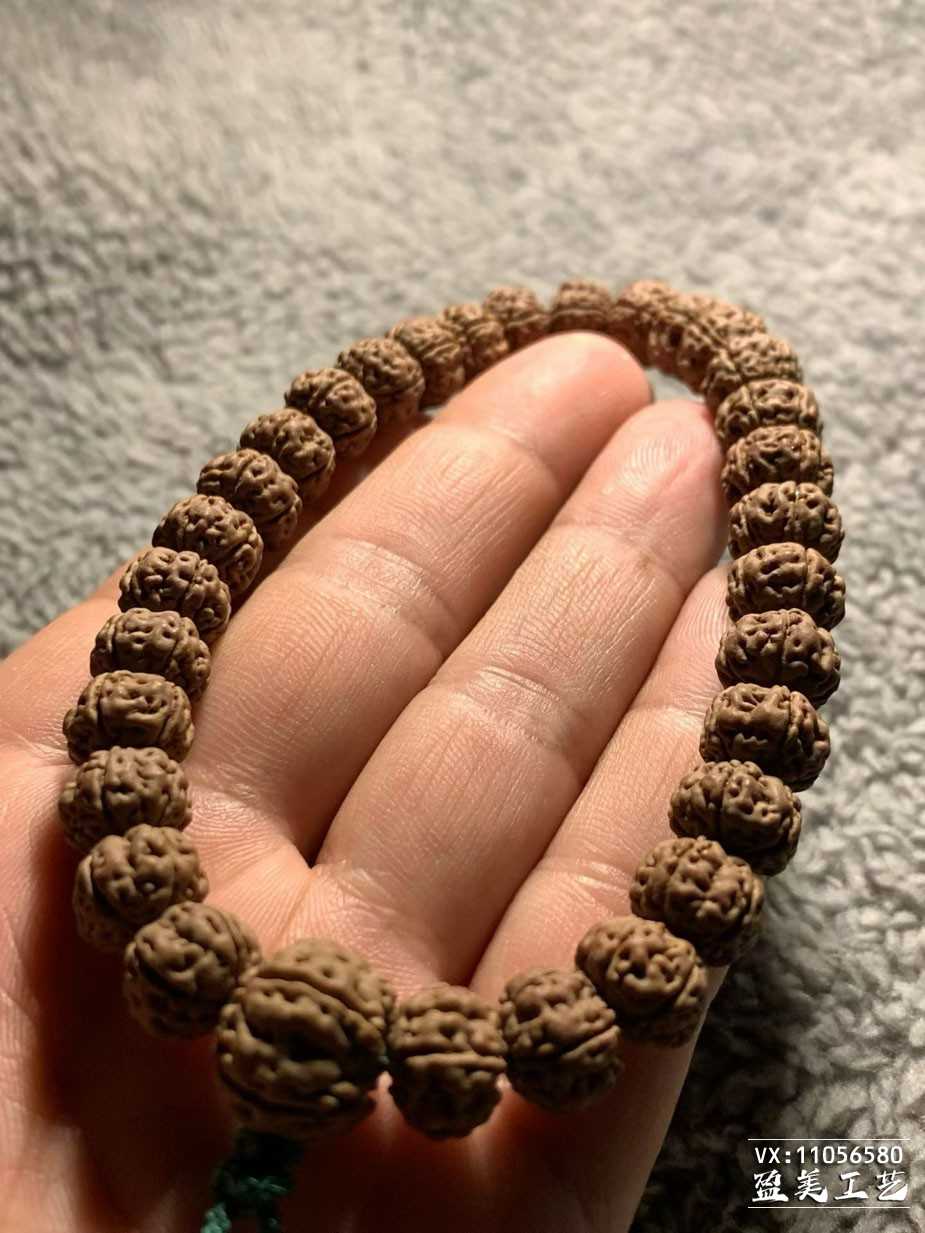
Anti-pitfall guide: When buying Da Jingang, check these three aspects first. Details reveal quality. When buying a string of beads, it's no use just looking at the overall appearance—the real test lies in the details. After being scammed several times, I've concluded that if these three aspects pass the test, the quality of the string of beads will generally be decent.
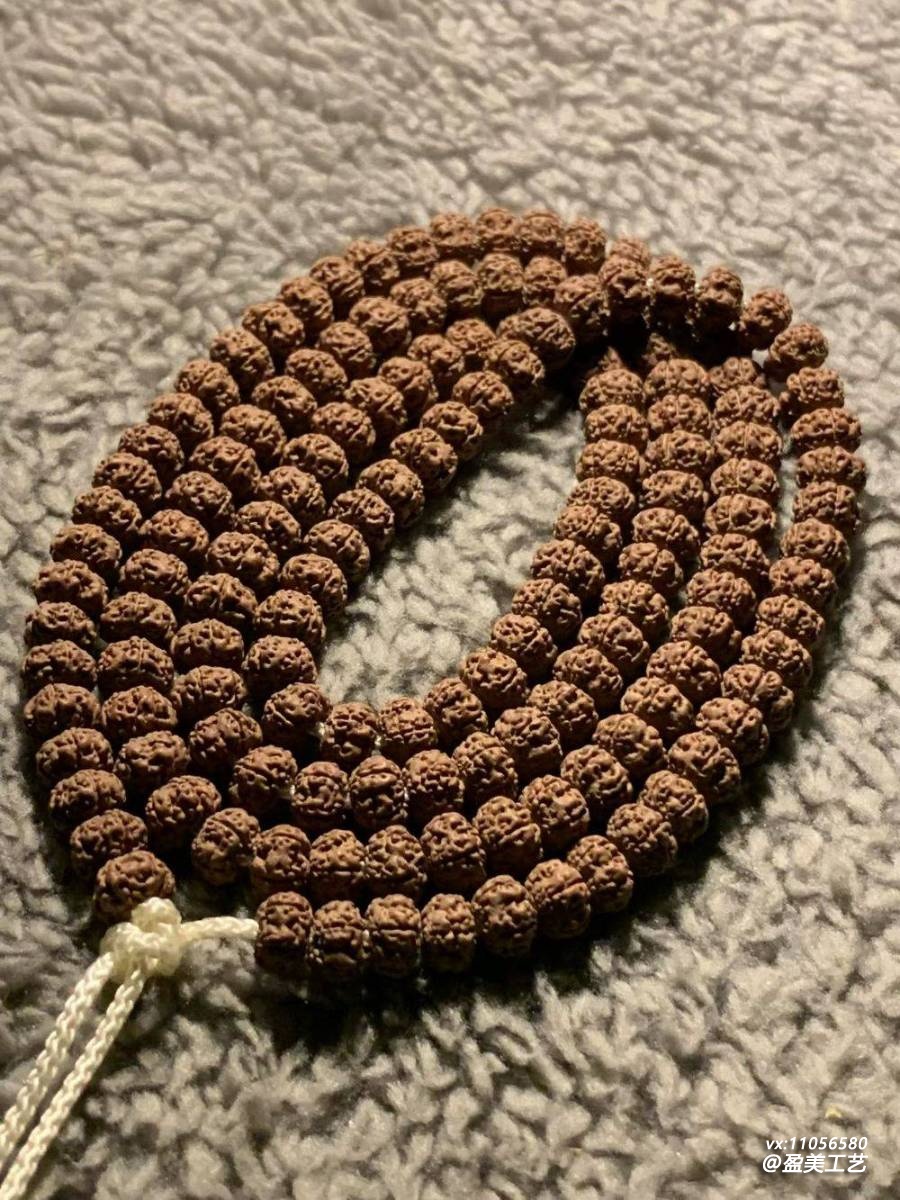
First aspect: Hole pattern
First aspect: Hole pattern. Check if the hole pattern is straight and whether there are chipped edges or rough edges. Seeds with crooked hole patterns will look uneven after being strung, and wearing them will be uncomfortable. Chipped hole patterns indicate that the hole was drilled carelessly, which affects the appearance. High-quality seeds have clean and neat hole patterns, and this detail is the easiest way to judge the craftsmanship.
Second aspect: Pile type pattern
Second aspect: Pile type pattern. Place the seeds in your palm and check if the pile type is consistent and the patterns are uniform. Are there any misshapen or odd-shaped seeds mixed in? High-quality strings of beads are all neatly arranged, while it's common to find flawed seeds in ordinary ones. Checking each seed individually will prevent you from being deceived by the overall appearance of the string.
Third aspect: Skin texture and oiliness
Third aspect: Skin texture and oiliness. Touch the surface of the seeds. Seeds with a smooth and oily texture are of good quality, while those that are dry and brittle should be approached with caution. Skin texture determines the effect of polishing, which is a crucial criterion for selecting a string of beads. When buying Da Jingang, check these three aspects first: hole pattern, pile type pattern, and skin texture and oiliness. If these details pass the test, the string of beads will generally be of good quality.