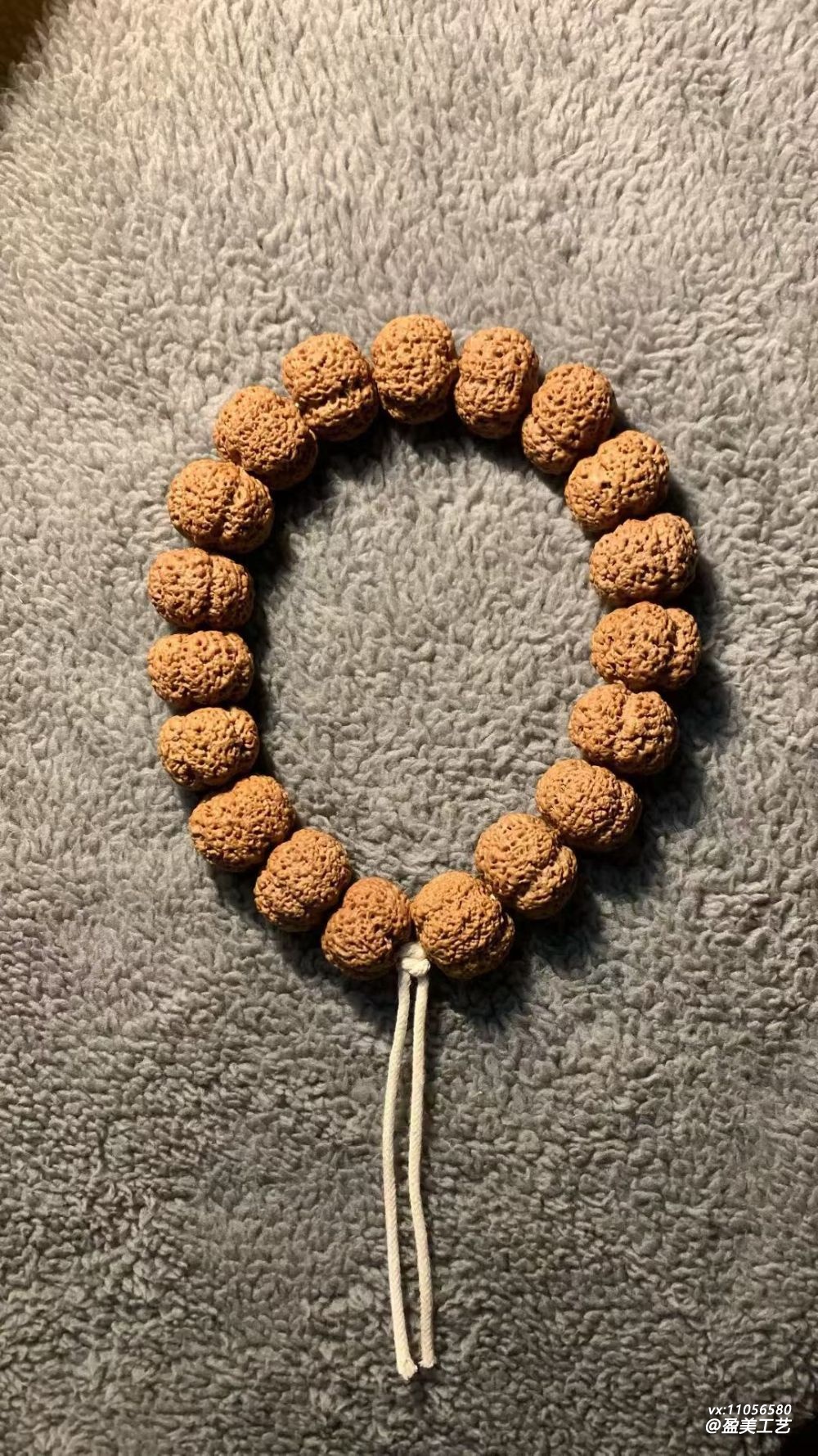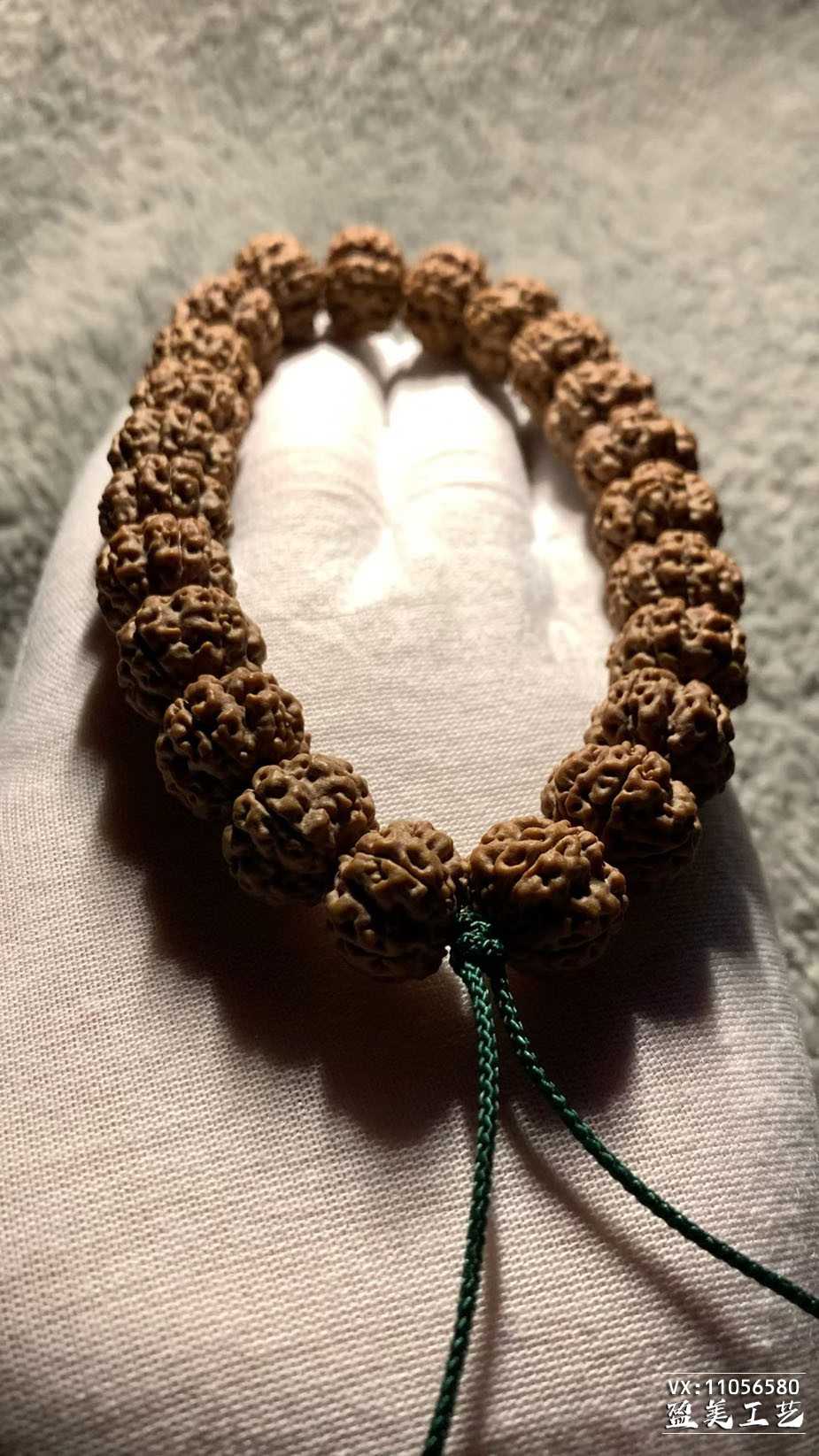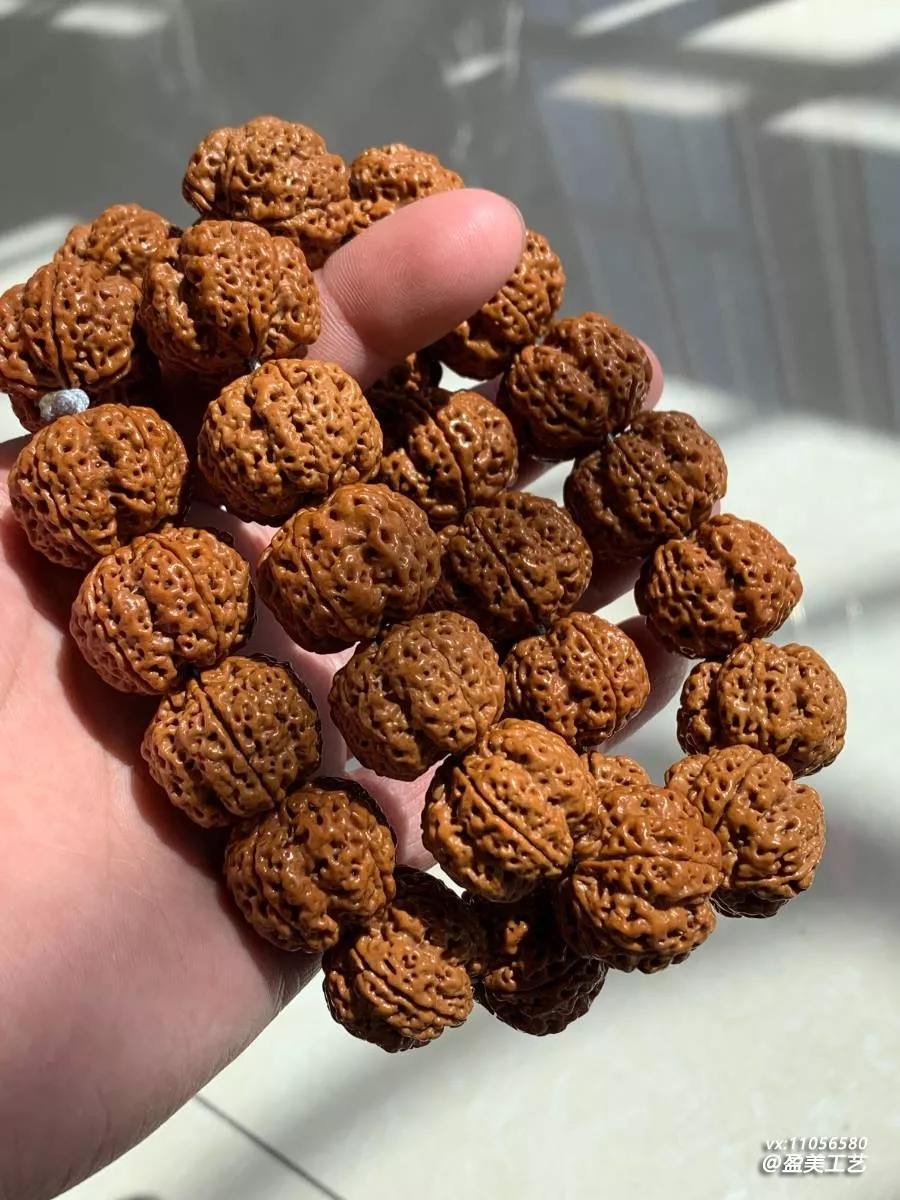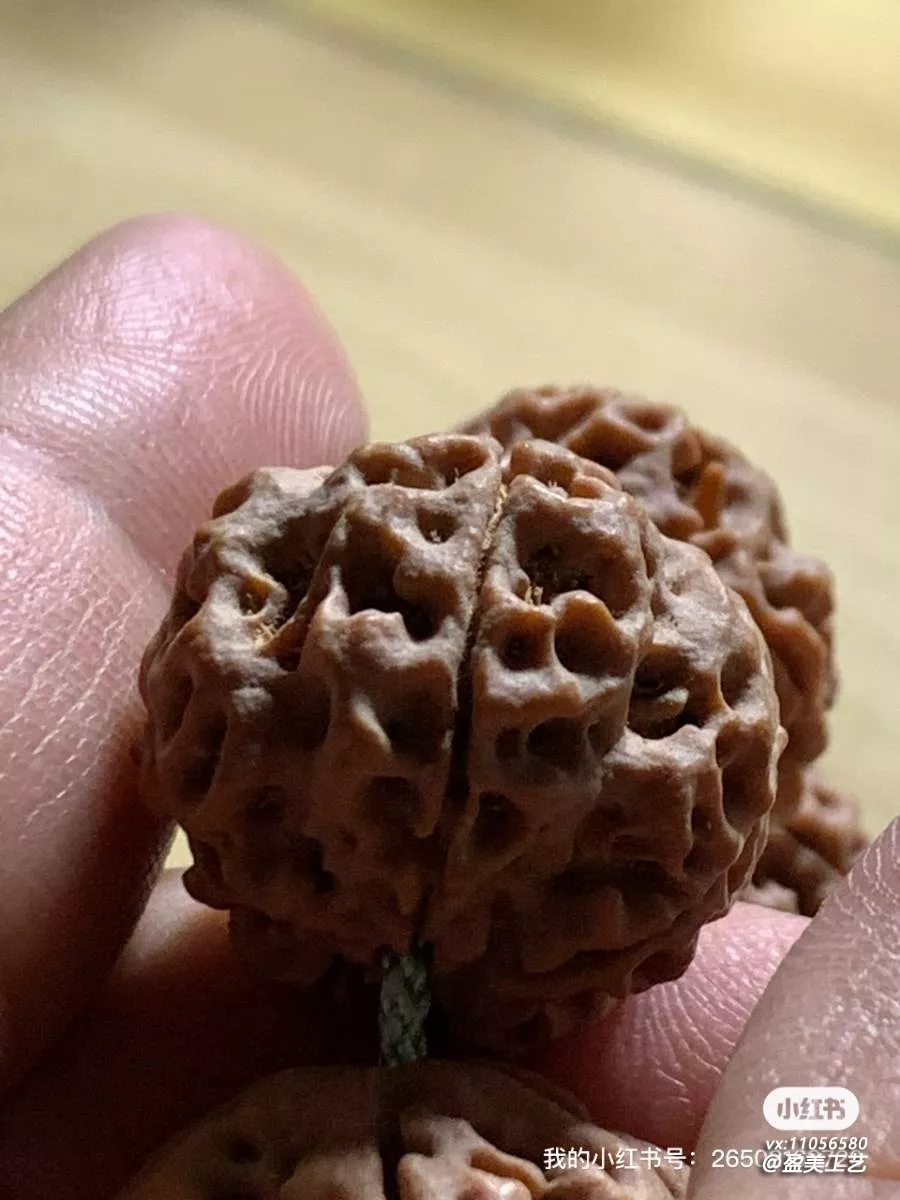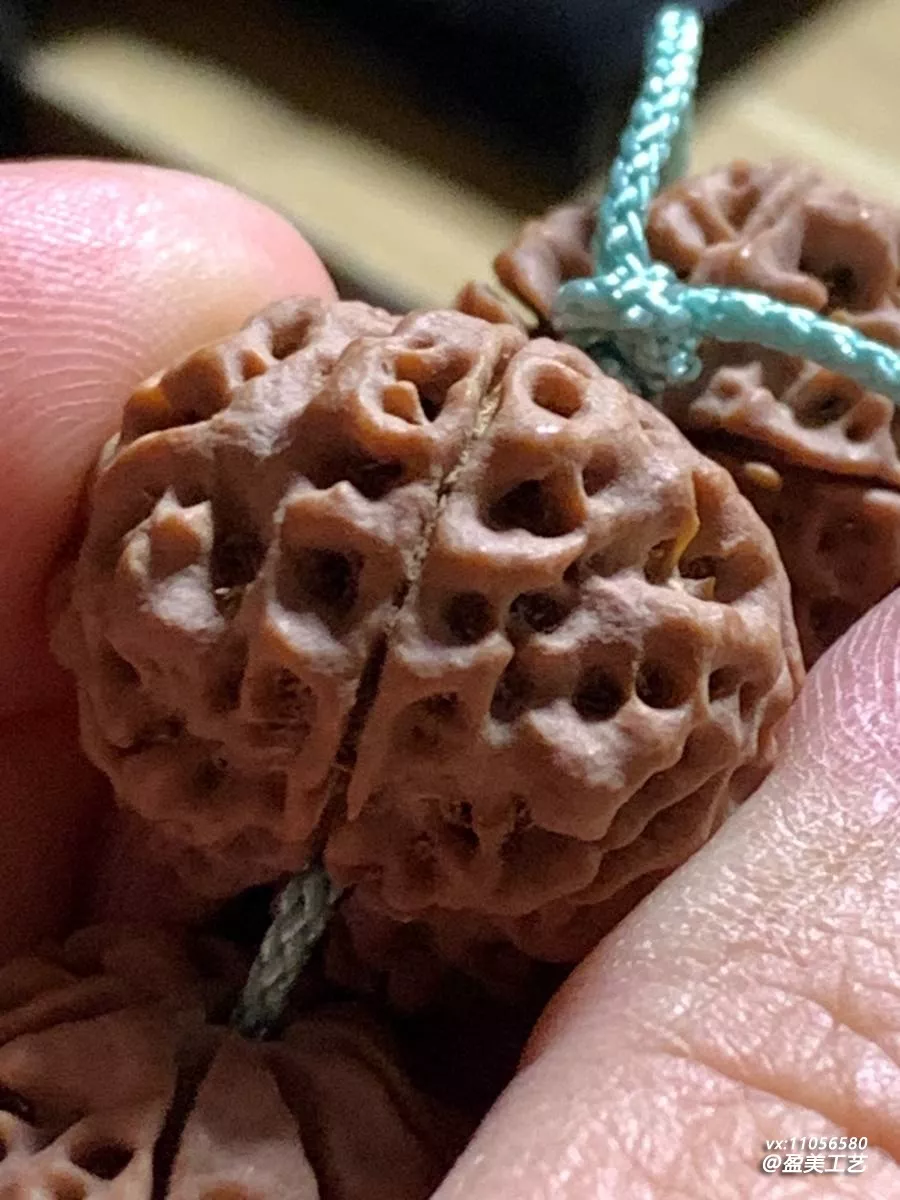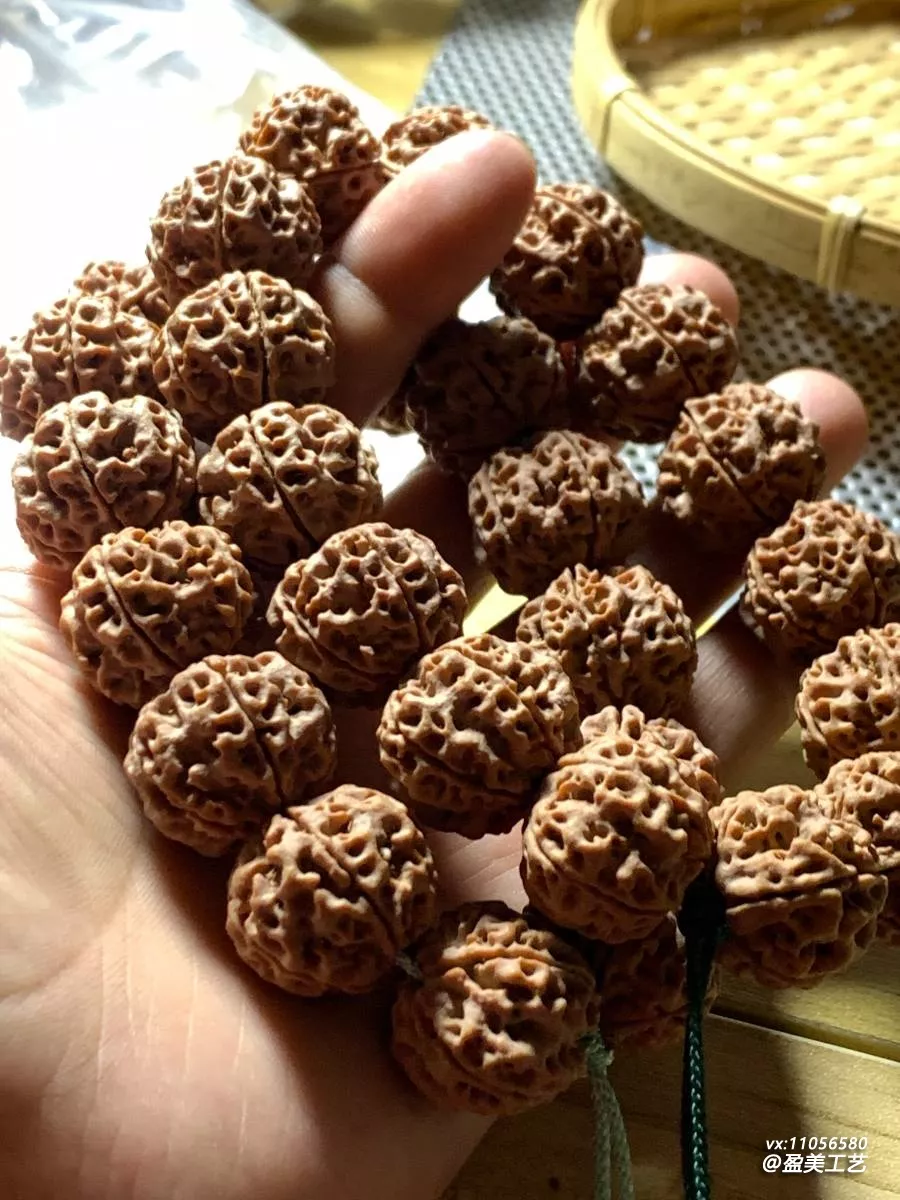
A large bodhi bought for three hundred and one bought for several thousand — is the difference visible to the eye? Many people ask whether an expensive large bodhi is just an IQ tax. I have played both: ordinary stock at three hundred and a fine piece at several thousand. The difference is real, but not mysterious — once it is explained you will know how to choose.
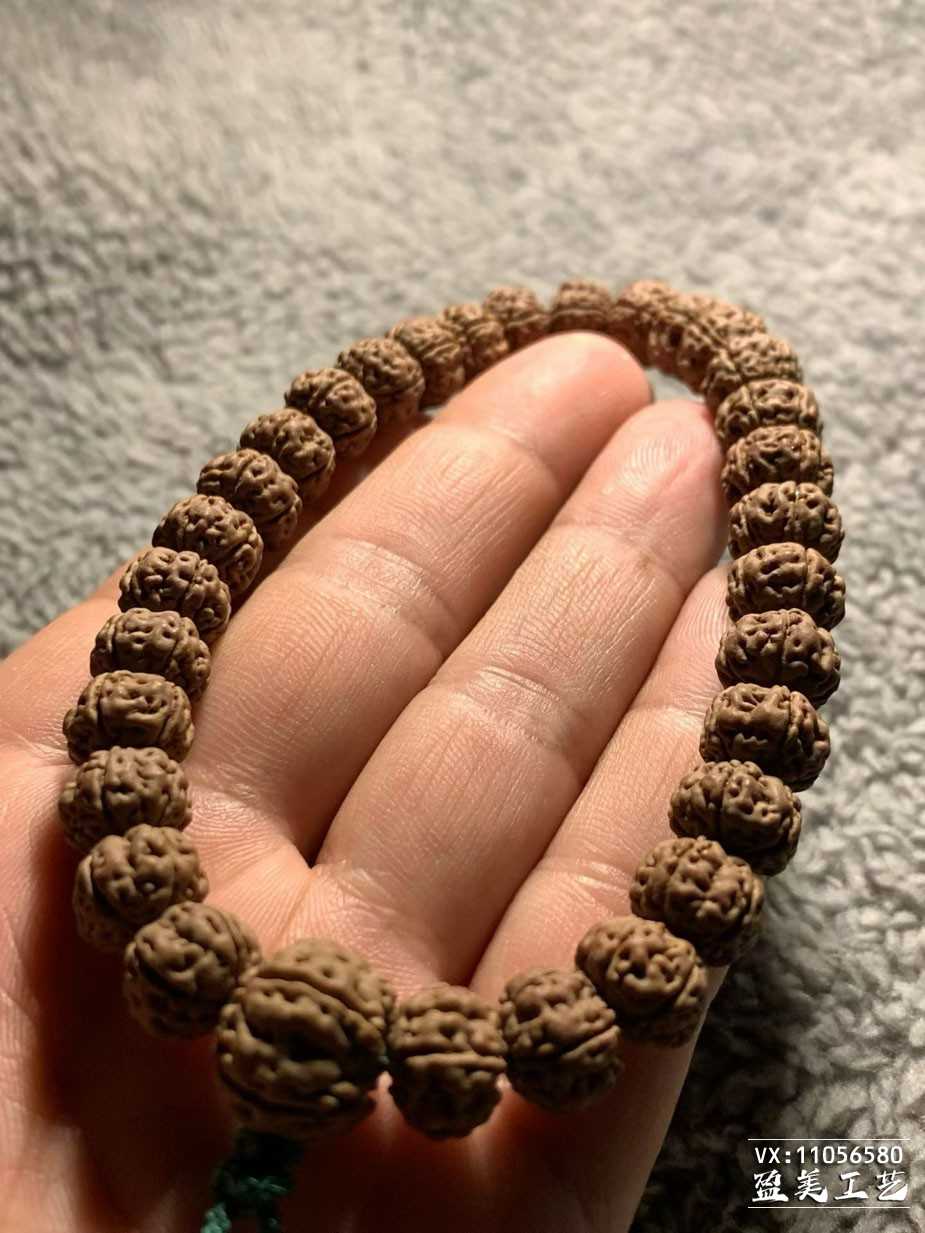
The visible difference
The visible difference can be seen. On a string costing a few hundred the grain is ordinary, the seeds less uniform, and a few have flaws; on one costing several thousand the grain is regular, every seed even, the skin oily, and it looks refined at a glance. Put them side by side and the gap in appearance is real.
The difference after playing
The difference after playing is even clearer. With the same method, the several-thousand string has a better base: it takes colour faster, more evenly, and the patina is translucent; the few-hundred string takes colour a little slower and colour differences appear more easily. Still, as long as the base work is done, a few-hundred string played carefully can also give a decent result — its ceiling is just lower.
How to choose without losing out
How to choose without losing out? Look at your budget and your purpose. For a beginner practising, a few hundred is entirely enough and learning the method costs no heartache; if you want quality and a fine result, several thousand is worth it, but you must know how to pick. The difference between a three-hundred and a several-thousand large bodhi lies in appearance, base and the ceiling of play — choose according to your own situation, do not follow the crowd and do not chase price.