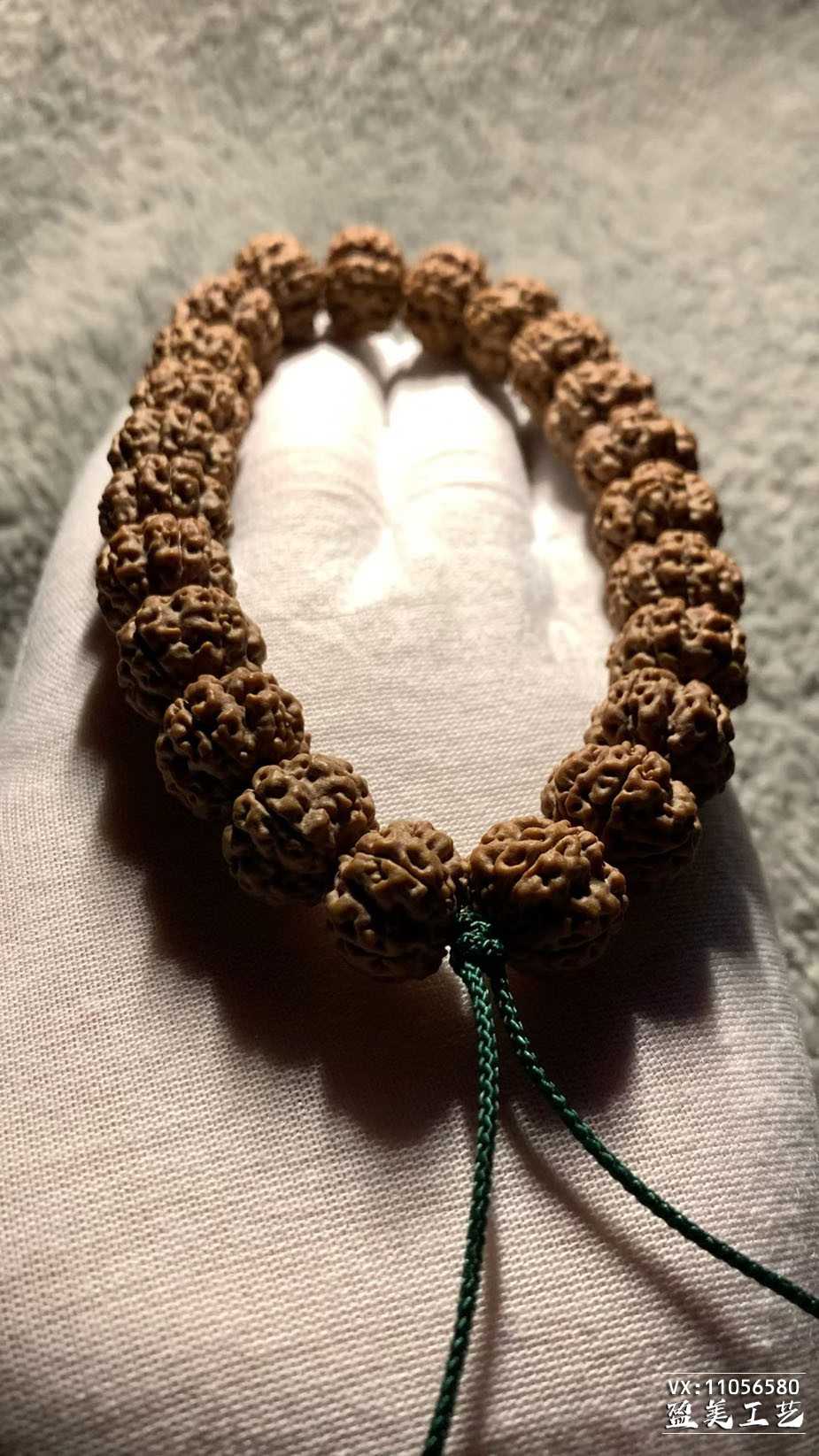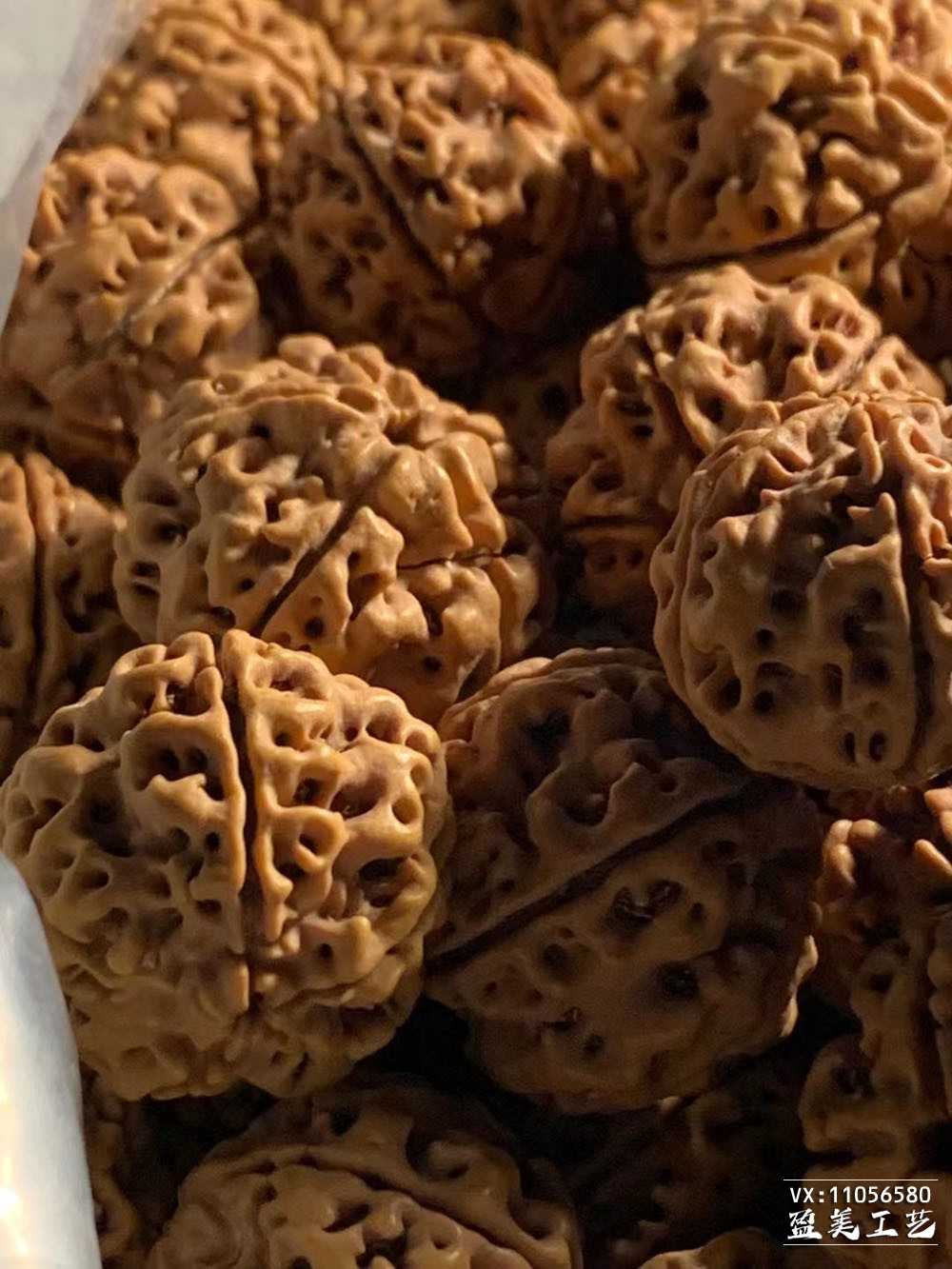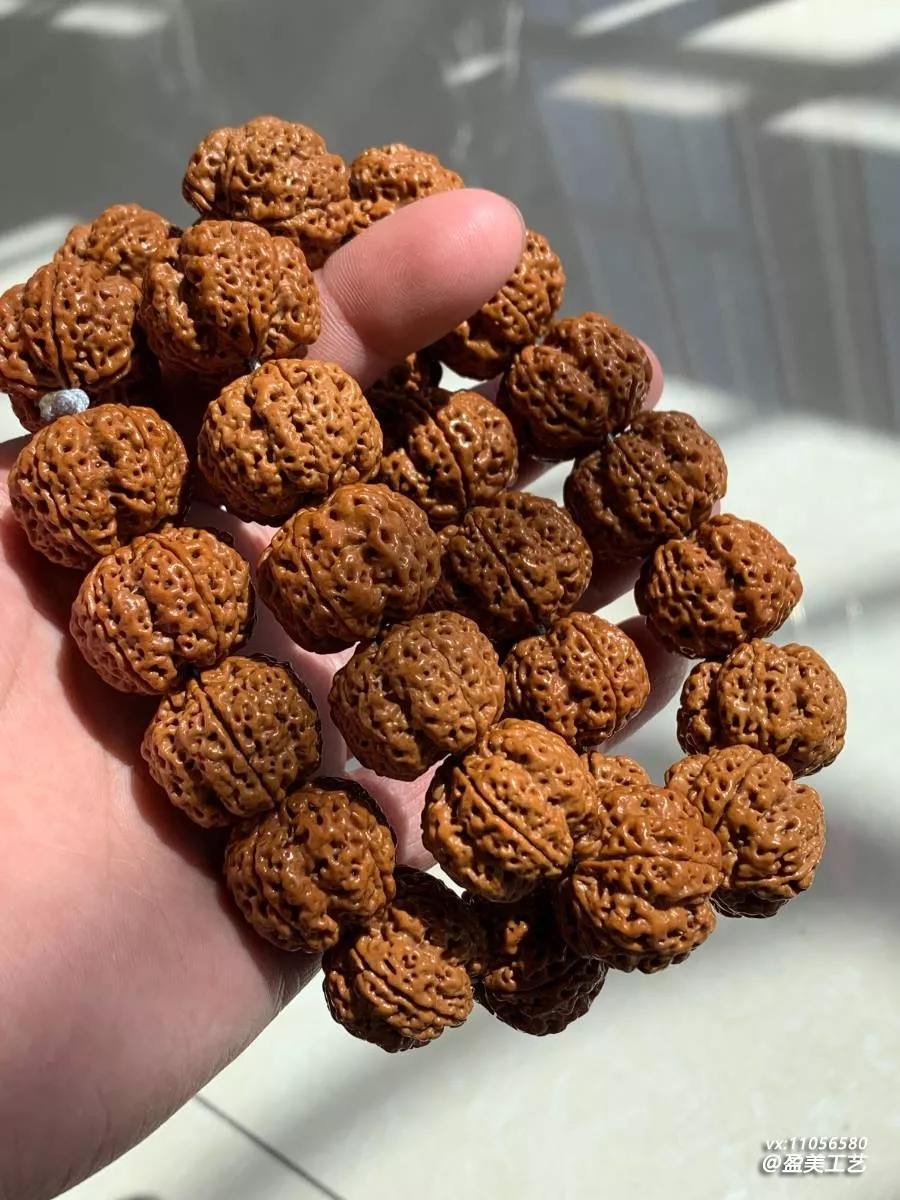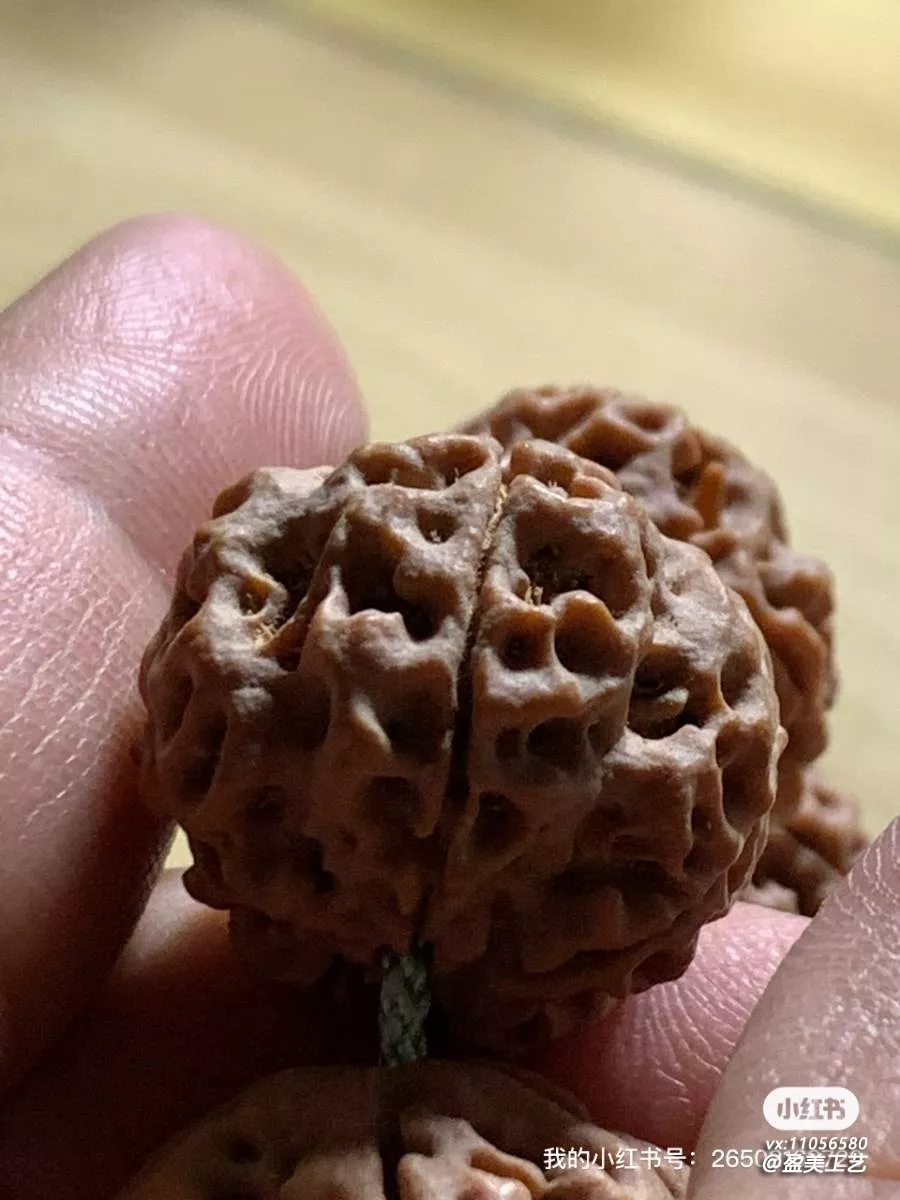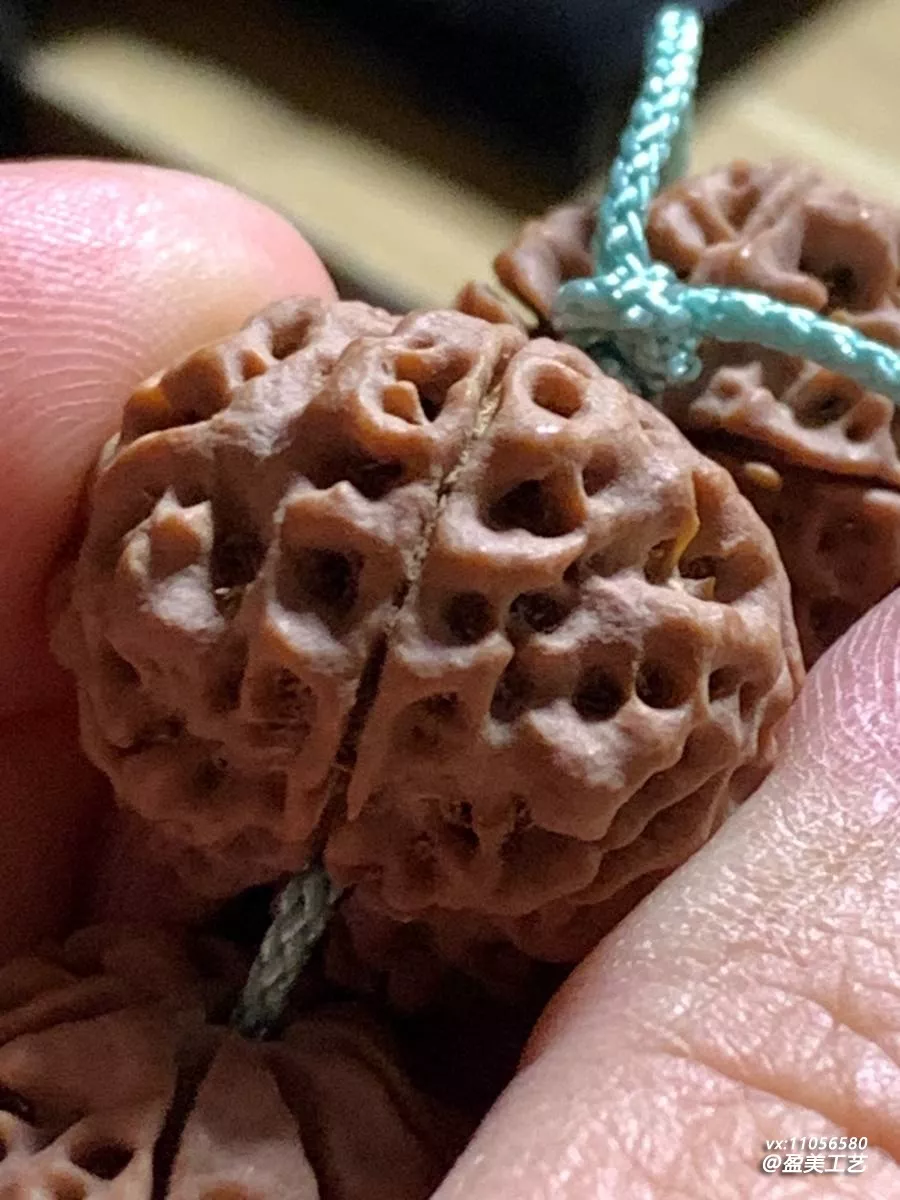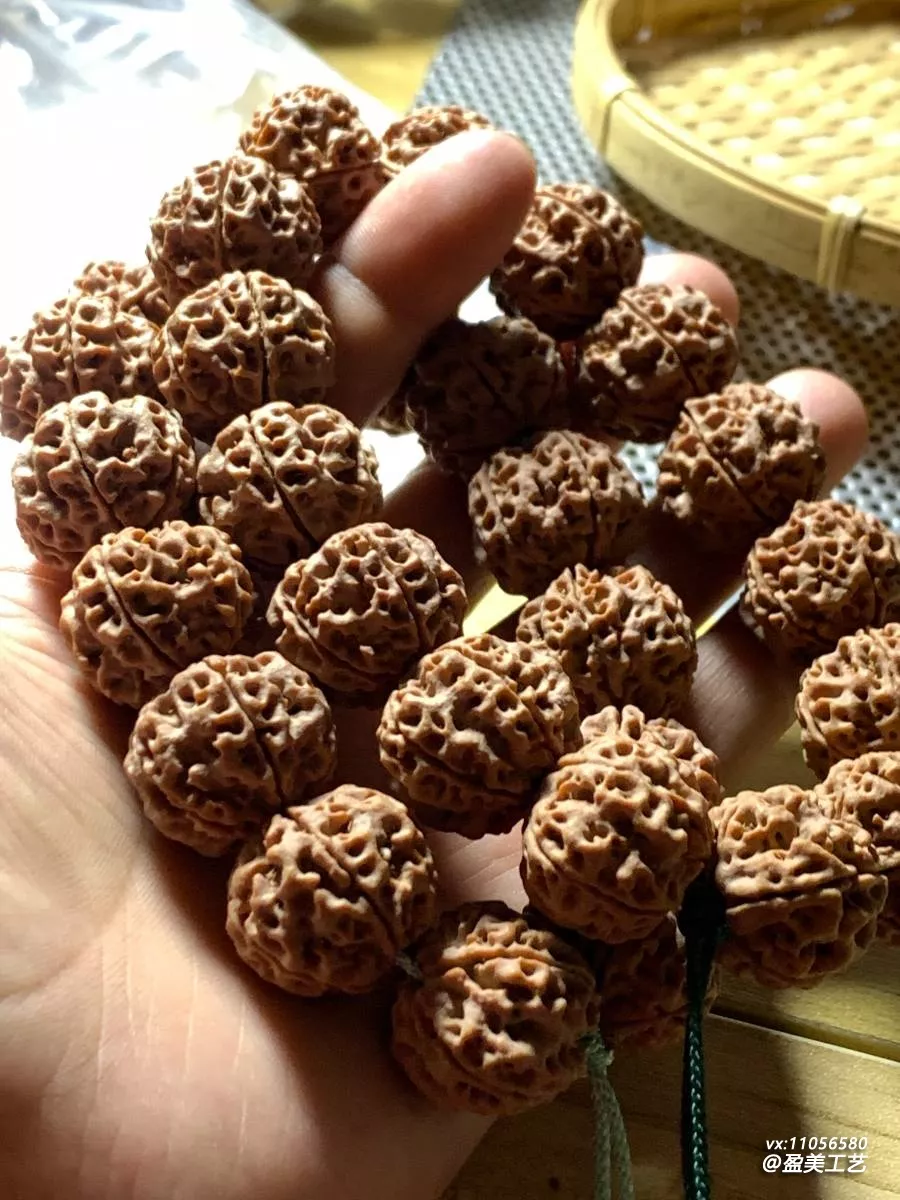
Do the base work well and later playing of a large bodhi saves you half the worry. An old player said this; at the time I did not believe it, and only after playing one string myself did I understand: any laziness in the base work all has to be paid back later. The effort spent on the base is what buys you an easy later stage.
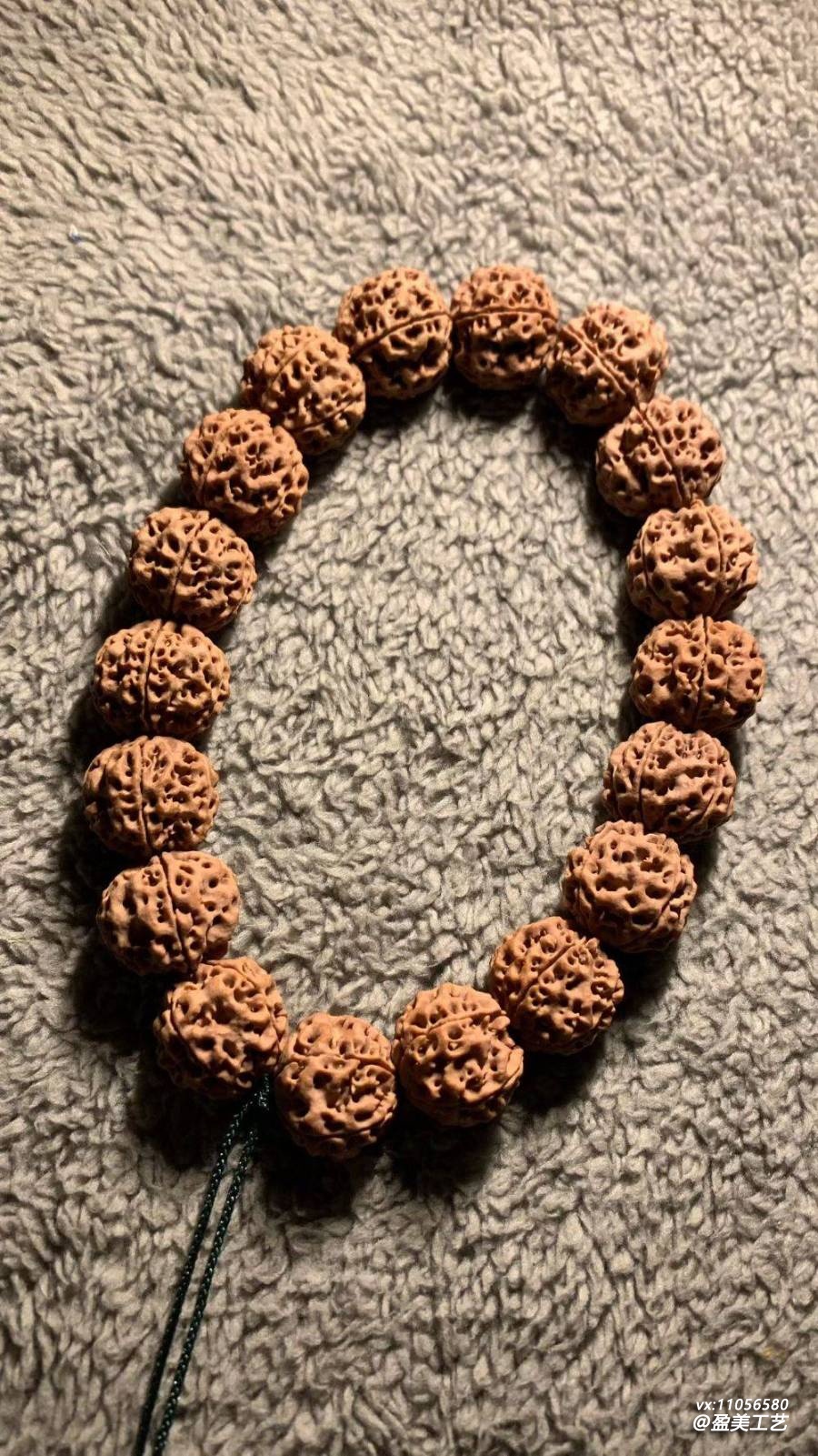
What a solid base saves you from
What does it save? The worry of chasing colour. With a clean base, sweat and oil go evenly into the seeds, the colour moves forward as a whole, and you are not agonising over colour differences every day; with clean crevices, the patina is even and translucent, and you are not forever worried about dirt sealed inside.
What a weak base costs
I have lived through the cost of a weak base. On my first string I started playing before the base was through; the bloom stayed sealed in the crevices, after half a year the colour went blotchy, and I had to go back and brush again — half a year of playing for nothing. A reworked string still does not catch up with one whose base was done properly.
How much effort the base deserves
How much effort should the base get? Bring it to three standards before you start playing: bloom fully retreated, crevices brushed through, surface showing gloss. Brush one to two hours a day for two or three months early on, in exchange for an easy later stage — the maths works. Do the base work well and later playing of a large bodhi saves half the worry; there is no exaggeration in that.
The base saves time and buys peace of mind; however you count it, this investment is not a loss. The care spent early becomes the good condition of the string later.