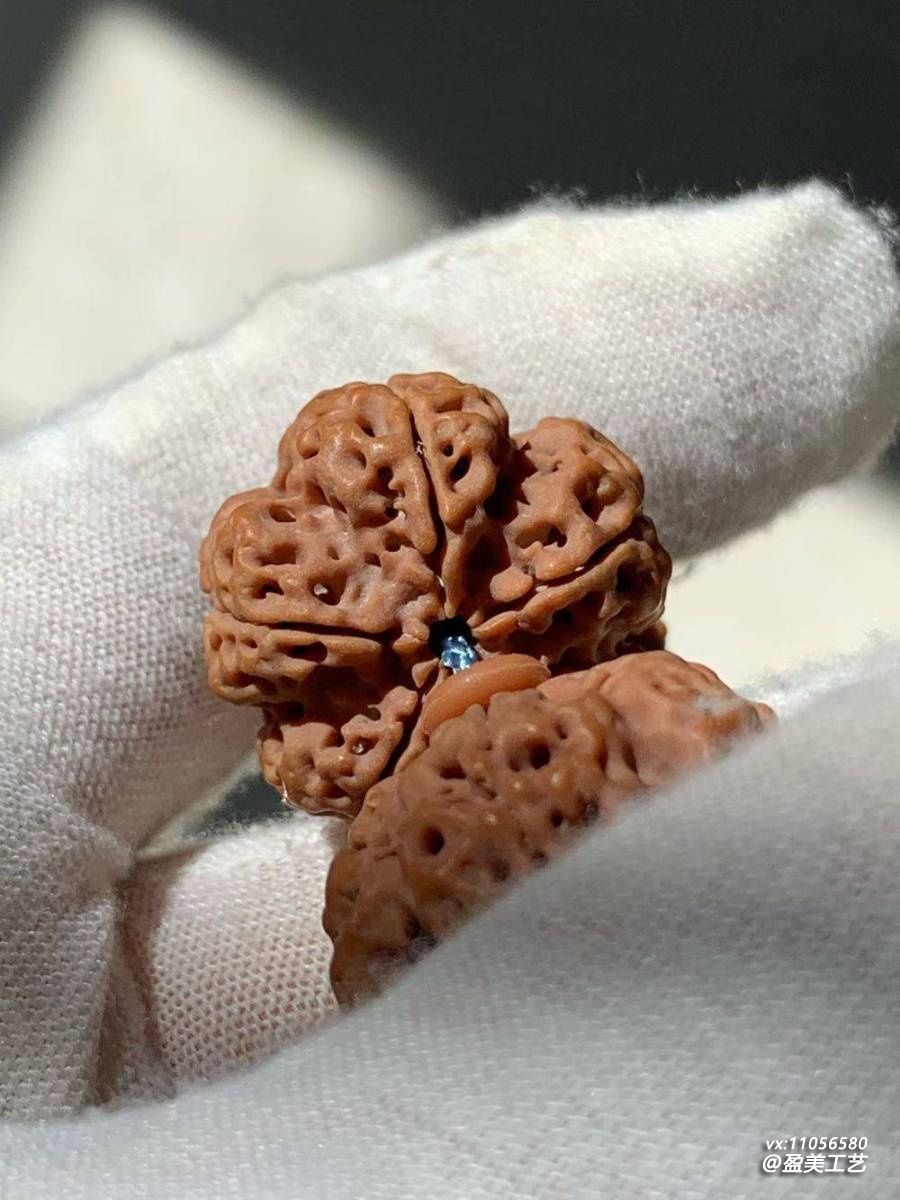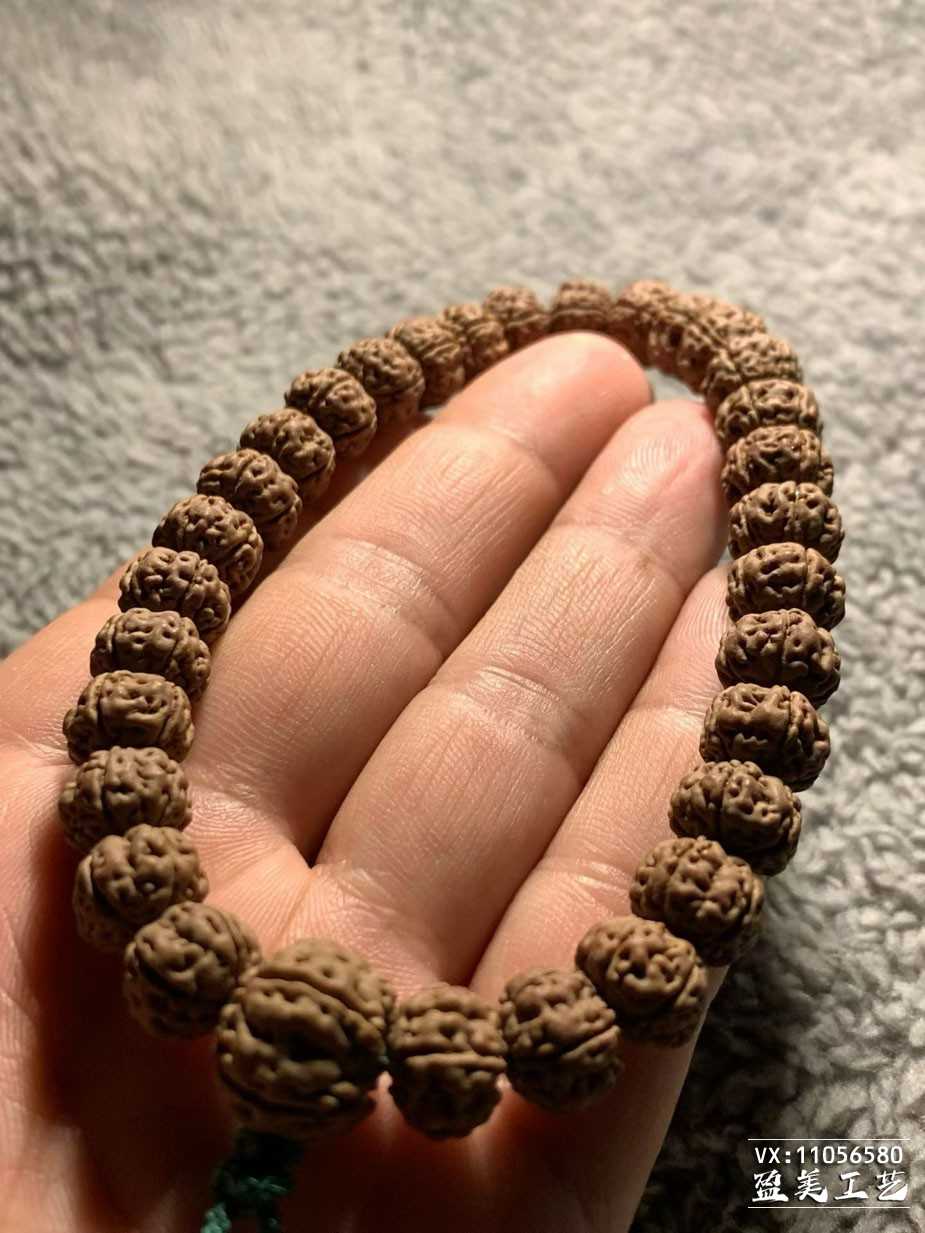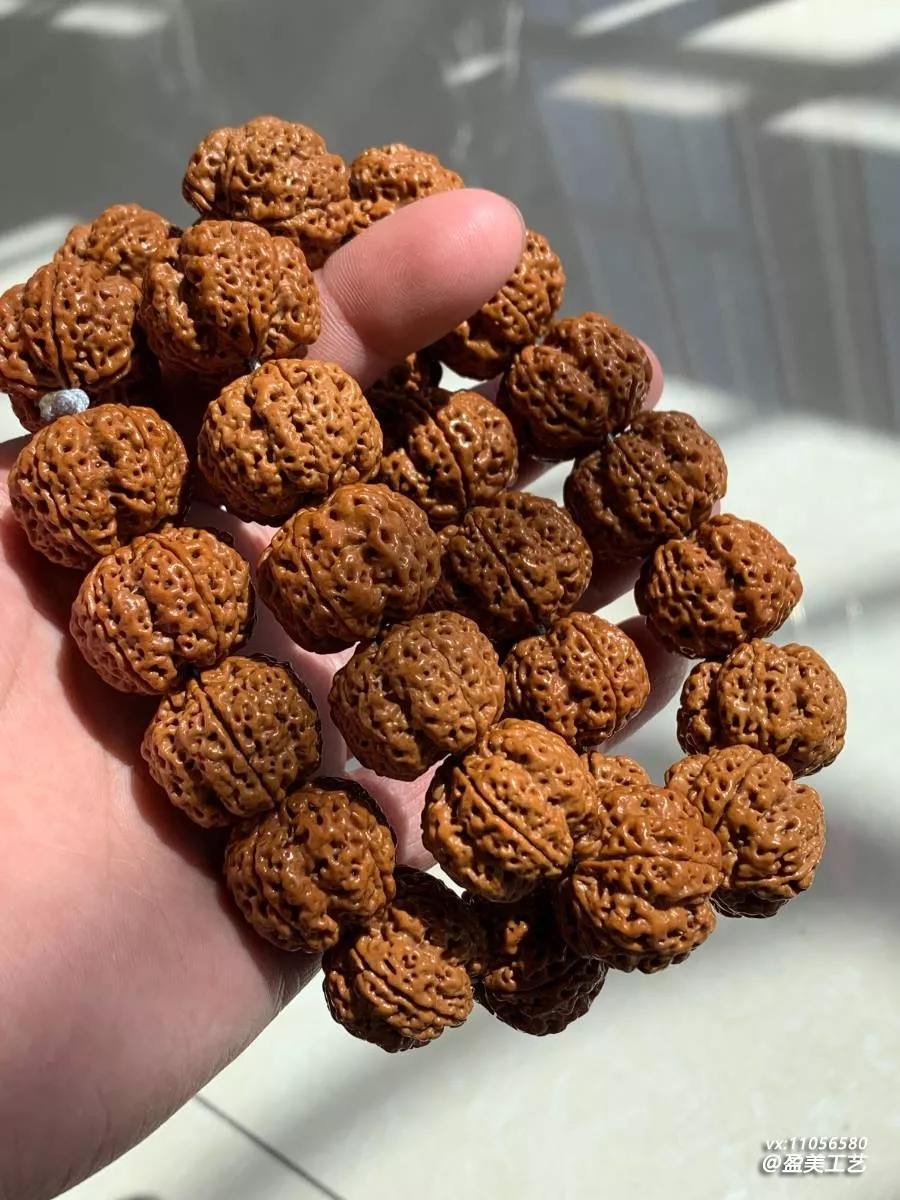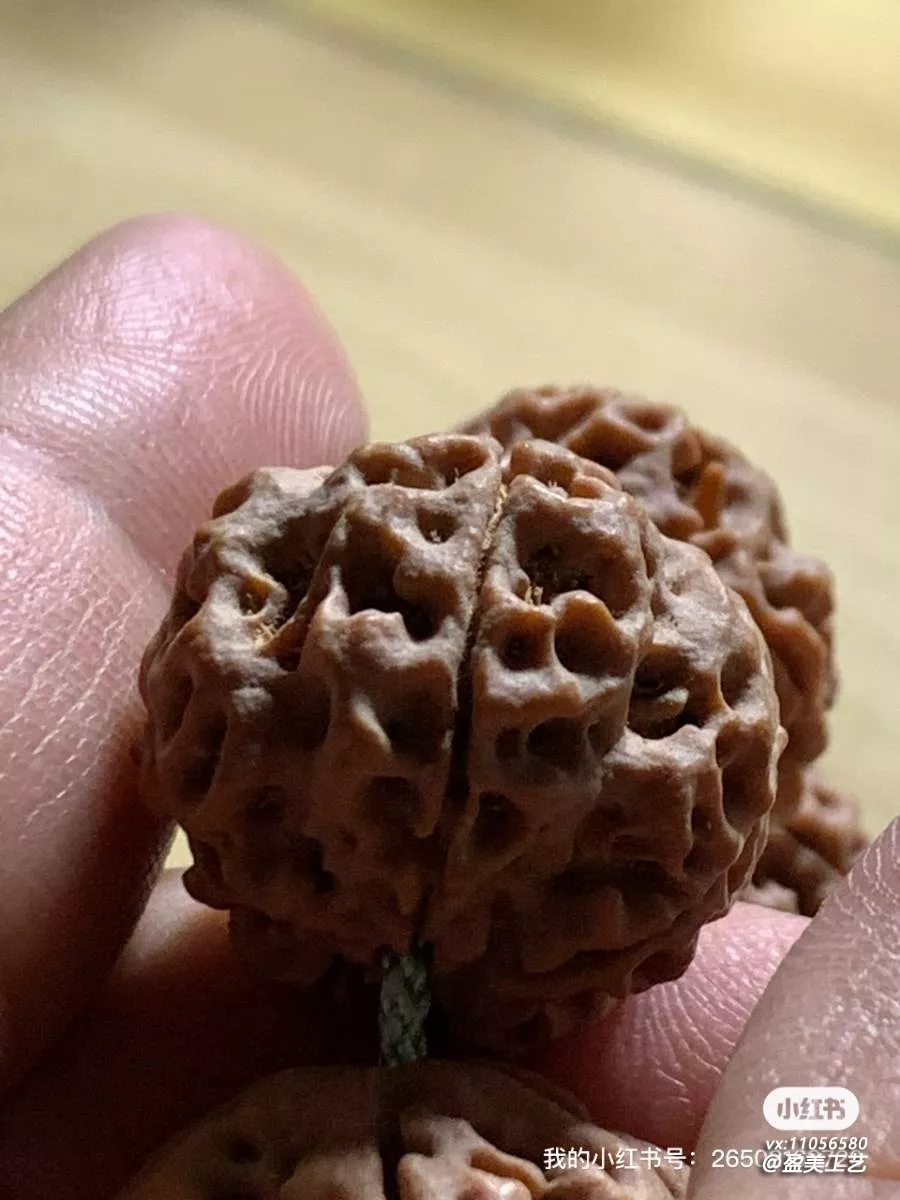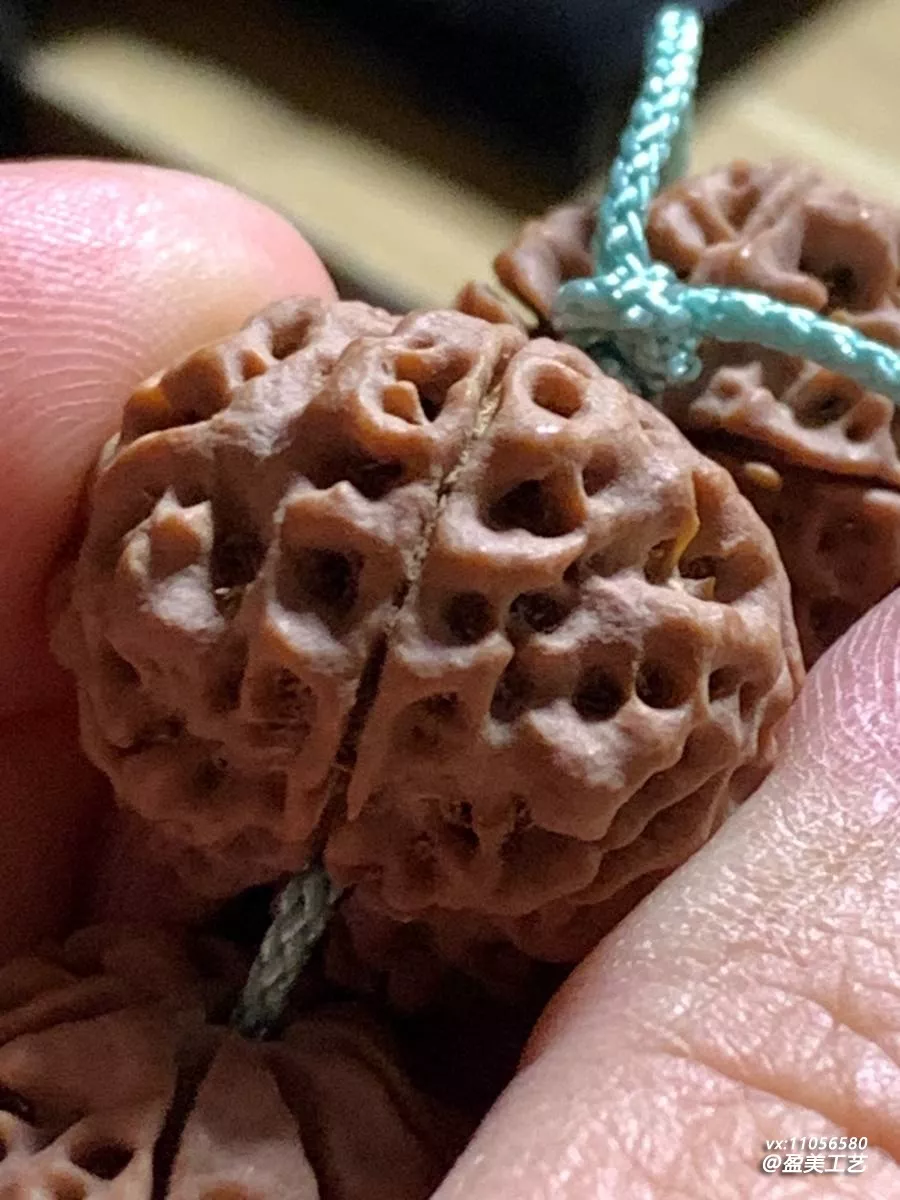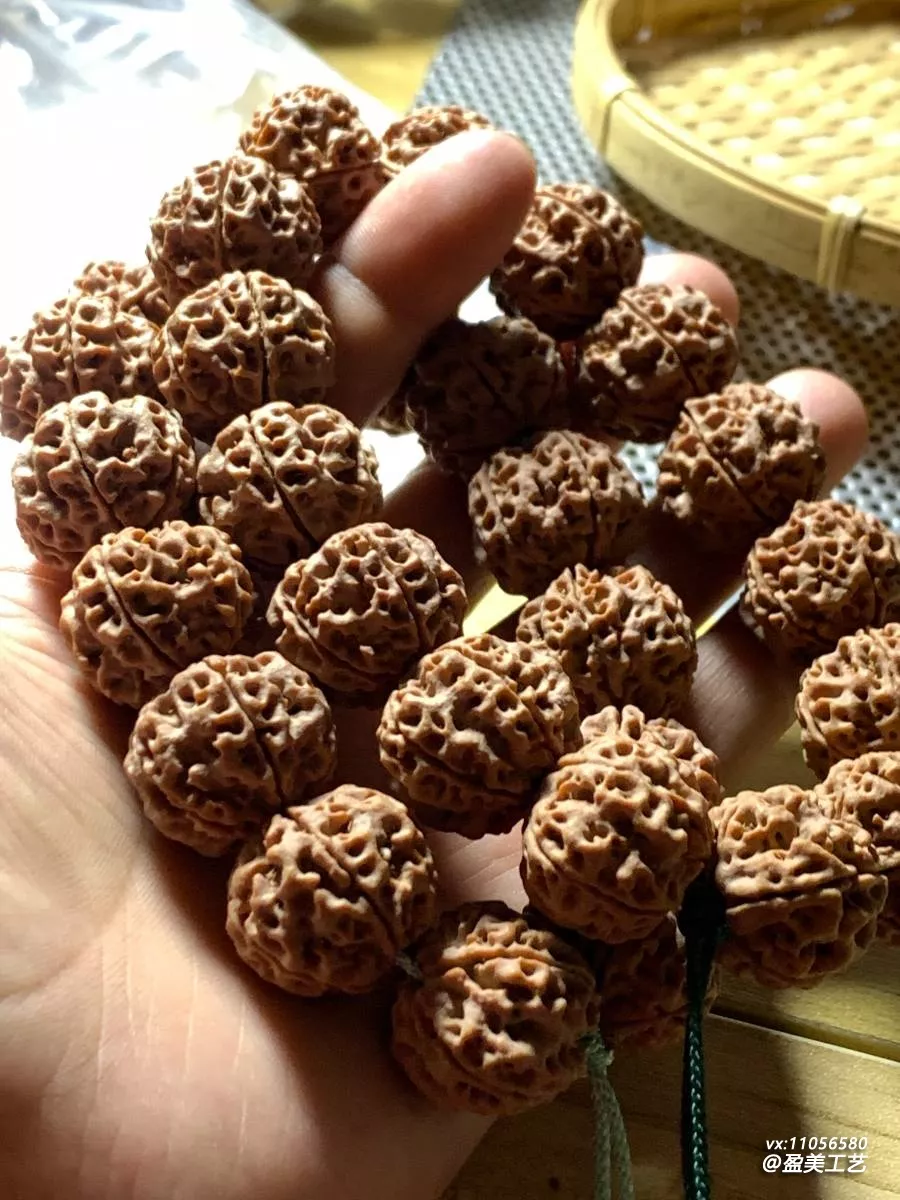
Both are large bodhi — so why can other people play theirs to Oxford red? You look at someone's Oxford red, then at the string in your own hand, the same large bodhi, and wonder why the gap is so wide. The difference is not in the string but in the method; understand these points and your string can do it too.
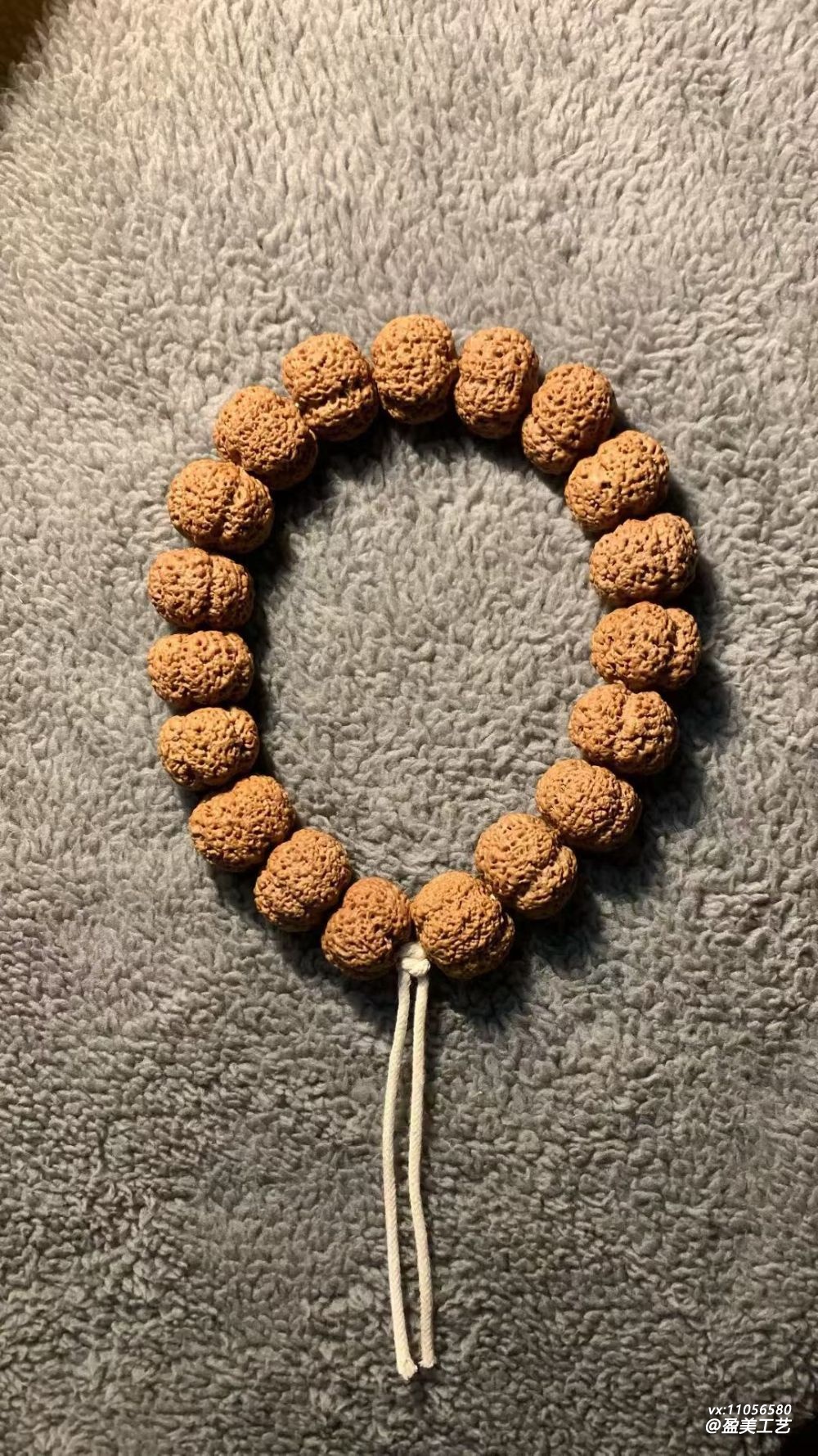
The difference is the base work
The difference is in the base work. Before their Oxford red, others spent two or three months brushing the base: bloom brushed clean, crevices brushed through. Start playing without a proper base and dirt stays sealed in the crevices, the colour goes blotchy, and Oxford red naturally never appears. This one step decides half the later result.
The difference is the rhythm
The difference is in the rhythm. Others combine playing and brushing, always brush after playing, and push the colour forward evenly; impatient players play hard and brush little, sweat and oil pile on the surface, and the colour goes dull and brownish. A large bodhi feeds on steadiness: with the right rhythm the colour goes to red by itself; with a broken rhythm even a magician could not save it.
The difference is persistence
The difference is persistence. Oxford red is not a three-month affair but a one- or two-year one. Others play a while every day without a break; playing three days and resting two leaves the string exactly where it was. Both are large bodhi, but Oxford red is the product of time plus method: get the method right and keep at it, and your string can do the same.