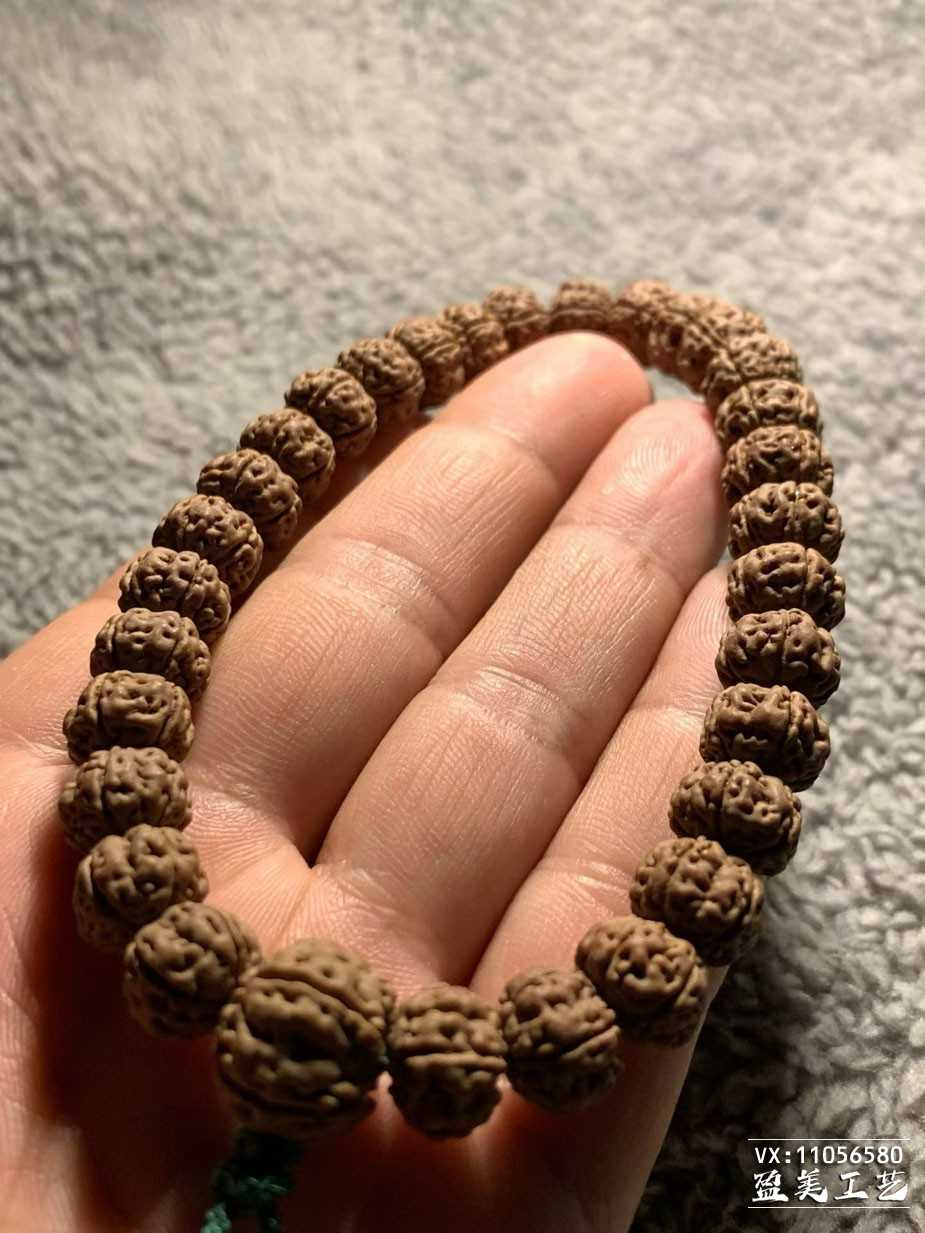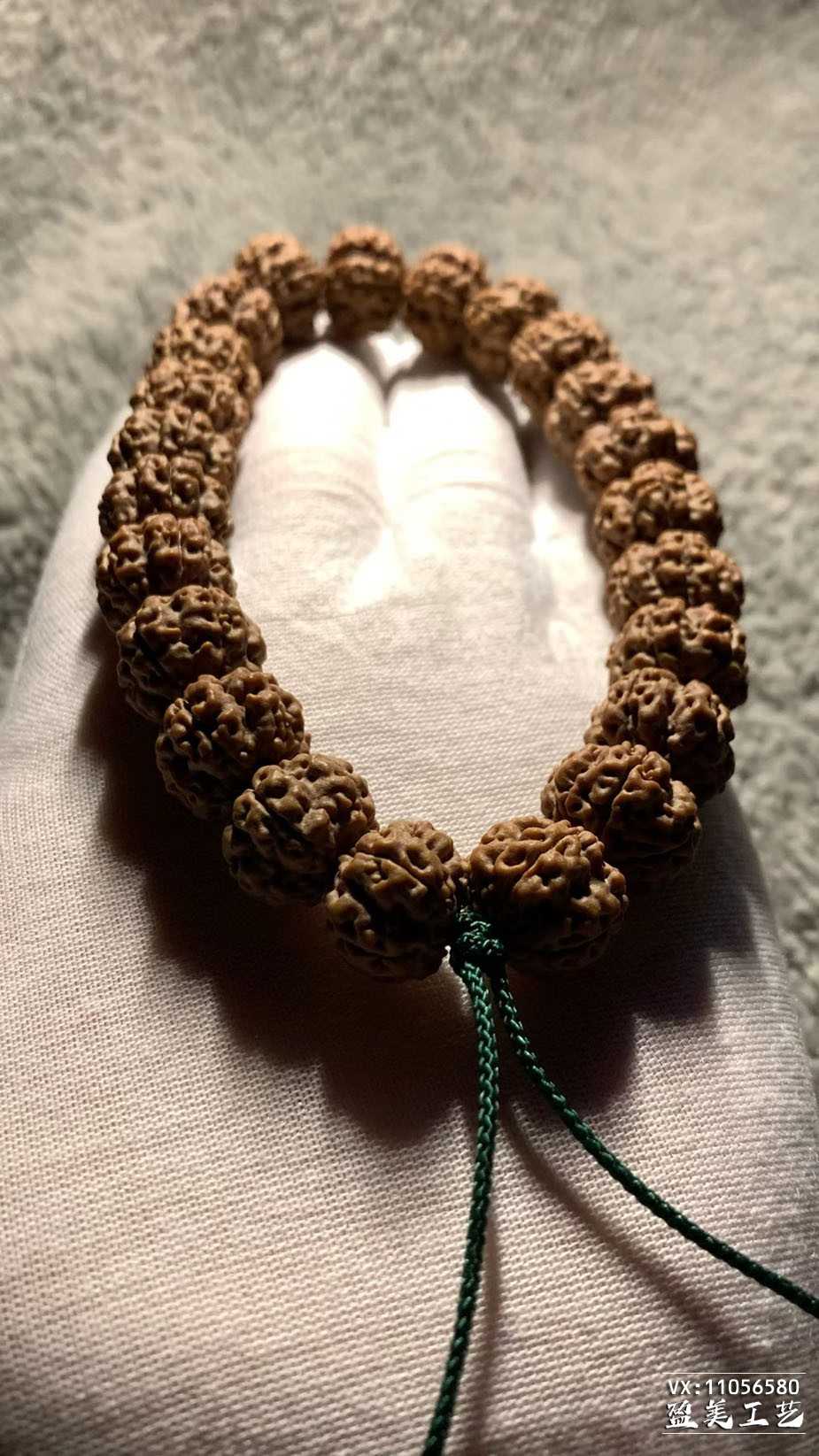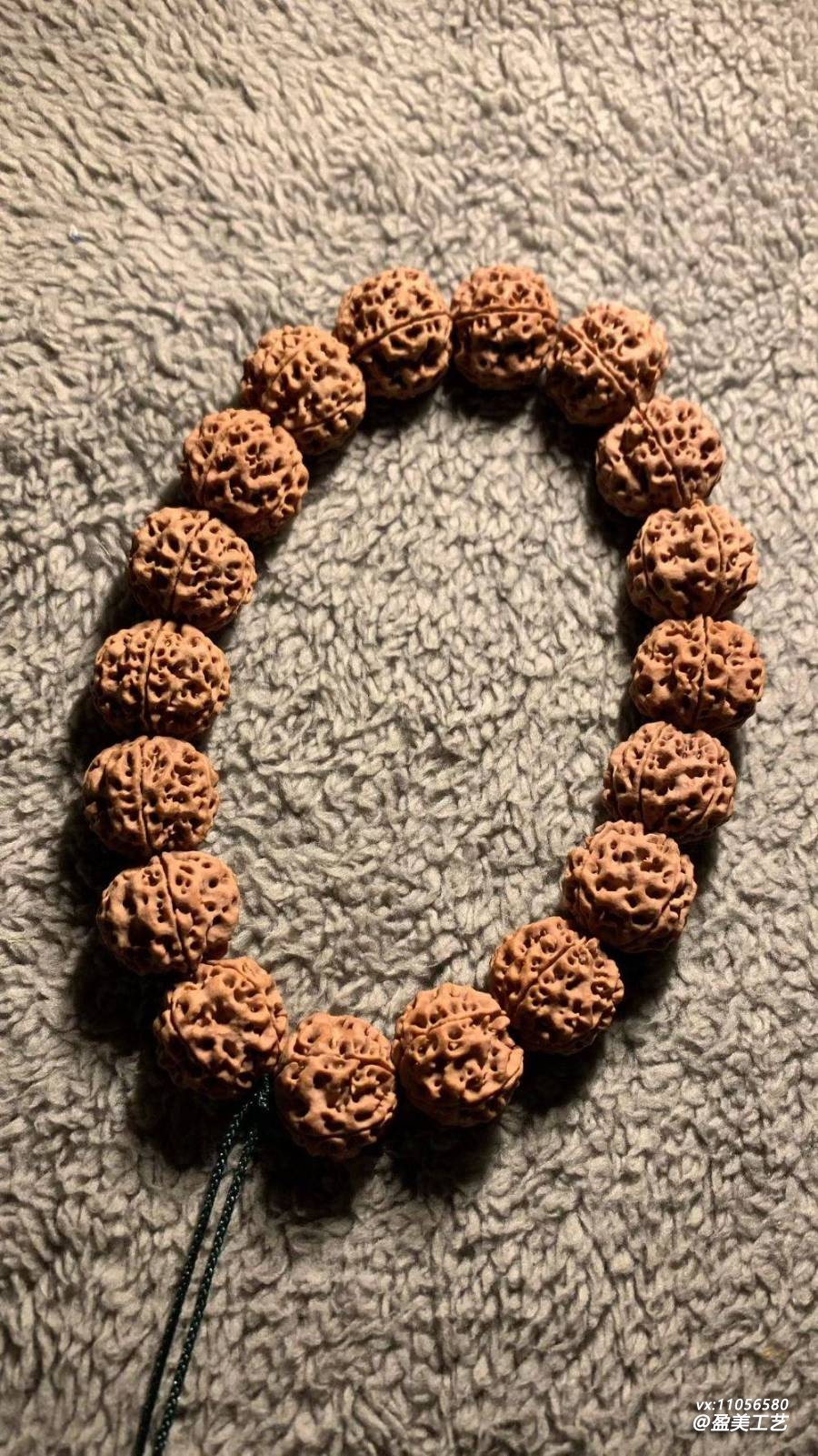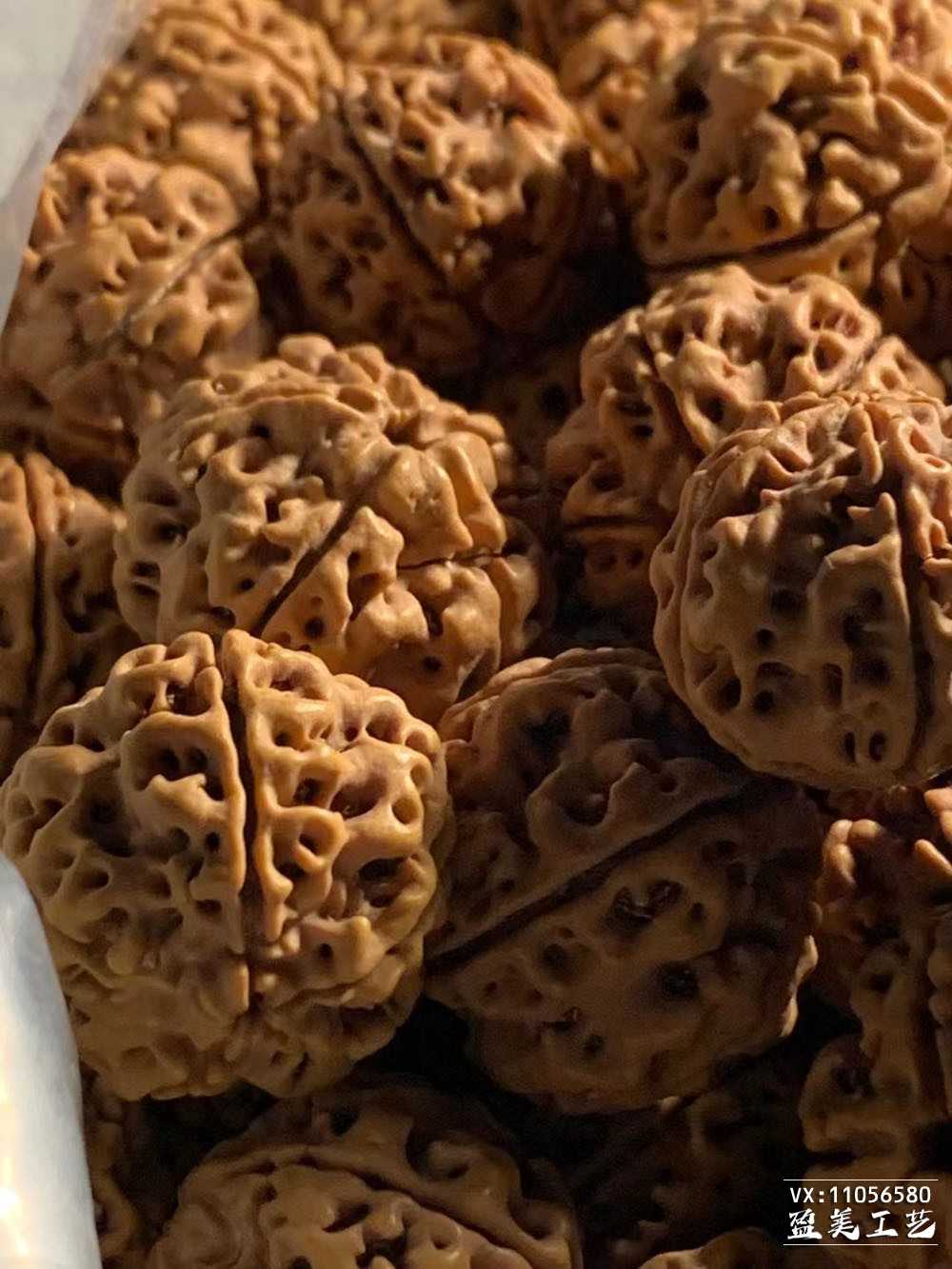
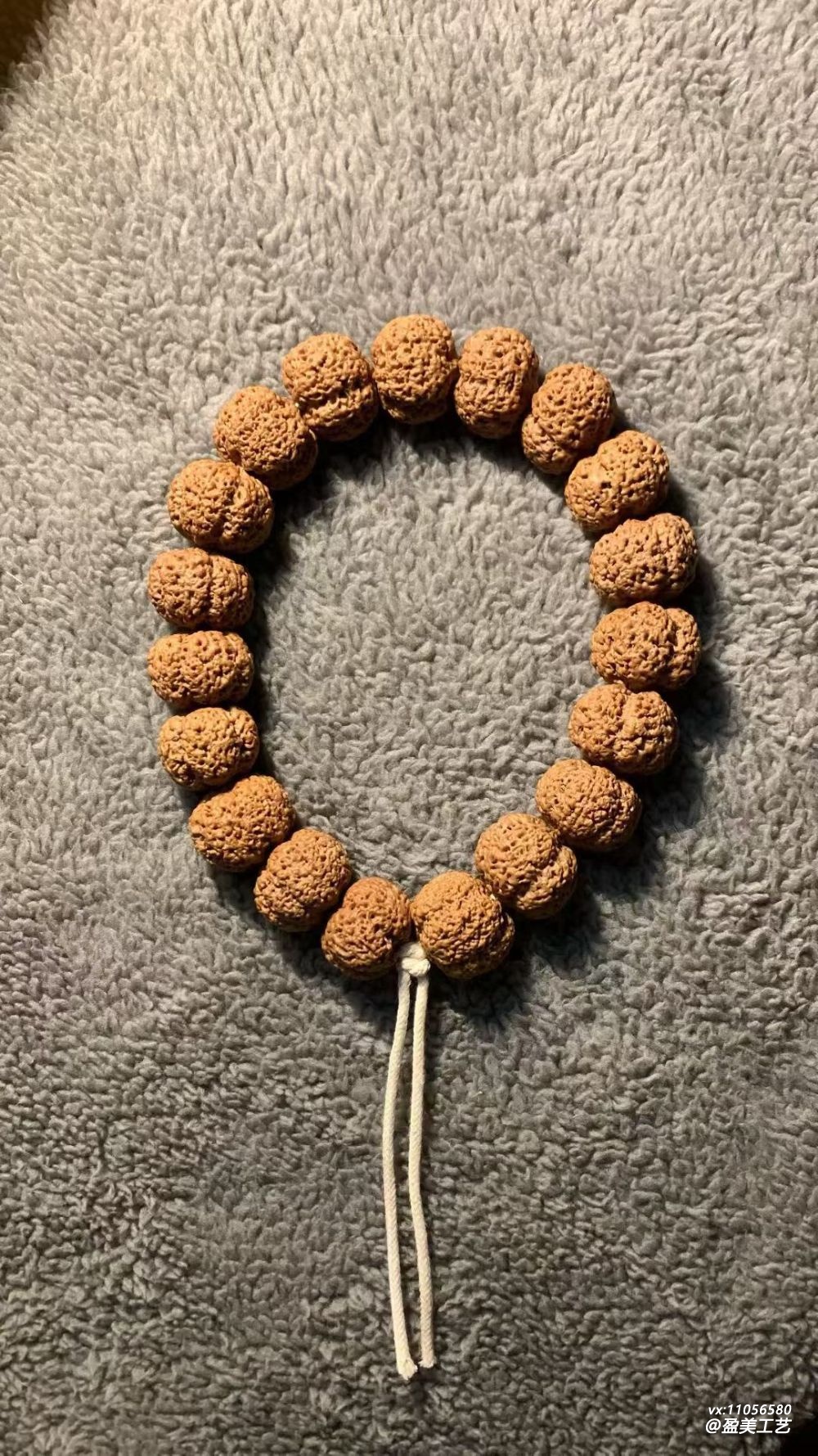
We’re both talking about Rudraksha (large), so why do other people’s pieces break-in to that coveted Oxford red? You see others showing off their Oxford-red malas, then look at your own—same Rudraksha (large), why the huge gap? The truth is, the difference isn’t in the mala; it’s in the method. Get these points right, and your mala can reach that finish too.
The Difference Lies in Prepping
The difference is in the base prep. Before anyone gets that Oxford red, they spend two to three months brushing the base first—brushing away alkaline bloom completely and getting every crevice thoroughly clean. If you start handling and breaking it in before prepping the base properly, dirt in the gaps gets sealed in, the color becomes splotchy, and that Oxford red naturally won’t develop. This base prep step determines half the final result later on.
The Difference Lies in Rhythm
The difference is in rhythm. Others combine handling with brushing—always brushing after breaking-in, so the color deepens evenly. Impatient players handle a lot but brush too little, letting sweat and oil build up on the surface, making the color dull and murky. Rudraksha (large) rewards steady care: get the rhythm right, and the color will naturally shift toward red; mess up the rhythm, and even a pro can’t fix it.
The Difference Lies in Consistency
The difference is in consistency. Oxford red isn’t a three-month project—it takes one or two years. Others spend a little time with their mala every day, keeping at it without fail; if you work in fits and starts, your mala will naturally stay stuck in place. Same Rudraksha (large)—Oxford red is the product of time plus method. Get the method right, stick with it, and your mala can reach that finish too.