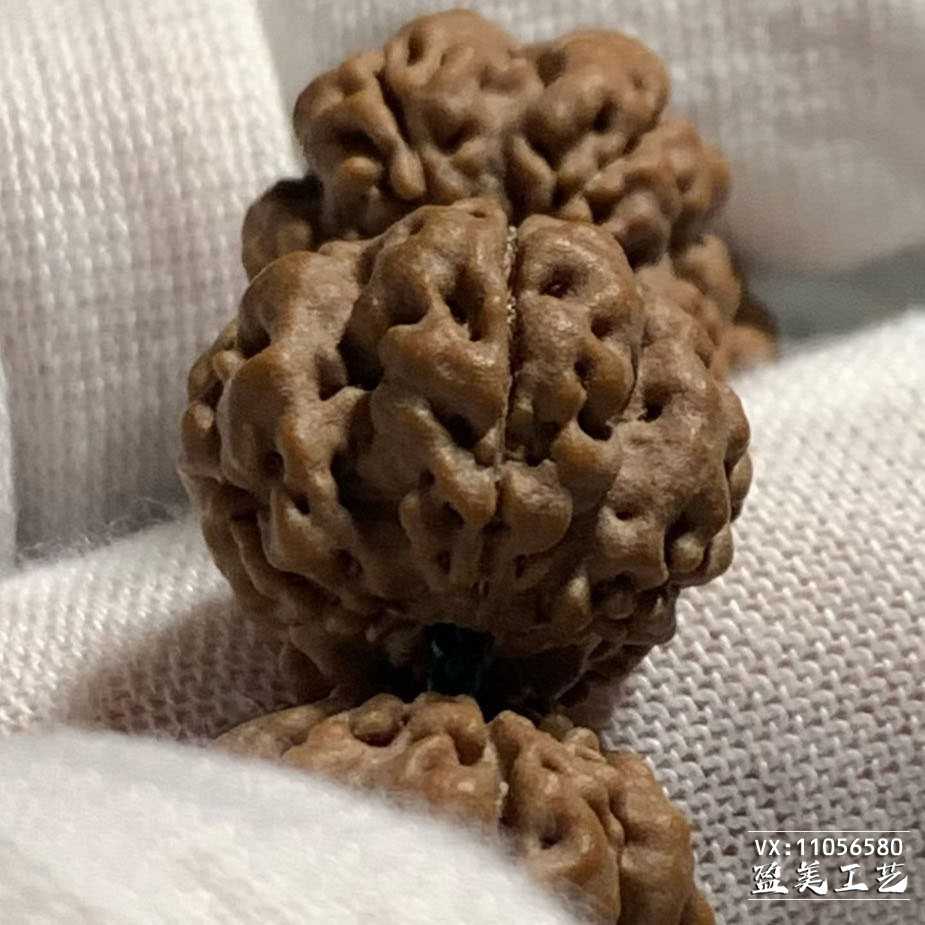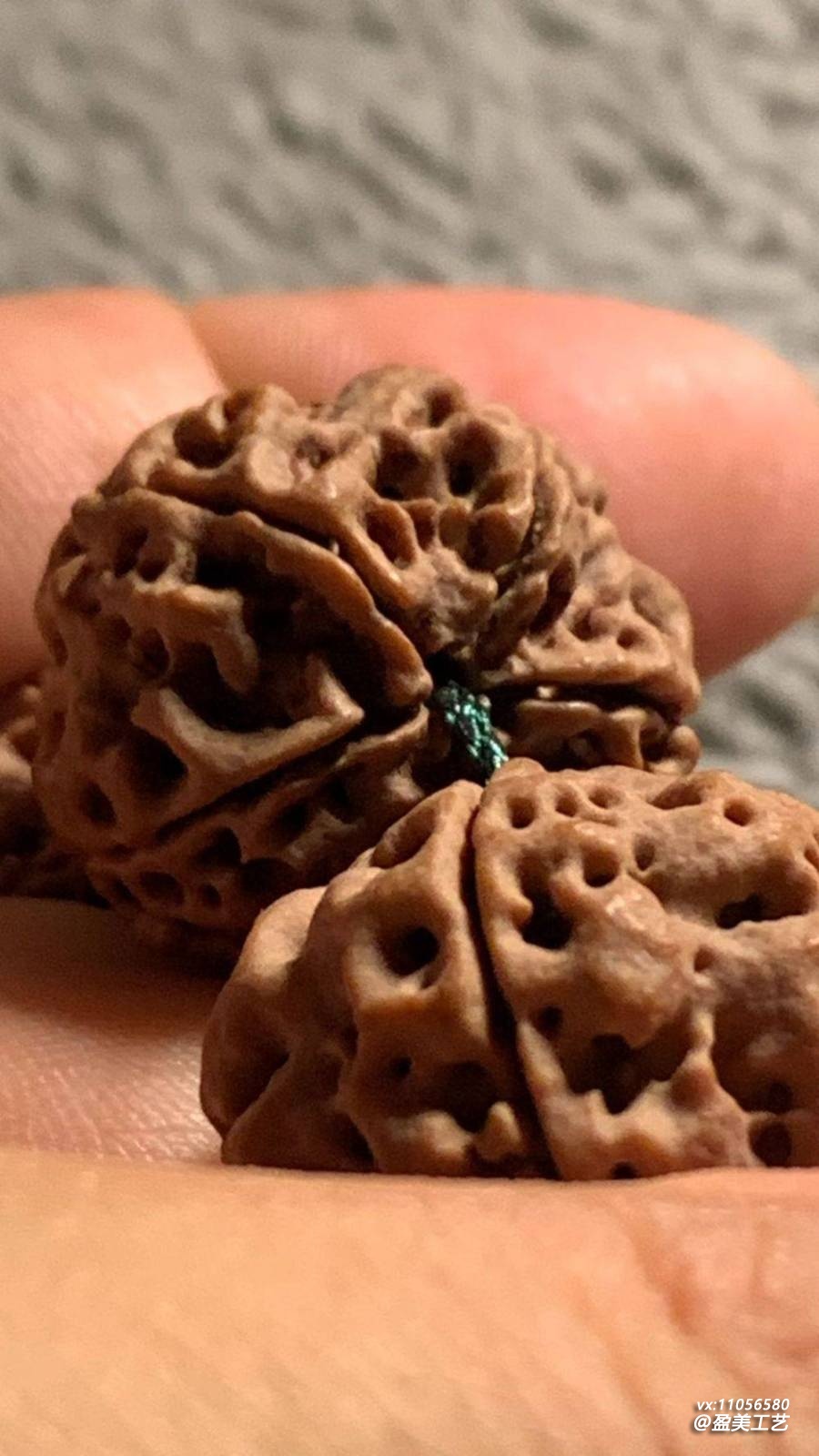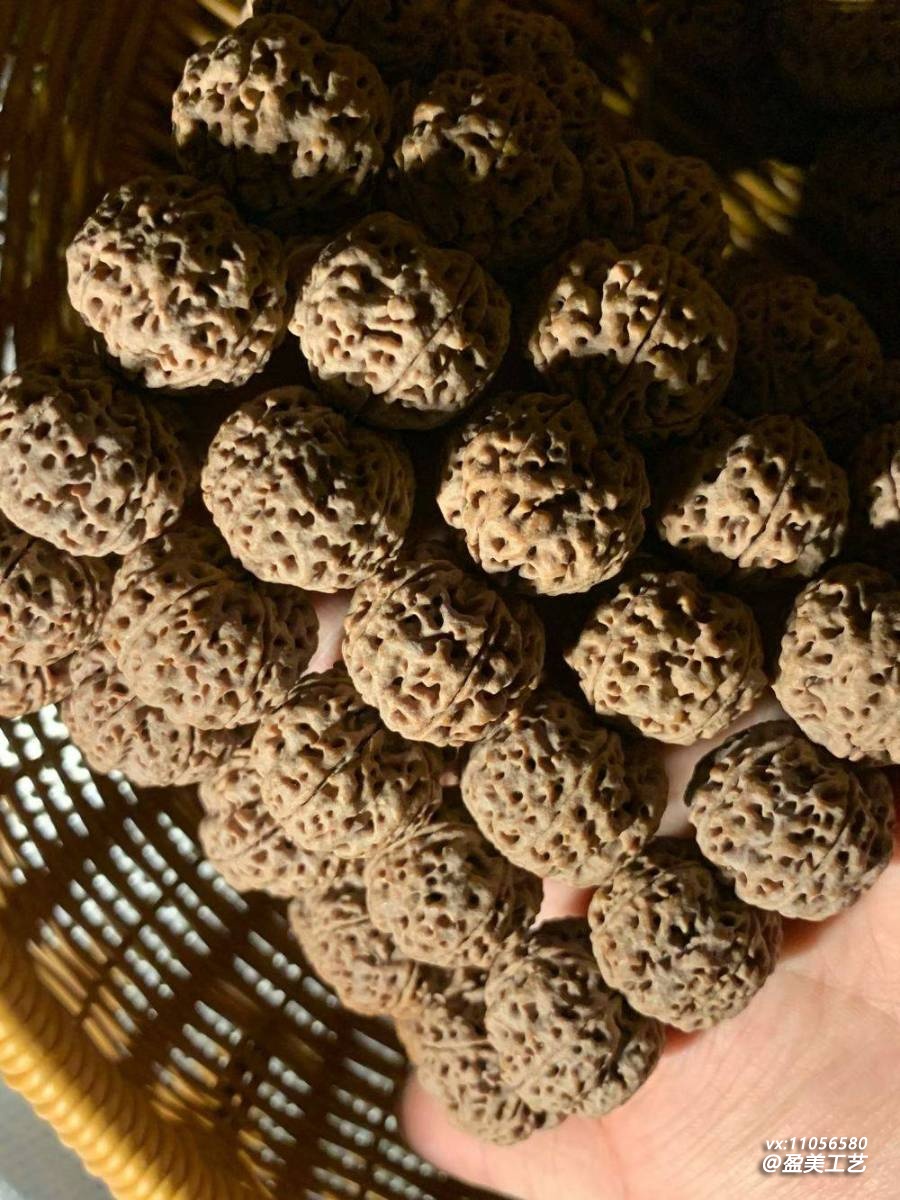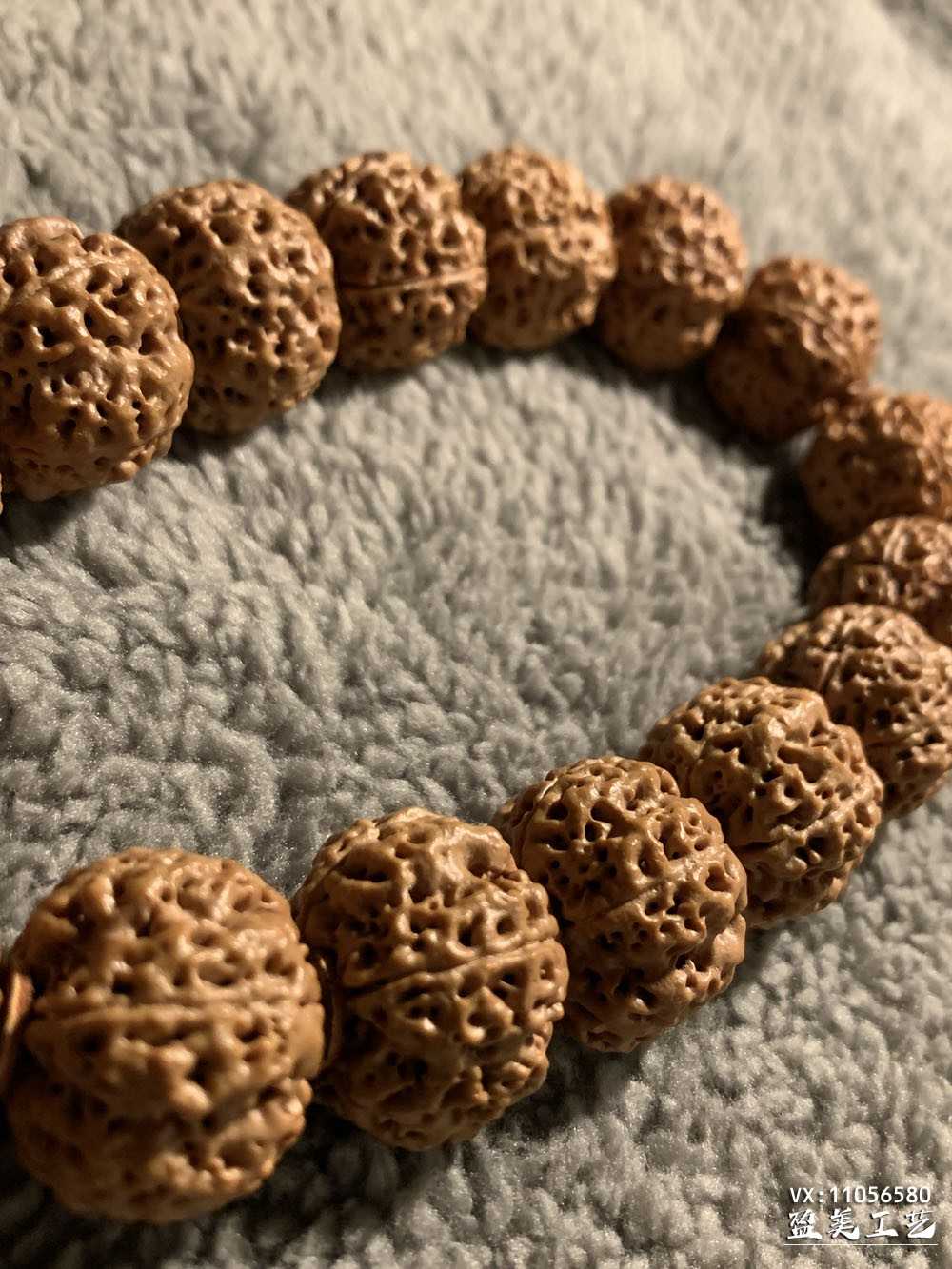
How to choose Rudraksha (large) without falling for pitfalls? These tips from experienced players are the most practical. When picking Rudraksha (large), newbies focus on the surface, while seasoned players know the real tricks. After years of breaking-in (patina process) with Rudraksha (large) and going through many pitfalls, I'm sharing the most practical tips to help you avoid mistakes.
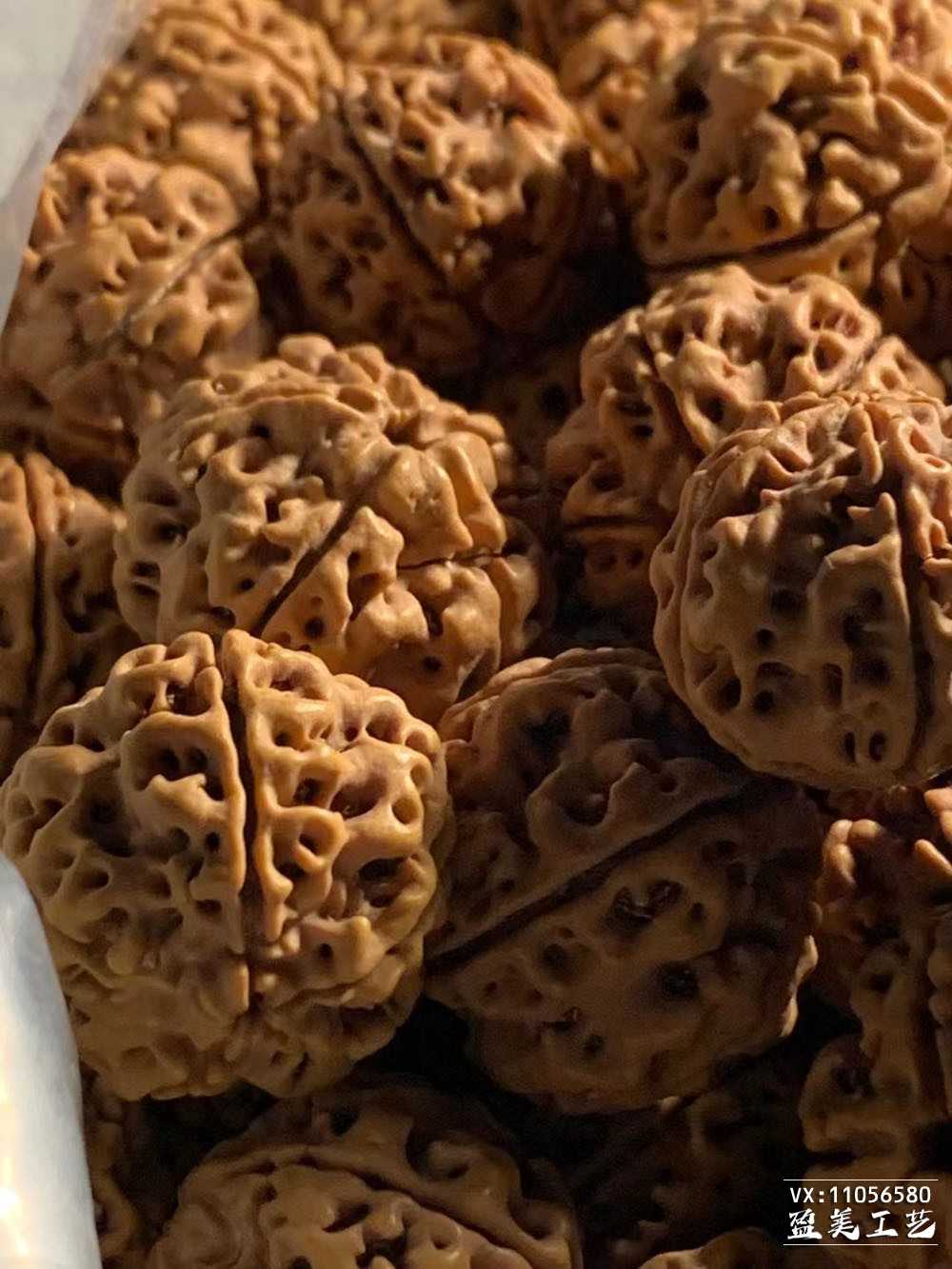
Check the rind first, then the grain / texture
Always inspect the rind before looking at the grain / texture. Seeds with an oily, smooth rind will turn out great after breaking-in (patina process); those with nice grain / texture but a dry, shriveled rind won't develop a good look even after years of breaking-in. Many newbies do the opposite, getting drawn in by the grain / texture first, and end up with a mala (prayer beads) that's hard to break in. The rind is the foundation.
Density and weight are hard indicators
Density and weight are non-negotiable indicators. For seeds of the same size, the heavier one (that feels solid in hand) has higher density and will develop a firm, glossy sheen after breaking-in. Hold it in your hand to feel the weight — a substantial seed is almost always good. Seeds that are too light are either hollow or chemically treated, so avoid them.
Don't just rely on pictures and videos
Don't only judge by pictures and videos. Online photos are often retouched with filters, so the actual item may look completely different. Ask the seller to take real photos in natural light, request more detailed shots, and clarify the size, rind color, and whether there's any alkaline bloom. When choosing Rudraksha (large), visible details are more reliable than the seller's descriptions.
Experience in picking malas (prayer beads) comes from actual breaking-in (patina process). Learn more, ask more, and observe more, and you'll naturally avoid pitfalls. Remember these three things: rind, density, and details — and you'll feel confident when choosing a mala (prayer beads).