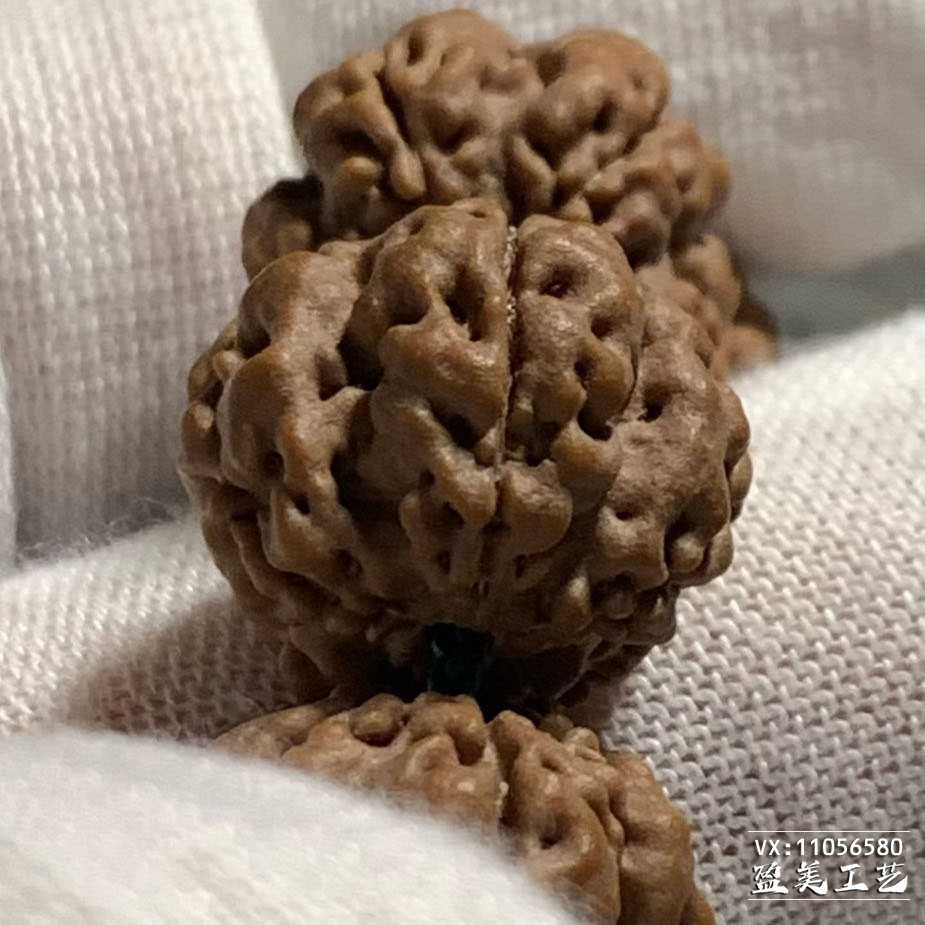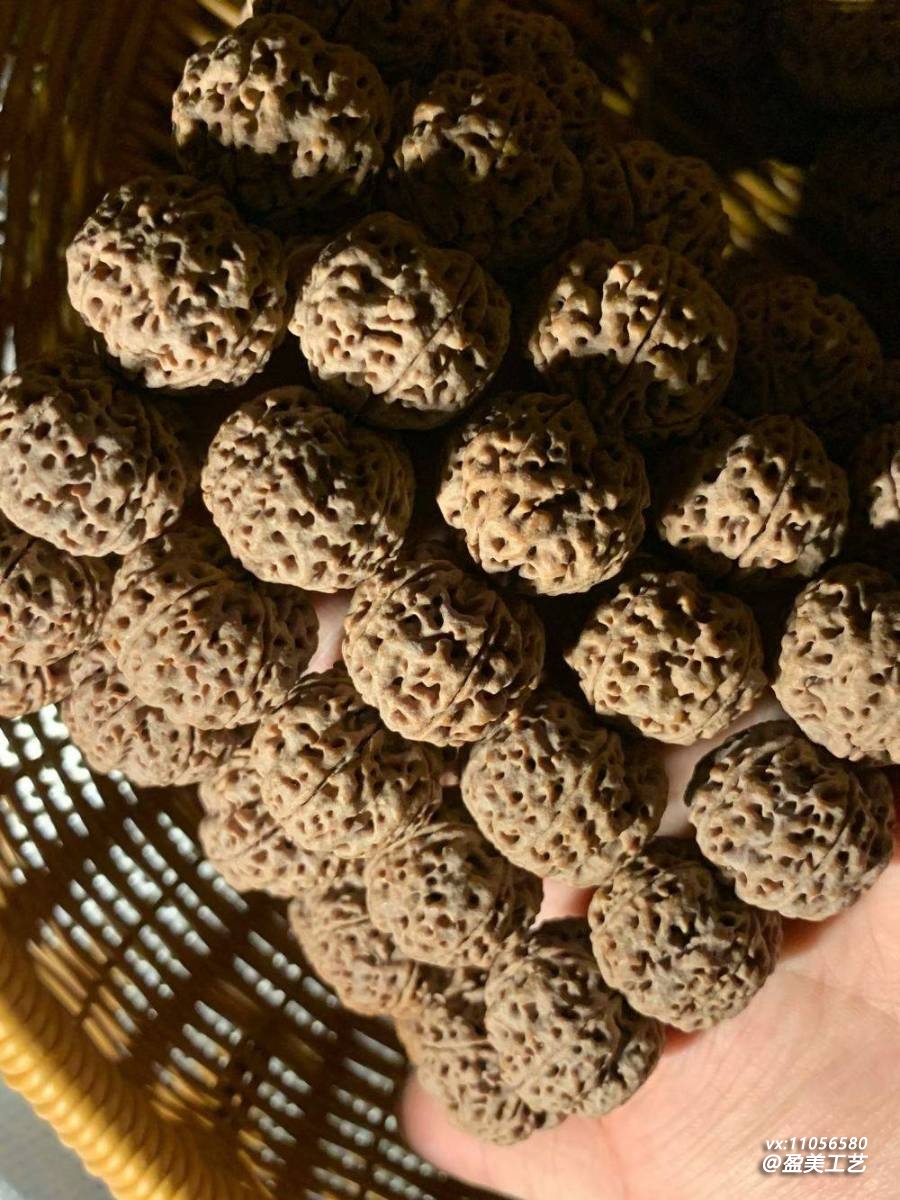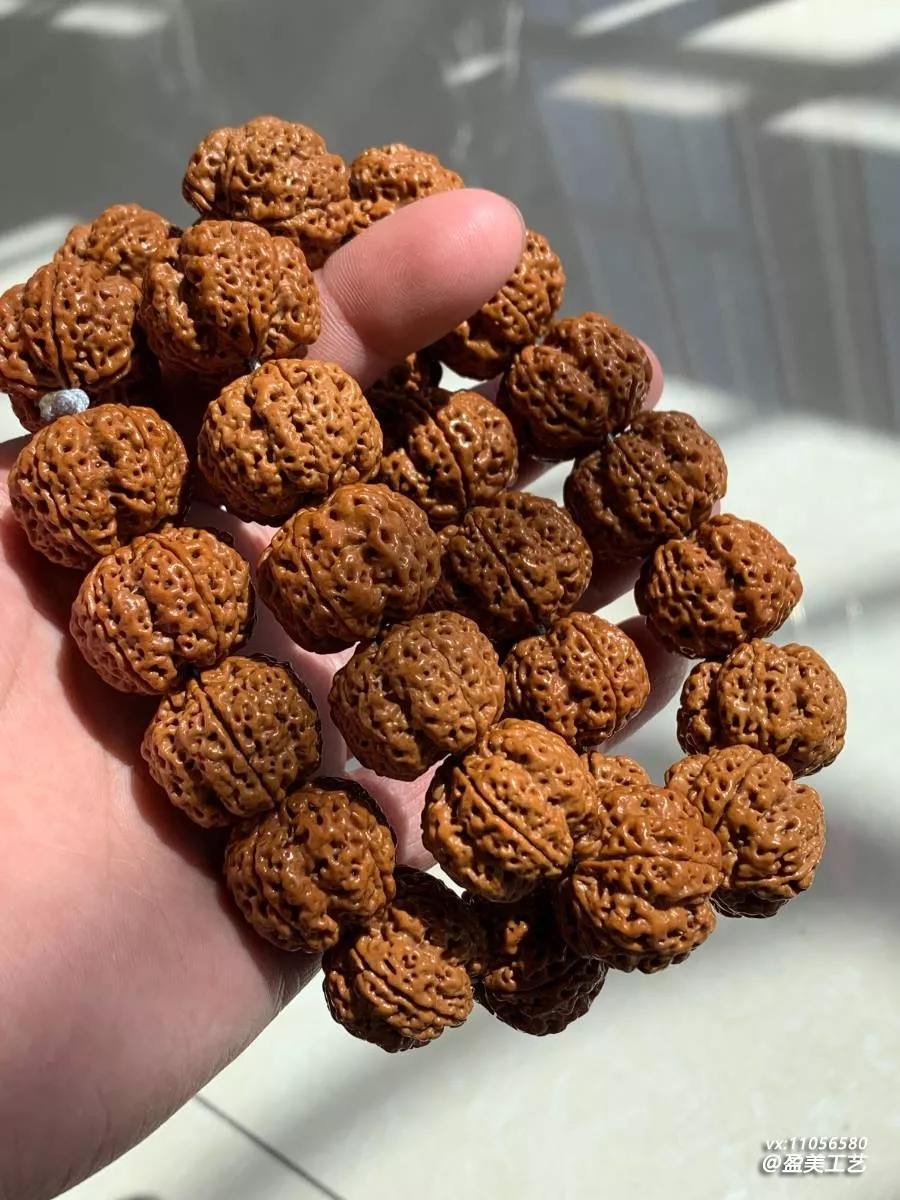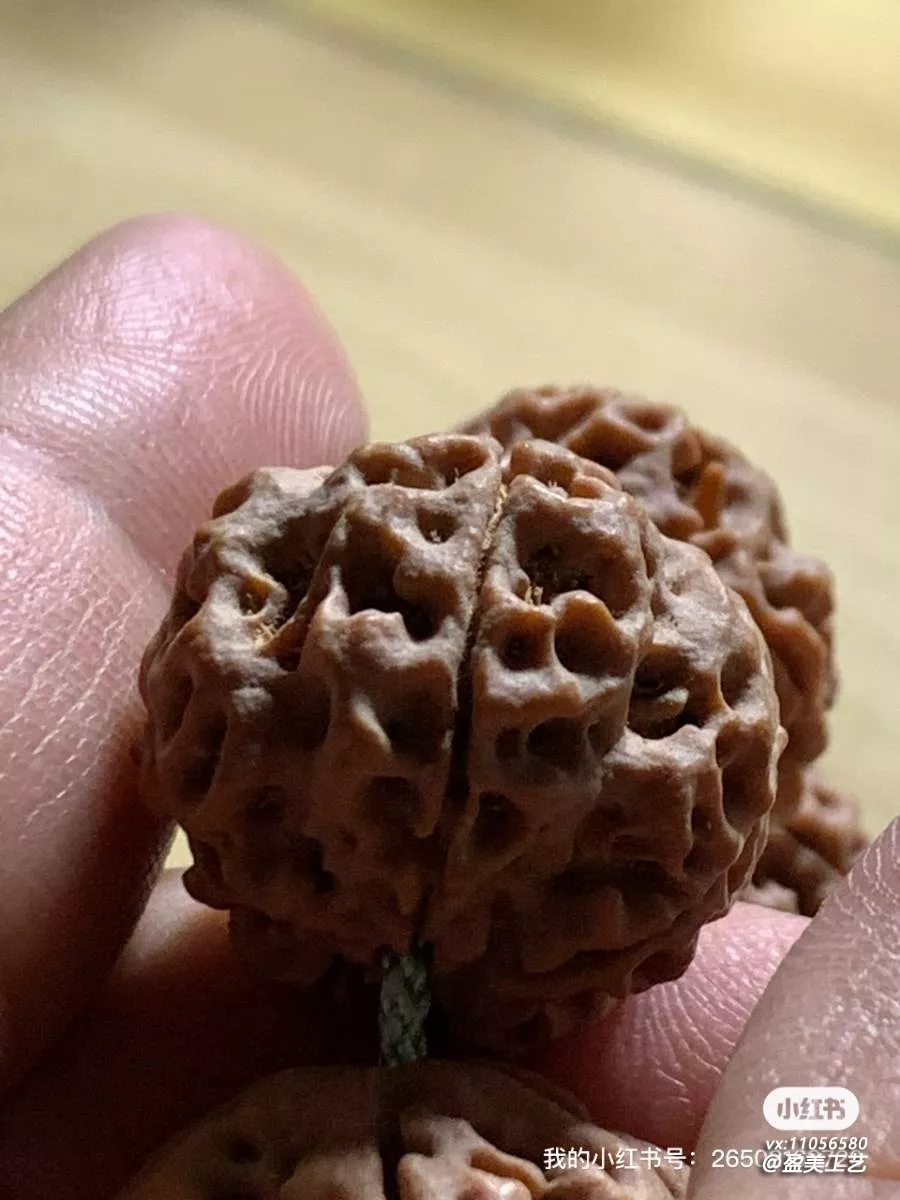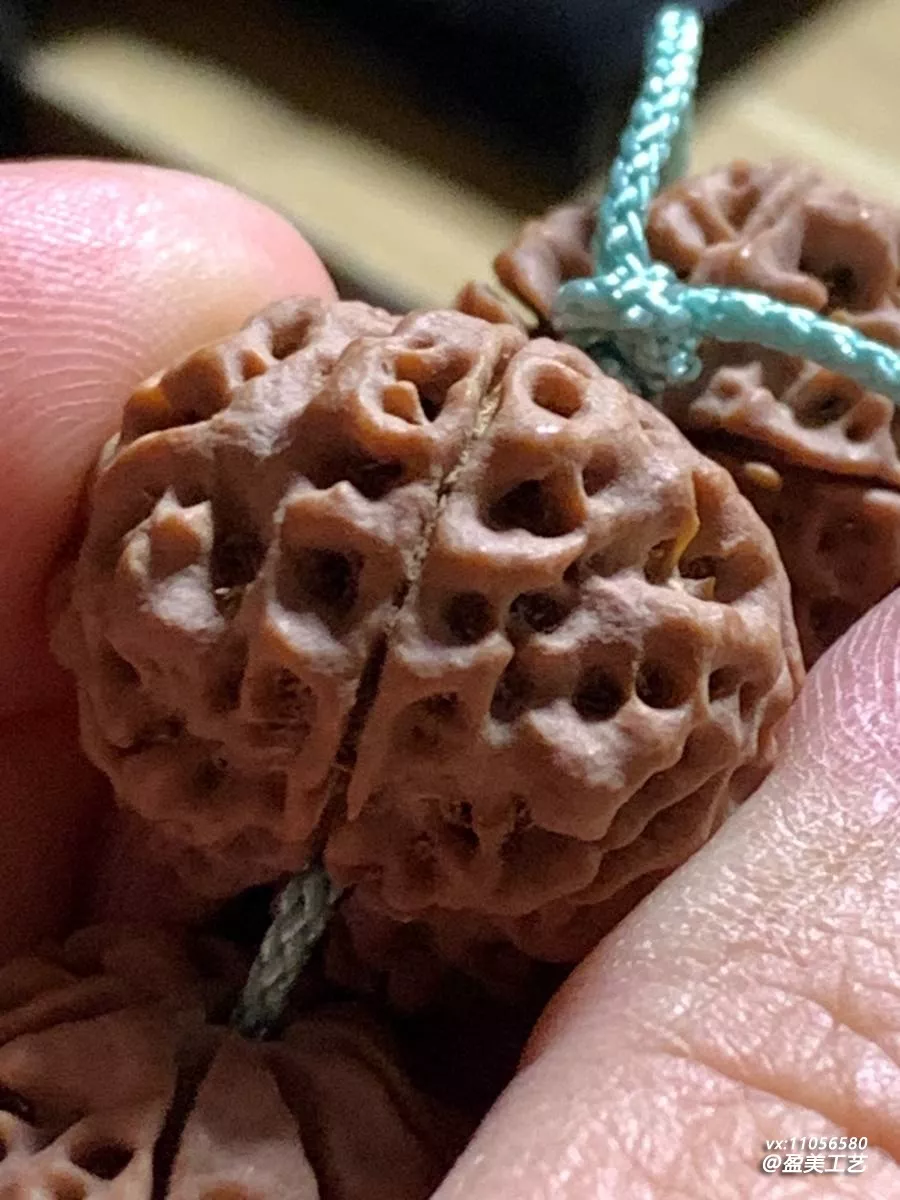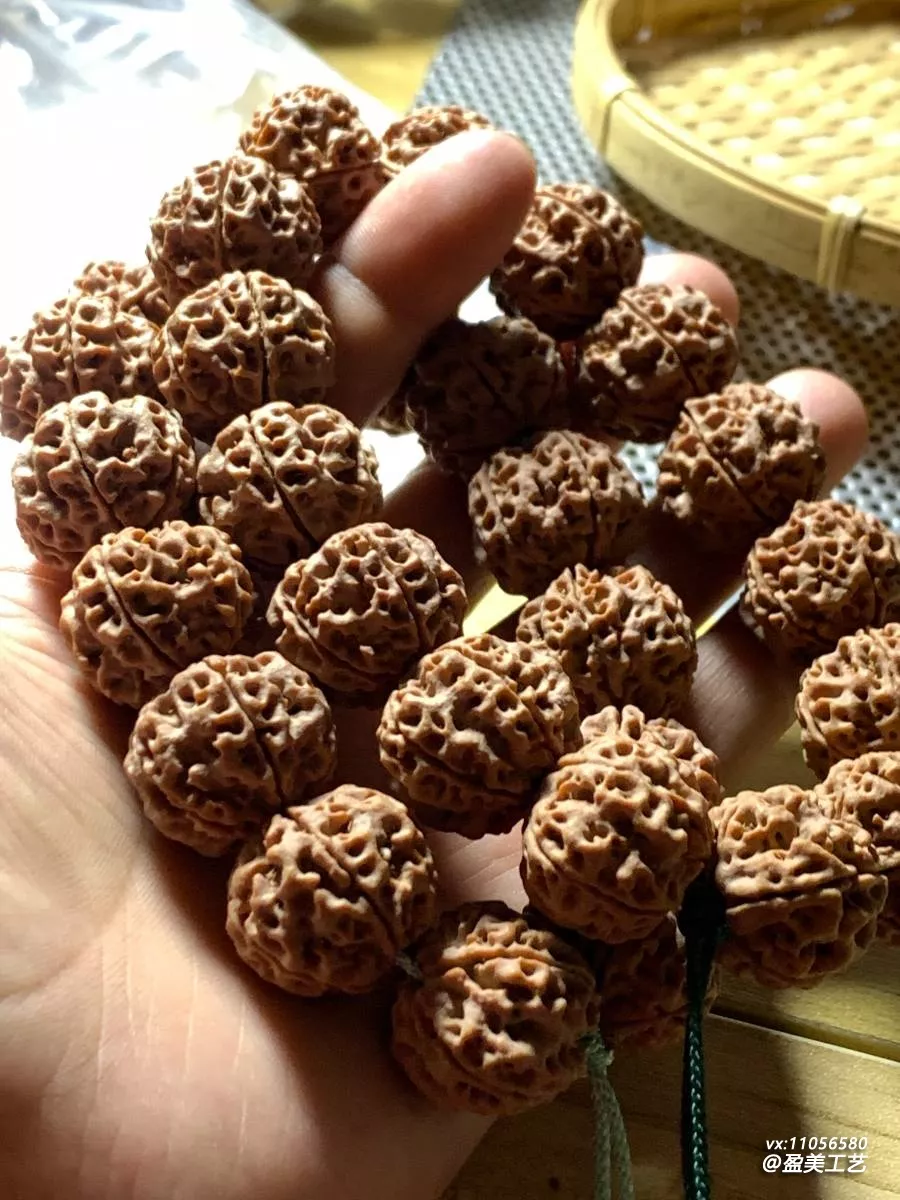
Do not rush to start playing — get past the base-work stage first with a large bodhi. When a new string arrives, everyone wants to handle it straight away, but with a large bodhi, if the base work is not done, everything later is wasted. What base work really involves deserves one clear explanation.
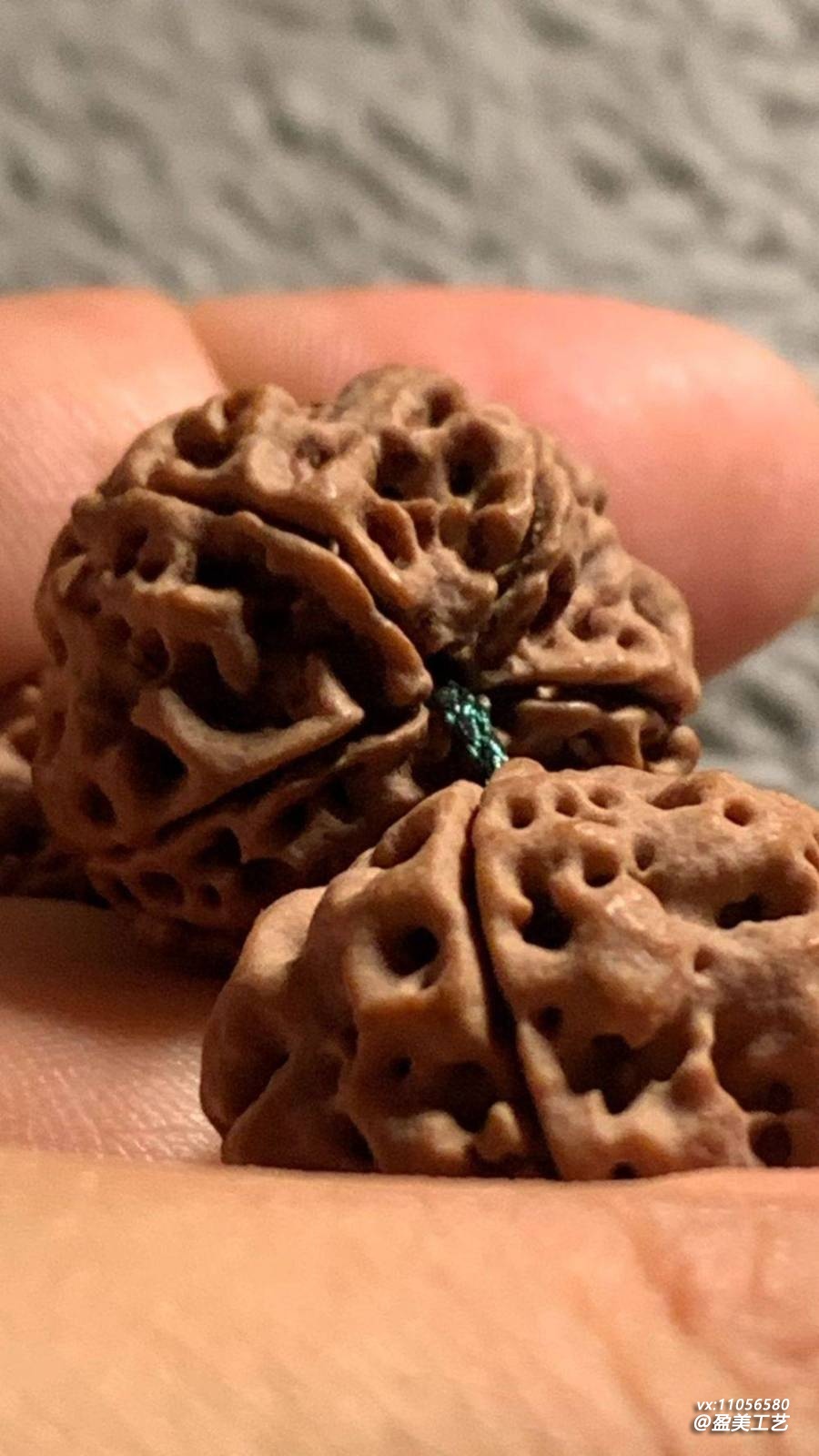
What the base work is for
What is it for? To brush the alkaline bloom clean, brush the crevices through, and make the seed surface clean and smooth, so that later the sweat and oil can go in evenly. If the base is not built, dirt stays sealed inside the crevices, the string comes out dull, and the colour turns blotchy.
How to do the base work
How is it done? In the early stage, brush hard: follow the grain and brush the bloom out of the crevices, one to two hours a day. Once the bloom has retreated, use hard and soft brushes together, cleaning the crevices and polishing. During the base stage keep hand contact to a minimum, so the seeds first become clean and translucent; two to three months is entirely normal.
How to tell the base work is finished
How do you know? Three standards: no bloom left in the crevices, a clean surface with no grey-white, and a smooth, glossy feel. When all three are met, you can start playing normally. The extra time spent on the base comes back later in how easily the string plays — do not be impatient.
The base-work days are dull, but watching the string get cleaner and more translucent day by day gives a steadiness that only people who have been through it understand. With the base done, everything afterwards flows.