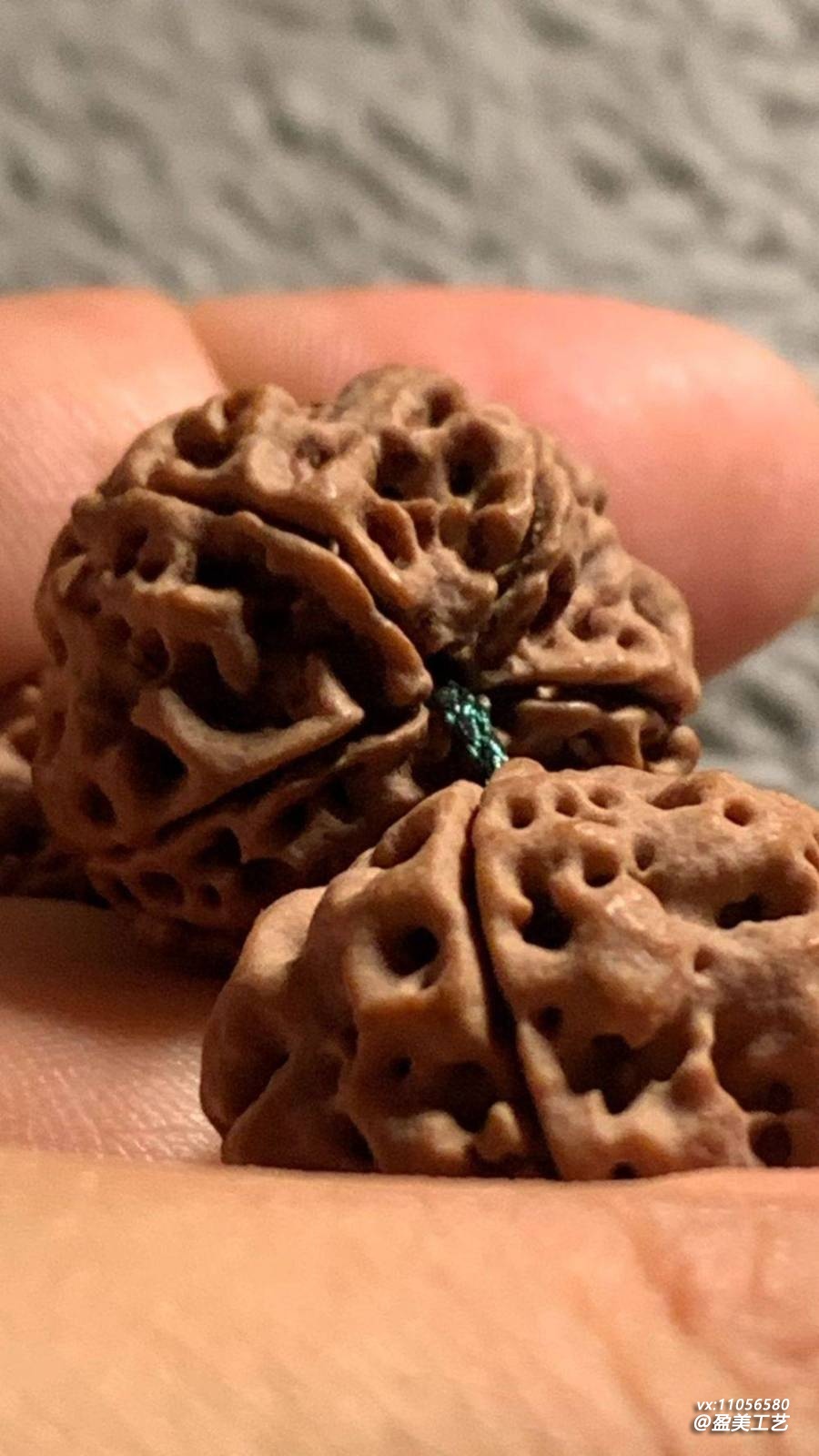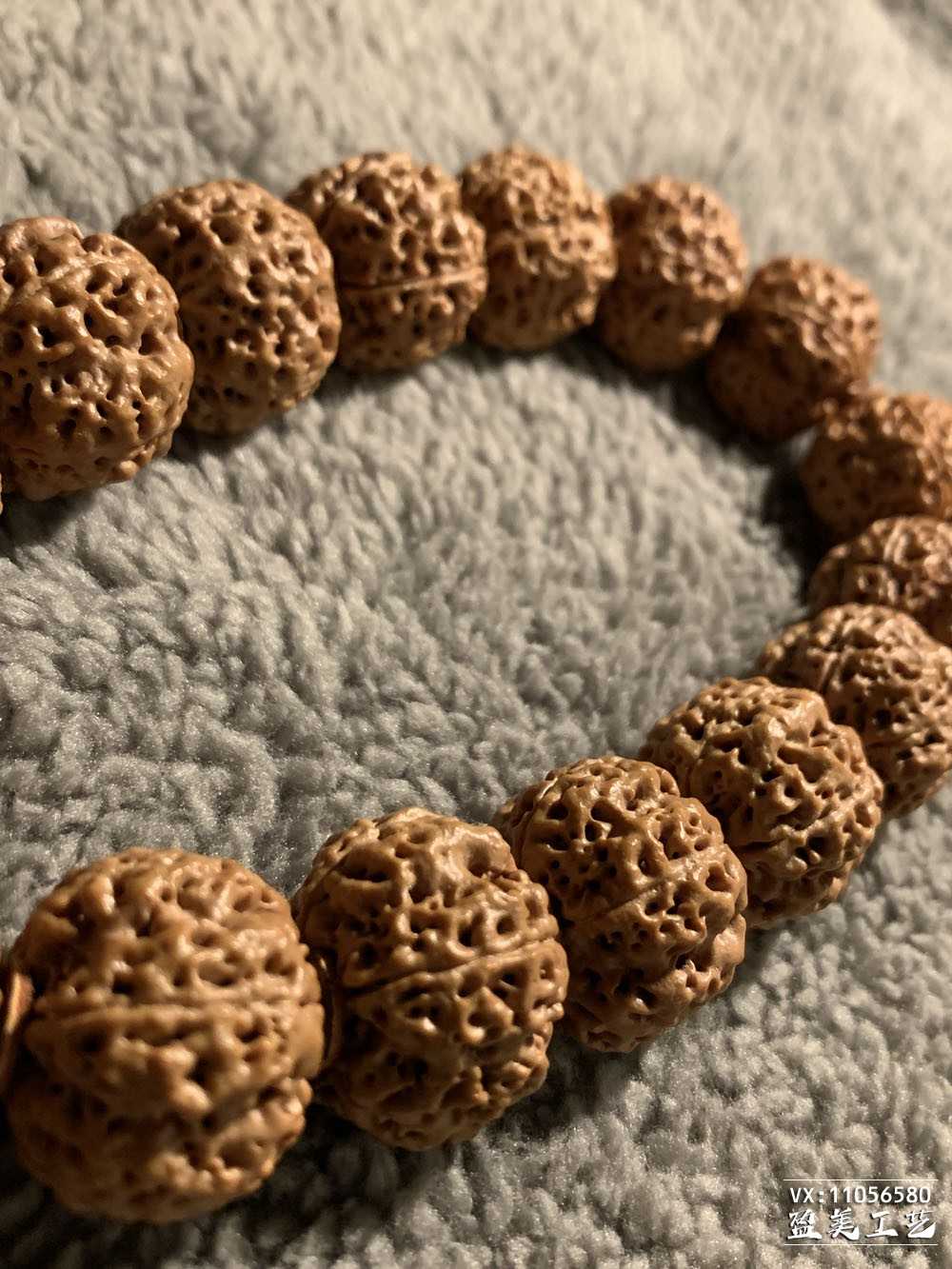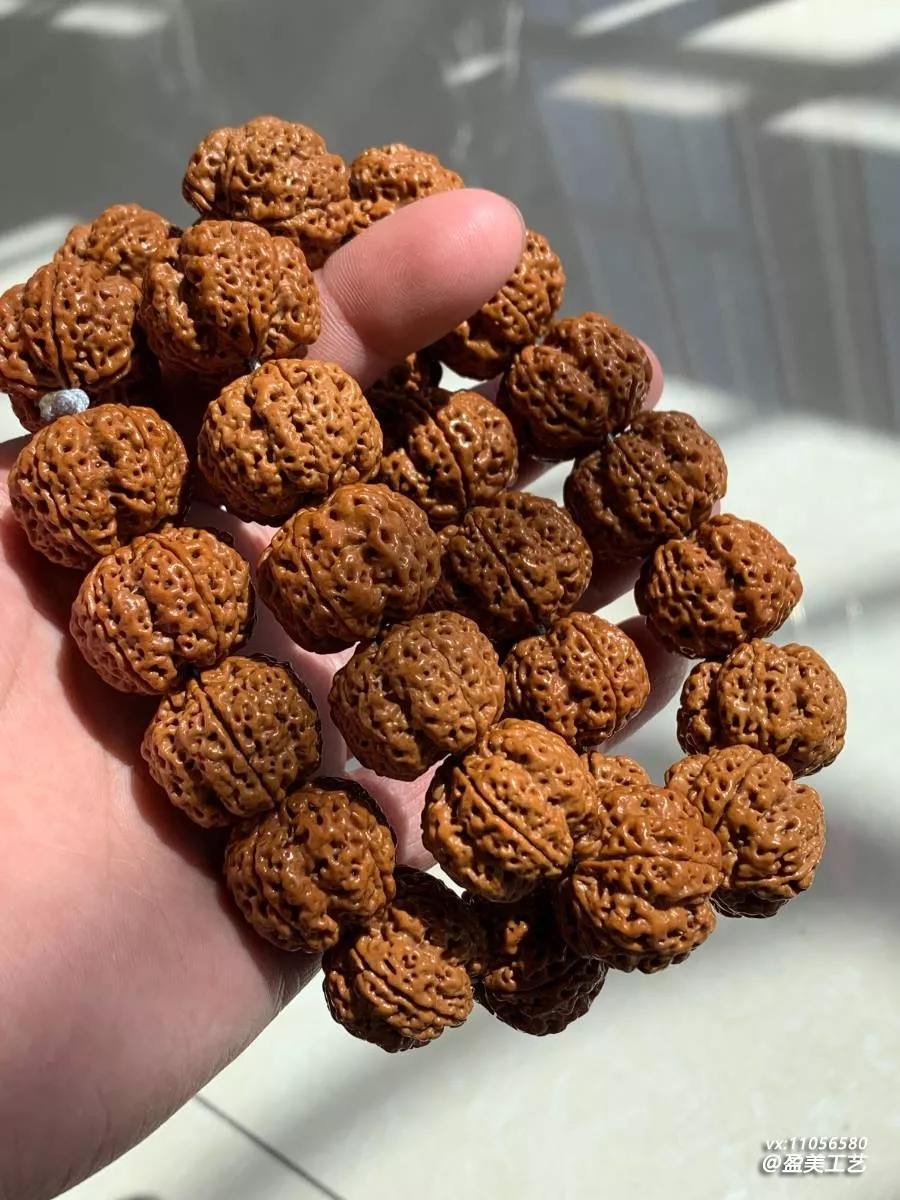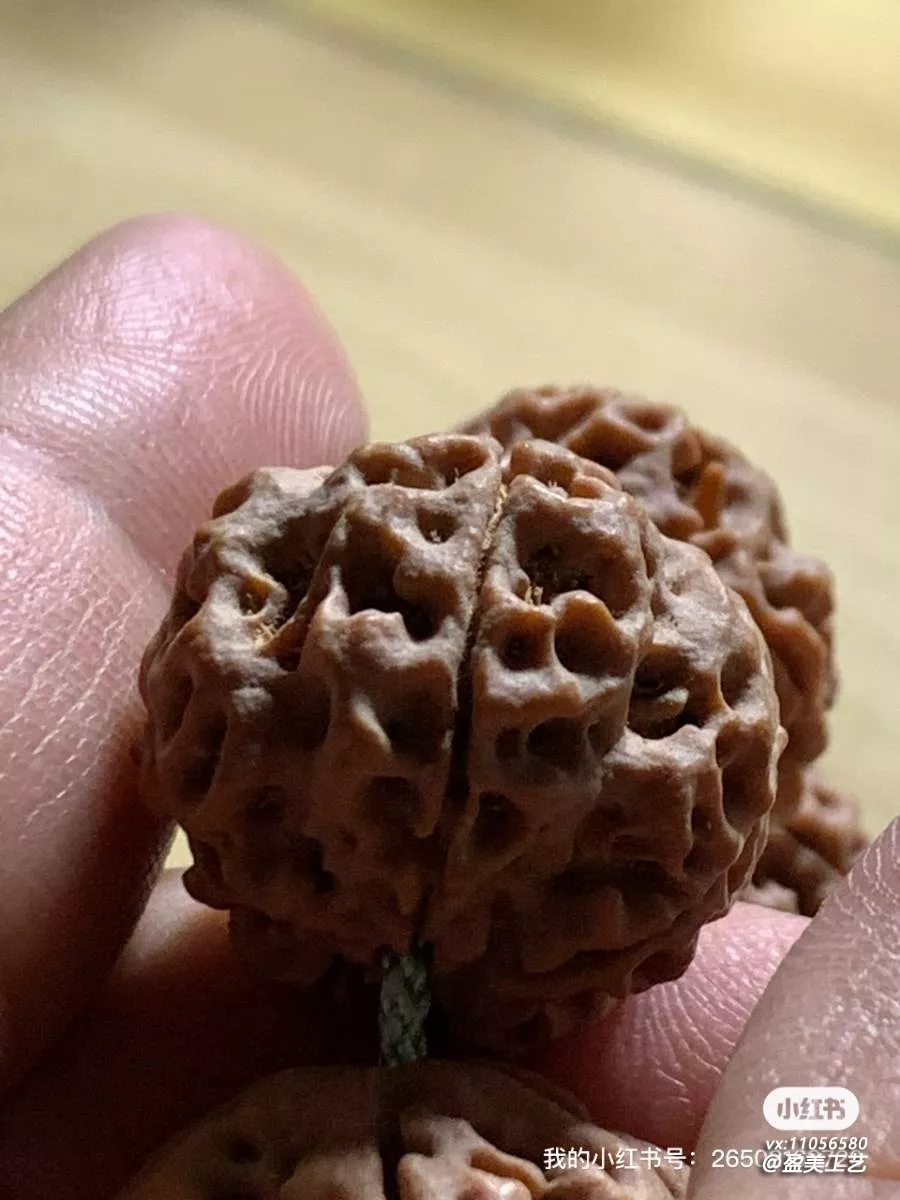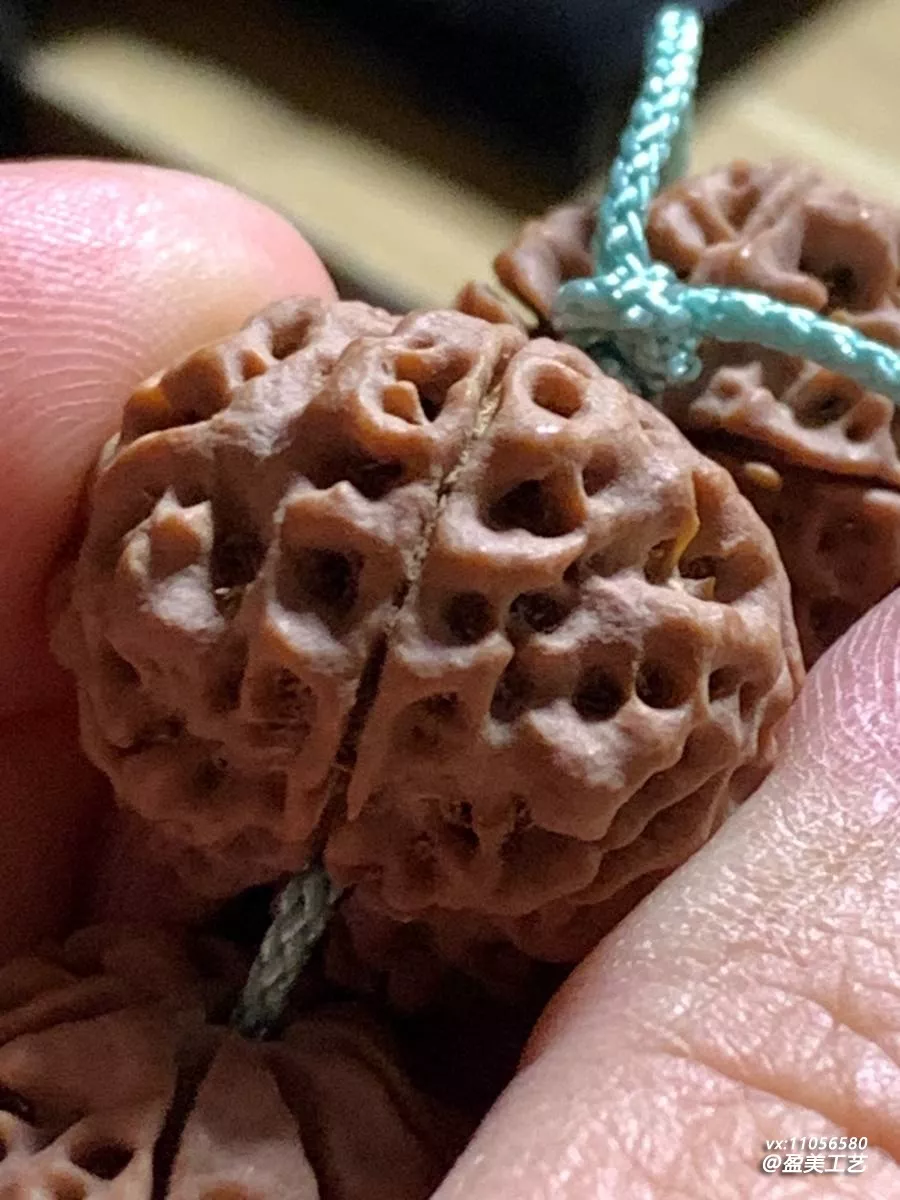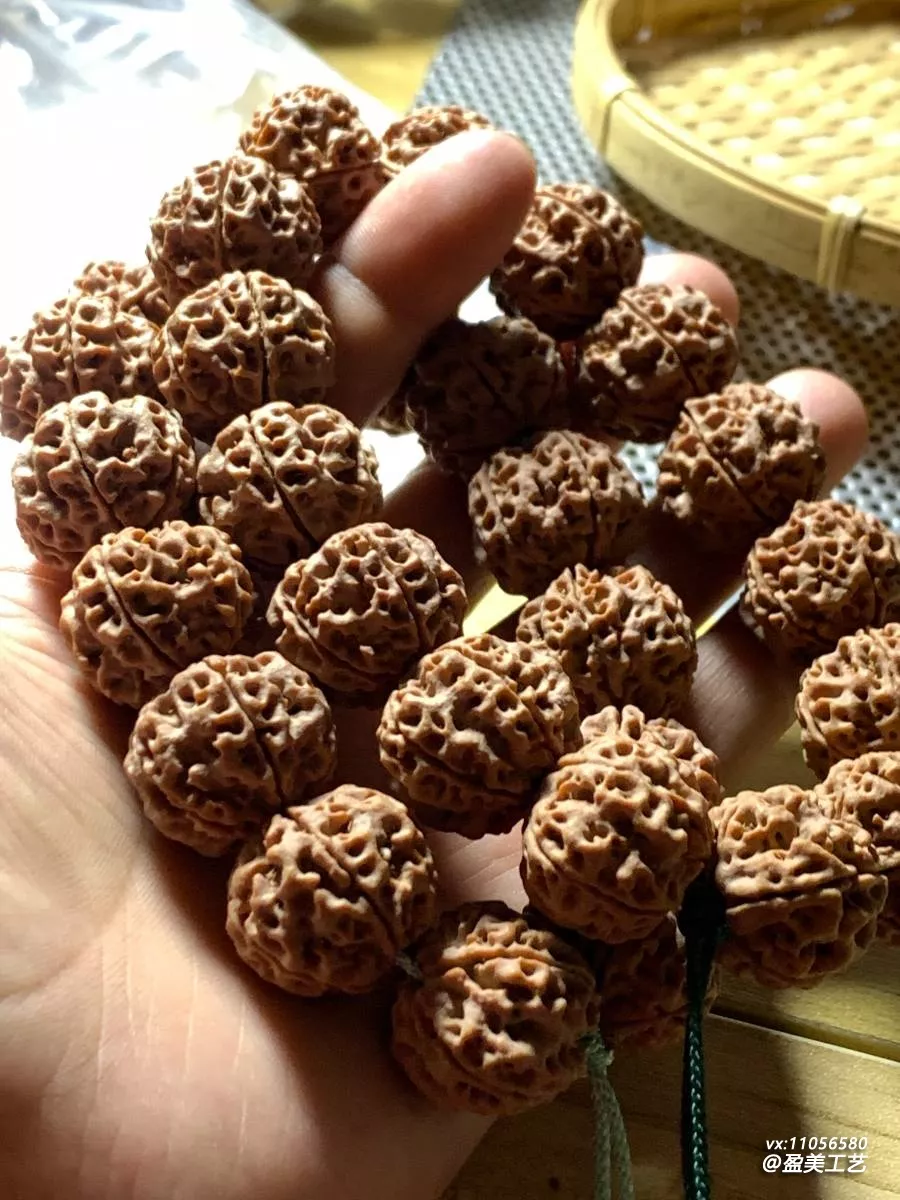
Your first large bodhi as a beginner — how to choose so you do not pay tuition. The first string is where people fear paying tuition most: buy too expensive and it hurts, buy poorly and you have no mood to play. There is a method to choosing; understand the points below and your first large bodhi will not be a wrong buy.
Set the budget first, then choose
Set the budget first, then choose. For practice, ordinary stock at two to five hundred is enough: the quality is not bad and it suits learning; if you want to skip steps, a piece around a thousand is steadier. Do not chase the expensive ones right away — results are seven parts playing and three parts the string itself, so learn the method first.
Look at skin and density
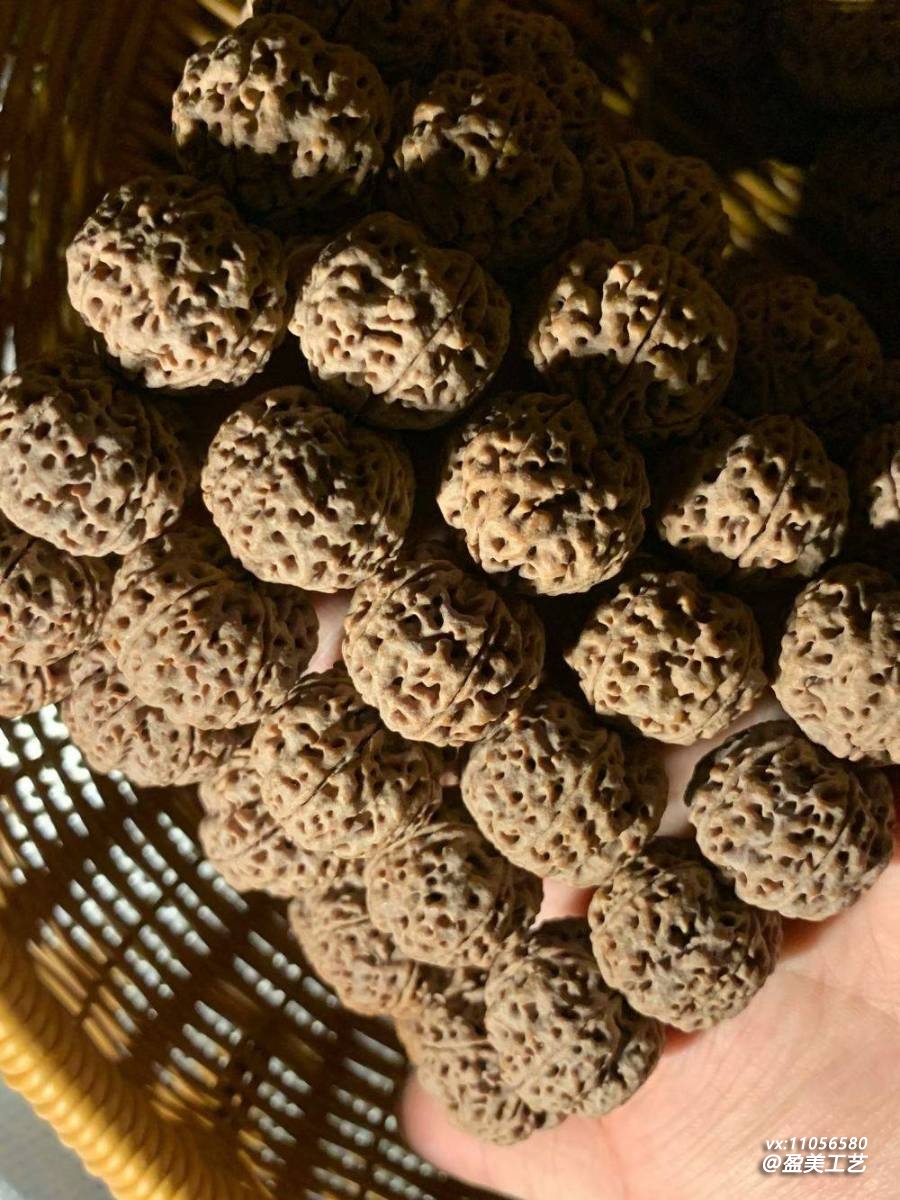
Look at skin and density: these two set the ceiling of what the string can become. Seeds with mellow, oily skin and a weighty feel in the hand have good density and take colour easily; dry, light seeds should be bought cautiously. Grain and face count come after — skin and density are the hard indicators for a first string.
Ask three things before buying
Ask three things before buying: is there alkaline bloom, has the base work been done, and can it be returned or exchanged. Normal bloom on seeds is not a problem, a string with the base done saves you work, and one that can be returned is the most reassuring. For a first large bodhi, a suitable budget, acceptable skin and density, and clear after-sales — choose like this and you will not pay tuition.
Playing a string is a long-term thing: choose the first one solidly and everything afterwards is relaxed. Once budget, skin and after-sales are clear, your first large bodhi will not be a loss.