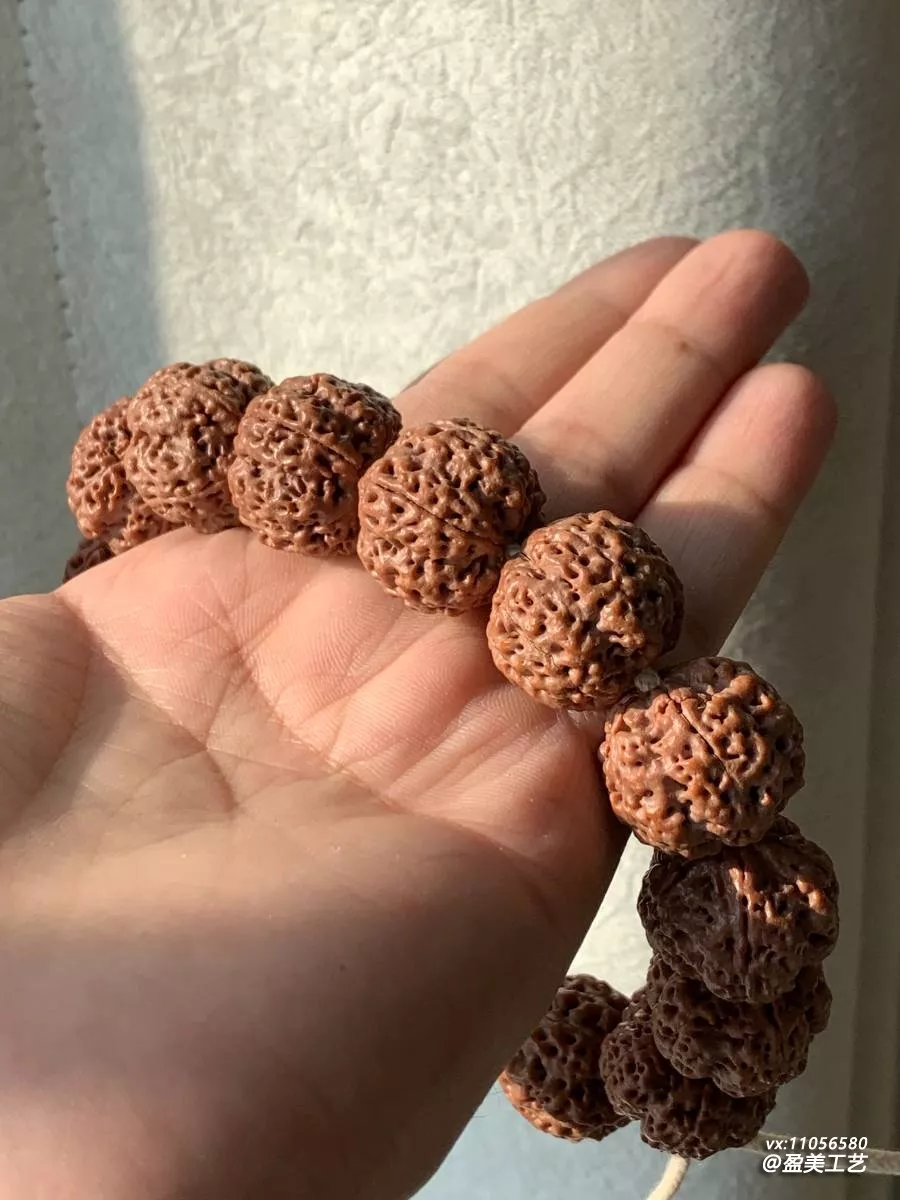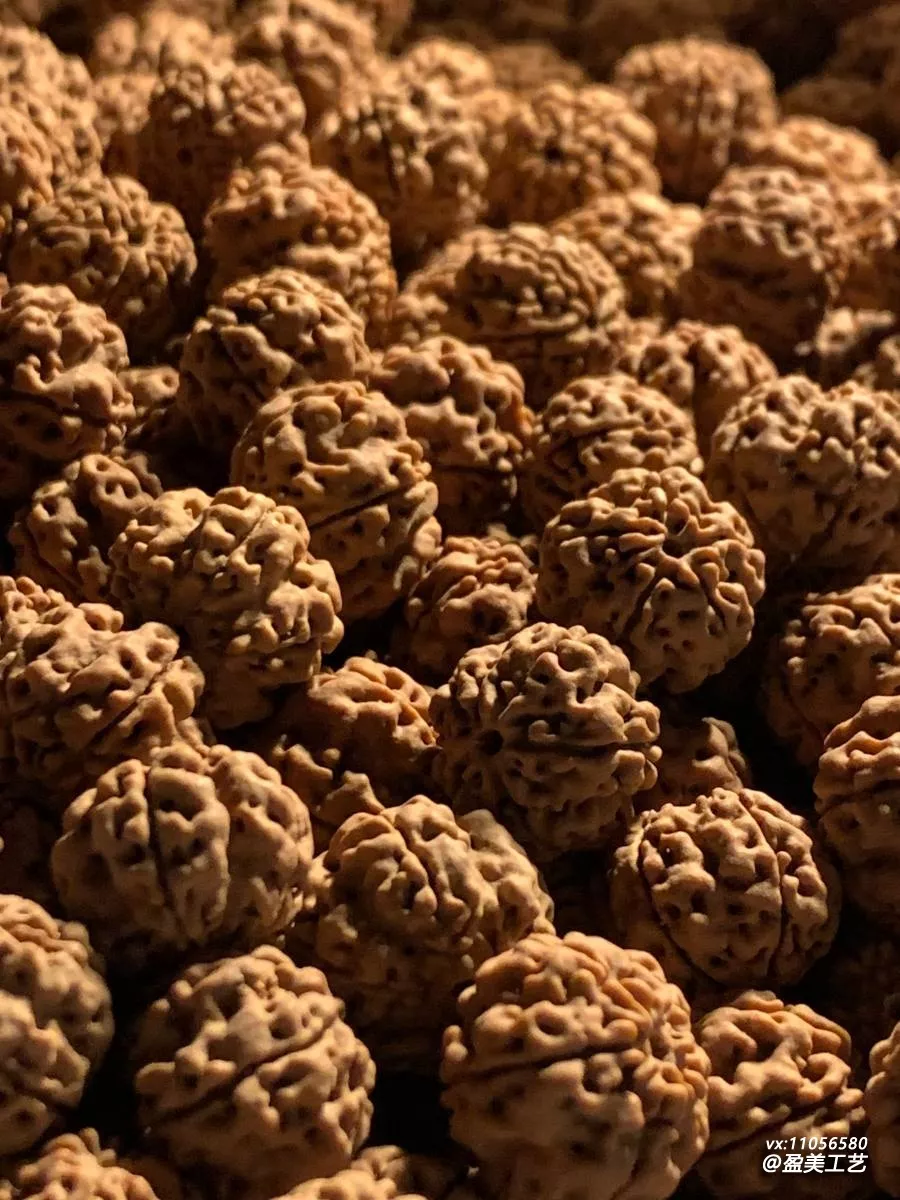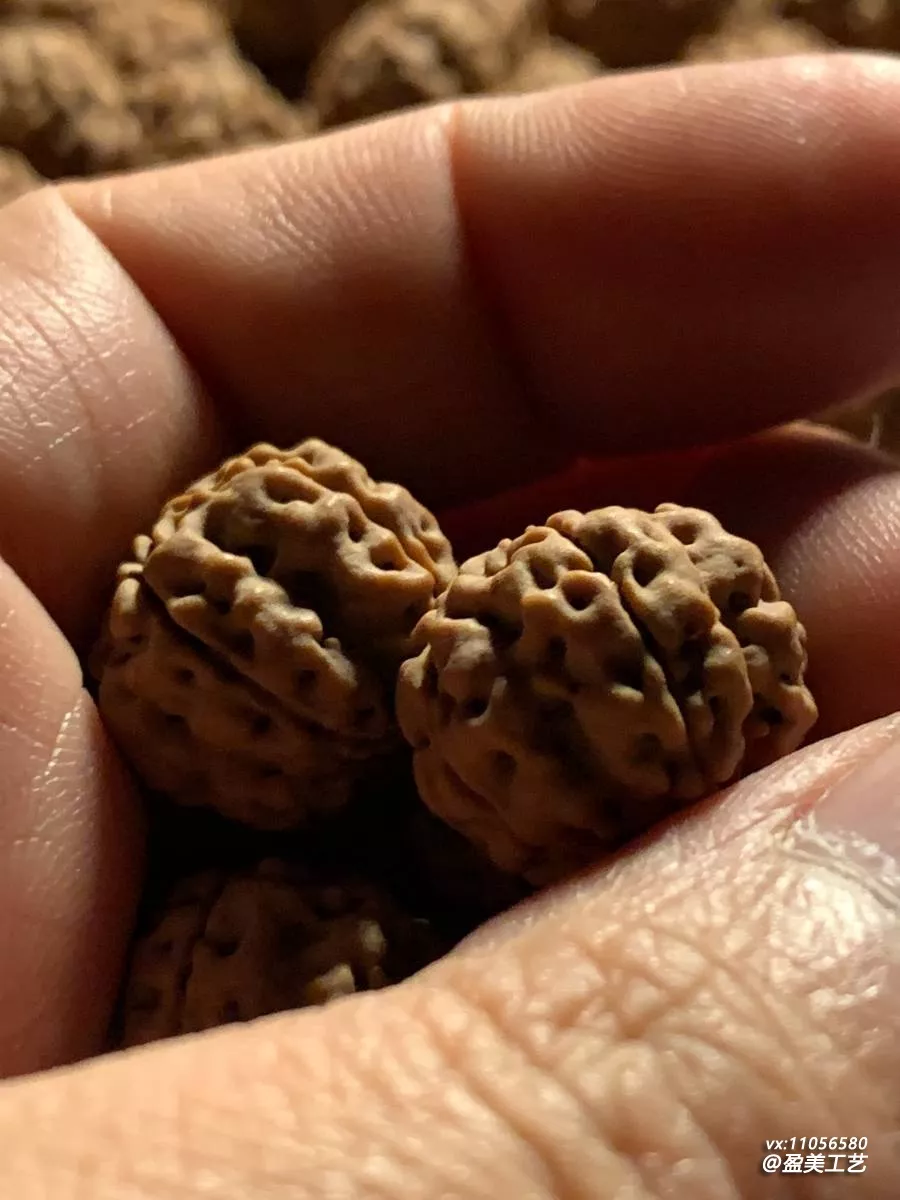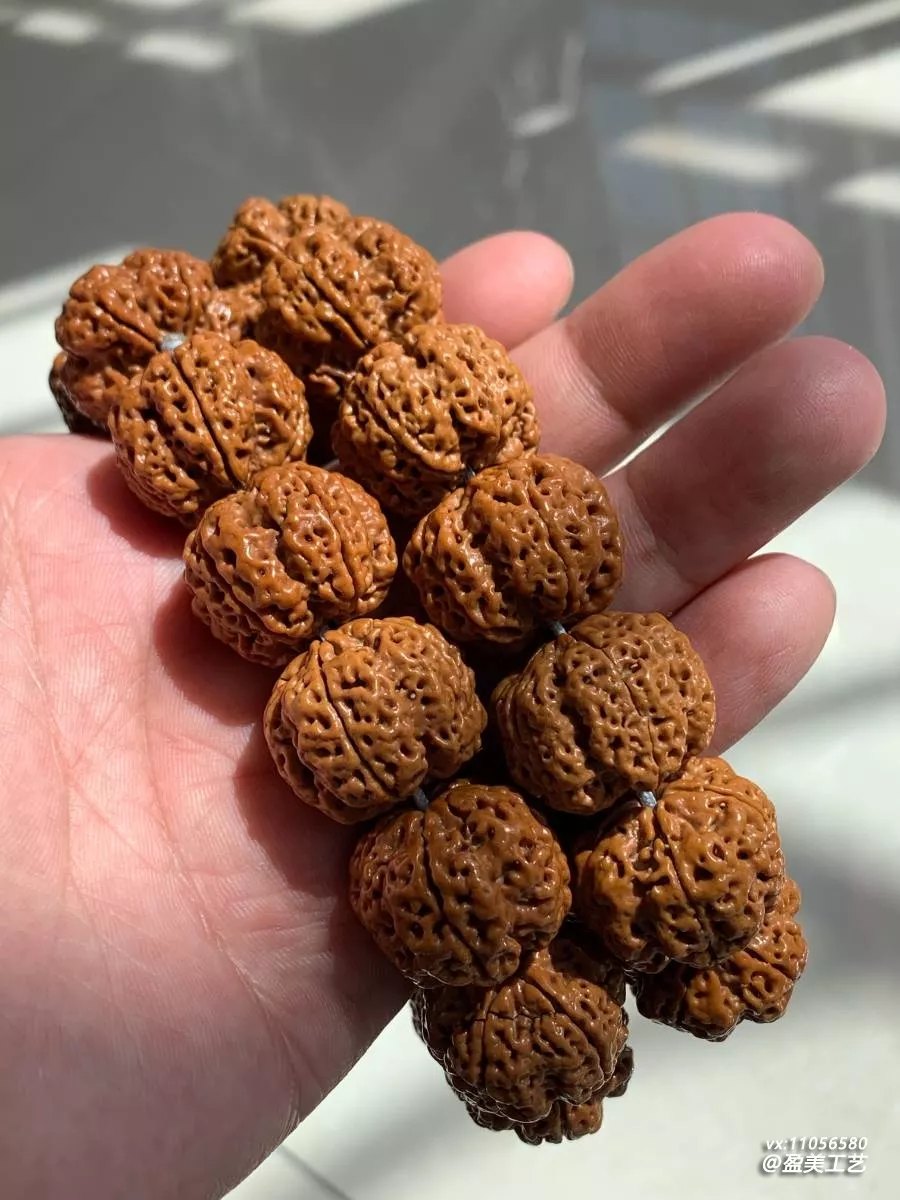
When a seasoned player picks a single-loop old-tree king, the first thing they don't look at is size. When a seasoned player picks a mala, the first thing they don't stare at is size—so what do they look at? Let's make it clear: a seasoned player picking a single-loop old-tree king doesn't check size first.
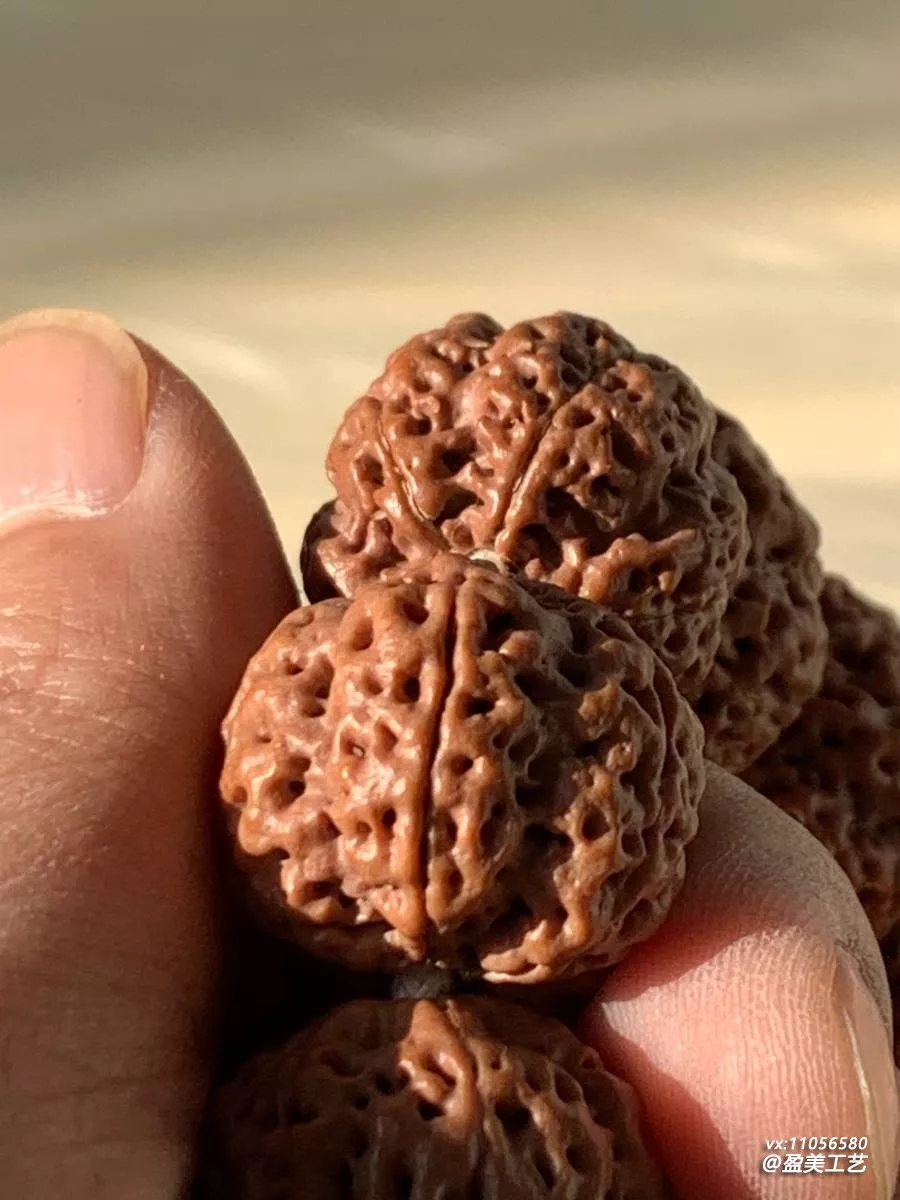
First, look at the skin quality
First, look at the skin quality: the skin is the foundation of the mala. Seeds with thick, solid skin will turn translucent with breaking-in; those with poor skin will stay dry and dull no matter how you work them. So first check the skin—only a good foundation is worth the breaking-in.
Second, look at the flesh density
Second, look at the flesh density: density is judged by the fullness of the grain—thick ridges and deep texture mean good density. Seeds with good density feel solid and weighty in the hand. Density sets the grade of the mala, so it's the second thing to determine.
Size is the last thing to check
Size is the last thing to check: size is a matter of personal preference, not a standard of quality. The right size for you—one that sits comfortably—is what makes it good. A seasoned player doesn't look at size; they look at the mala's foundation and appearance. When a seasoned player picks a single-loop old-tree king, they don't check size first: first the skin and foundation, then the flesh density and solidity. Size is a preference, not a standard.
Size is for yourself to see; skin and flesh are for others to admire when you wear it. A seasoned player knows the priority, and a beginner should learn it too.
The foundation of a mala lies in its skin and flesh; size is just personal taste. A seasoned player sees the craft at first glance—a beginner who learns this approach won't go wrong when picking a mala.
When a seasoned player picks a mala, their eyes are only on skin, flesh, and grain, with size left for last. Reversing this order is the difference between a novice and an expert.