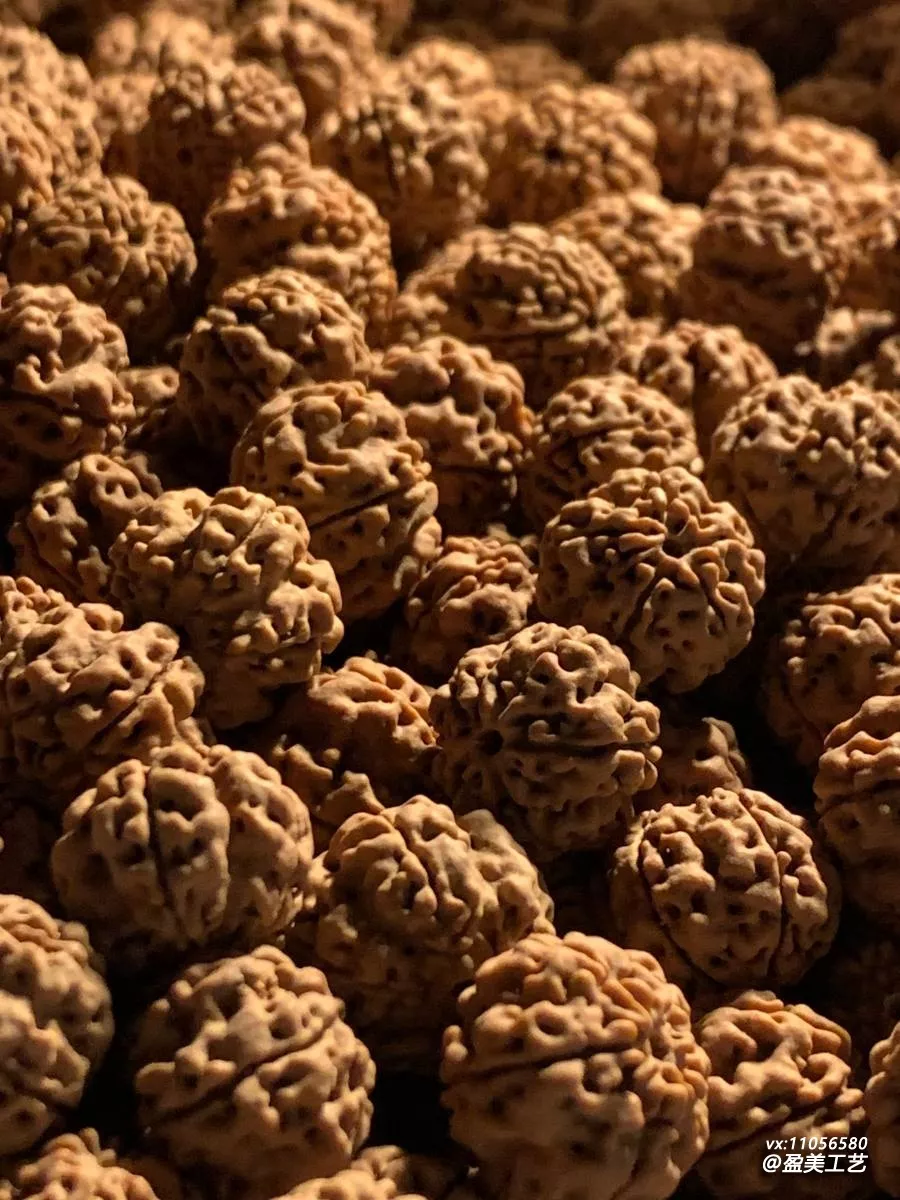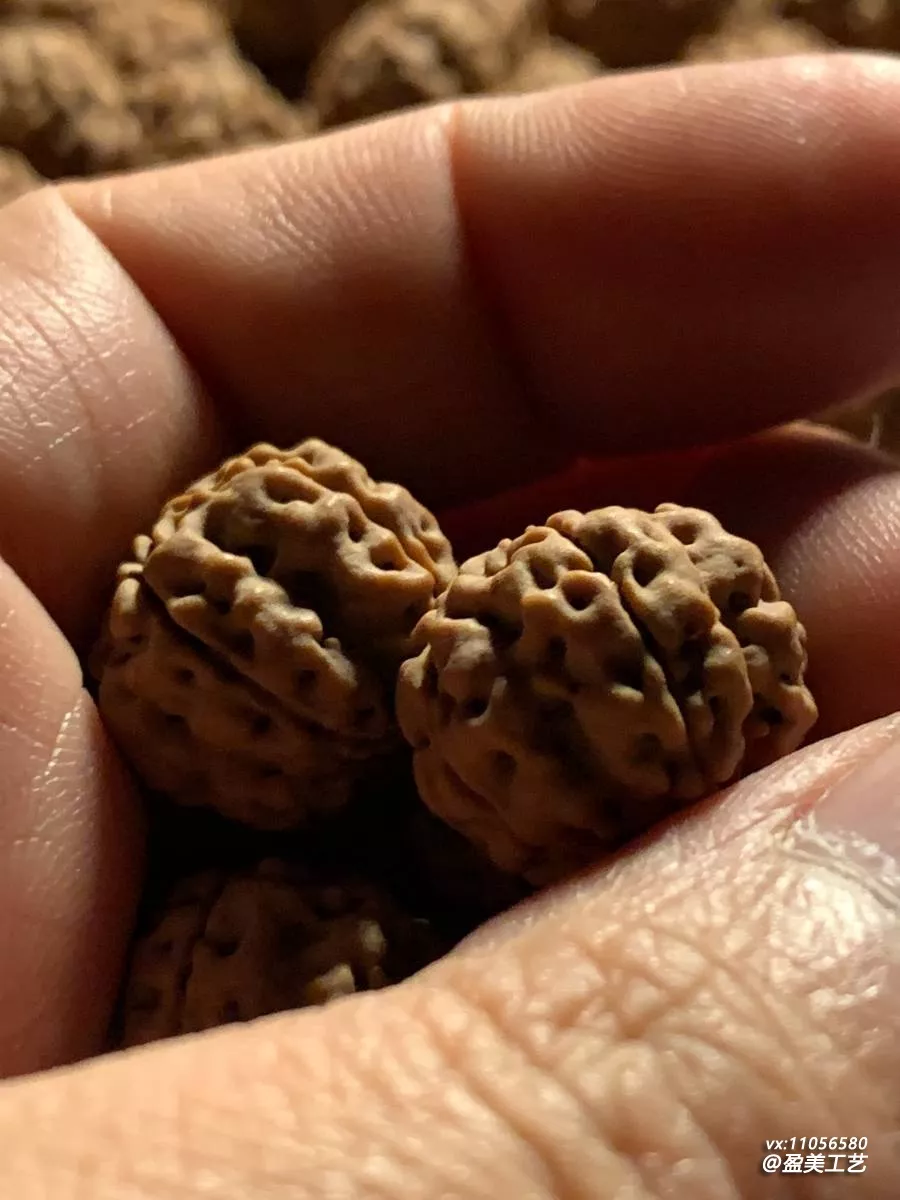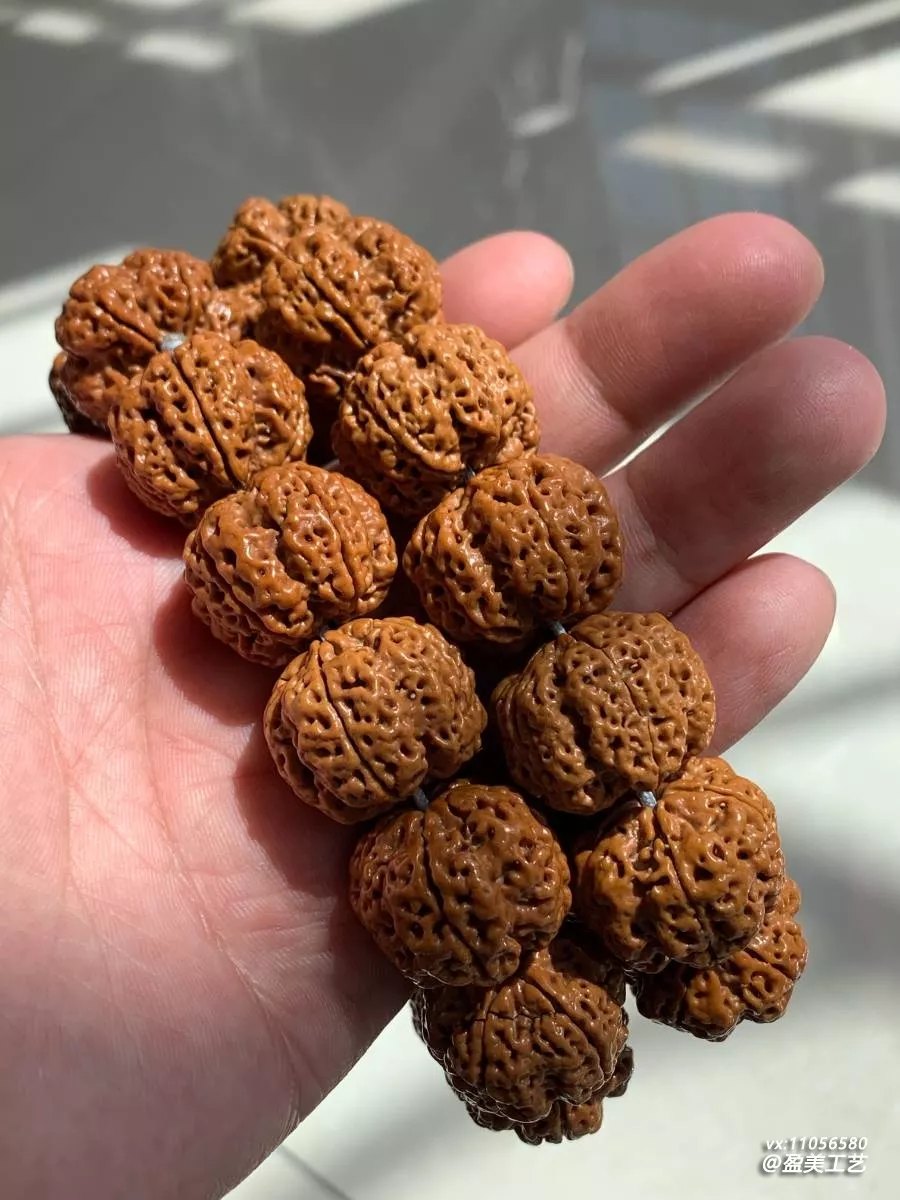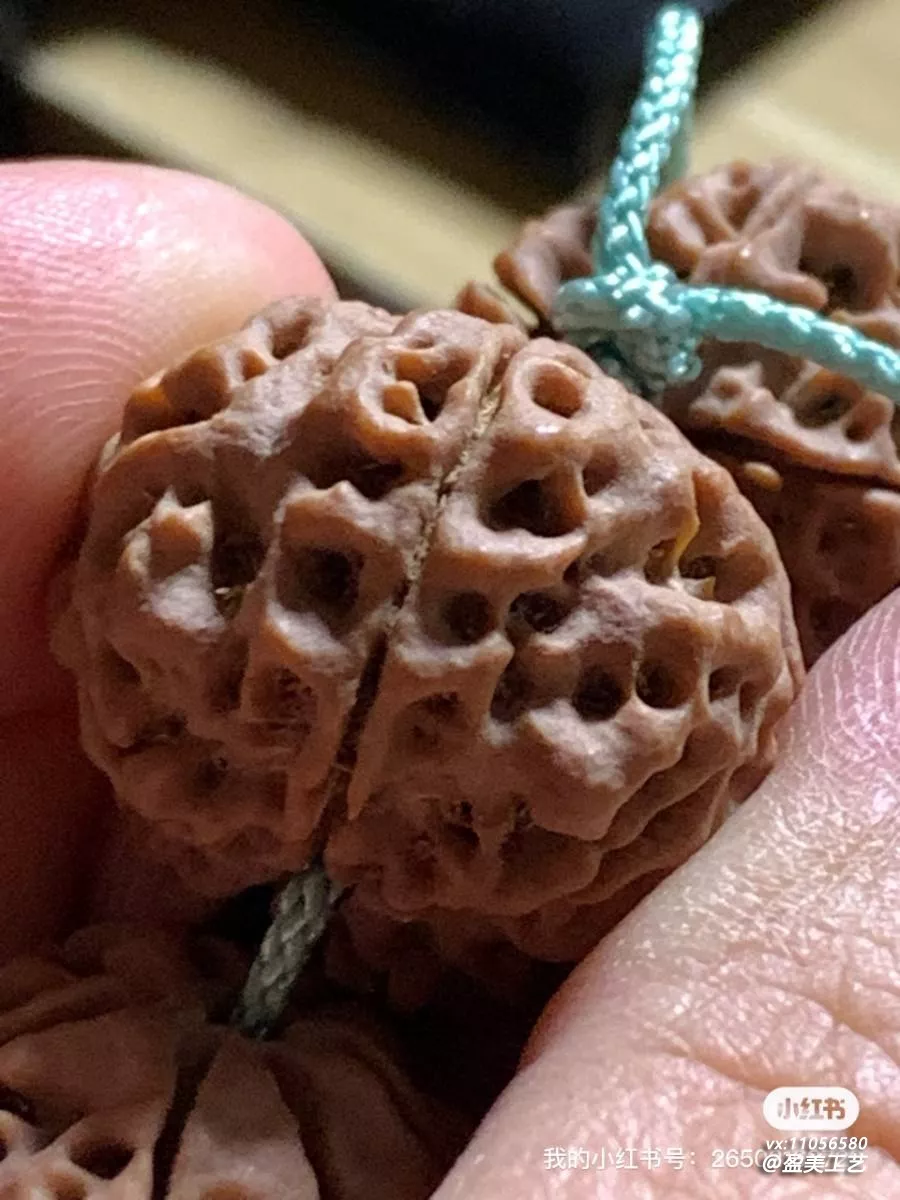
Is a fine-grained 108 suitable as a beginner's first mala? A lot of people ask whether a fine-grained 108 works as a beginner's first mala. Let's be clear about whether a fine-grained 108 is suitable as a beginner's first mala.
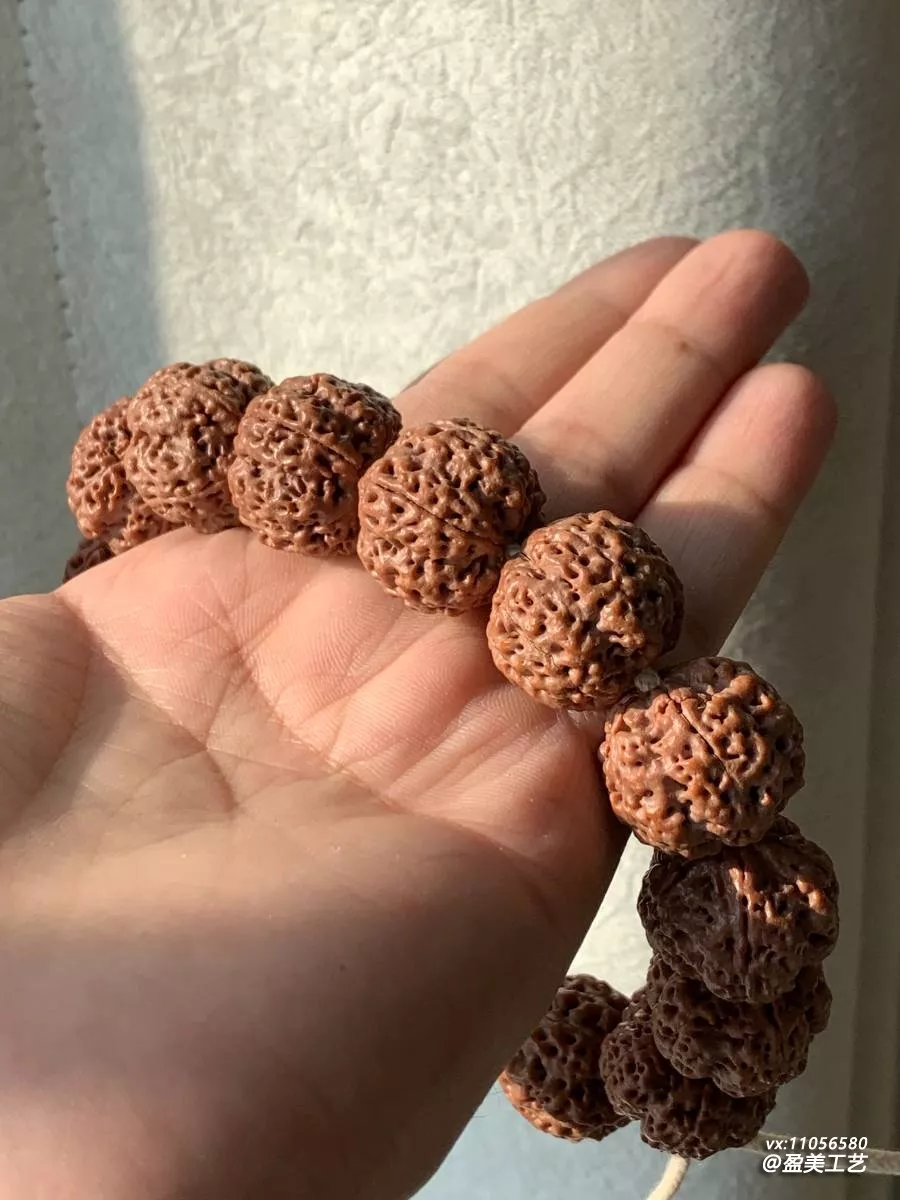
The threshold of 108
The threshold of 108: a fine-grained 108 has many beads, and breaking-in (patina process) takes effort; beginners aren't skilled yet, so a 108 won't be worked evenly and easily develops mottled beads; a 108 also costs more, so the investment is bigger. The 108 has its threshold.
Is it suitable for beginners
Is it suitable for beginners: not really suitable as a first mala. Beginners should start with a single-loop bracelet to practice their technique; once the single-loop is worked well, then move up to a 108, so the mala is worked evenly and it's easier on you; going step by step is the right way.
What if you insist on a 108
What if you insist on a 108: if you really want a 108, choose one with good leathery texture and even flat heads, and don't chase cheap prices; during the base-building period, brush more and handle less to build a solid foundation; work it patiently, and a 108 can be worked well too. Is a fine-grained 108 suitable as a beginner's first mala: not really suitable, too many beads and a high threshold, practice with a single-loop first before moving up to a 108, and if you insist, choose good leathery texture and work it patiently.
A 108 is a good mala, but it takes patience to work; beginners should start with a single-loop to practice, and once their technique is familiar, move up to a 108, so the mala is worked evenly and it's easier on you.
Working a mala is about going step by step; a 108 has many beads and a high threshold, so beginners should first use a single-loop to practice their technique well, then move up to a 108, so the mala is worked evenly and you're relaxed and not rushed.
When choosing your first mala, first think clearly about whether you can stay patient; a 108 has many beads and takes long to work, and beginners chasing novelty easily give up halfway, so starting with a single-loop to practice is more reliable.