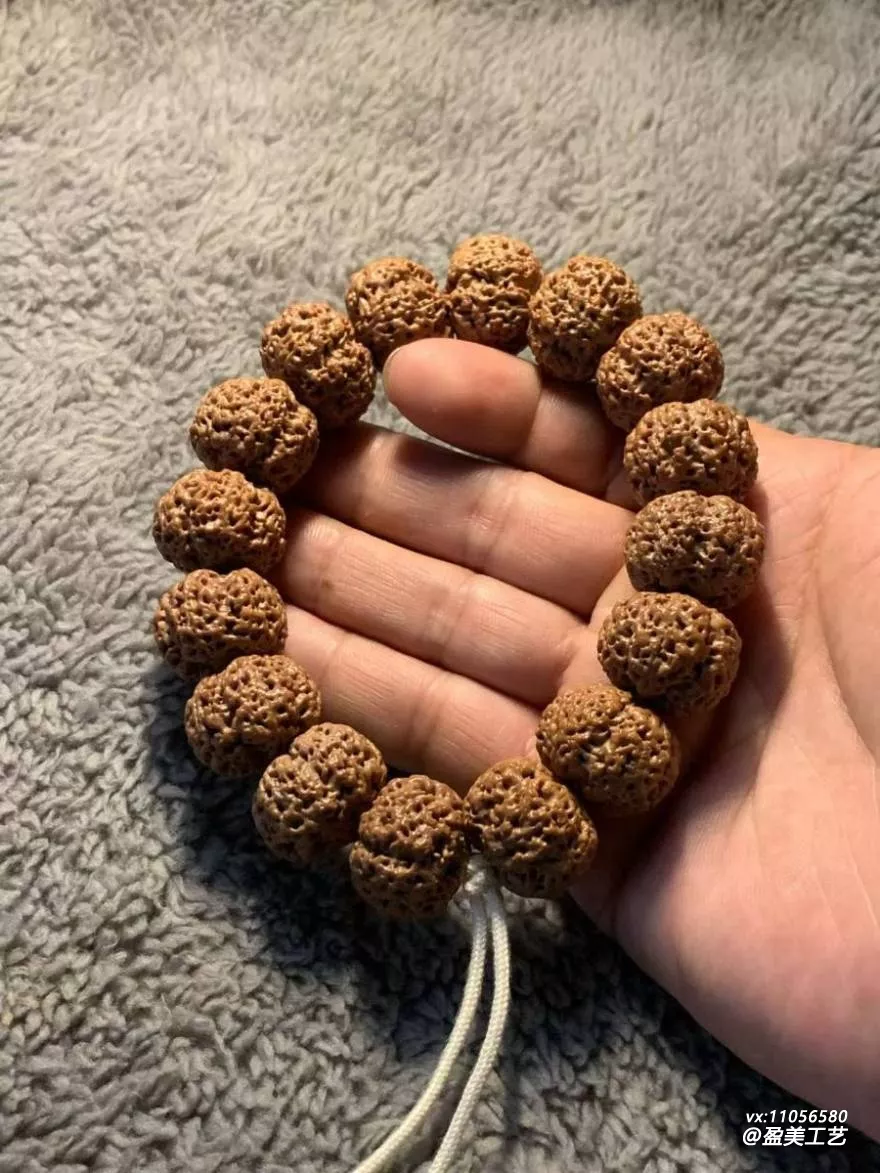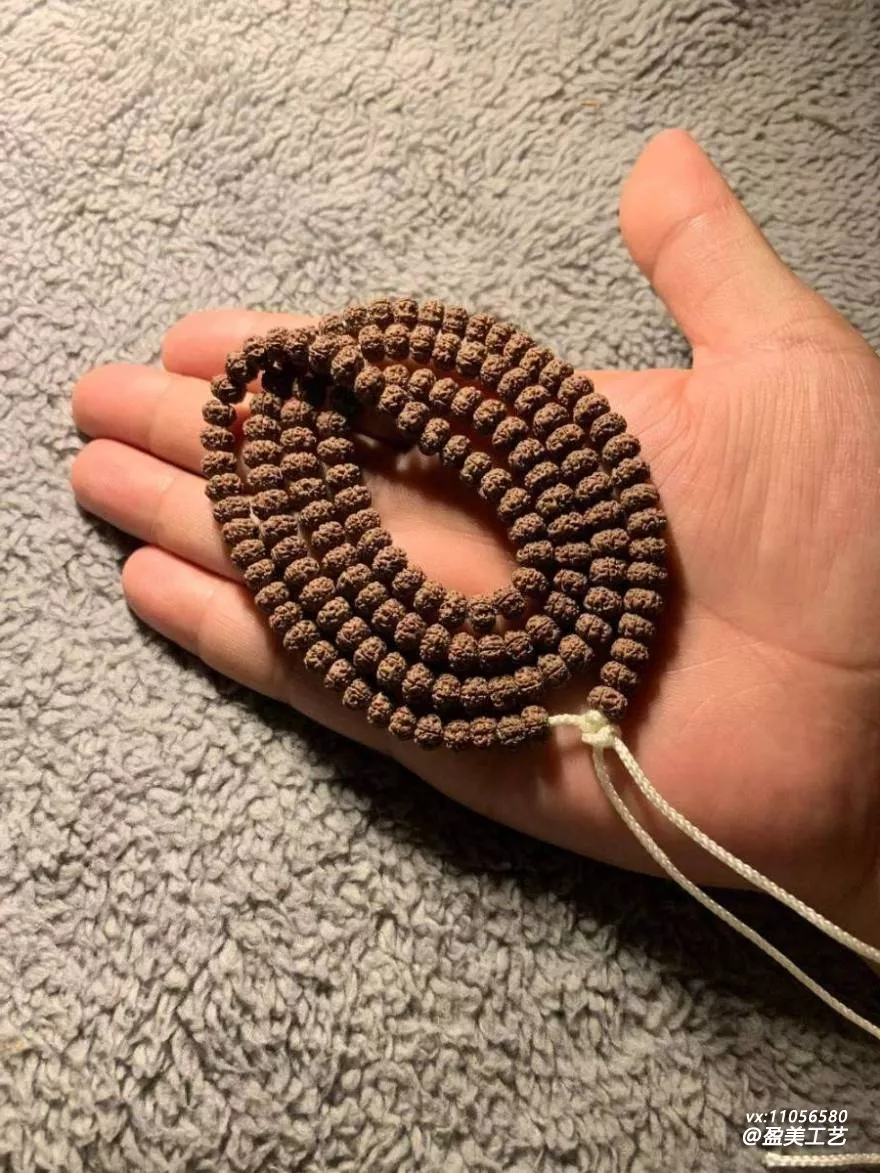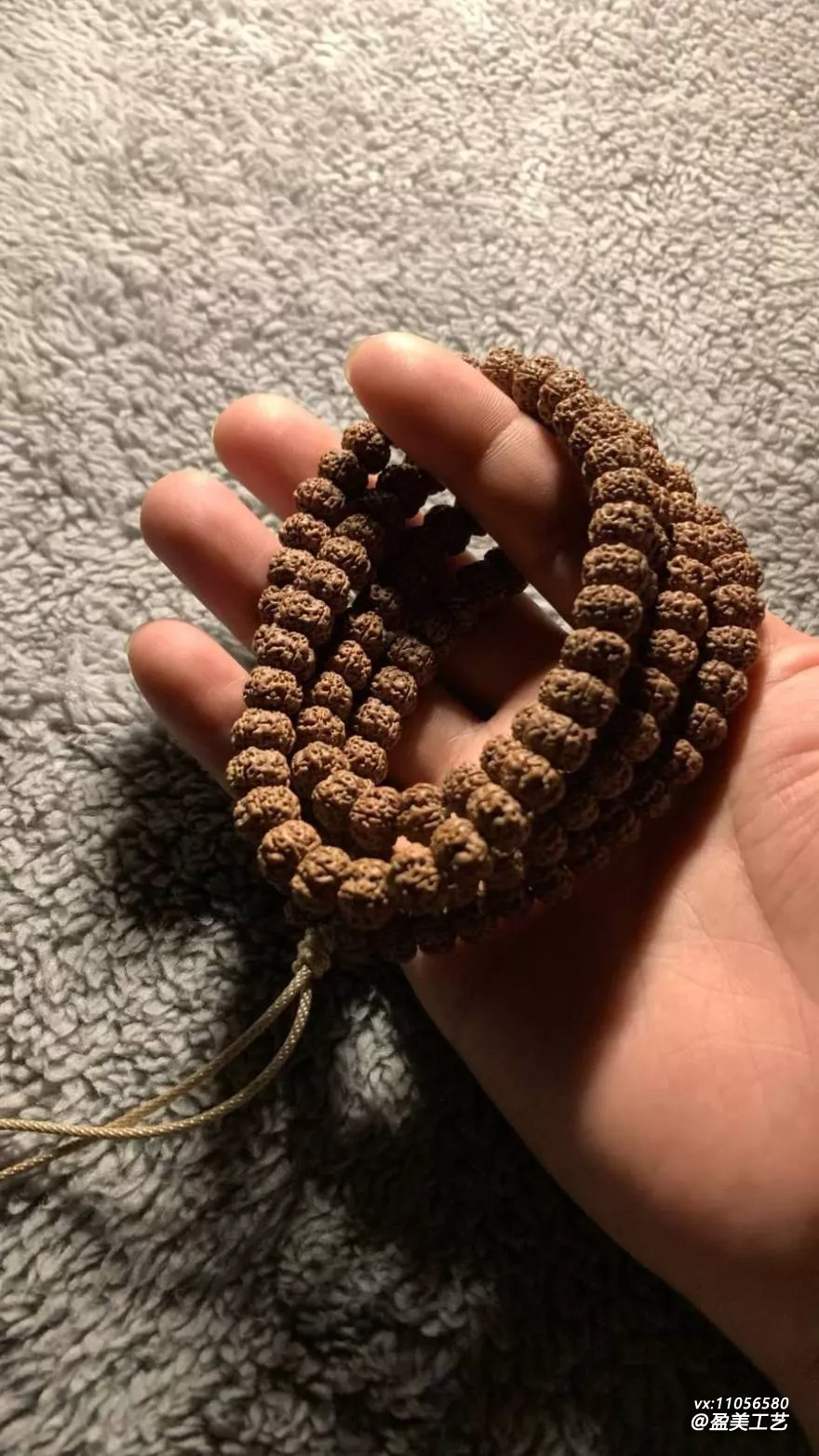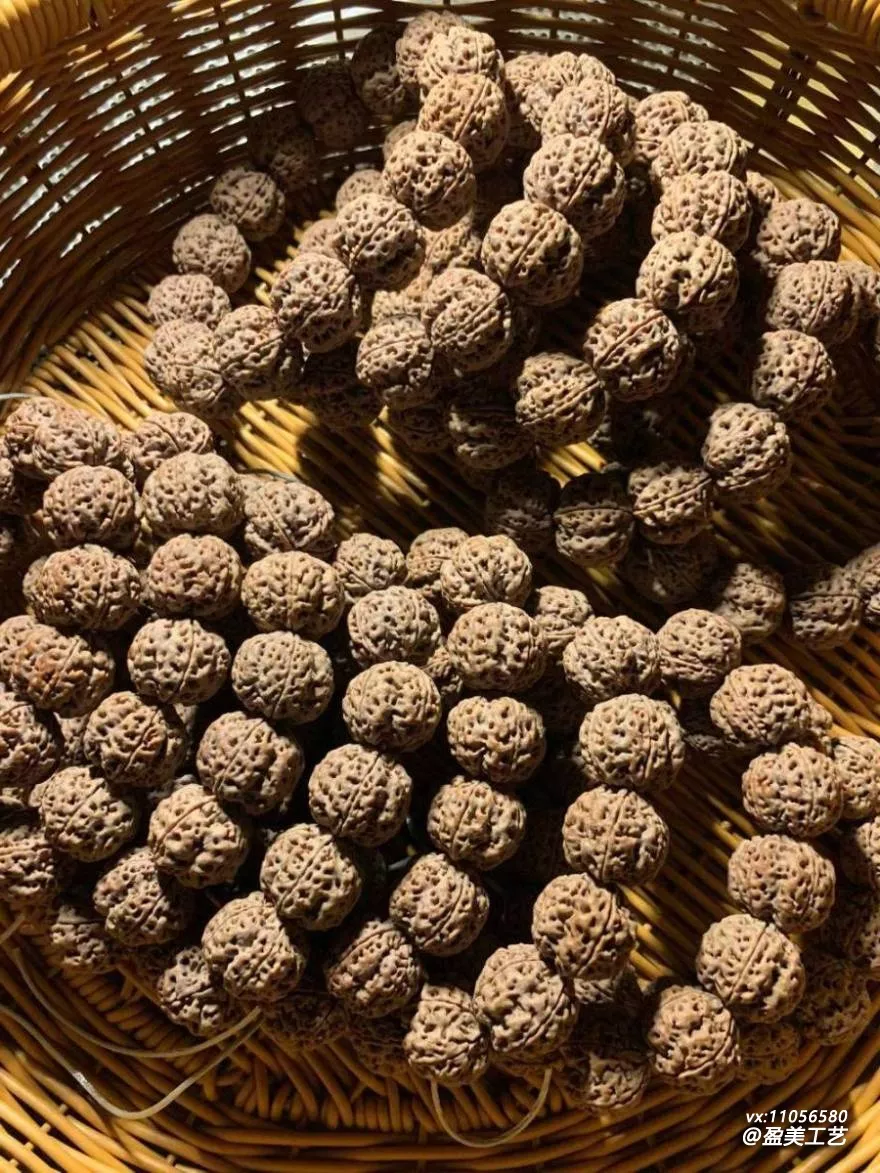
The 108-bead flat-fine mala is elegant, affordable, and easy to break in—that's why so many people play with it. How long does it take for a flat-fine 108 mala to develop a purple-red patina? Many people ask this, so let's clear it up once and for all.
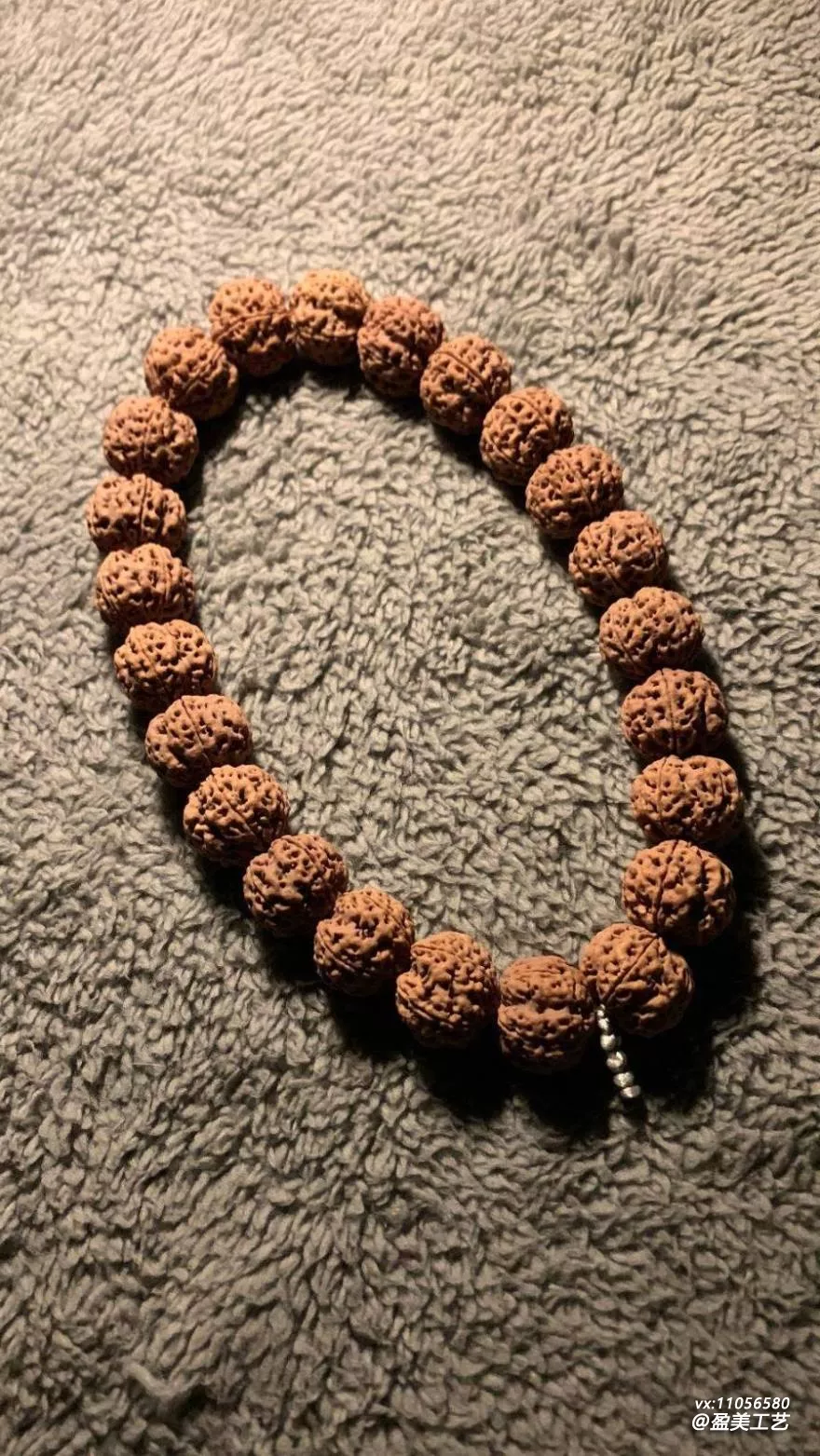
What is purple-red
What is purple-red? It's the deep color with a purple tinge within the red that appears in the later stages of breaking in a mala—steady and translucent, an advanced color in the breaking-in process. Purple-red is precipitated by time and sweat oils; it's deeper than Oxford red and shows the passage of time even more. When all 108 beads of a whole mala turn purple-red, it's a testament to long-term persistence, and achieving it brings a special sense of accomplishment.
Time to develop purple-red
How long does it take to develop purple-red? Generally three to five years. Purple-red is a later-stage color; it only appears after passing through the Oxford red stage. With 108 beads, even coloring takes time, and purple-red comes even more slowly. With good skin density, purple-red appears in just over three years; with high density, it takes four to five years. The length of time depends on the skin and the breaking-in method—keep at it, and purple-red will come.
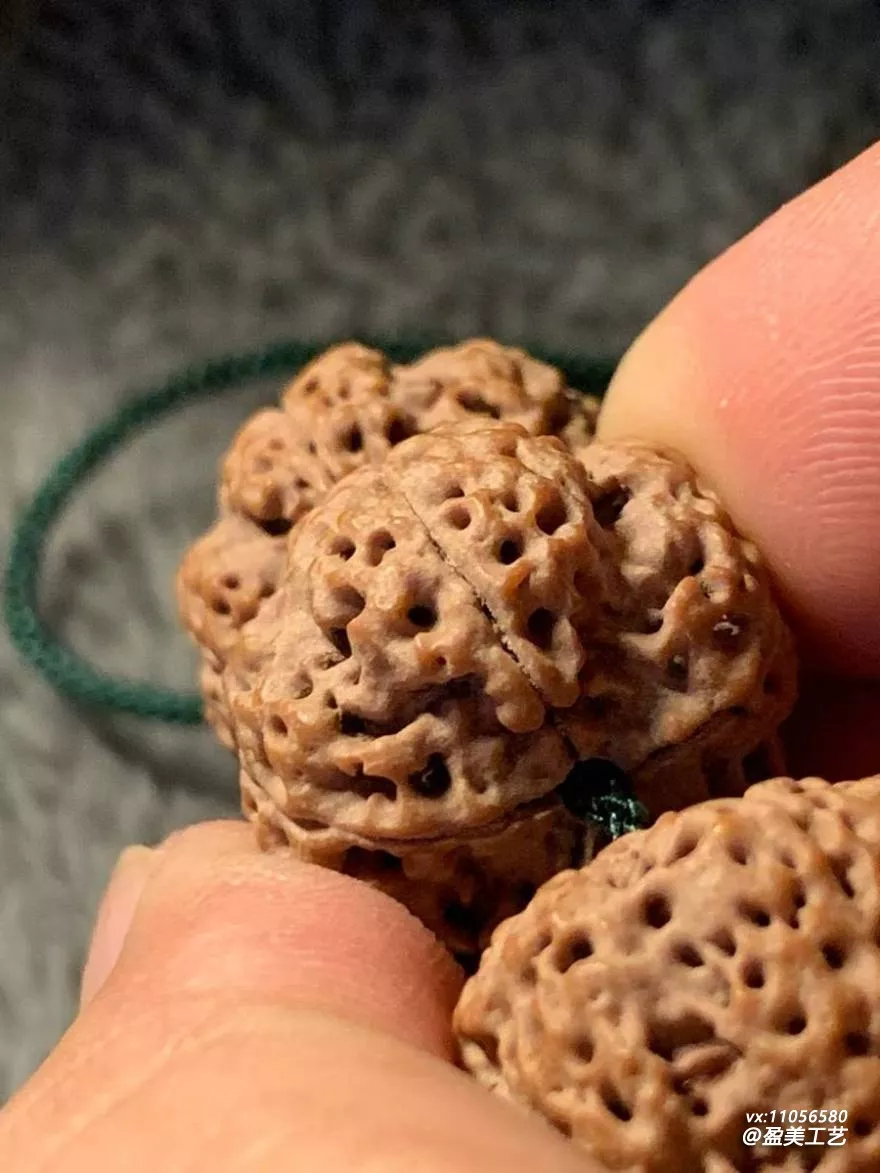
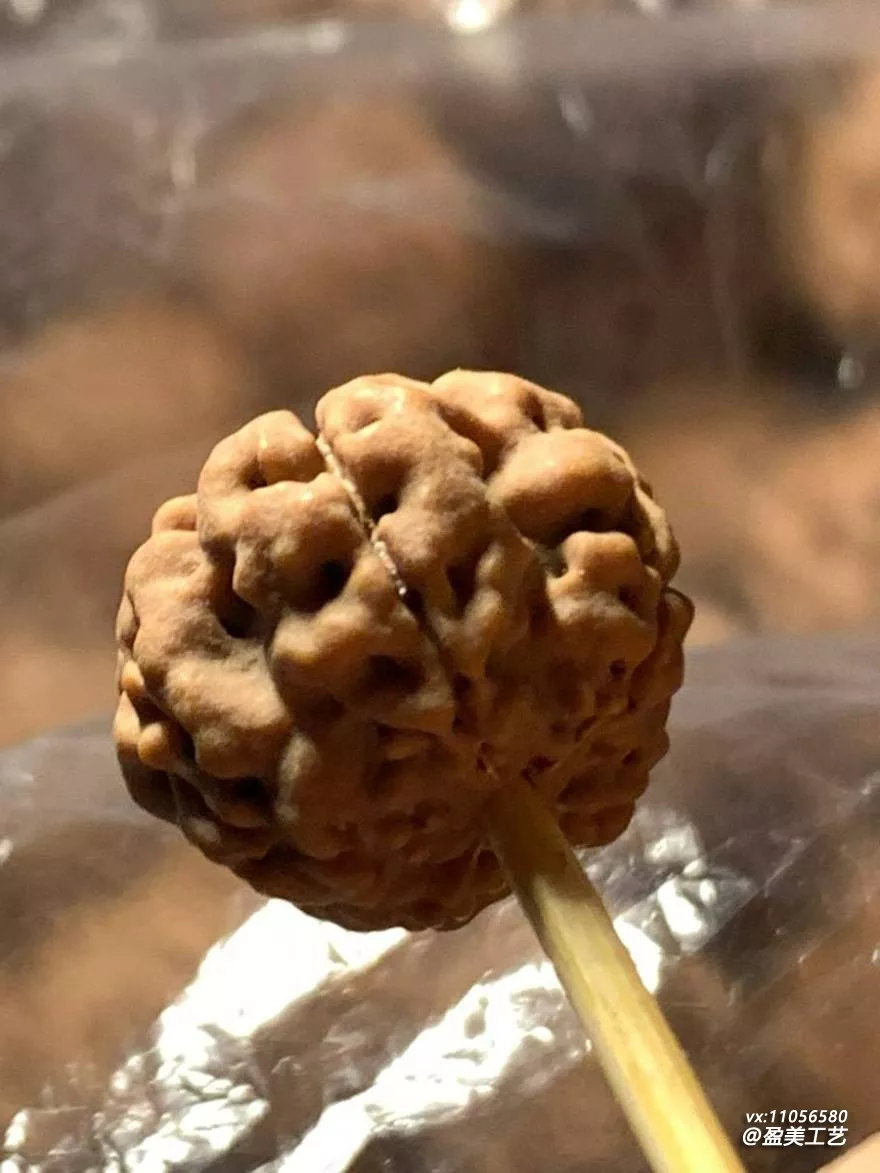
To judge the quality of a flat-fine 108, look at the uniformity of the whole mala: consistent bead shape, consistent grain, and fine skin—that's a mala worth acquiring.
How to develop purple-red
How do you develop purple-red? There's an art to the method. Break it in over the long term, maintain a rhythm of playing and brushing, and the color will settle naturally; always brush after playing to keep the color even and translucent; don't apply oil—oiled color turns dull and isn't purple-red. Play all 108 beads evenly; don't just play the convenient spots. How long does it take for a flat-fine 108 to develop purple-red? Three to five years is the pace—keep up even playing and brushing, and purple-red will surprise you.
The flat-fine 108, with 108 elegant beads, looks good wrapped around the wrist, is easy to play with, and once the color is even, the whole mala is a pleasure to look at—the more you play, the more you love it.