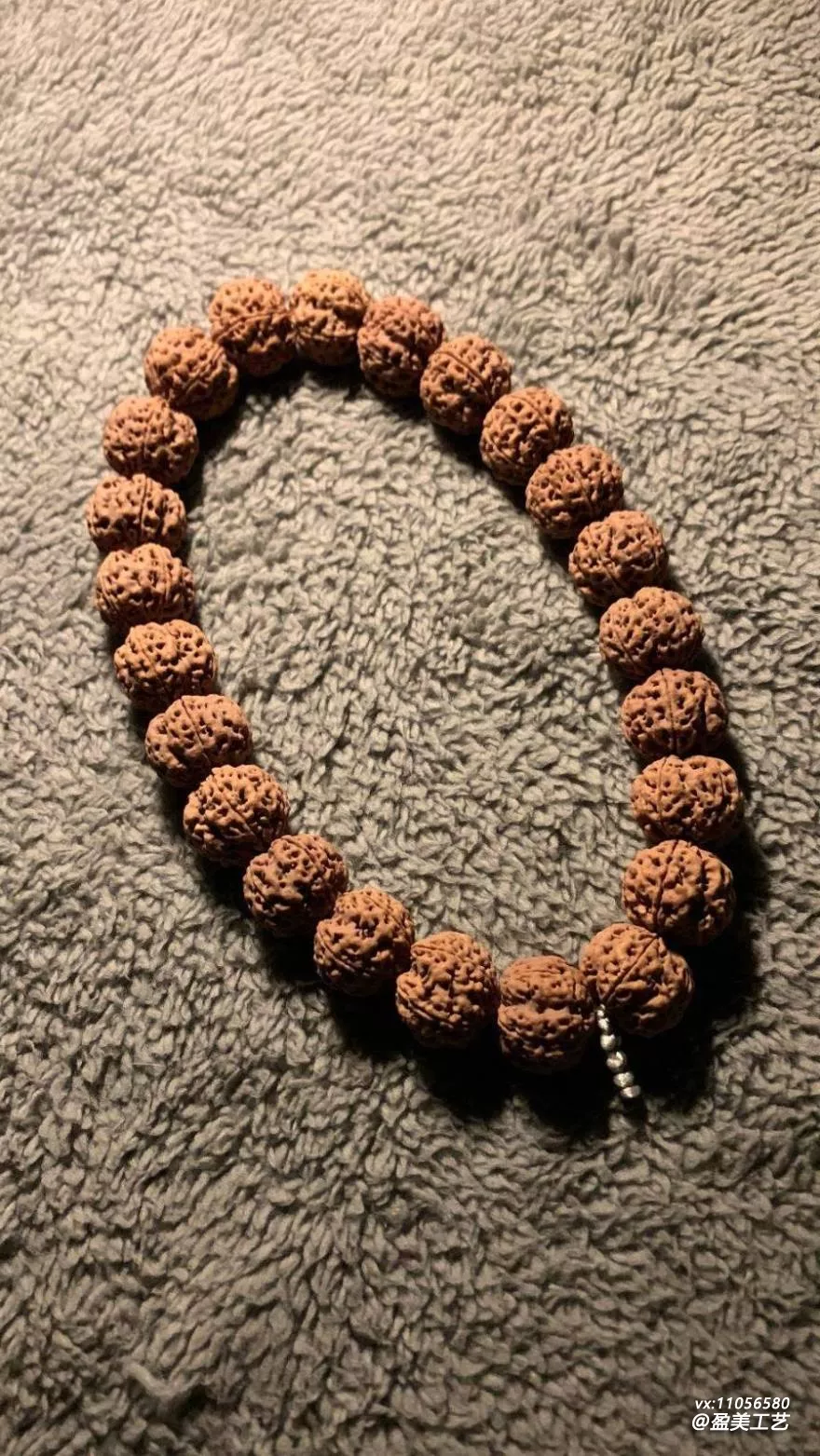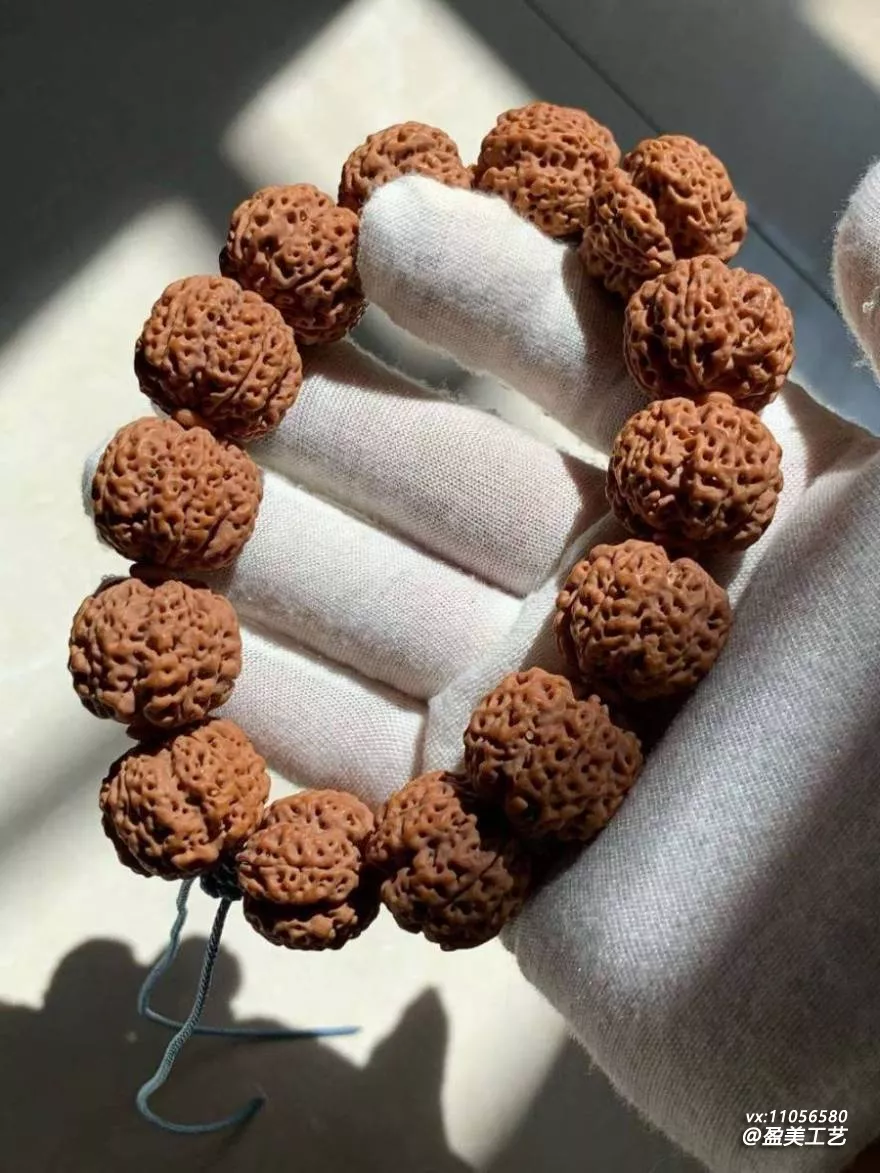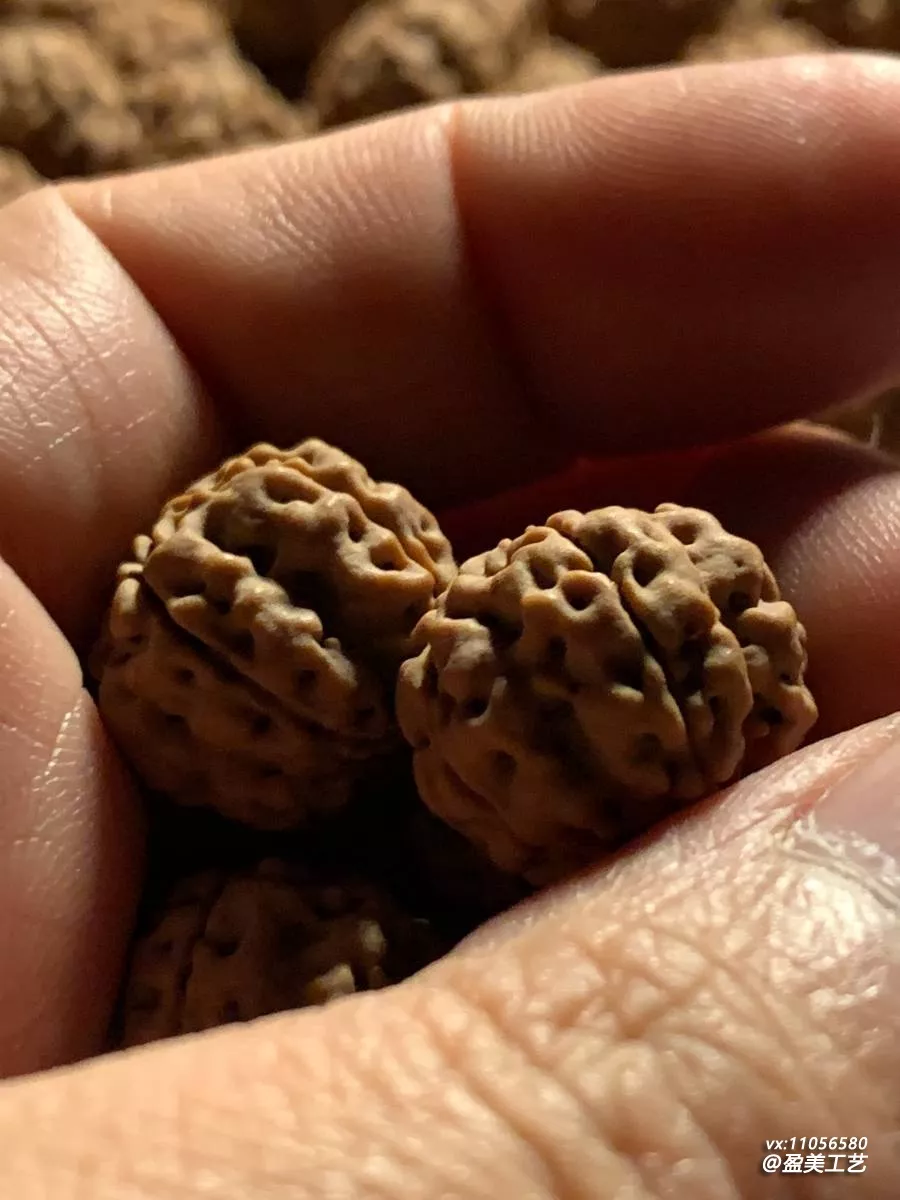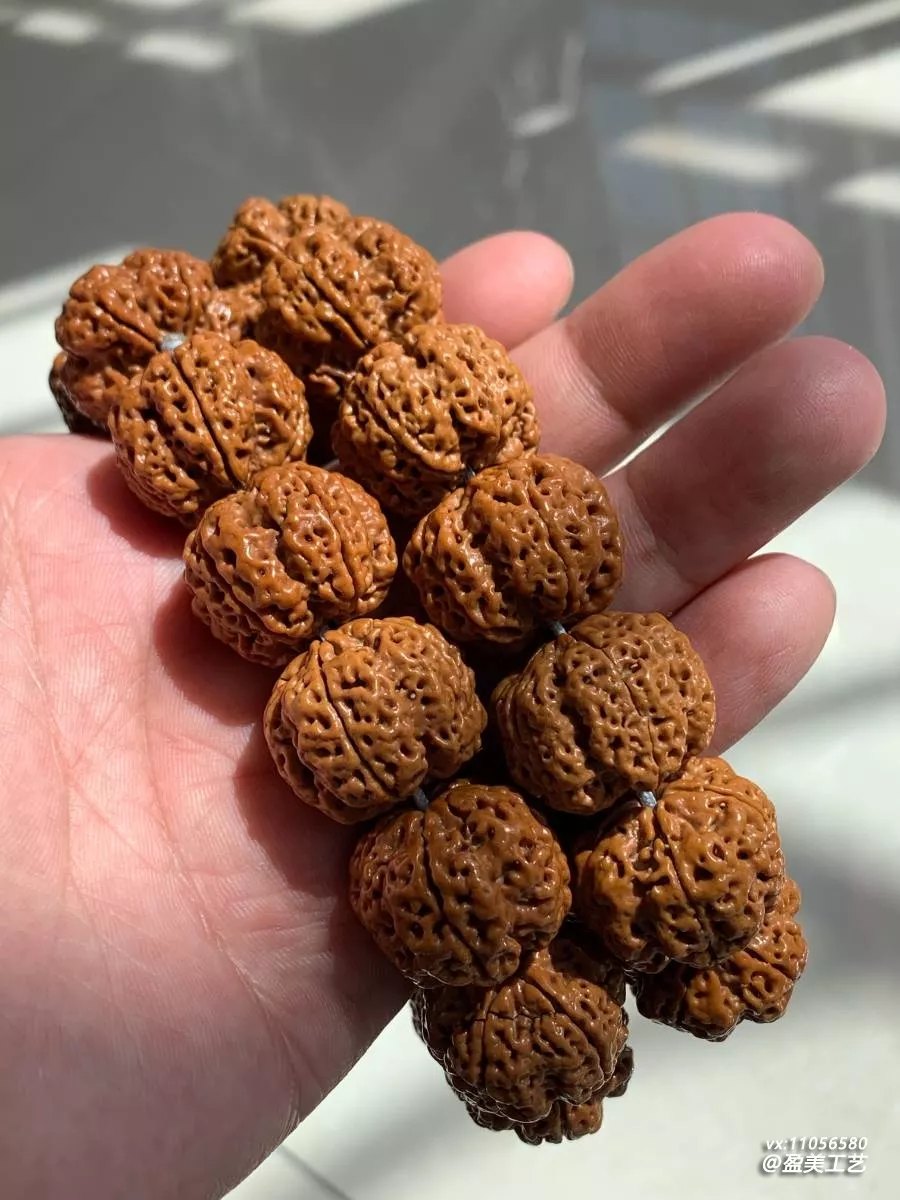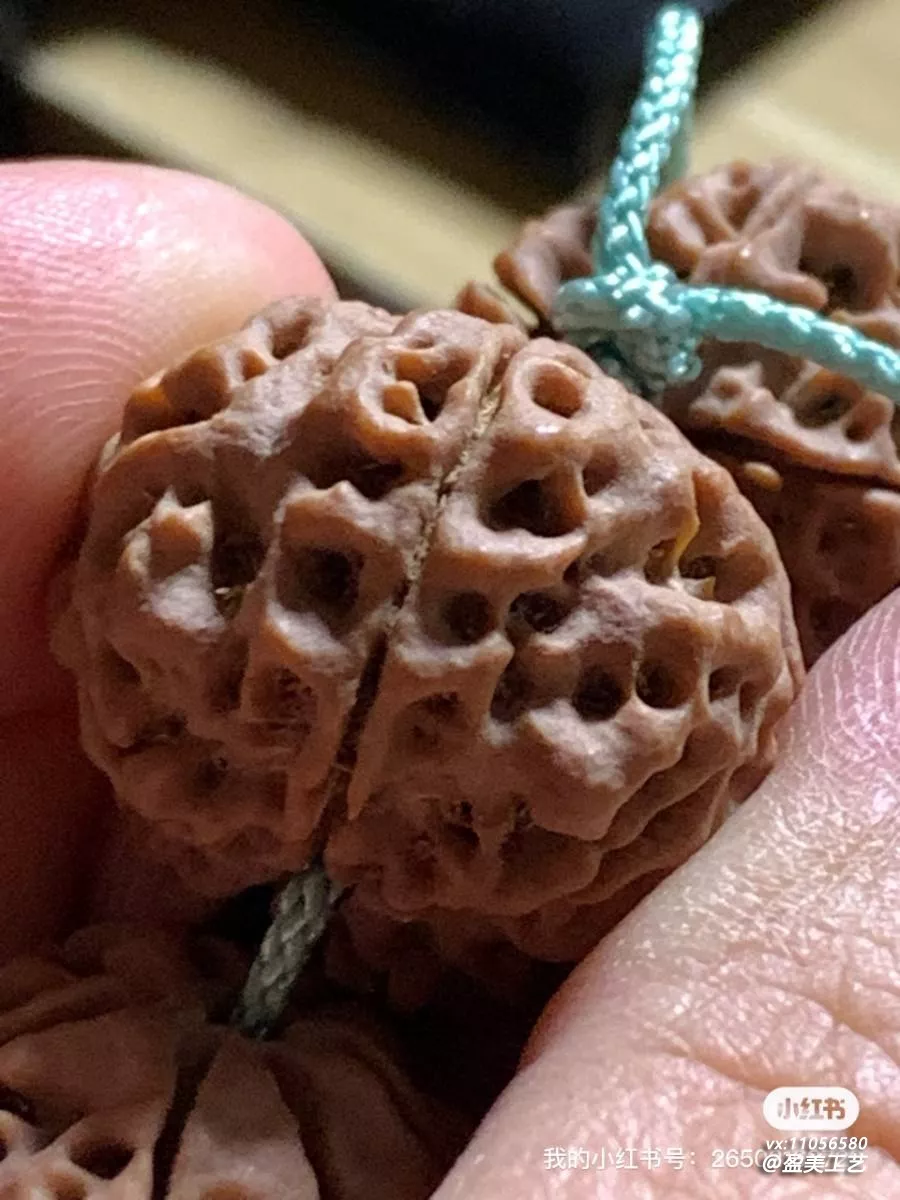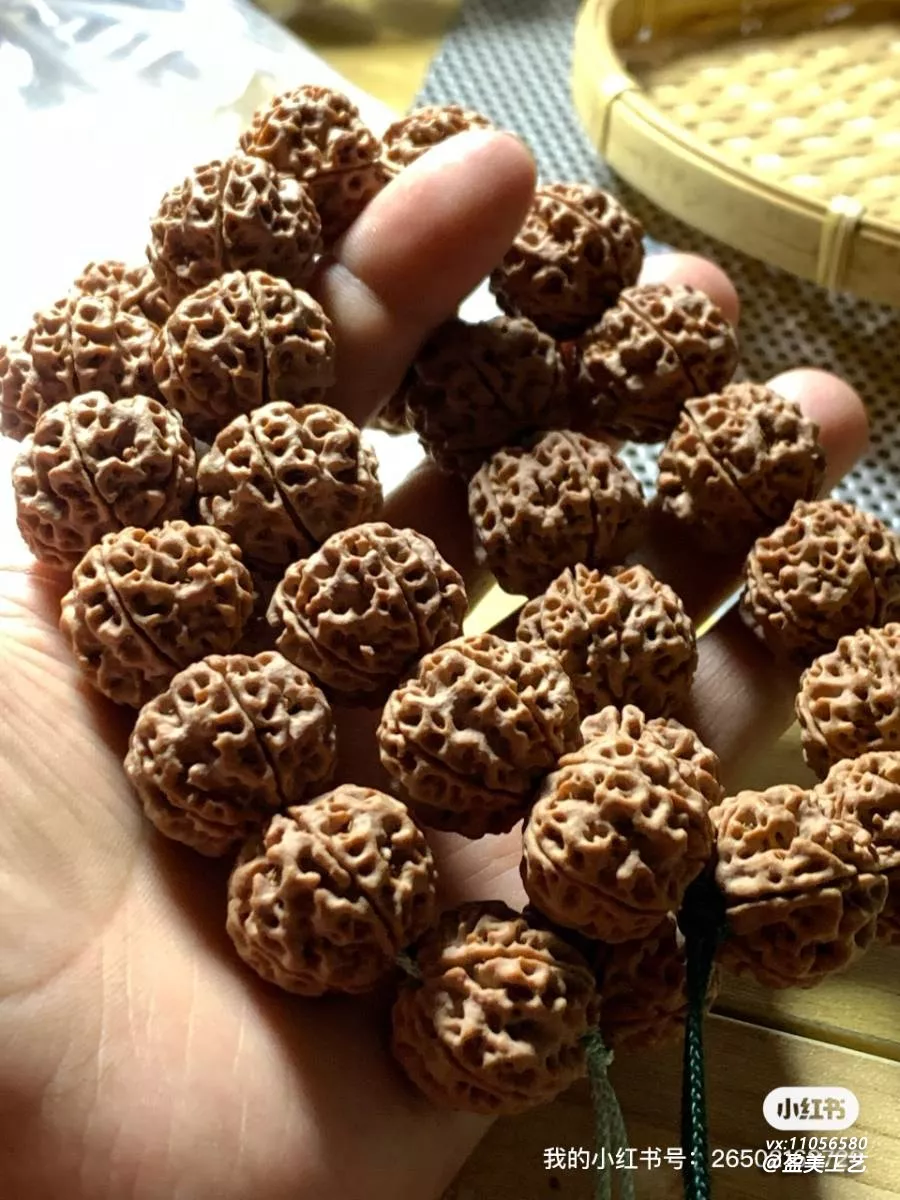
My flat-fine single loop is losing colour — dyed or normal? When a string loses colour beginners easily panic, and with flat-fine seeds being small the loss worries people more. Colour loss is either normal or dyeing; how to tell, explained plainly so you have a baseline.
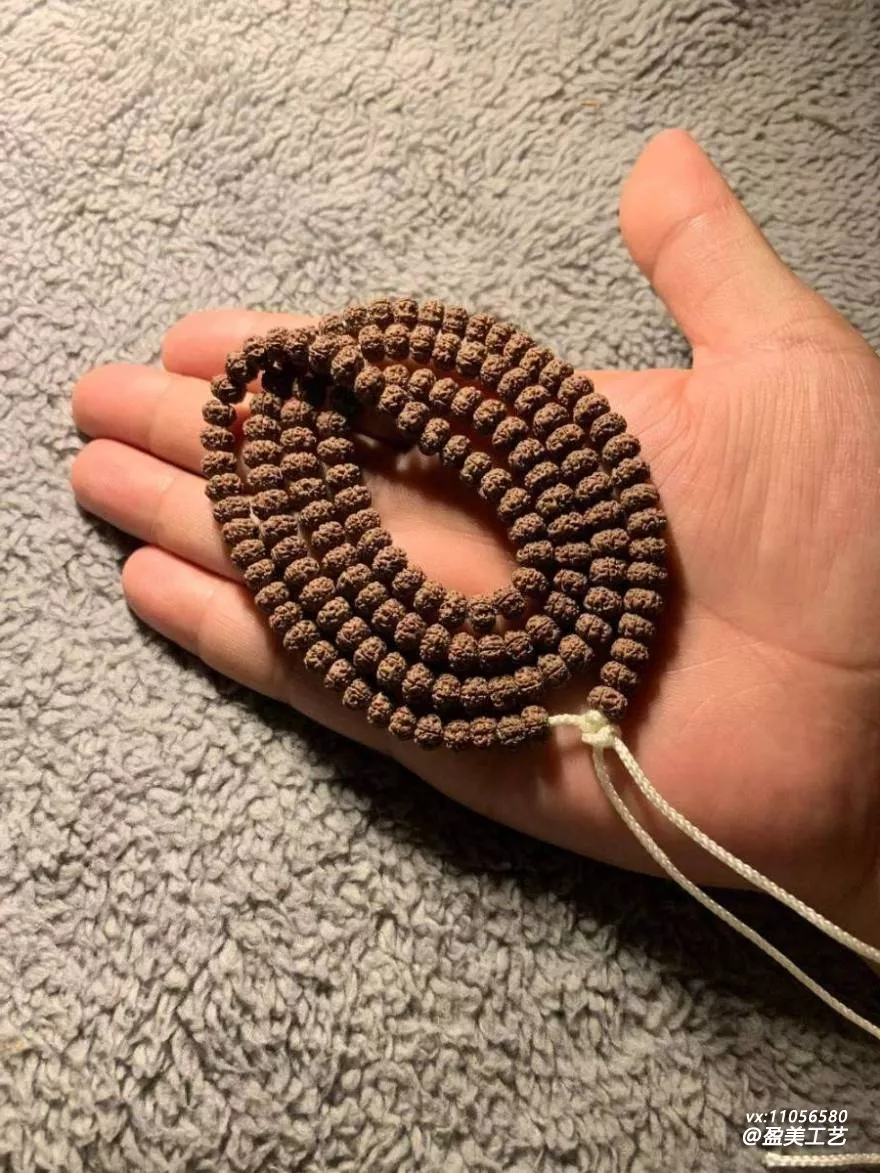
What normal colour loss looks like
Normal colour loss is floating colour coming off. Early on, the floating colour and fruit gum on the seed surface rub off, the string loses colour and stains your hand, and the colour is a faint red-brown — that is normal. Flat-fine seeds are small with little floating colour, so the loss is not obvious, but with many seeds it accumulates and shows. Once the floating colour is gone it stops, usually after one or two months — play a normally losing string with peace of mind.
What dyed colour loss looks like
Dyed colour loss is pigment coming off. The pigment of a dyed string fades after long playing, the colour that rubs off looks dead and unnatural; the surface looks fake-bright and turns patchy after a while. Flat-fine seeds are small, so the pigment adheres shallowly and comes off faster. Dyed loss has a contrived colour and differs clearly from normal loss — look carefully and you can tell.
How to tell and handle
How to tell: look at the colour that comes off — natural red-brown is normal, dead and contrived means dyeing; look at the surface colour — natural transition is normal, fake-bright means dyeing. Normal loss needs no action, keep playing; dyed loss needs action — stop playing and contact the seller for a return. My flat-fine single loop is losing colour — dyed or normal? Judge by the colour: normal, play at ease; dyed, handle it promptly.