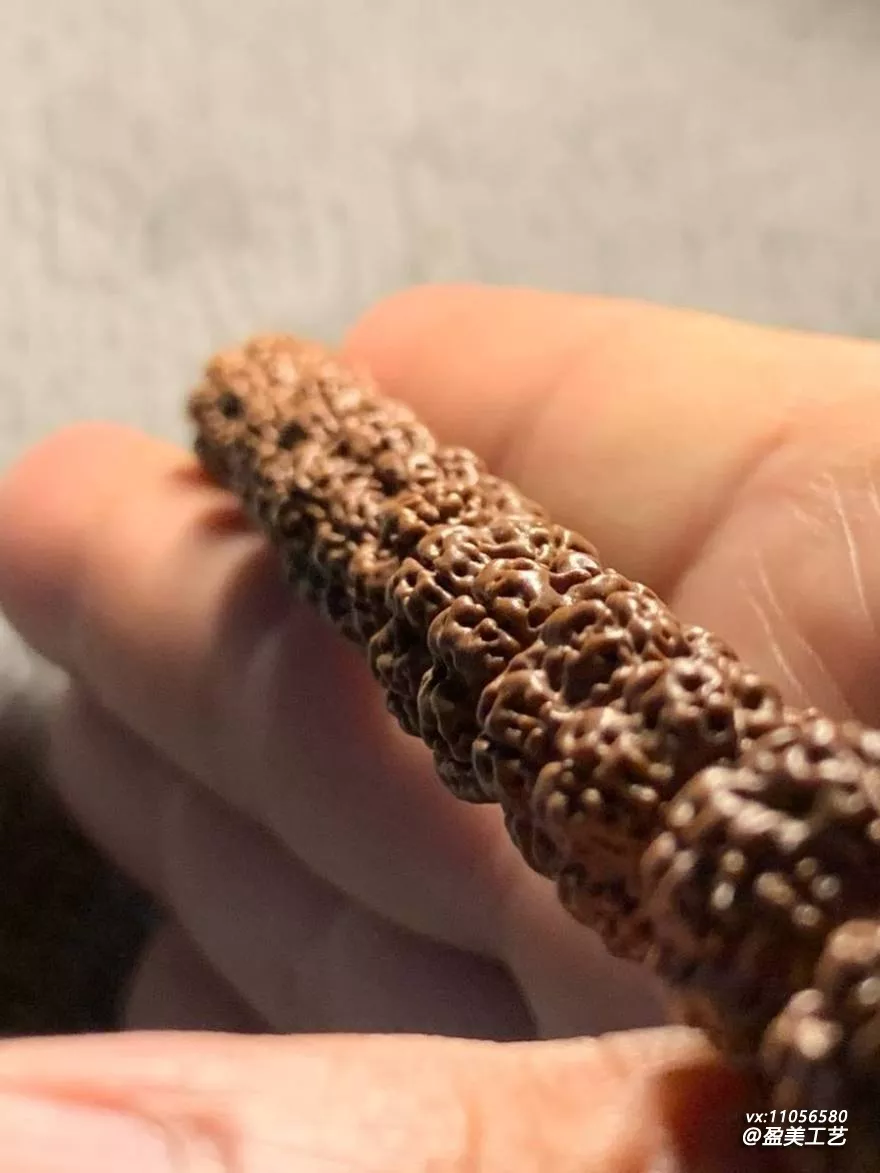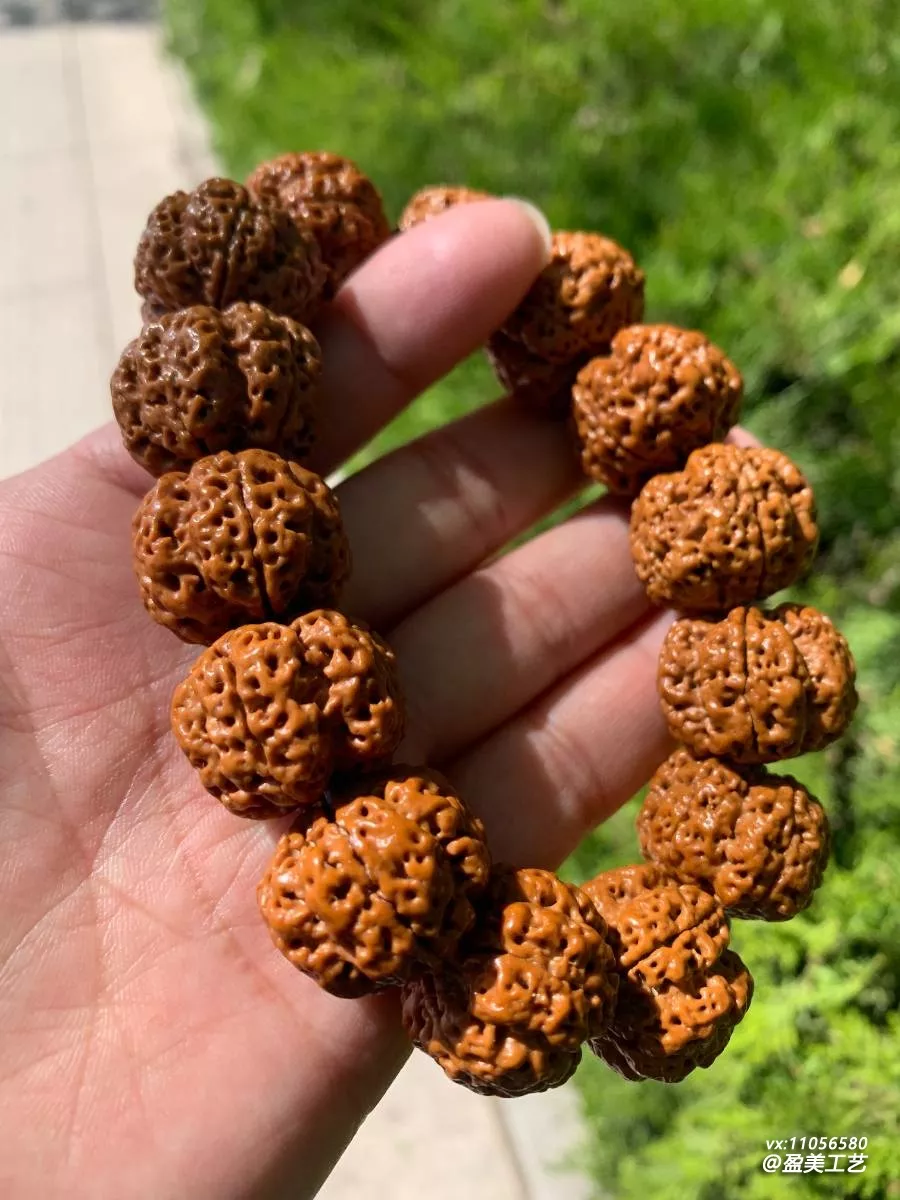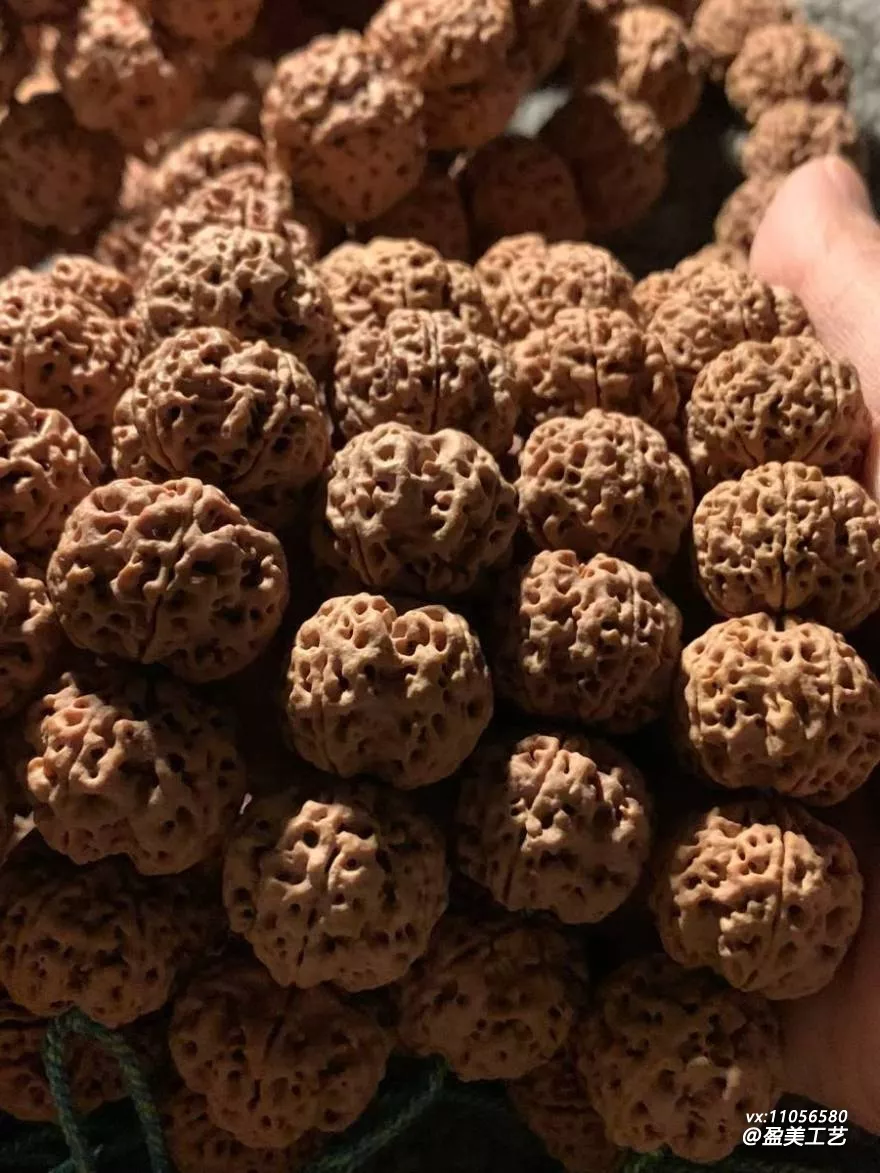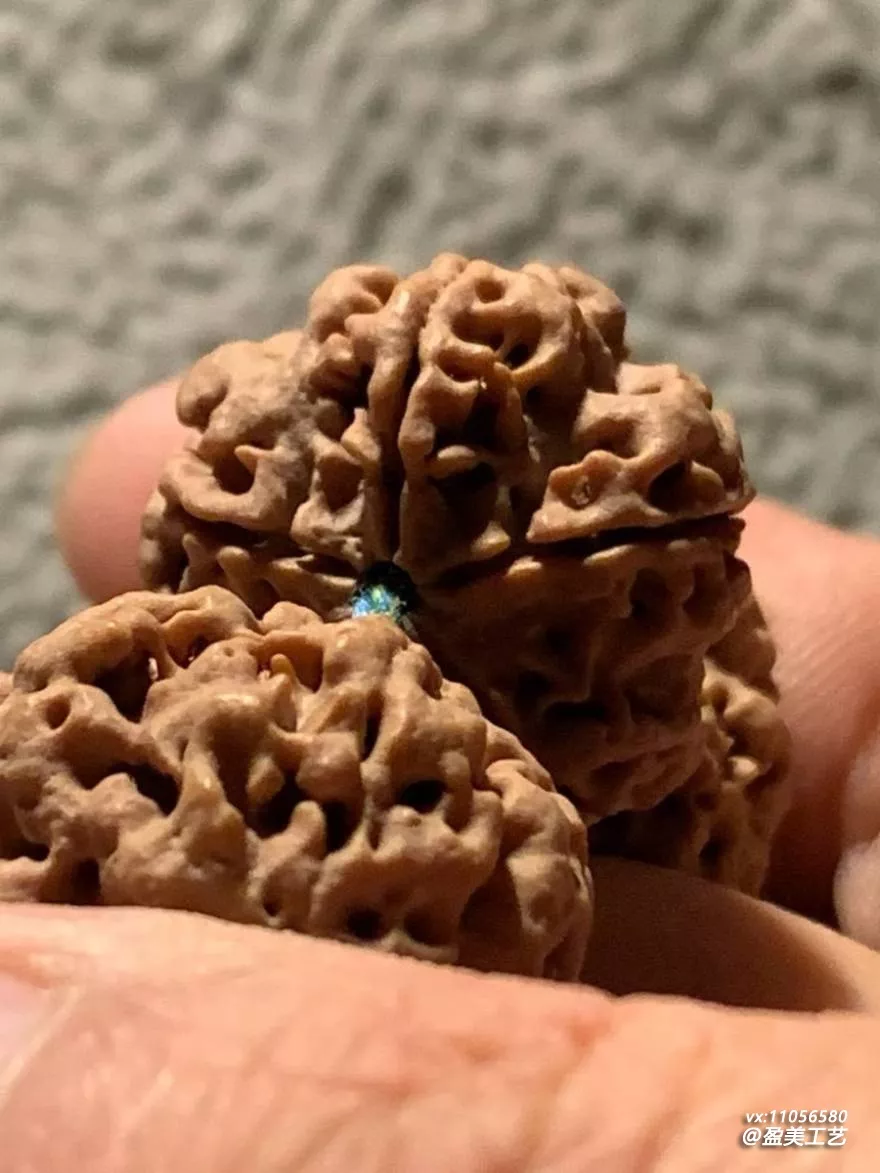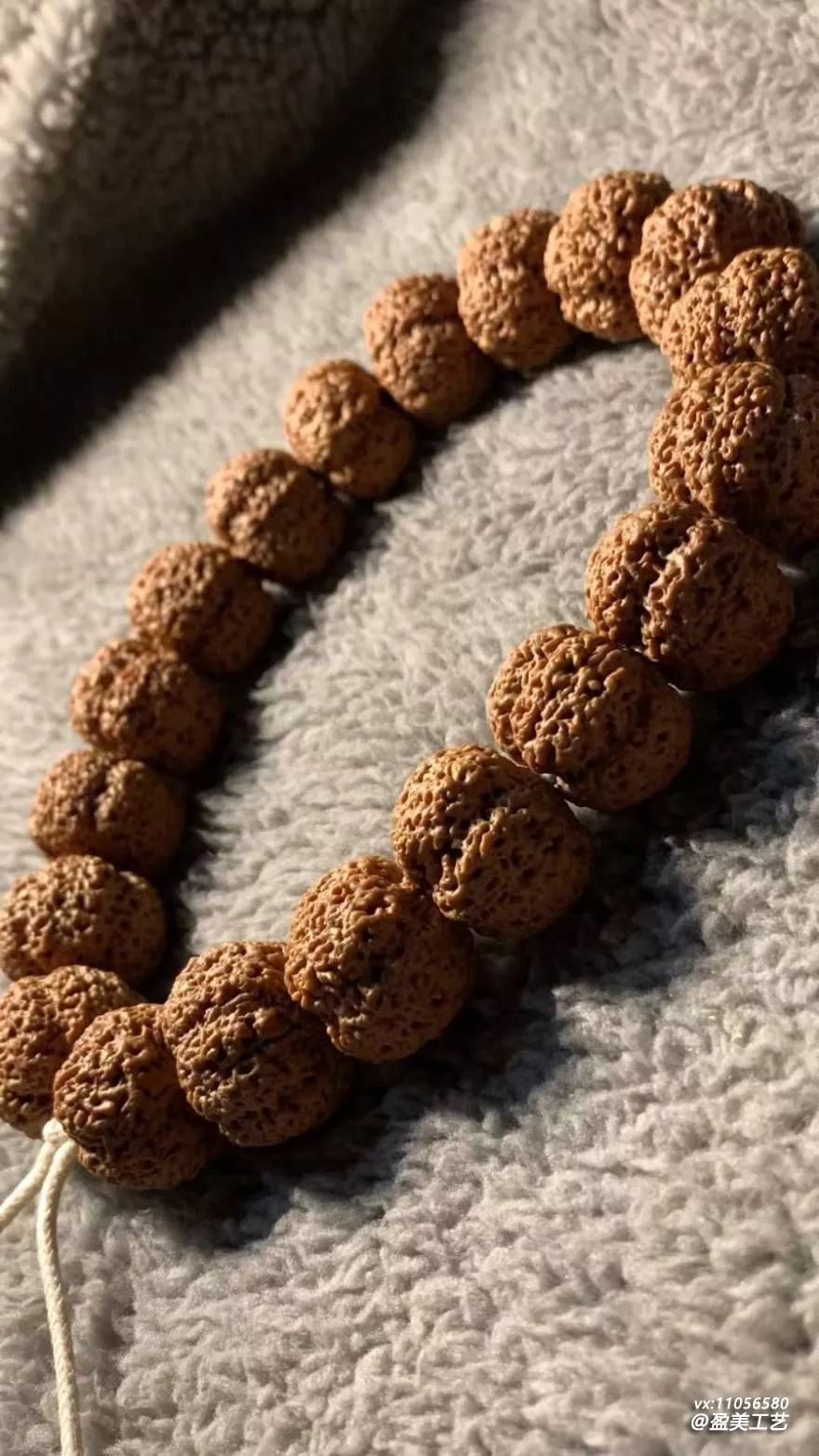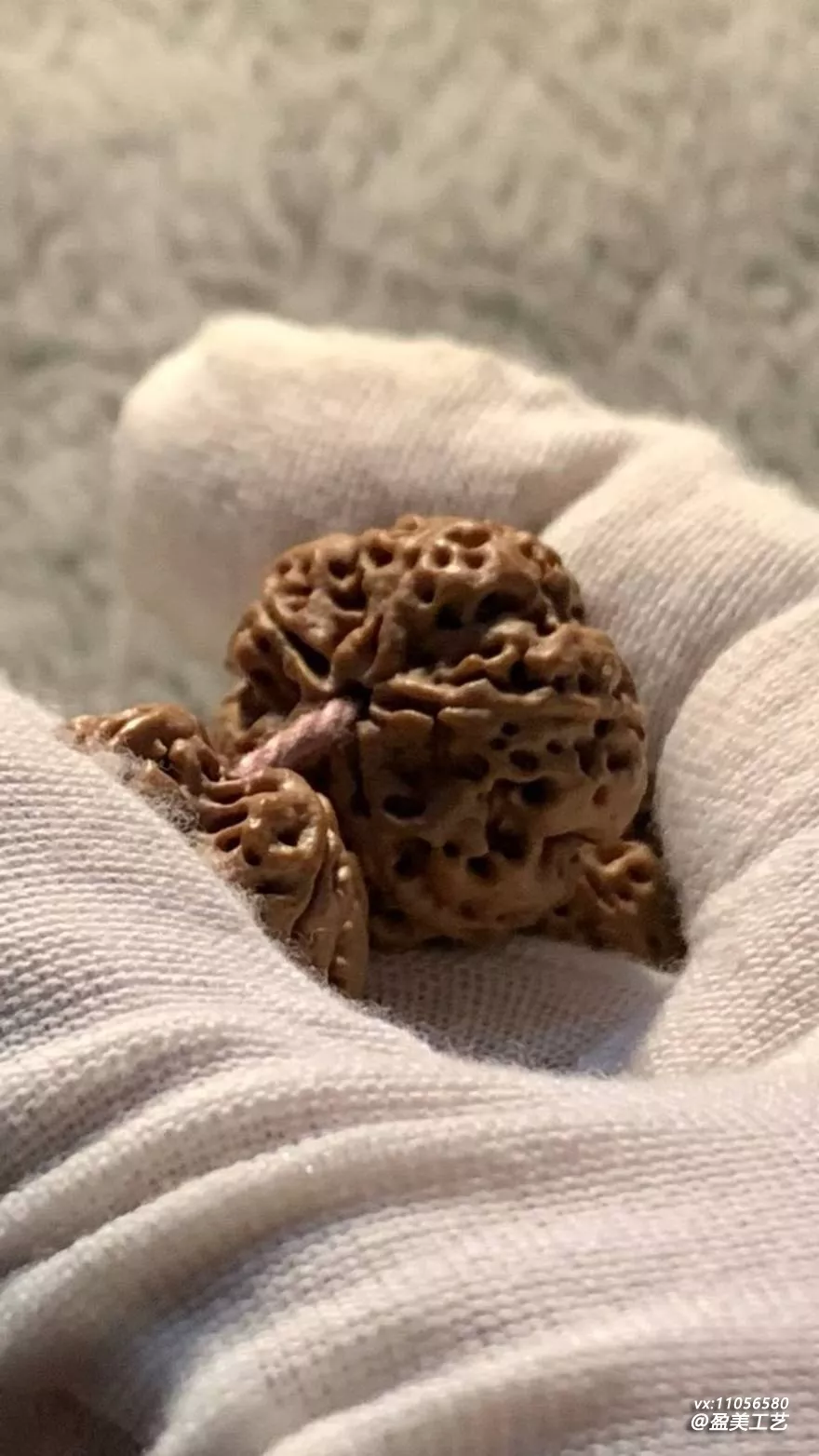
The 108-bead Old Tree King mala is losing color—is it dyed or normal? With 108 beads, the color loss looks more obvious, and beginners panic more. There are two cases of color loss: normal and dyed. How to tell them apart? Let me explain clearly, so you don't scare yourself.
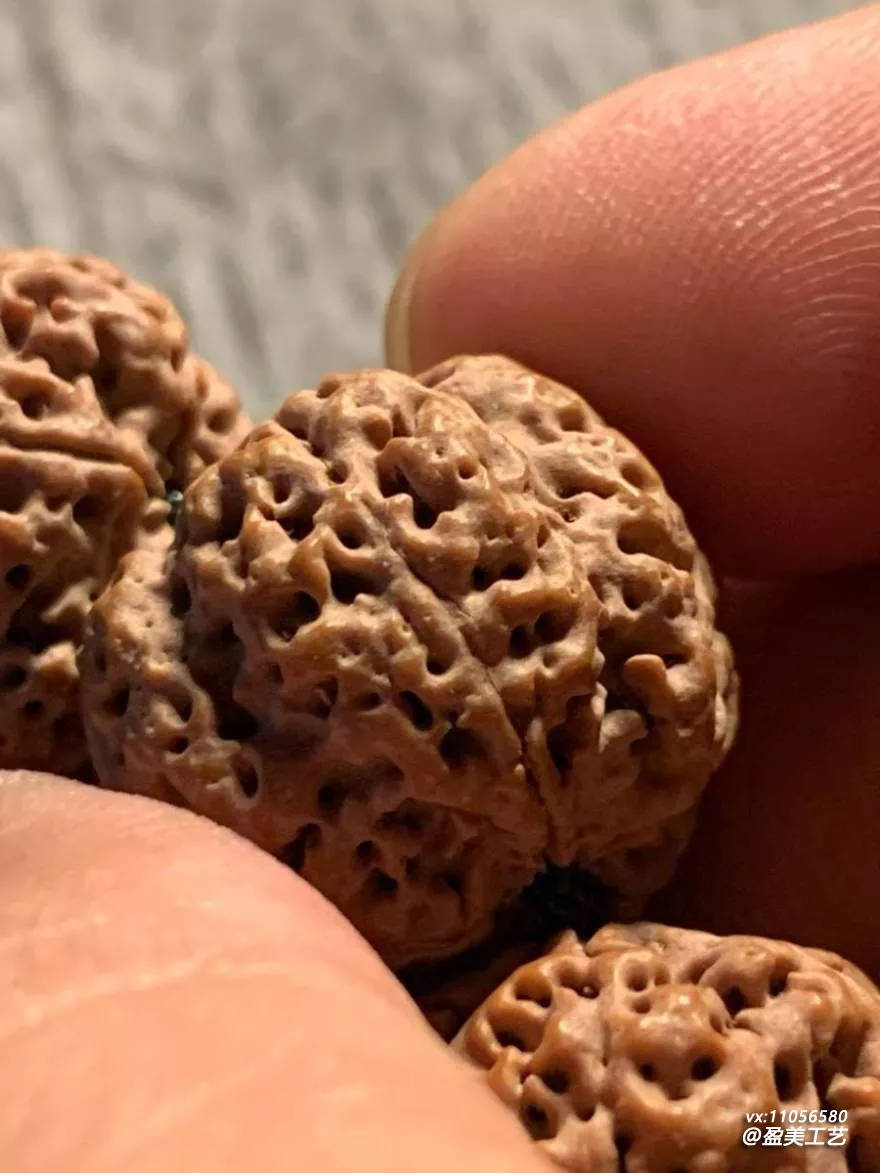
Signs of Normal Color Loss
Normal color loss can also happen with 108 beads. In the early stage of a new mala, surface pigment rubs off from the beads, the mala loses color, and it gets on your hands. The color is a faint reddish-brown—this is normal. With 108 beads, the color loss looks like a lot, but actually each bead is releasing surface pigment. Once the surface pigment is rubbed off, it stops, usually after one to two months. A 108-bead mala with normal color loss has a natural color, so you can keep playing with it without worry.
Signs of Dyed Color Loss
Dyed color loss behaves differently. The dye on a dyed 108-bead mala fades over time with handling. The color that comes off looks dull and lifeless, the whole mala loses color noticeably, and the color looks artificial. The surface color looks fake and overly bright; after playing with it for a while, it becomes patchy with strange color differences. A dyed 108-bead mala loses pigment, and the color is unnatural—clearly different from normal color loss. If you look carefully, you can tell them apart.
How to Tell and What to Do
How to tell them apart? Look at the color that rubs off: natural reddish-brown means normal, dull and artificial means dyed. Look at the surface color of the mala: natural transitions mean normal, fake and overly bright means dyed. For normal color loss, do nothing and keep playing with it. For dyed color loss, you need to deal with it: stop playing with it and contact the seller. If your 108-bead Old Tree King mala is losing color, whether it is dyed or normal—look at the color to tell. If normal, relax; if dyed, take action.