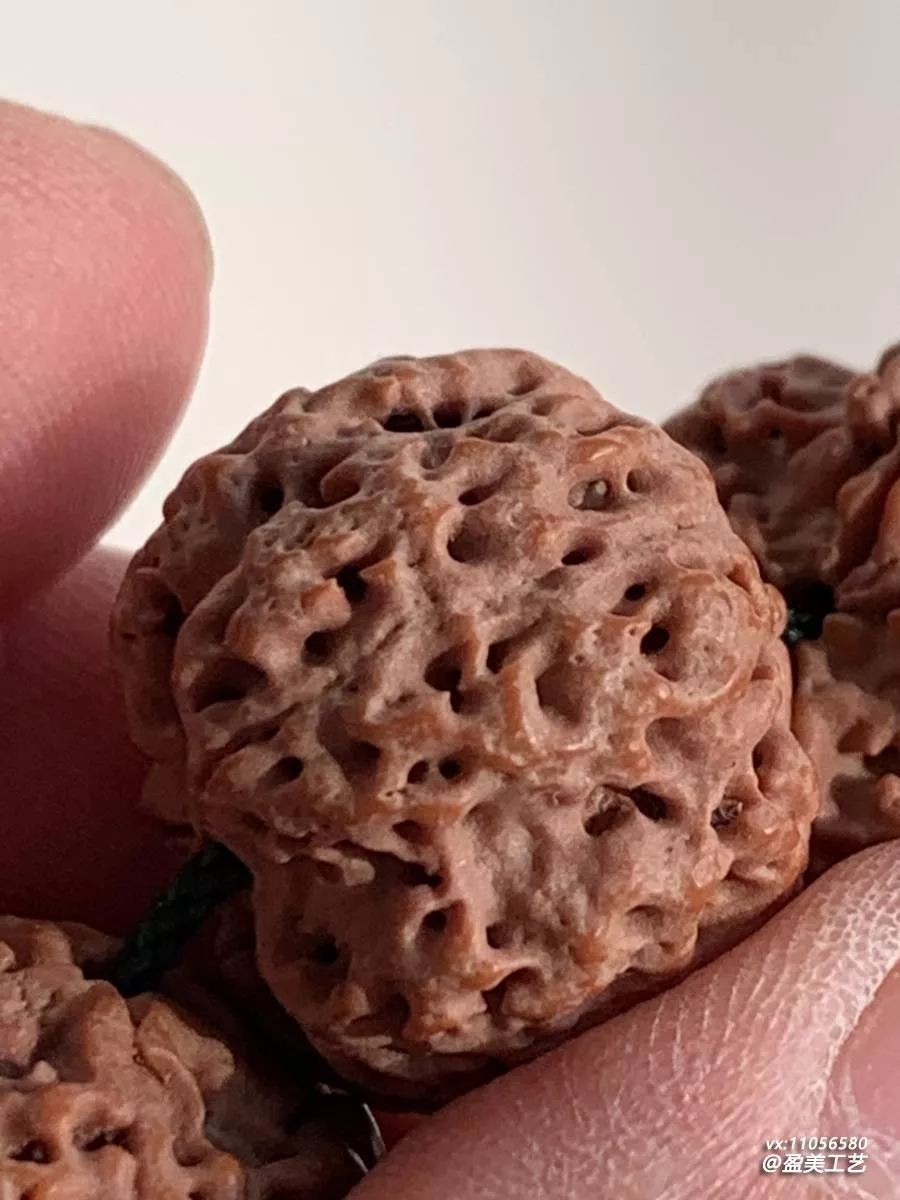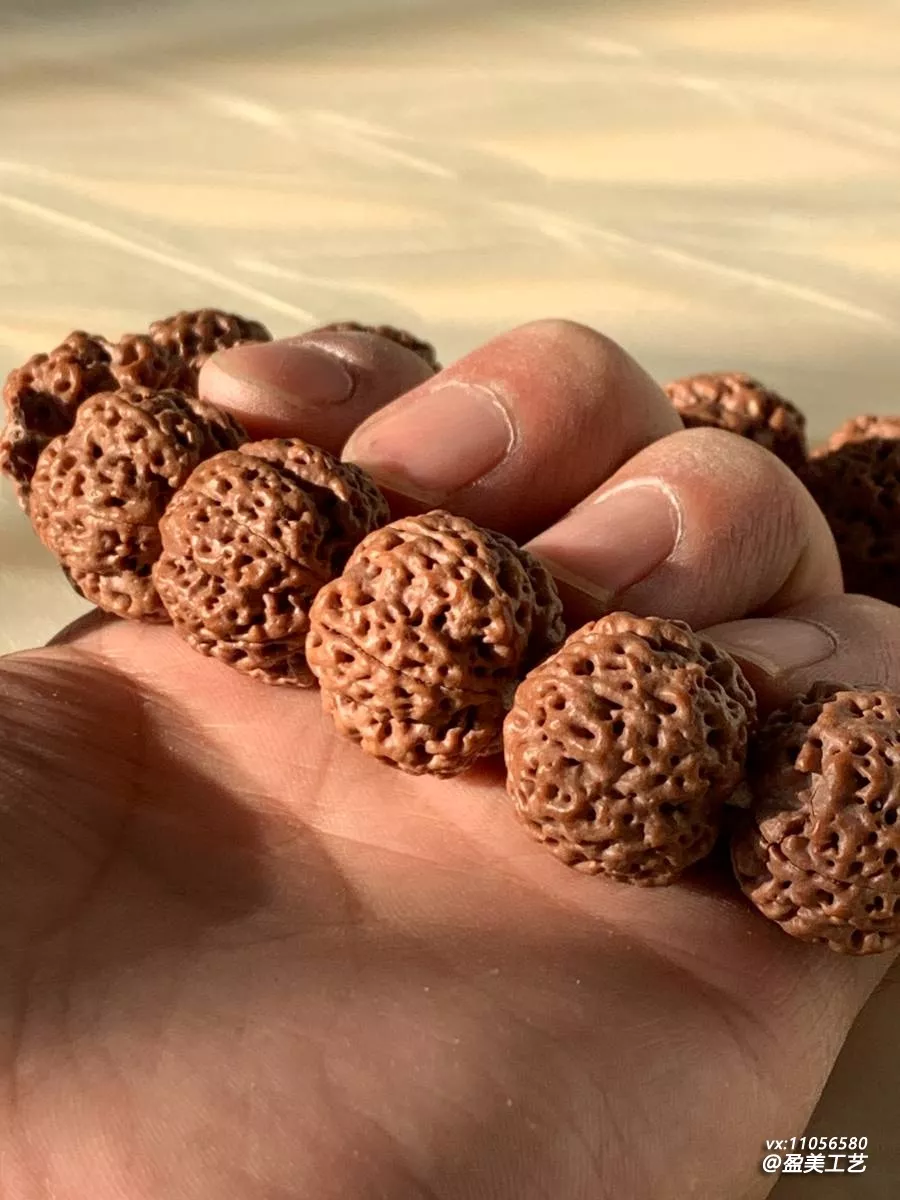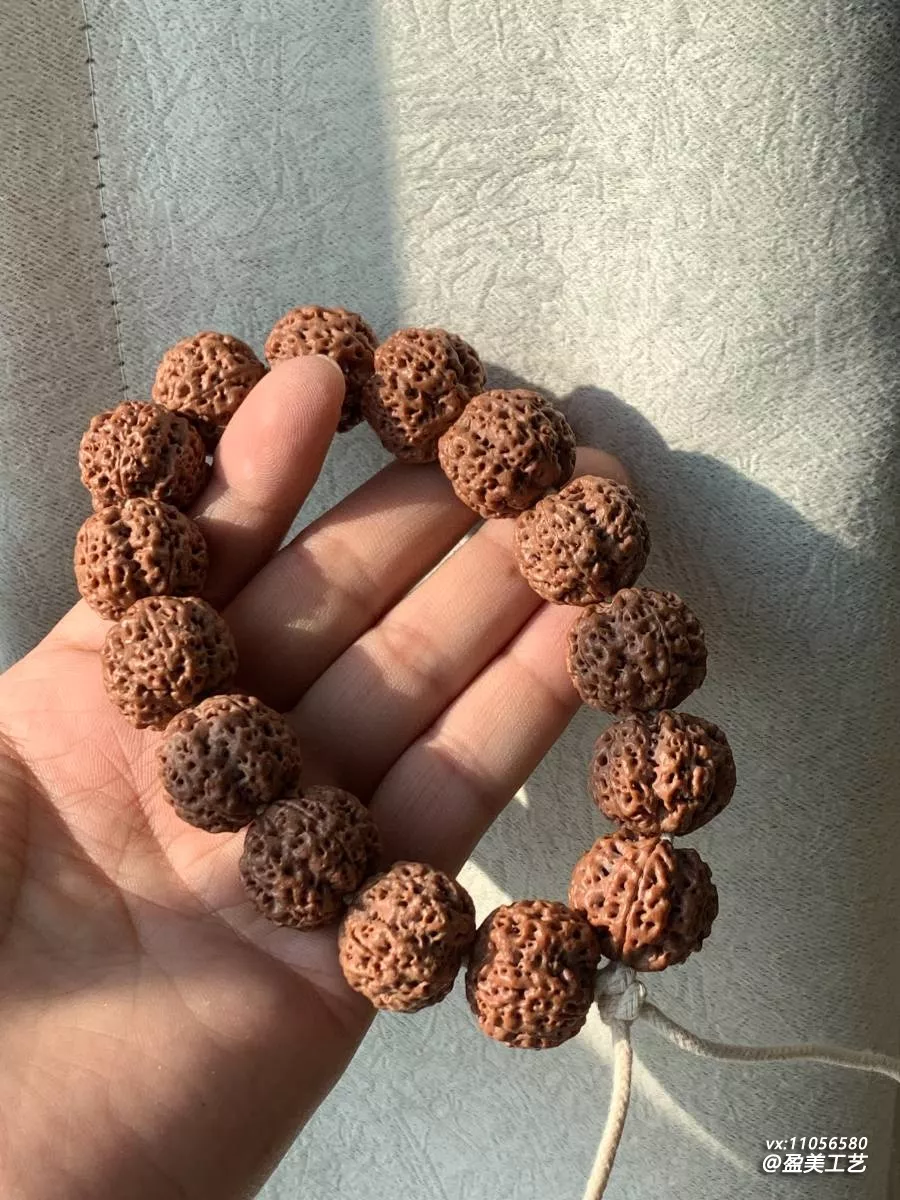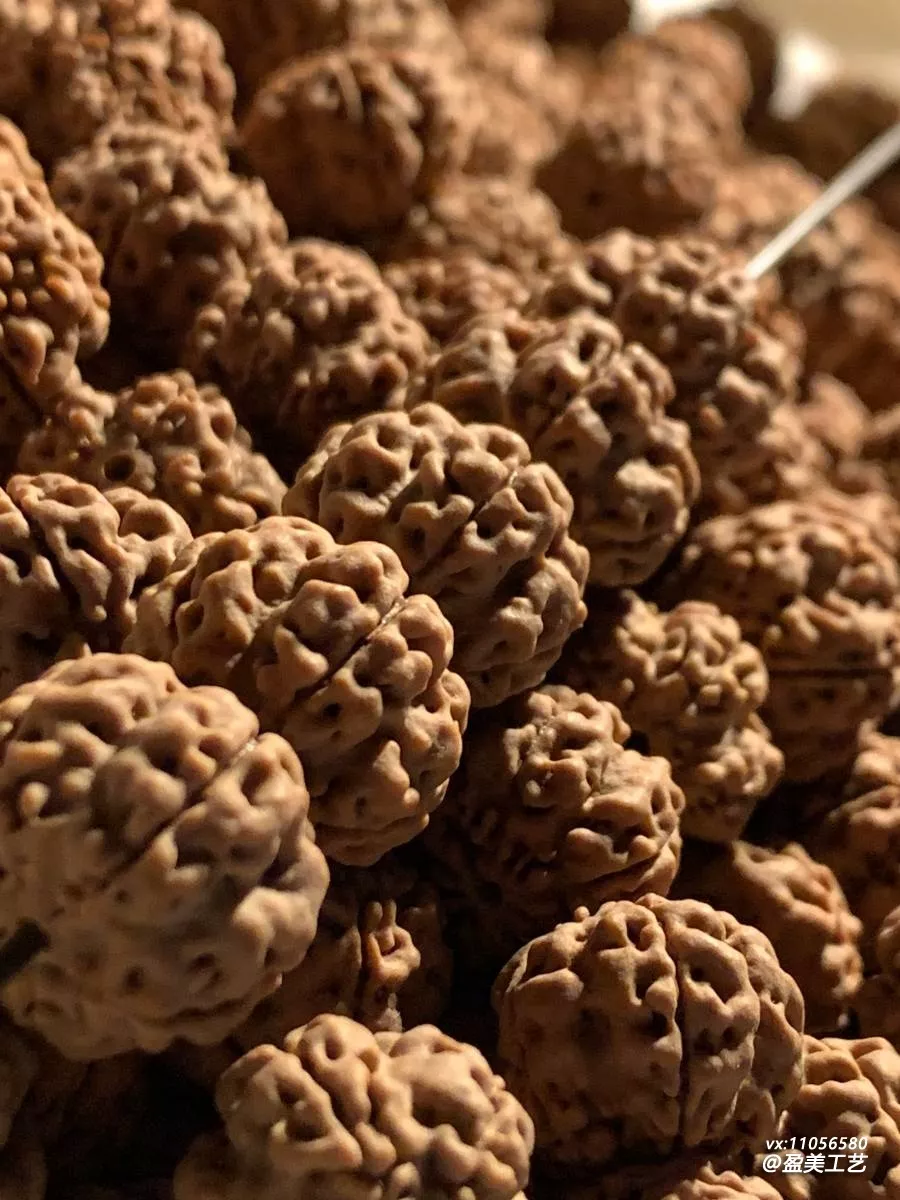
If your Rudraksha (large) has turned soy-sauce brown, chances are this step was not done properly. You were hoping for an oxblood red patina, but instead the mala turned soy-sauce brown, dull and murky, which is truly frustrating. If it has turned soy-sauce brown, chances are this step was not done properly. Find the cause and it can still be remedied.
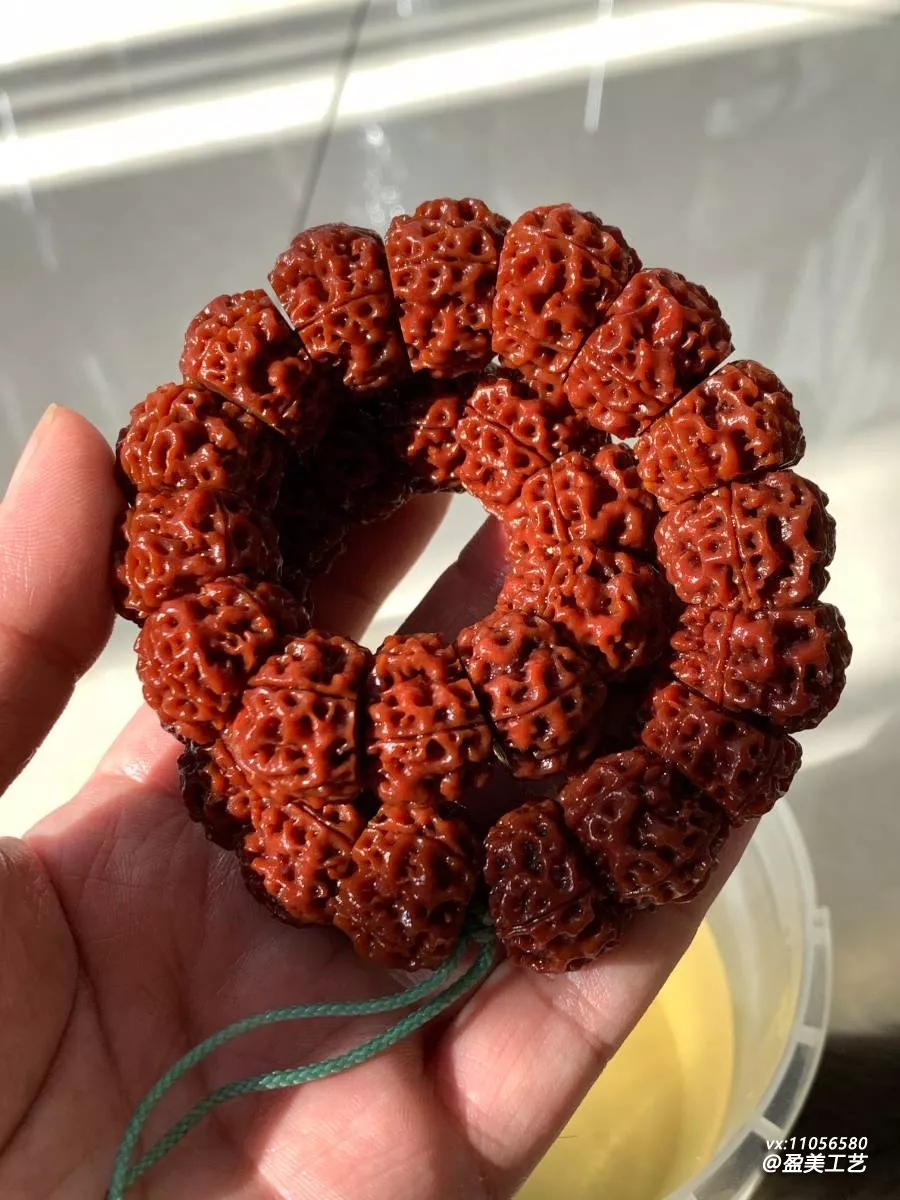
How soy-sauce brown develops
How soy-sauce brown develops: too much sweat and oil build up, and if they are not brushed off promptly, the sweat and oil oxidize on the surface and turn dark; heavy sweating and aggressive breaking-in make the salts in sweat dull the color; applying oil to speed up color also causes the oil to oxidize into a soy-sauce tone. If it turns soy-sauce brown, it is mostly because sweat and oil were not handled in time.
How to avoid soy-sauce brown
How to avoid soy-sauce brown: always brush after breaking-in, remove sweat and oil promptly, and do not let them accumulate on the surface; control the pace of breaking-in and avoid heavy sweating and aggressive handling; do not apply oil, because oil is the easiest way to end up with soy-sauce brown. Stick to these three rules and the color will not drift toward soy-sauce brown.
How to fix soy-sauce brown after it appears
How to fix soy-sauce brown after it appears: stop breaking-in, brush more often, and remove some of the oxidized layer from the surface; put the mala in a sealed bag for a few days to let the sweat and oil absorb; then resume the combination of breaking-in and brushing to slowly bring the color back. If your Rudraksha (large) has turned soy-sauce brown, chances are this step was not done properly. Adjust in time and the color can still be restored.
Soy-sauce brown is a common mishap on the breaking-in journey. The causes are just those few. Identify and correct them in time, and the color can still be restored. Do not give up.