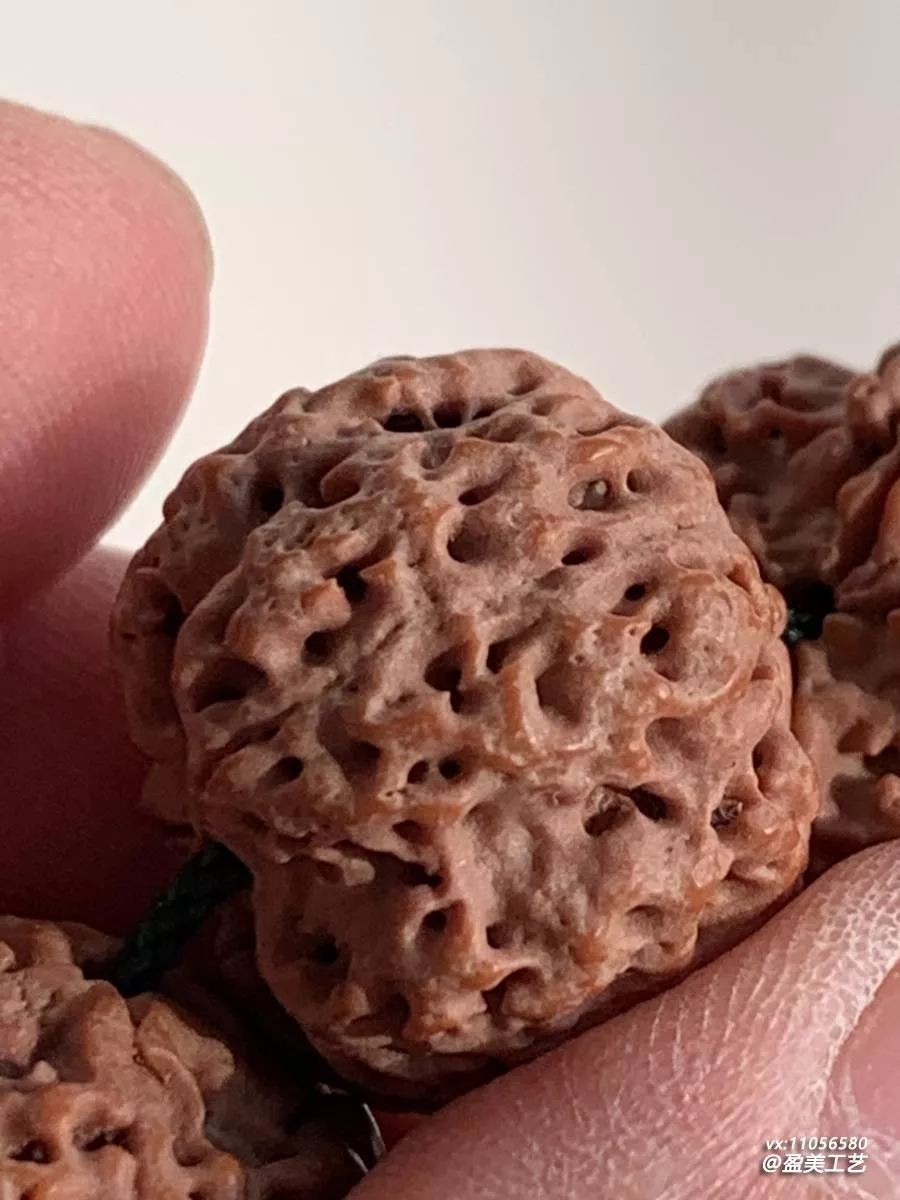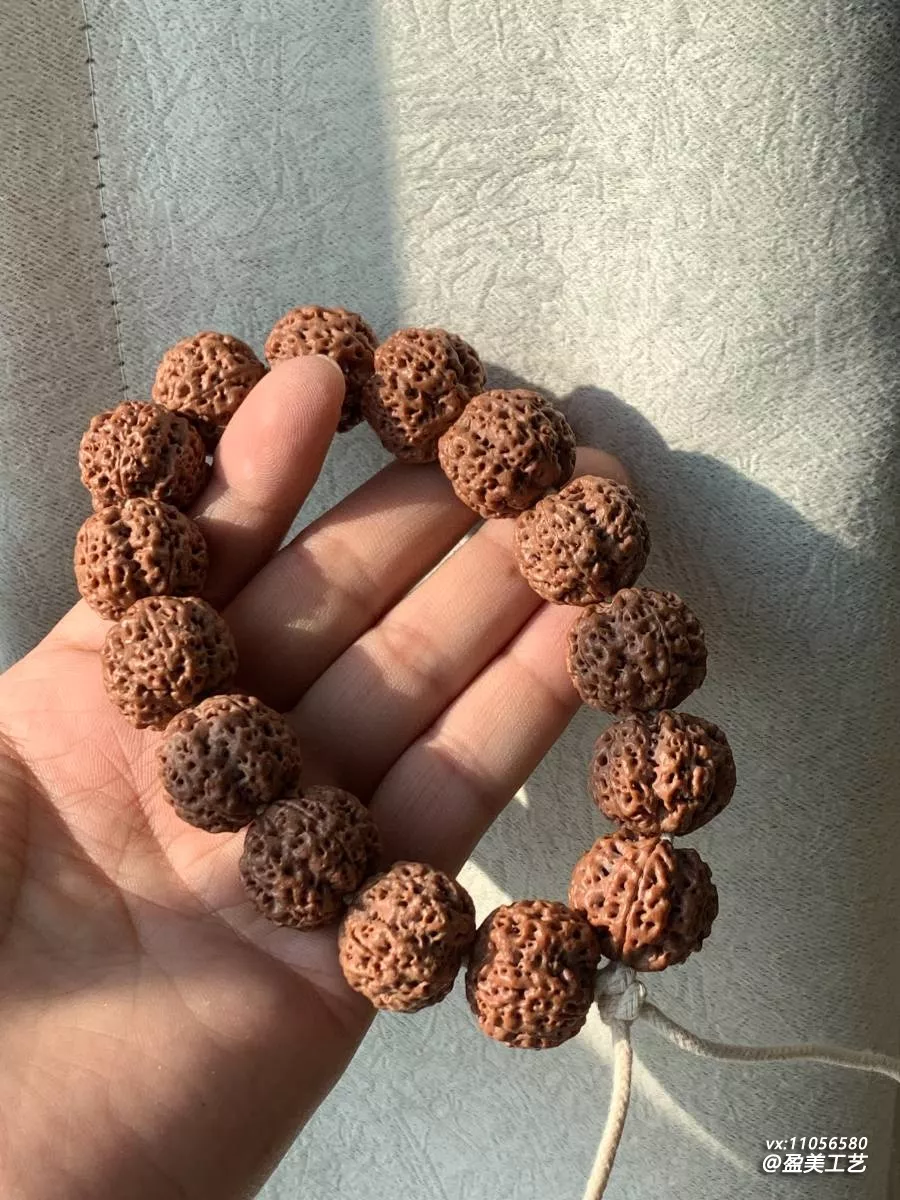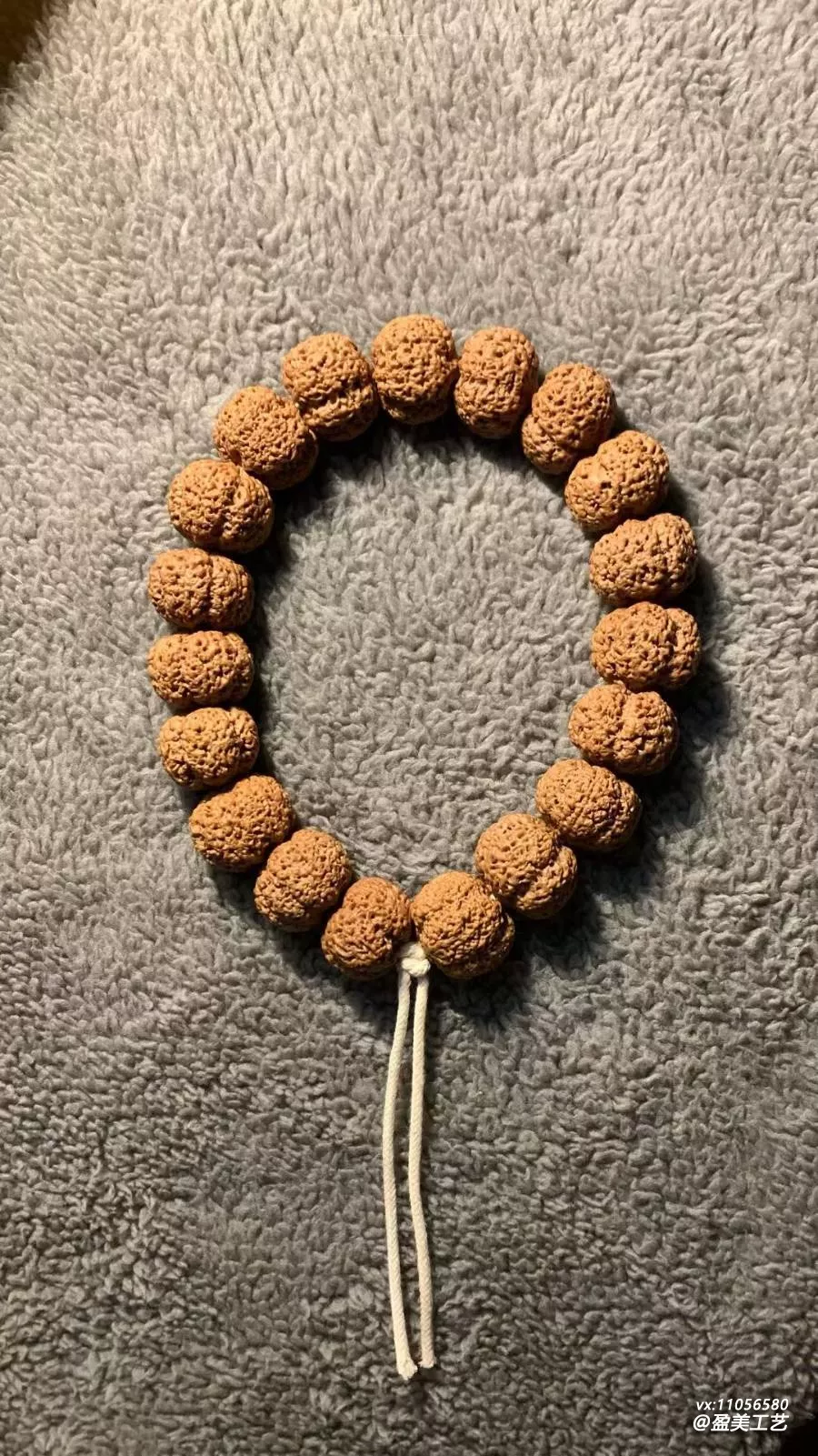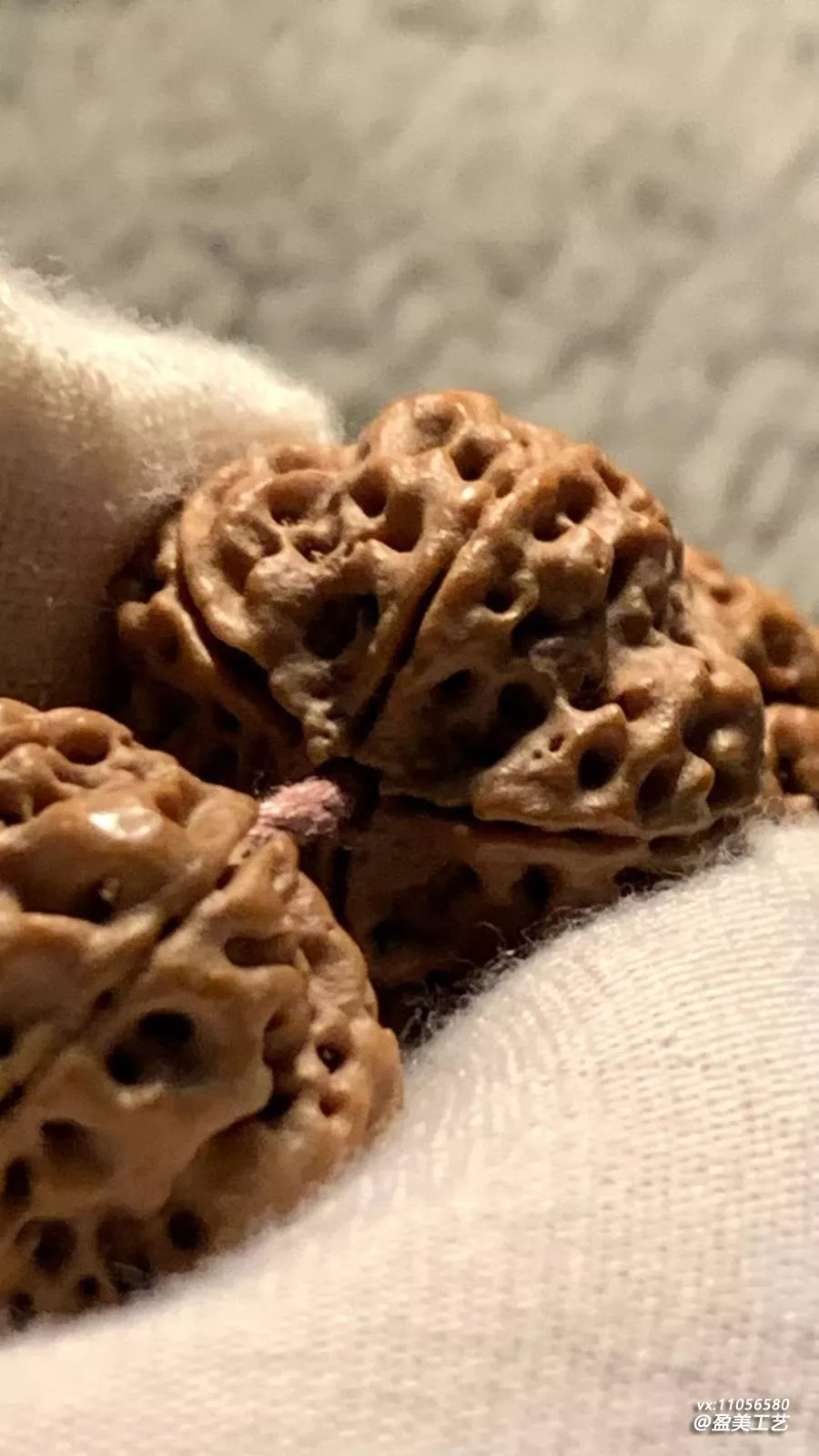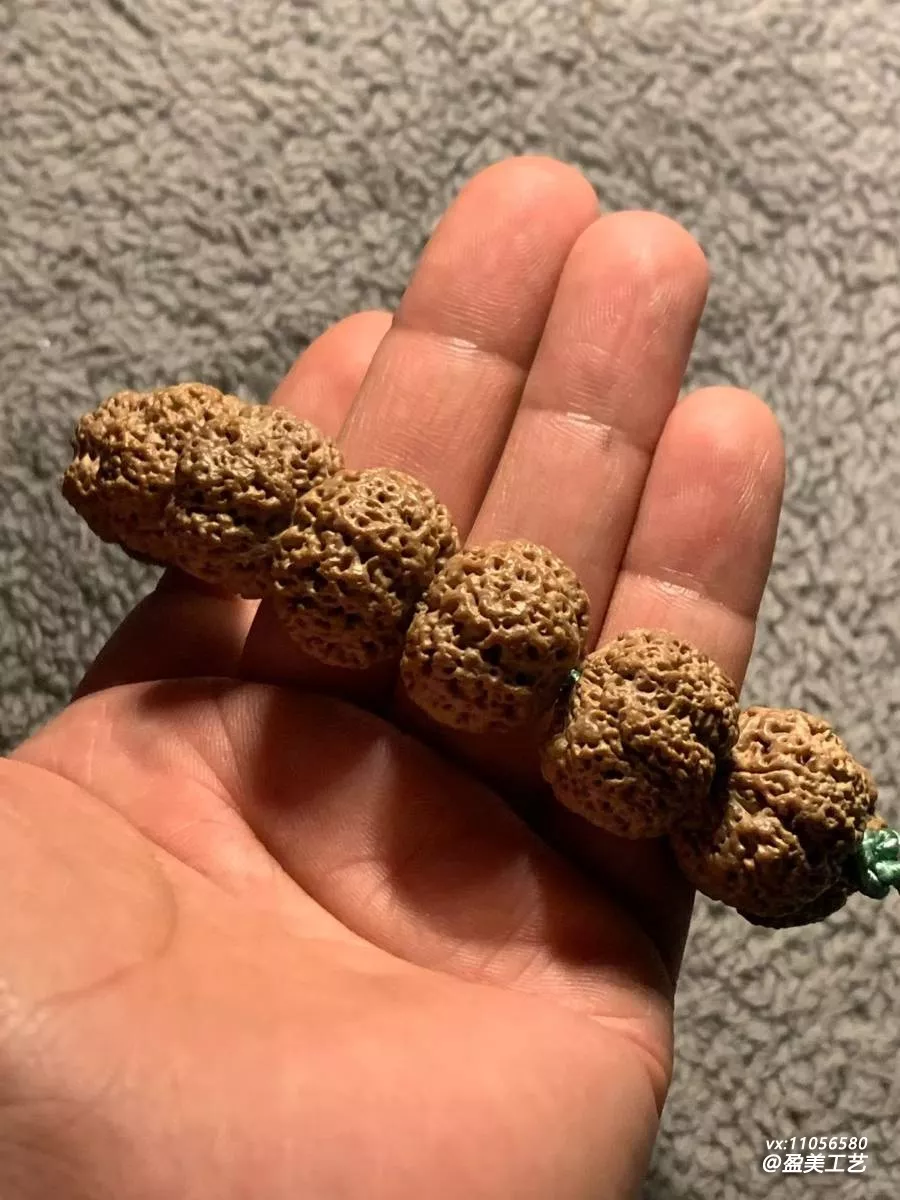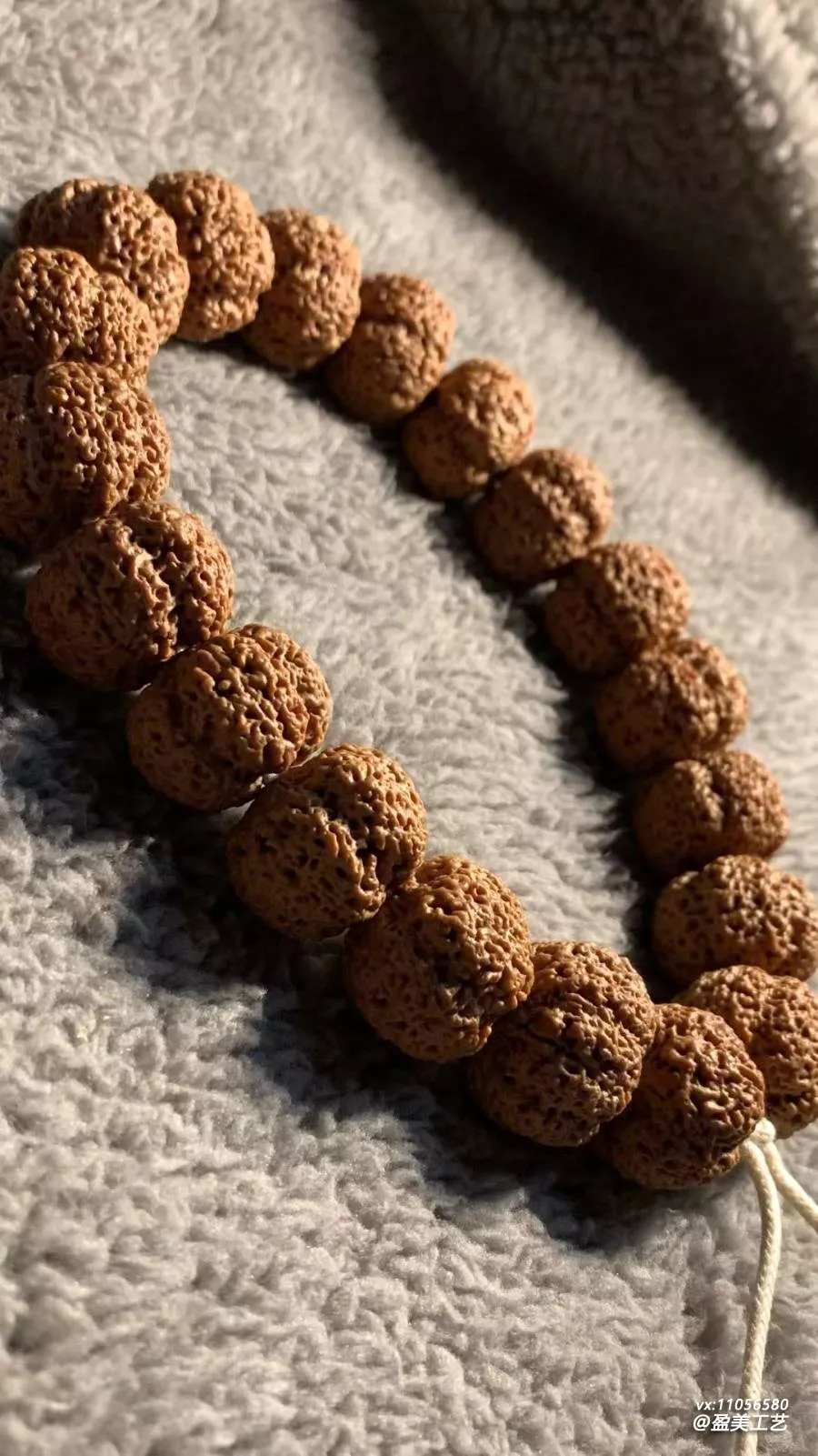
What does Oxford red look like? Once you've broken in a large Rudraksha to this stage, you'll understand. People often talk about Oxford red—what does it actually look like? A long written description is no match for a photo, but without a photo, if you fully understand the characteristics, you'll be able to recognize it too. Once you've broken it in to this stage, you'll naturally understand.
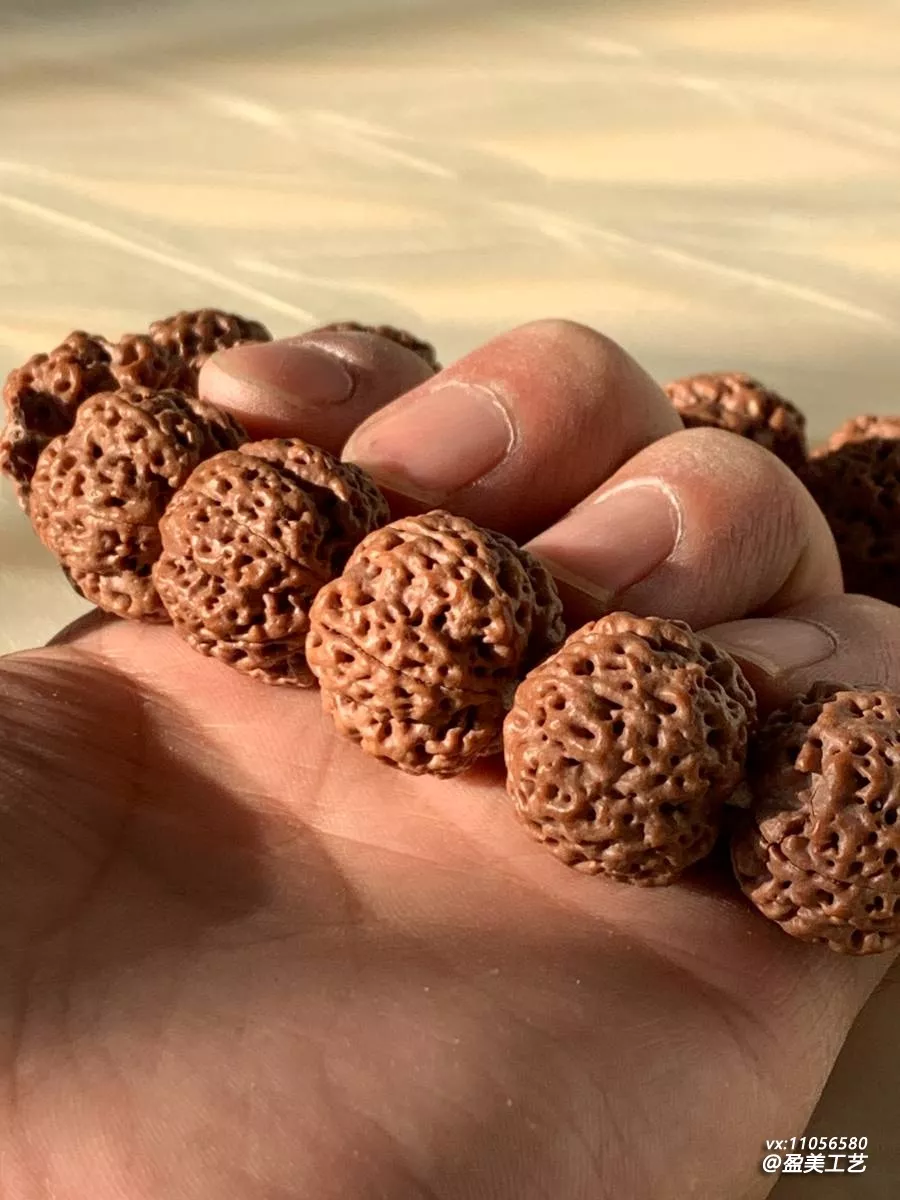
The look of Oxford red
The look of Oxford red: the color is a rich, luminous red, like the red of Oxford cloth, with a sheen of oil, understated and not flashy. It is different from dyed red—dyed red is only on the surface, while Oxford red comes from the color of the bead itself shining through, looking natural and full of texture.
Signs that you've broken it in to Oxford red
Signs that you've broken it in to Oxford red: the overall color is reddish-brown with brightness, and the color in the crevices matches the surface with no discrepancy; it feels smooth and oily to the touch, and the patina has already formed; in sunlight it looks luminous and glossy, not dull or dark.
How to tell whether you've reached it
How to tell whether you've reached it: compare it under natural light—if the color is rich, luminous red, you've reached it; you can also take photos to record it and compare with the color from a few months ago, and the change will be obvious at a glance. What does Oxford red look like? Once you've broken in a large Rudraksha to this stage, you'll understand—luminous color, even overall tone, and an oily gloss: when all three match, that's Oxford red.
Oxford red is the target color for many players. Rather than envying others' malas, it's better to follow the method and break in your own mala to that stage—then you can have it too.