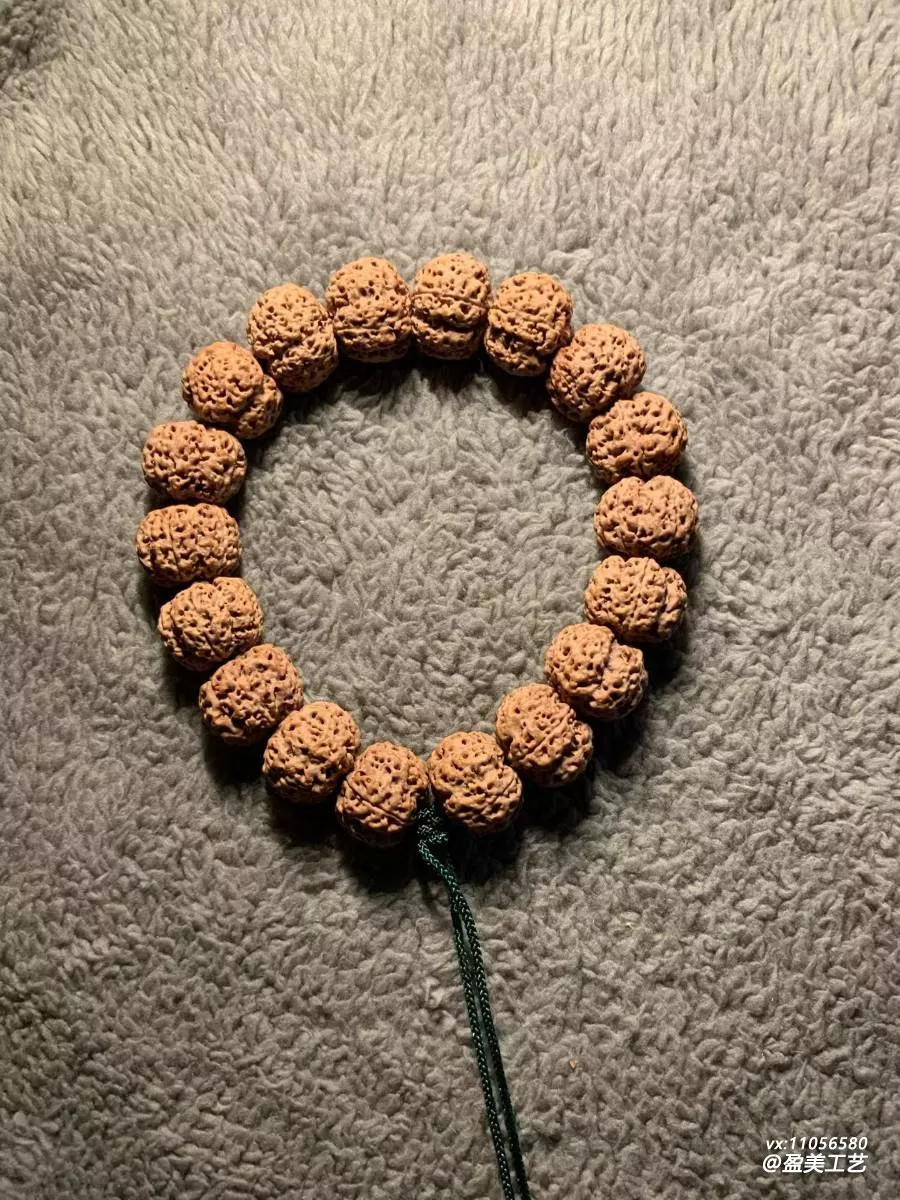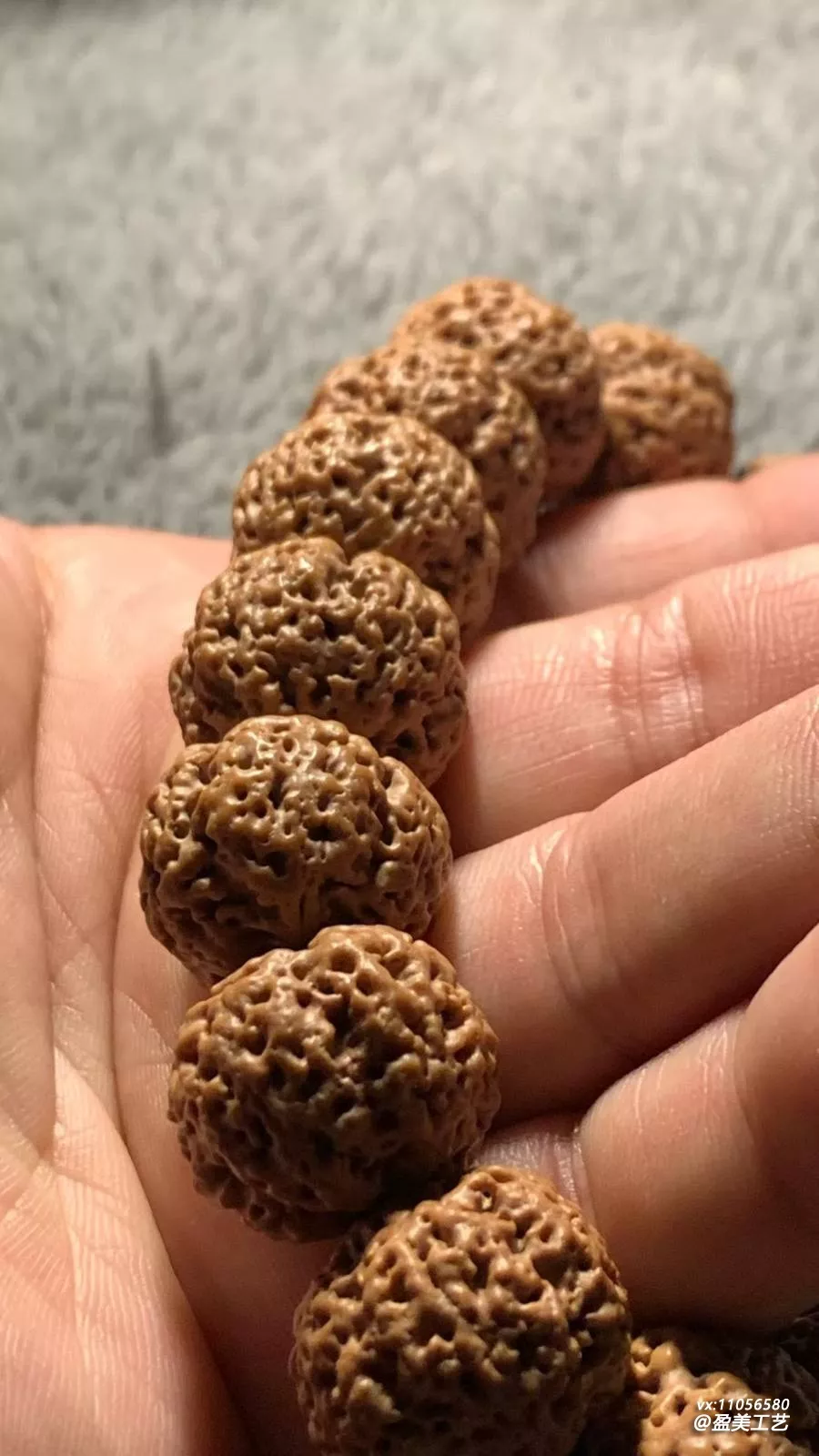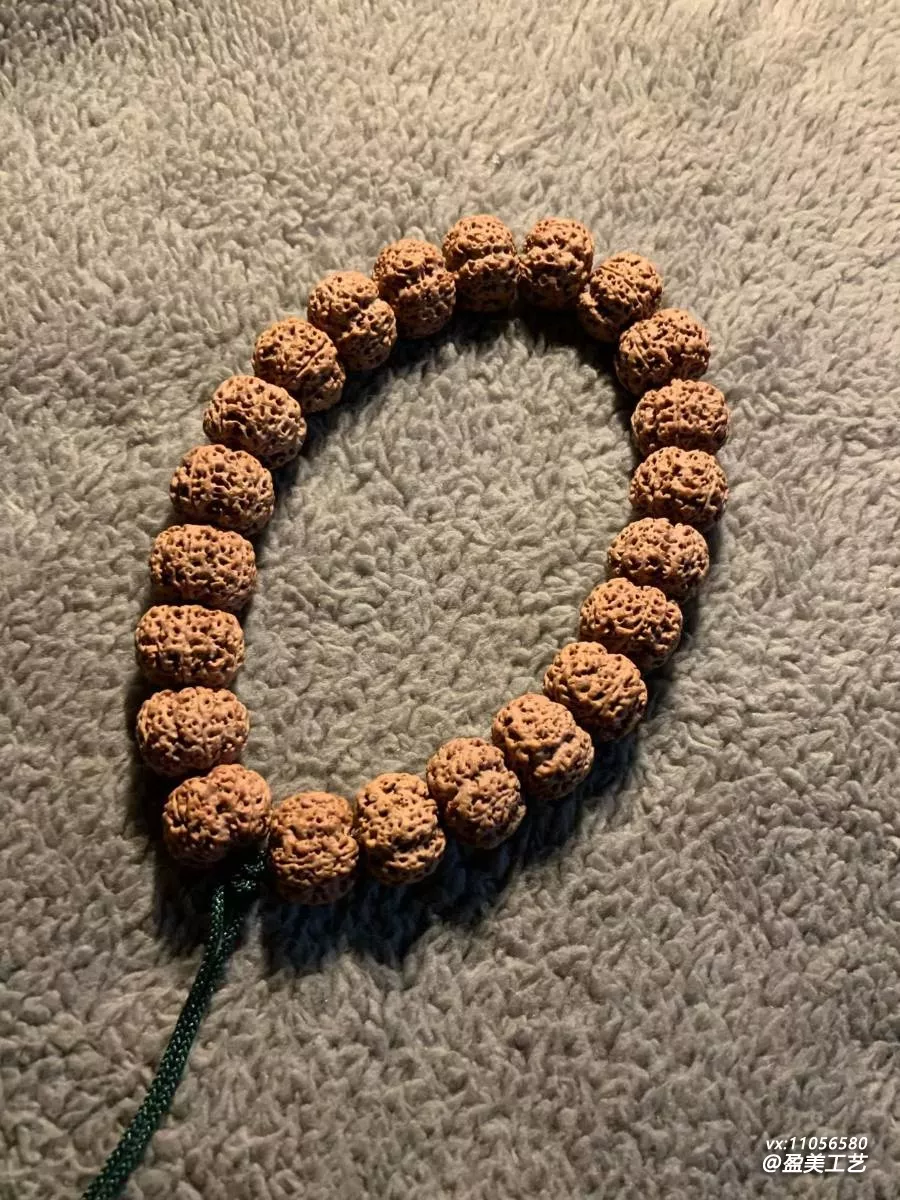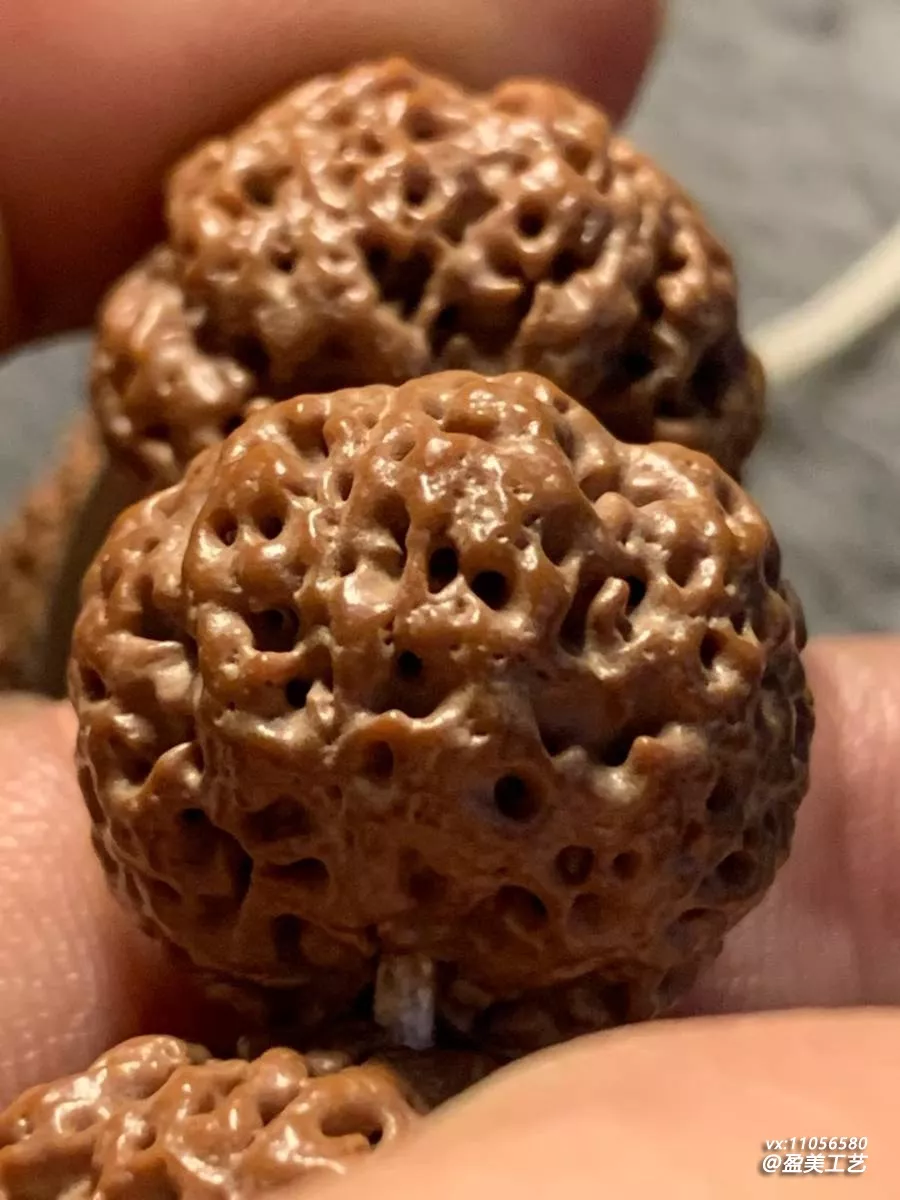
How to judge the oiliness of the Old Tree King 108? For 108 beads, oiliness should be assessed both as a whole and individually. A 108-bead mala with sufficient oiliness will become translucent and bright throughout after the breaking-in (patina process). How to judge oiliness? The methods are explained clearly.
Observe the overall luster
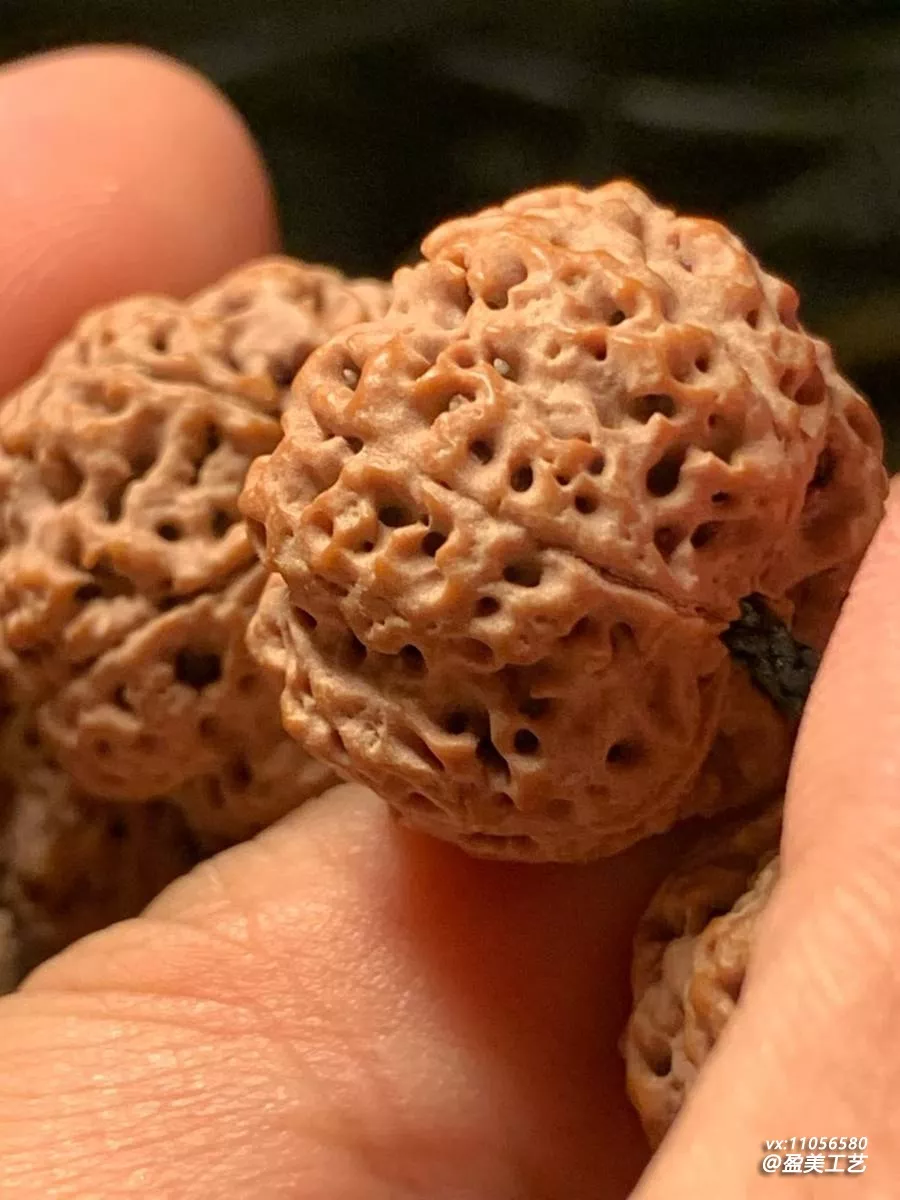
To judge oiliness, first look at the luster of the entire mala. When 108 beads are placed together, a mala with sufficient oiliness will have a moist, oily luster on its overall surface, like a thin layer of light coating; a mala with poor oiliness will look dry and rough, with a dull luster. Viewing the entire mala under natural light, a bright, moist, and translucent appearance indicates good oiliness, while a dry and dull appearance indicates poor oiliness. The overall quality can be distinguished at a glance.
Spot-check individual beads
To judge oiliness, next spot-check individual beads. Out of 108 beads, pick a few to touch. Beads with sufficient oiliness will feel moist and smooth to the touch; beads with poor oiliness will feel dry and rough. If the spot-checked beads have good oiliness, the oiliness of the entire mala is usually not bad; if the spot-checked beads have poor oiliness, the entire mala is questionable. By spot-checking a few beads, you will have a good idea of the oiliness.
Verify through breaking-in (patina process)
To judge oiliness, it also relies on verification through the breaking-in (patina process). A 108-bead mala with sufficient oiliness will color quickly and develop a bright patina over a period of breaking-in; one with poor oiliness will change slowly even after a long time. How to judge the oiliness of the Old Tree King 108? By combining three methods—observing overall luster, spot-checking individual beads, and verifying through the breaking-in (patina process)—the quality of the oiliness will be clear. Once the oiliness is accurately judged, your choice of the 108-bead mala will be a worthwhile investment.