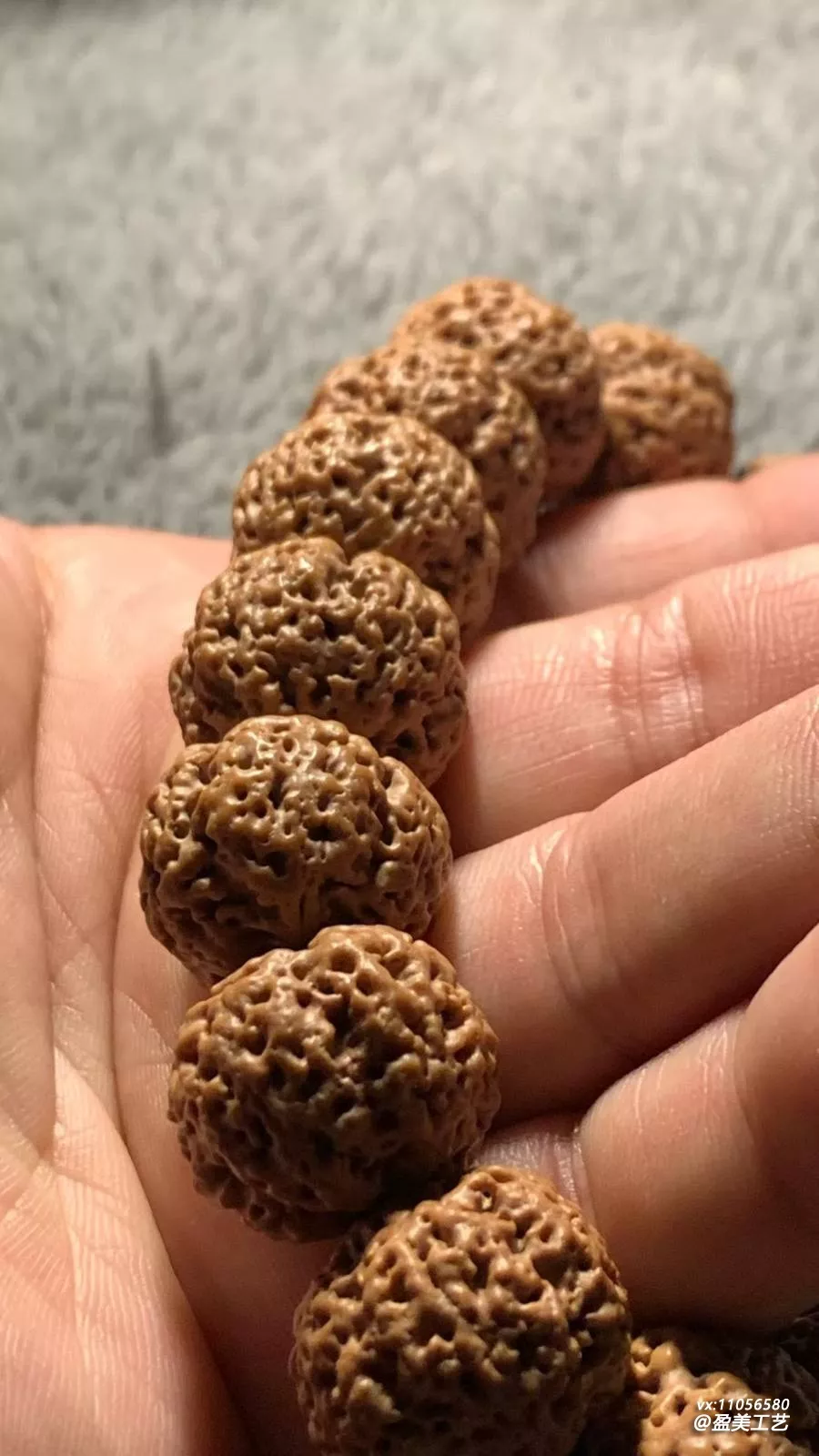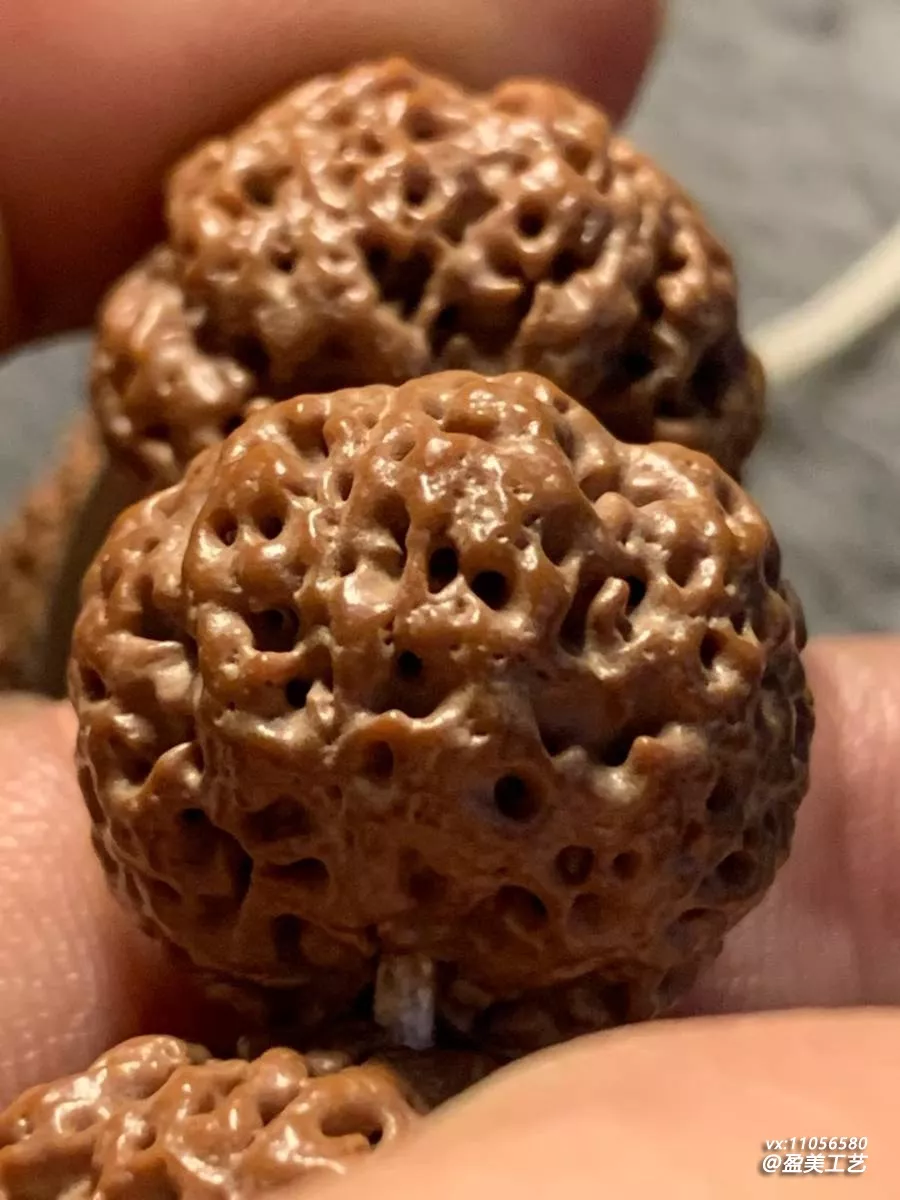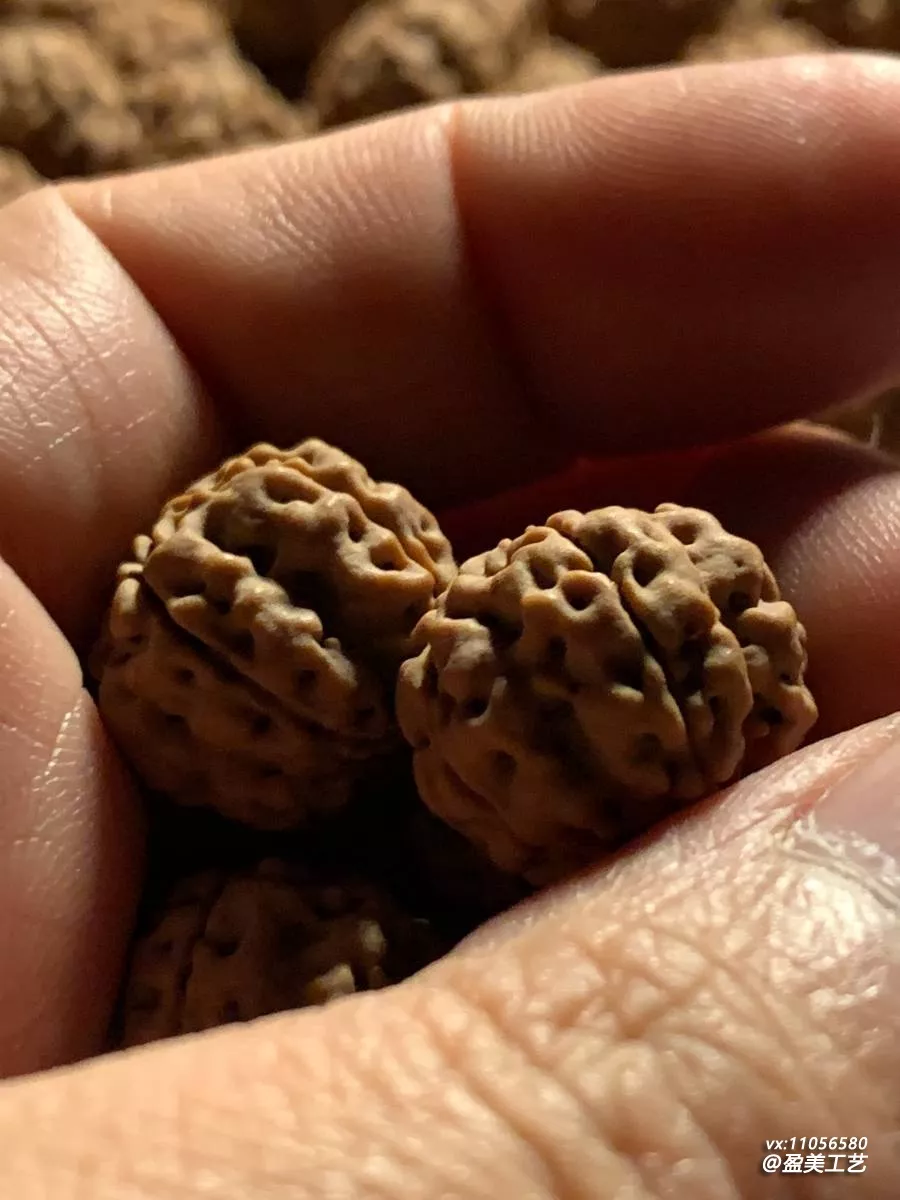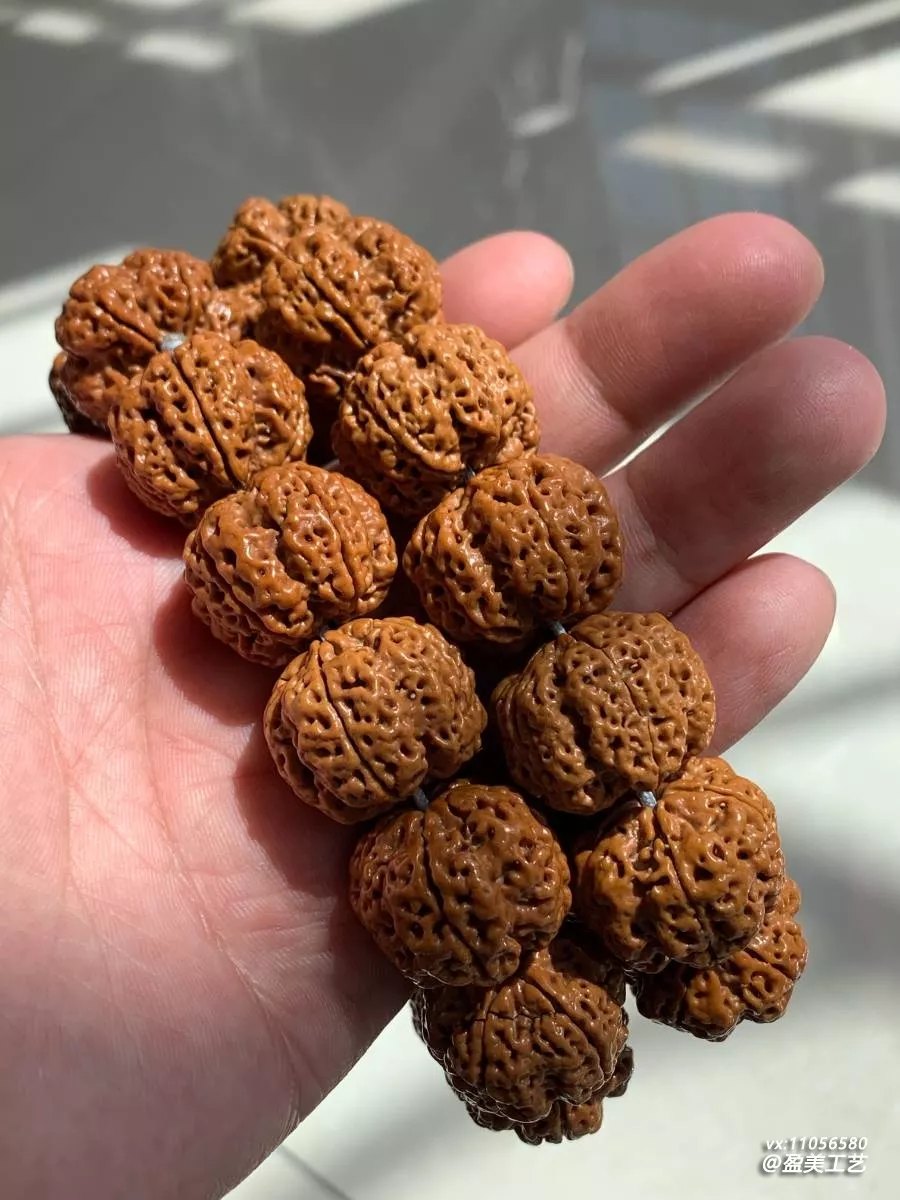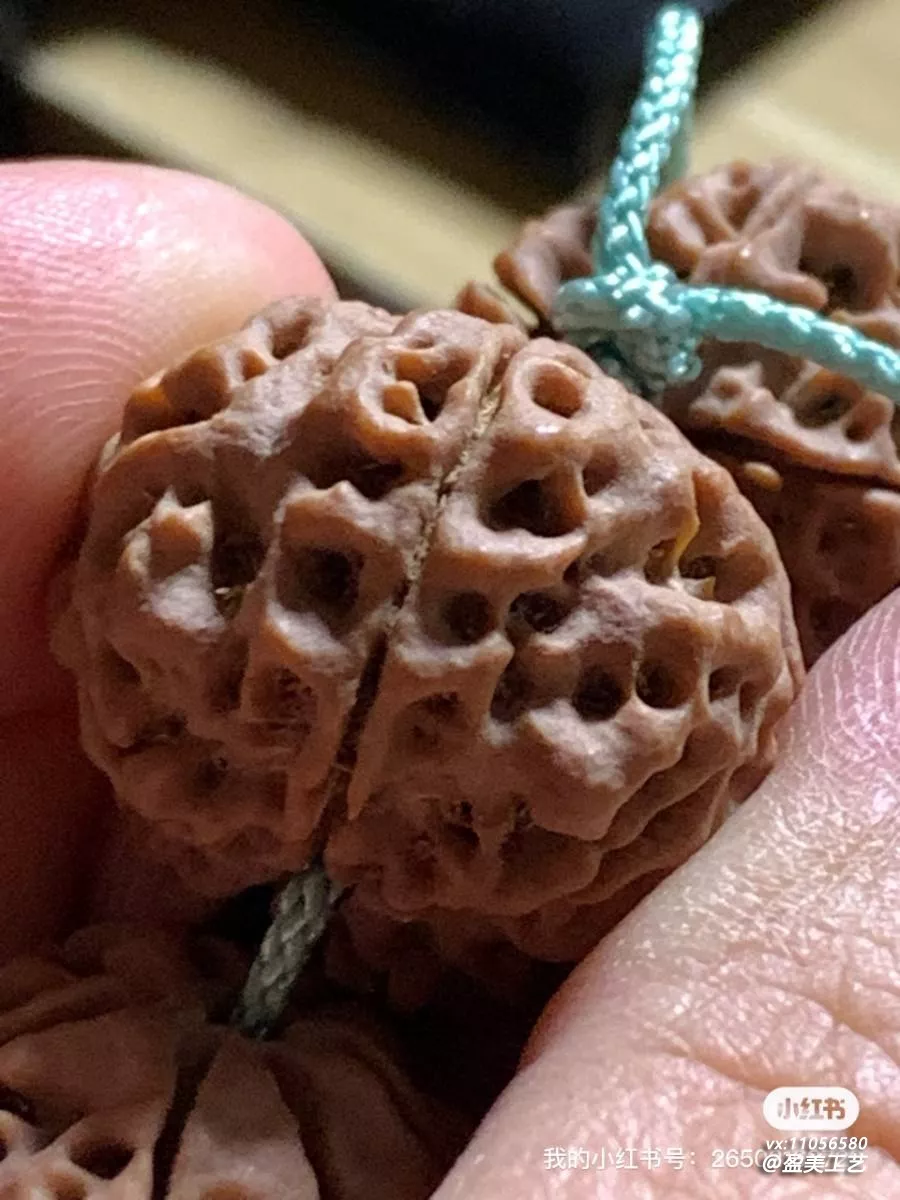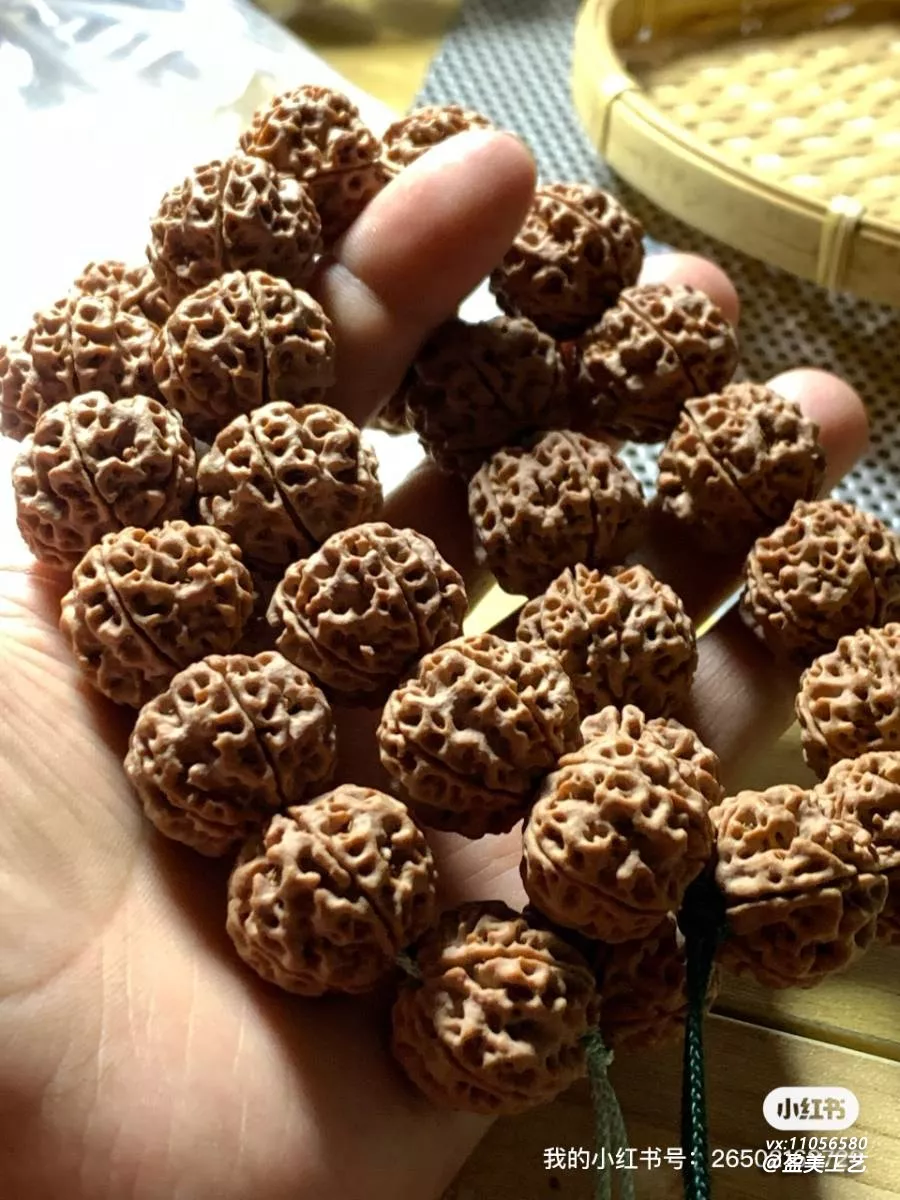
Do not rush to play — get past the base work first on a flat-fine single loop. A new string in hand makes anyone itch to play it; that is only human. But on a flat-fine single loop the base work is a gate you must pass before playing. Start before the base is done and the string will not come out well, and regret comes too late.
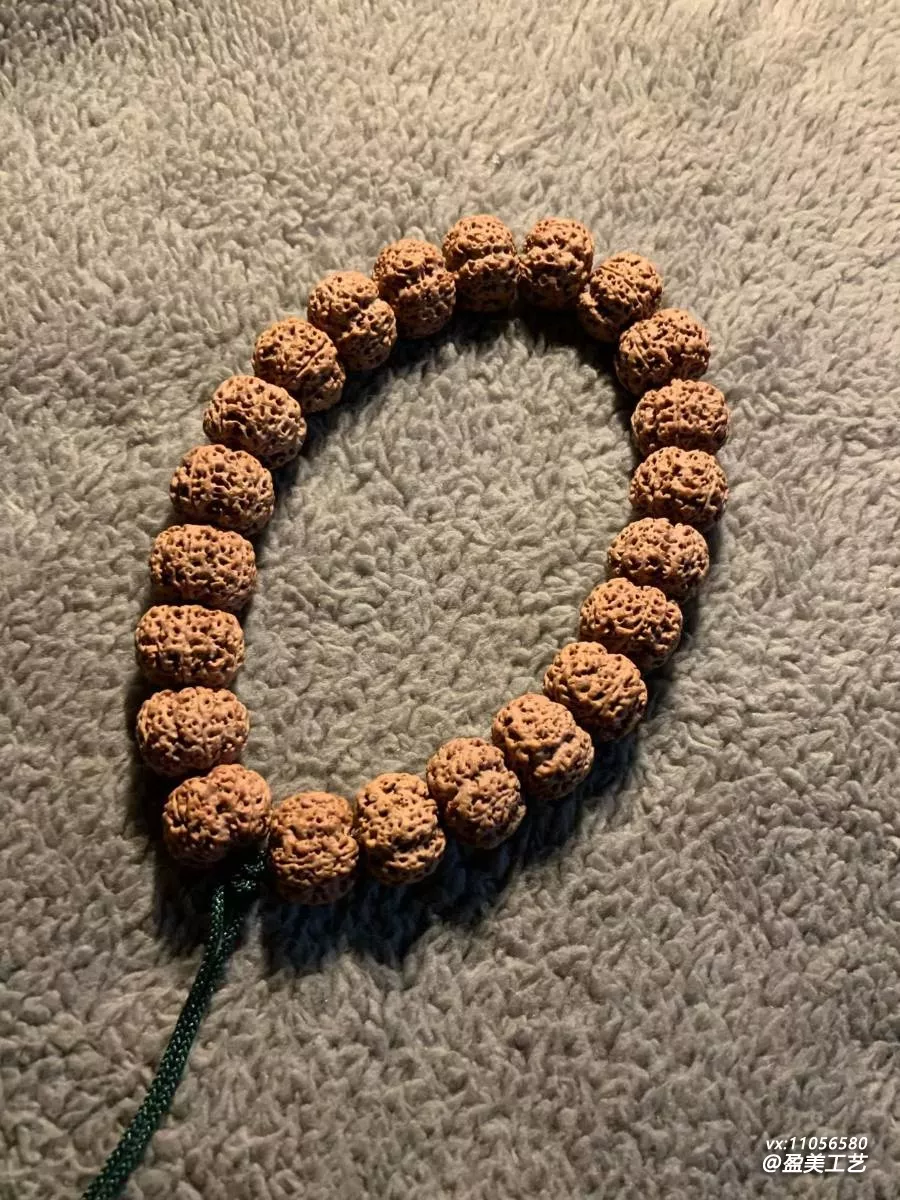
Why base work comes first
Why first? Base work builds the string's foundation: it clears fruit residue and bloom from the crevices and brushes a gloss onto the surface. With the base done the string plays smoothly and the patina comes out translucent; with the base undone the crevices stay clogged with dirt, the patina turns muddy as you play and the colour goes dull. Flat-fine seeds are small with dense crevices, so base work matters even more — this gate cannot be skipped.
How to pass the base work
How do you pass it? Hard brush for the crevices, soft brush to polish, one to two hours a day for one or two months. Flat-fine crevices are dense, so brush along the grain and do not rush; where the bloom is stubborn, brush a few more days and be patient. The standard for a finished base: crevices clean and surface glossing. Reach that and the gate is passed. Do not rush to play — finish the base first.
Play only after that
After passing, then start playing. With the base worked through, playing goes smoothly, colour takes evenly and the patina turns translucent. Do not rush to play: pass the base work on a flat-fine single loop first, and once that gate is behind you the string is ahead at the starting line. Sharpening the axe does not delay the woodcutting: base work is sharpening, playing is cutting, and with the blade sharp the cutting goes fast.