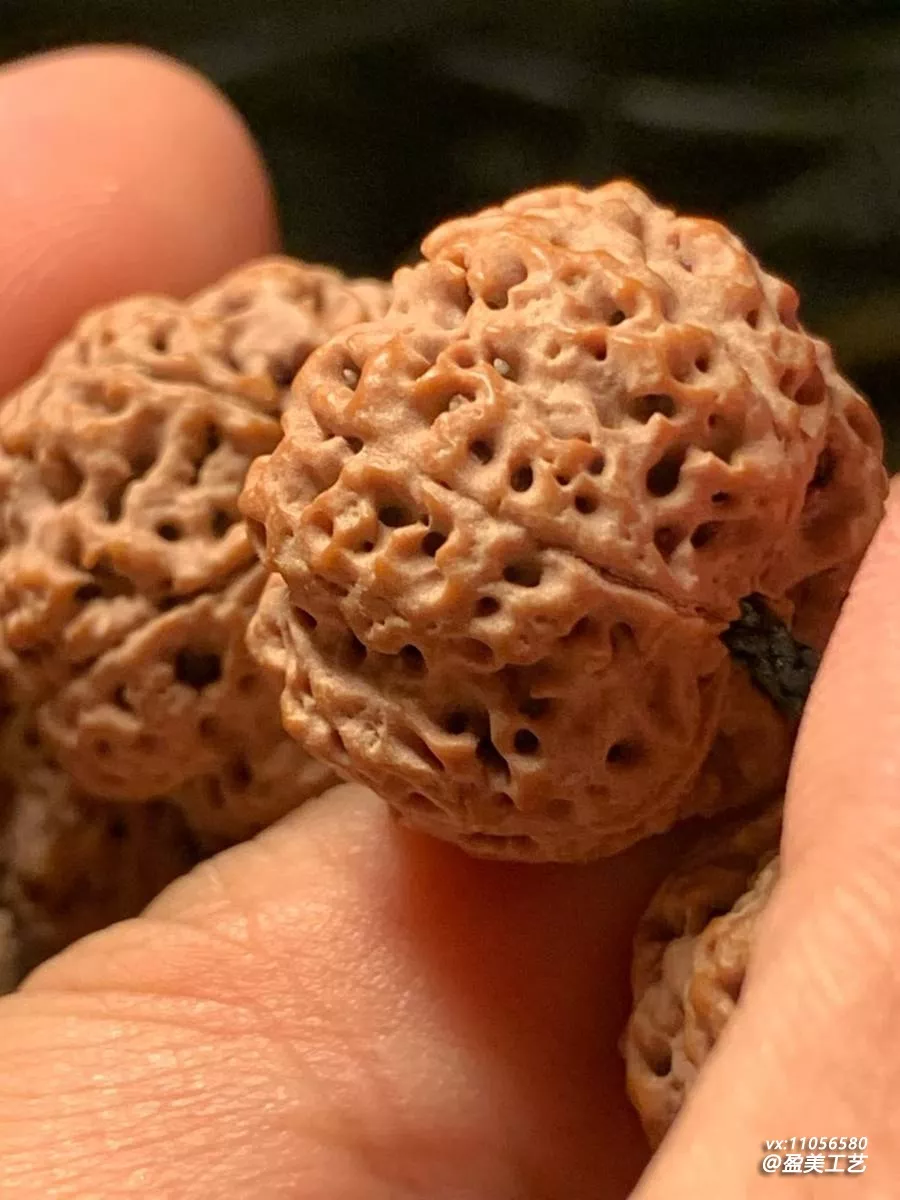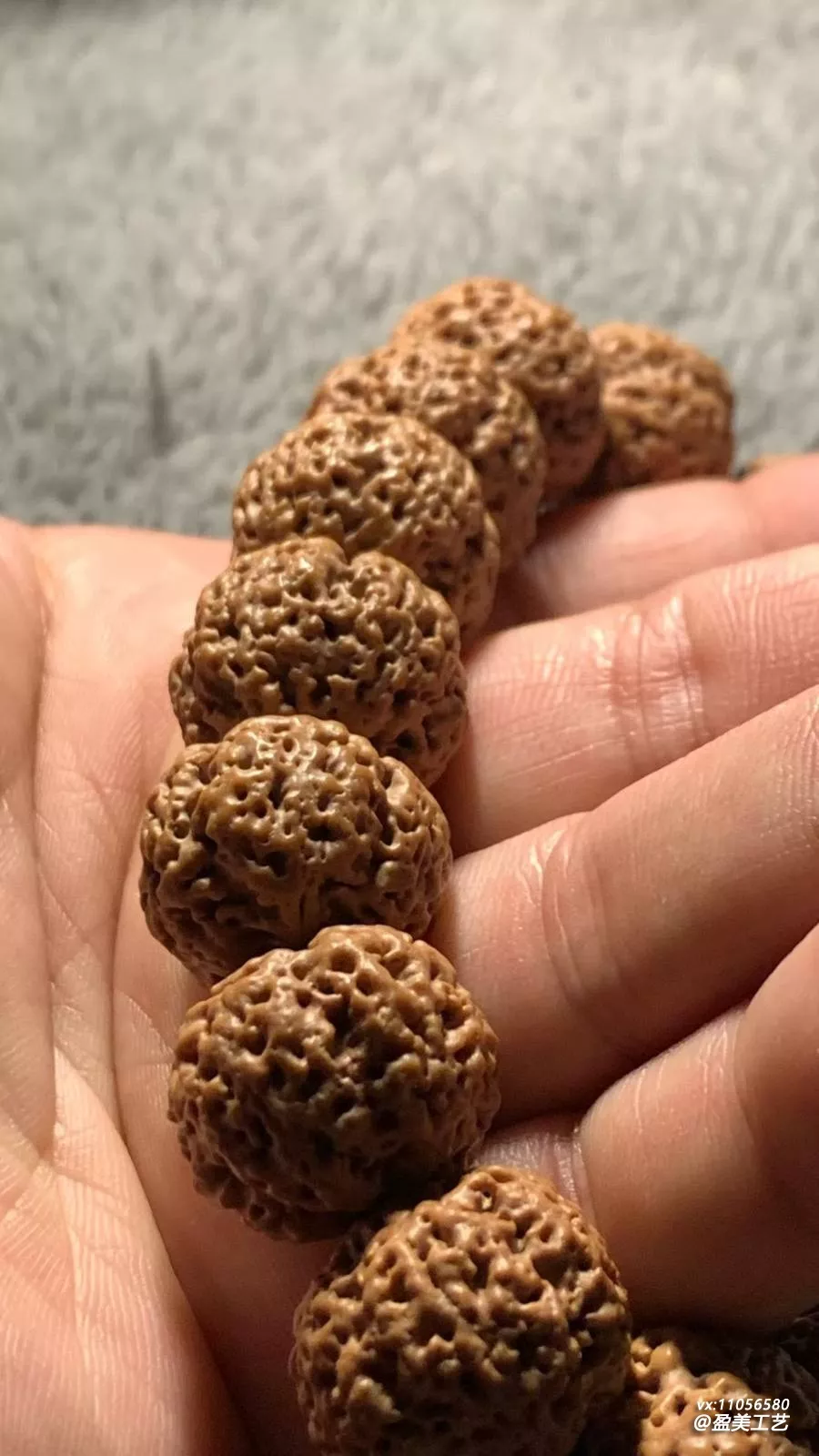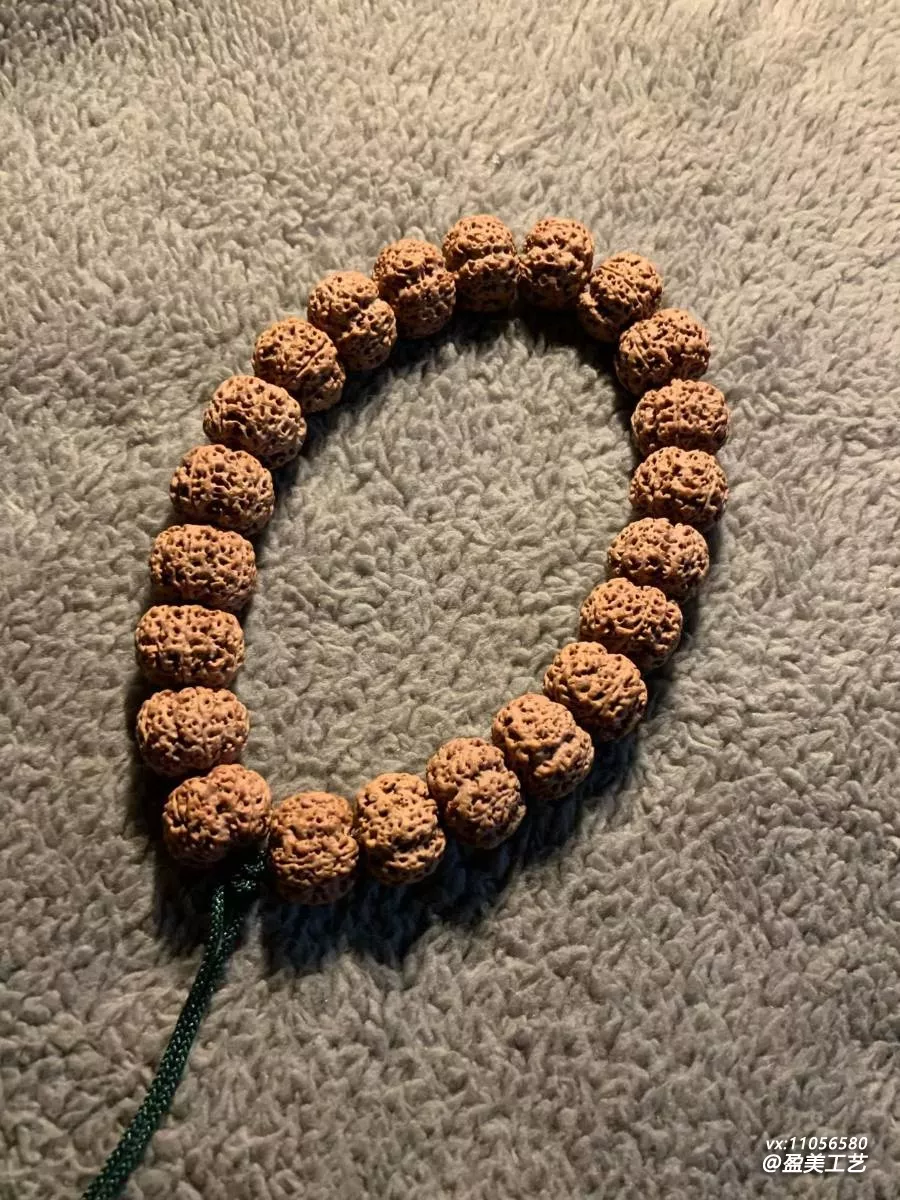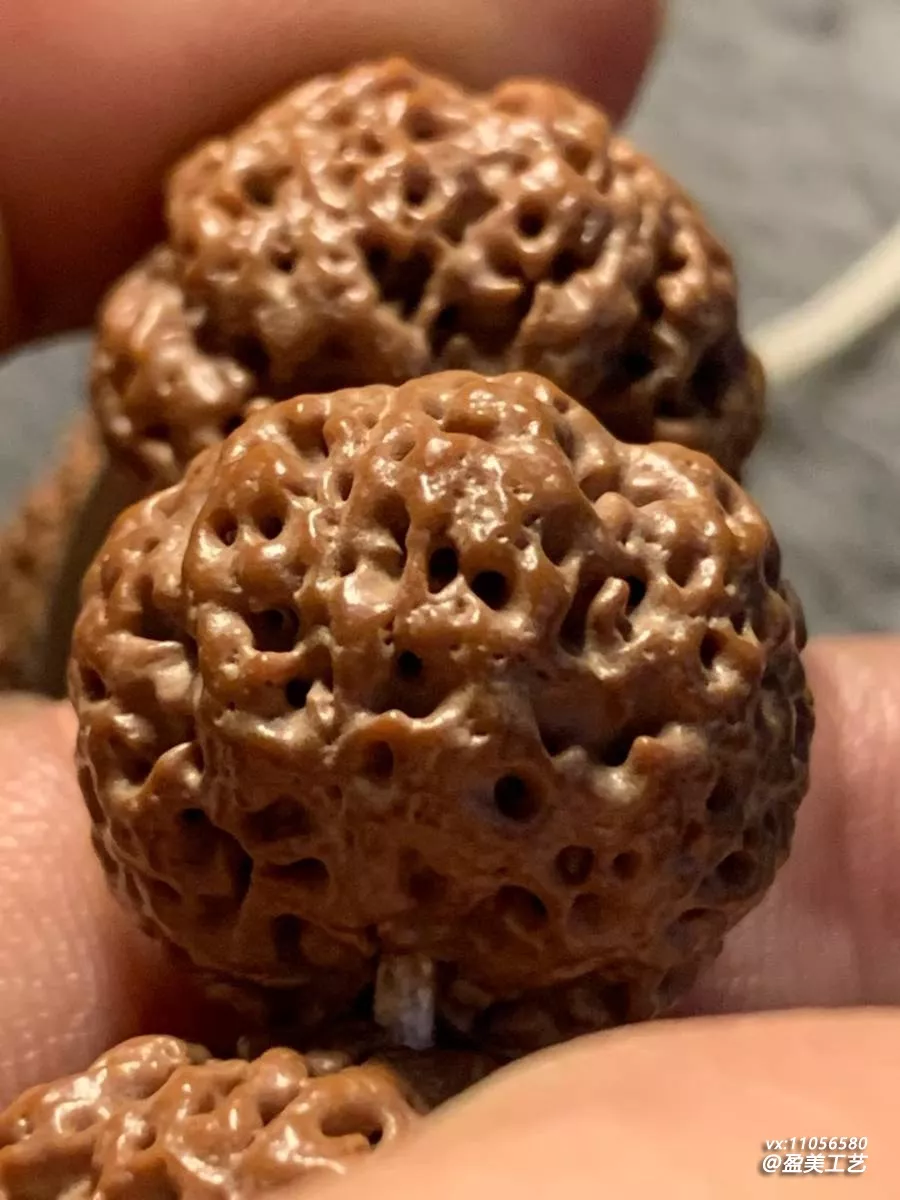
How can you tell the oiliness of a single-loop Old Tree King? Oiliness is an important indicator for judging the quality of a mala. When oiliness is sufficient, the patina comes out bright after breaking-in; when oiliness is poor, the mala feels dry during breaking-in. Once you learn to judge oiliness, you will have confidence when choosing a mala. Here is how to judge the oiliness of a single-loop Old Tree King.
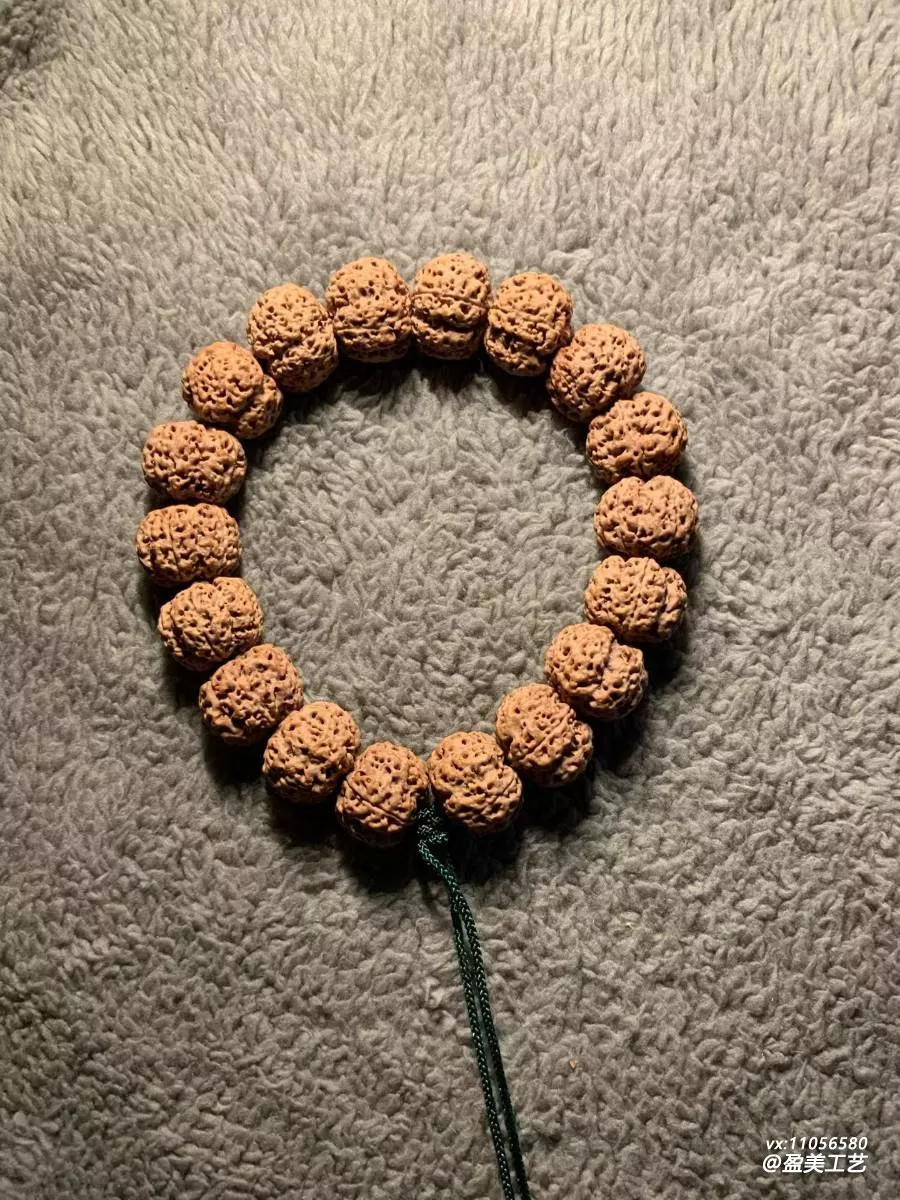
Look at the surface luster
To judge oiliness, first look at the surface luster. A mala with sufficient oiliness has a natural luster on the surface, as if coated with a thin layer of oil, bright and smooth under the light; a mala with poor oiliness has a dry, lusterless surface and feels rough. Hold the mala under natural light: if it is bright and smooth, the oiliness is good; if it is dry and rough, the oiliness is poor. You can tell at a glance.
The feel when handled
To judge oiliness, next feel it by hand. A mala with sufficient oiliness feels smooth and moist, with an oily smoothness on the hand, and after a few rounds of breaking-in it feels sleek; a mala with poor oiliness feels dry and rough, and does not handle smoothly. Feeling it by hand is the most direct impression: if the oily smoothness is strong, the oiliness cannot be poor. When feeling it, you can turn it a few times; a mala with good oiliness is clearly smoother during breaking-in.
Performance after breaking-in
To judge oiliness, also look at performance after breaking-in. A mala with sufficient oiliness develops color quickly after being handled for a while, and the patina brightens quickly; a mala with poor oiliness remains dry even after being handled for a long time. To judge a mala's oiliness, combine surface luster, hand feel, and breaking-in performance; then the quality of the oiliness becomes clear. How do you judge the oiliness of a single-loop Old Tree King? Judge these three things well, and you will have no worries when choosing a mala.