Appreciation of a Cherished Mala
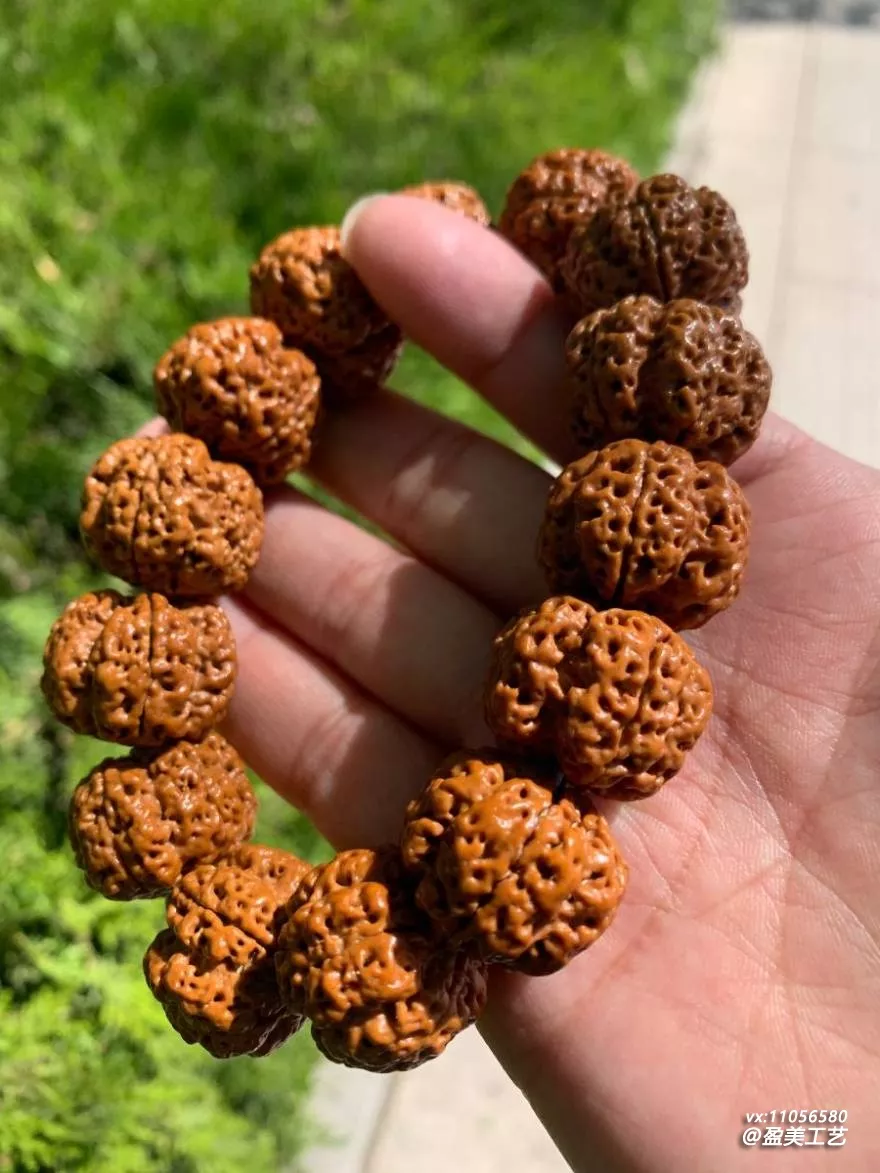
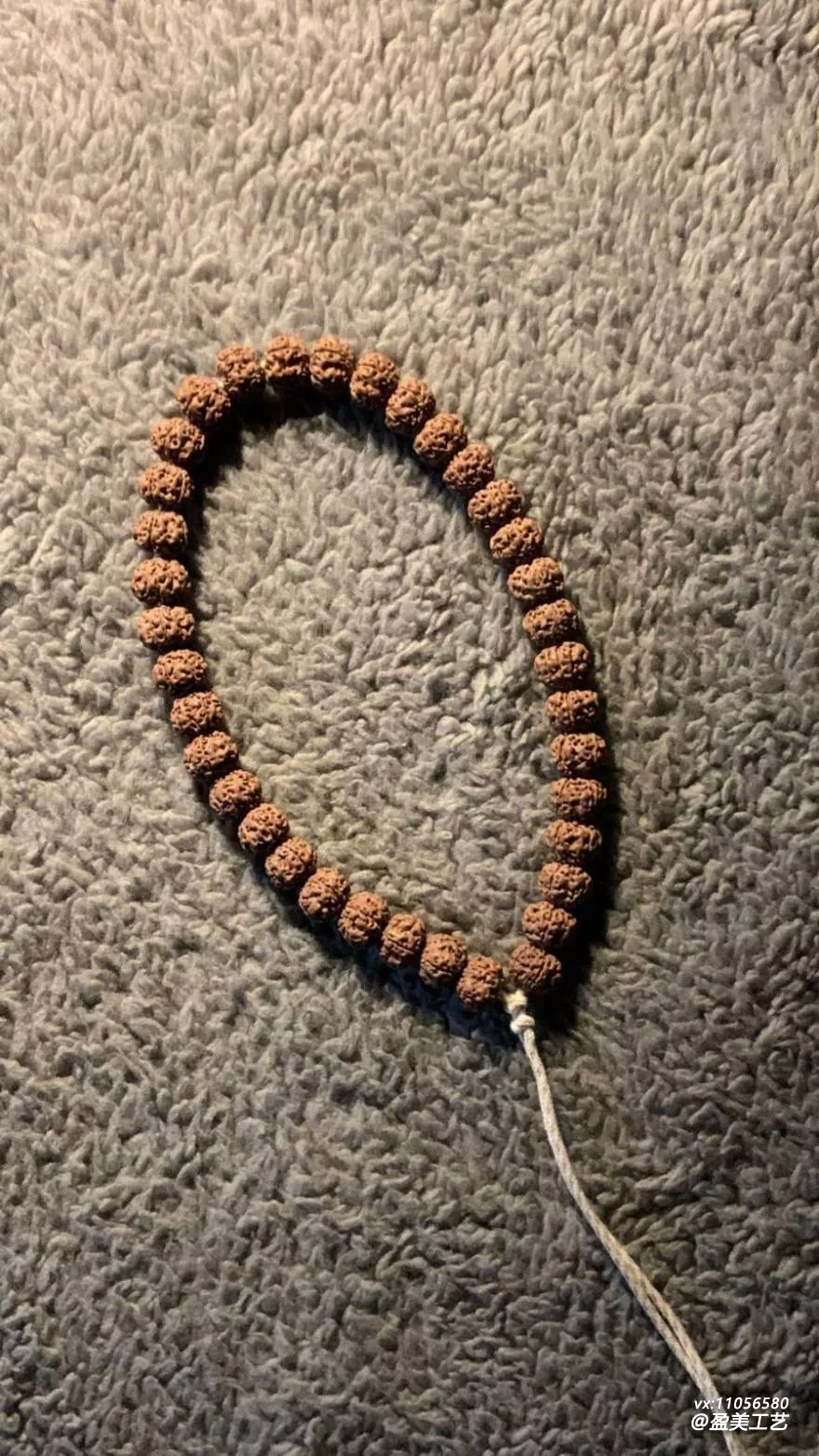
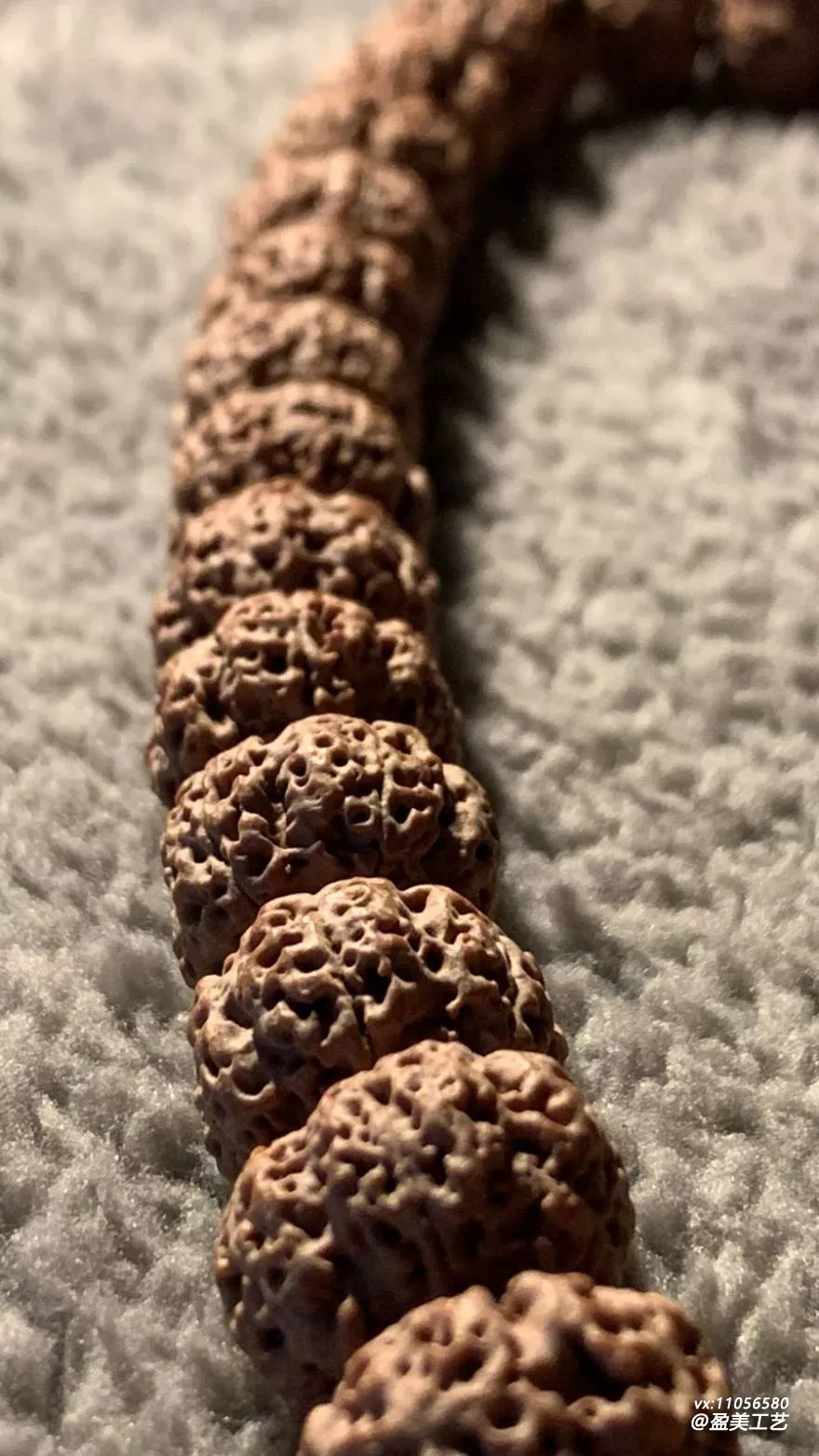
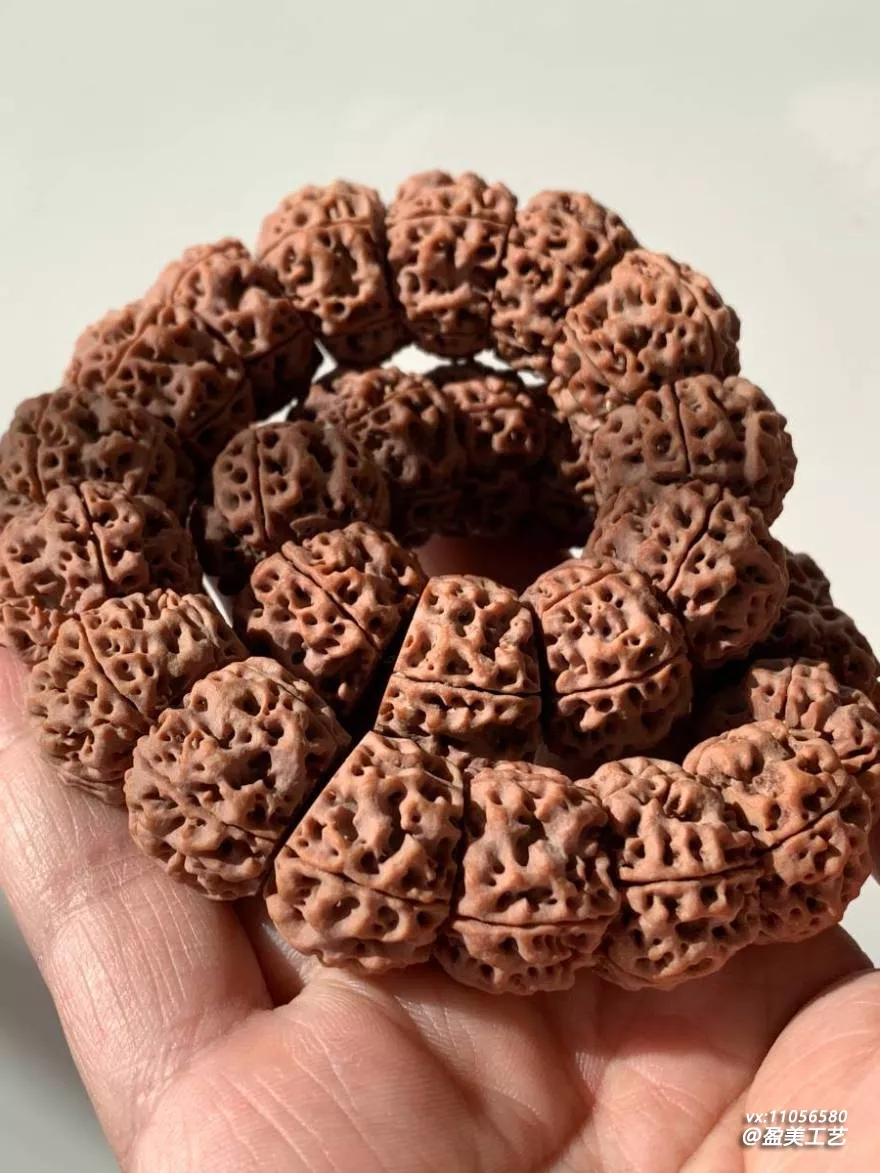
Having played with Rudraksha for so long, the one I feel most attached to is this mala in my hand. Nothing much to do today, so I took it out and shot a few photos to show everyone its current state.
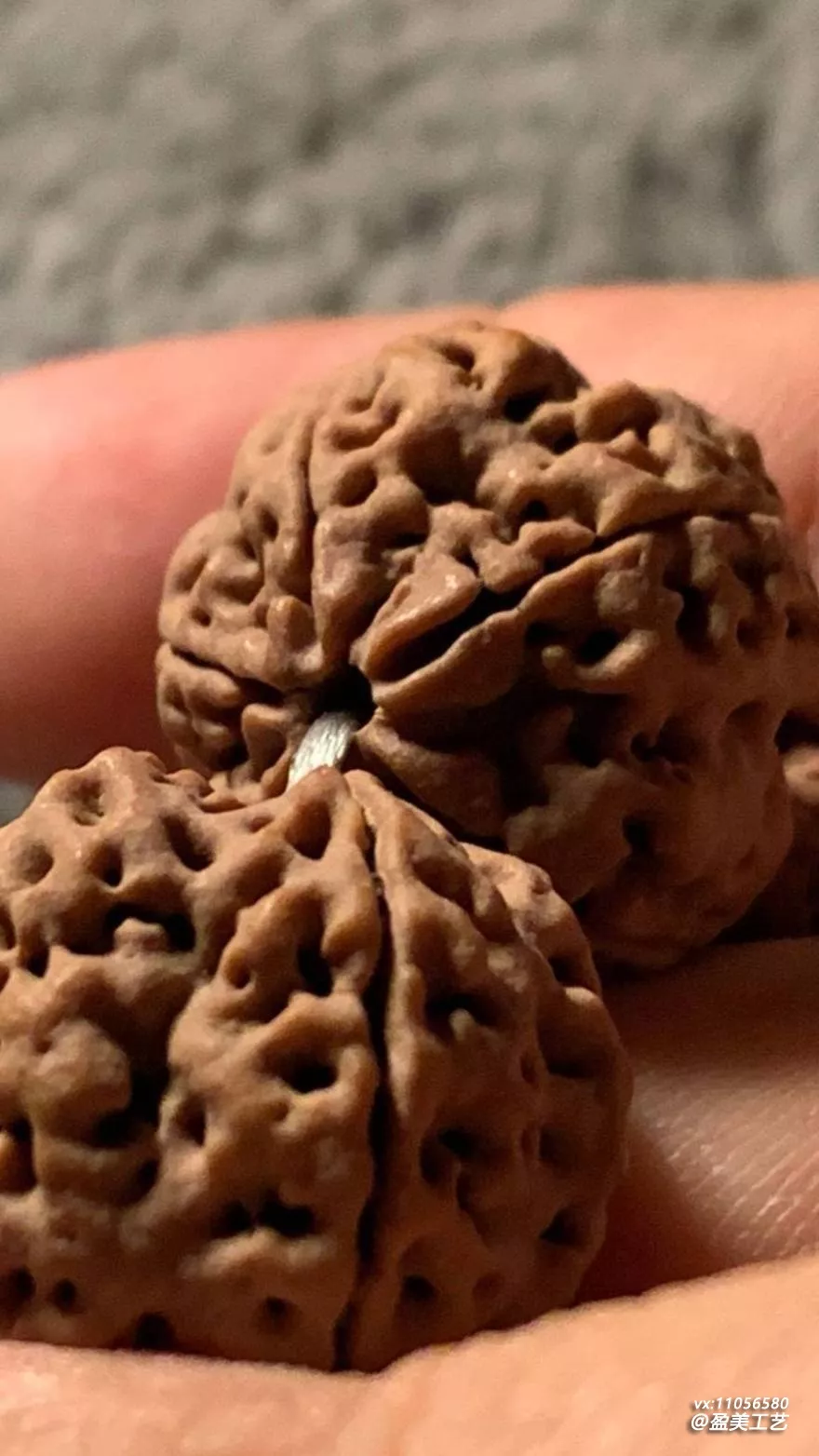
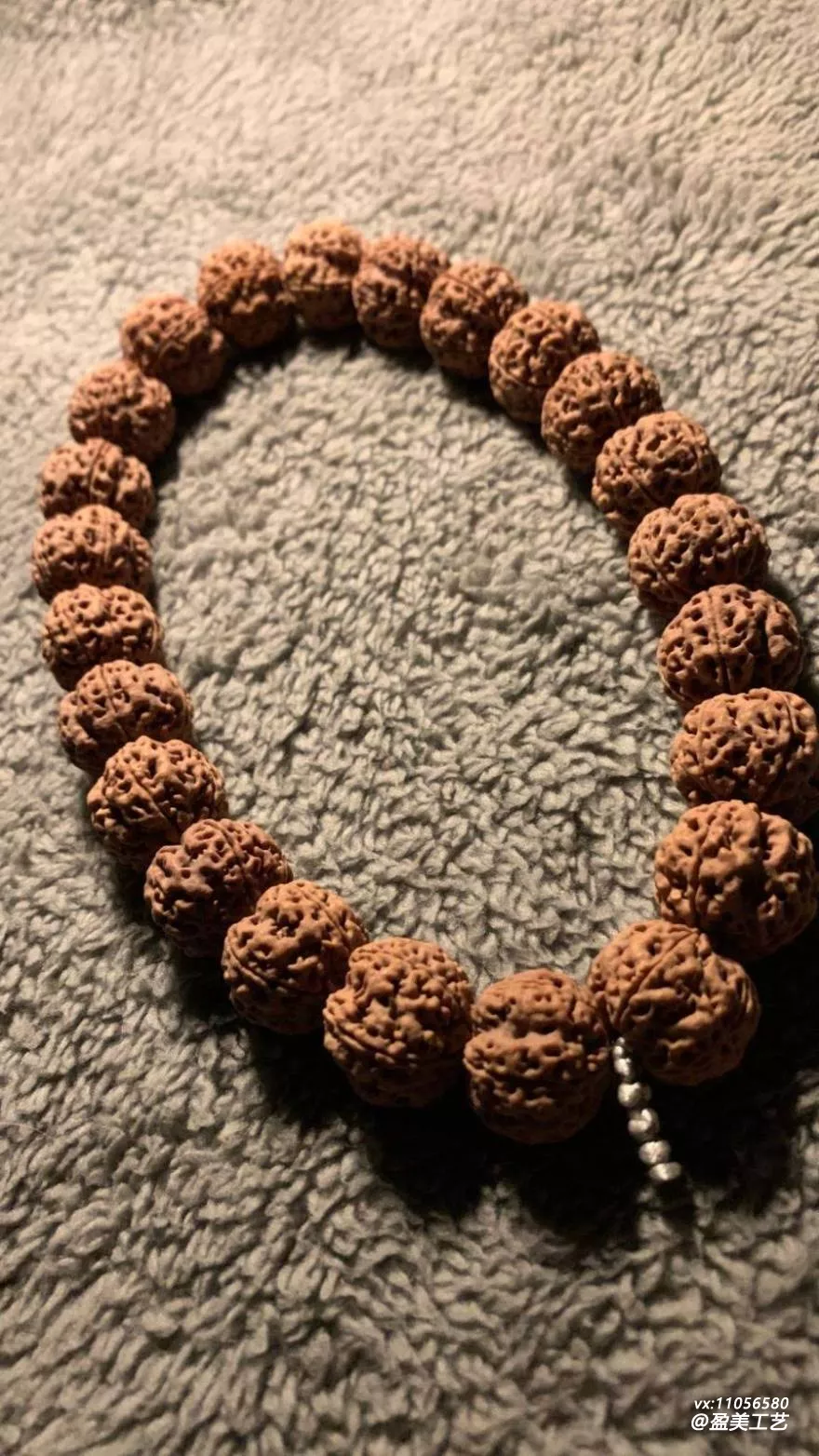
This mala was acquired a few years ago. At the time, it was just an ordinary yellow-skinned Rudraksha (large) with decent grain and good density—nothing particularly outstanding. I never expected that after breaking it in for so long, the color and patina would turn out far better than I had anticipated.
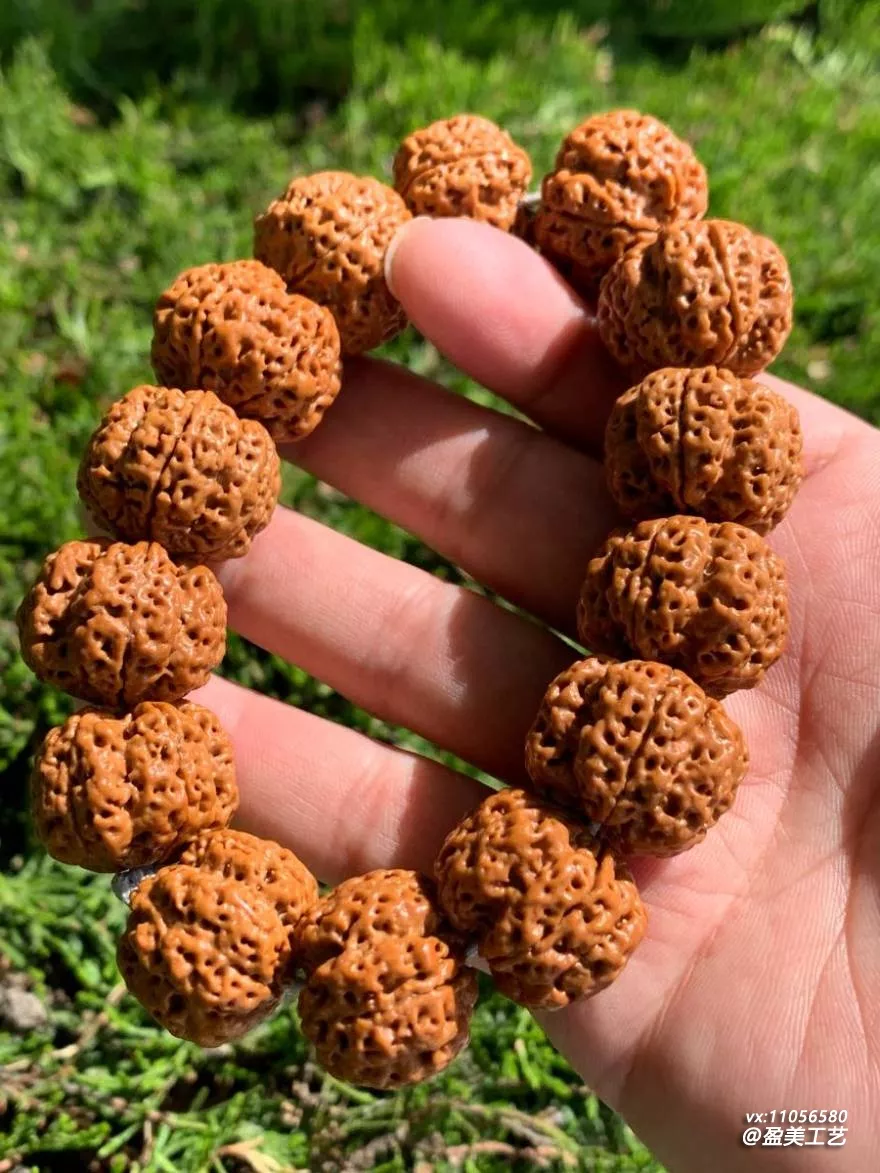
A friend's gift: Rudraksha broken in for three years—appreciation
When the new mala first arrived, the color leaned yellow and the surface felt rough to the touch. I had just gotten into this hobby then, and after reading online that I should play with it more, I held it and played with it every day. As a result, the more I played, the duller it got. Only later did I realize the method was wrong.
It took me a while to figure out that I had started handling it without cleaning the surface properly. I picked up a stiff brush and dry-brushed it for over half a month, twenty minutes a day, brushing off all the alkaline bloom. Only then did the seeds begin to feel smooth and moist to the touch.
After the base was set, I followed the normal rhythm: for the first three months, more brushing and less playing; after the glossy sheen appeared, I reversed that. Around six months in, the color deepened, and the surface luster grew increasingly smooth. There was no need to deliberately chase any particular effect.
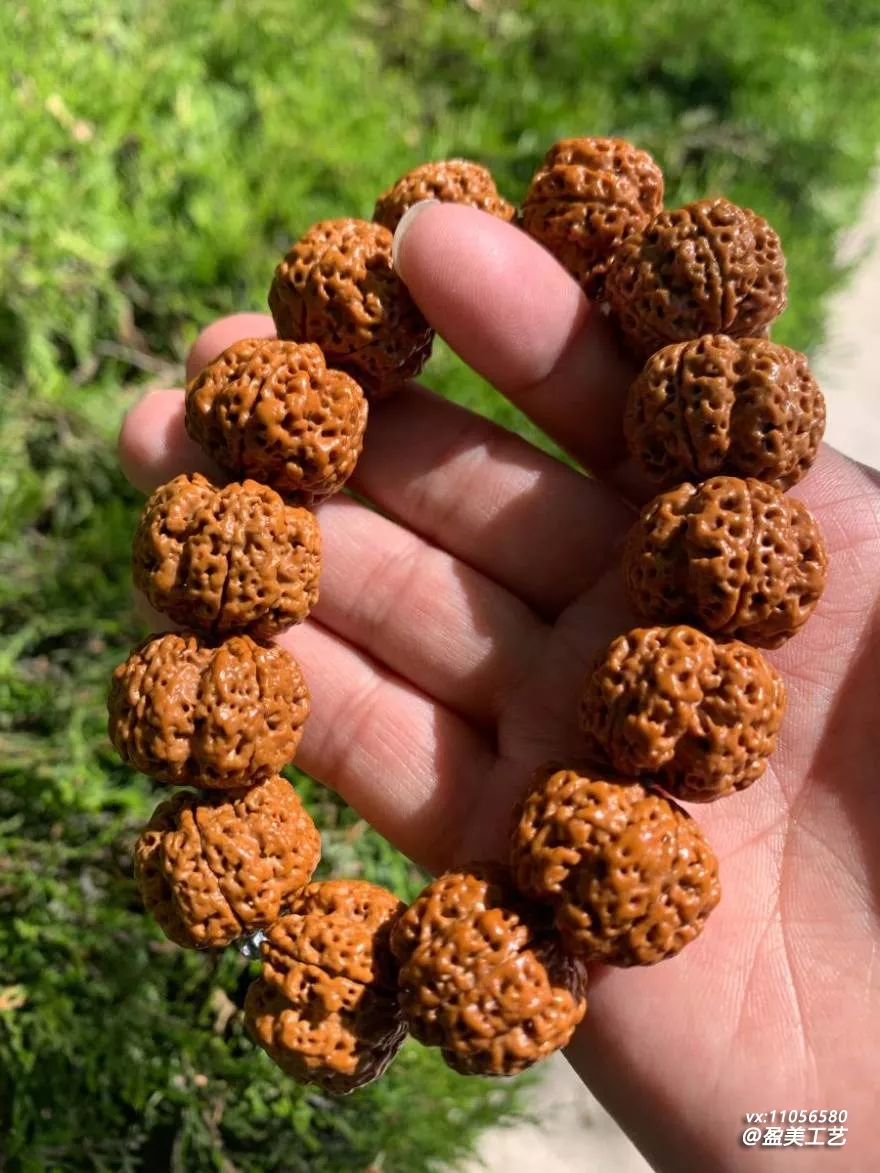
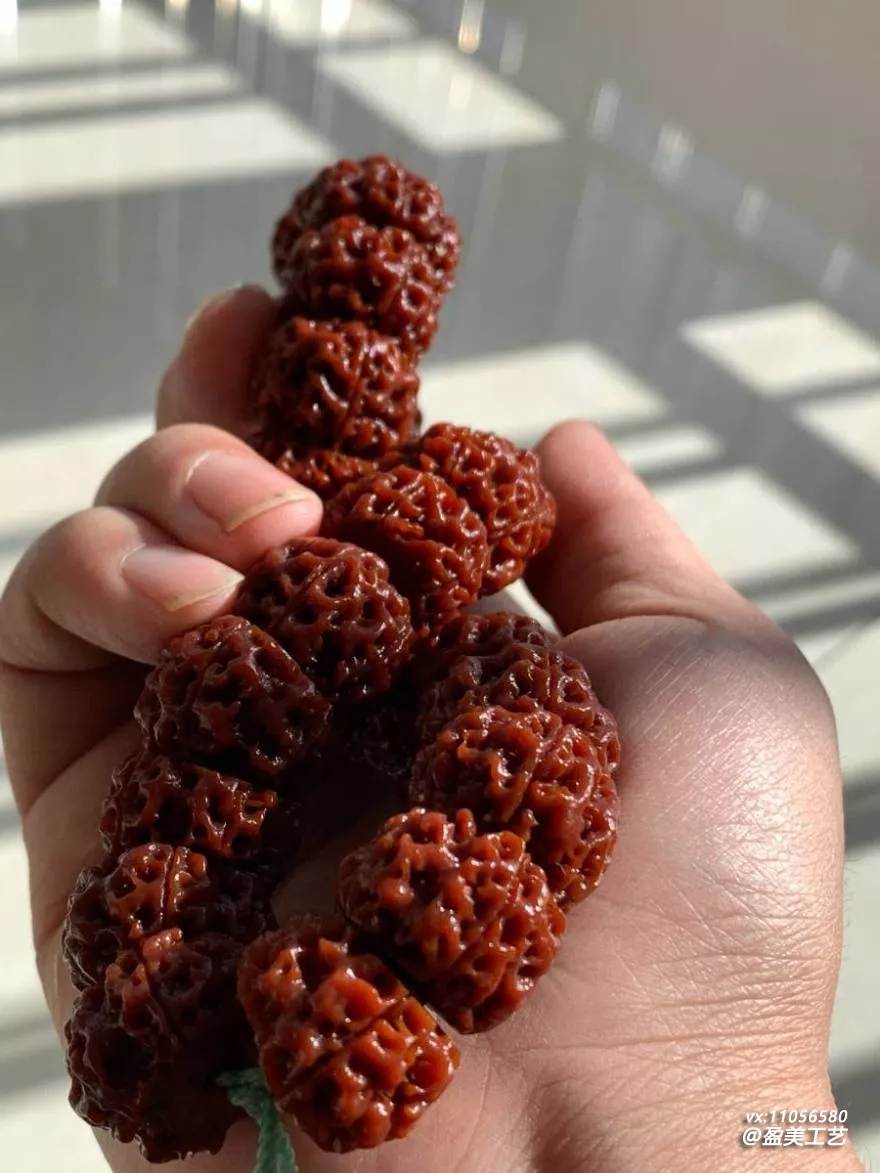
Current state
Now this Rudraksha mala has a deep red color, translucent and bright, with a thick patina and a strong jade-like texture. Under sunlight, every bead radiates a warm, gentle luster—the dragon-ridge lines are translucent, the grooves are slightly darker in color, and the three-dimensional feel of the grain is especially pronounced. It feels heavy in the hand, and the texture is excellent.
A fellow enthusiast saw the photos I posted and privately asked if it had been artificially aged. I sent him the photos from when I first got it, and only then did he stop. This kind of misunderstanding happens often; I'm used to it.
Looking back at the breaking-in process over these two years, there's really no special secret—just patience. Play a bit and brush a bit every day, without rushing or fussing. When problems arise, I look up information and find ways to solve them, never giving up. Over time, the mala will naturally reward you.
Wrapping up here
When it comes to playing with malas, in the end, what you're playing with isn't the mala itself—it's your own temperament. You can't rush it, you can't be lazy, and you can't be lazy either. Those twenty minutes each day, watching the seeds slowly change, also gradually calms the mind.
I'll leave the photos of this mala here for now, and I'll update when there are new changes. Thanks to everyone who read this far—see you in the next post.