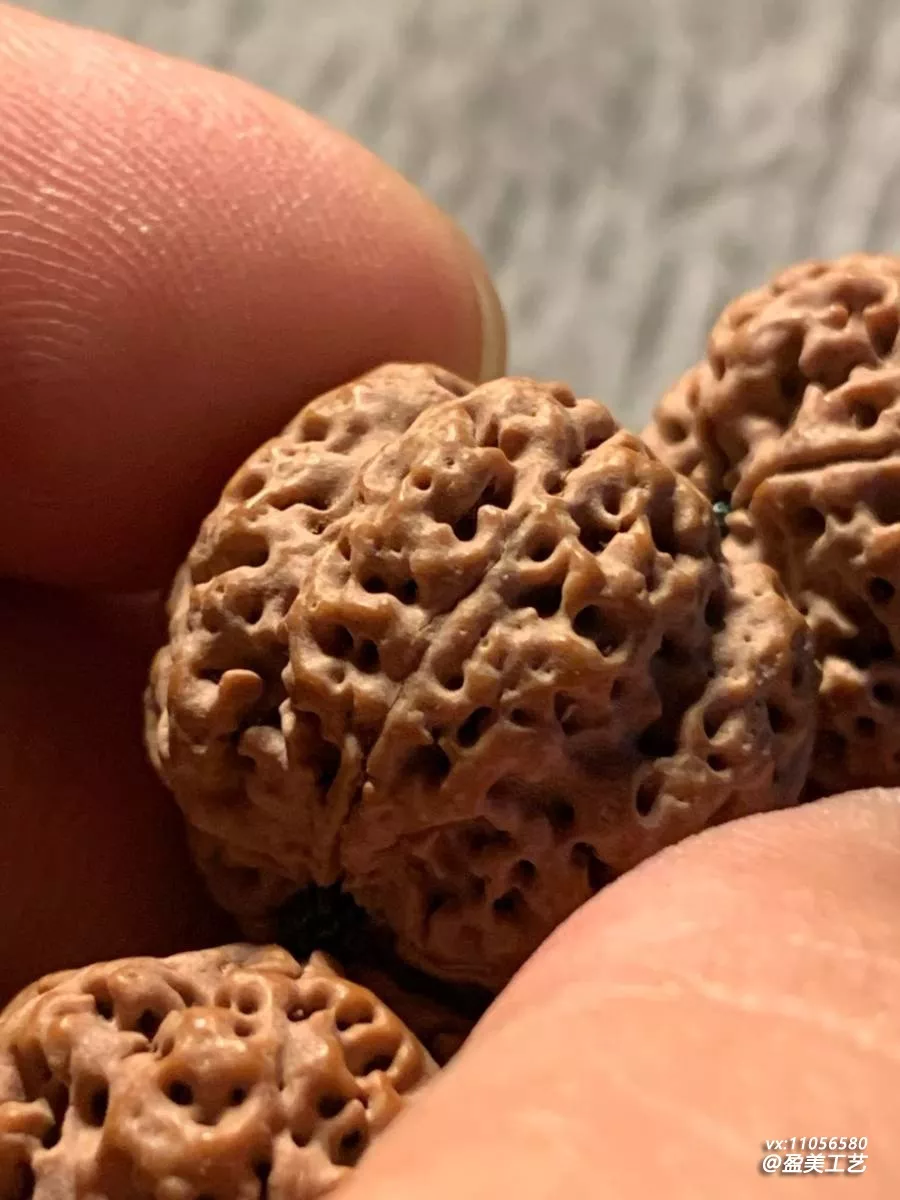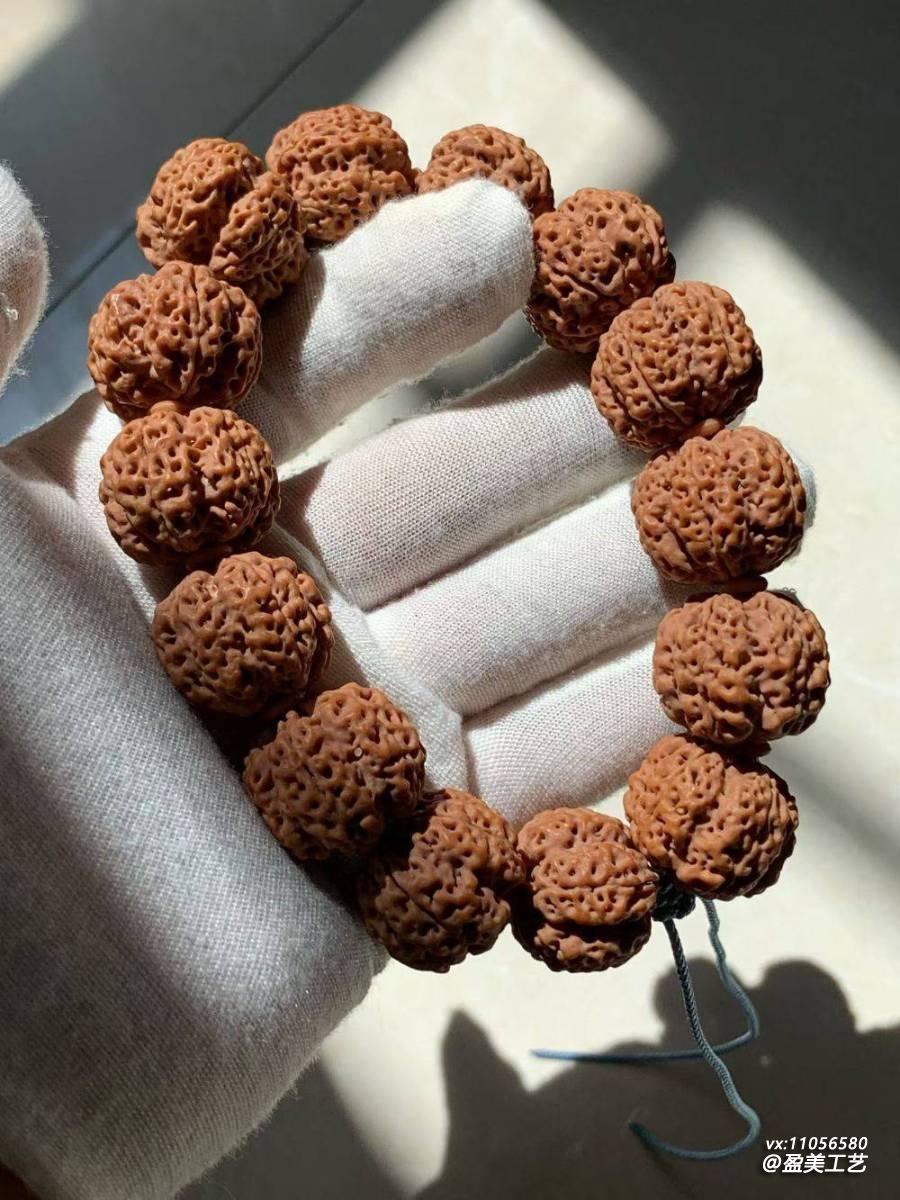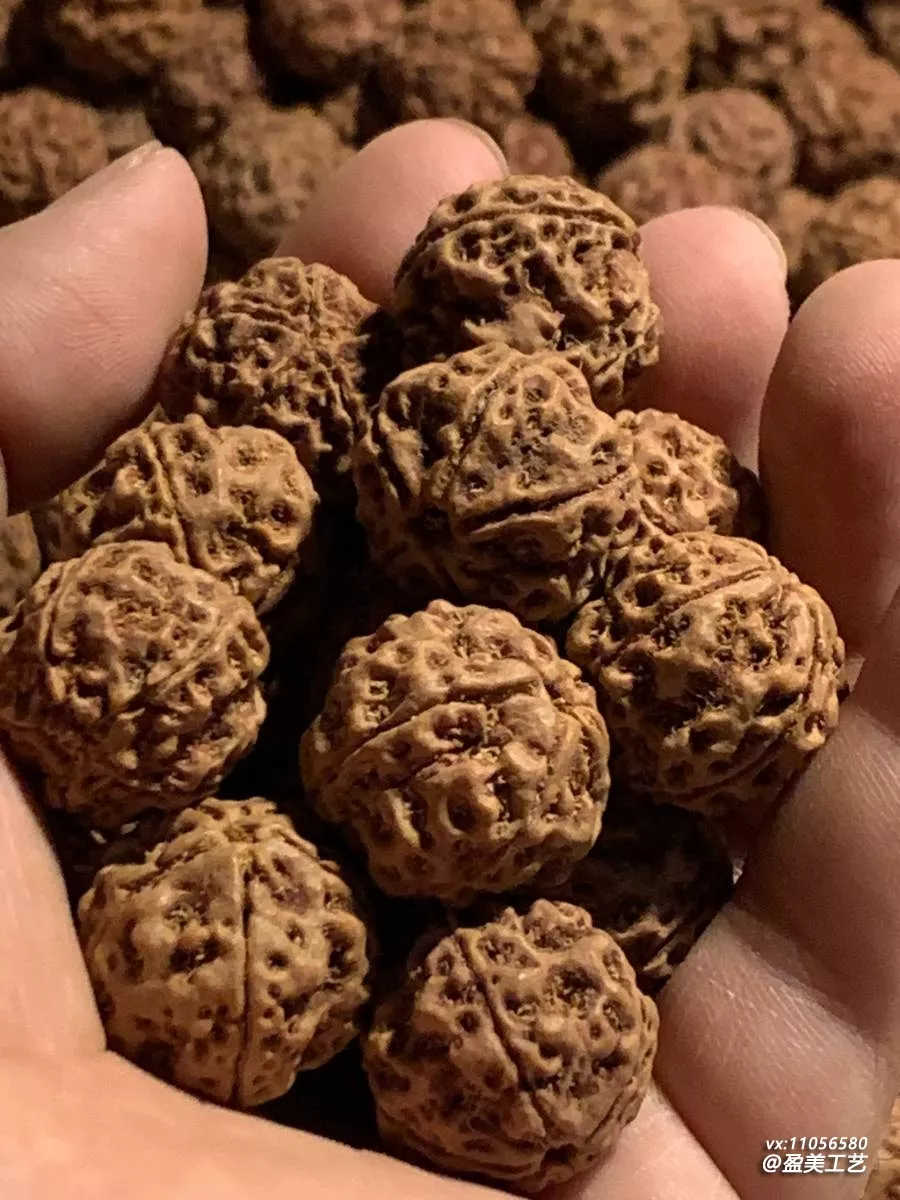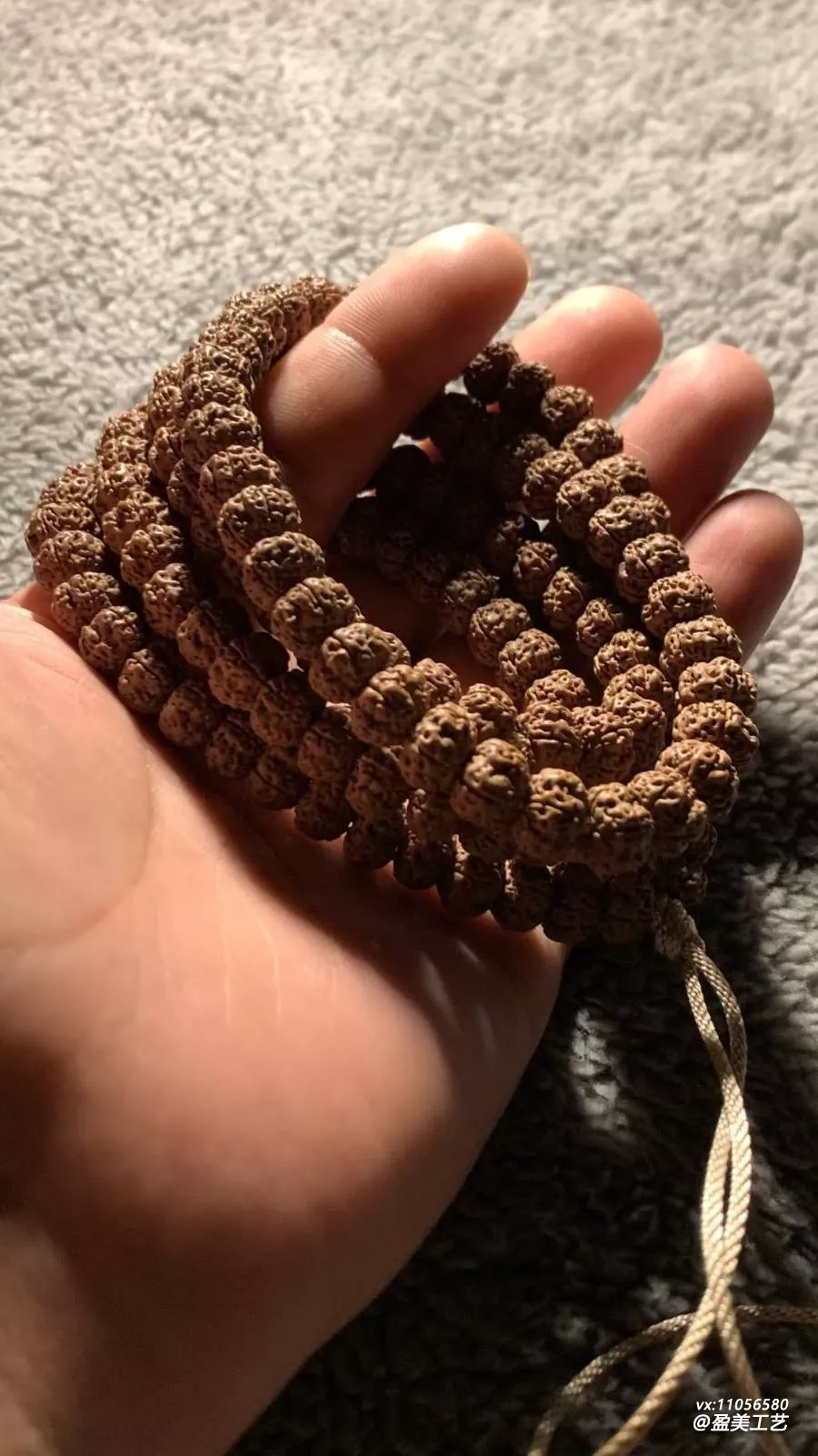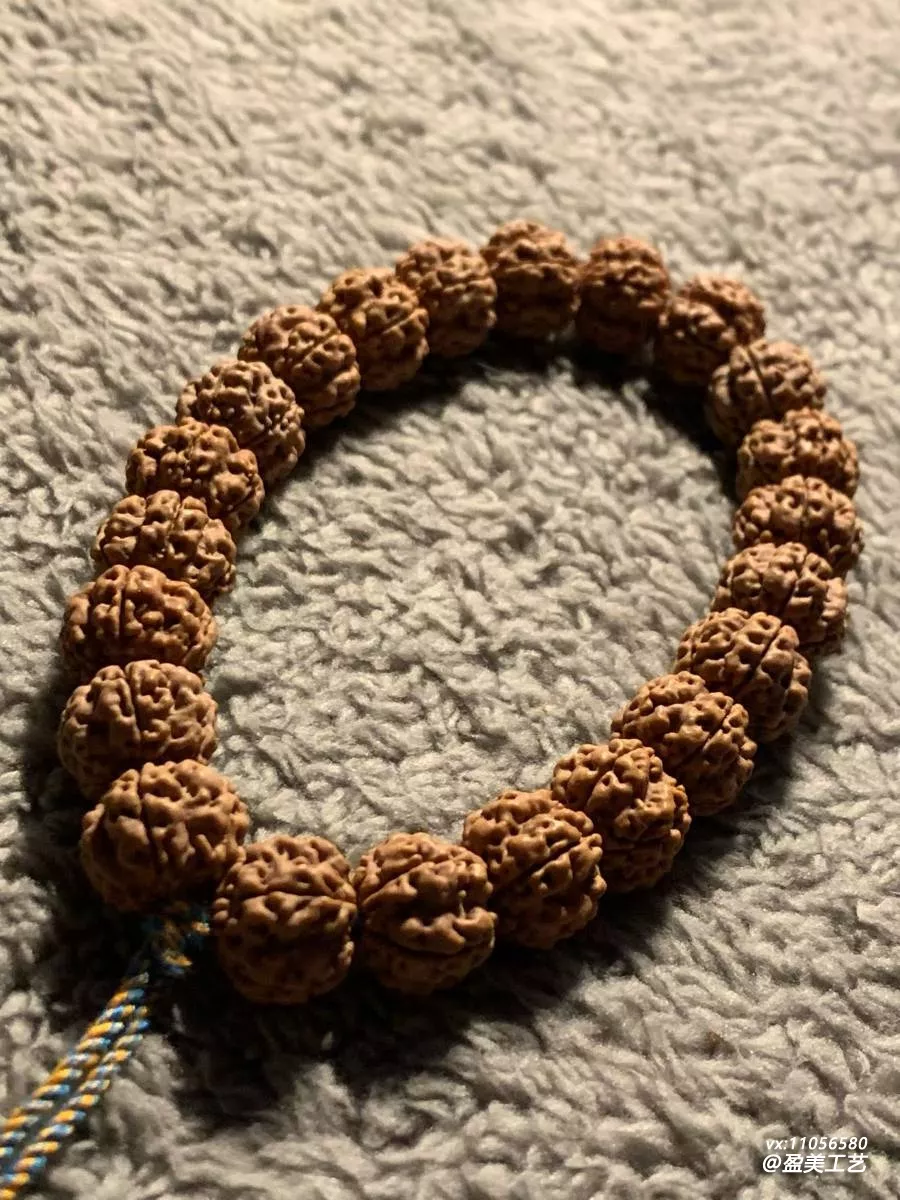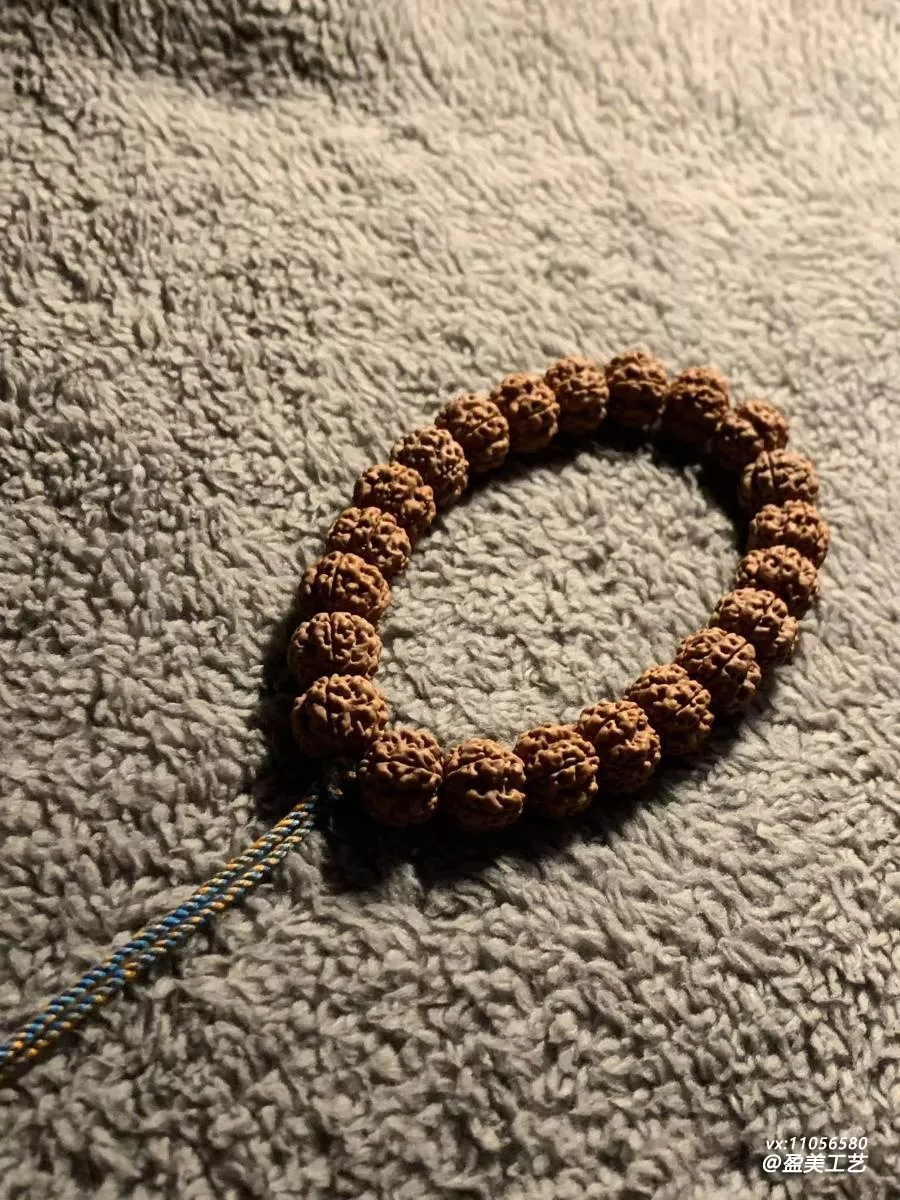
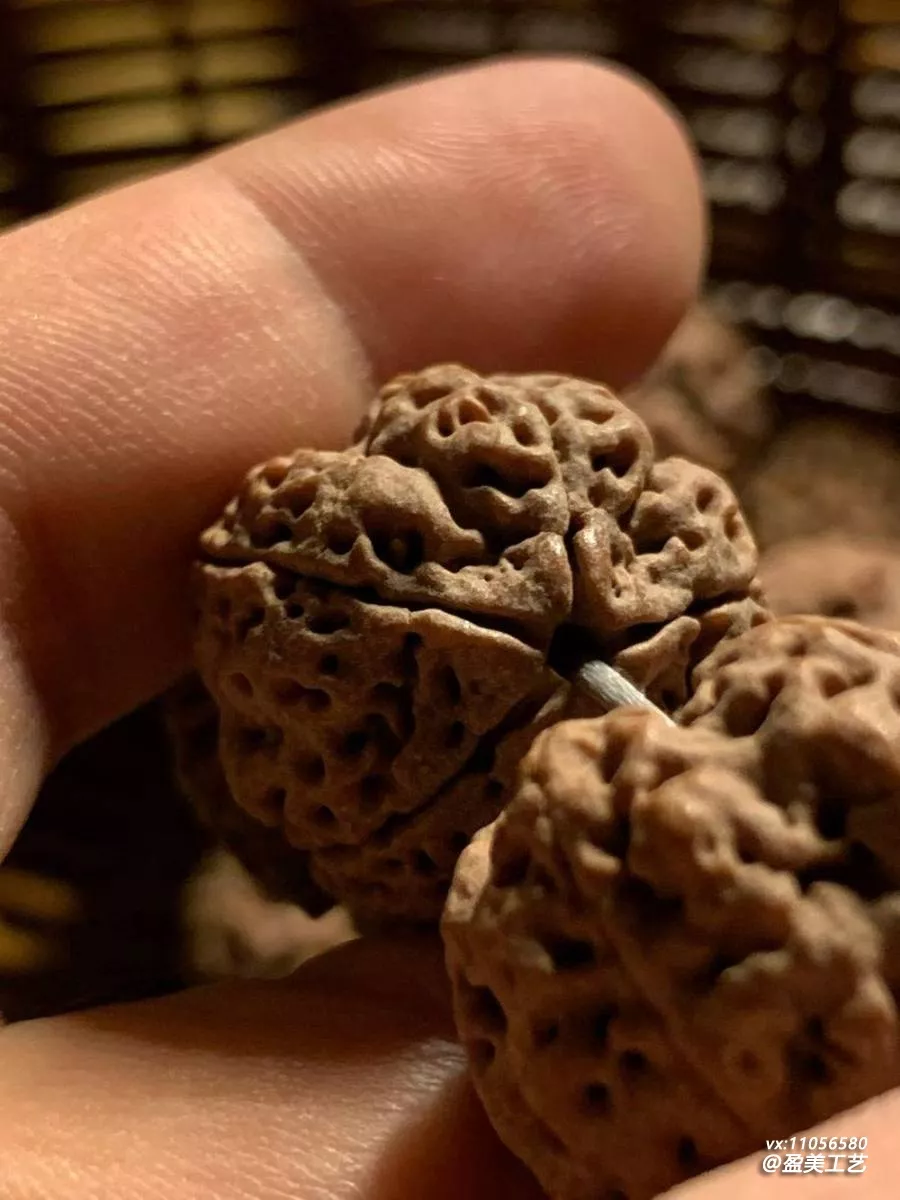
Last month a friend came to me, saying he wanted to get a string of Rudraksha (large) and asked me to help him pick one. He had looked at a few strings in brick-and-mortar stores before, but either the price was too high or the quality of the beads was mediocre, so he never pulled the trigger. Knowing I've been into this for a few years, he asked me to pick a string for him, with a budget of around two thousand, wanting honeycomb double dragon-ridge, size 20mm. I agreed, and spent a week going through a pile of beads to pick out this string. My friend was extremely satisfied when he got it, saying it was much better than the ones he'd seen in stores. Today I'm writing down this whole process.
1. First, Clarify the Requirements
My friend's requirements were clear: honeycomb double dragon-ridge, 20mm, budget two thousand. But I still confirmed a few details with him. First, the skin color—yellow skin or red skin? My friend said he wanted one that would develop a clear, translucent color later on, so we went with yellow skin. Although yellow skin changes color slowly, the final color is true and it's not easy to turn black from breaking-in (patina process). Then, the shape—flat shape or tall shape? My friend said he preferred something rounder, so we went with flat shape. Flat shape feels good on the wrist and looks fuller.
There was one more detail I specifically asked about: do you wear it more or play with it more? My friend said he mainly wears it, occasionally plays with it. So I suggested he choose beads with higher density. High-density beads are durable, don't easily get blotchy from wearing, and you don't need to deliberately play with them—just wearing them normally will gradually change the color. My friend thought this made sense and went with this standard.
Once the requirements were confirmed, I started looking for beads. With a budget of two thousand, you can pick Nepal beads of decent quality. I contacted a few vendors I regularly buy from and had them send several batches of 20mm honeycomb double dragon-ridge beads. I looked at five batches in total, roughly over a thousand beads.
2. Picking Beads Is the Most Time-Consuming Part
Over a thousand beads, and you need to pick out twelve for one string. Sounds simple, but it really strains your eyes. Step one: check the size. For 20mm beads, I measure for ones between 19.8 and 20.2mm; anything outside that range is out. Out of over a thousand, about two hundred plus met the size requirement.
Step two: check density and skin color. I weighed each size-qualified bead in my hand one by one—those that felt light were out, those with dull or grayish skin color were out, those with dark spots or mottled skin were out. Out of two hundred plus, half were eliminated, leaving about a hundred.
Step three: check the shape. We wanted flat shape—only those with a height under 18mm count as flat shape. Out of a hundred, about sixty met the flat shape standard. Then I removed those with particularly crooked shapes or ones that were higher on one side than the other, leaving about forty.
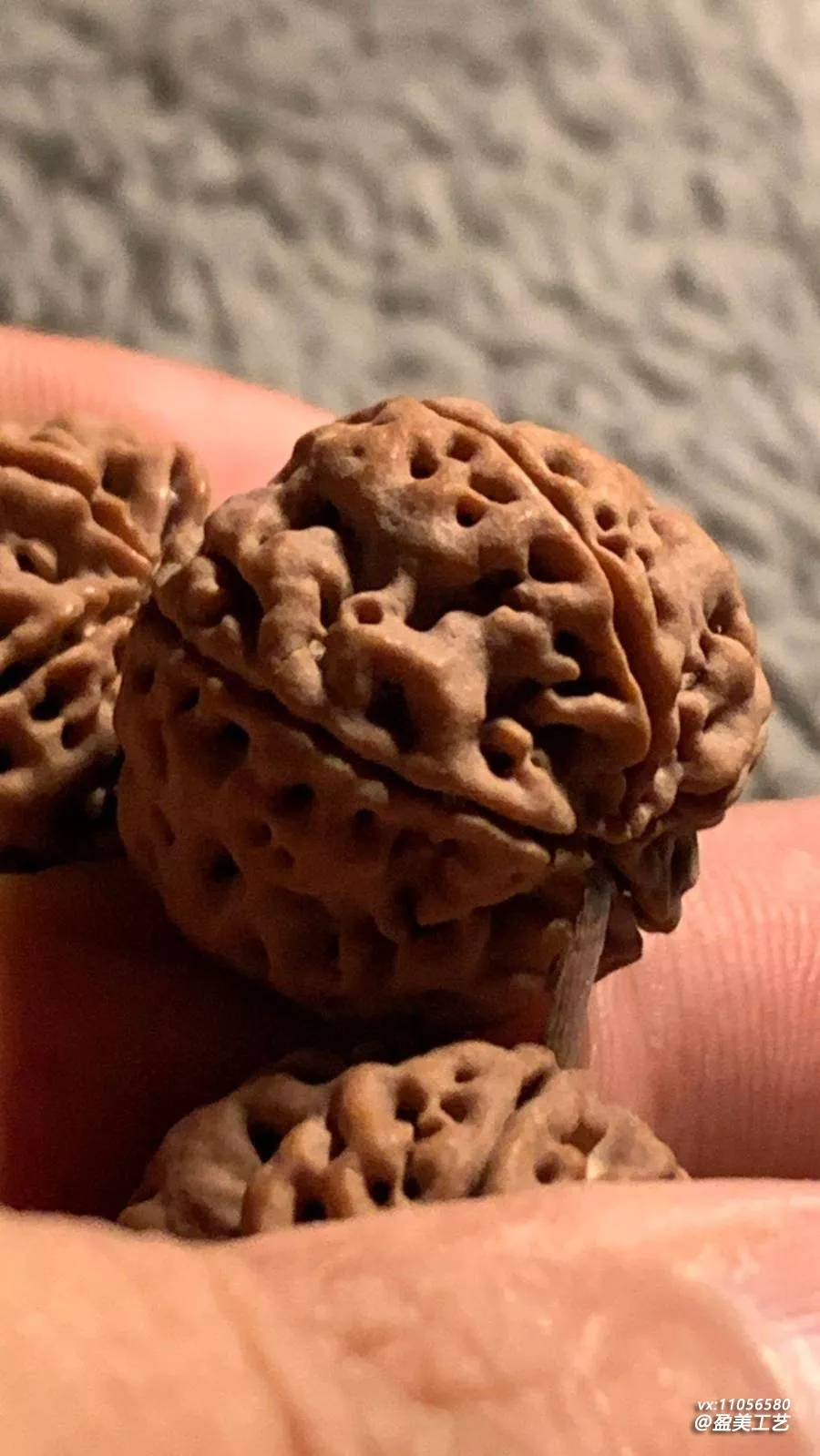
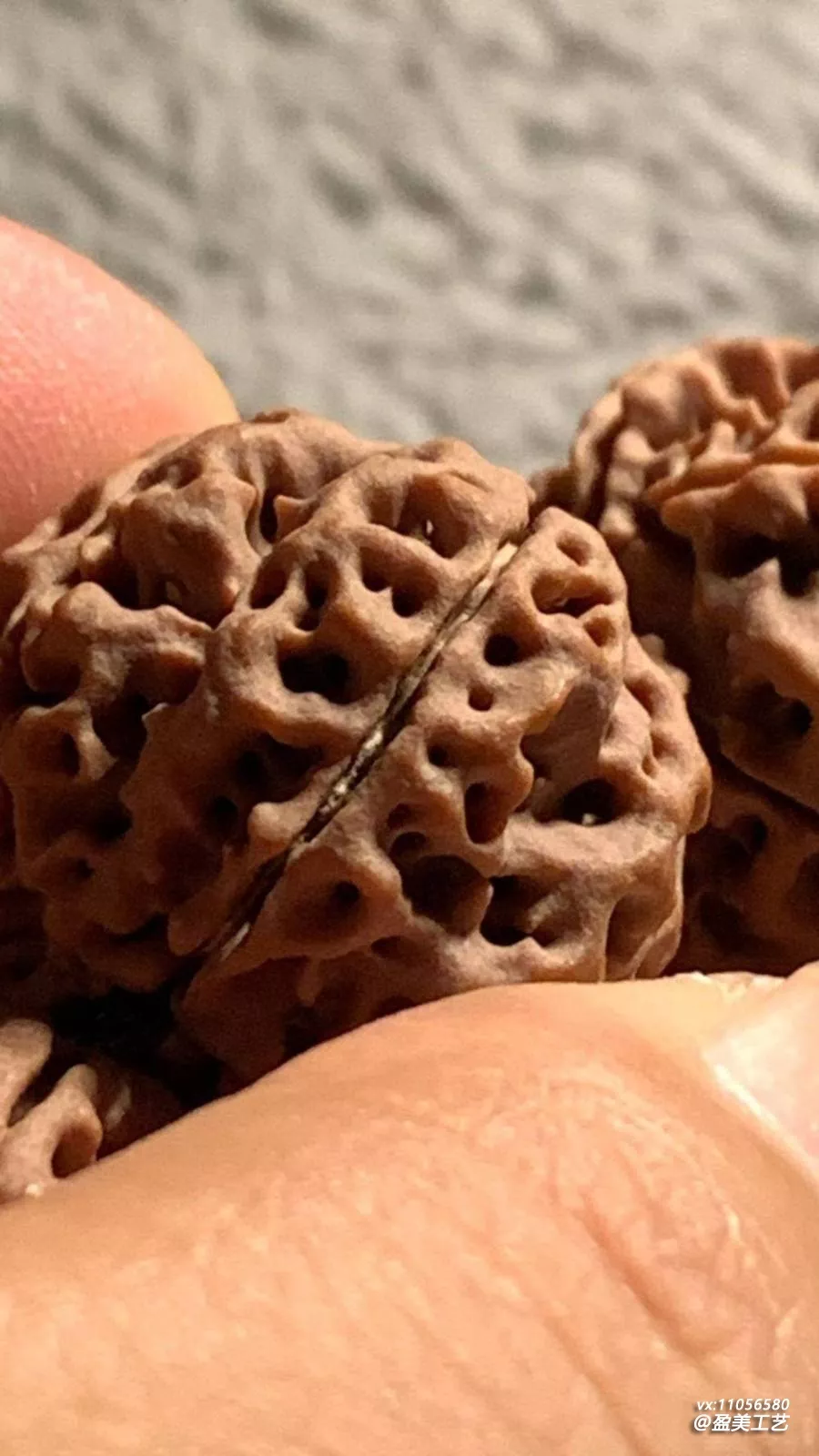
Step four: check the grain / texture. This is the most critical step. The honeycomb should be deep, the double dragon-ridge should be continuous, and the grain / texture style of each bead should be similar. With forty beads laid out together, looking left and right, comparing back and forth, I removed the ones with particularly deep or particularly shallow grain / texture, broken dragon-ridge (ridge line), or uneven honeycomb, one by one. In the end, fifteen remained—twelve for the main string, three as spares.
The bead-picking step took five days in total, spending two or three hours each day after work. My eyes were blurry from looking. But these fifteen beads I picked out—every single one is top quality. The size, shape, grain / texture, and skin color are all very consistent, and strung together the overall effect is excellent.
3. Drilling and Stringing
Once the beads were picked, next came drilling and stringing. Before drilling, I confirmed each bead's shape once more, determining which end was the top and which was the bottom. The hole should be drilled from top to bottom, and the hole channel should be straight.
I used a 1.5mm drill bit, set the speed relatively slow, and drilled one by one slowly to avoid cracking. After drilling each one, I checked whether the hole channel was straight and whether it was drilled crooked. Out of fifteen beads, one was drilled slightly crooked, but it doesn't affect use, so I put it with the spares.
Once the holes were done, I started stringing. When stringing, each bead's orientation should be consistent—front facing outward, dragon-ridge (ridge line) direction unified, so it looks neat when you turn it. First I strung it up and tried it on. My friend's wrist is 17.5cm; twelve 20mm beads plus the Buddha head fit just right, with appropriate tightness.
Finally, I adjusted the details—turned any beads facing the wrong way, adjusted the tightness, pulled tight when tying the knot, and tucked the knot into the hole channel of the Buddha head. After everything was done, I looked it over as a whole one more time, confirmed there were no issues, and considered it finished.
4. My Friend's Feedback
After the string was done, I delivered it to my friend. He held it and looked it over again and again, extremely satisfied. He said the ones he'd seen in brick-and-mortar stores either had inconsistent bead sizes or uneven grain / texture depth, and the prices were high too—two thousand in a store would only get you very ordinary beads. This string I picked was done carefully, every bead very consistent, and the grain / texture looks great—much better than the stores.
I told him that actually the beads in stores aren't necessarily bad—it's just that stores have high costs: rent, labor, utilities all have to be factored in. At the same price, the bead quality is bound to be somewhat lower. Also, store beads are strung in bulk, not picked one by one carefully, so differences in size, shape, and grain / texture are inevitable. If you pick them yourself, although it takes time, every bead is carefully selected, and the overall effect is definitely different.
My friend nodded and said that from now on, when he buys cultural playthings, he'll come to me and not go to stores. I laughed and said, you can come to me, but picking beads really strains the eyes—you have to give me some time. My friend said no problem, good things are worth waiting for.
A Few Final Words
Actually, helping my friend pick this string, I didn't make much money—just doing a favor. But seeing that satisfied expression on my friend's face when he got the string, I still felt a sense of accomplishment. Cultural playthings—it's not just about the joy of playing with them yourself; helping someone else pick a string that suits them is also a kind of pleasure.
If any friends also want to pick a string of Rudraksha but don't know how to choose, you can come chat with me. Explain your requirements clearly—budget, size, preferred grain / texture—and I can help you as a reference. Picking beads takes time, but the string you end up with is definitely better than one bought randomly. Cultural playthings—what matters is putting your heart into it. If you put your heart into it, it will reward you.