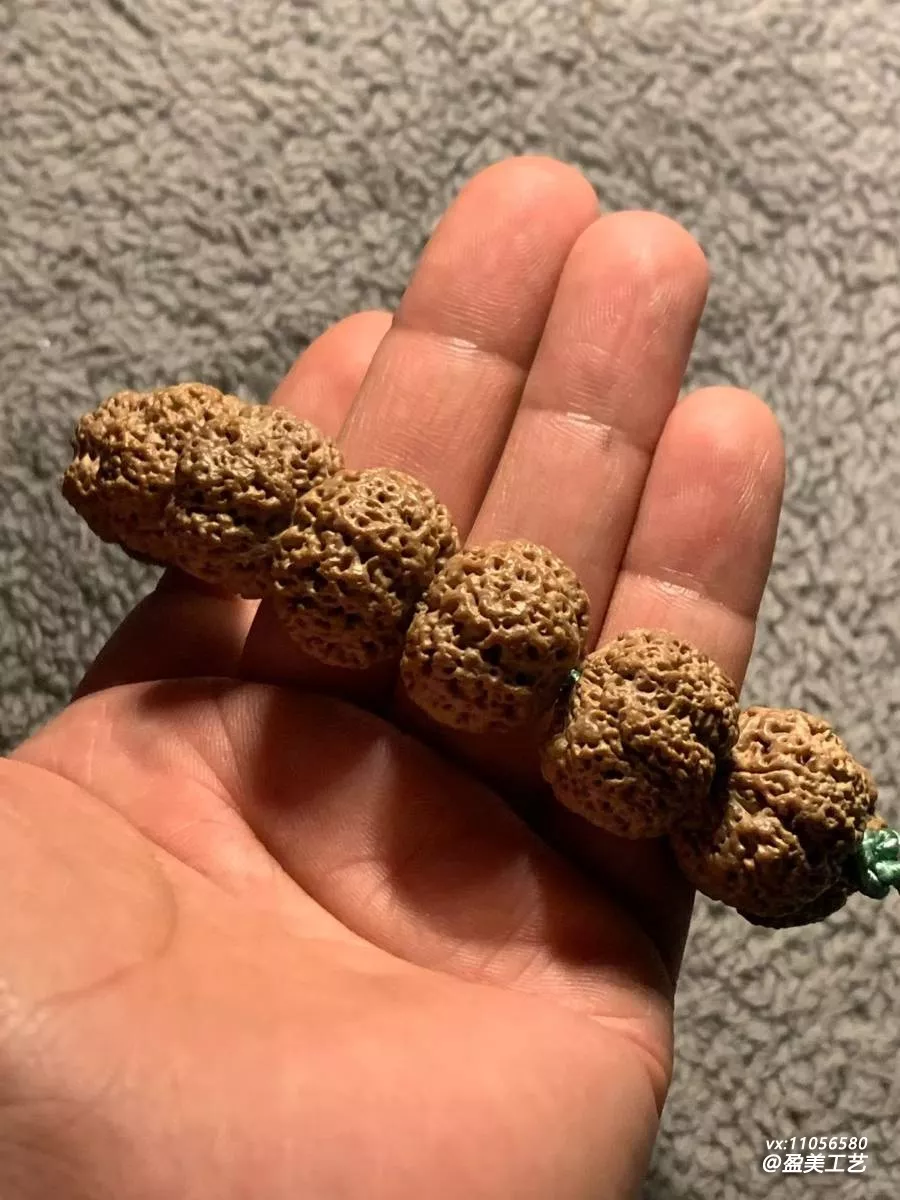
How to identify double-dragon grain? A beginner's guide to Rudraksha (large) grain. Double-dragon grain is a popular grain pattern for Rudraksha (large); beginners hear the name and get curious, not knowing how to identify it. How to identify double-dragon grain: the beginner methods are explained clearly, and you will be able to spot it.
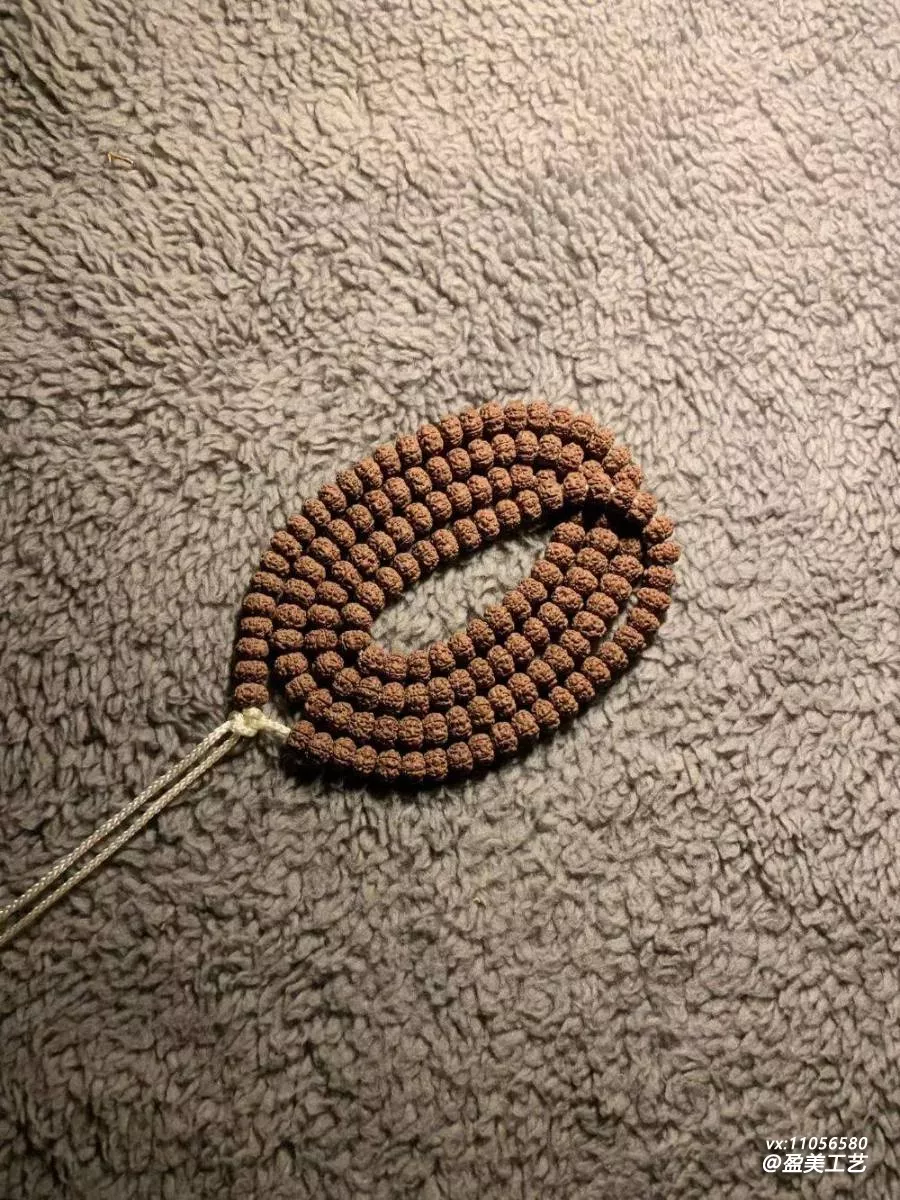
The Appearance of Double-Dragon Grain
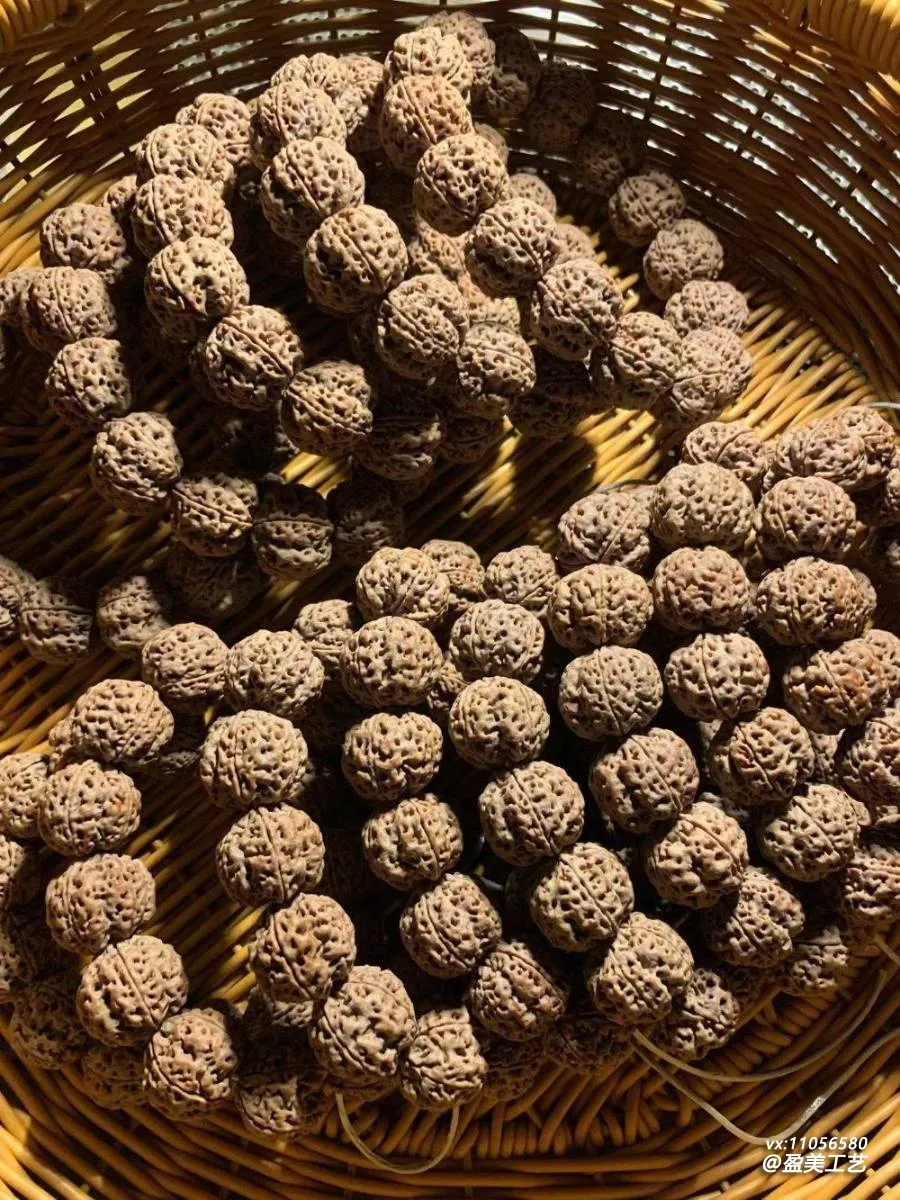
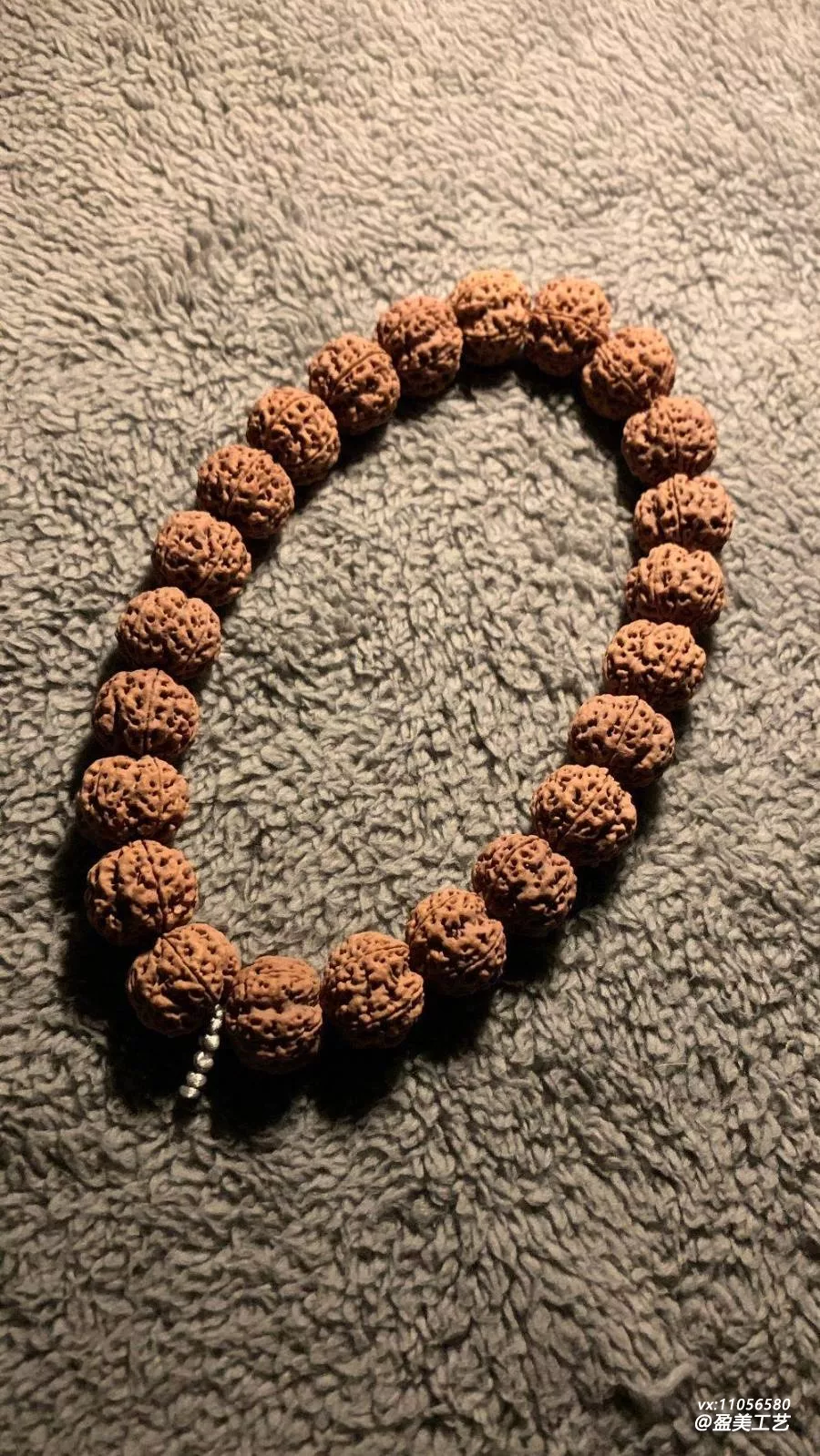
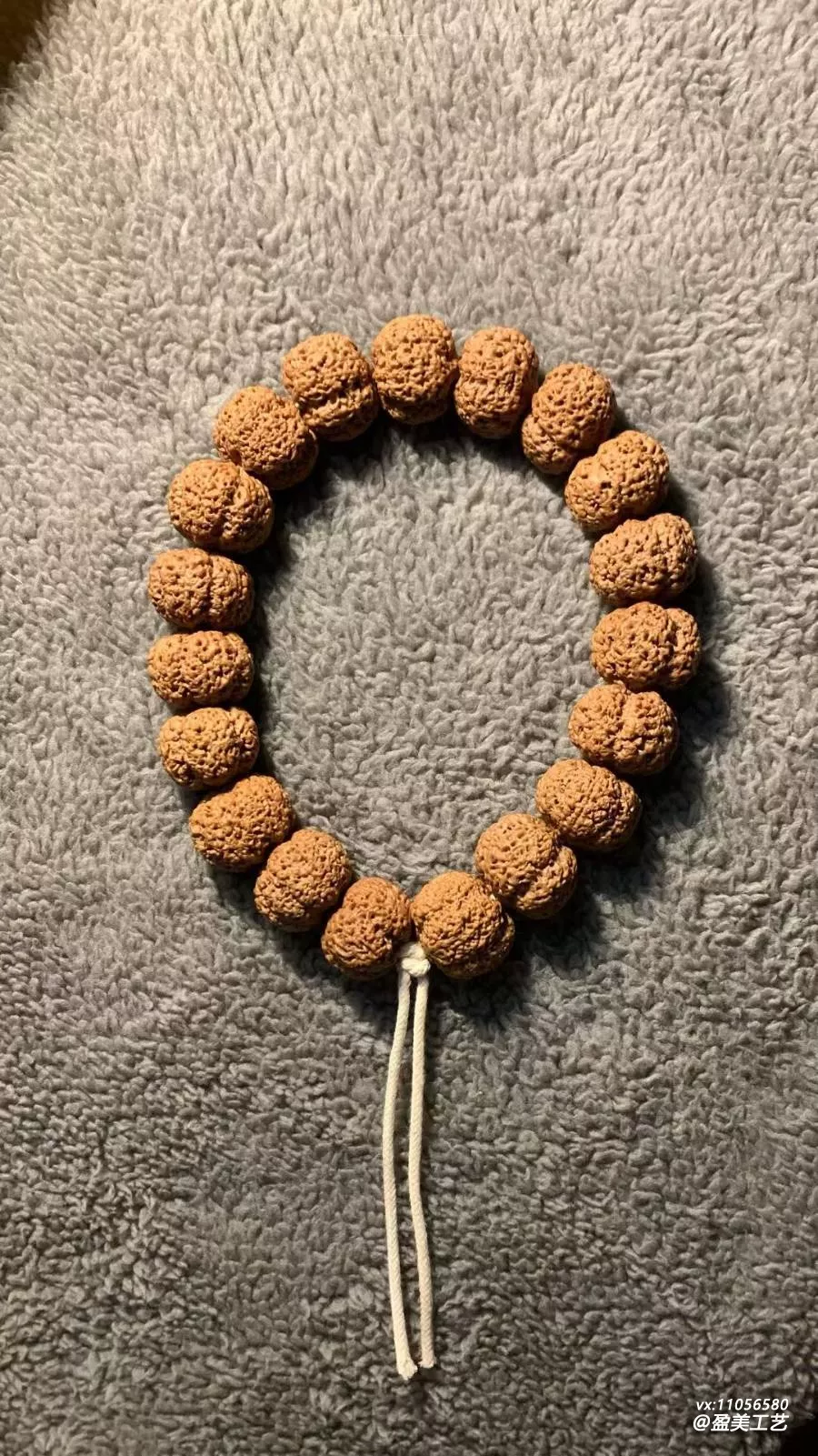
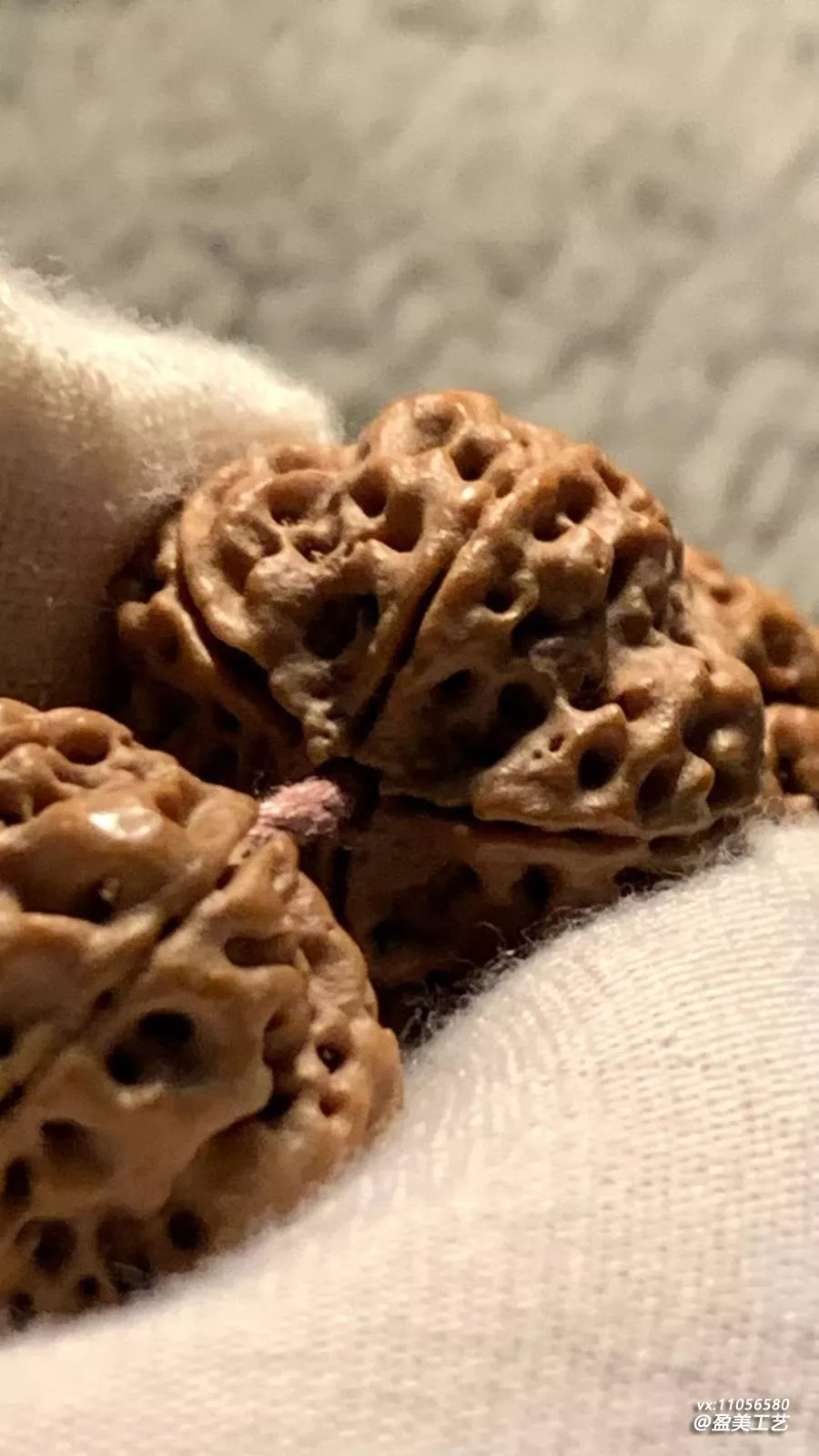
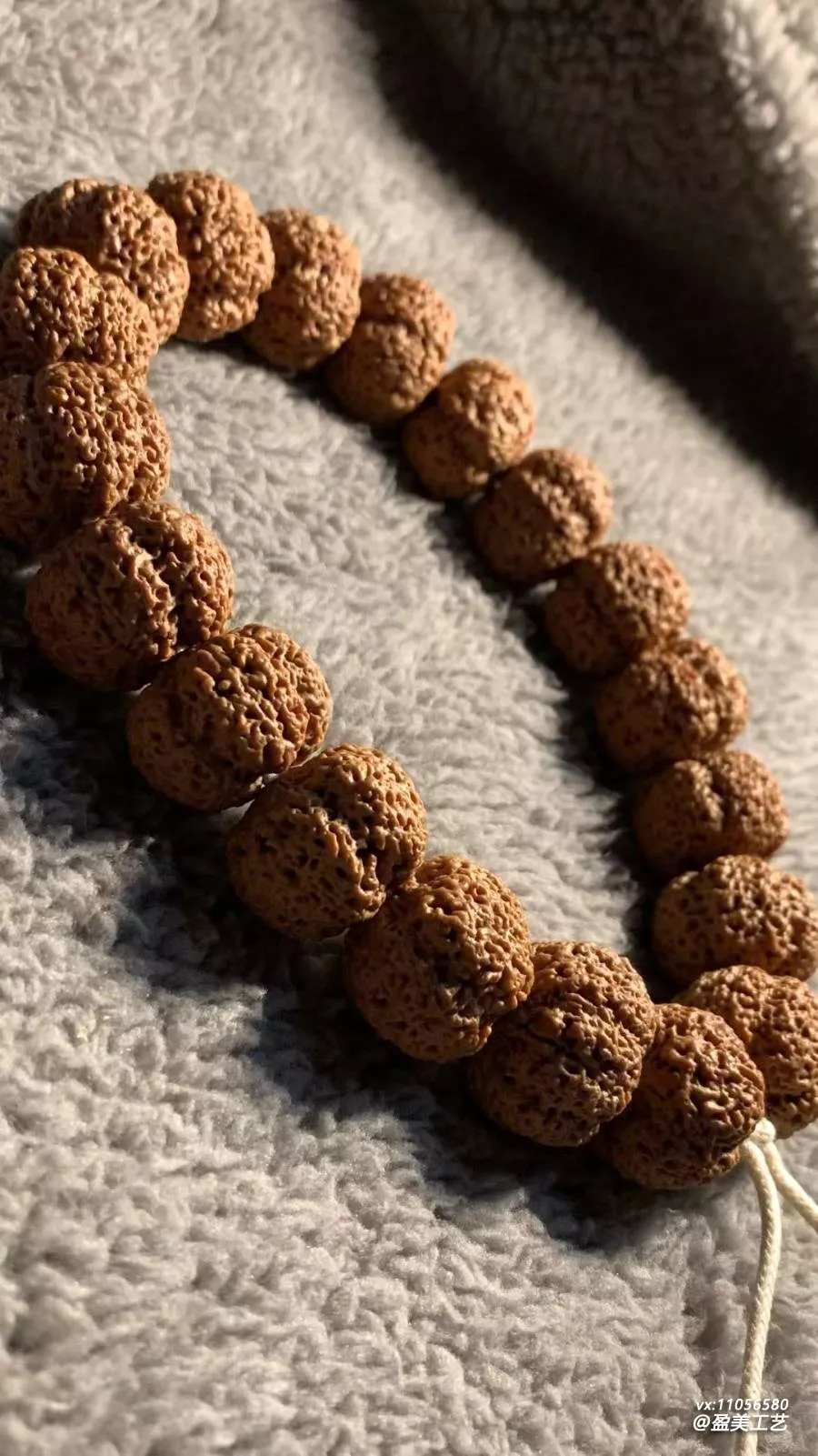
The appearance of double-dragon grain: the grain is three-dimensional, the ridge lines are distinct, and there are two obvious ridge lines on the bead, looking like two dragons coiling around it. The grain is neat and looks imposing. Beads with double-dragon grain have plump flesh, deep grain, and a strong three-dimensional feel; they are the star model among grain patterns.
How to Identify Double-Dragon Grain
How to identify double-dragon grain: look at the ridge lines; two clear ridge lines symmetrically distributed on the surface of the bead are the hallmark of double-dragon grain. Look at the grain; a three-dimensional, plump, neat, and imposing pattern is its characteristic. Look at the overall appearance; evenly distributed grain without messy patterns is typical double-dragon grain.
How to Choose Double-Dragon Grain
How to choose double-dragon grain: look for those with clear ridge lines and neat grain; check the skin density—double-dragon grain also depends on the base, and only those with good skin are worth the breaking-in (patina process). How to identify double-dragon grain? A beginner's guide to Rudraksha (large) grain: look for clear and symmetrical ridge lines, look for three-dimensional and plump grain, and check if the skin density passes muster. If all three match, it is good double-dragon grain.
Once you learn to identify double-dragon grain, you will have topics to discuss when visiting the market and a direction for choosing a mala (prayer beads). Getting started with grain is not difficult; you will get the hang of it by looking more and asking more.