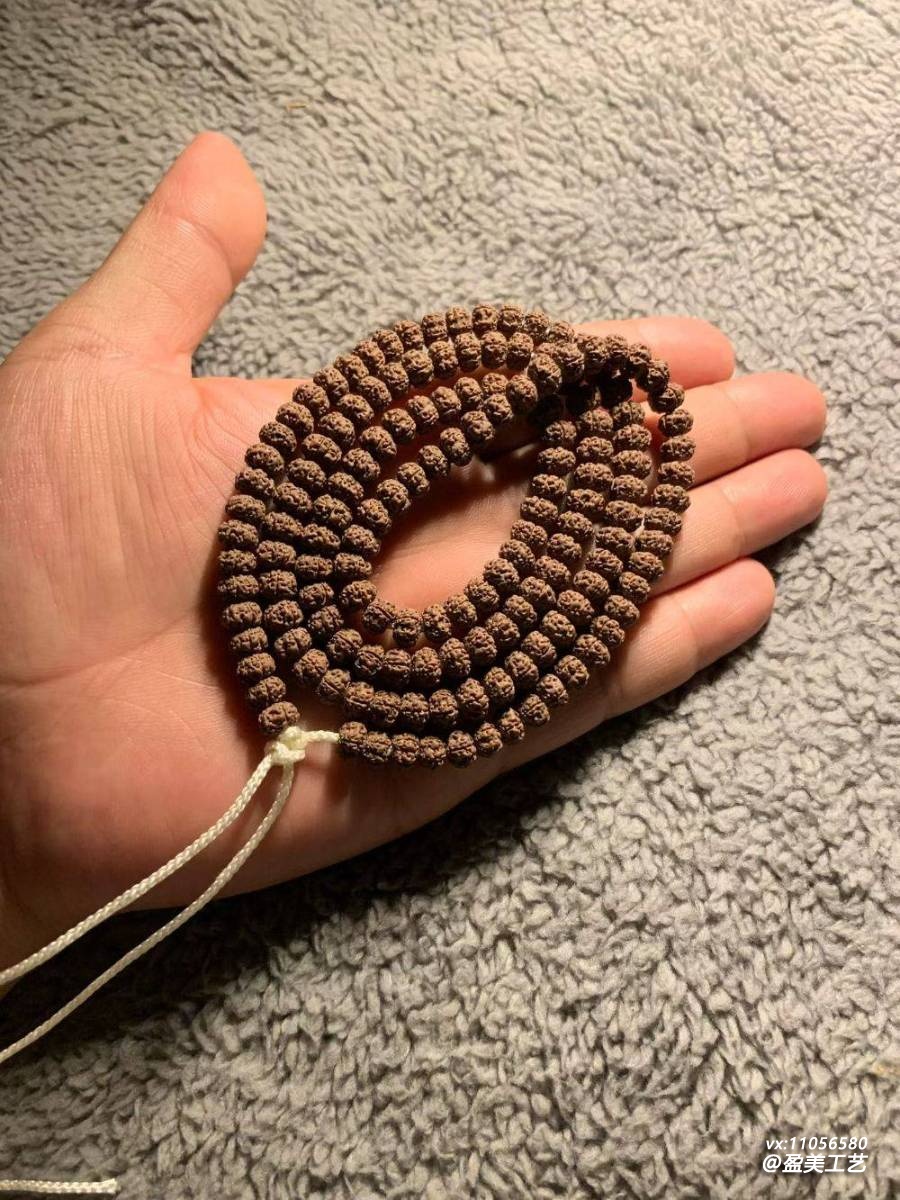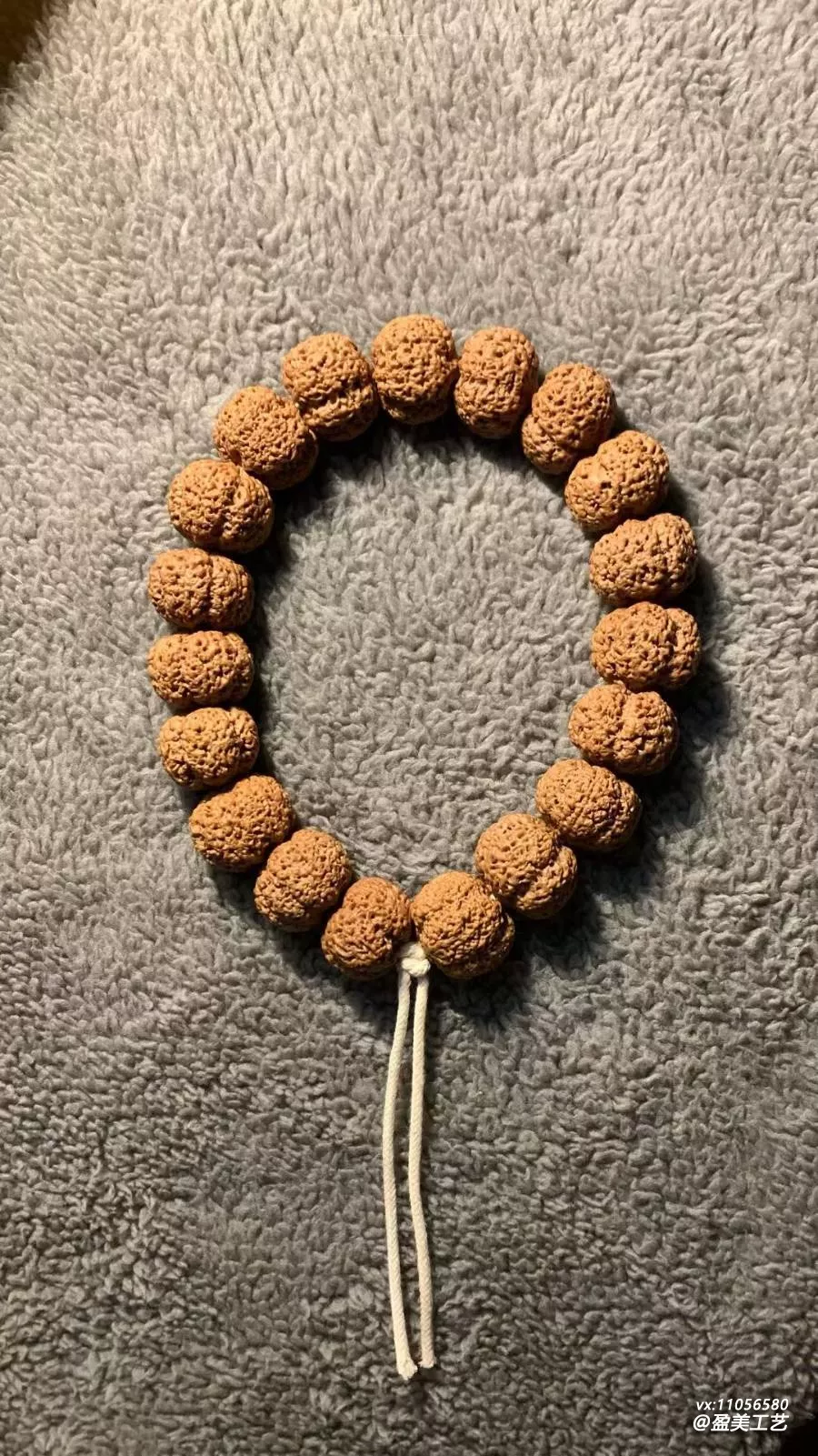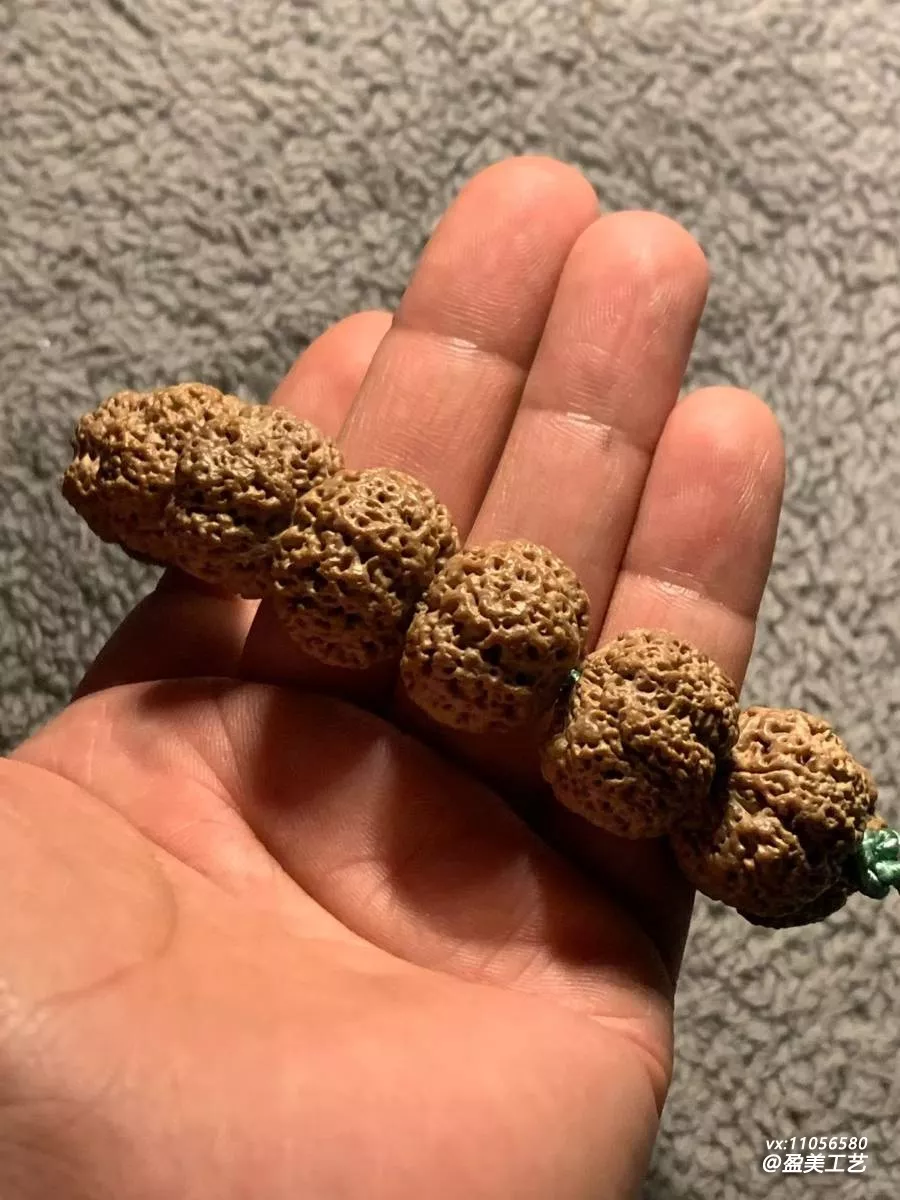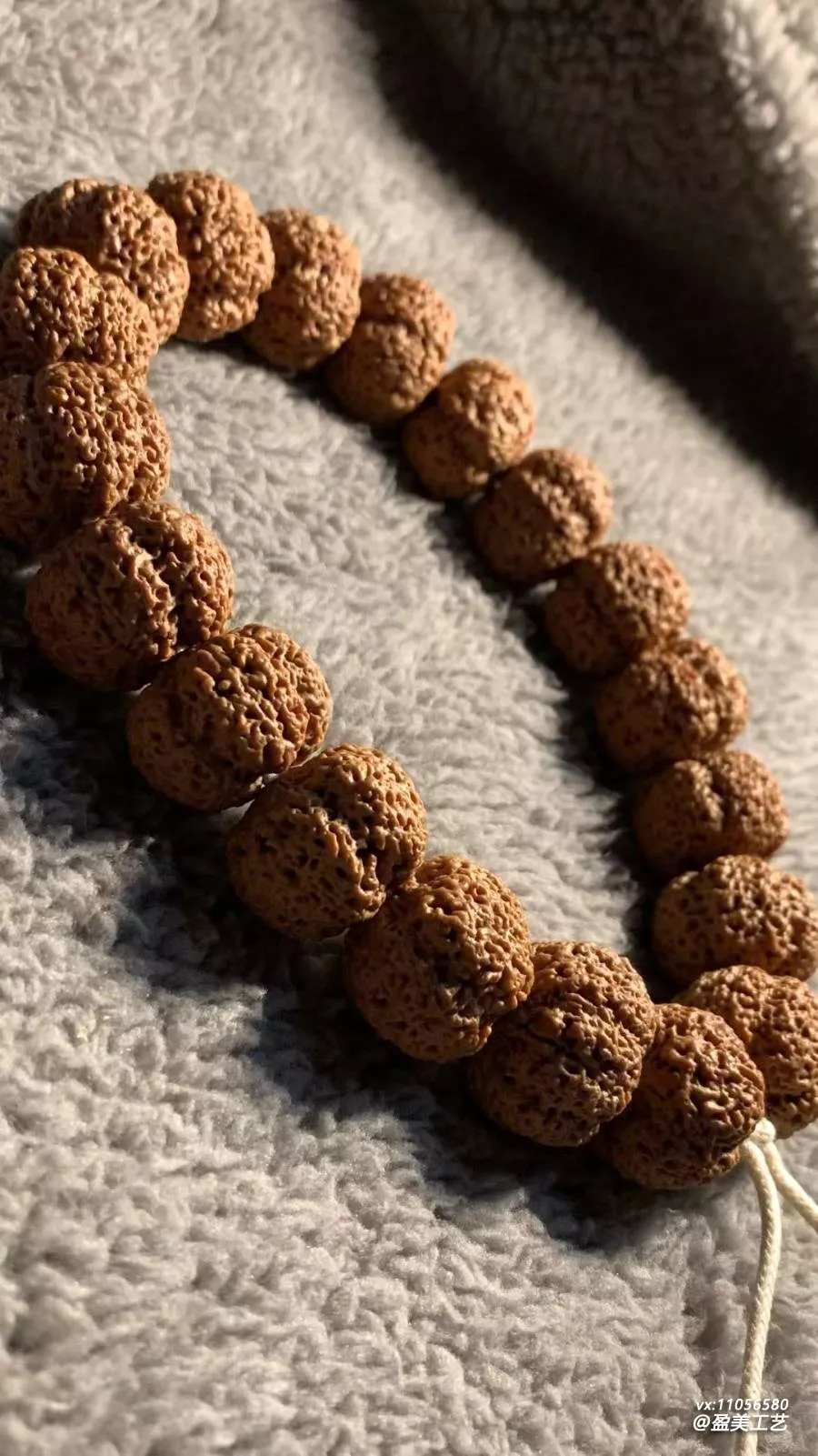
Is an excessively heavy Rudraksha (large) a result of chemical treatment? When buying a mala, the seeds feel particularly heavy in hand, making you wonder if they are chemically treated. Whether excessive weight indicates treatment involves specific nuances; once explained clearly, you will know how to identify them.
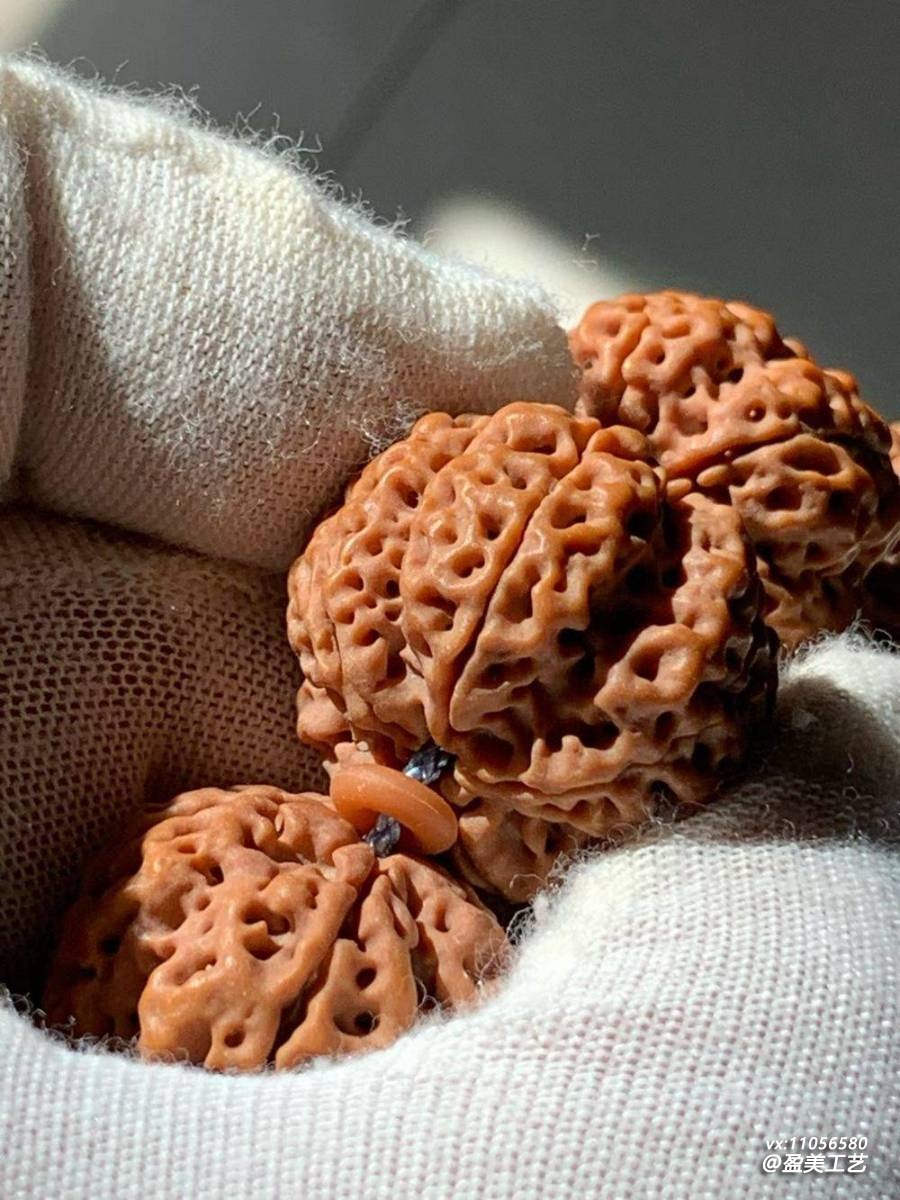
The Relationship Between Weight and Chemical Treatment
The relationship between weight and chemical treatment: Chemically treated seeds are forced to grow larger, but their density is not necessarily high; some may even feel hollow and might not be heavy. Conversely, heavy seeds are not necessarily treated; high-quality seeds with high-density husks are naturally heavy. There is no inevitable correlation between weight and chemical treatment, so don't be suspicious just because a seed feels heavy.
How to Identify Chemical Treatment
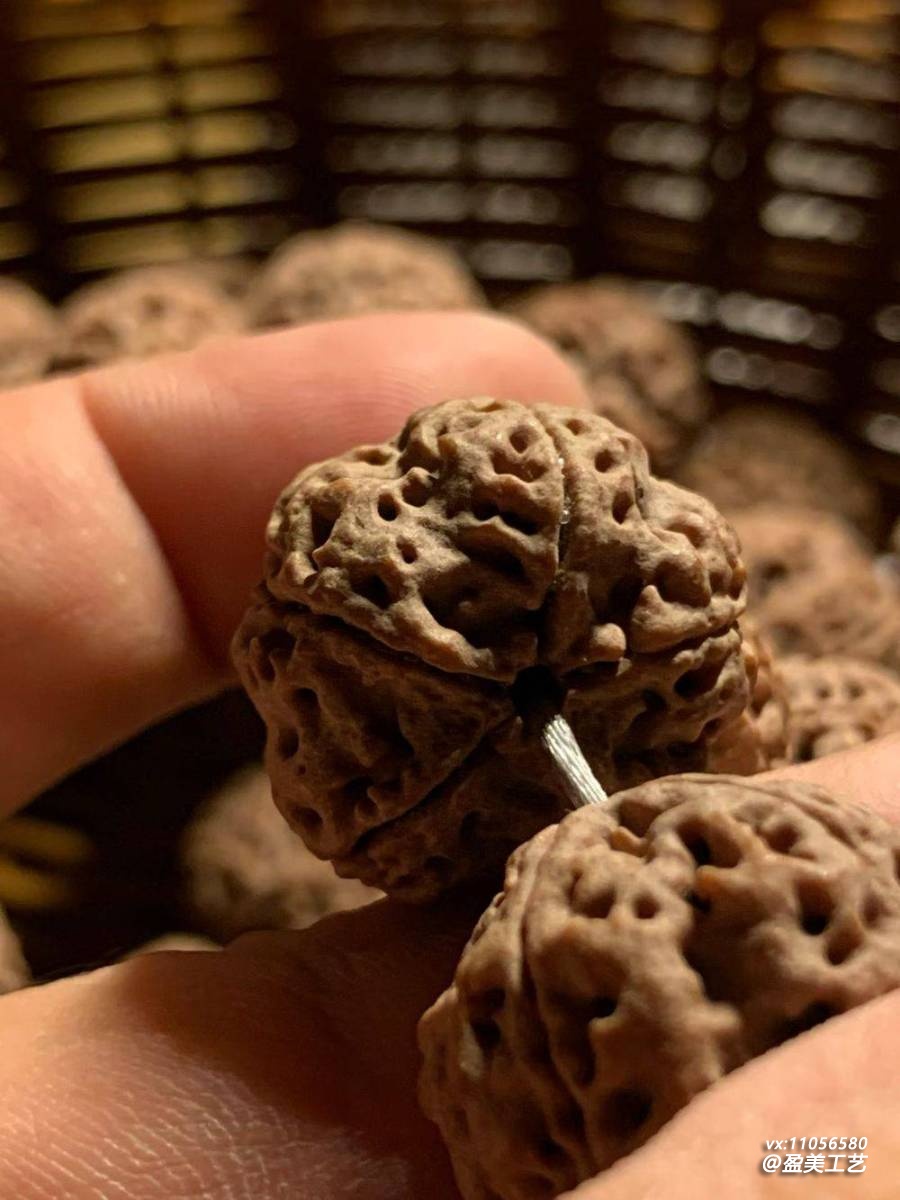
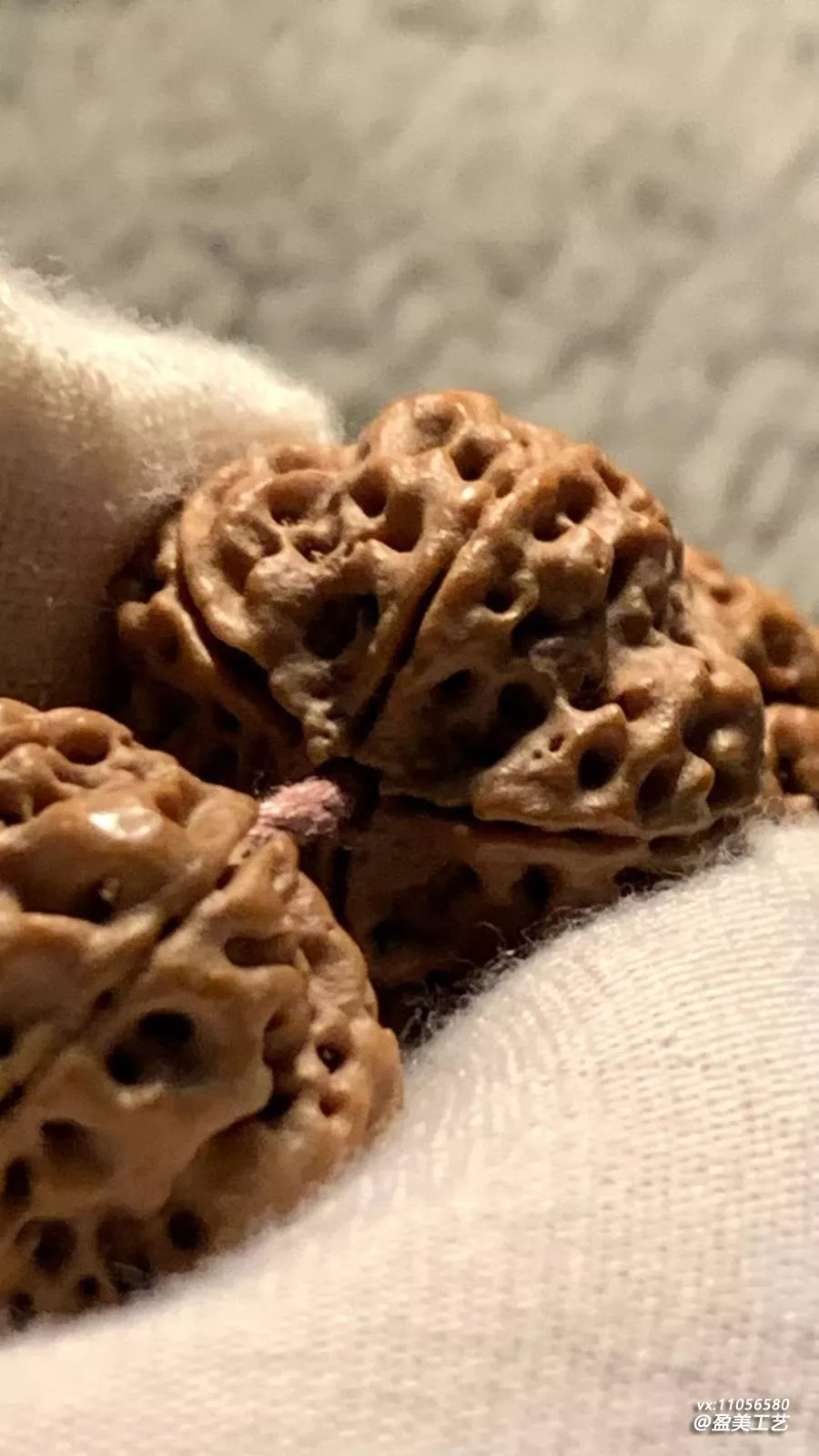
How to identify chemical treatment: Look at the husk—treated seeds have a dry, brittle husk that lacks an oily luster; look at the shape—treated seeds have unnaturally tall and plump shapes; weigh them—treated seeds have inconsistent density, feeling either light or heavy and unstable. Evaluating the husk and shape comprehensively is more reliable than just judging by weight.
What to Do If It's Too Heavy
What to do if it's too heavy: For heavy seeds, check the husk first; if it's oily and lustrous, it's a high-quality seed you can trust. If the husk is dry and brittle, combined with an unnatural shape, be wary of chemical treatment. Is an excessively heavy Rudraksha (large) chemically treated? Heavy does not necessarily mean treated; high-quality heavy seeds have high density. Judge by combining the husk condition and shape—if the husk is good, you can rest assured.
Feeling heavy is normal for high-quality seeds, so don't scare yourself. Learn to evaluate the husk and shape to distinguish between good seeds and treated ones, ensuring you make a worthwhile purchase.