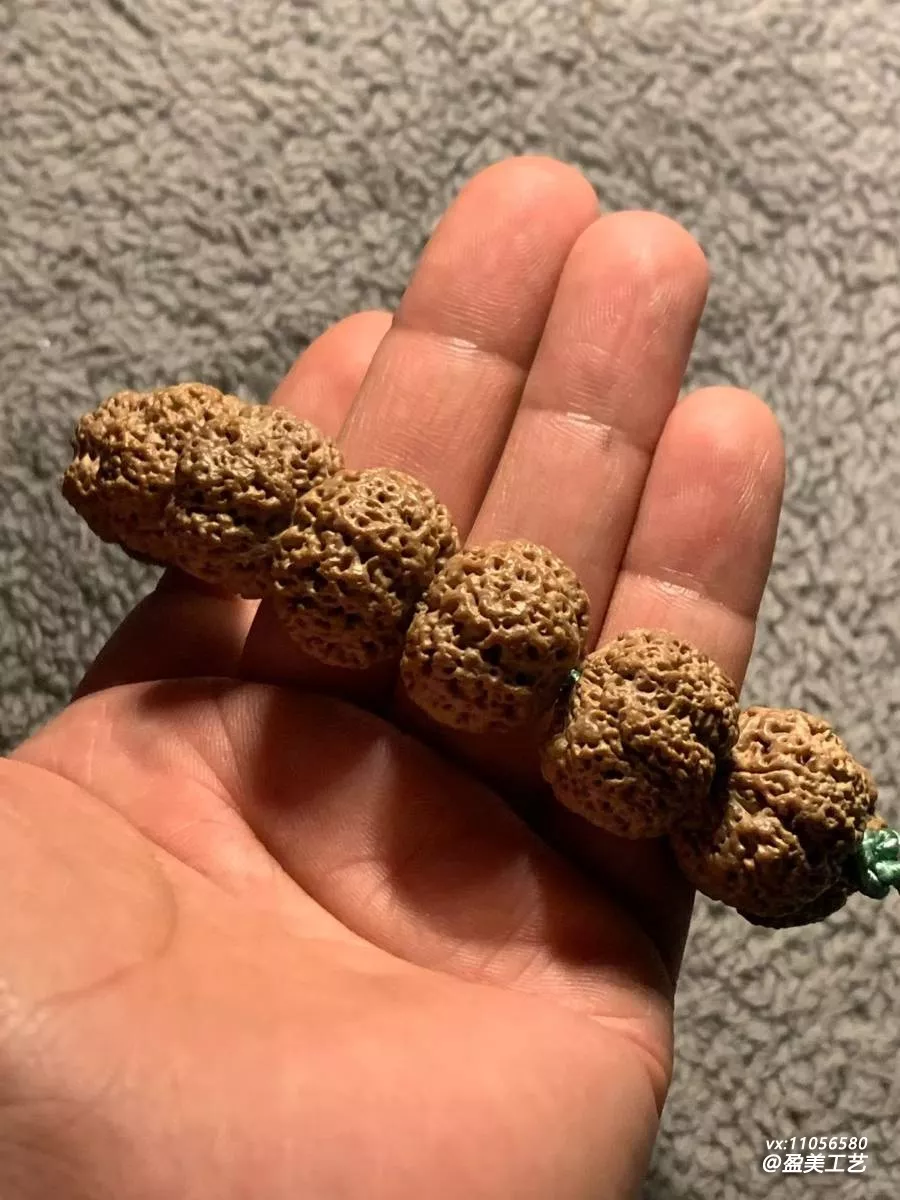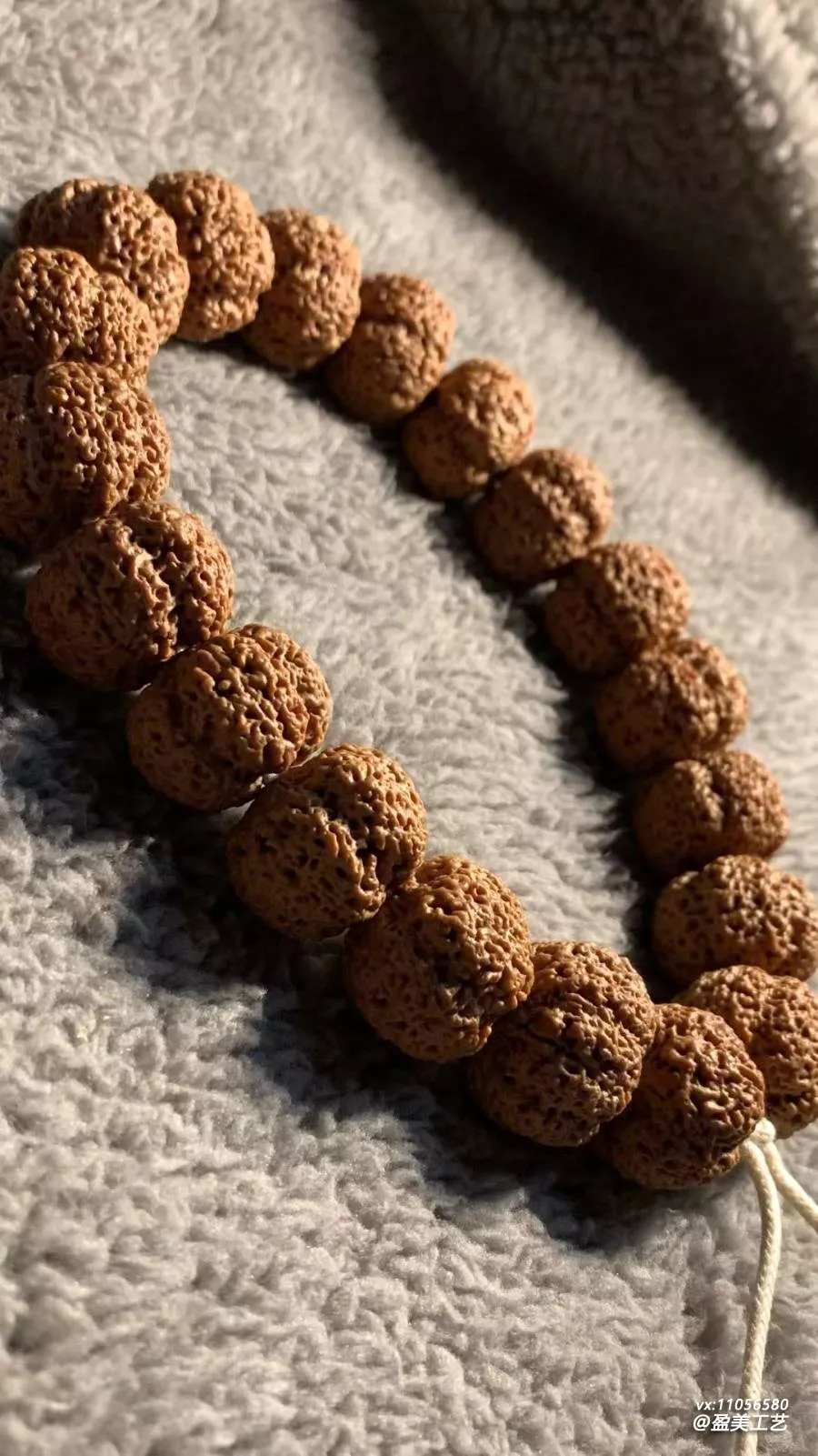
Where does the price difference come from? Rudraksha (large) grain, density, and skin quality. For the same strand of Rudraksha (large), prices can differ several times over—where does the difference lie? All things considered, the price difference comes down to three things: grain, density, and skin quality. Once that's clear, you'll know exactly what you're paying for.
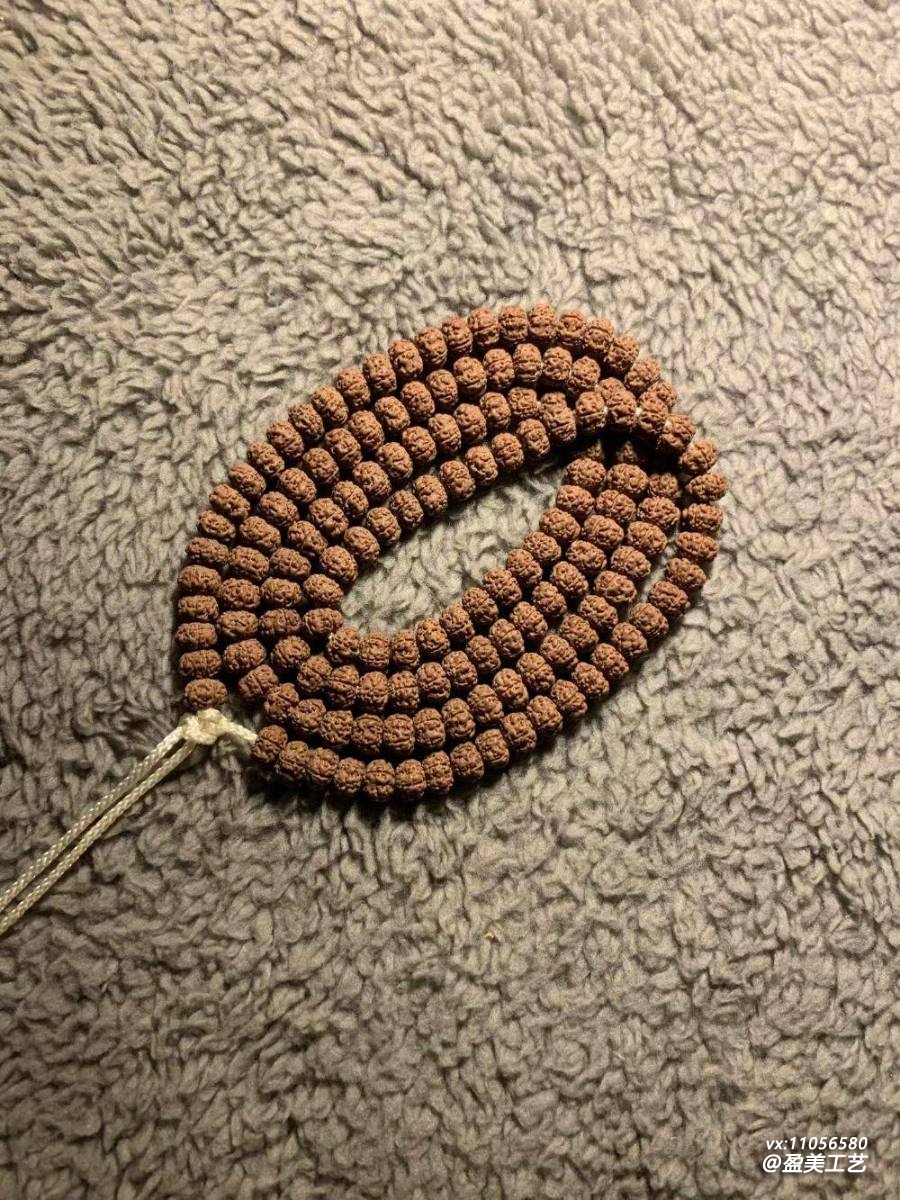
Skin quality affects price
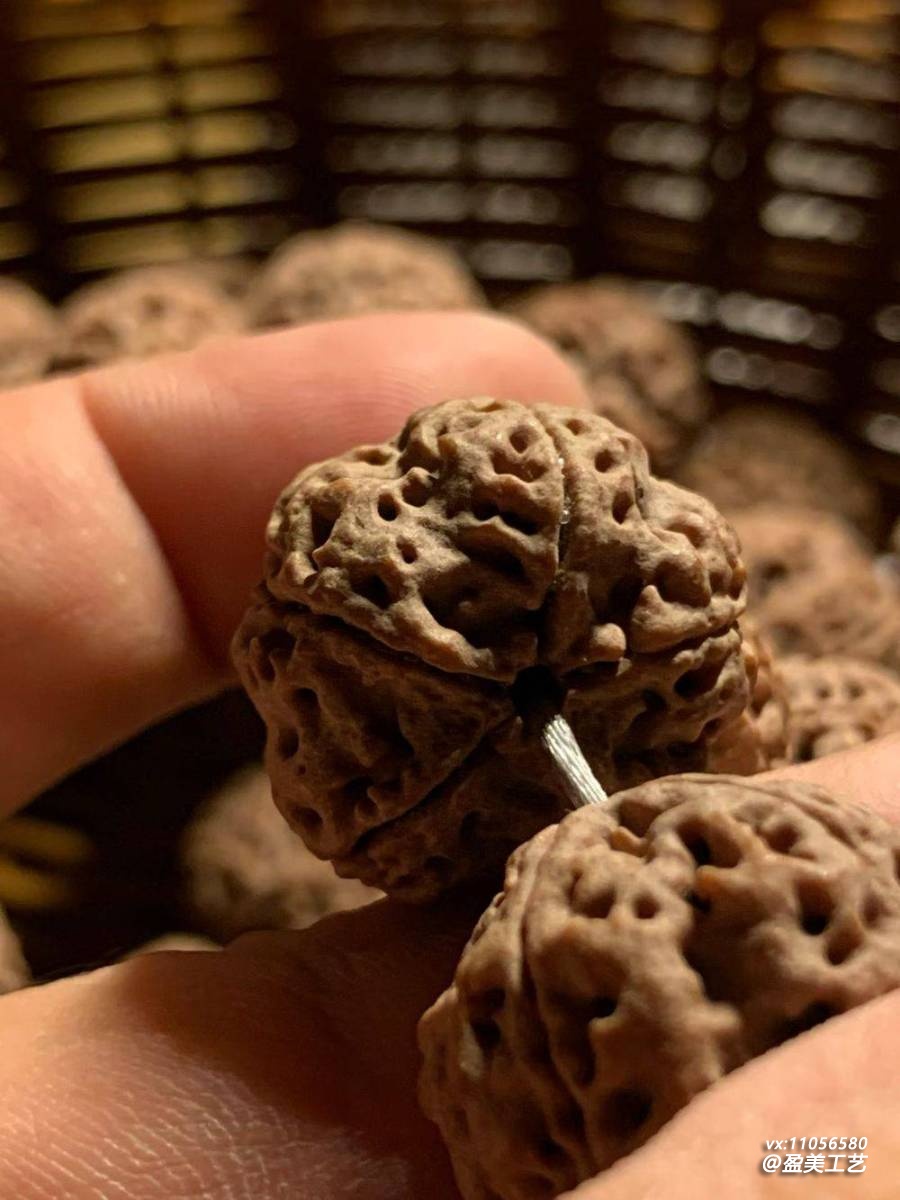
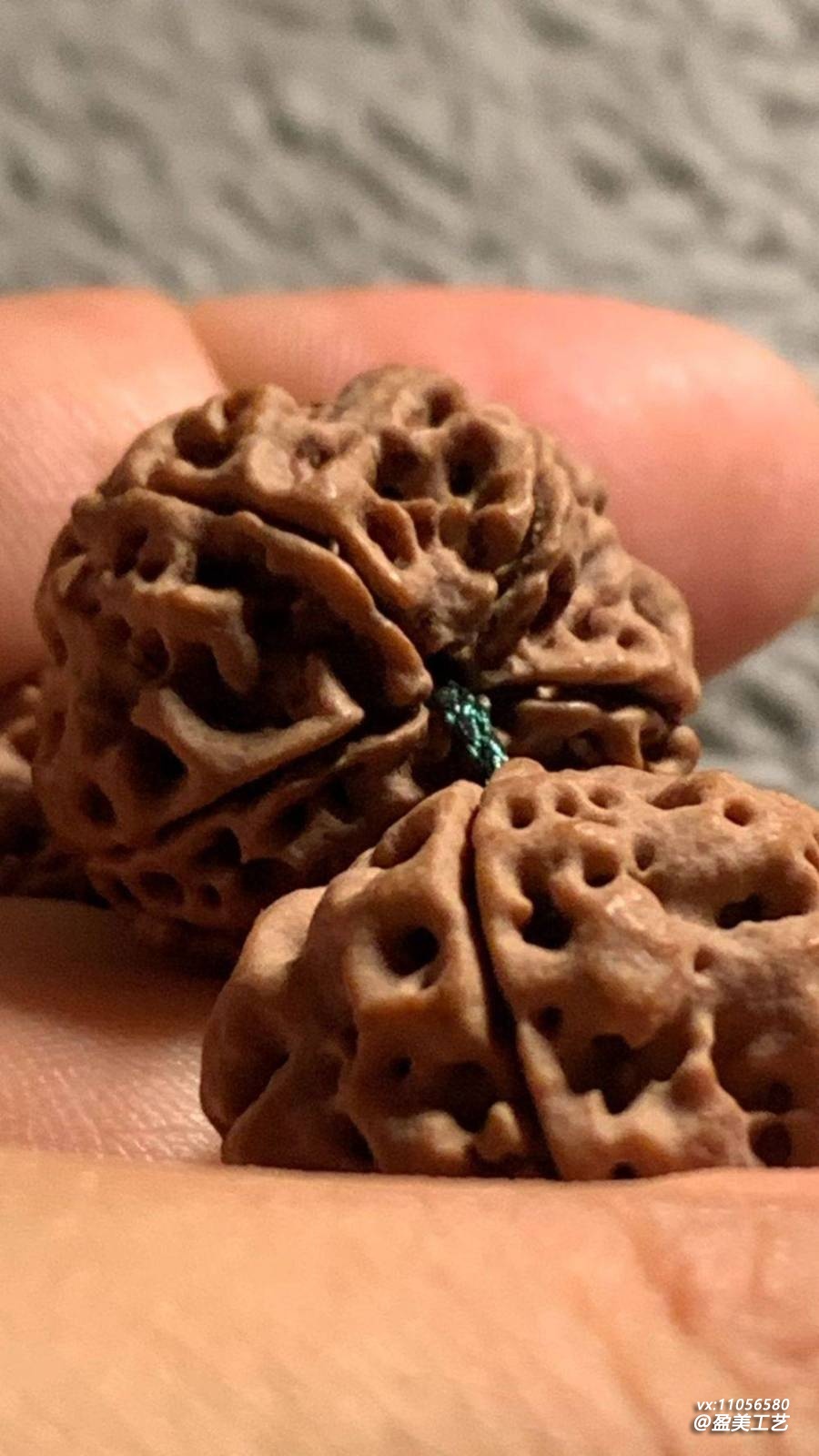
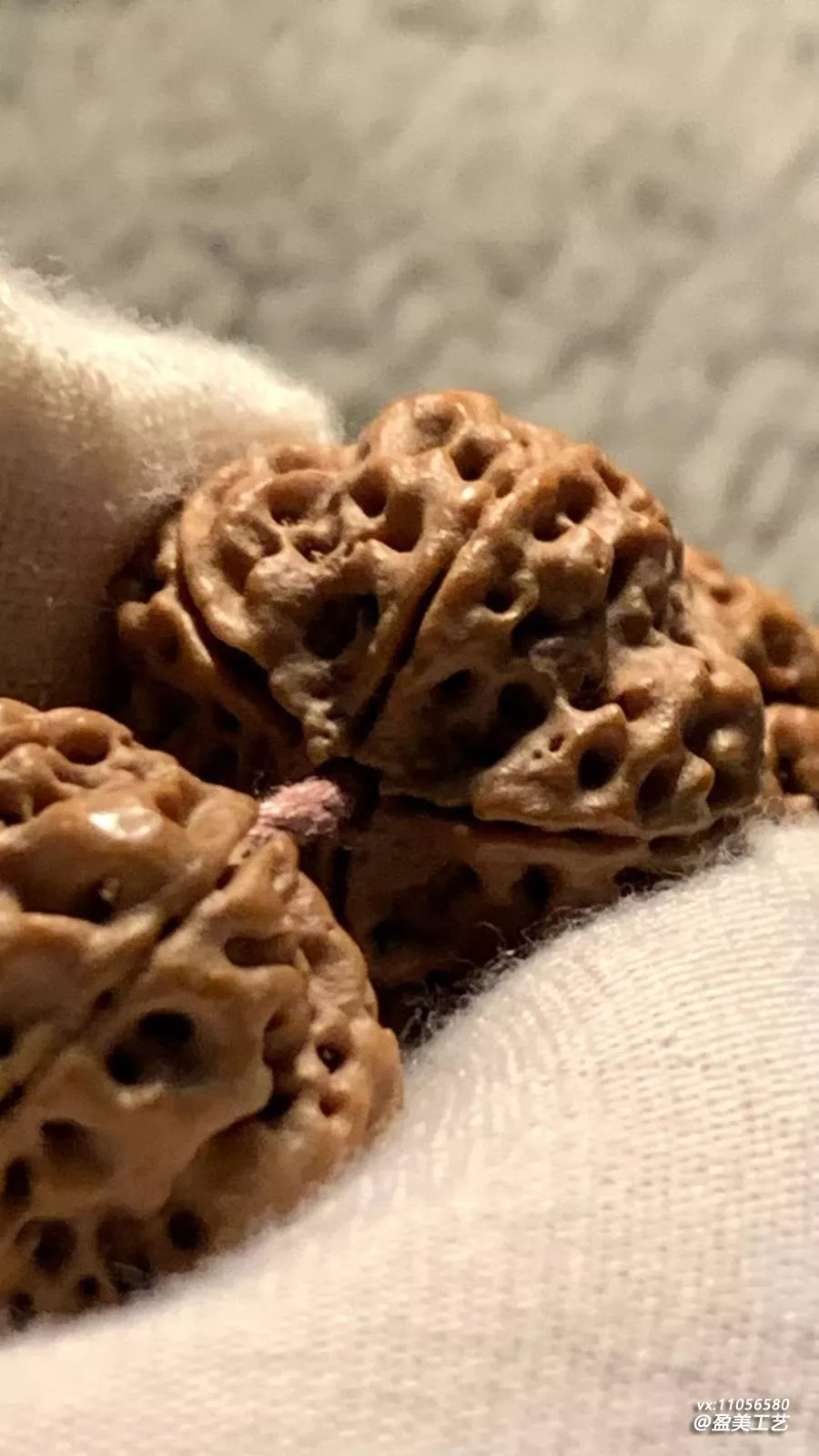
Skin quality affects price: seeds with oily, lustrous skin and high density develop beautifully with breaking-in (patina process) and command a higher price; seeds with dry, rough skin and poor density never develop well and sell for less. Skin quality and density are the core of pricing—good skin quality is worth paying for because the foundation is solid, and the higher price is justified.
Grain affects price
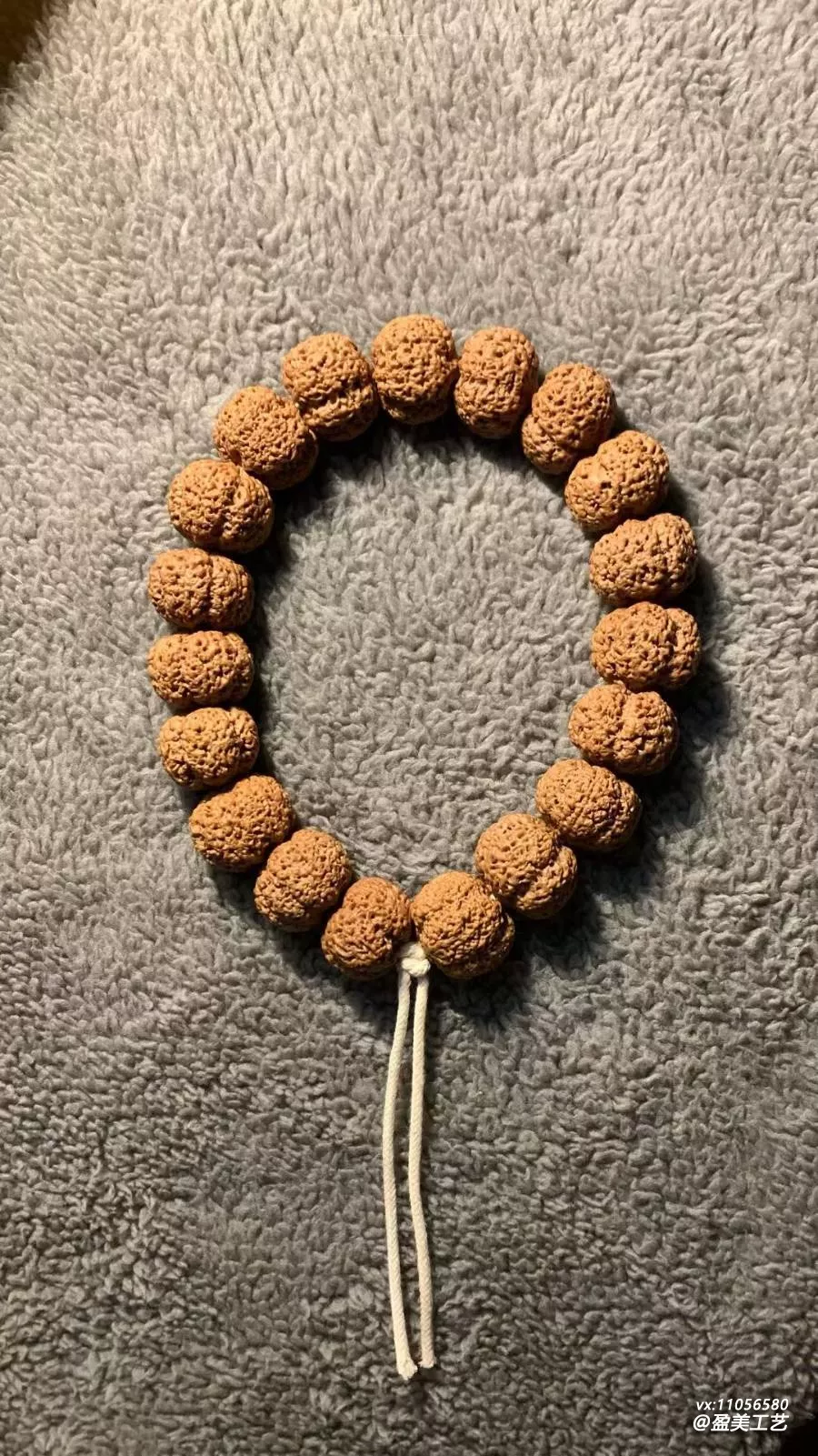
Grain affects price: strands with three-dimensional, well-ordered grain and uniform bead shape look excellent and cost more; strands with ordinary grain and uneven bead shape cost less. Grain and bead shape determine appearance—good appearance looks valuable, so the price is naturally higher.
Looking at price overall
Looking at price overall: skin quality and density determine breaking-in (patina process) value, while grain and bead shape determine appearance value. When both are good, the price is high; when only one is good, the price drops. Where does the price difference come from? Rudraksha (large) grain, density, and skin quality—skin quality is the substance, grain is the surface. Only when both substance and surface are good is the price high. When buying a strand, judge by these two factors together.
Behind every price, high or low, lies a gap in quality. Learn to judge skin quality and grain, and you'll know whether your money is well spent—and you'll feel more confident when buying a strand.