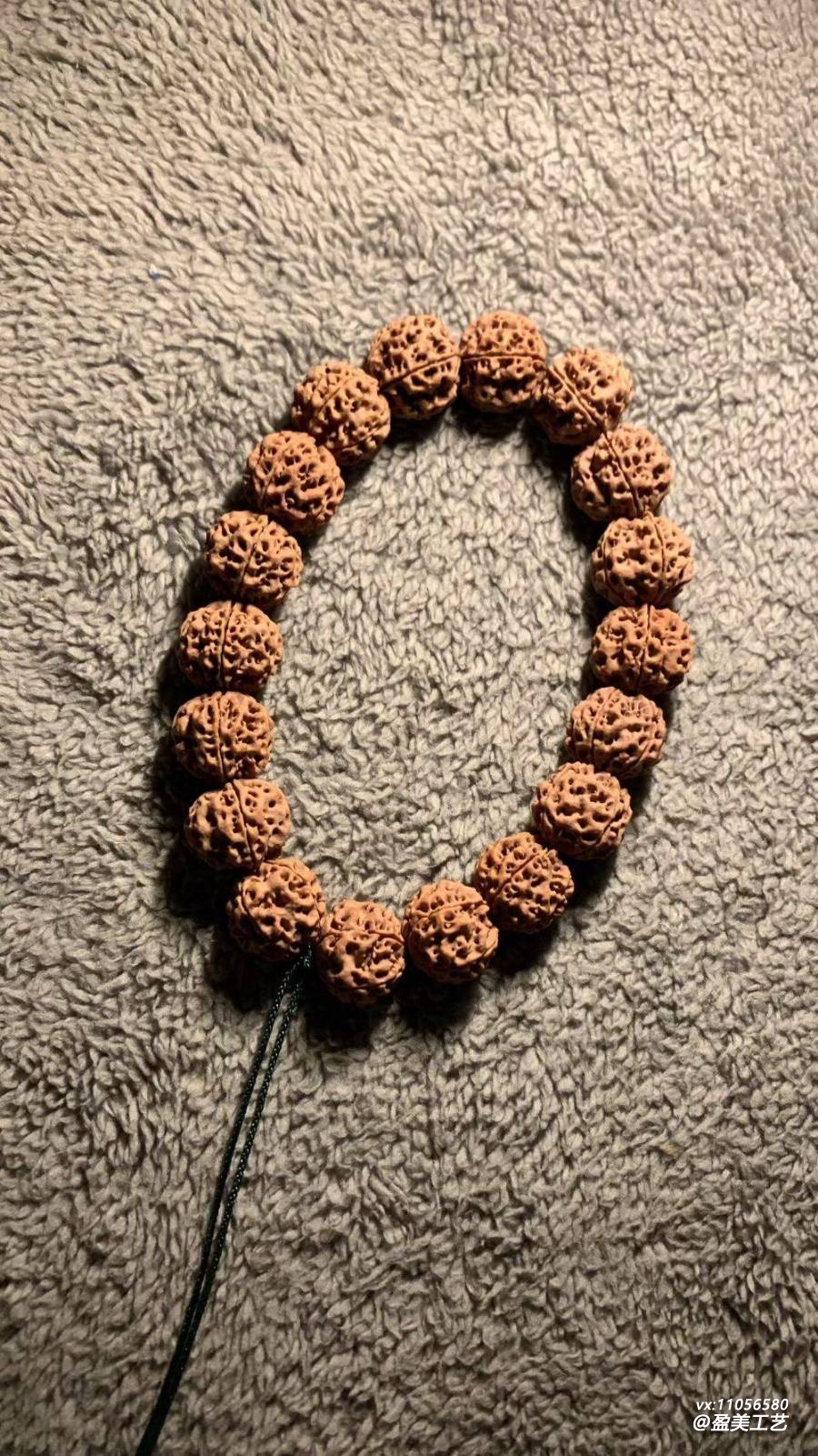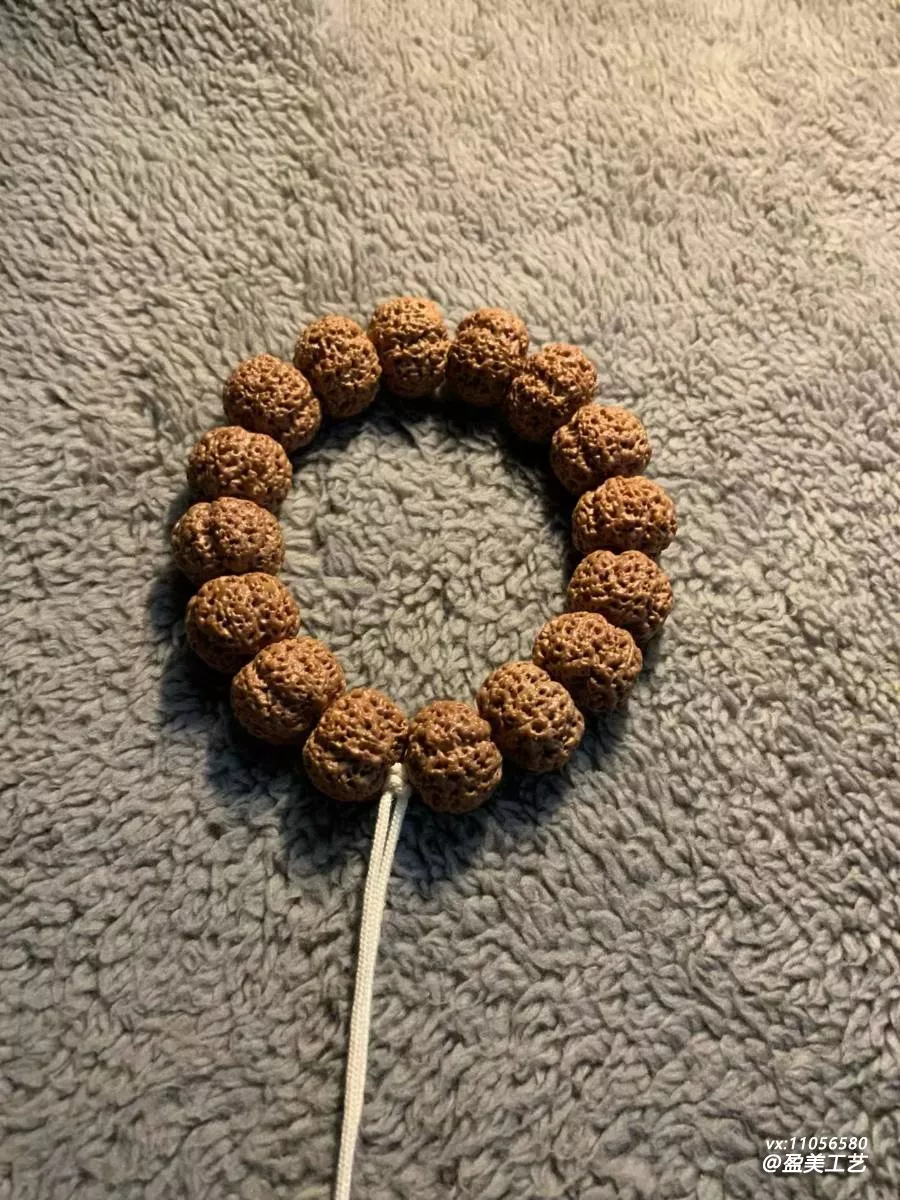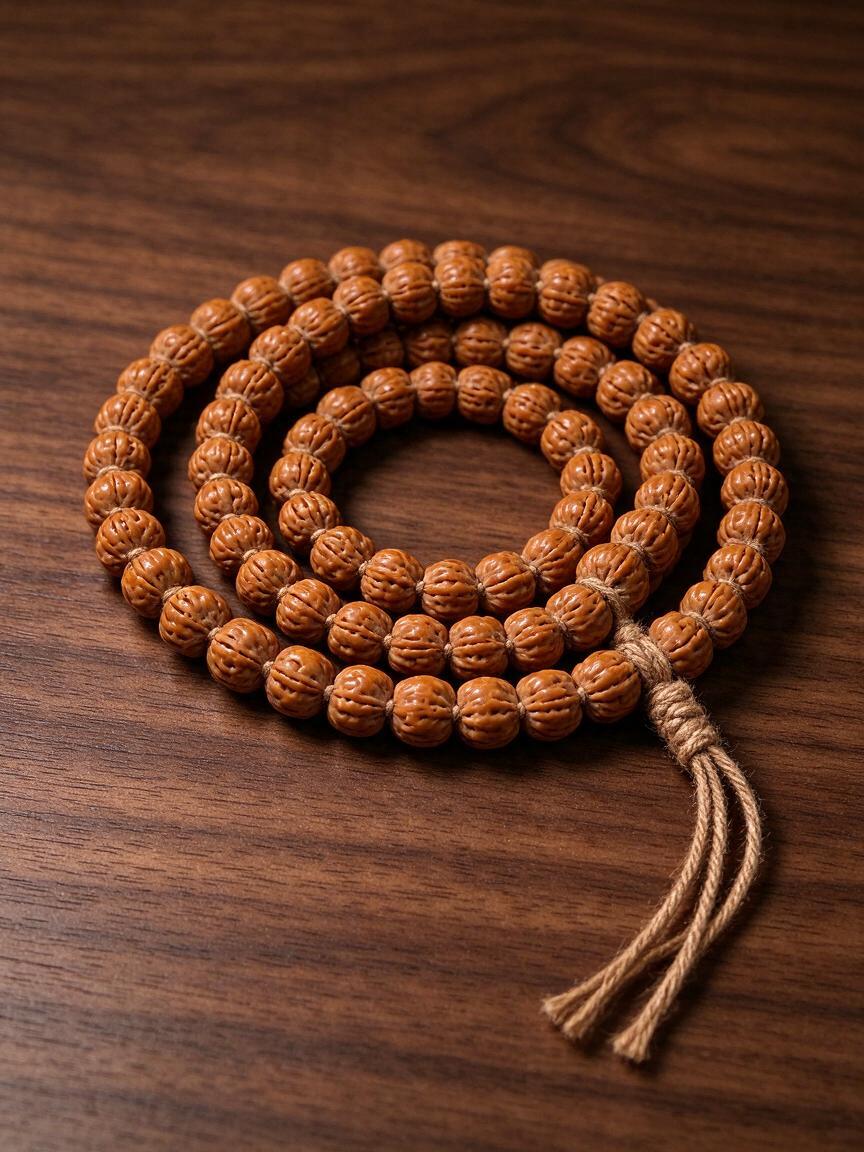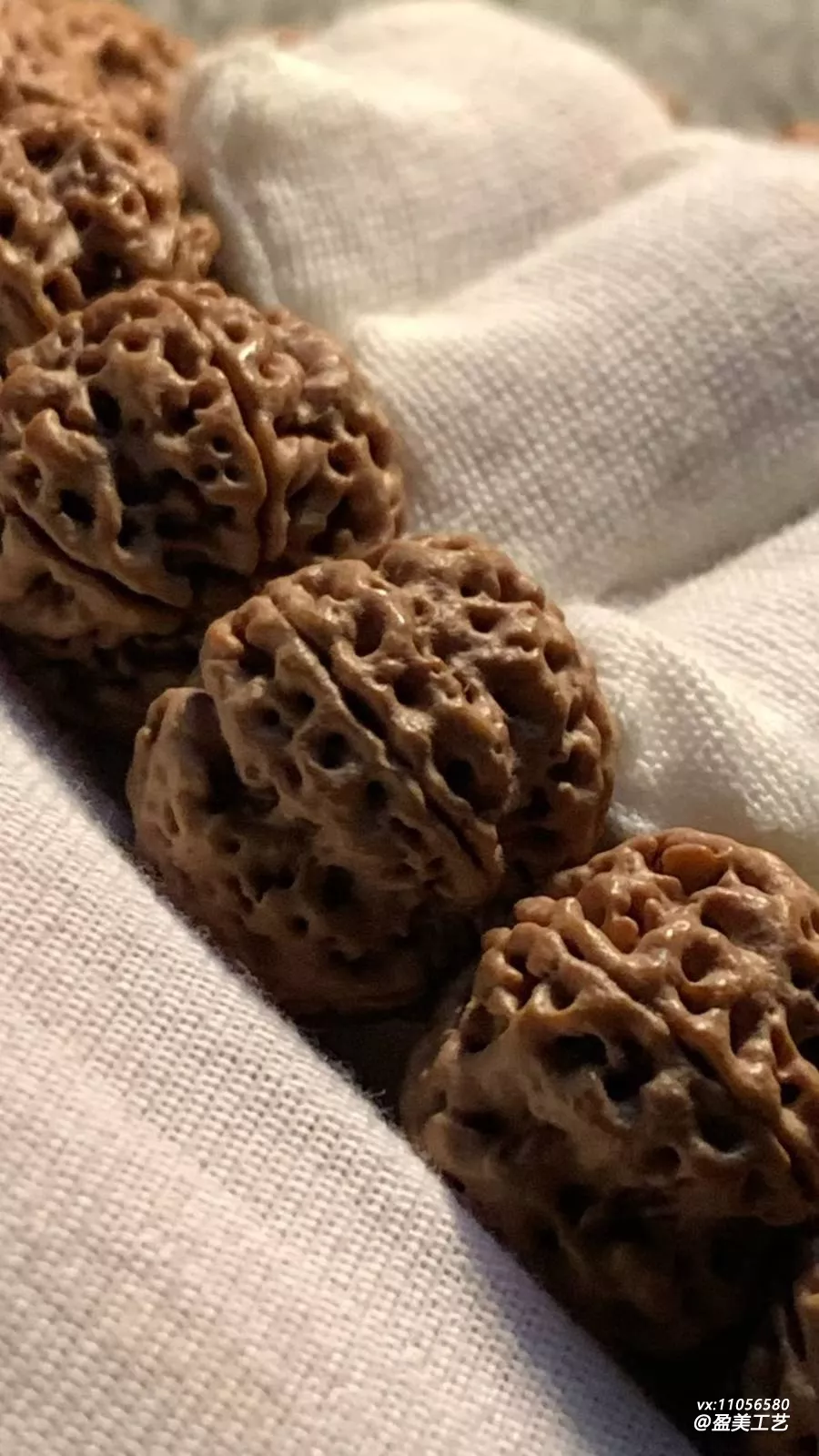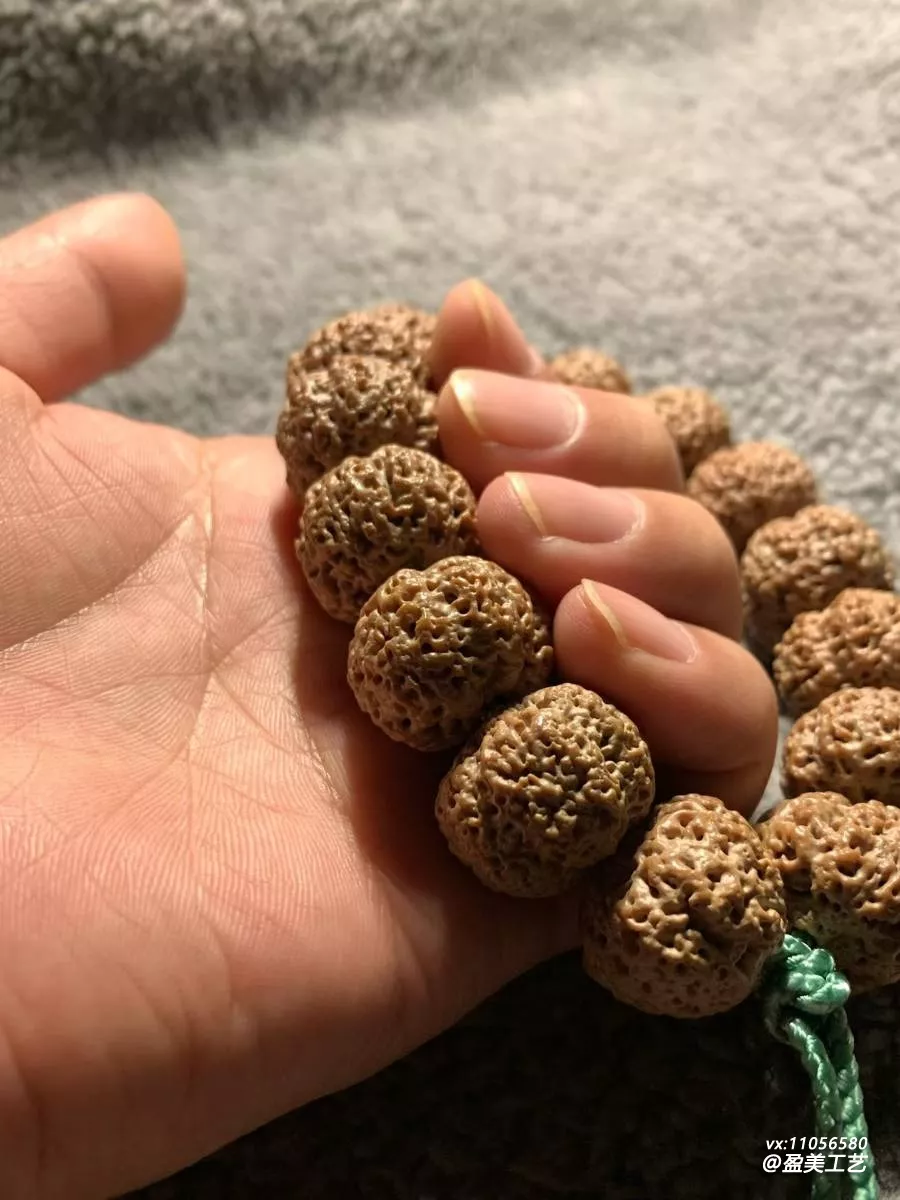
What to inspect on a newly purchased single-loop Old Tree King: explained in three steps. Once you receive the mala, don't rush the breaking-in (patina process); inspection is key. What to inspect on a newly purchased single-loop Old Tree King, explained in three steps. Once inspected, you'll know the mala's quality.
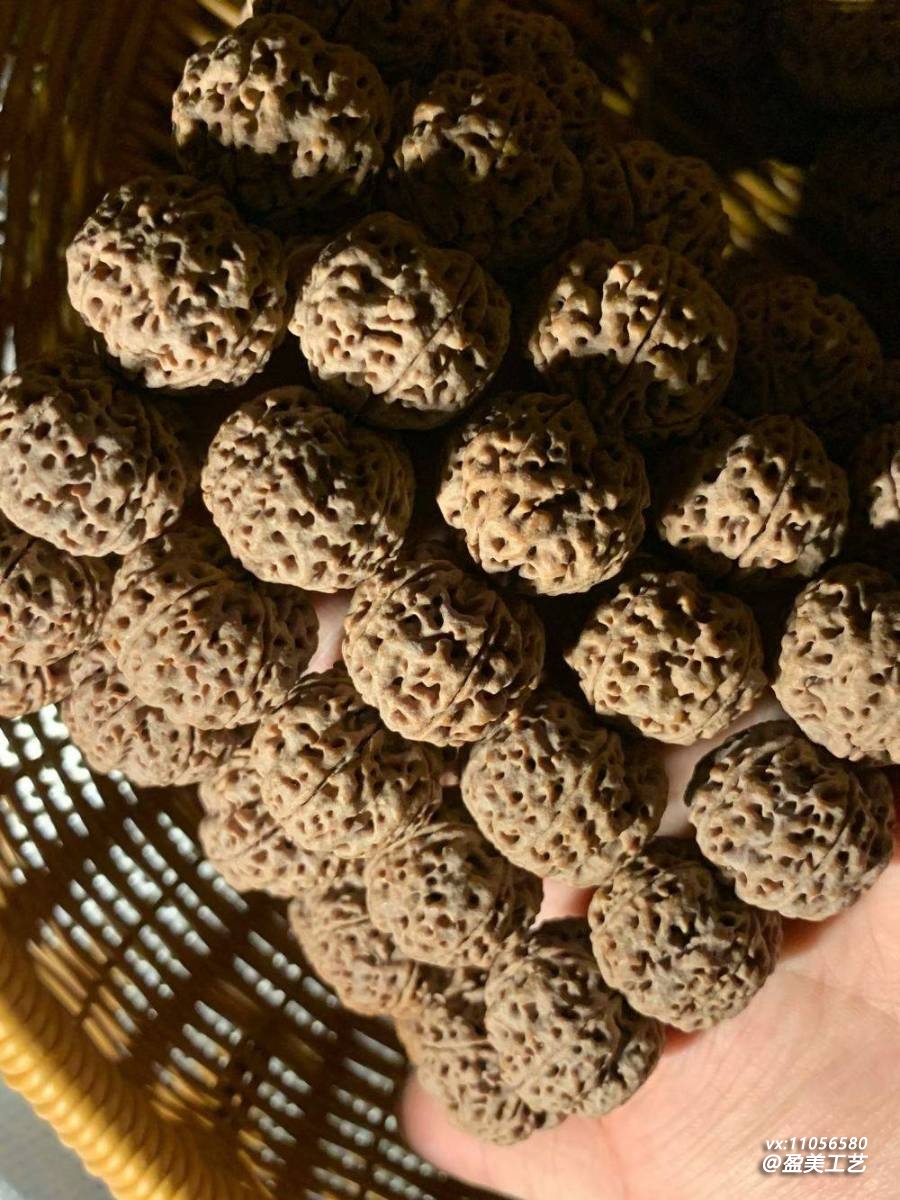
Step 1: Inspect the appearance
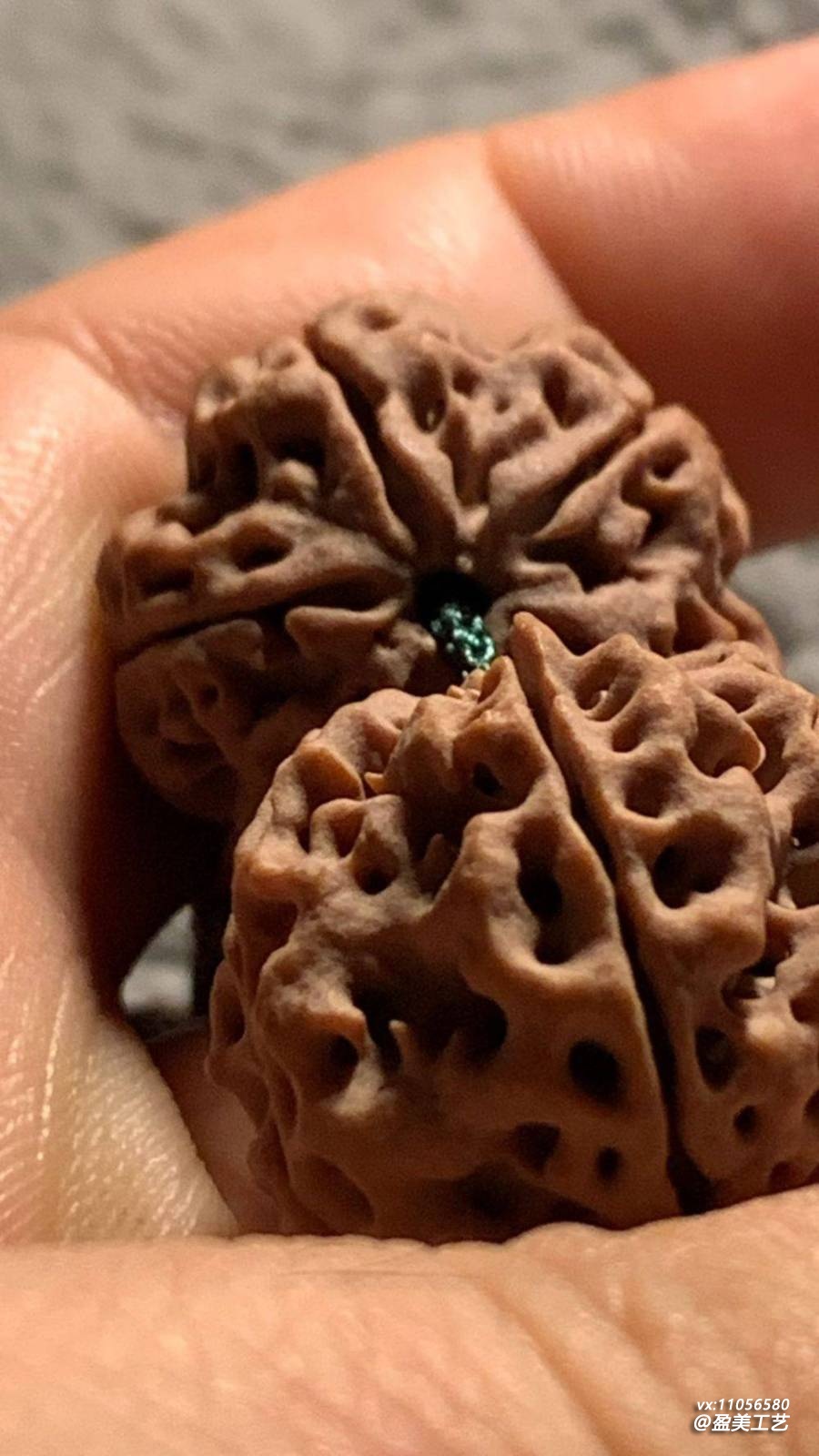
Step 1, inspect the appearance. Check each bead for cracks, broken teeth, or repairs; check the grain / texture, which should be fine, neat, and full; check the skin, which should have a naturally oily color without dyeing or artificial aging. Old Tree King has deep grain / texture, so examine flaws carefully. Inspect the appearance thoroughly to spot problems early. If the mala's quality is subpar, contact the seller promptly—don't settle.
Step 2: Inspect the feel
Step 2, inspect the feel. Weigh it in your hand; a heavy, substantial feel indicates good density; touch it to see if the skin is fine, smooth, and oily; shake it to hear the sound of beads colliding—a crisp sound indicates high density. Old Tree King has excellent skin, so pay close attention to the feel. Once you understand the feel, you'll know the density and skin, giving you confidence in the mala's quality.
Step 3: Inspect the stringing
Step 3, inspect the stringing. Check the string quality for fraying or thinning; a poor string breaks easily. Check the string tension; too tight damages the bead holes, too loose makes the mala wobbly. Check the knots to ensure they are secure. Once the stringing is inspected, you can wear it out with peace of mind. What to inspect on a newly purchased single-loop Old Tree King: explained in three steps: inspect the appearance, inspect the feel, and inspect the stringing. Once these three are checked, you can confidently start the breaking-in (patina process).