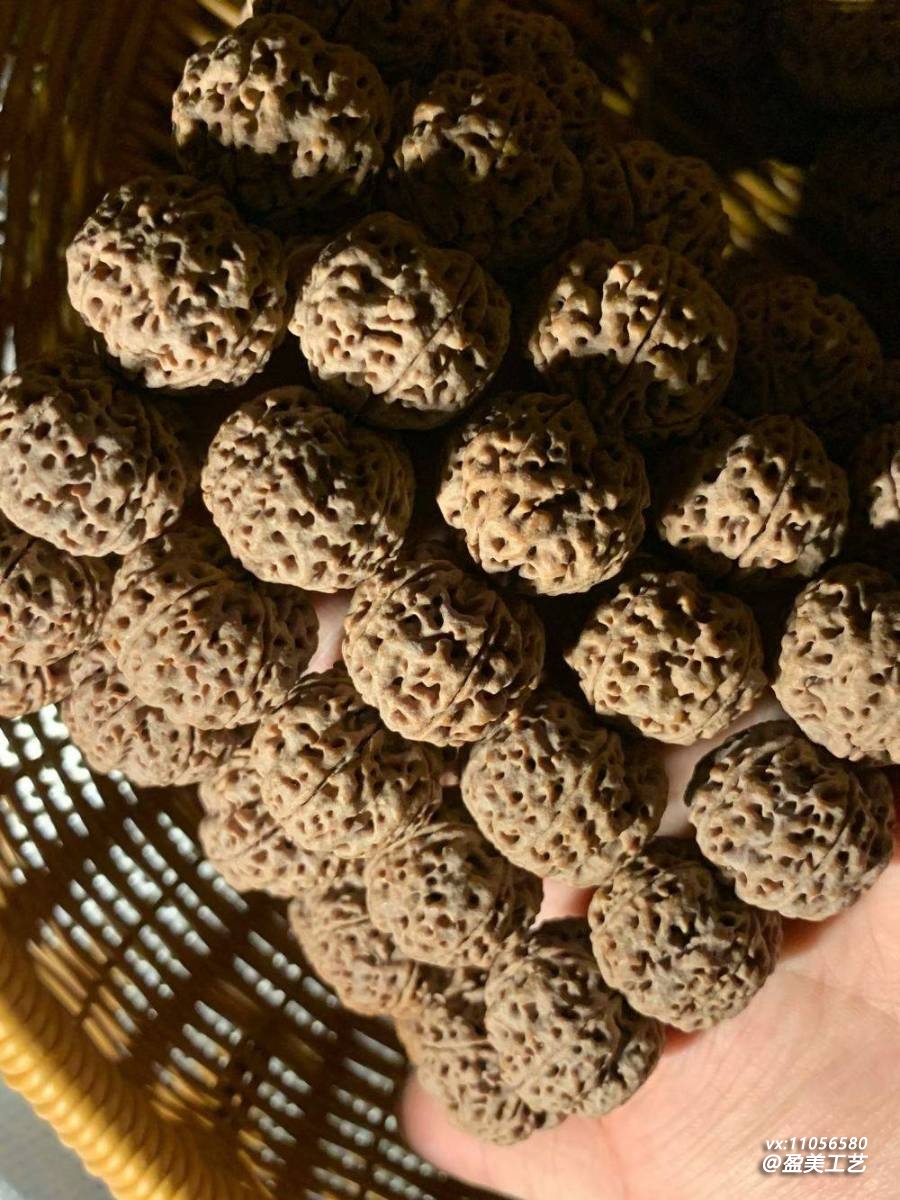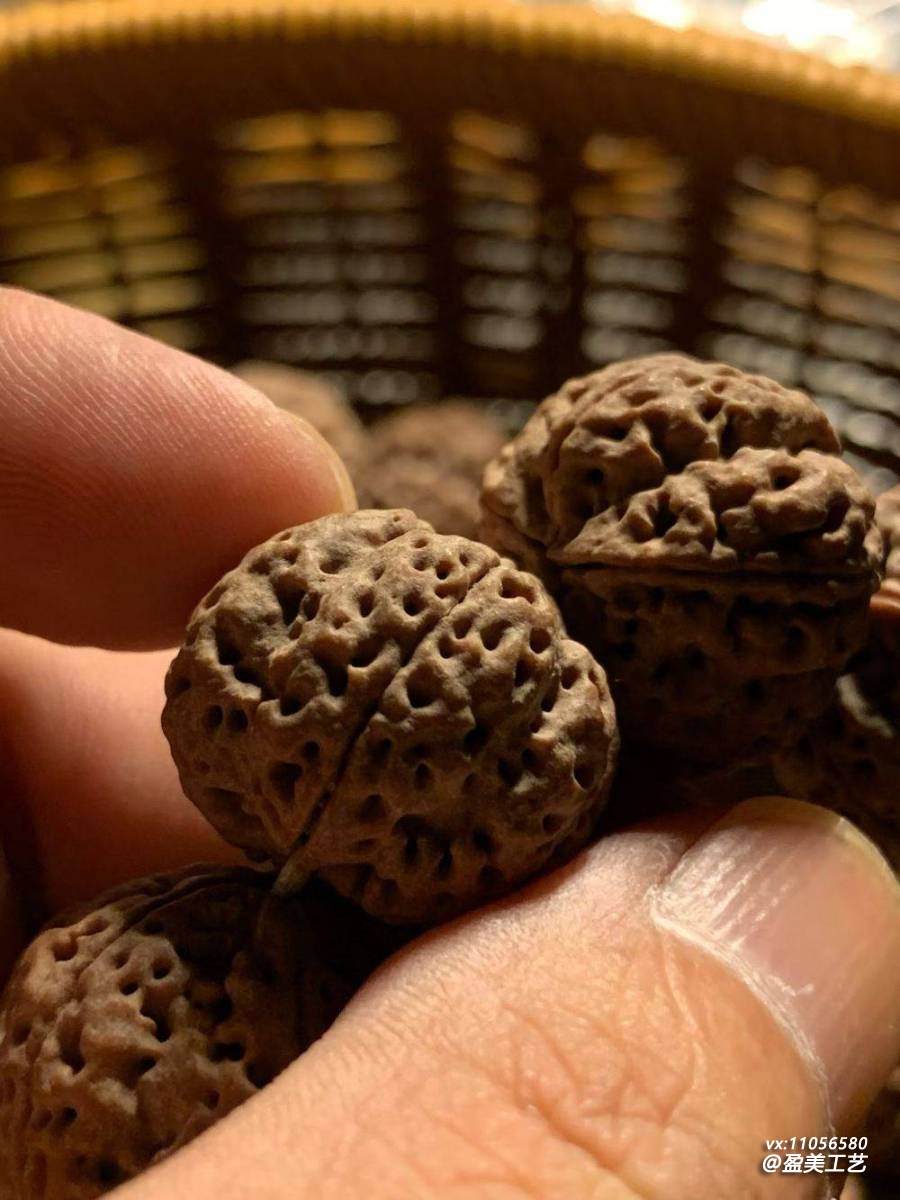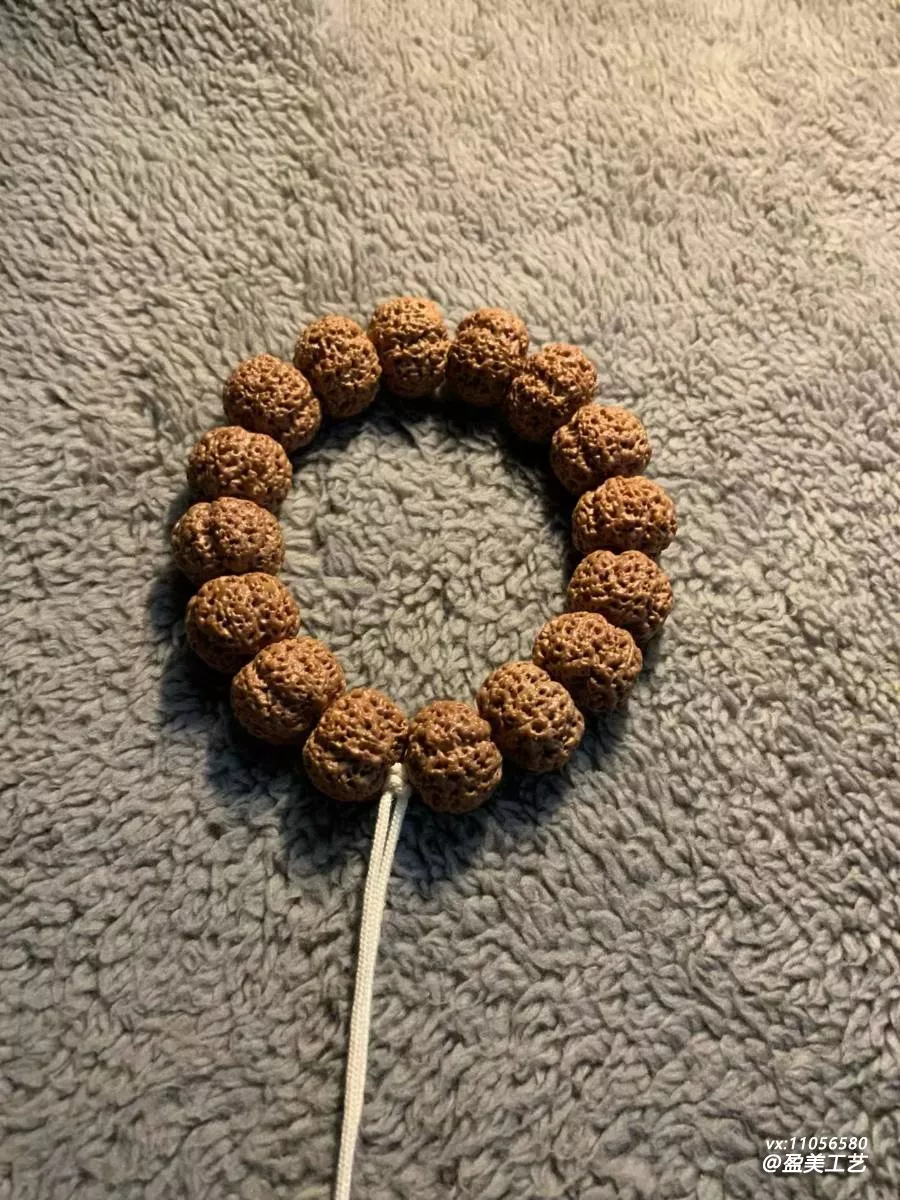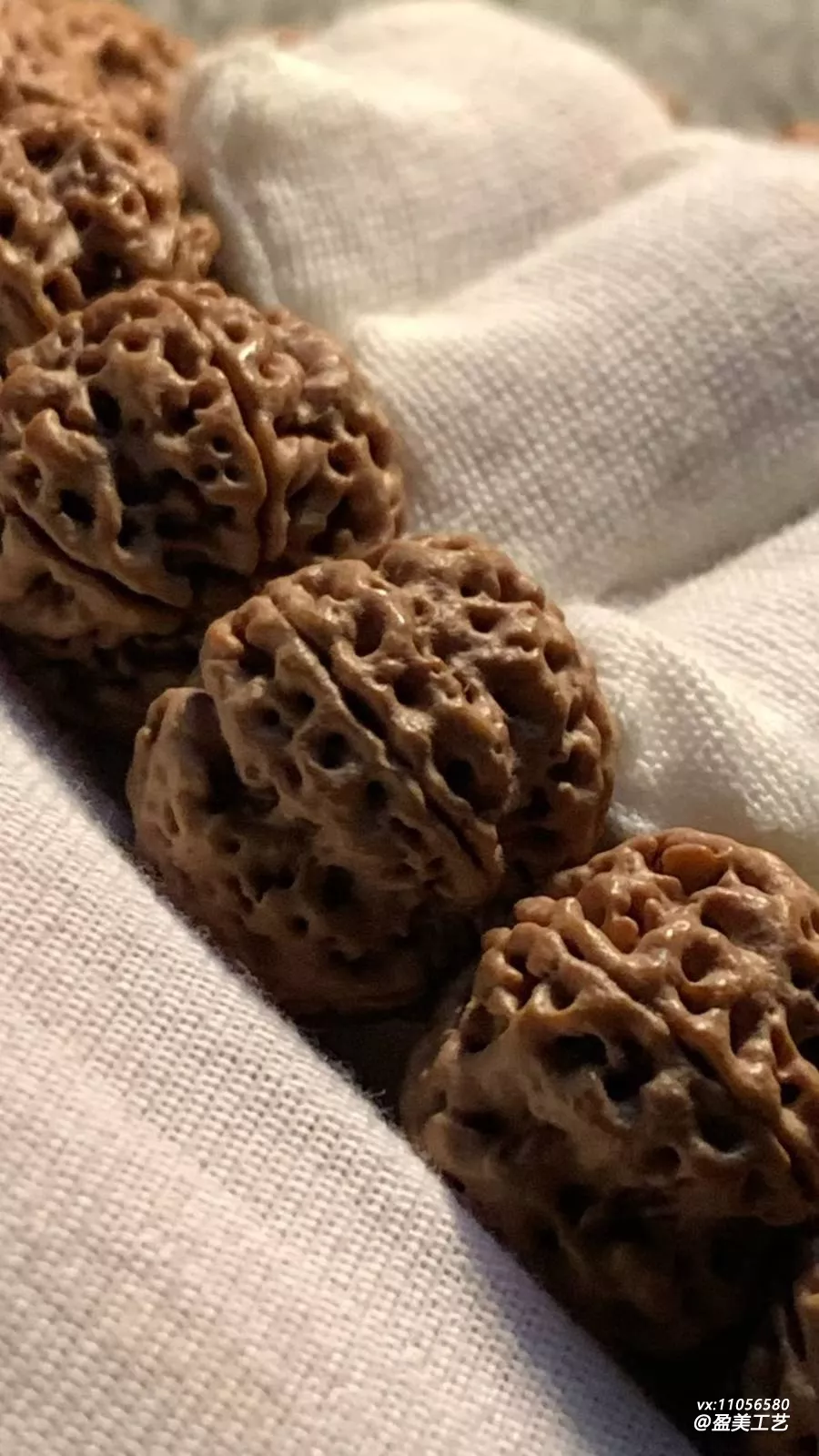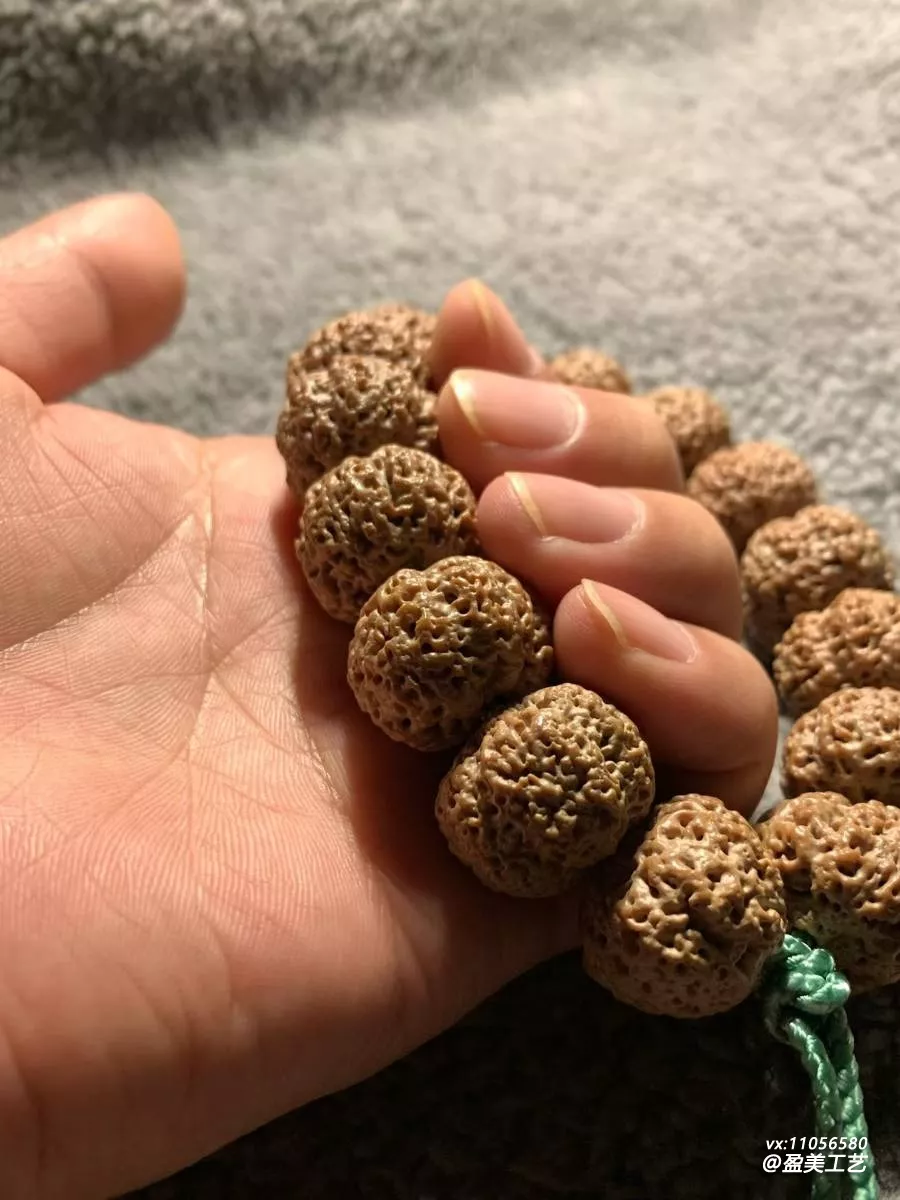
Fine-grained 108 is affordable, and with proper breaking-in it can look stunning too. Many people ask about it. For a fine-grained 108 with uneven patina, here's how you can even out the color and bring it back. Since many people ask this, let's clarify it once and for all.
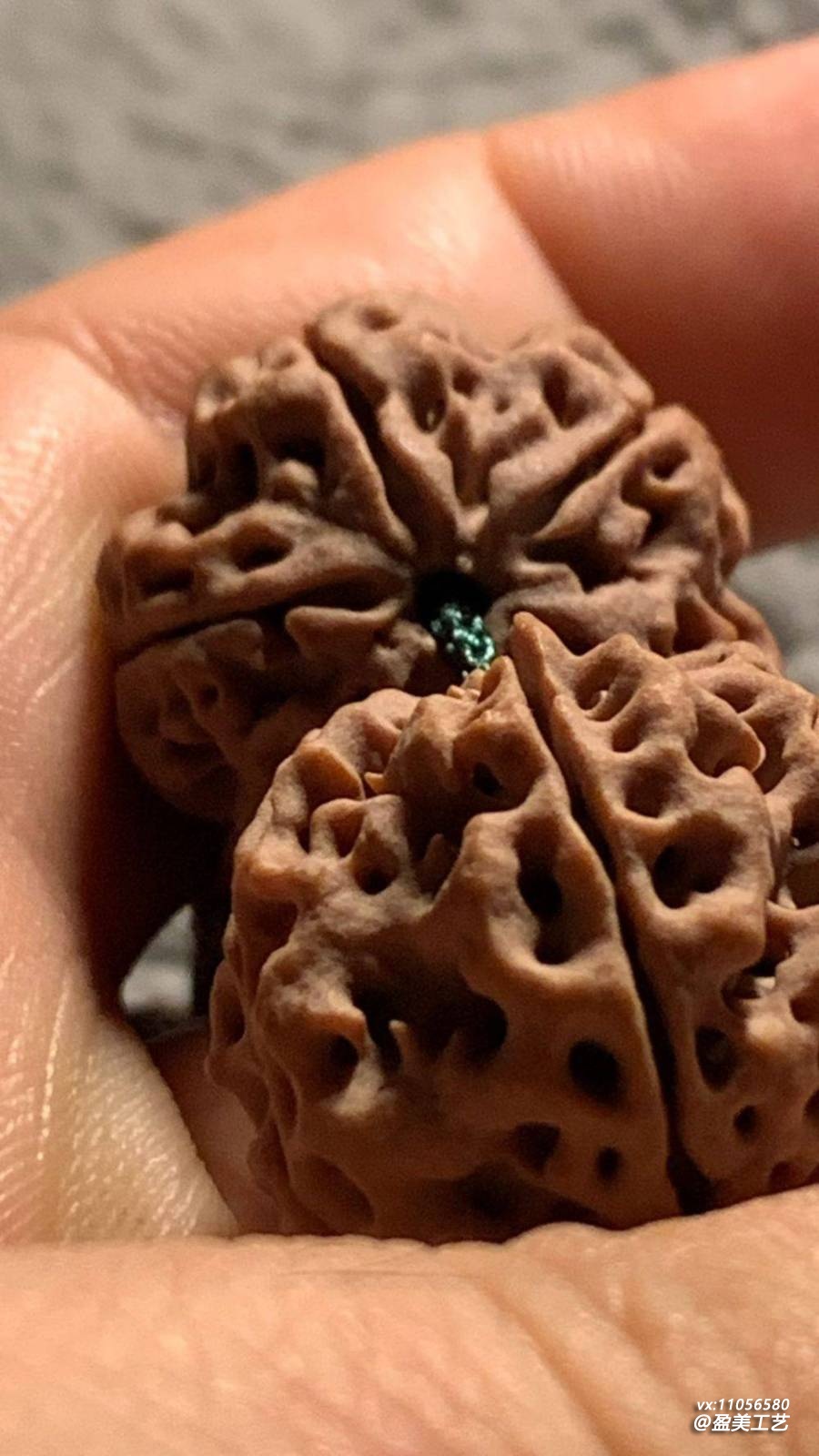
Why uneven patina happens
First, understand why uneven patina happens. With 108 beads, each bead colors at a different rate, so color differences are naturally obvious; uneven sweat and oil mean areas handled more turn darker; poor breaking-in habits mean only the convenient spots get worked. Fine-grained beads are small, so uneven color stands out even more. Once you pinpoint the cause, your color-correction method can be targeted. Find the cause first, then act.
How to even out the color
The core of evening out color is compensating for differences. Work the lighter beads more to bring their color up; brush the darker beads more to bring their color down; all 108 beads need careful attention bead by bead. Fine-grained beads are small, so be extra careful when correcting and don't miss any. Evening out color takes patience—results show only after a few months. Keep your handling and brushing even throughout, so you don't create new color differences.
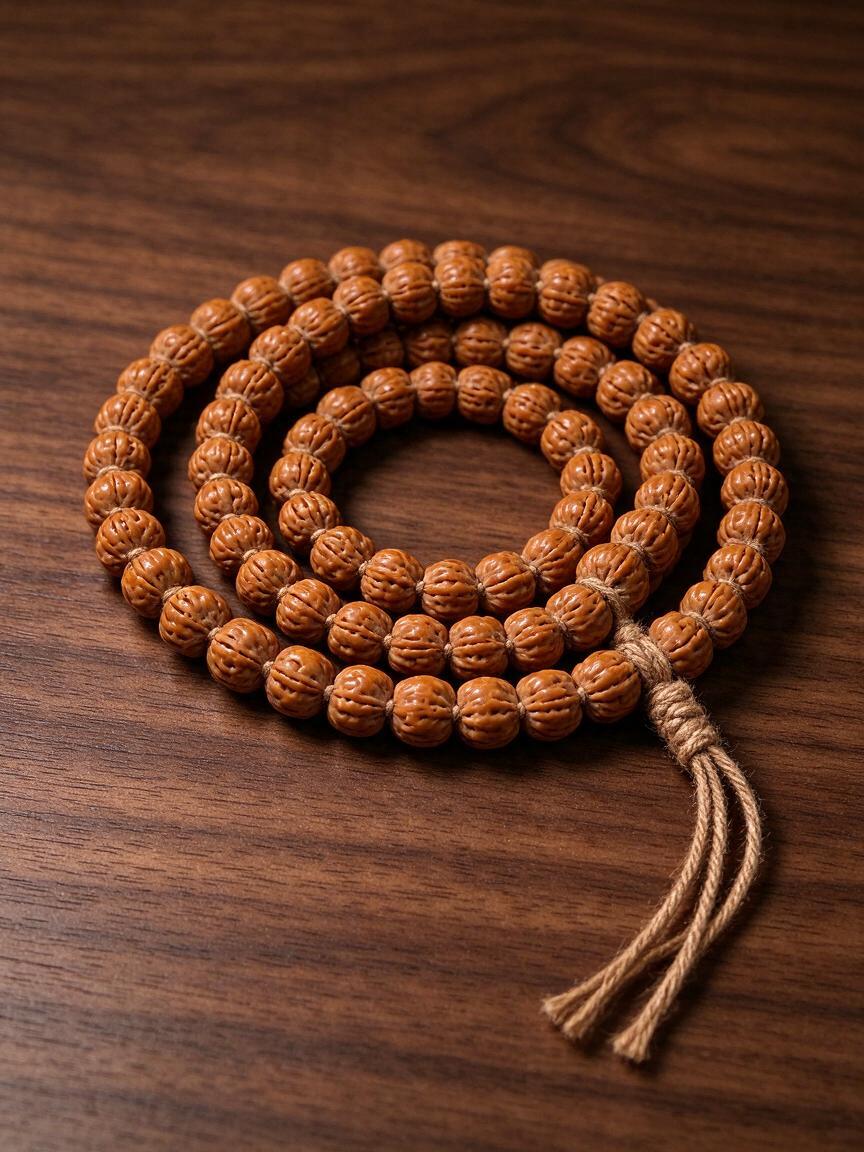
When a fine-grained 108 reaches the later stage, the whole strand turns an even deep red, the grain is fine and dense, the patina is translucent, and it looks especially elegant and refined wrapped around the wrist—pleasing to look at for a long time.
Principles for evening out color
There are a few principles for evening out color: don't apply oil to correct color—oil makes the color look fake; don't aggressively work the lighter beads; keep the strand surface clean during the process, and always brush after handling. Evening out color on a fine-grained 108 is delicate work—take it steady. For a fine-grained 108 with uneven patina, this is how you can bring the color back. Don't give up—keep at it, and the whole strand will return to an even tone.
Fine-grained 108: fine grain, even results when worked properly. With the right method, the whole strand looks elegant. Working a mala is training your patience, and the mala will repay you.