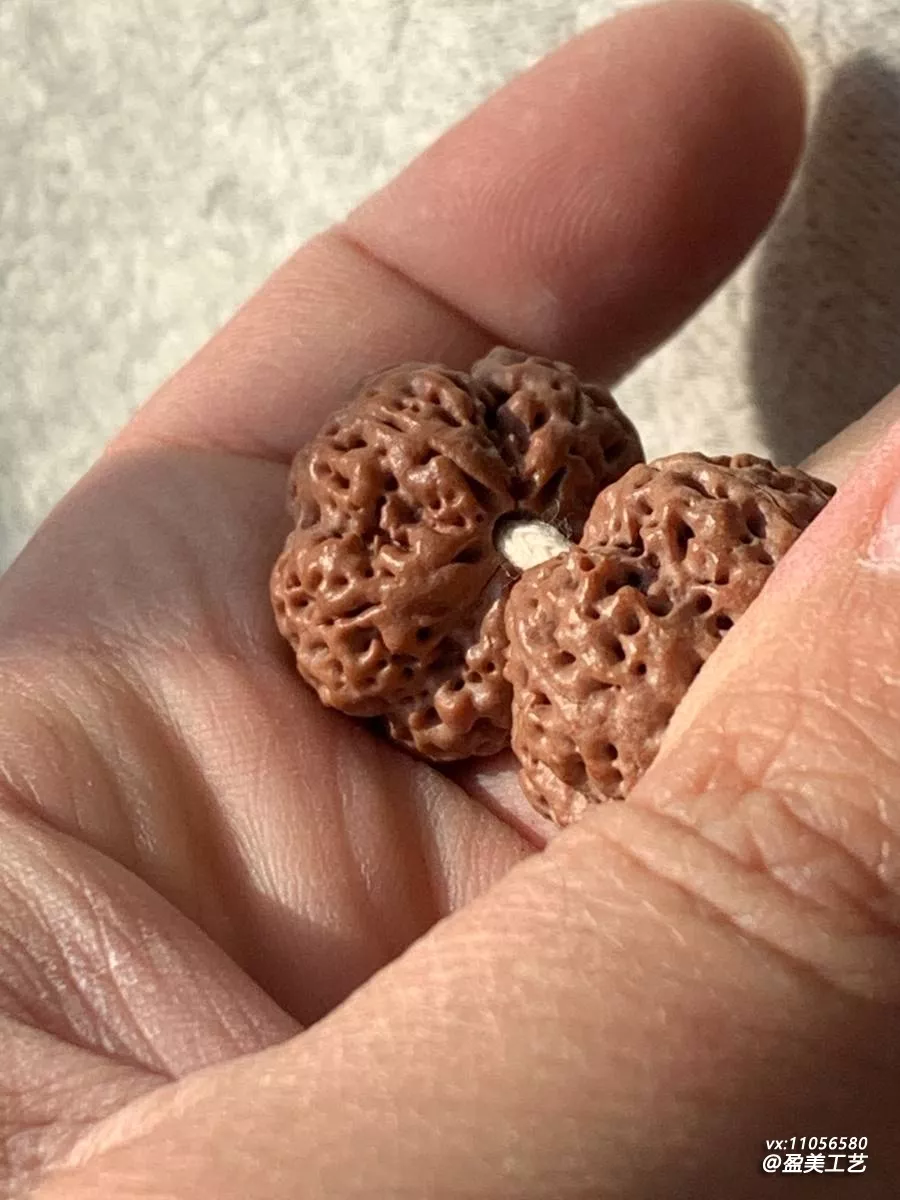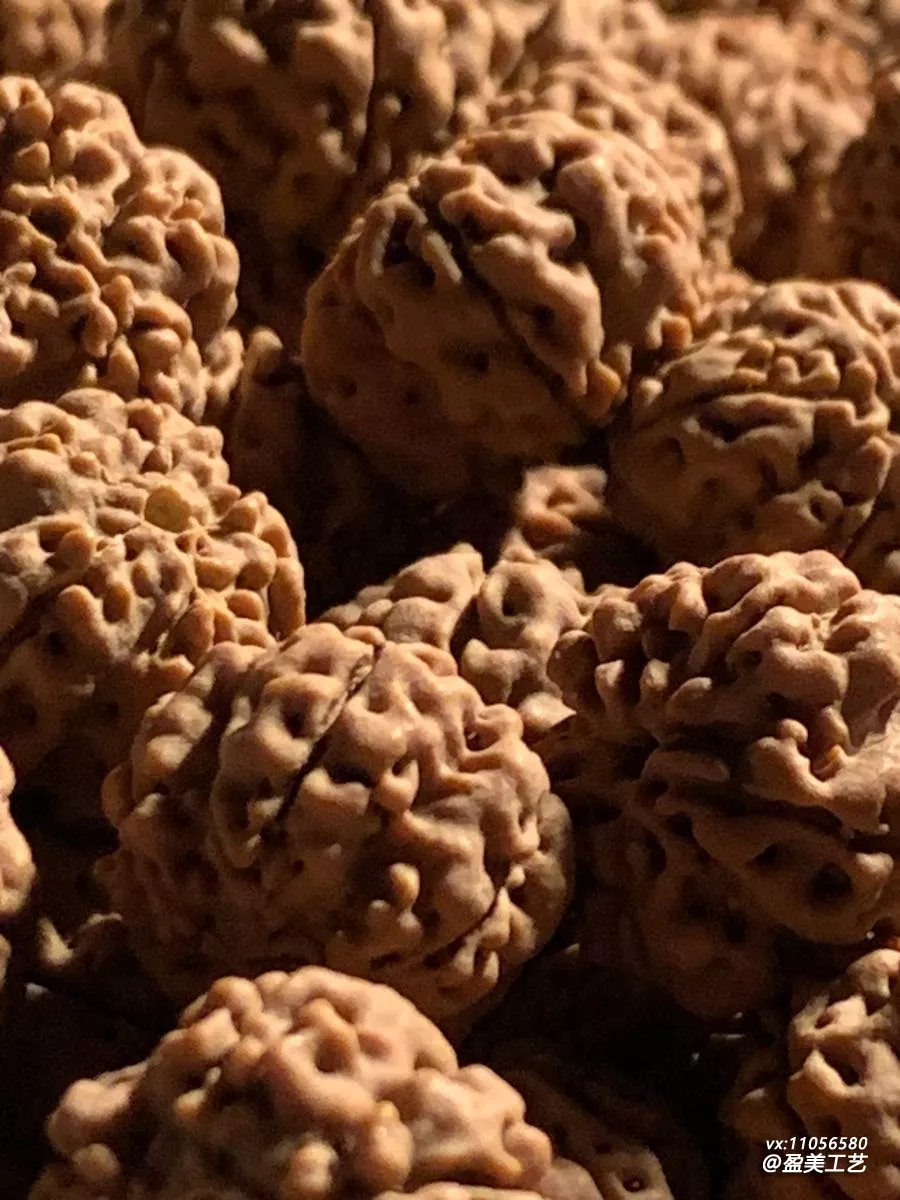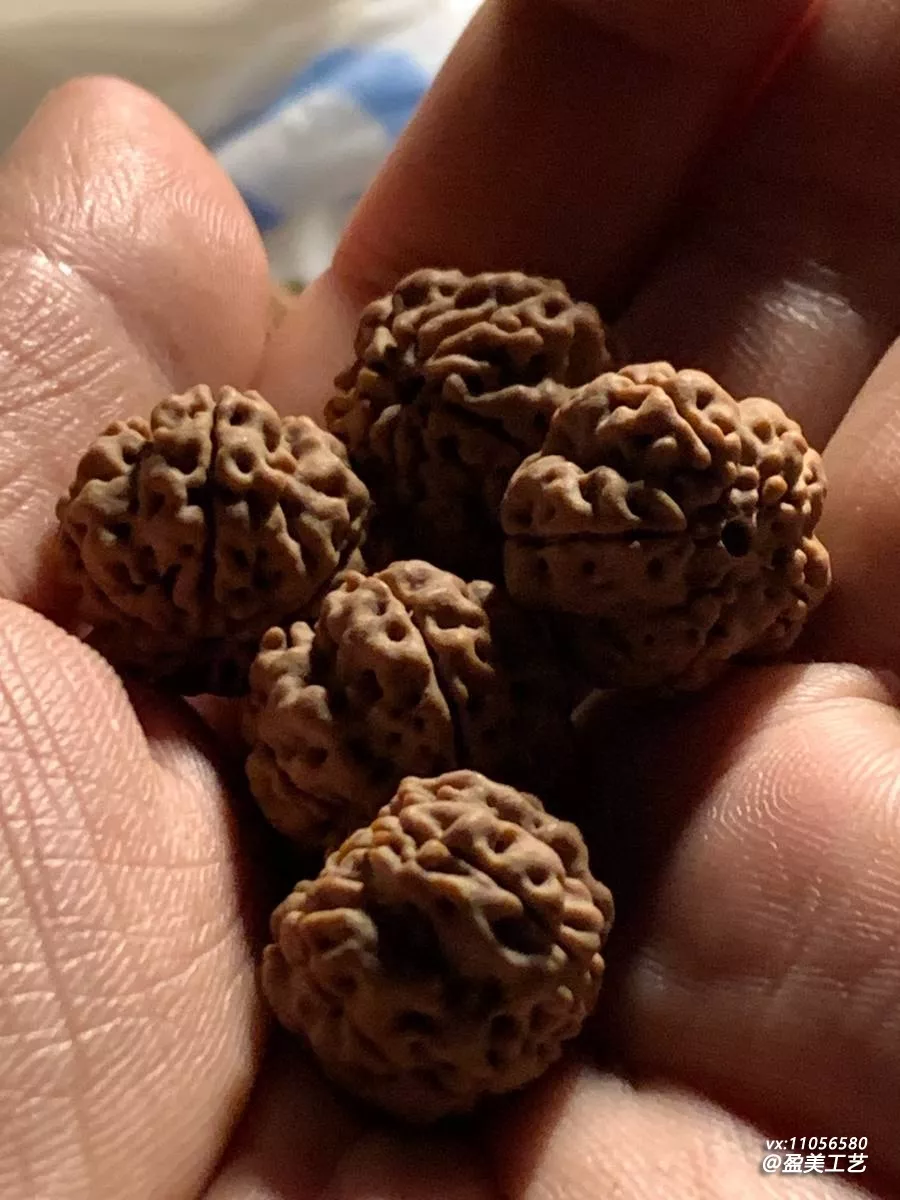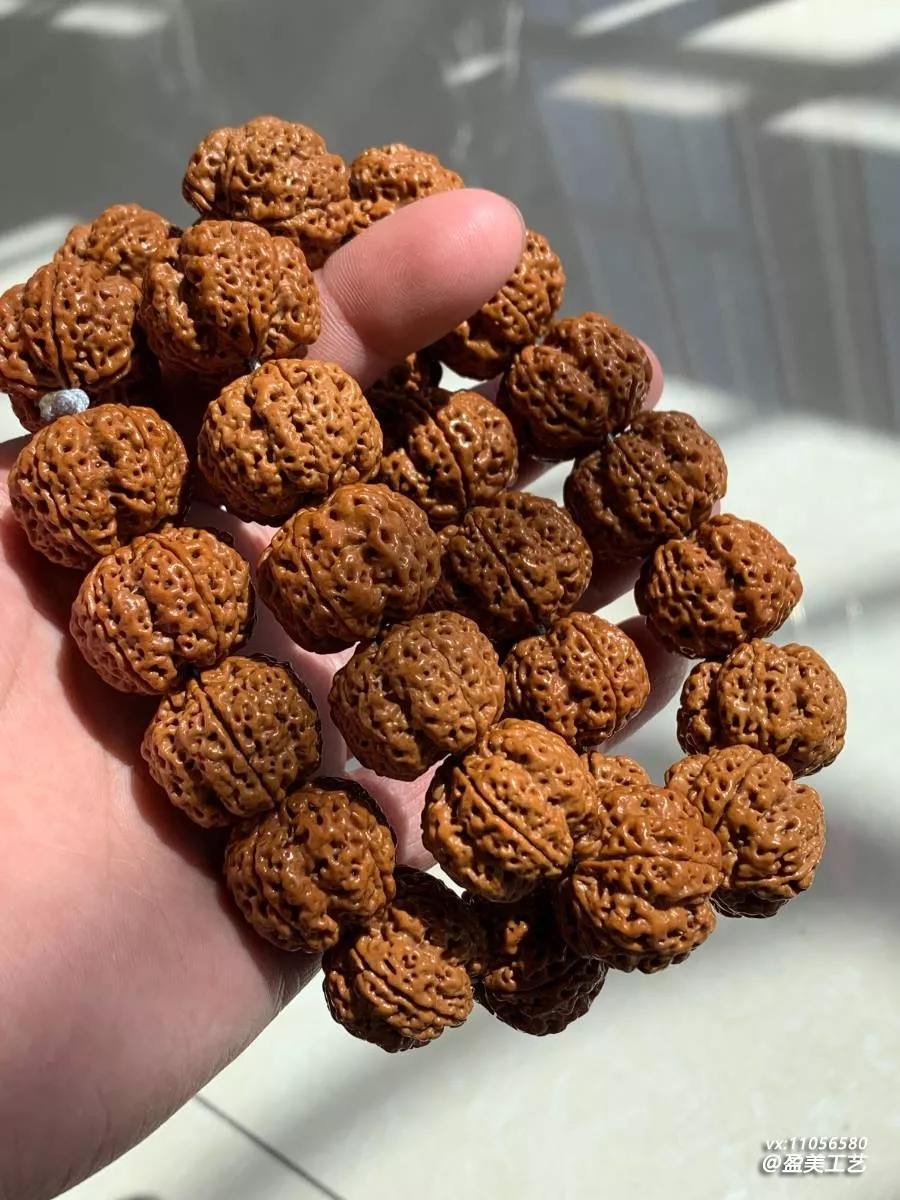
What should you do if your mala gets rained on? Emergency care for Rudraksha (large). You're out and about when it starts to rain, your mala gets soaked, and you start to worry it might be ruined. What should you do if it gets rained on? Here's a clear guide to emergency care—even a rain-soaked mala can be saved.
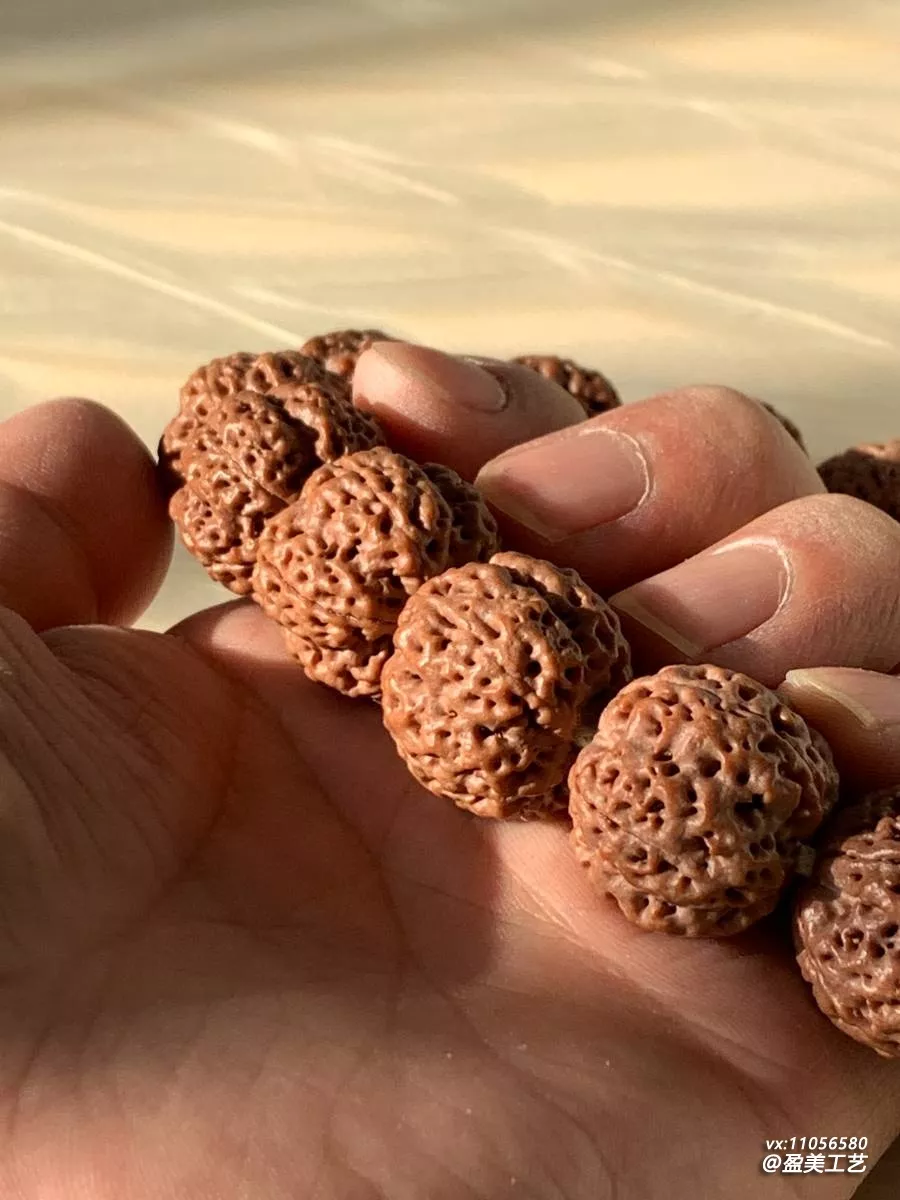
Effects of rain exposure
Effects of rain exposure: If it's only brief, the rainwater sits on the surface and wiping it dry is enough. If it's prolonged, the beads absorb water, alkaline bloom worsens, and the surface turns pale. If you don't deal with it promptly after rain, the mala can easily develop mold and cracks.
How to handle rain exposure
How to handle rain exposure: As soon as it gets rained on, wipe it dry with a soft cloth or paper towel to absorb the surface moisture. After wiping, leave it in a well-ventilated spot to air-dry naturally—don't put it in direct sunlight or blow air on it. If alkaline bloom has worsened, re-brush the base after drying to brush away the alkaline bloom.
Follow-up observation
Follow-up observation: After drying, check the surface—if the color looks normal, it's fine. If you spot mold, clean it with a soft brush and leave it in a ventilated spot. If it has cracked, keep it dry and let it recover slowly. What should you do if your mala gets rained on? Emergency care for Rudraksha (large): wipe dry immediately, air-dry in a ventilated spot, re-brush if alkaline bloom is bad, and observe the surface. Handle it promptly and your mala will be fine.
Don't panic if it gets rained on—just follow the steps: wipe dry, air-dry, and re-brush. Your mala can still recover, and with proper care it will keep you company through your breaking-in (patina process) as always.
The key to post-rain care is speed—the longer you wait, the worse the damage. Wipe dry, air-dry, and re-brush—three steps—then observe the surface over the next few days. Most malas will pull through.