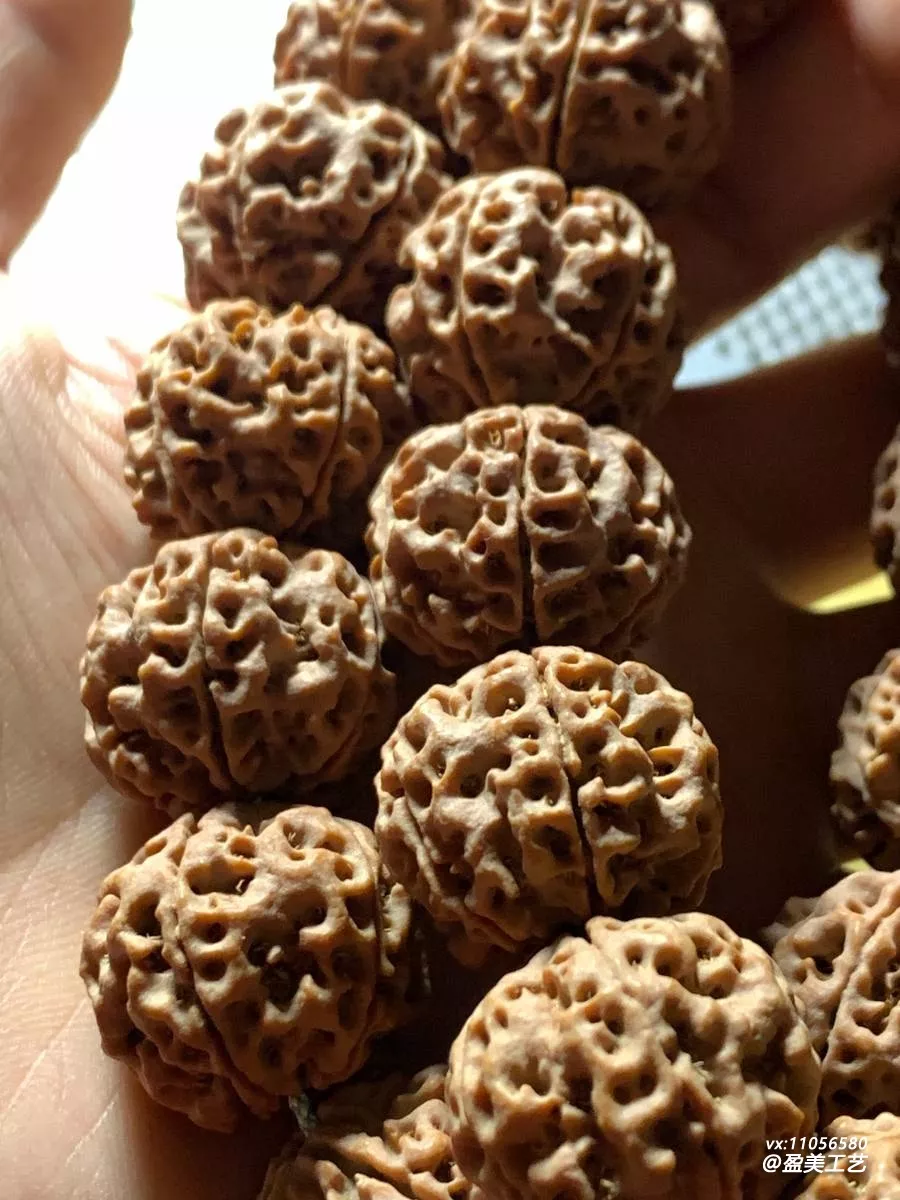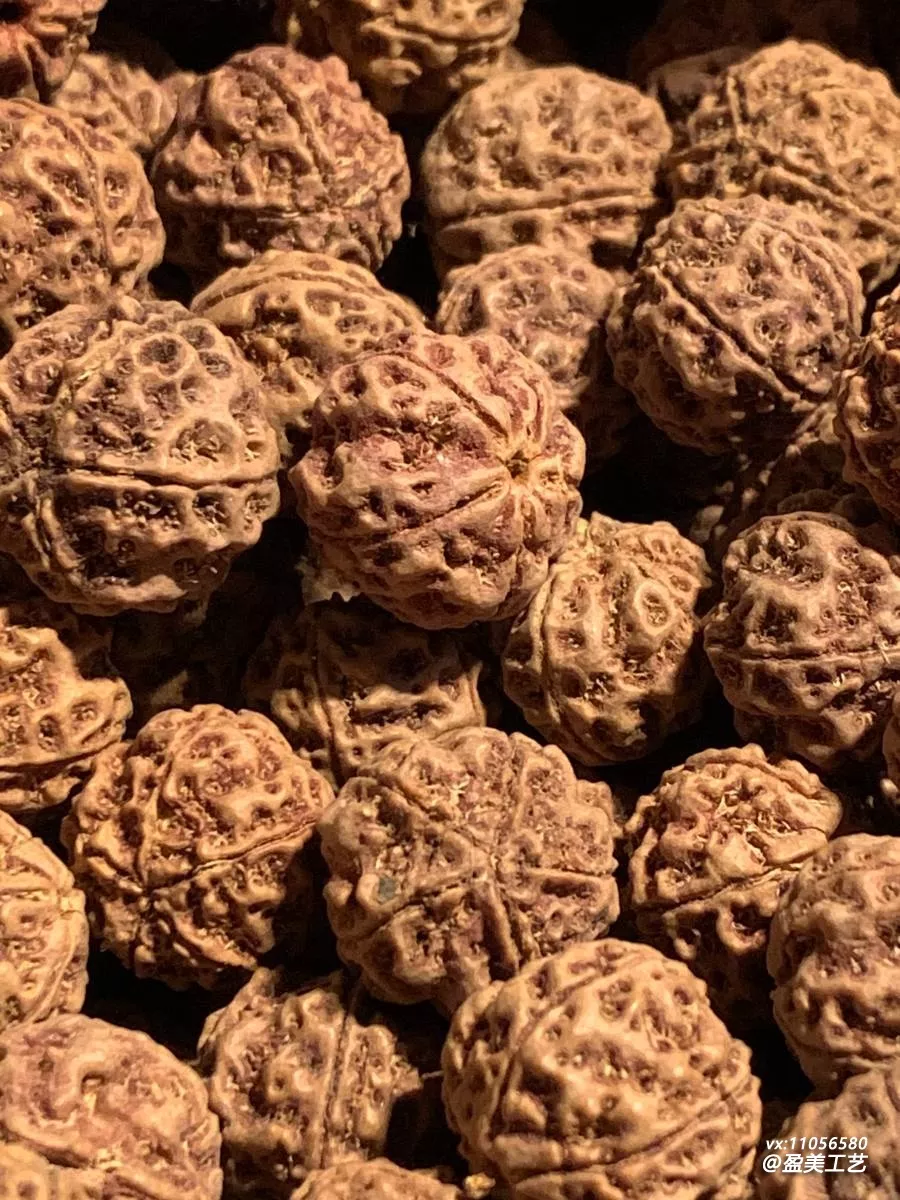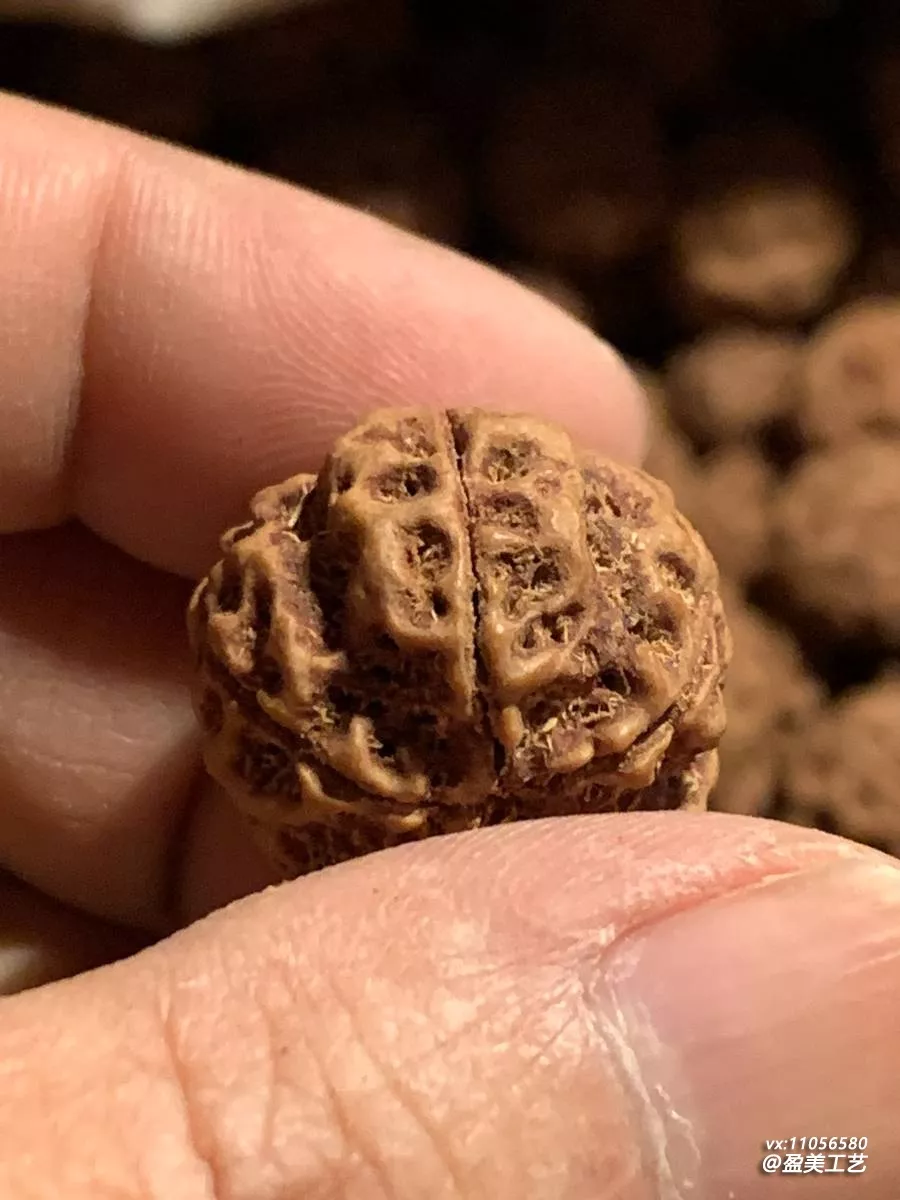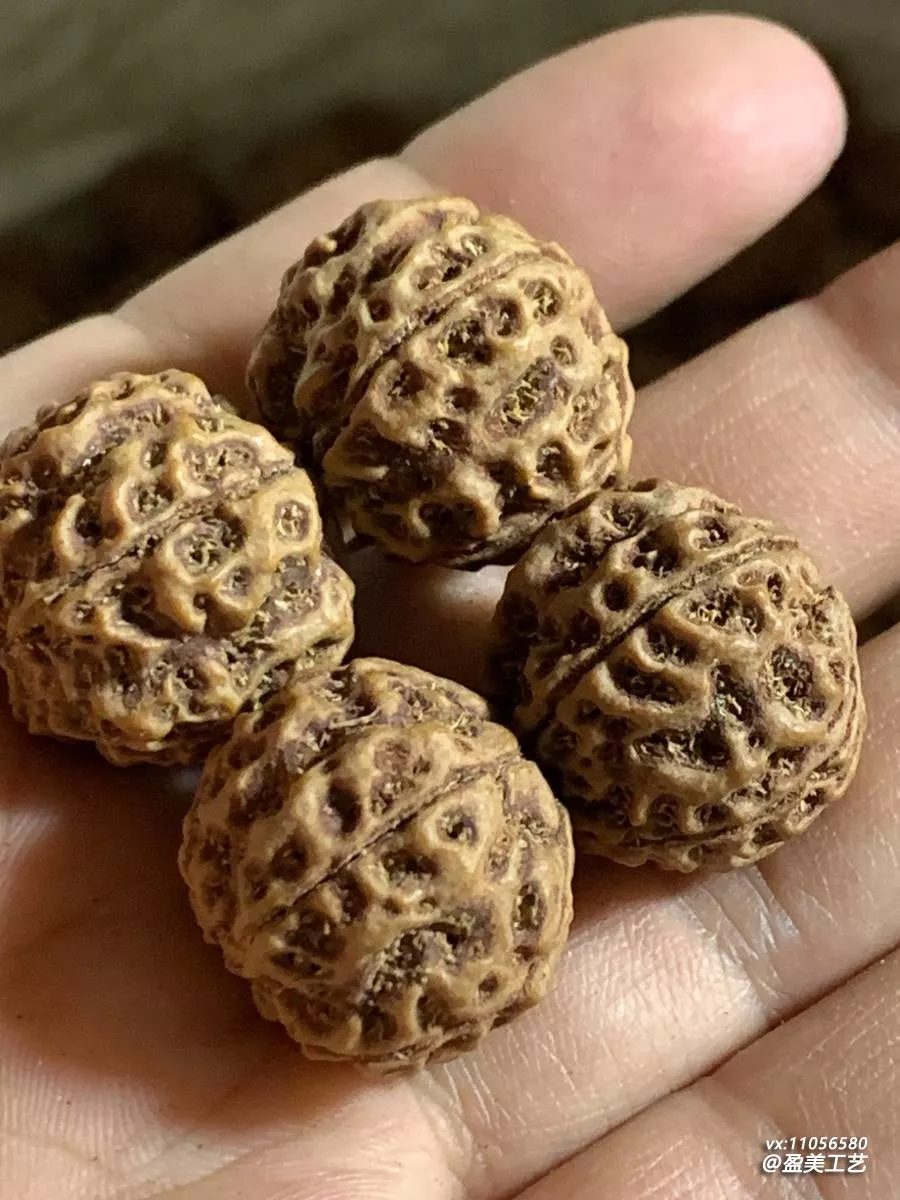
When seasoned players pick a fine, smooth single-strand mala, the first thing they look at is the flat ends. When seasoned players pick a fine, smooth single-strand mala, the first thing they look at is the flat ends—here's the inside scoop. Seasoned players pick a fine, smooth single-strand mala, and the first thing they check is the flat ends, plain and simple.
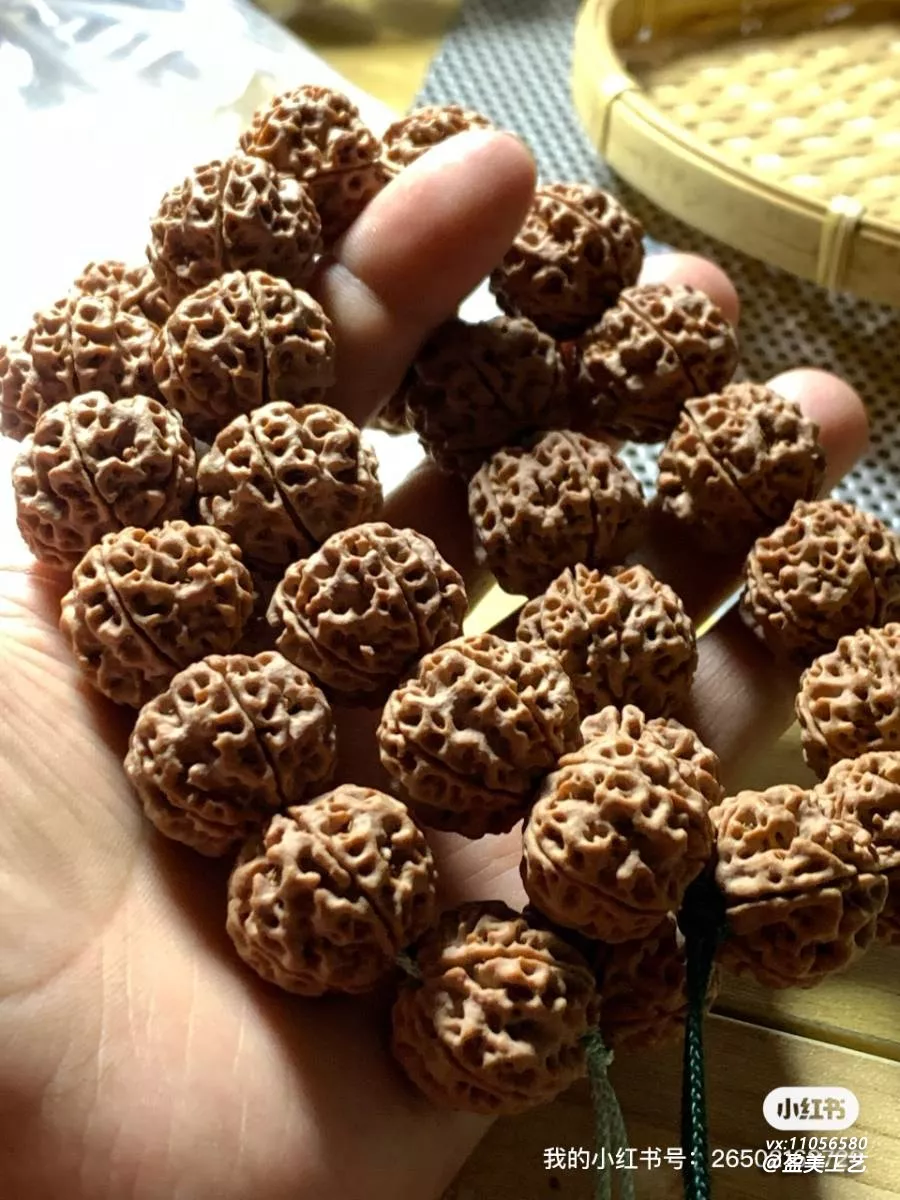
Why check the flat ends first
Why check the flat ends first: the flat ends are the hallmark of a fine, smooth mala. A strand with neat, even flat ends looks great after the breaking-in (patina process); beads with crooked flat ends lose value in appearance. The flat ends set the quality at first glance.
How to check the flat ends
How to check the flat ends: look for evenness—beads with both ends flat and level indicate good quality; beads with uniform flat ends are consistent one by one. A single-strand mala has few beads, so every bead's flat ends must be inspected.
What to check after the flat ends
What to check after the flat ends: if the flat ends are good, next look at the clarity of the fine grain; fine, even grain looks elegant after breaking-in; if both the flat ends and fine grain are good, it's a quality mala. Seasoned players pick a fine, smooth single-strand mala, and the first thing they look at is the flat ends: the flat ends are the hallmark—check for neatness and evenness, then pair it with the fine grain, and a good mala is spotted at a glance.
The flat ends are the face of a fine, smooth mala. When the face is good, the mala's grade goes up. Learning to pick malas with a seasoned player's eye won't let you down.
When the flat ends are neat, the mala looks spirited. Seasoned players zero in on the key point first, and newbies who pick up this habit gain real skill.
Neat flat ends are the face of a fine, smooth mala. Seasoned players focus on the essentials; newbies learn to look, and their eye for picking malas improves.