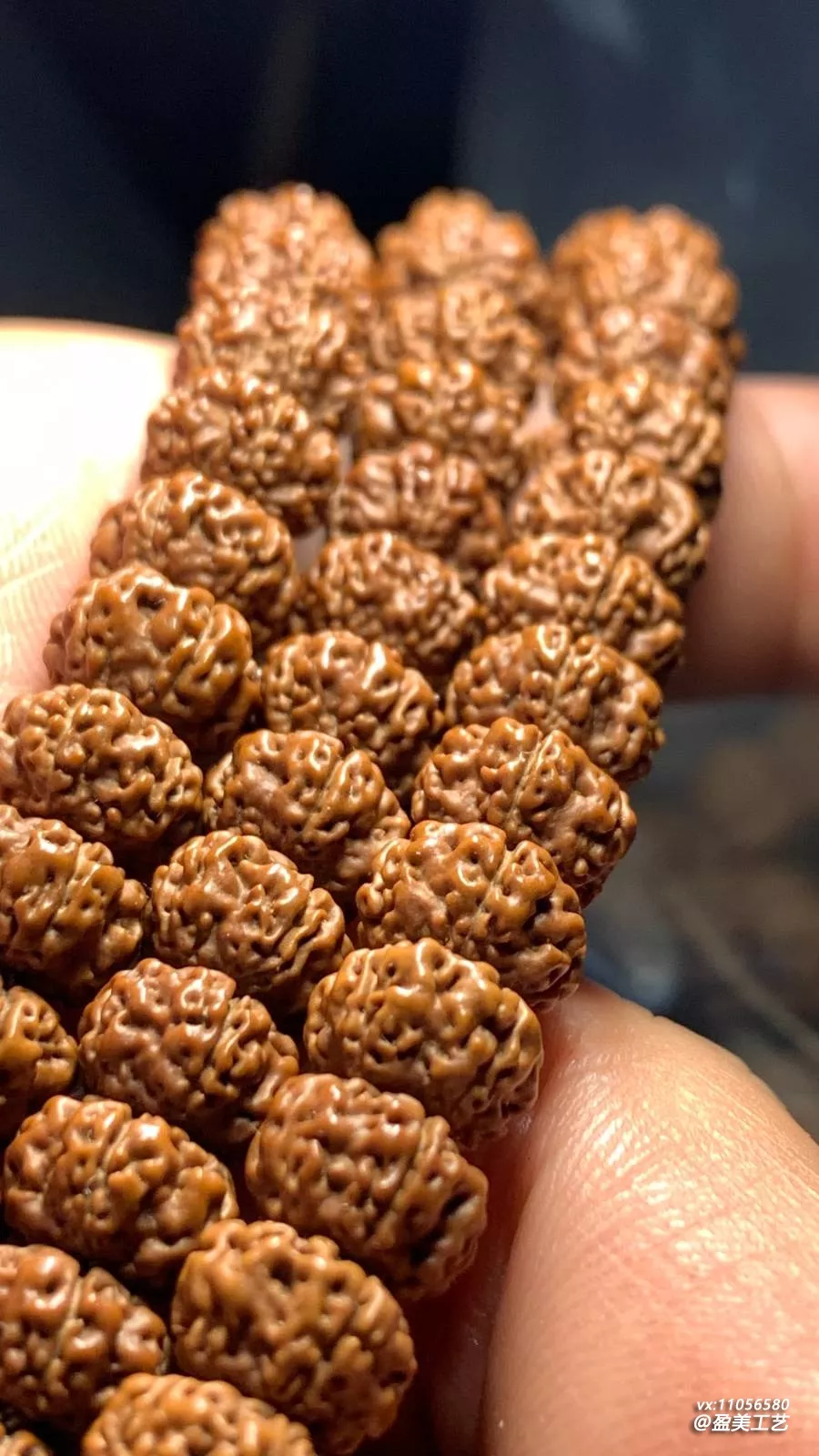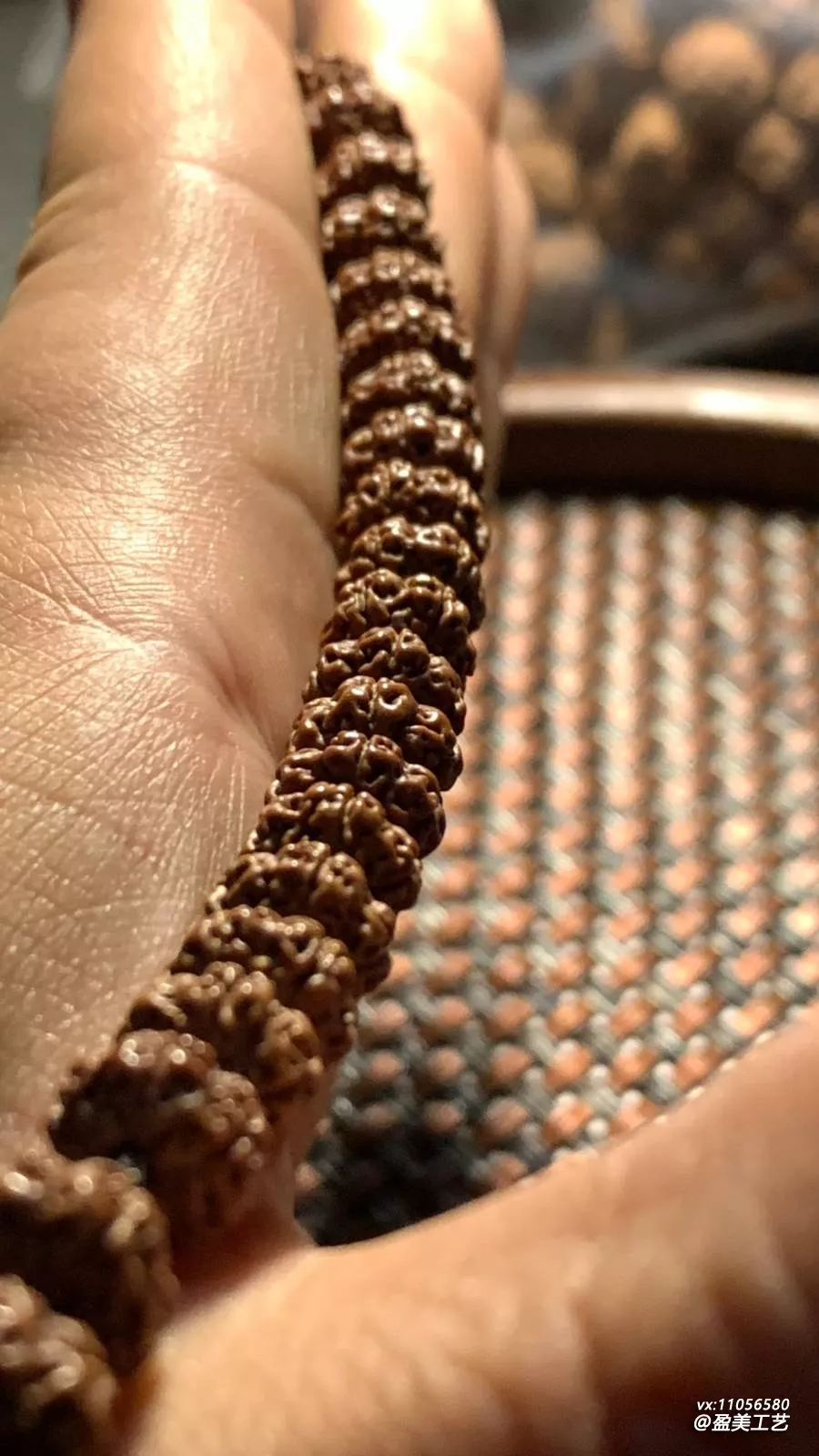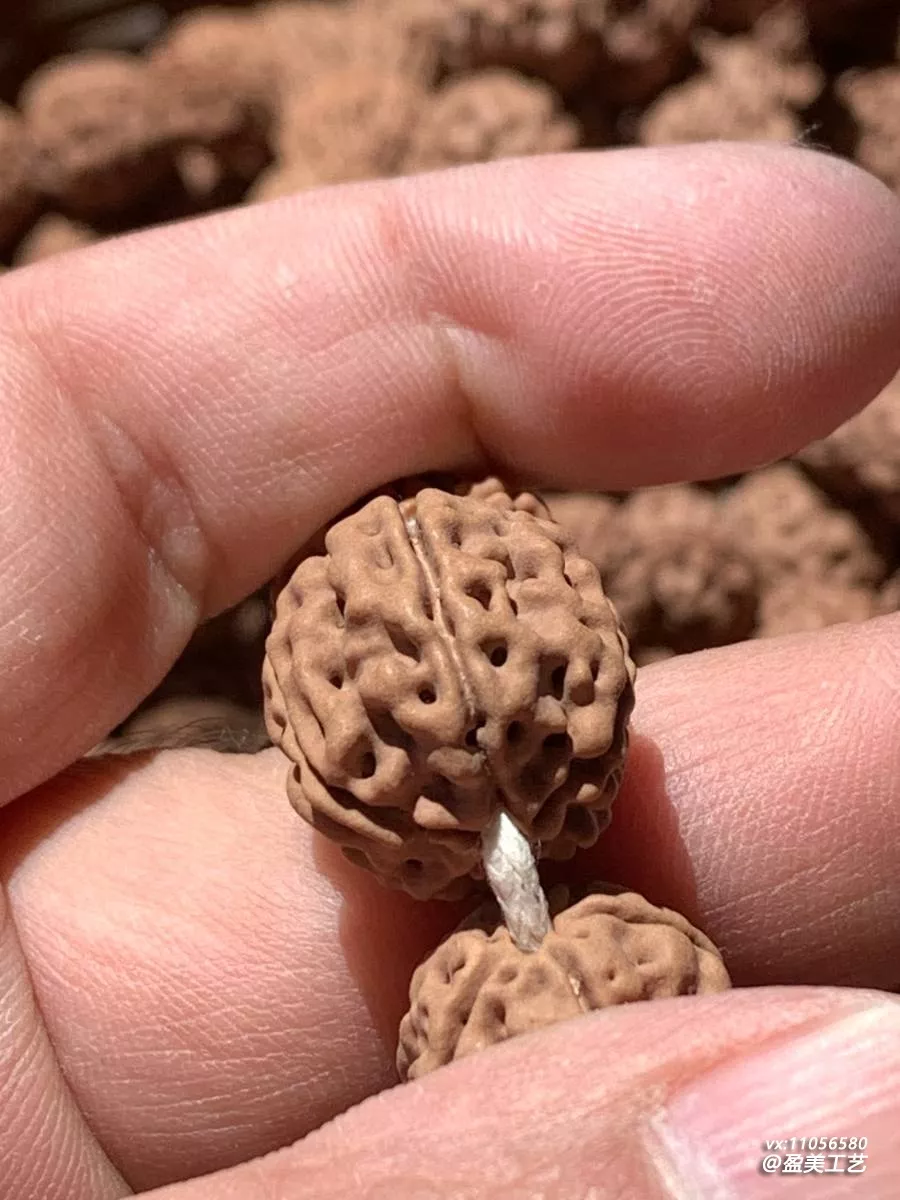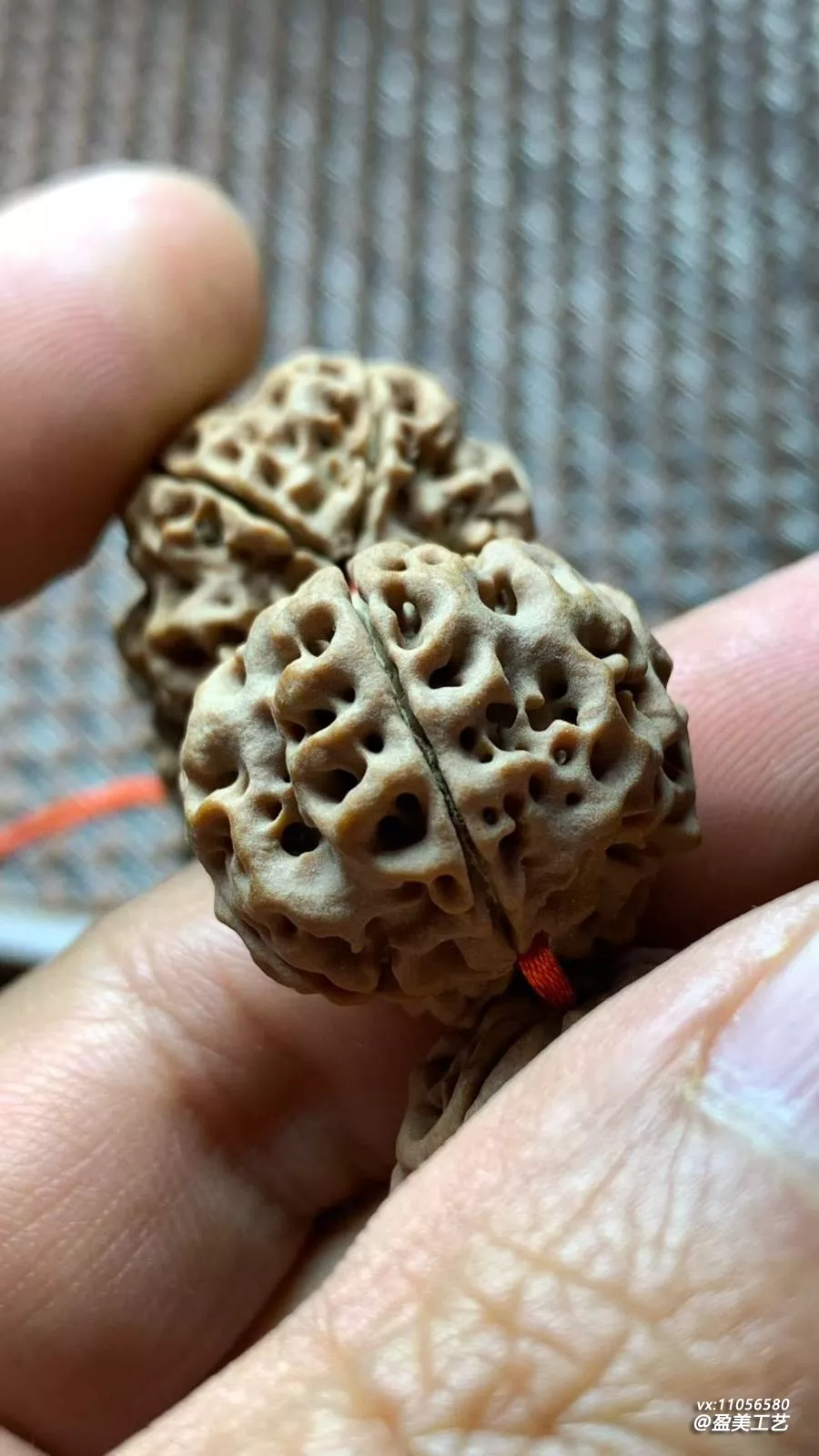
How to judge the quality of an Old Tree King 108? Fleshiness and grain. With so many 108 beads, how do you judge quality? Fleshiness and grain are key. How to judge the quality of an Old Tree King 108? Get fleshiness and grain clear, and you won't fall into traps when picking a mala.
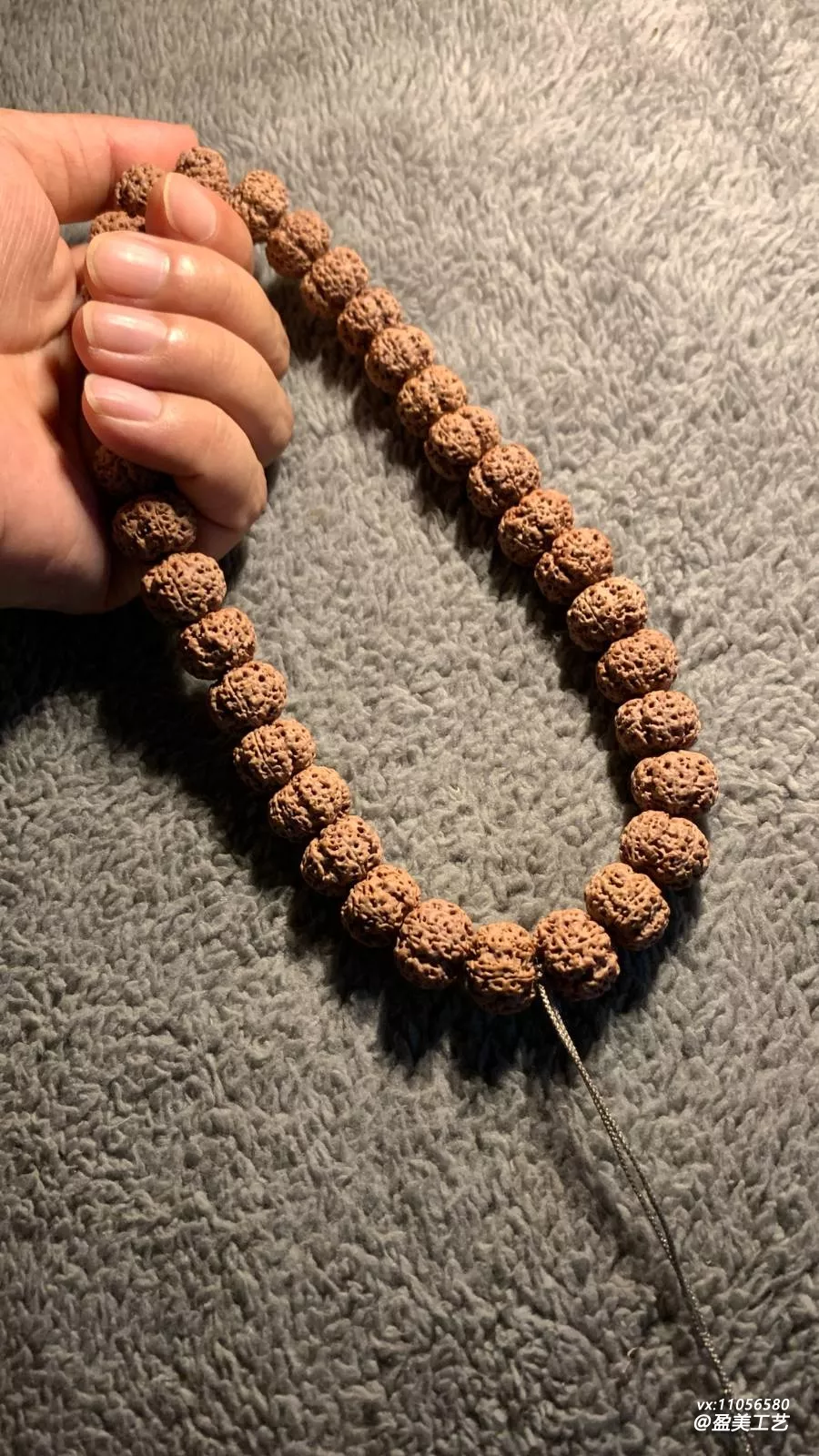
How to judge fleshiness
How to judge fleshiness: fleshiness is judged by how full the grain is; thick teeth and deep grain mean good fleshiness; a 108 with good fleshiness looks sturdy as a whole; one with poor fleshiness looks dry and woody. Fleshiness determines the grade of the mala.
How to judge grain
How to judge grain: grain is judged by clarity; deep and continuous grain means good quality; for a 108, the grain looks good only when it is consistent across the whole mala; shallow and messy grain lowers the quality. Grain is about the overall look.
How to judge uniformity
How to judge uniformity: for 108 quality, uniformity is crucial; beads of consistent size and shape make the mala neat; a 108 with good uniformity looks beautiful after breaking-in. How to judge the quality of an Old Tree King 108, fleshiness and grain: fleshiness should look sturdy, grain should look clear, and the whole mala should be uniform—get these three right, and you won't fall into traps on quality.
Only buy once you've judged the quality accurately. Fleshiness, grain, and uniformity—none of the three can be missing. Pick the right 108, and the result after breaking-in won't be bad.
For the quality of a 108, fleshiness lays the foundation, grain adds color, and uniformity lifts the spirit. Have all three, and the mala will look great after breaking-in.
When picking a 108, fleshiness, grain, and uniformity are the three hard criteria. Have them all, and the result after breaking-in won't be bad.