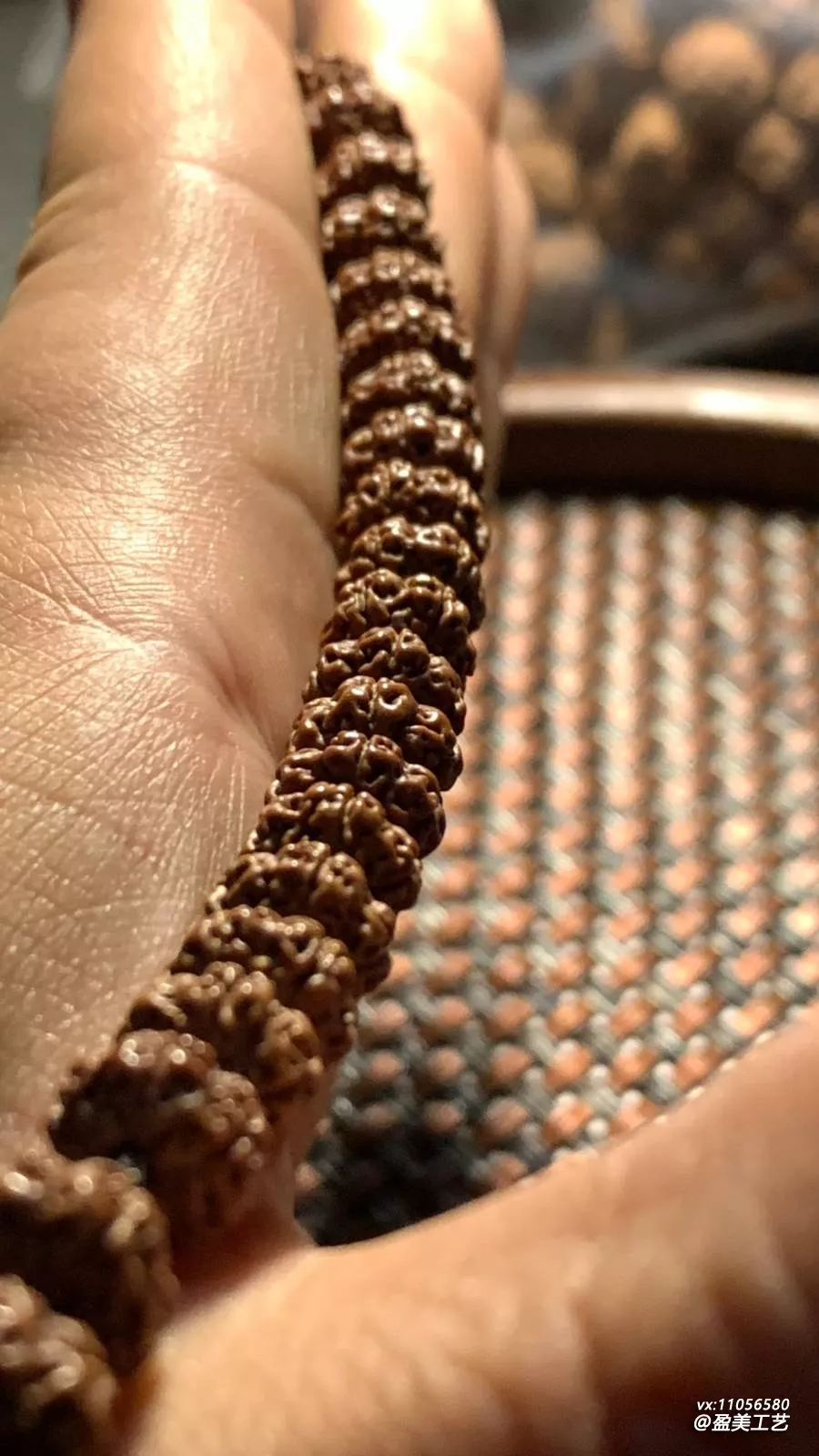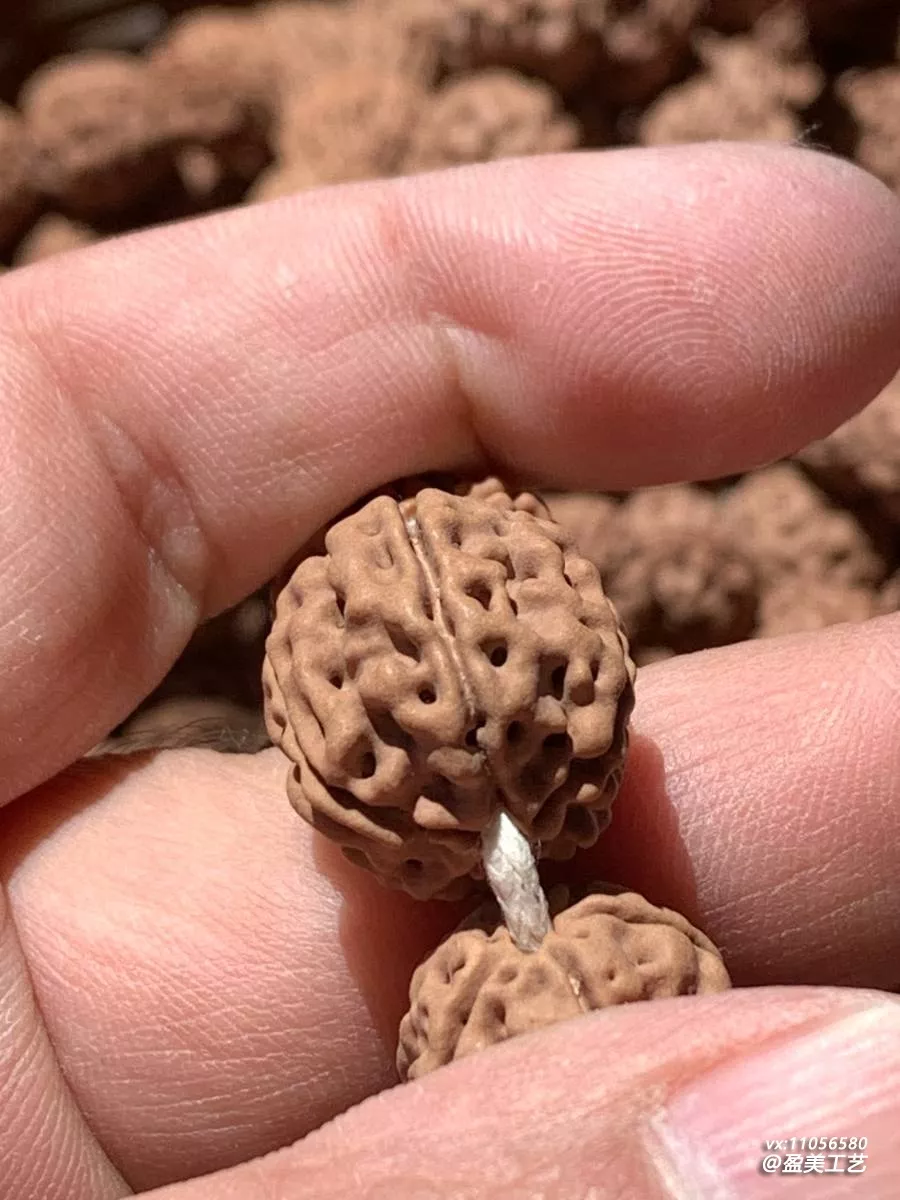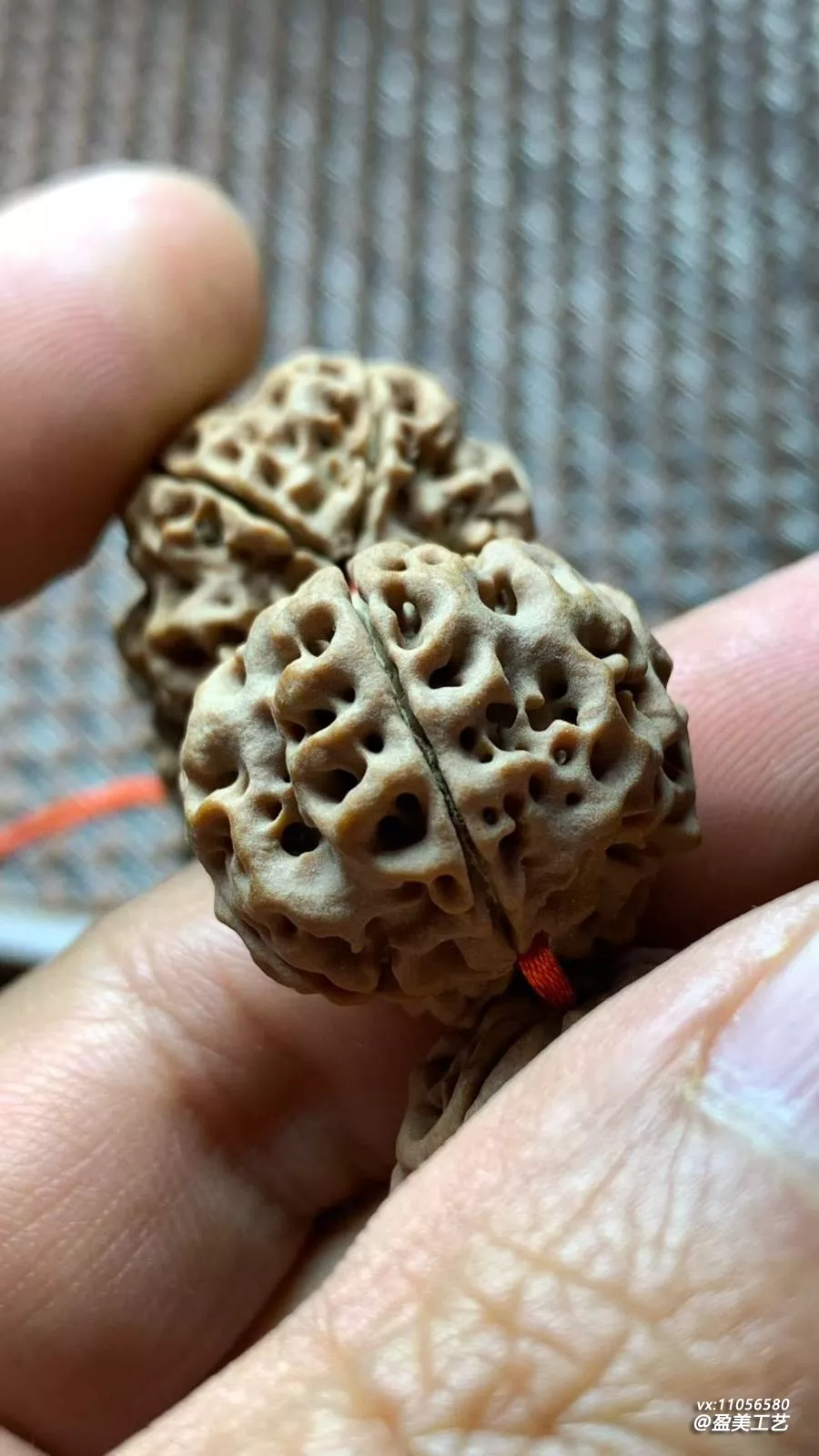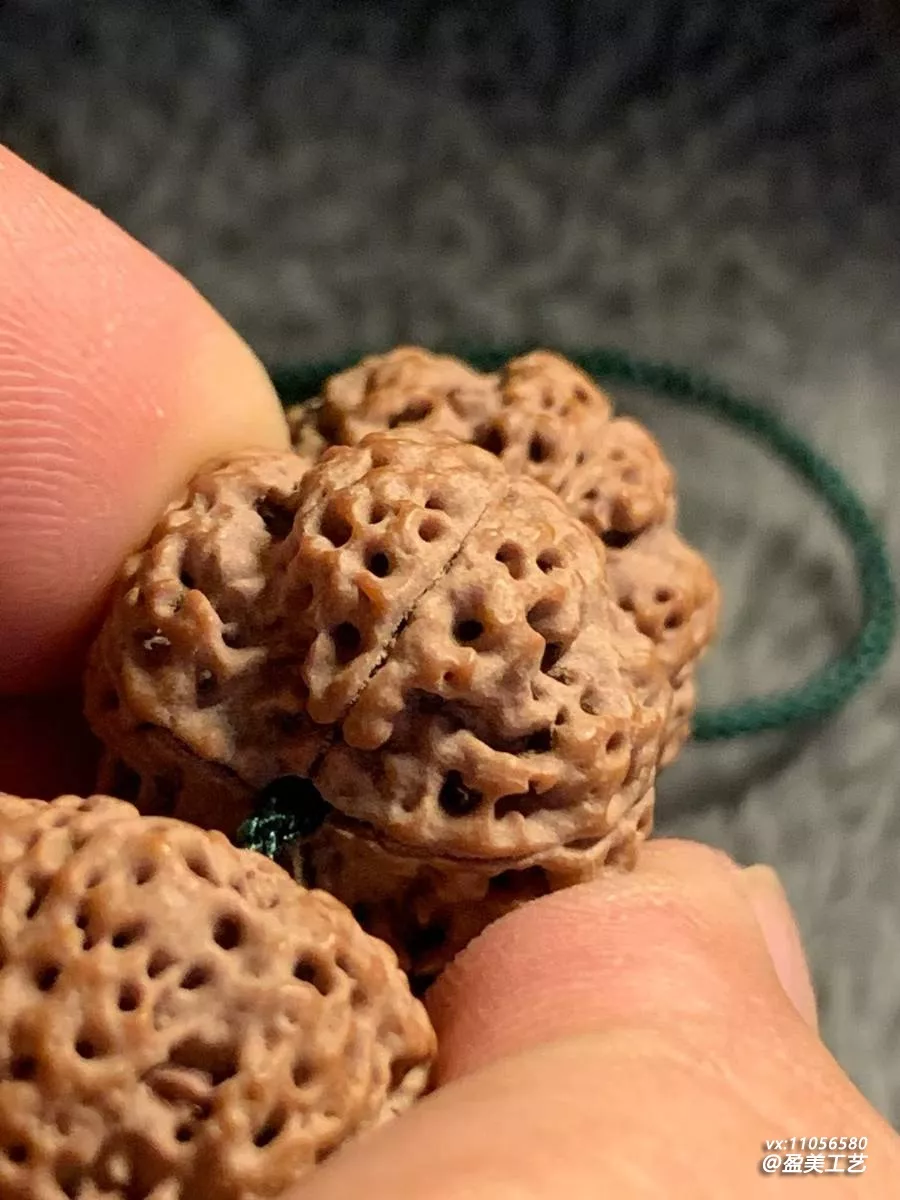
How to assess the quality of an Old Tree King single-strand mala — fleshiness and grain. When selecting an Old Tree King single-strand mala, how do you judge quality? Fleshiness and grain are the key. How to assess the quality of an Old Tree King single-strand mala — let's be clear about fleshiness and grain.
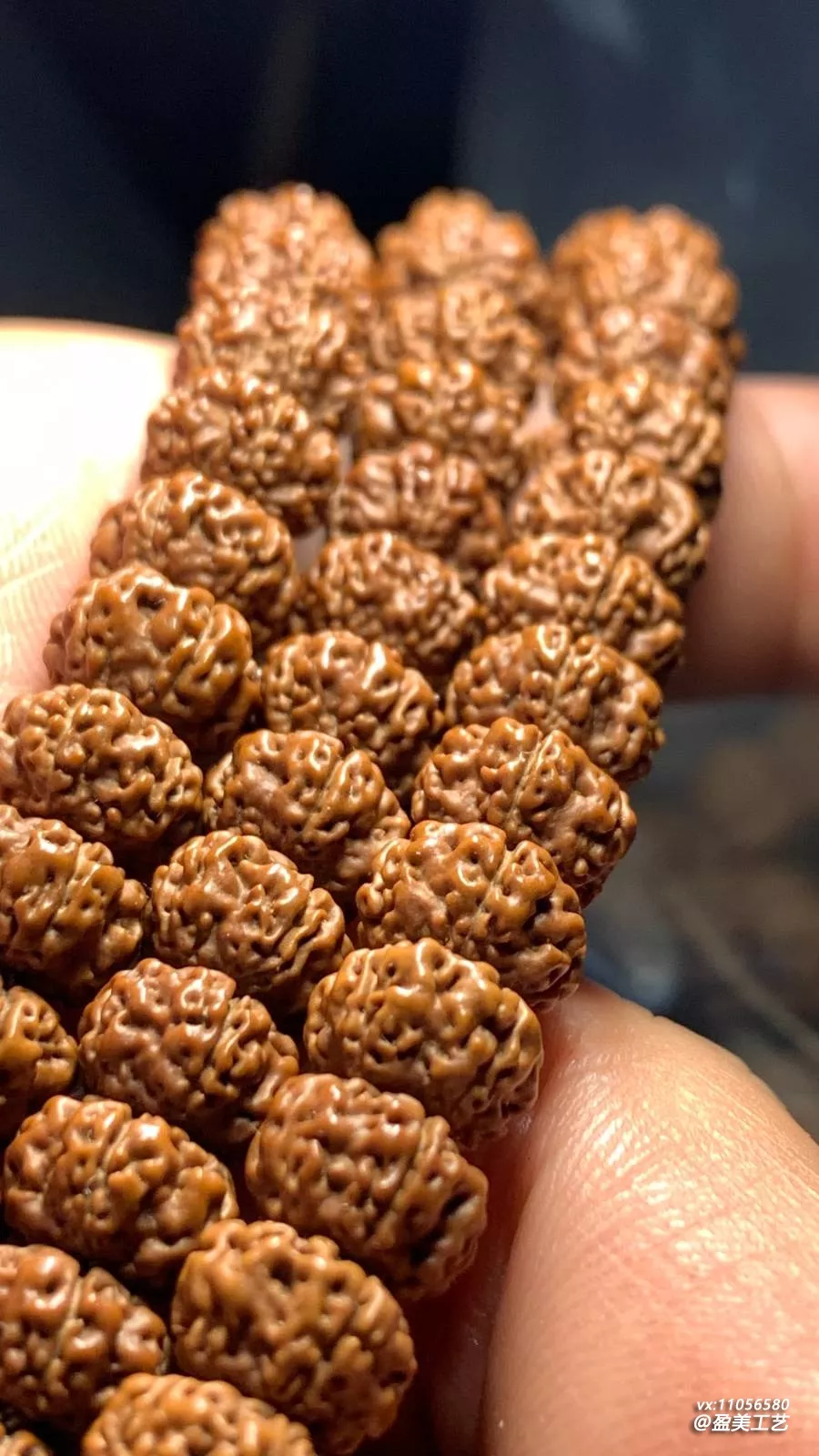
How to judge fleshiness
How to judge fleshiness: Look for fullness — thick lobes and deep grain indicate good fleshiness. Beads with good fleshiness have solid texture and feel weighty in hand; those with poor fleshiness have sparse, thin grain and look dry. Fleshiness is the first impression of quality.
How to judge grain
How to judge grain: Look for clarity — continuous, well-defined grain means good quality. Deep, straight grain gives strong dimensionality; shallow, messy grain is average. Grain becomes clear upon close inspection.
How to judge overall quality
How to judge overall quality: For a single-strand mala, look at the uniformity of the whole strand. Consistent bead size and shape indicate good quality. A high-quality strand will look neat after breaking-in. How to assess the quality of an Old Tree King single-strand mala — fleshiness and grain: fleshiness should be full and solid, grain should be clear and continuous, and the whole strand should be uniform. That is good quality.
Quality is the face of the strand. Once you nail down fleshiness and grain, the foundation is solid — you won't step into pitfalls when selecting, and you'll have confidence when breaking it in.
Assessing quality is a craft: look for full fleshiness, clear grain, and also check the uniformity of the strand. Only when all three are present is it truly good quality.
Once you've assessed the quality correctly, the foundation is solid. Check fleshiness, grain, and uniformity — all three. Then you can select a single-strand mala with clarity and break it in with peace of mind.