What price range should students go for? Budget advice for large Rudraksha. Students who play with prayer beads have limited budgets but still want good results—how should they choose a price range? Here's clear budget advice for large Rudraksha, so students can afford a good mala too.
Budget range
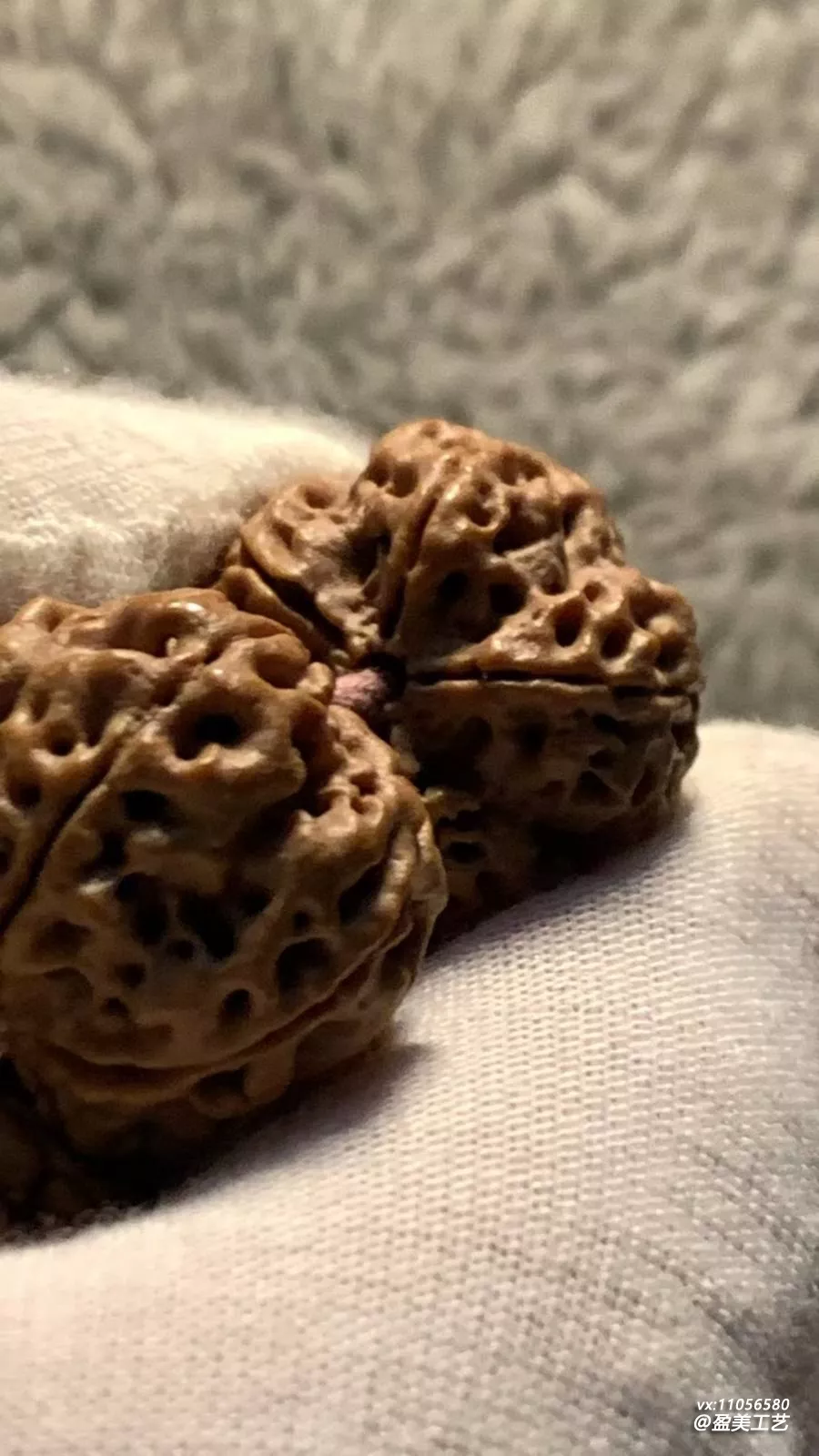
Budget range: Students typically have a budget of around 100 to 300 yuan. At this price, you can get commercial-grade beads that are perfectly fine for practice. With a budget of 300 to 500 yuan, you can get beads with better skin quality and density, which yield better breaking-in results. Students should choose based on their budget—no need to chase high prices.
What quality to buy
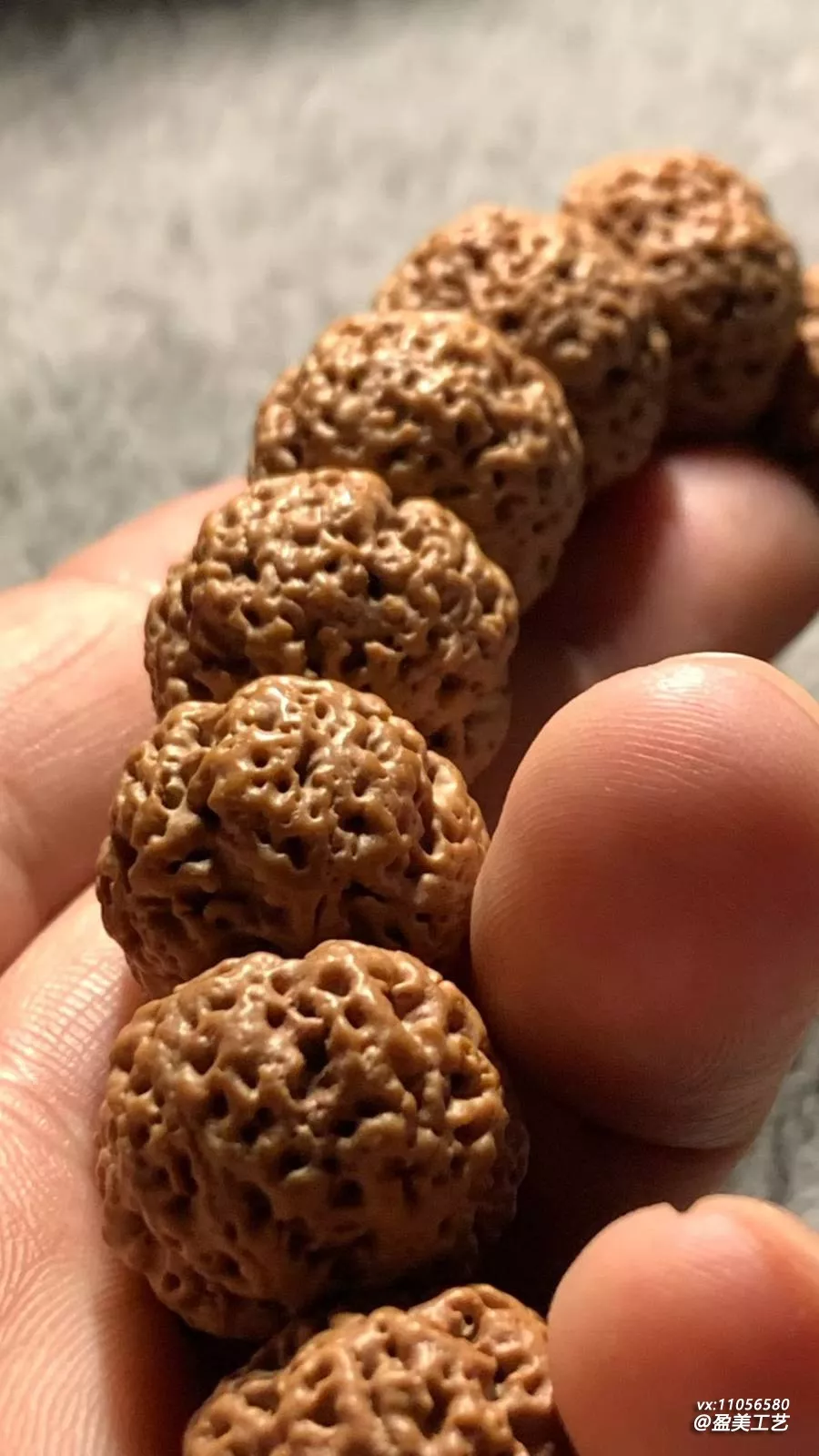
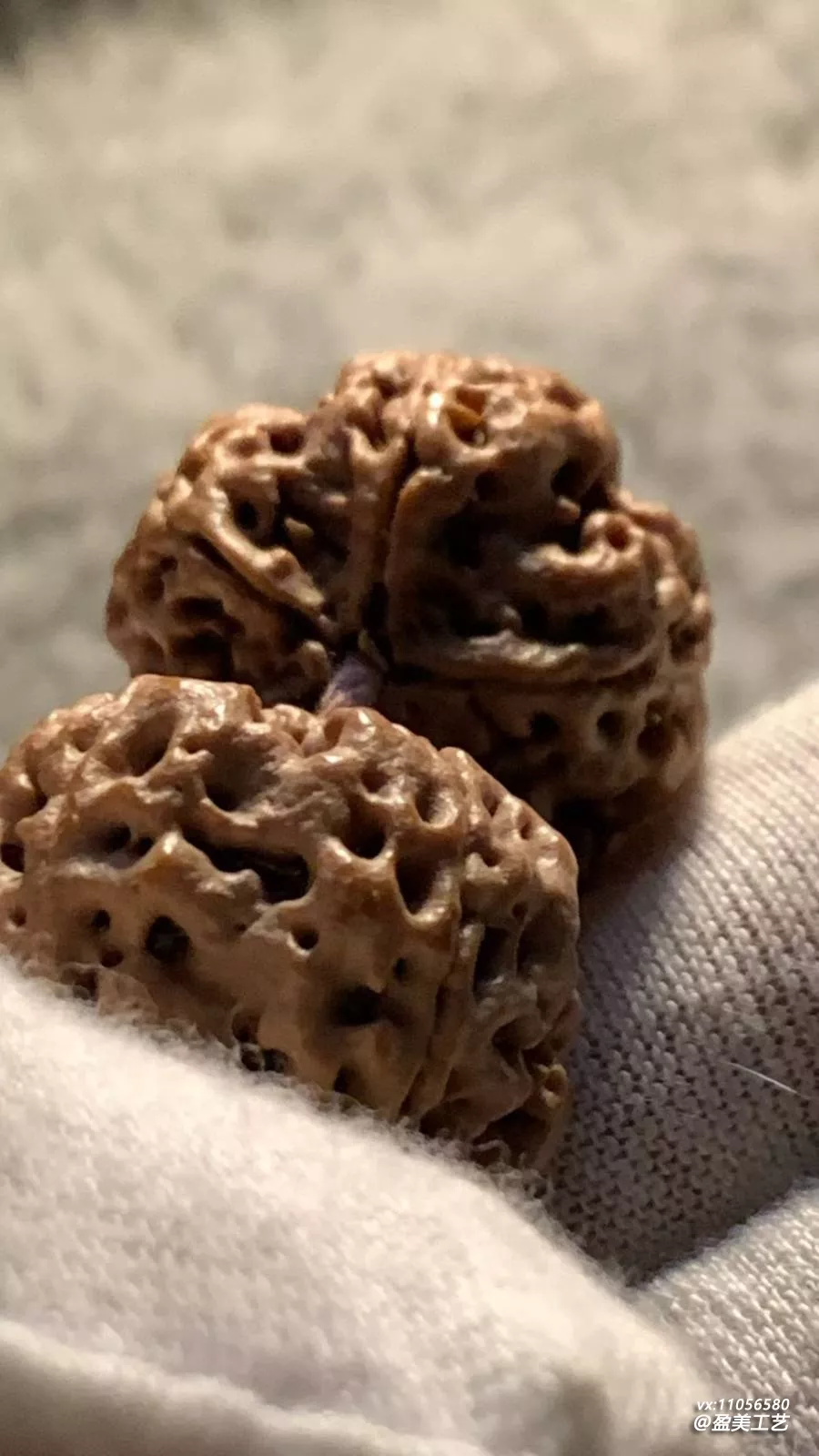
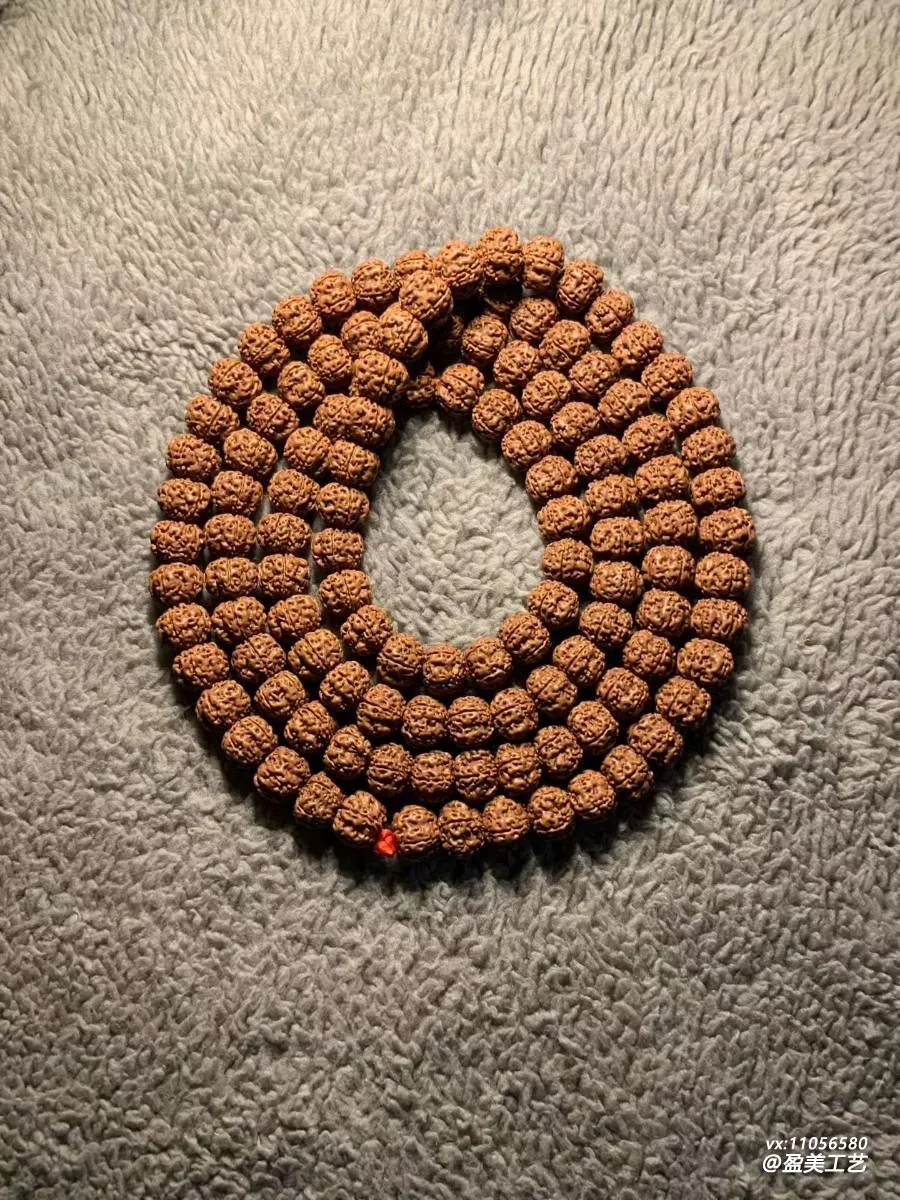
What quality to buy: When students choose a mala, focus on skin quality and density. Pick seeds that feel oily, moist, and weighty in the hand from commercial stock. Don't chase premium features like grain patterns or bead shapes—good skin quality is the foundation of the breaking-in process. Even a few-hundred-yuan mala, chosen well, can produce decent results.
How to buy smart
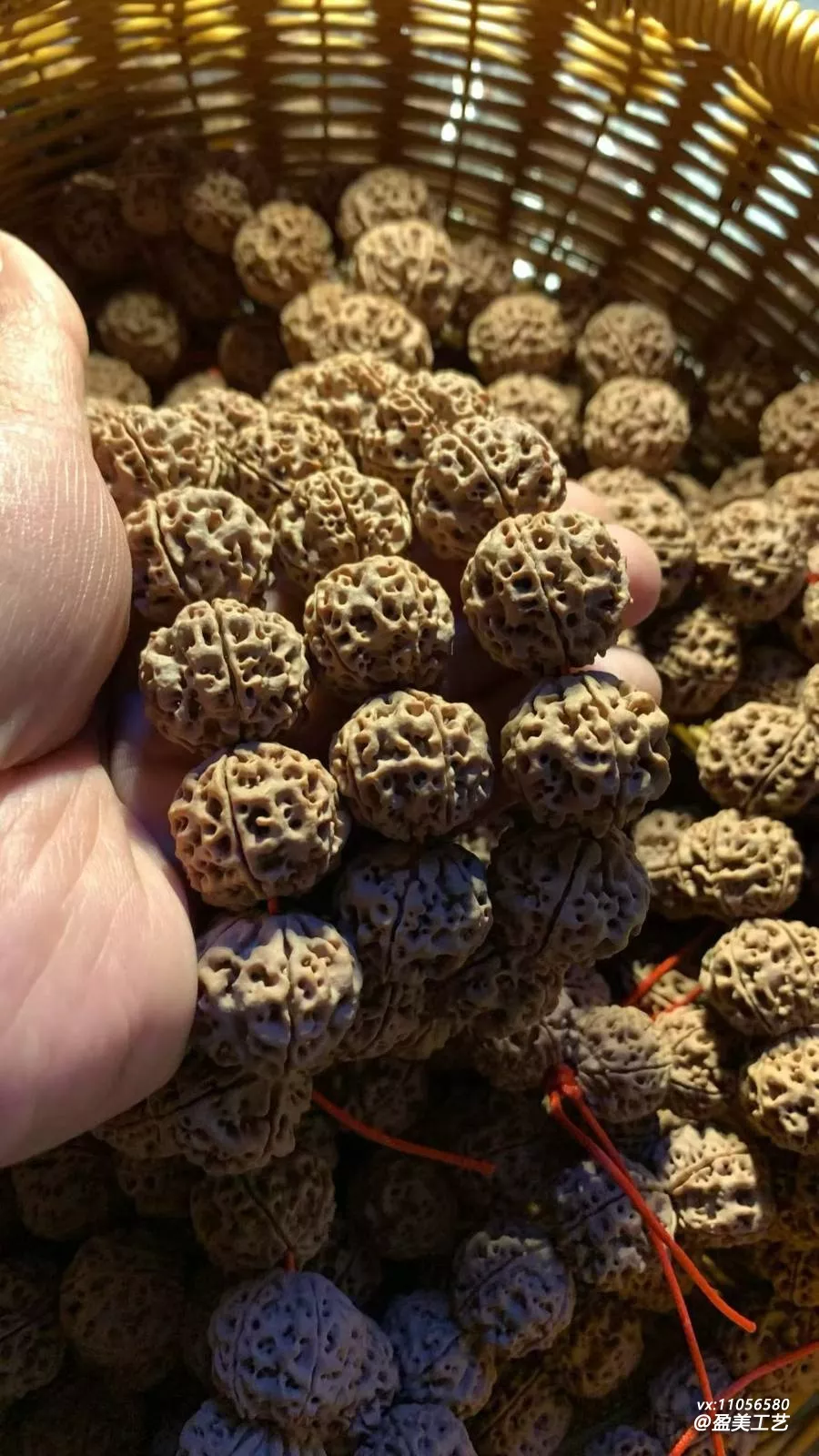
How to buy smart: Choose cost-effective commercial-grade beads so you won't feel bad practicing with them. Avoid hyped multi-mukhi or rare grain patterns—their prices are inflated. Compare several sellers and pick one with a good reputation. What price range should students go for? Budget advice for large Rudraksha: 100 to 300 yuan is enough for practice. Focus on skin quality and density, avoid hyped styles, and you'll save money while still getting good results.
Students have limited budgets, but choosing the right direction can still yield good results. Focus on skin quality and density, avoid hyped styles, spend wisely, and enjoy your mala.