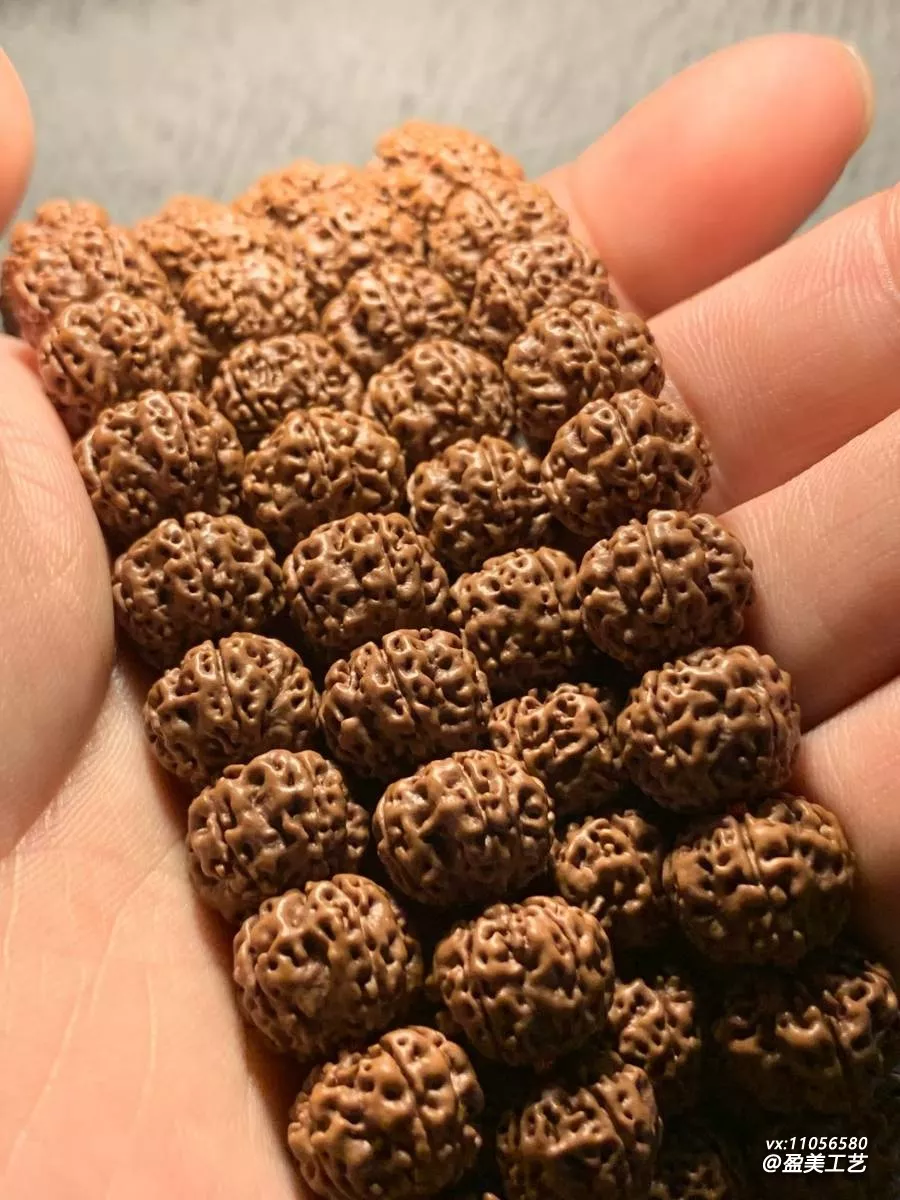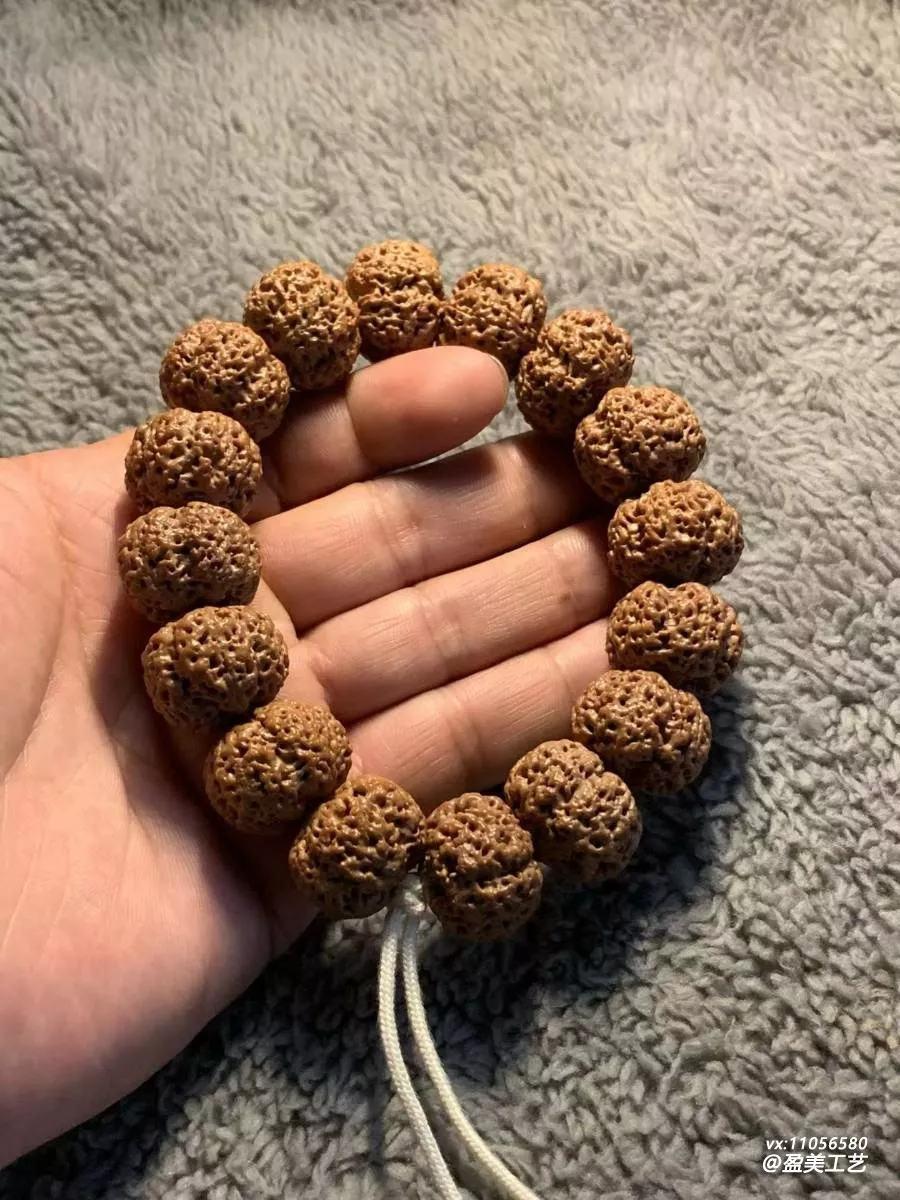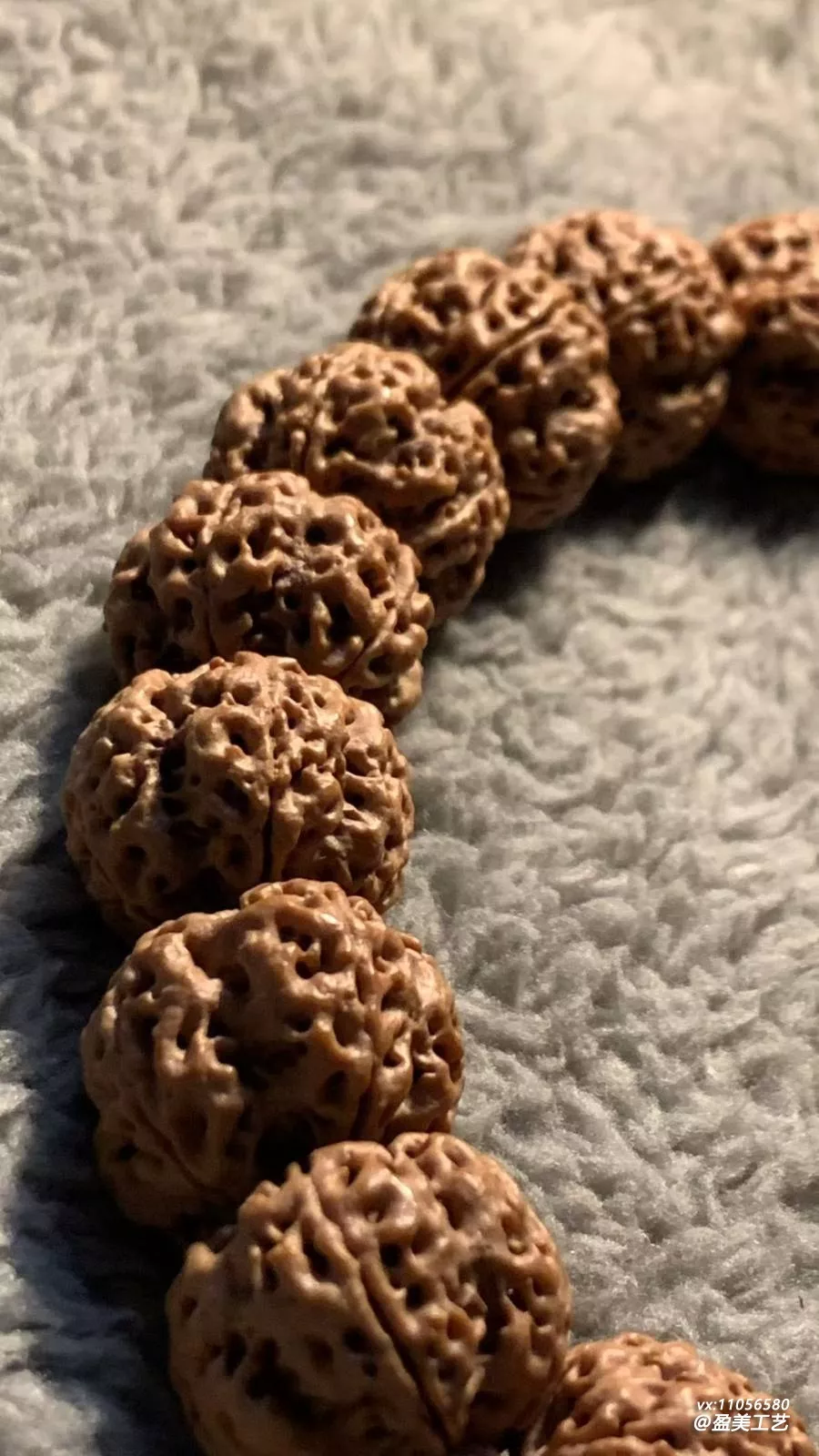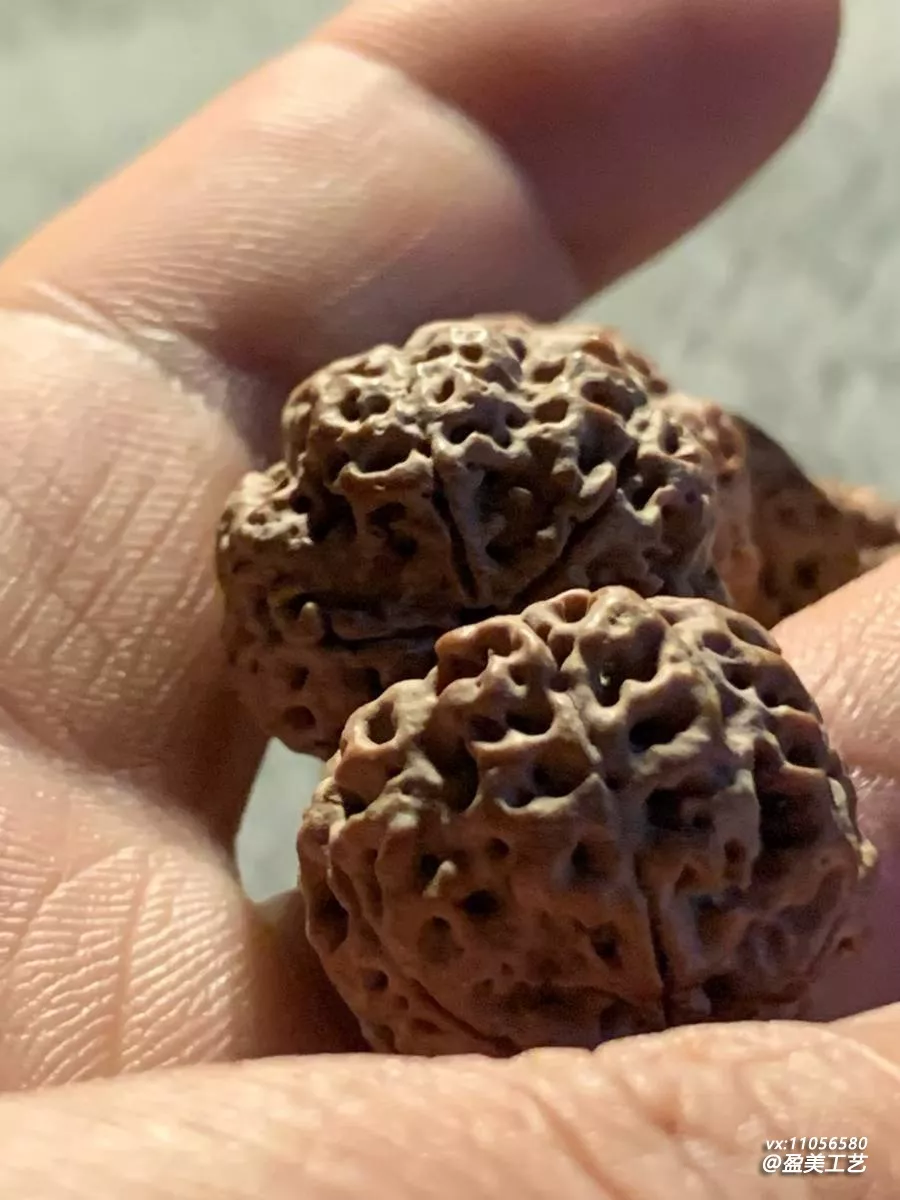
I've handled dozens of old-tree-king single-strand malas, and this is how I assess grain and fullness. How to evaluate grain and fullness when selecting an old-tree-king single-strand mala — insights from handling dozens of them. I've handled dozens of old-tree-king single-strand malas, and this is how I assess grain and fullness; beginners should learn to select this way.
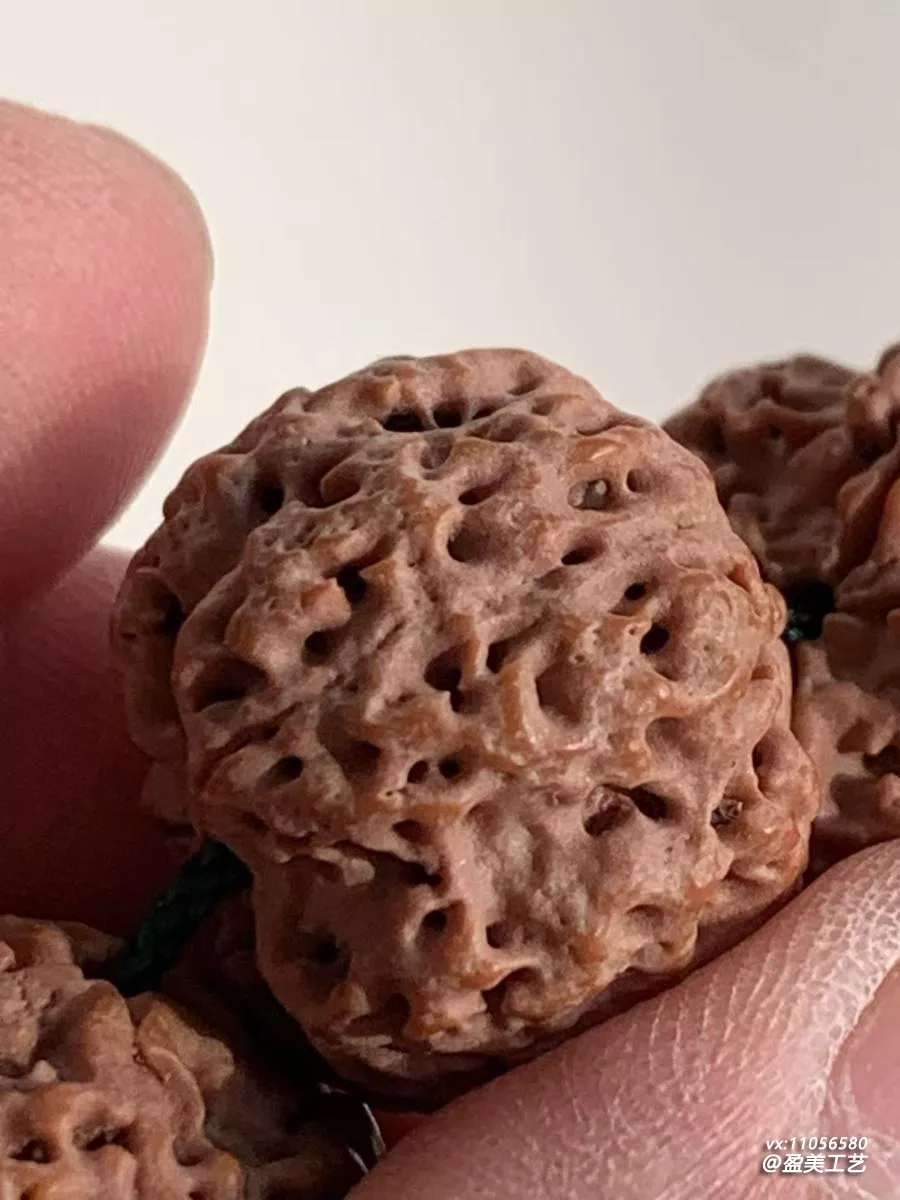
How to assess grain
How to assess grain: Look at the depth of the grain; deeper grain gives stronger dimensionality. Beads with clear, continuous grain have better quality; shallow, messy grain indicates average quality. Examine the grain closely for depth.
How to assess fullness
How to assess fullness: Fullness is judged by plumpness; thick ridges and deep grain mean good fullness. Beads with good fullness feel solid in hand; those with poor fullness have sparse, thin grain. Fullness is felt through touch.
How to pick a good mala
How to pick a good mala: If both grain and fullness are excellent, it's a premium piece. With a limited budget, prioritize fullness — after breaking-in, it will have a fleshy feel. Handle more malas and experience will come naturally. Having handled dozens of old-tree-king single-strand malas, this is how I assess grain and fullness: check grain for depth and clarity, check fullness for plumpness and solidity, prioritize fullness, and the mala you pick will develop a fleshy feel after breaking-in.
Grain is the skeleton of a mala, and fullness is its texture. Judge both accurately, and the mala you choose will have character after breaking-in.
Grain and fullness are the face of a mala. Understand the face, and you understand the substance — only then can you pick a mala that truly resonates with you.
Once you can read grain and fullness, you'll have confidence in selecting. A good mala feels weighty in hand and develops character after breaking-in — this discernment is worth cultivating.