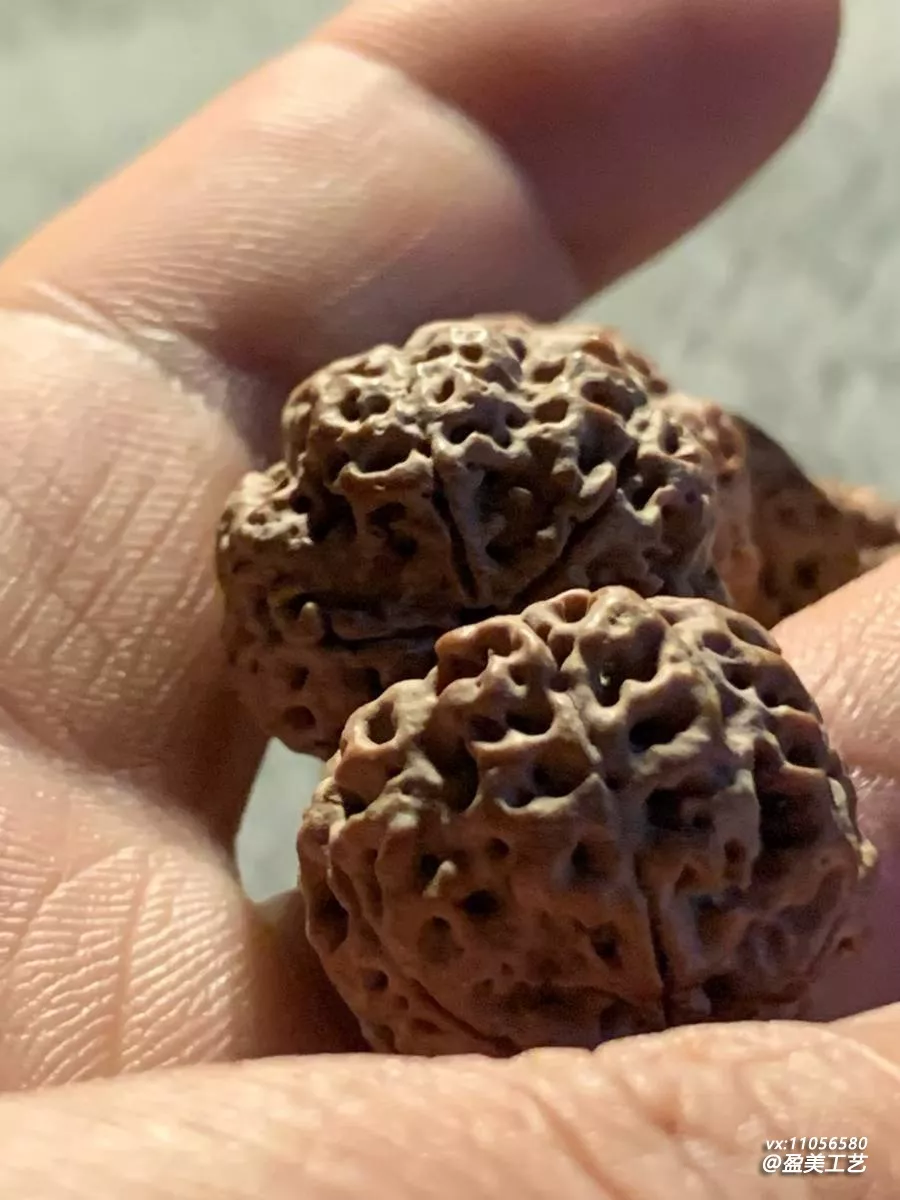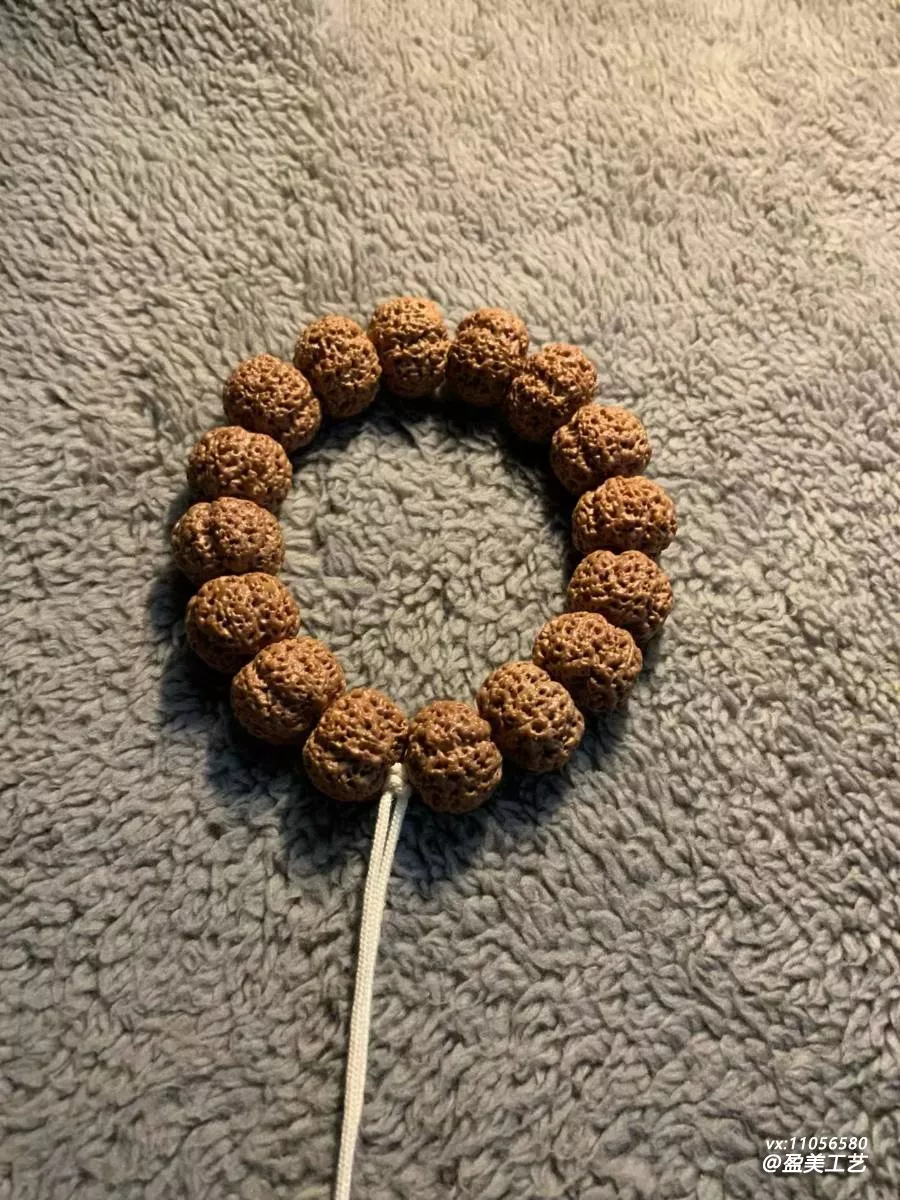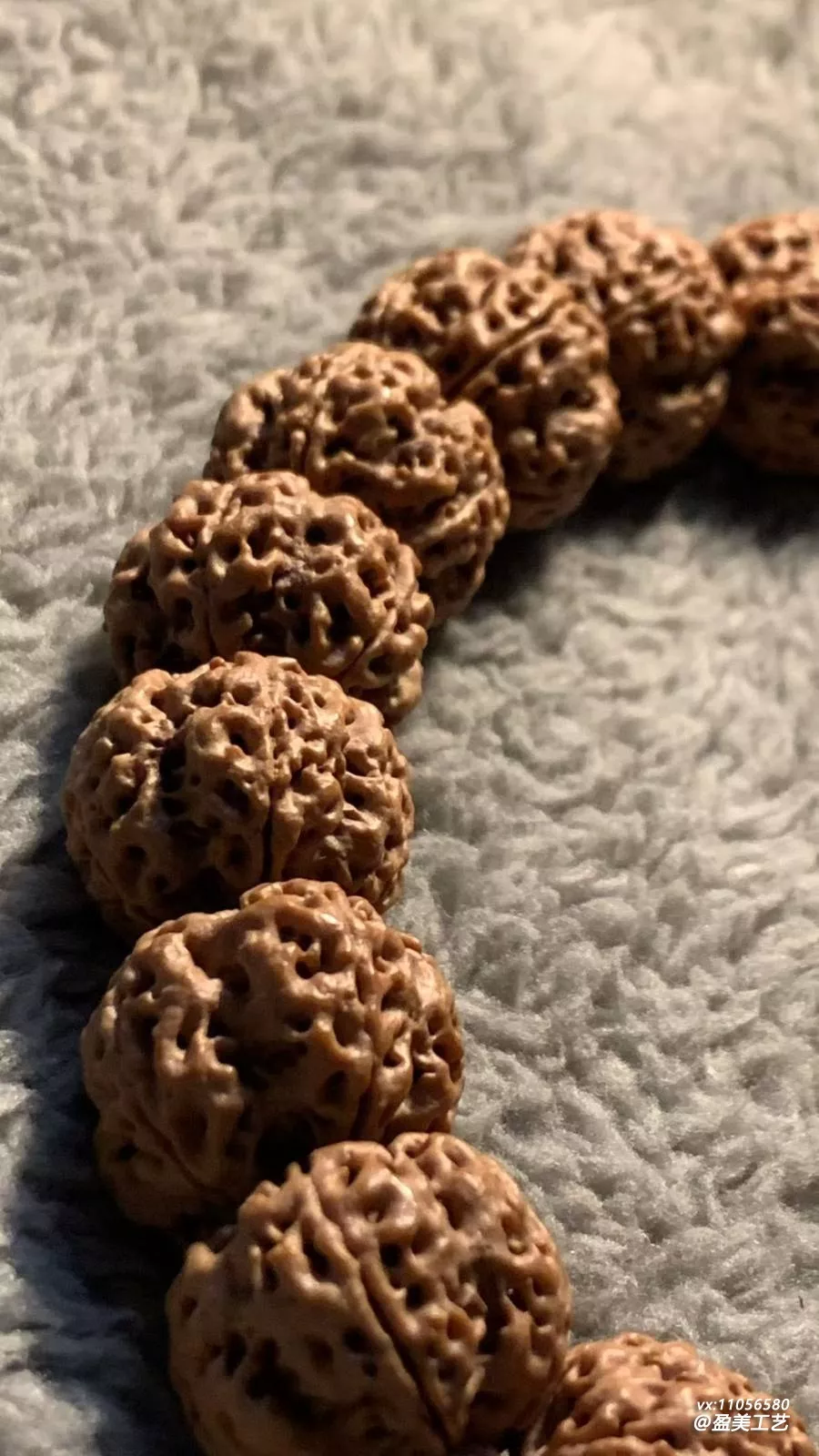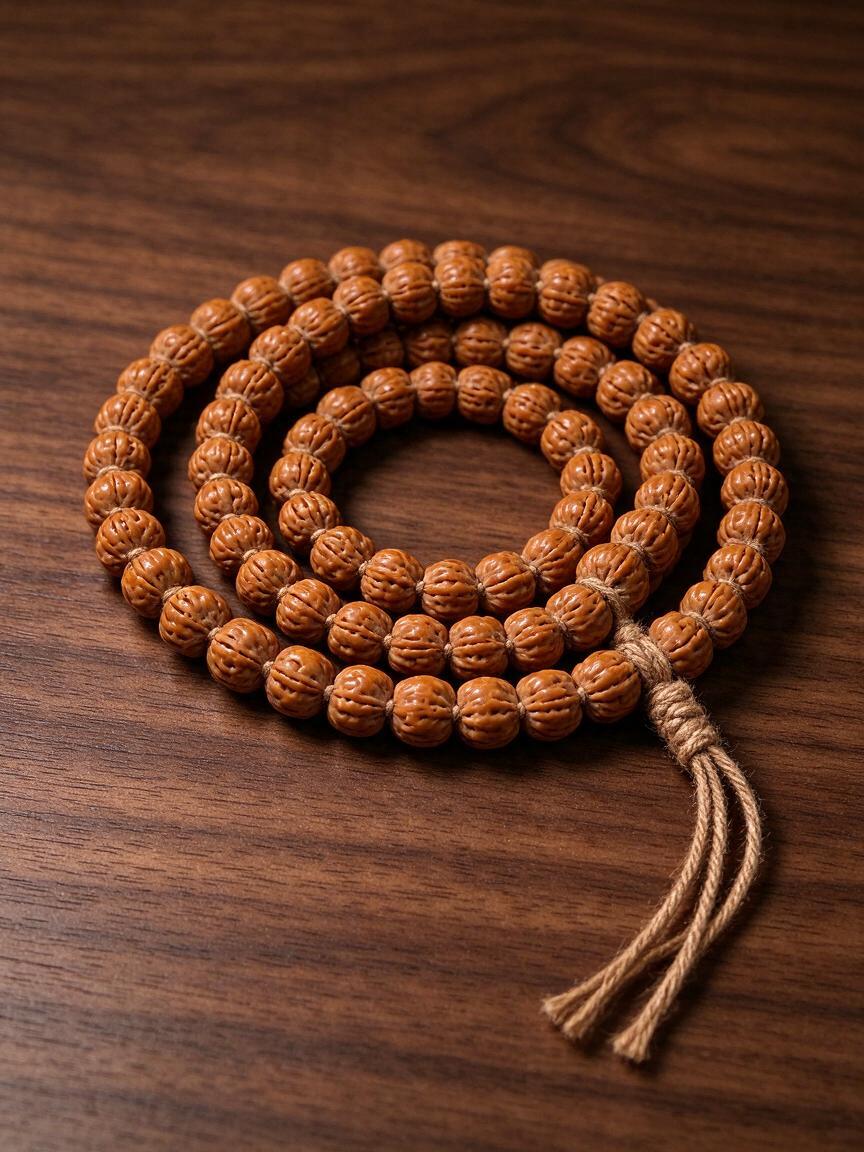
After handling dozens of smooth-fine 108 beads, here's how to assess density and color transformation. How to evaluate density and color transformation when selecting smooth-fine 108 beads—insights from handling dozens of strands. After handling dozens of smooth-fine 108 beads, here's how to assess density and color transformation; beginners can learn to pick this way.
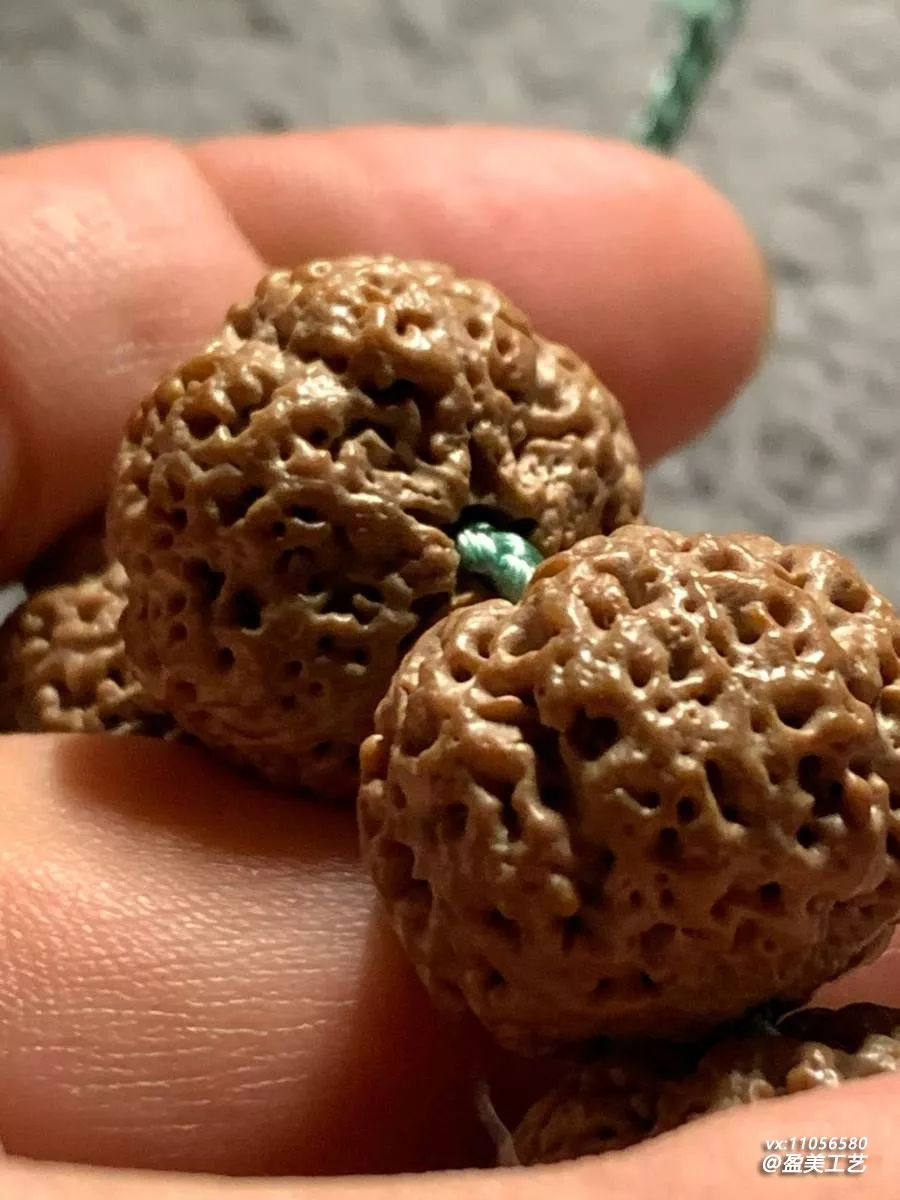
How to Assess Density
How to assess density: Density is judged by weight—beads that feel heavy in hand have high density; high-density seeds have dense skin, and they develop a translucent shine when worked; low-density seeds feel light and insubstantial. Density—feel the weight in hand.
How to Assess Color Transformation
How to assess color transformation: Color transformation is judged by the skin tone—beads with translucent skin tone have good color transformation; seeds with good color transformation develop a rosy, translucent glow when worked; seeds with poor color transformation turn dull. Color transformation—look at the base quality of the skin tone.
How to Pick a Good Strand
How to pick a good strand: Strands with both good density and good color transformation are premium; if on a budget, prioritize density, as it leads to a translucent result when worked; handle more strands and experience will come naturally. After handling dozens of smooth-fine 108 beads, here's how to assess density and color transformation: density is judged by weight in hand, color transformation by translucent skin tone—if both are good, it's premium; if on a budget, prioritize density.
Density is the backbone of a strand, color transformation is its lifeblood—once you understand both, you won't fall into traps when picking.
Density and color transformation may seem complex, but after a few hands-on sessions you'll get it—a good strand can be felt, and you'll be able to articulate exactly what makes it good.