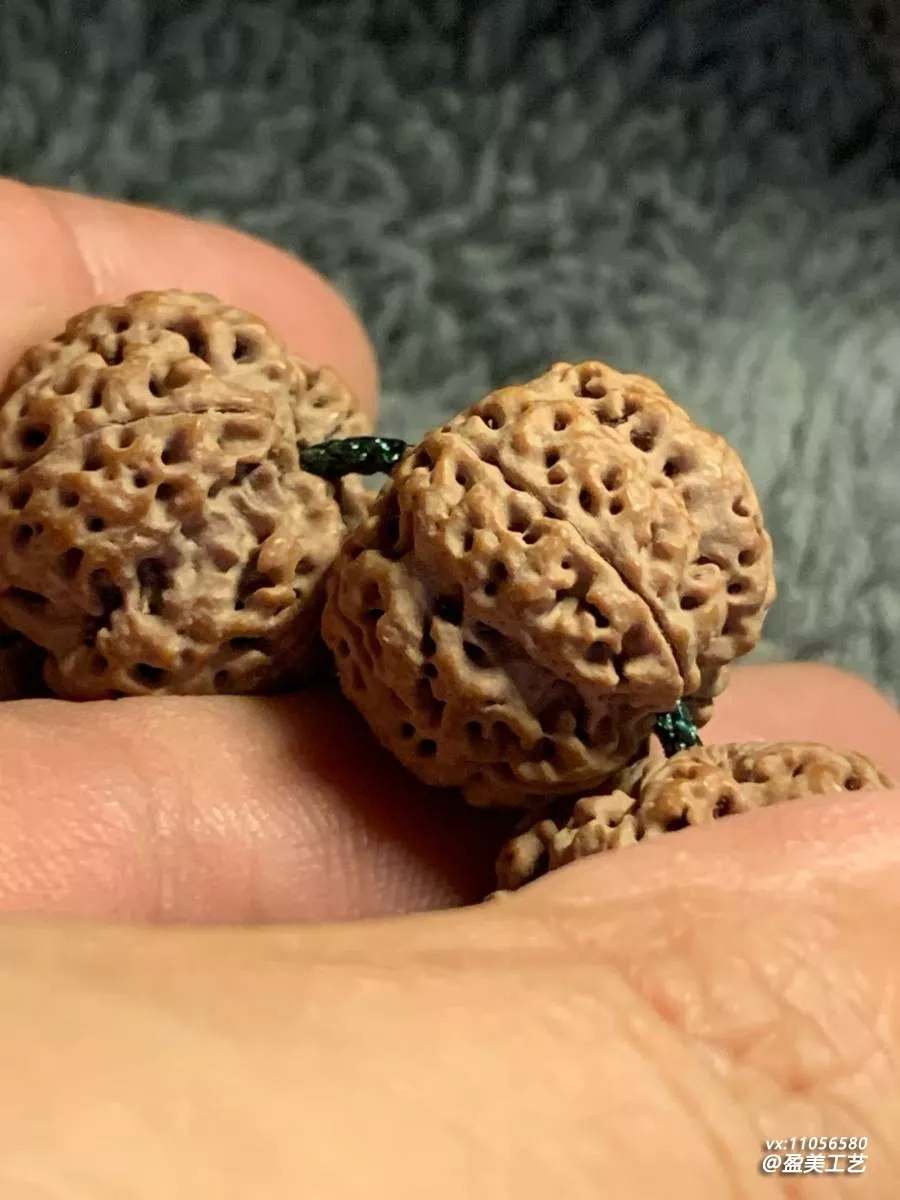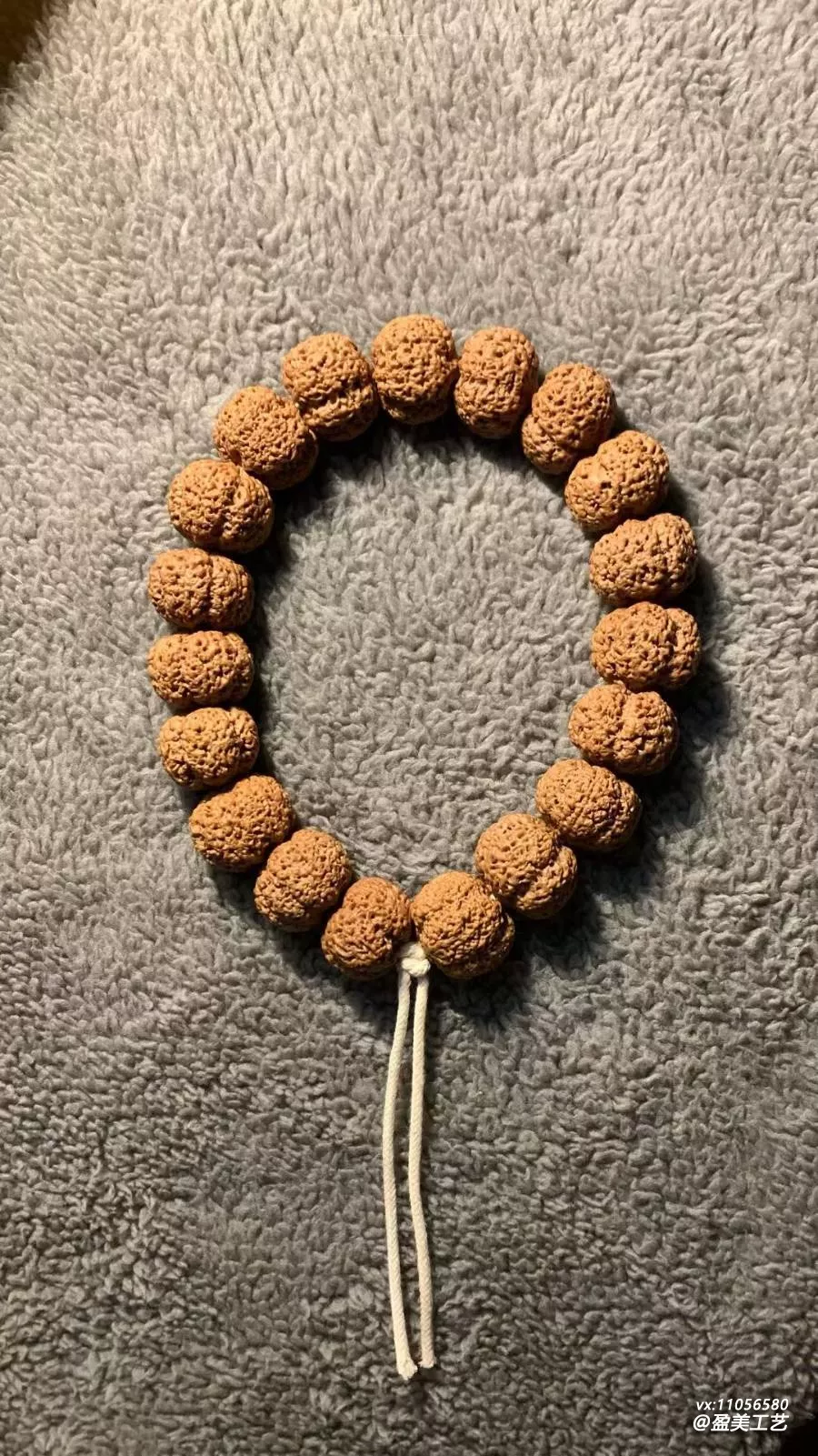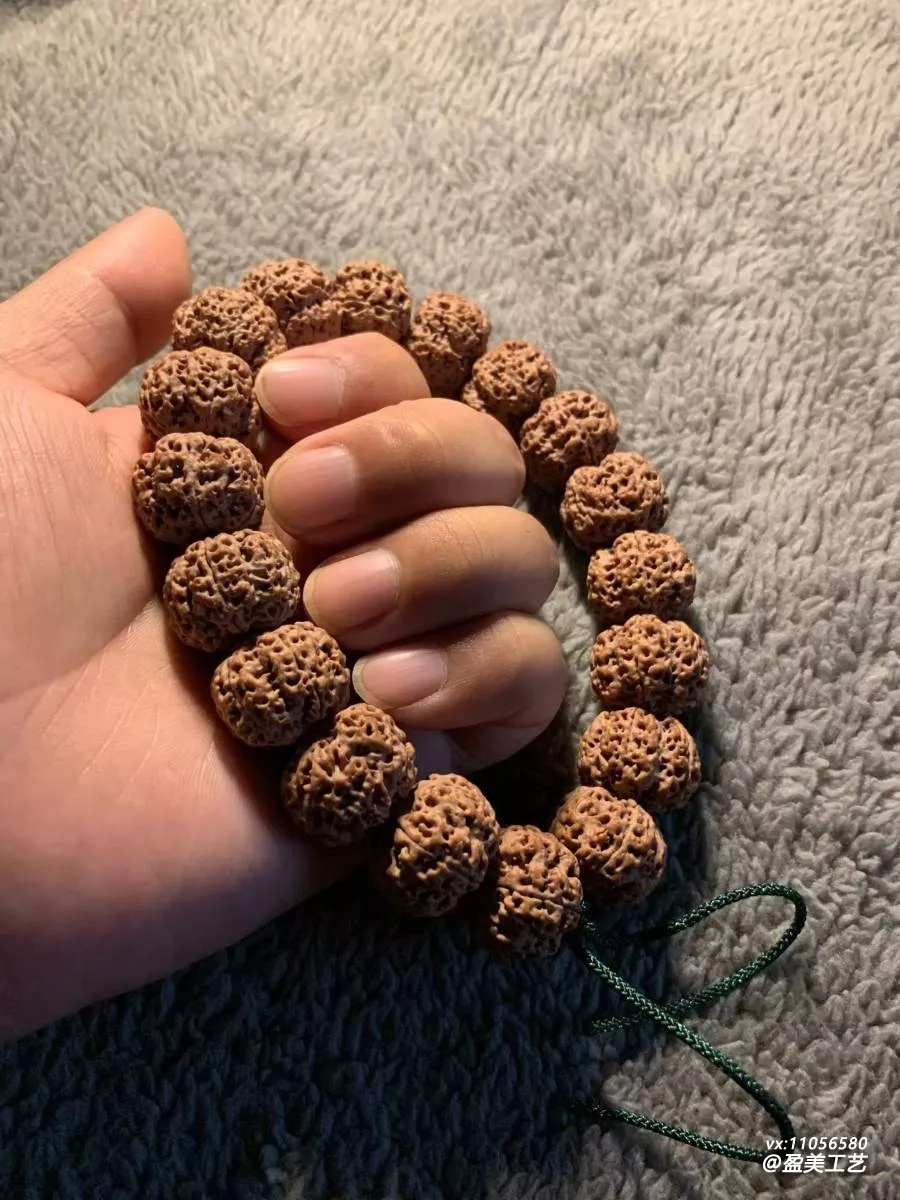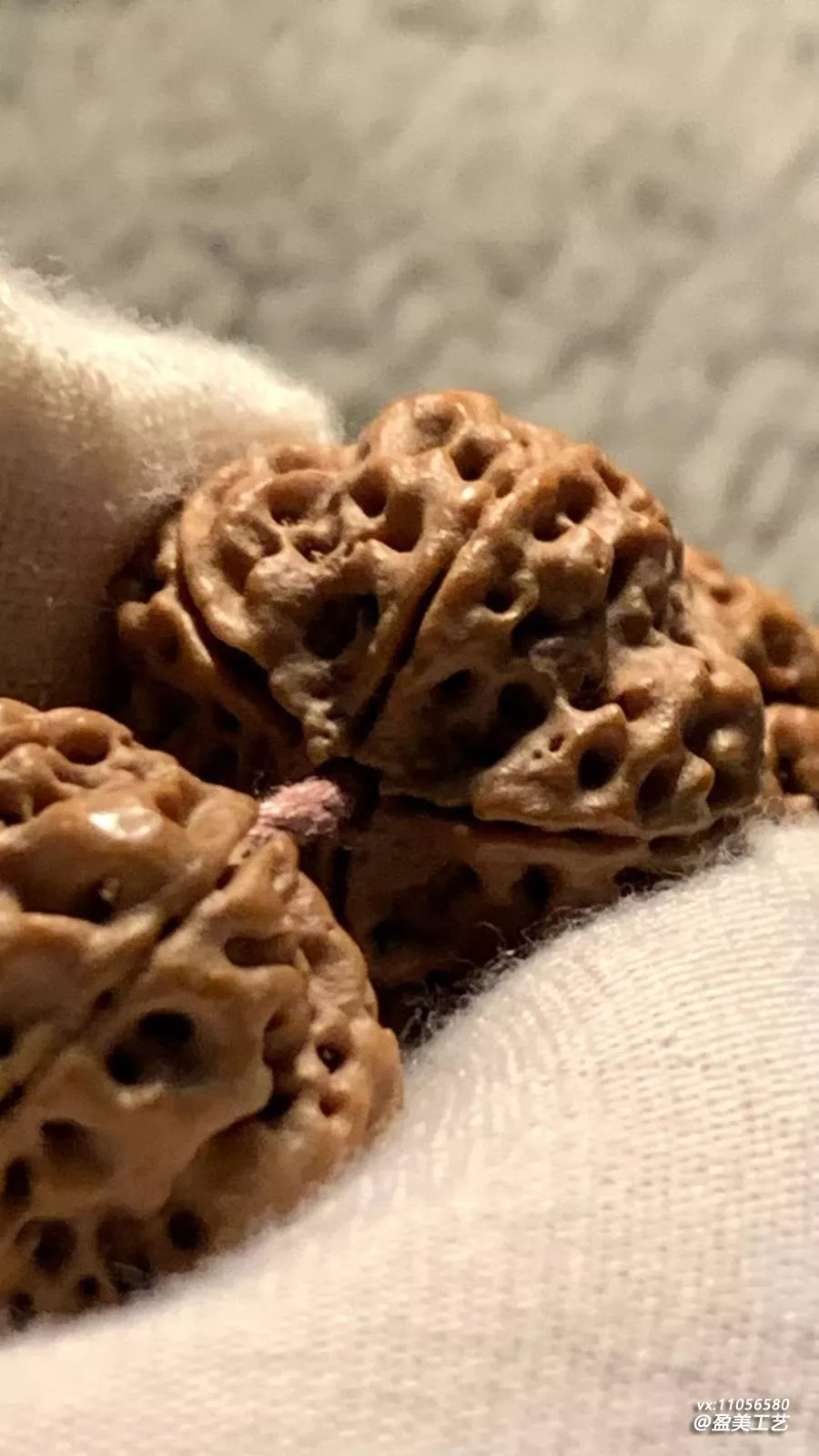
How much difference between the head and tail dimensions is normal? Rudraksha (large) specifications. When buying a mala (prayer beads), you measure the dimensions and find that the head and tail of the beads differ, which makes you uneasy, worrying that you might buy a mala with poor specifications. How much difference between the head and tail dimensions is normal? Once this specification issue is made clear, you will have a basis.
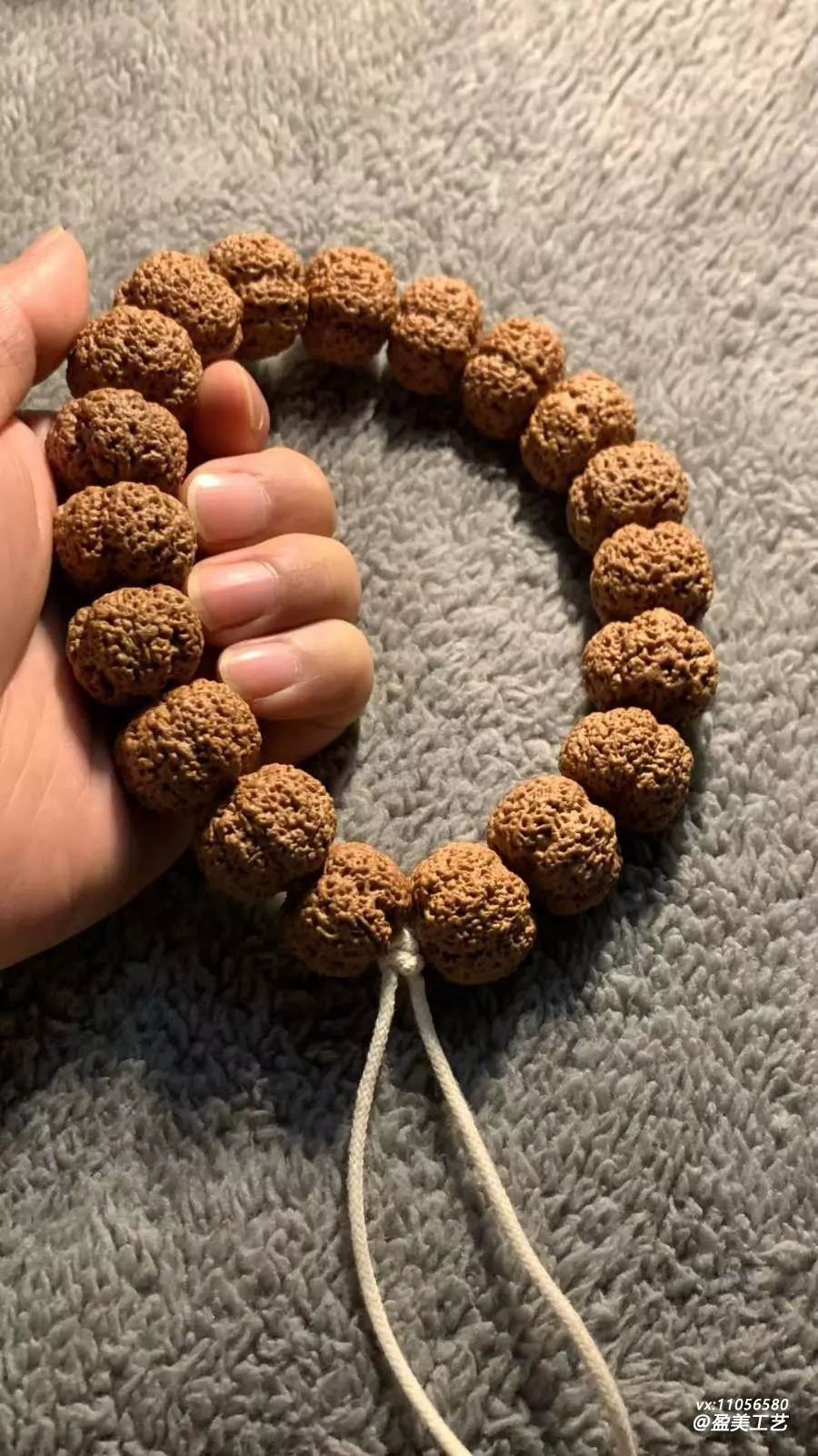
Reasons for the difference between head and tail dimensions
Reasons for the difference between head and tail dimensions: Rudraksha seeds are naturally not perfectly round, and the head and tail dimensions are inherently different. This is a natural property of the seeds. Differences between the head and tail are normal; being completely identical is rare, and natural seeds always differ somewhat.
How much difference is normal
How much difference is normal: Generally, a difference of one to two millimeters between the head and tail is normal. It looks round to the naked eye and does not affect wearing or the breaking-in (patina process). If the difference is larger, for example three millimeters or more, the bead shape becomes skewed, looks irregular, and affects the appearance. How much difference is normal depends on the size of the difference and the visual effect.
How to view the difference
How to view the difference: Small differences are normal, so buy with confidence. For beads with large differences, look at the proportion of the whole mala; one or two are acceptable, but more affects the look. How much difference between the head and tail dimensions is normal? A difference of one to two millimeters is normal; too much difference skews the bead shape. Look at the overall harmony of the mala, and do not overlook this detail when buying a mala.
Once you understand the pattern of head-to-tail differences, you will have a basis when measuring dimensions. Small differences are normal, large differences require attention, and looking at the overall harmony of the mala is the right approach.