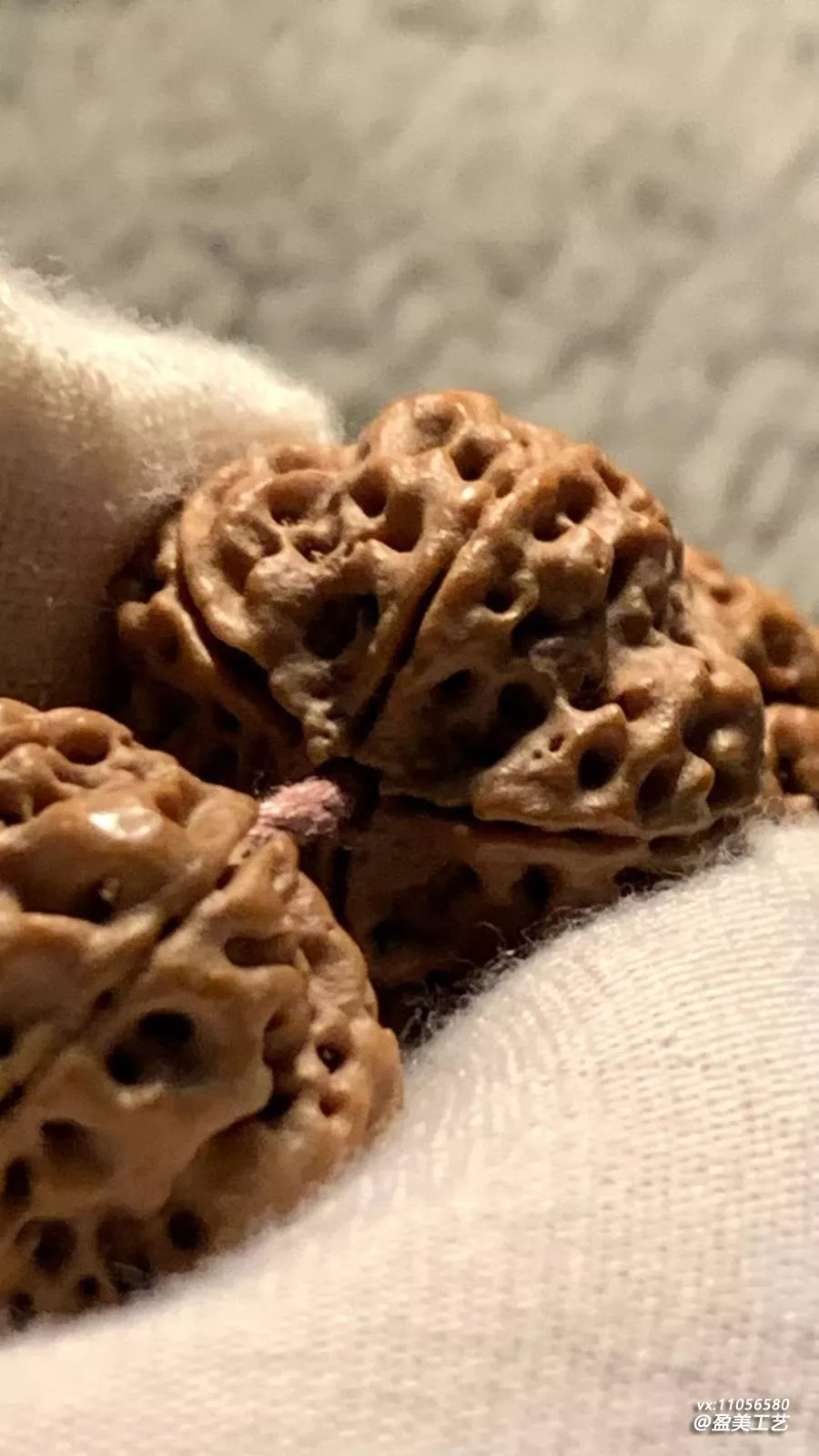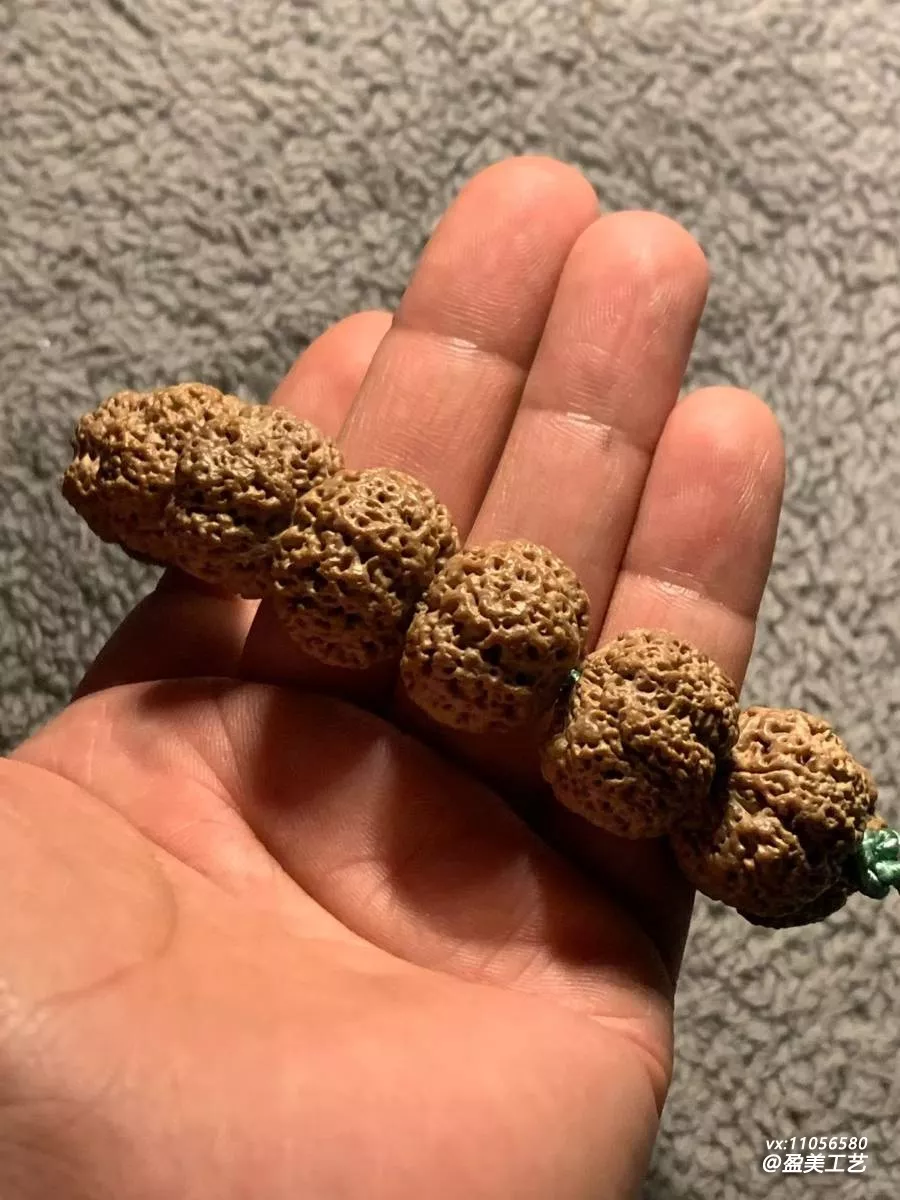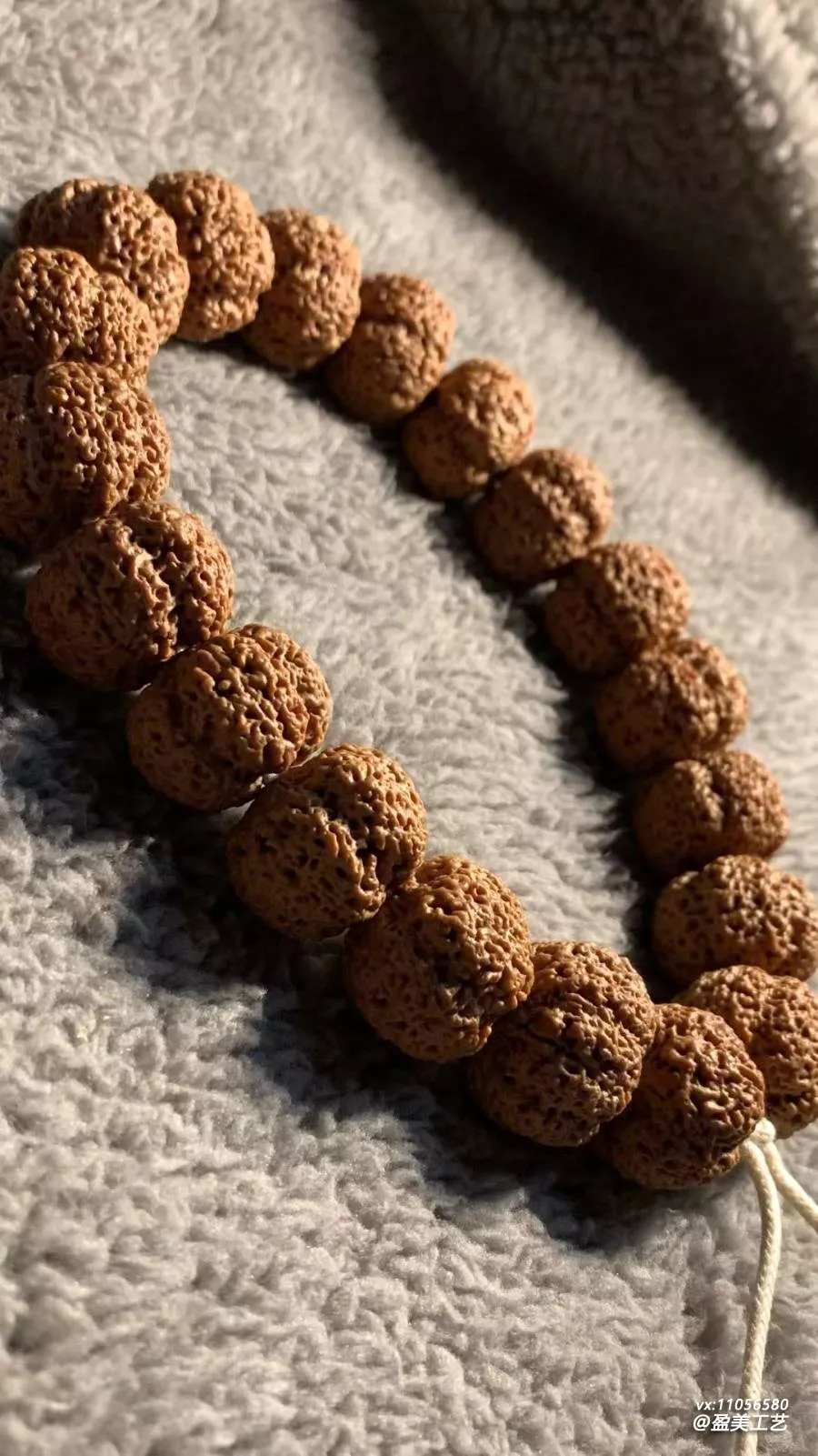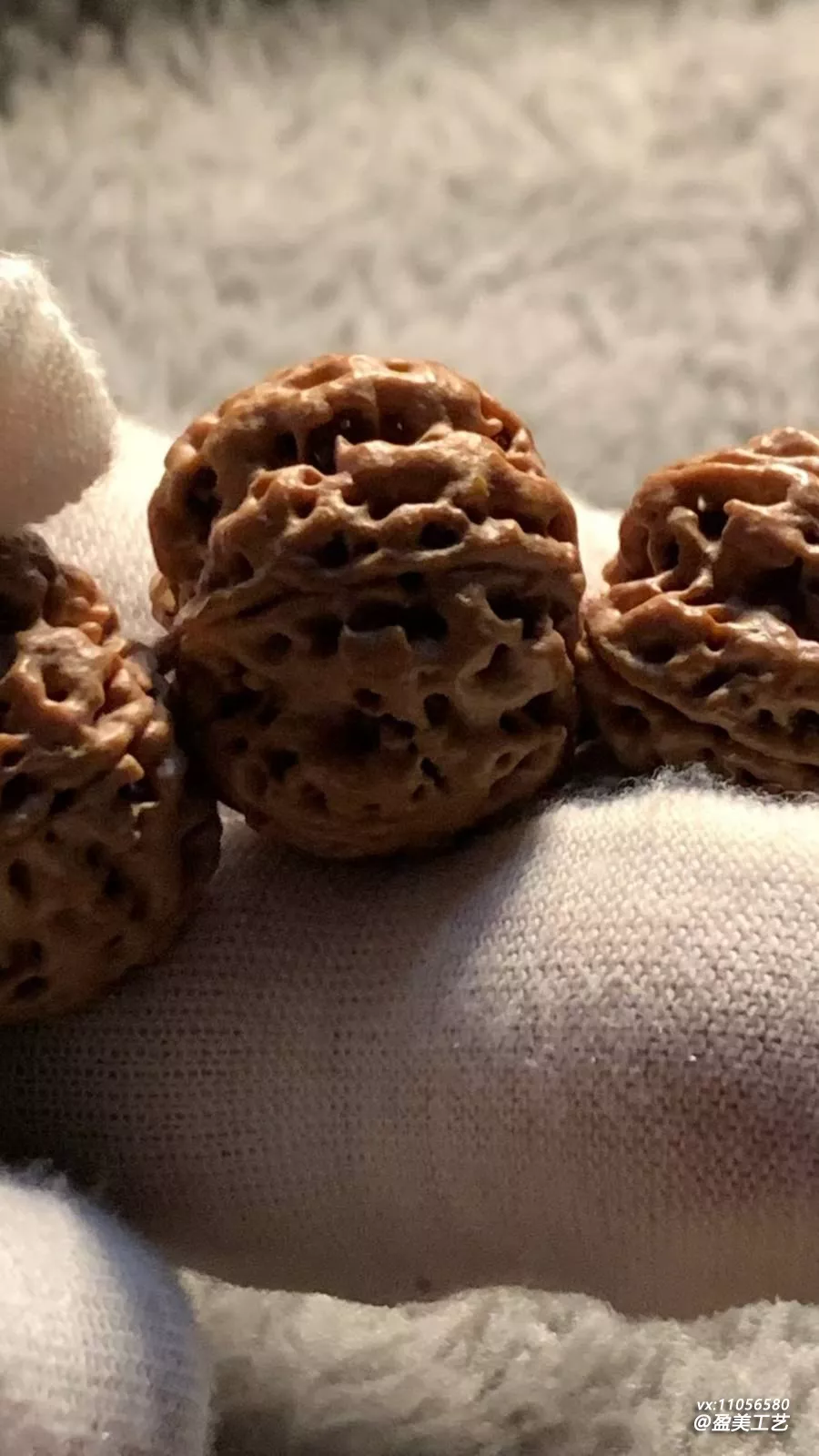
Are same-tree seeds always better? The truth about large Rudraksha from the same tree. Sellers all say same-tree seeds are good, but are they always good? Honestly, same-tree seeds have advantages, but they are not 100% good. Let's clarify the truth so you don't get fooled by the term "same tree."
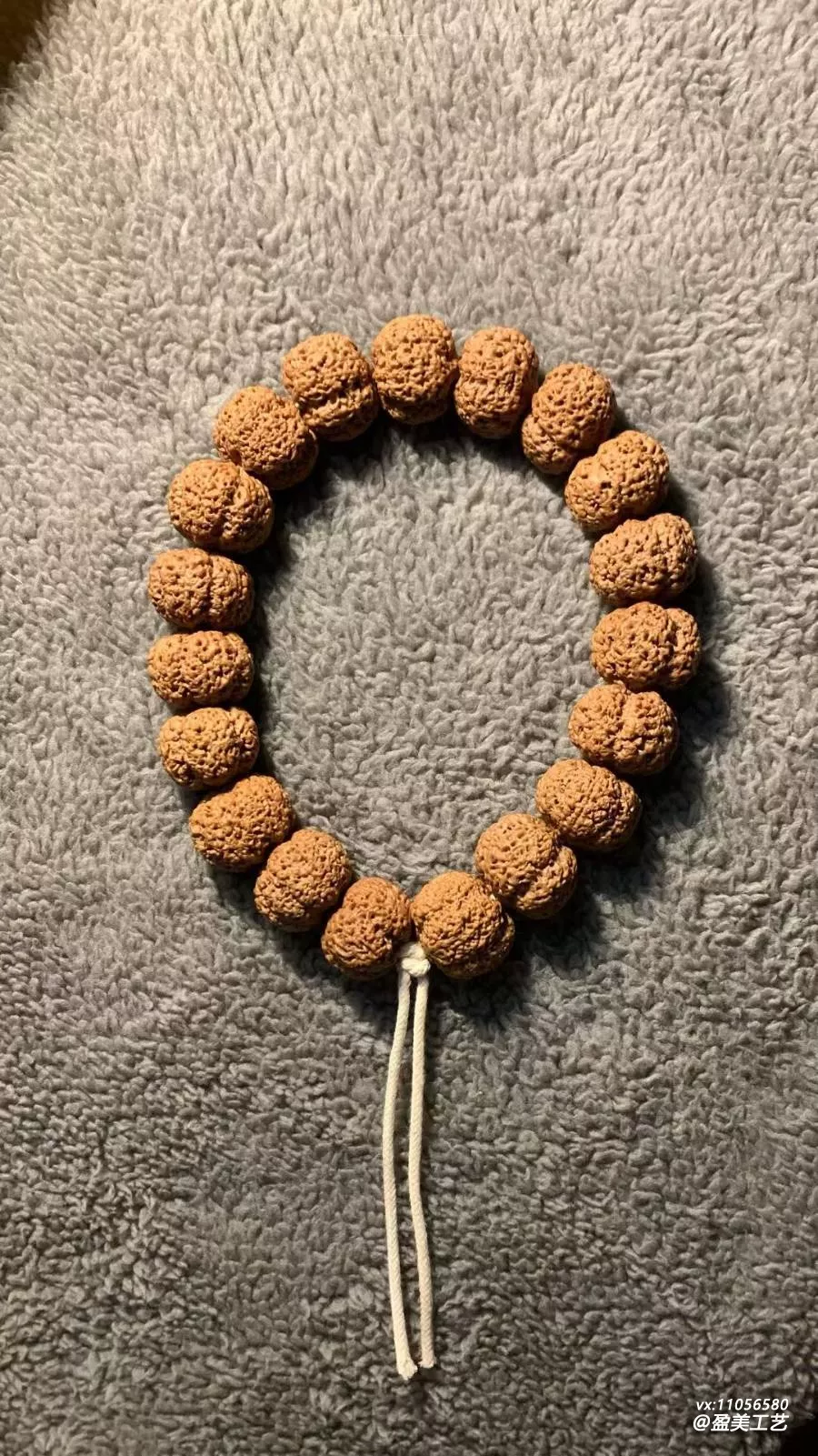
Advantages of same-tree seeds
Advantages of same-tree seeds: Seeds from the same tree have relatively similar skin texture and density, uniform appearance, even coloring, and are less likely to show major color differences during breaking-in. A strand of same-tree seeds has good overall consistency and looks neat—these are its real advantages.
Limitations of same-tree seeds
Limitations of same-tree seeds: Same-tree seeds also vary in quality. Seeds from the same tree can be full or shriveled, good or poor, so you cannot assume they are good just because they are from the same tree. The price of same-tree seeds is often inflated by sellers; even average quality is sold at a high price, so the value for money is not necessarily high.
How to evaluate same-tree seeds
How to evaluate same-tree seeds: Don't be superstitious about "same tree." Check the skin texture and density in hand—good quality is what matters most. For a strand of same-tree seeds, buy it if the price is reasonable; if the markup is too high, switch to another. Are same-tree seeds always good? They have advantages but not absolutely. Same-tree seeds are only good if the skin texture and density pass muster—don't be fooled by the terminology.
Same tree is a bonus, not a safe. Learning to check quality yourself is more reliable than listening to sellers talk about "same tree," so you won't waste money when buying a strand.