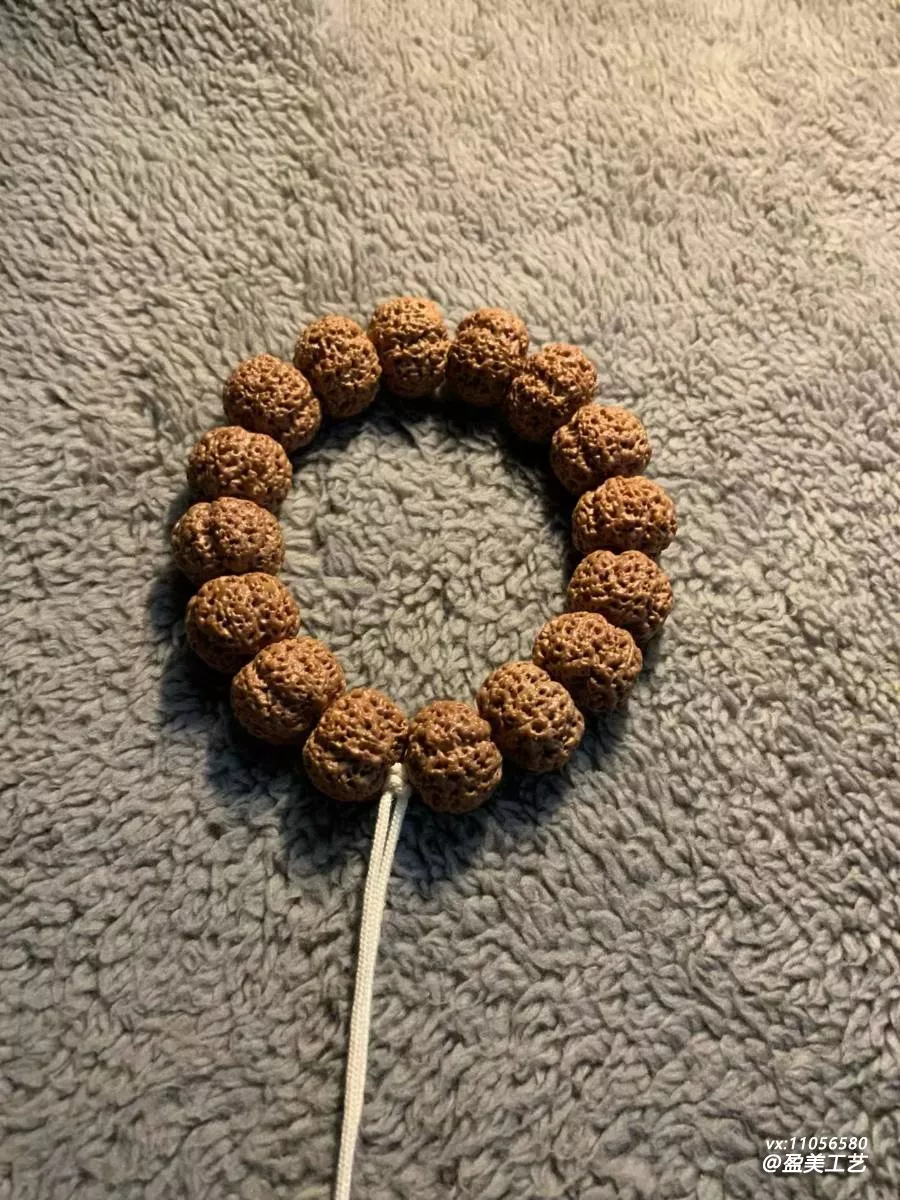
Having handled dozens of 108-bead strings of Old Tree King, here's how to judge fleshiness and oiliness. Looking at Old Tree King 108, how to judge fleshiness and oiliness—experience summed up from handling dozens of strings. Having handled dozens of 108-bead strings of Old Tree King, here's how to judge fleshiness and oiliness; beginners should learn to look.
How to judge fleshiness
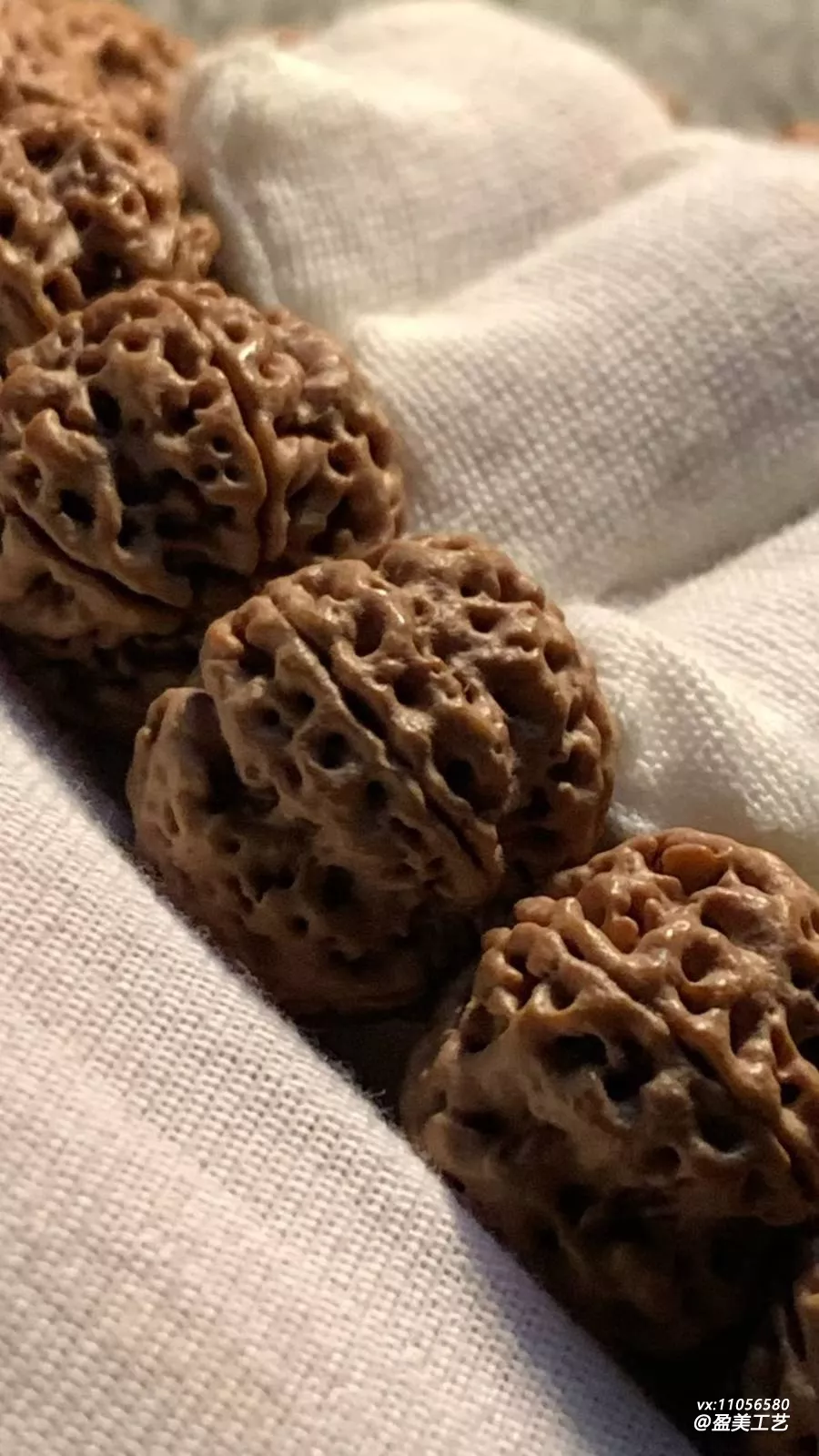
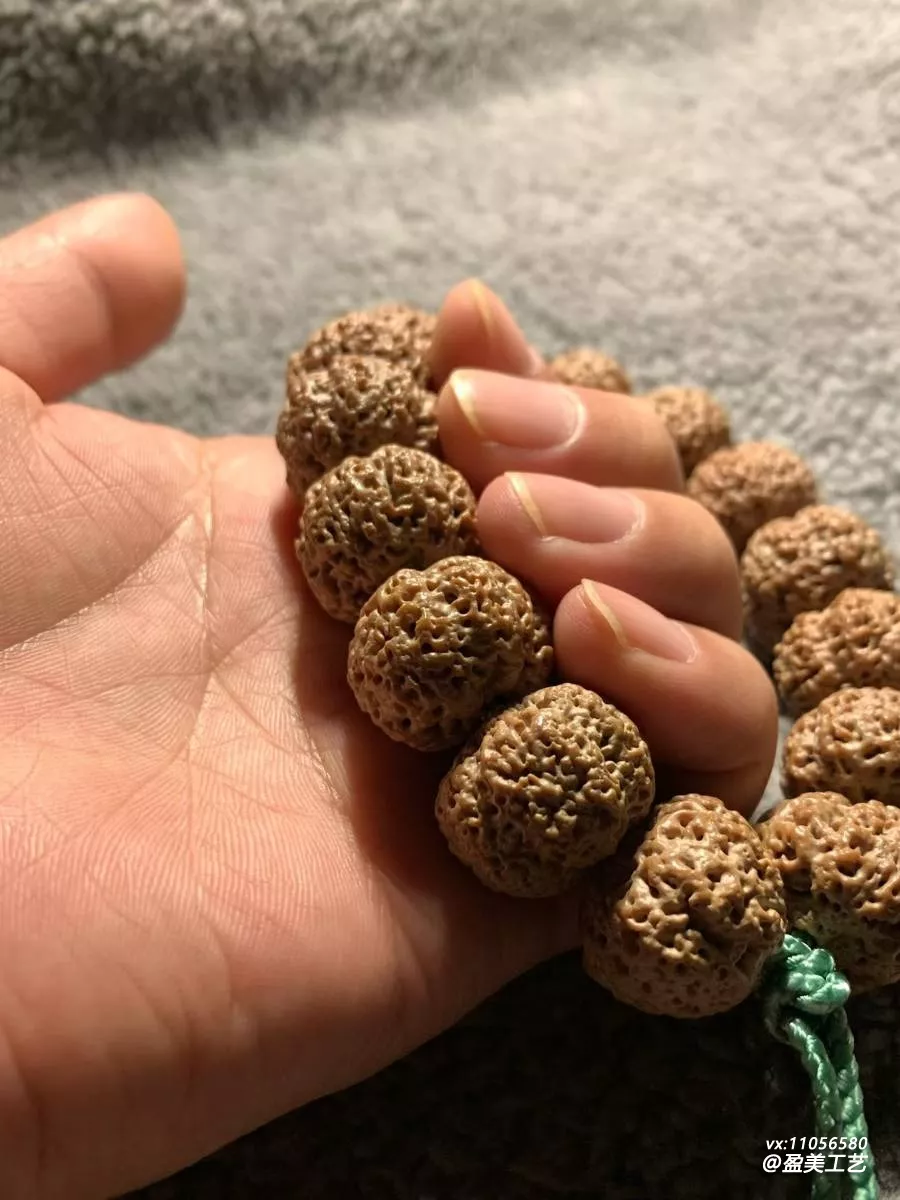
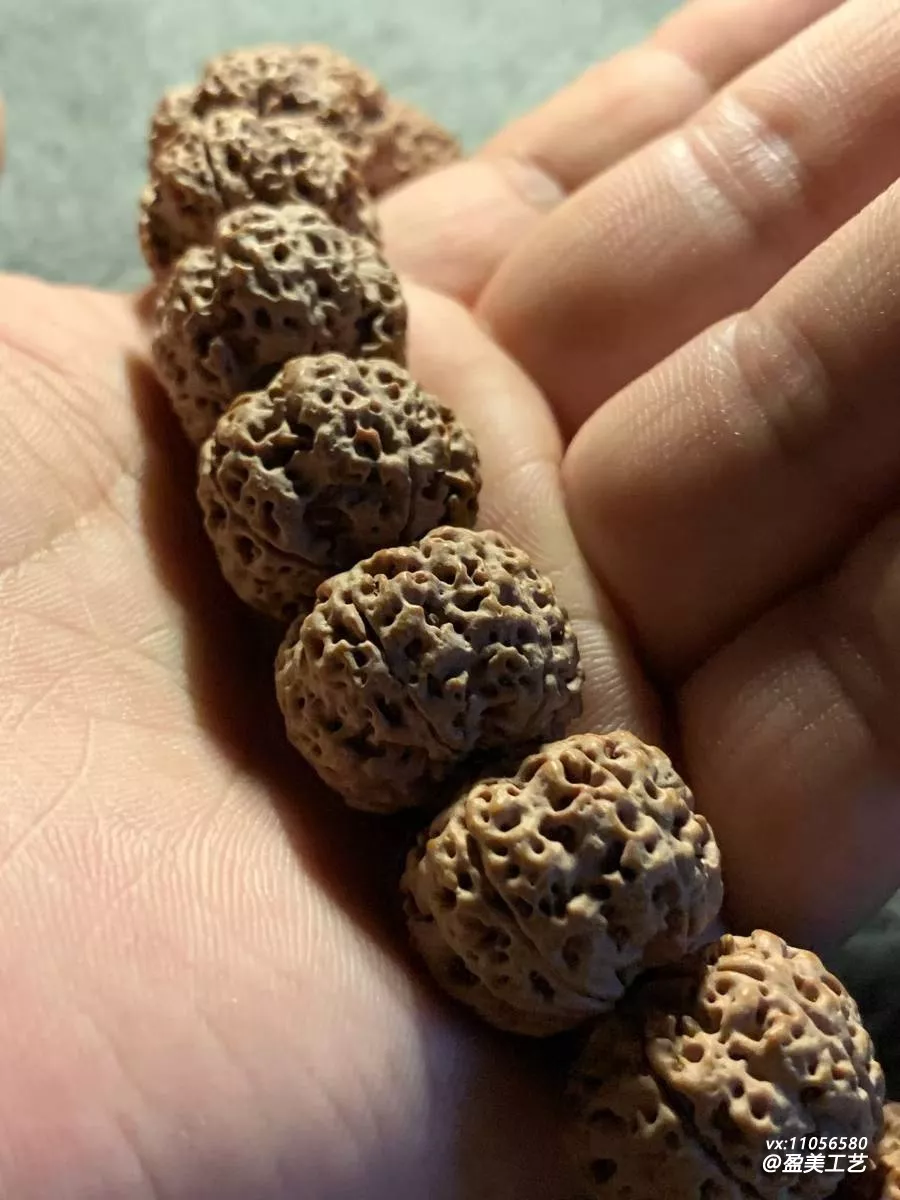
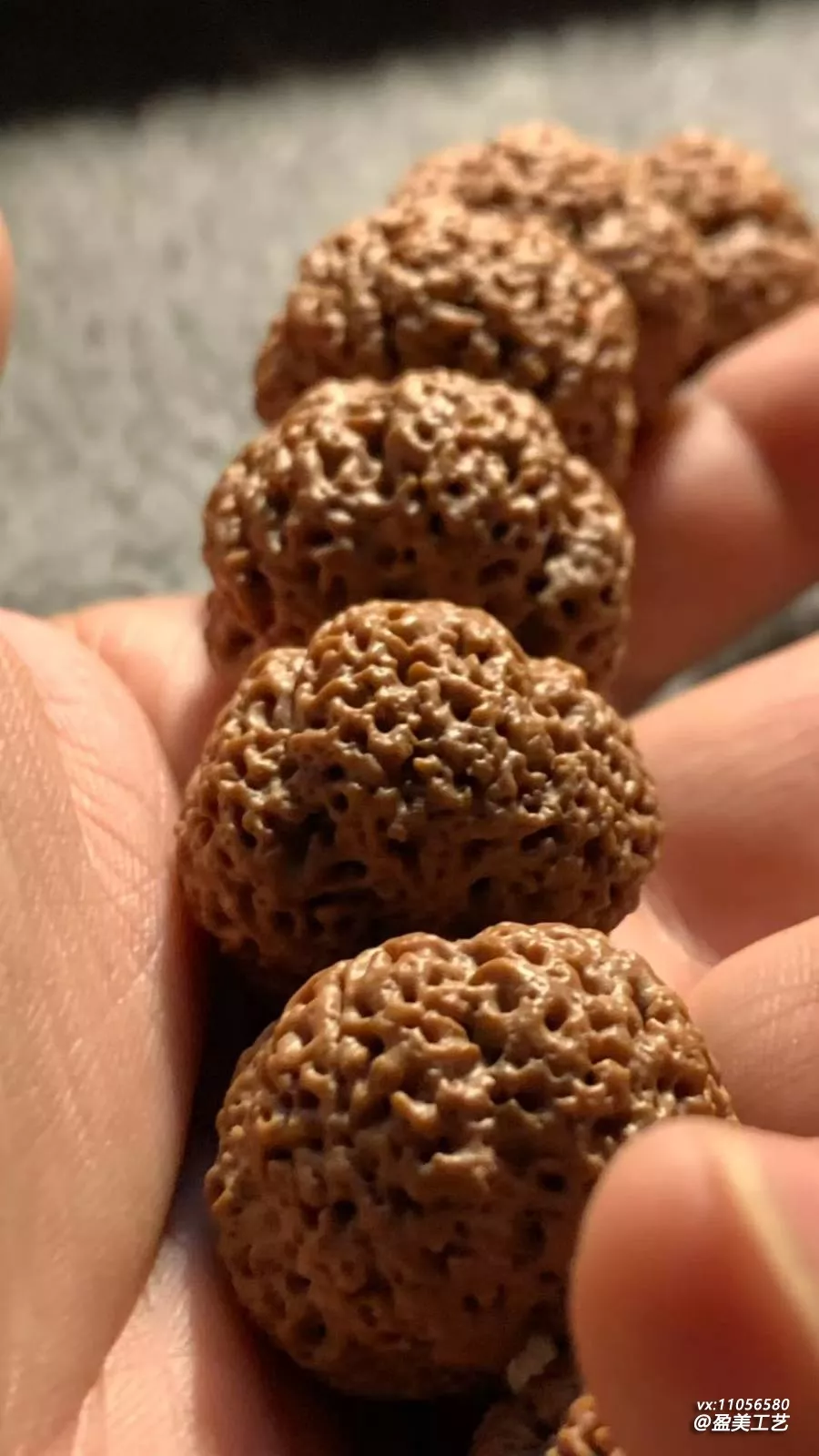
How to judge fleshiness: fleshiness is judged by grain—plump grain means good fleshiness; seeds with good fleshiness have thick teeth and deep grain, feeling solid in the hand; seeds with poor fleshiness have sparse, thin grain and look scrawny. Fleshiness—judge the grain at a glance.
How to judge oiliness
How to judge oiliness: oiliness is judged by the skin—oily, lustrous, and shiny means good oiliness; seeds with good oiliness feel moist the moment you handle them; seeds with poor oiliness have dry, scrawny skin. Oiliness—feel the skin with your hands.
How to pick a good string
How to pick a good string: one with both good fleshiness and oiliness is premium, and the price is higher too; if your budget is limited, prioritize oiliness—it will develop a clear, translucent look as you break it in; handle more strings and experience will come naturally. Having handled dozens of 108-bead strings of Old Tree King, here's how to judge fleshiness and oiliness: fleshiness is judged by plump grain, oiliness by oily skin; having both is premium, and with a limited budget, prioritize oiliness.
Experience is gained by handling—a good string feels right in the hand; once you've looked at fleshiness and oiliness enough, you can pick out your favorite at a glance.
The eye for judging strings is developed by hand; once you have a clear sense of fleshiness and oiliness, you won't waste money on tuition when buying strings.
Handle enough and your hands develop memory—good or bad fleshiness and oiliness, you'll know as soon as you pick it up; that is the weight of experience.