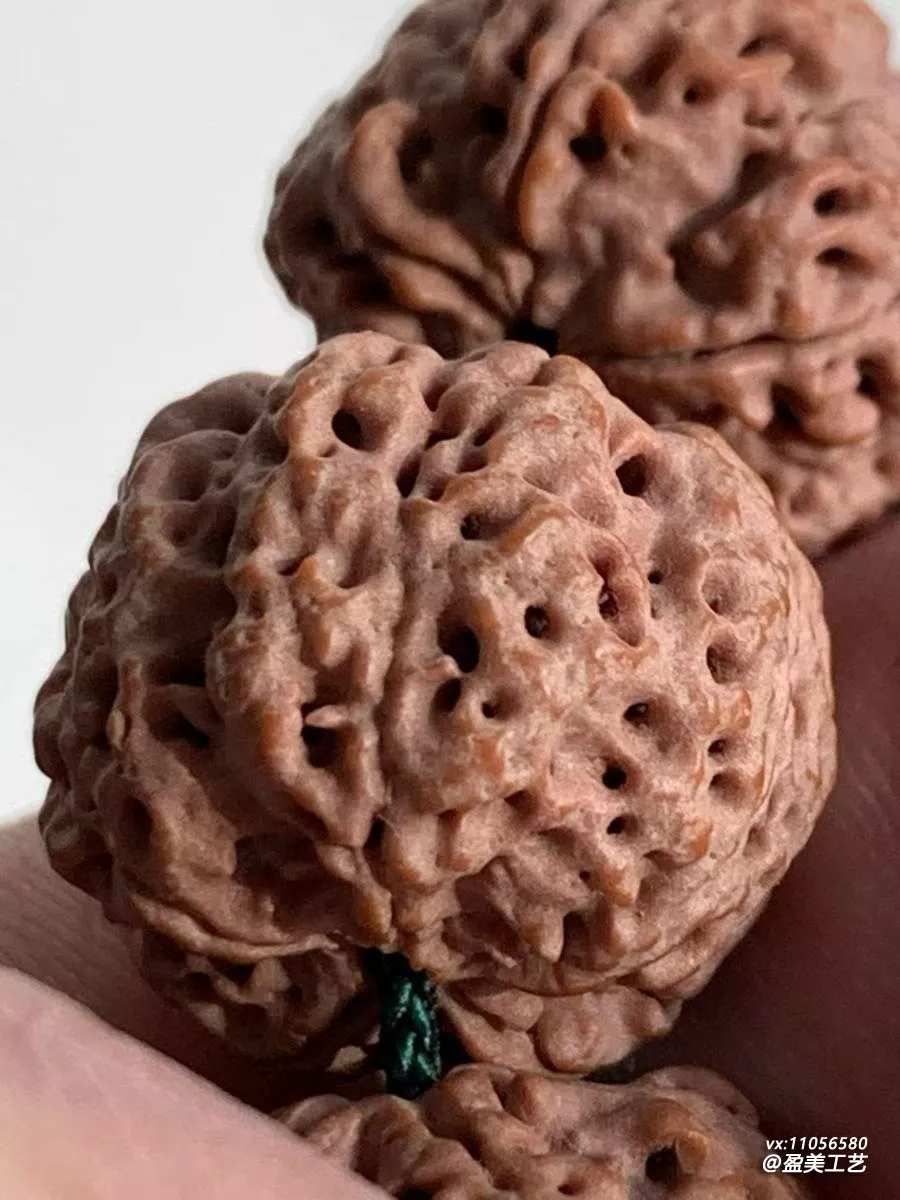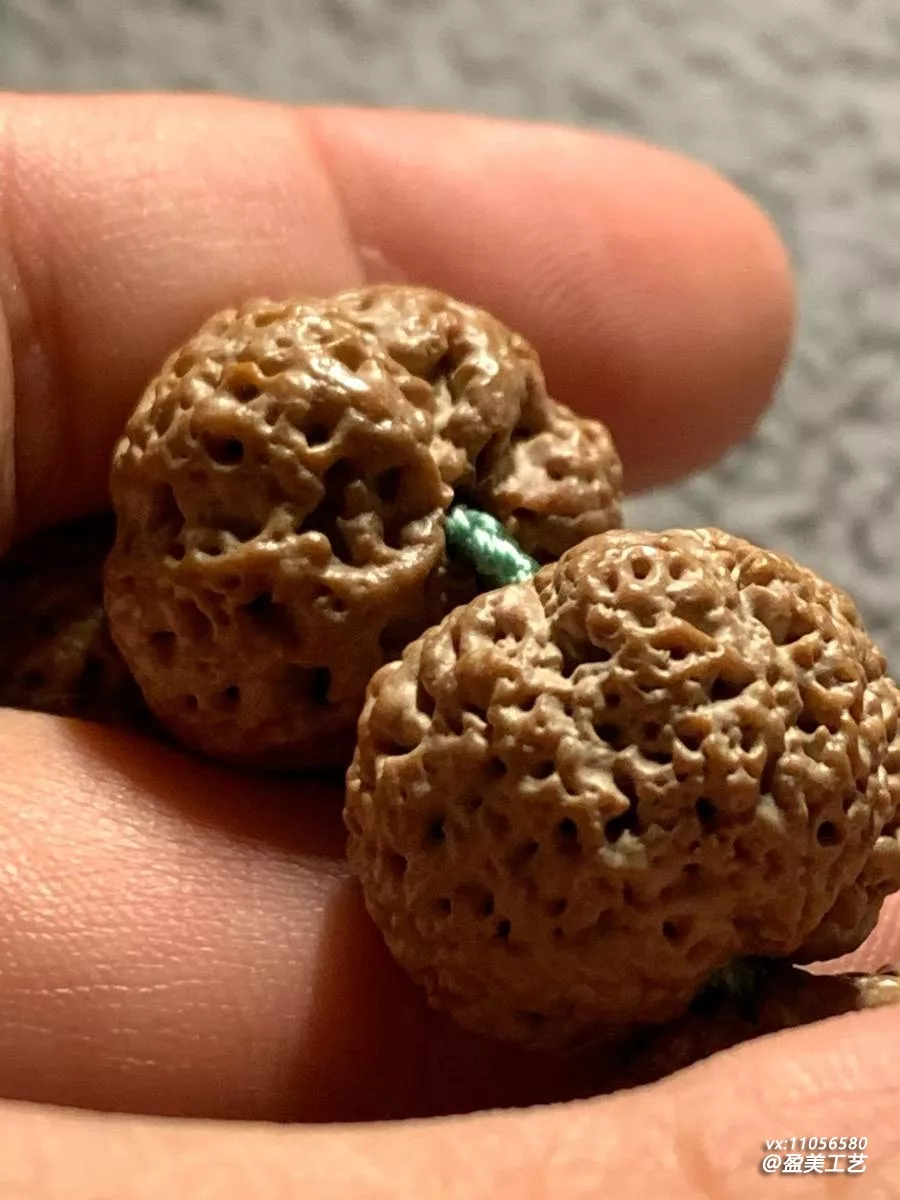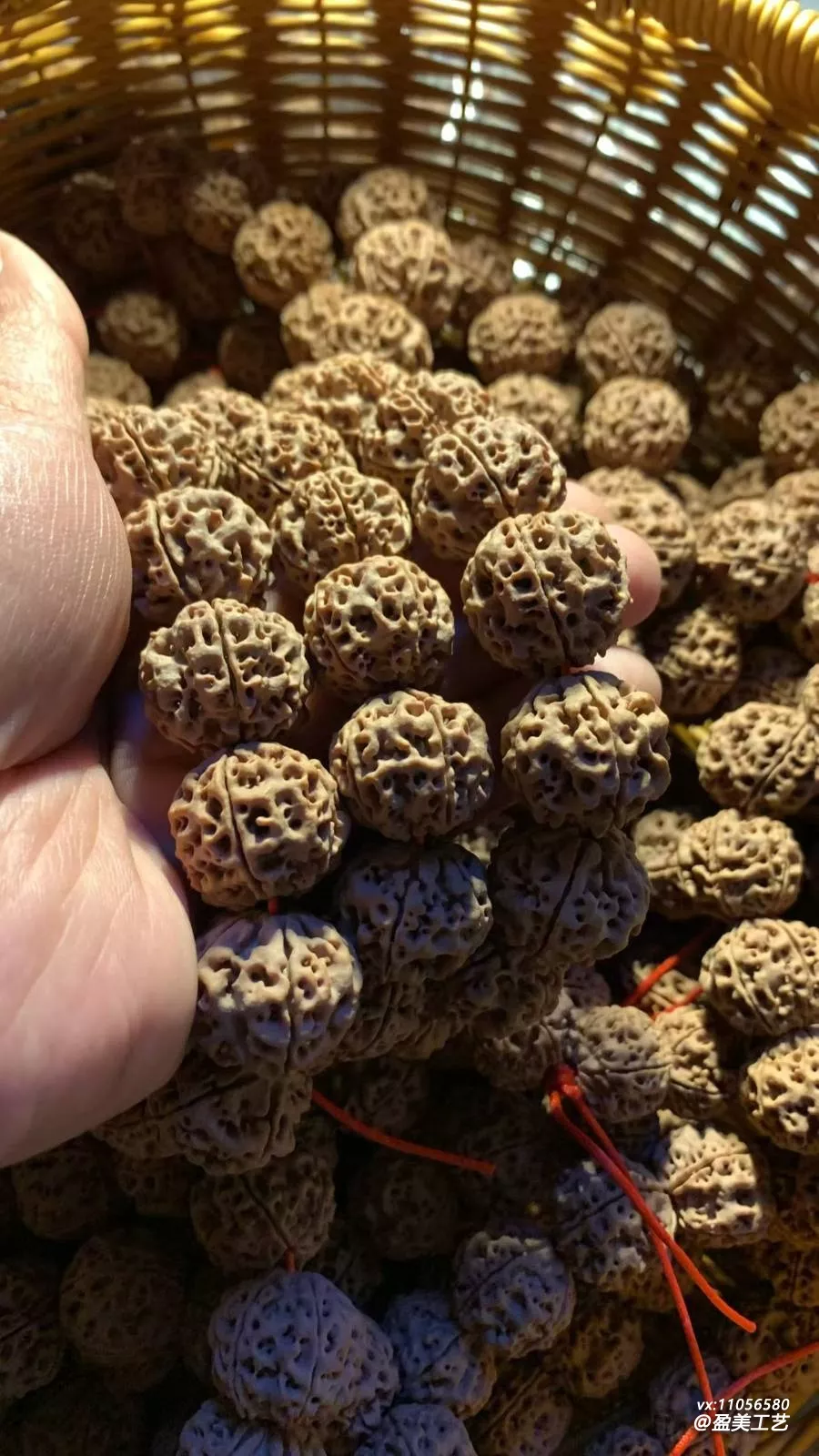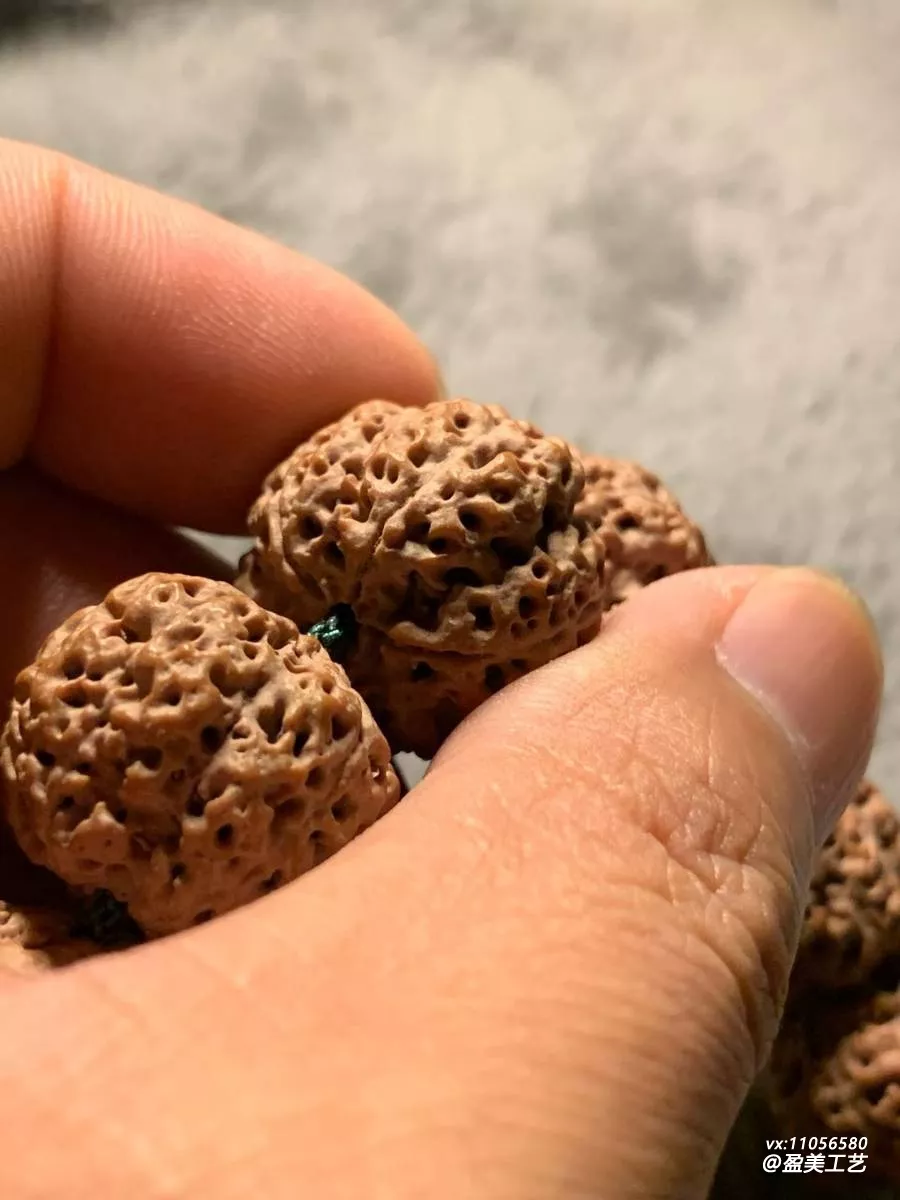
Is dry Rudraksha skin a good sign? A guide to analyzing the skin of large Rudraksha. When buying a mala, you may encounter beads with dry skin, and some sellers will tell you that this is the skin of aged seeds and a good thing. Is dry skin actually a good sign? Let's analyze it so you don't get misled by sales talk.
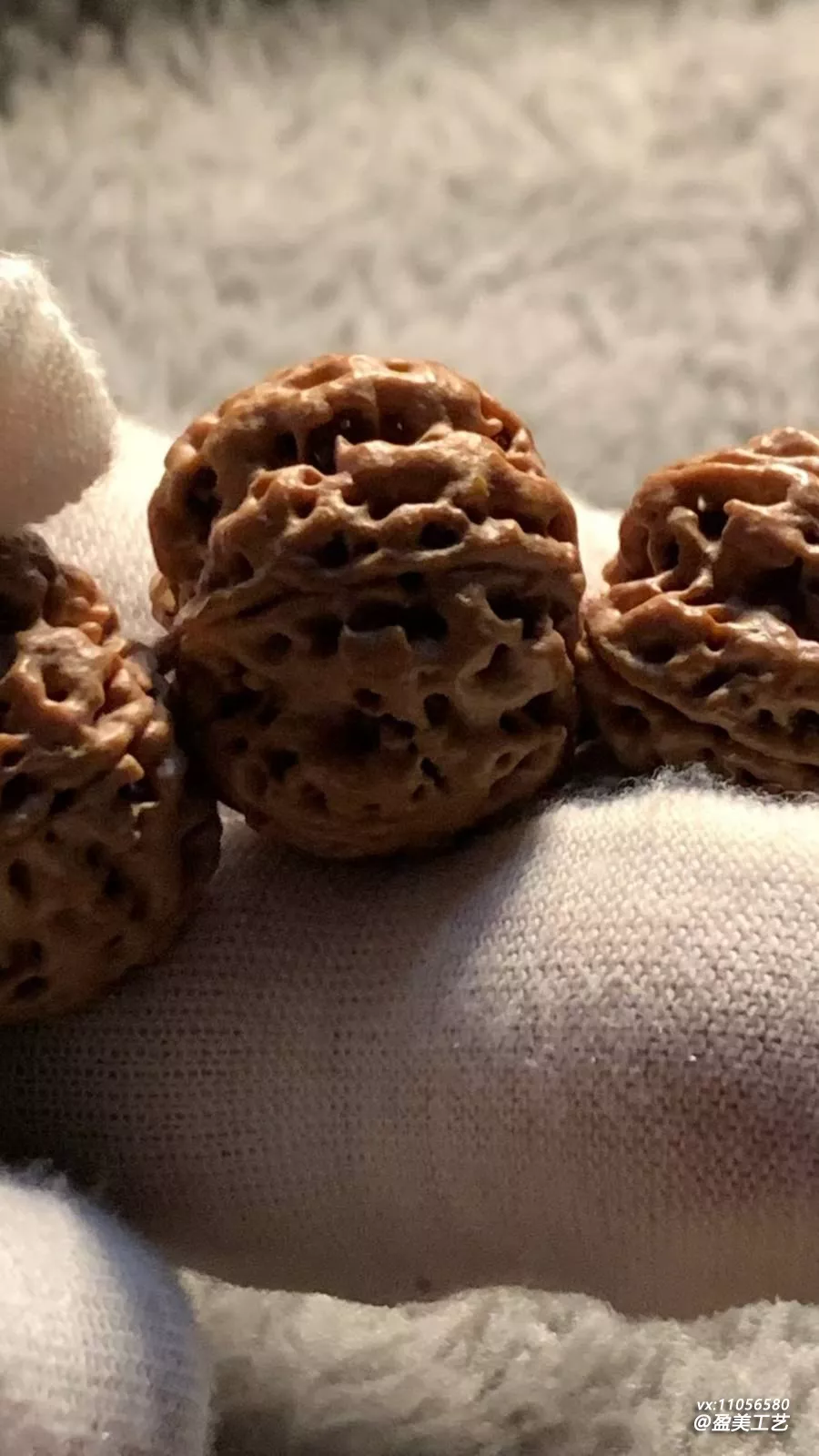
What causes dry skin
What causes dry skin: Dry skin can mean the seed itself has average skin with insufficient oiliness and feels dry to the touch; it can also mean the seed has been stored for a long time, surface moisture has evaporated, and the skin simply looks dry. The causes are different, and the quality is different too—you can't lump them all together.
Is dryness a good sign
Is dryness a good sign: It depends. Aged seeds that have been stored for a long time naturally have dry skin, but their oiliness is still there and the breaking-in effect is not affected; however, if a new seed has dry skin and feels rough, it is usually a sign of poor skin quality with low oiliness, and the final breaking-in result will be compromised. Don't automatically believe a seller who says dryness means a good seed.
How to tell good from bad
How to tell good from bad: A dry aged seed feels dry but has firm skin with oiliness still present; a dry poor-quality seed feels rough and woody with little oiliness. Try breaking it in for a few moments—seeds with good oiliness will quickly develop a sheen, while those with poor oiliness will show no response. Is dry Rudraksha skin a good sign? Dryness is normal for aged seeds, but dry and woody skin on new seeds means poor quality; a few moments of breaking-in will tell you which is which.