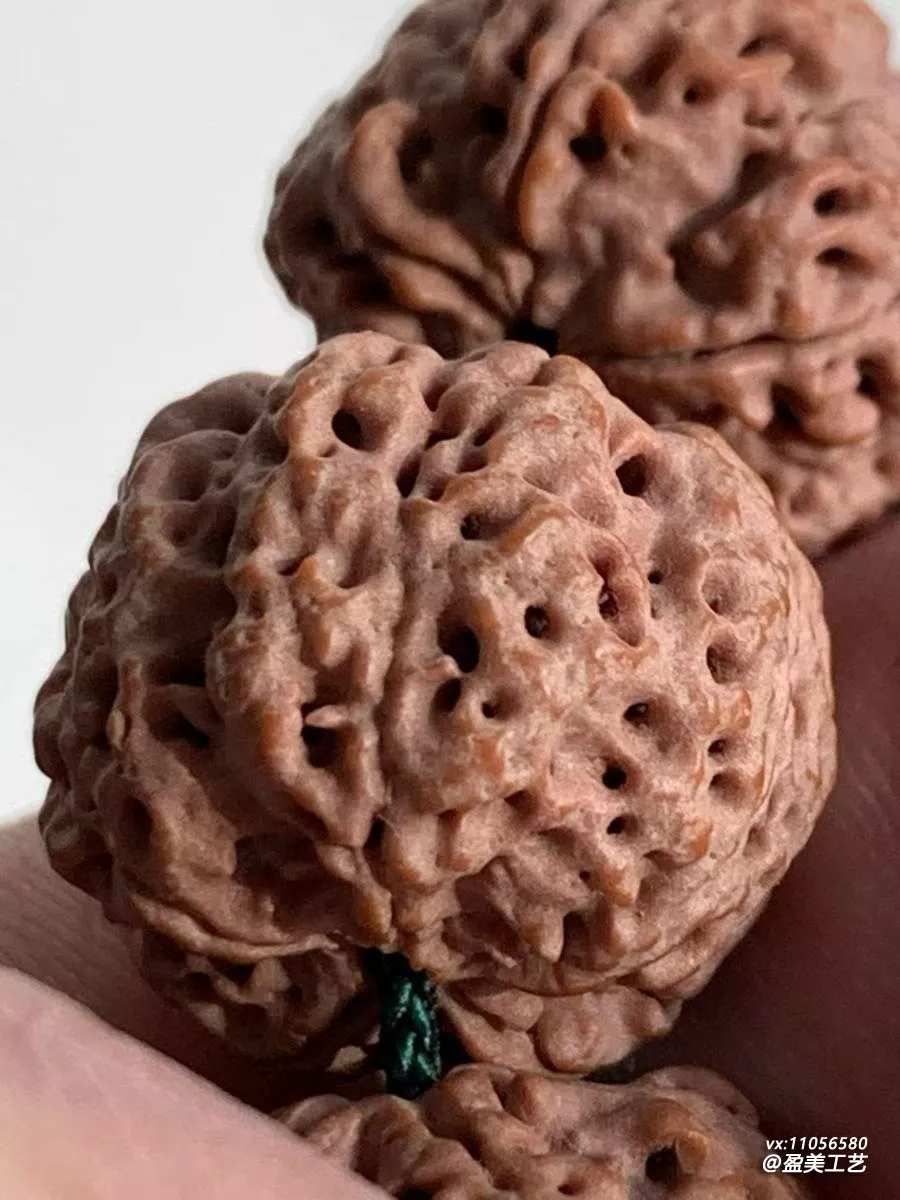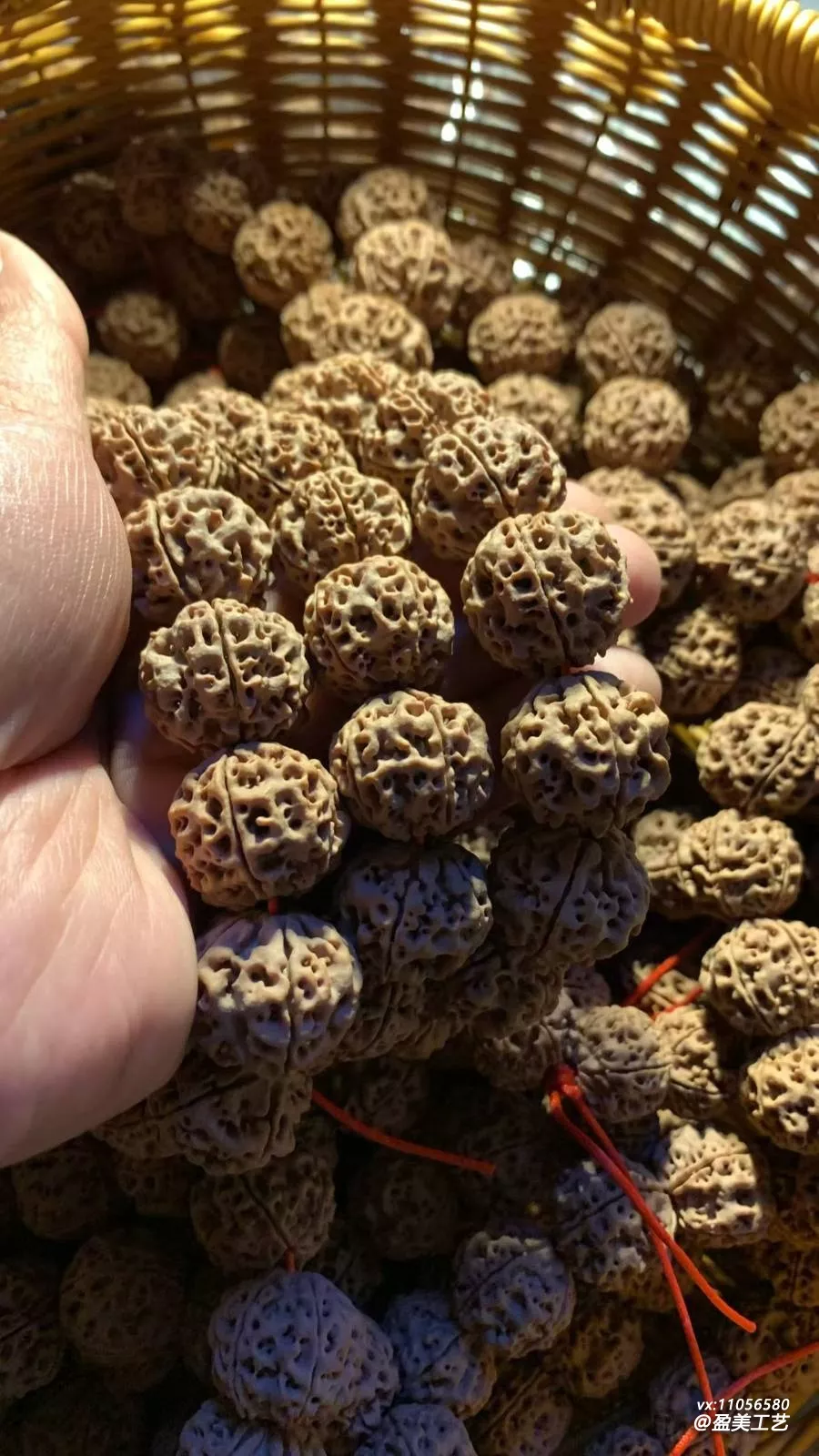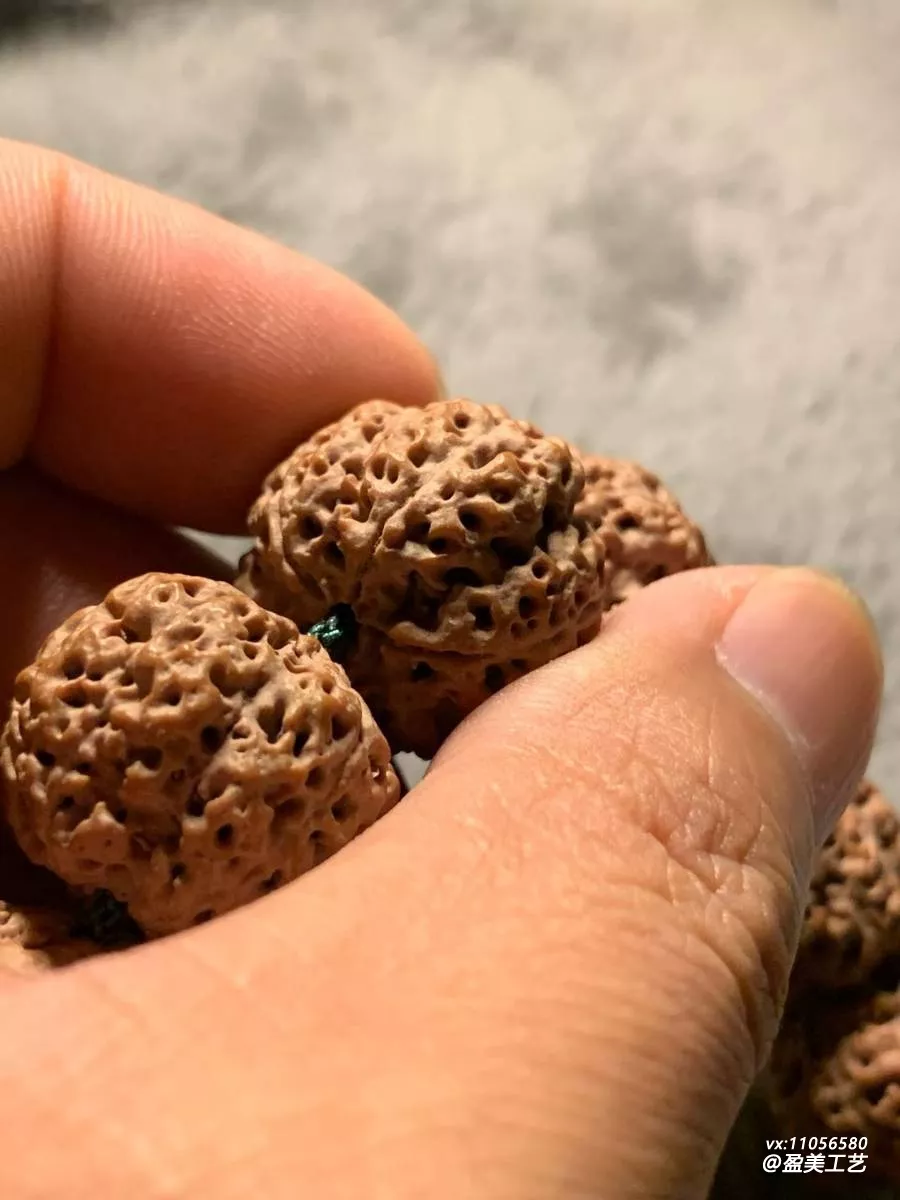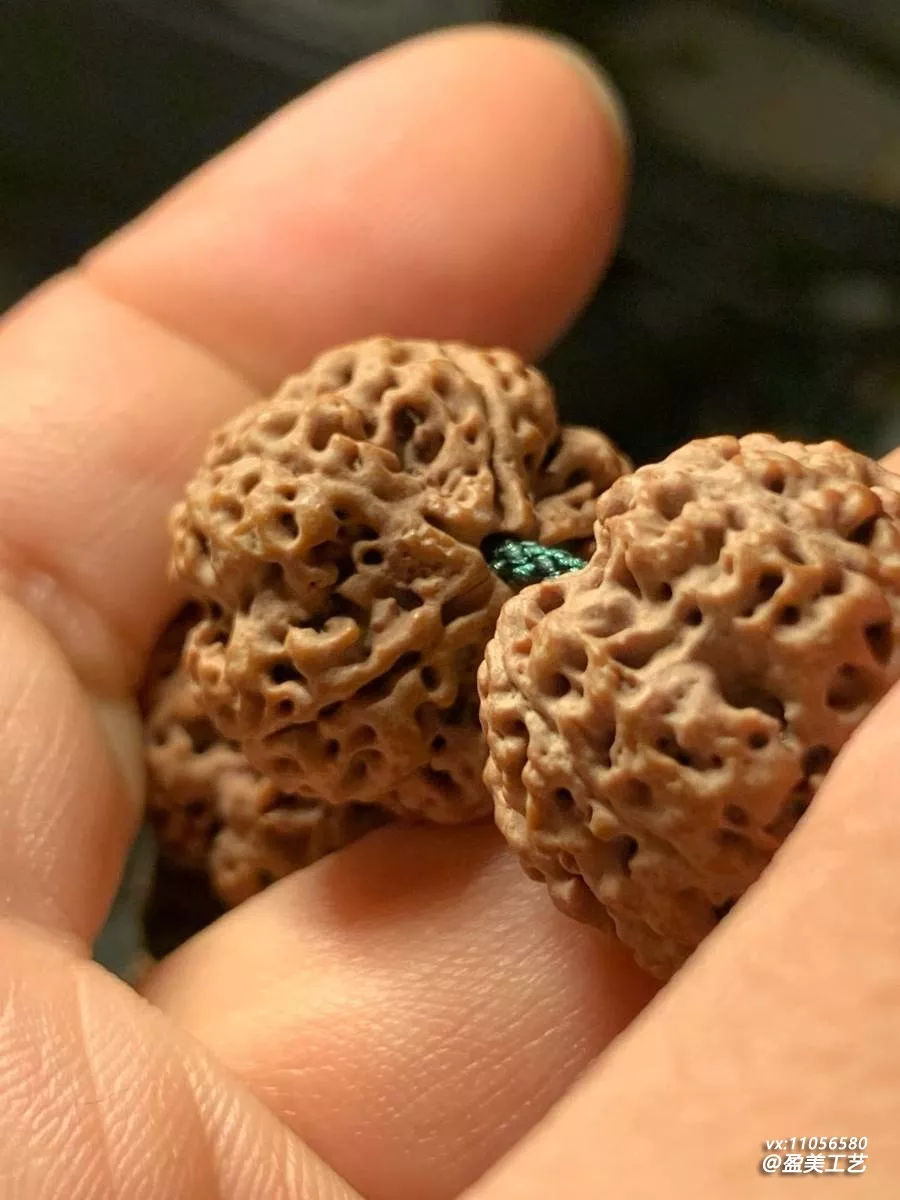
How do you judge density? The feel and weight of Rudraksha (large) matter. When choosing Rudraksha (large), density is a hard indicator: seeds with good density develop a solid patina through breaking-in, while low-density seeds never do. Here's how to assess density through feel and weight, clearly explained.
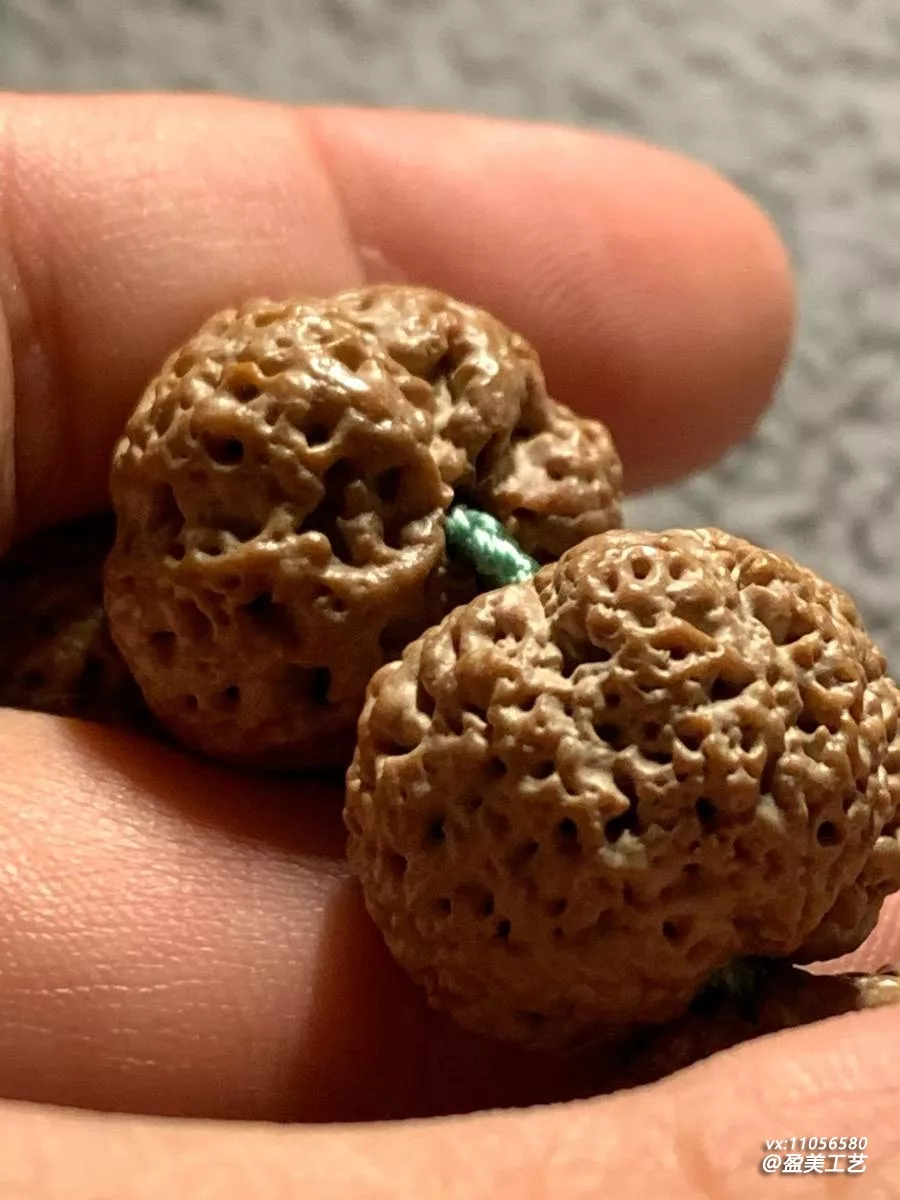
Judging Density by Feel
Judging density by feel: pick one up. A high-density seed has a fine, hard, solid surface that feels firm and slightly springy when squeezed; a low-density seed feels rough, soft, and hollow. Feel is the most direct reflection of density—you can sense a fine, hard, high-quality seed the moment it's in your hand.
Judging Density by Weight
Judging density by weight: among seeds of the same size, one that feels heavy in the hand has high density, while a feather-light one has poor density. Toss it gently in your palm—one with real heft is almost always good; if it feels light, it's either a hollow seed or low-density. Weight is the most intuitive indicator of density; a quick heft tells you what you need to know.
How to Judge Accurately
How to judge accurately: combine feel and weight. If the seed feels fine and hard and has solid heft, its density generally passes. Also check the skin quality—density and skin quality go together, and good skin usually means good density. How do you judge density? The feel and weight of Rudraksha (large) matter: a fine, hard feel, satisfying heft, and oily skin—combine all three, and you'll judge density accurately.
Density is a hard indicator. Once you learn to judge it, you'll buy a mala with confidence. Combine feel, weight, and skin quality, judge density accurately, and avoid pitfalls when buying.