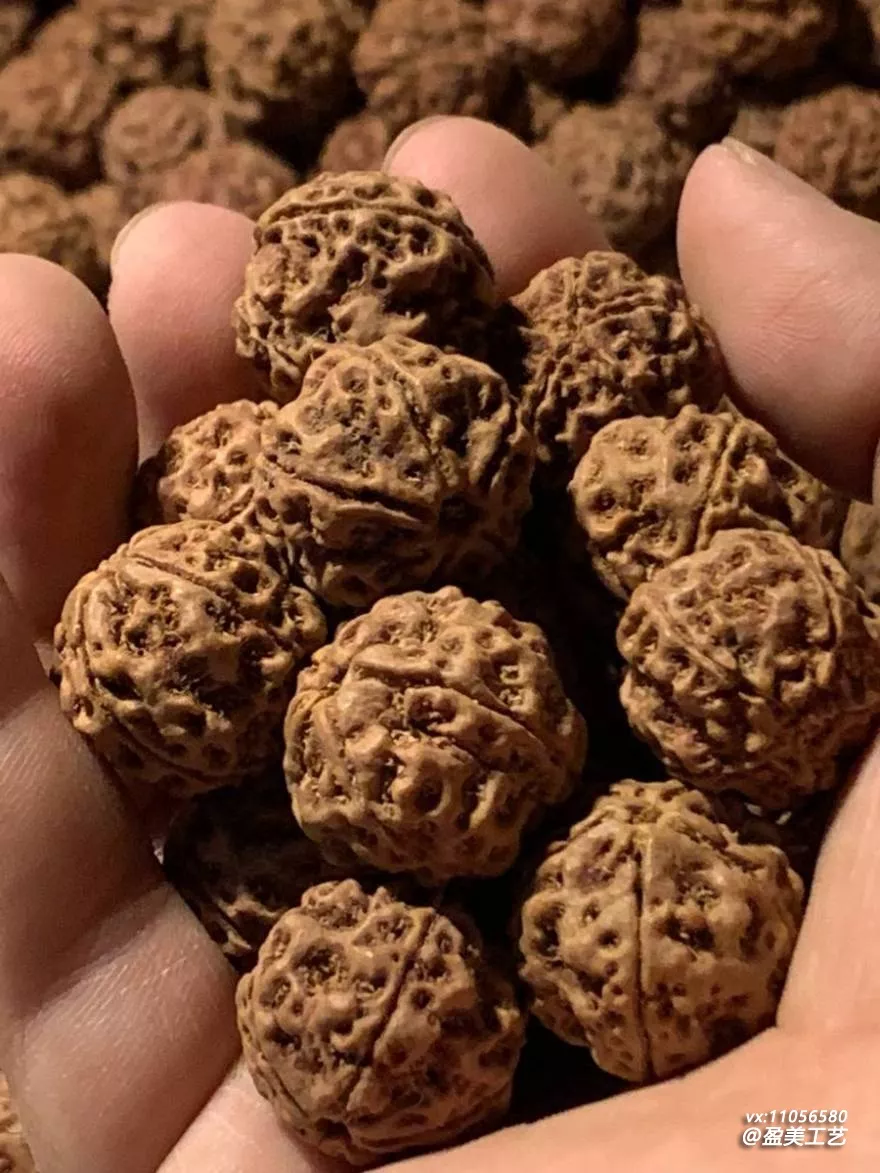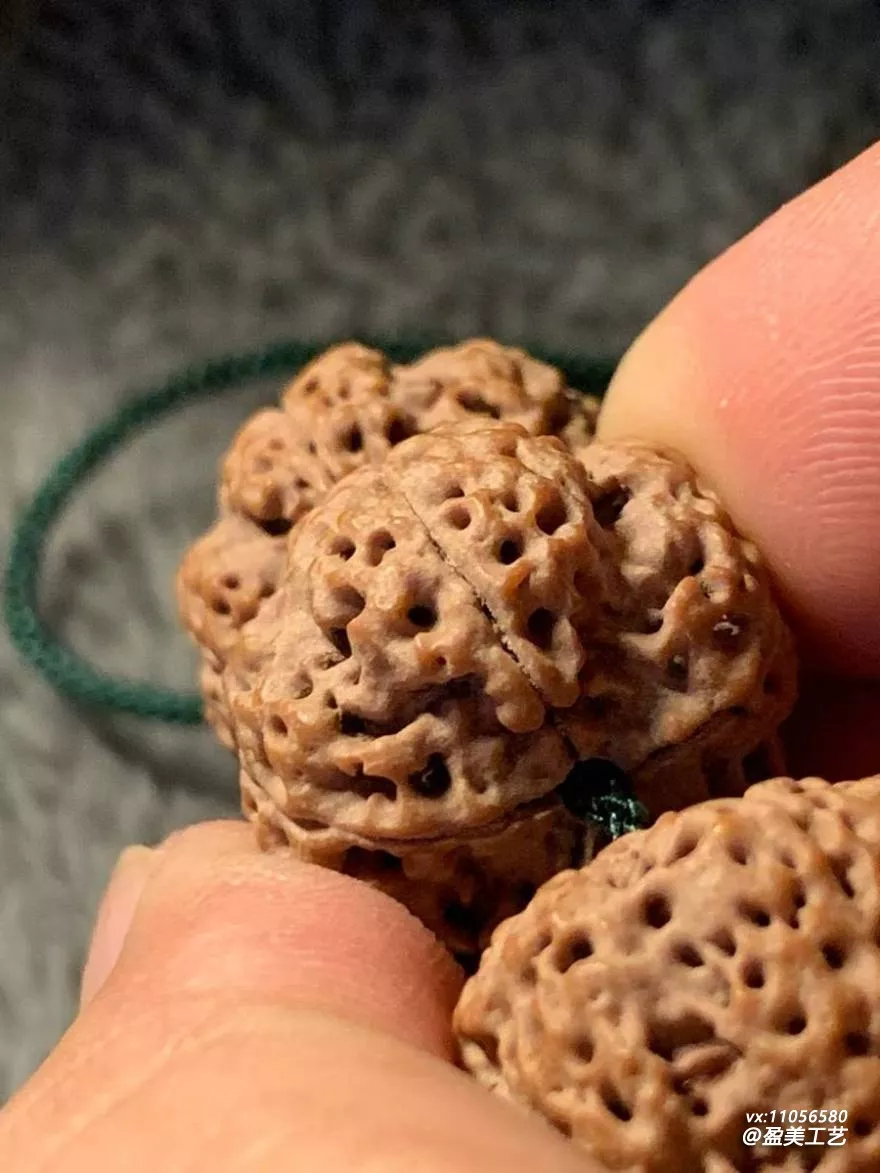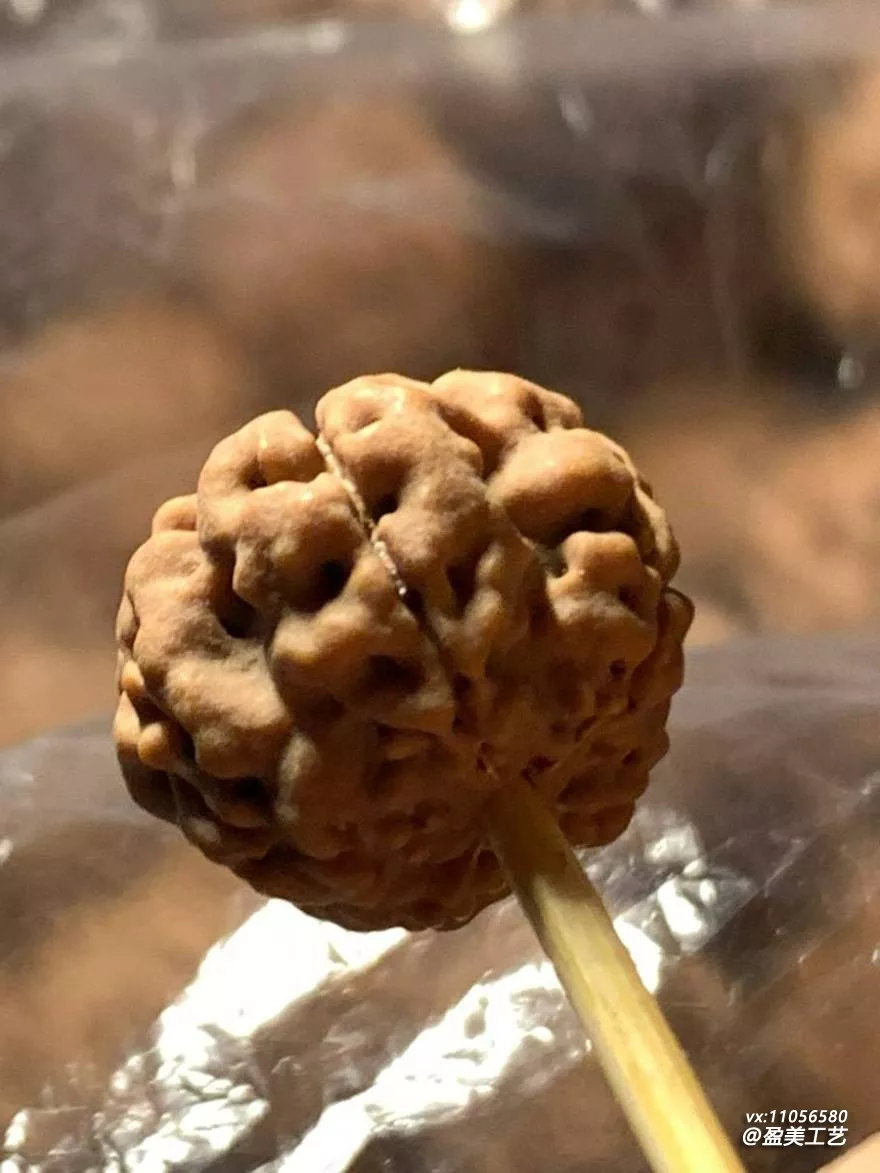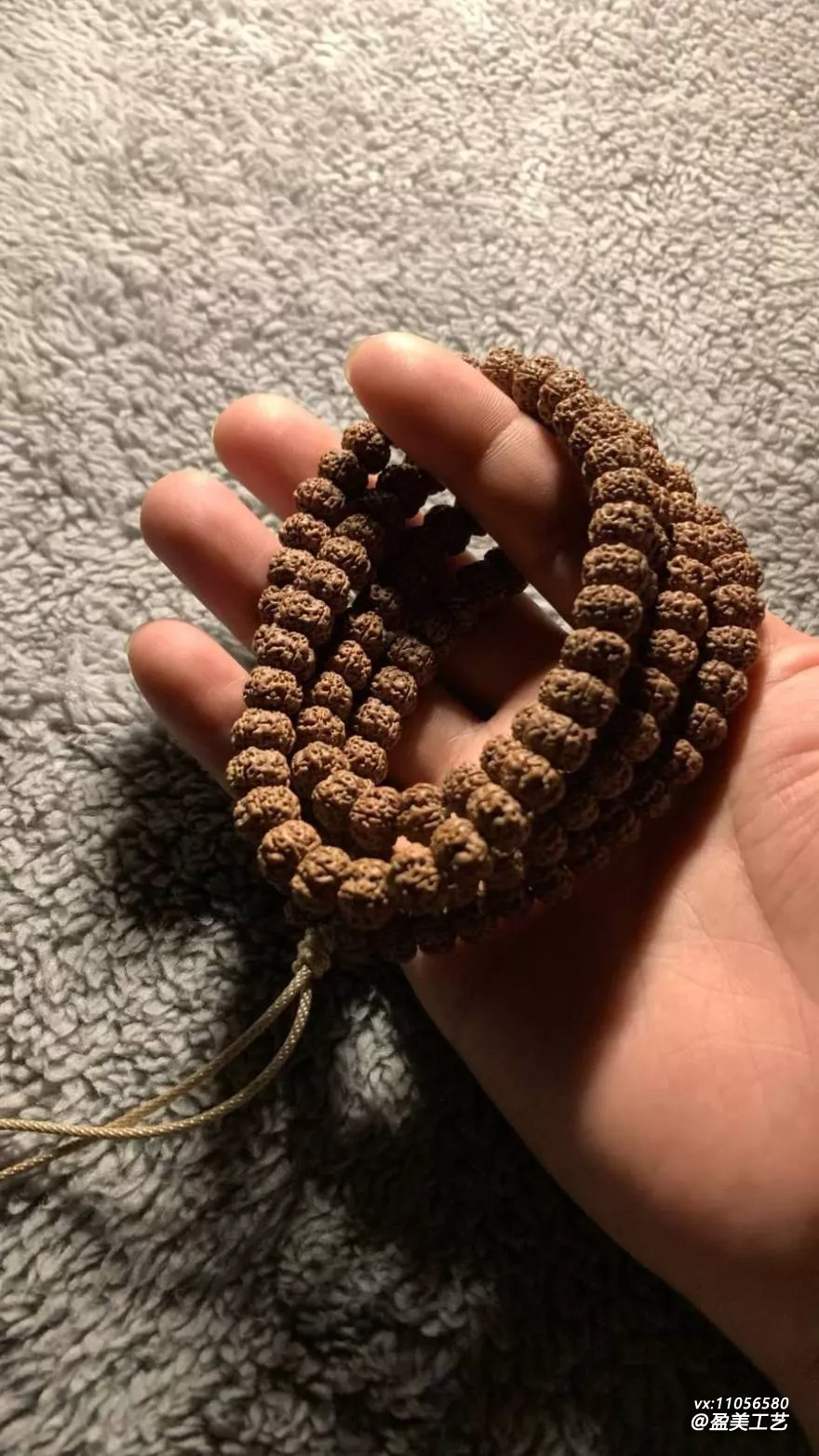
Many beginners want to try a long mala, and their first choice is the fine-textured 108 beads. After switching three brushes, I finally understood how to break in the fine-textured 108 beads. This question gets asked a lot, so let me explain it clearly once and for all.
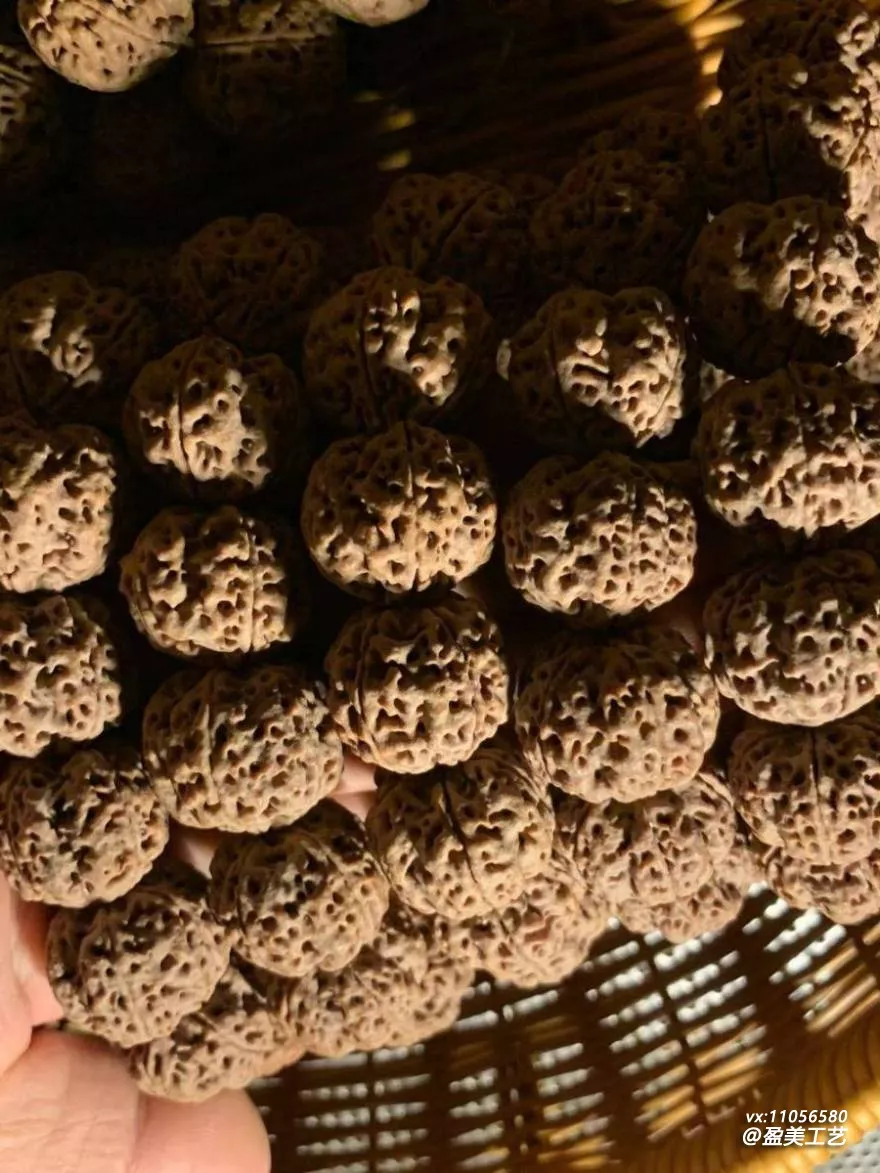
The First Brush
The first brush was an ordinary plastic brush. At the time I didn't know any better and just bought one casually. It slipped while brushing, and because the fine-textured 108 beads have dense crevices, the alkaline bloom hid deep in the narrow gaps and couldn't be brushed out. The more I brushed, the more frustrated I got. Later I realized the brush needs to be the right kind—plastic brushes are too slippery and not suitable for breaking in. That was the first pitfall, and I only understood after switching.
The Second Brush
The second brush was a stiff-bristle brush. It removed some of the alkaline bloom from the crevices, but because the fine-textured 108 beads have dense gaps, the stiff bristles were too coarse, and the bloom in the narrow crevices still couldn't be cleaned out. Brushing all 108 beads was exhausting. Later I understood that brushes serve different purposes: stiff brushes clean the crevices, soft brushes polish the surface. One brush isn't enough—that was the second pitfall.
When the fine-textured 108 beads reach the later stage of breaking-in, the whole mala turns a deep, even red, the grain is fine and dense, and the patina is translucent. Wrapped around the wrist, it looks especially elegant and pleasing to the eye.
The Third Brush
For the third brush, I got both a stiff and a soft brush. The stiff brush follows the grain to clean the crevices, and the soft brush polishes the surface. I carefully brushed each of the 108 beads one by one, using them together. The alkaline bloom receded, the gloss emerged, and only then did I truly understand breaking in. After switching three brushes, I finally understood how to break in the fine-textured 108 beads: brushes must be used for different purposes, stiff and soft working together, with patience—then breaking in isn't difficult.
The fine-textured 108 beads are a good mala to work on with care. The color will naturally even out, and if you keep at it, the whole mala becomes a reflection of your dedication. The more you work with it, the more you'll love it.