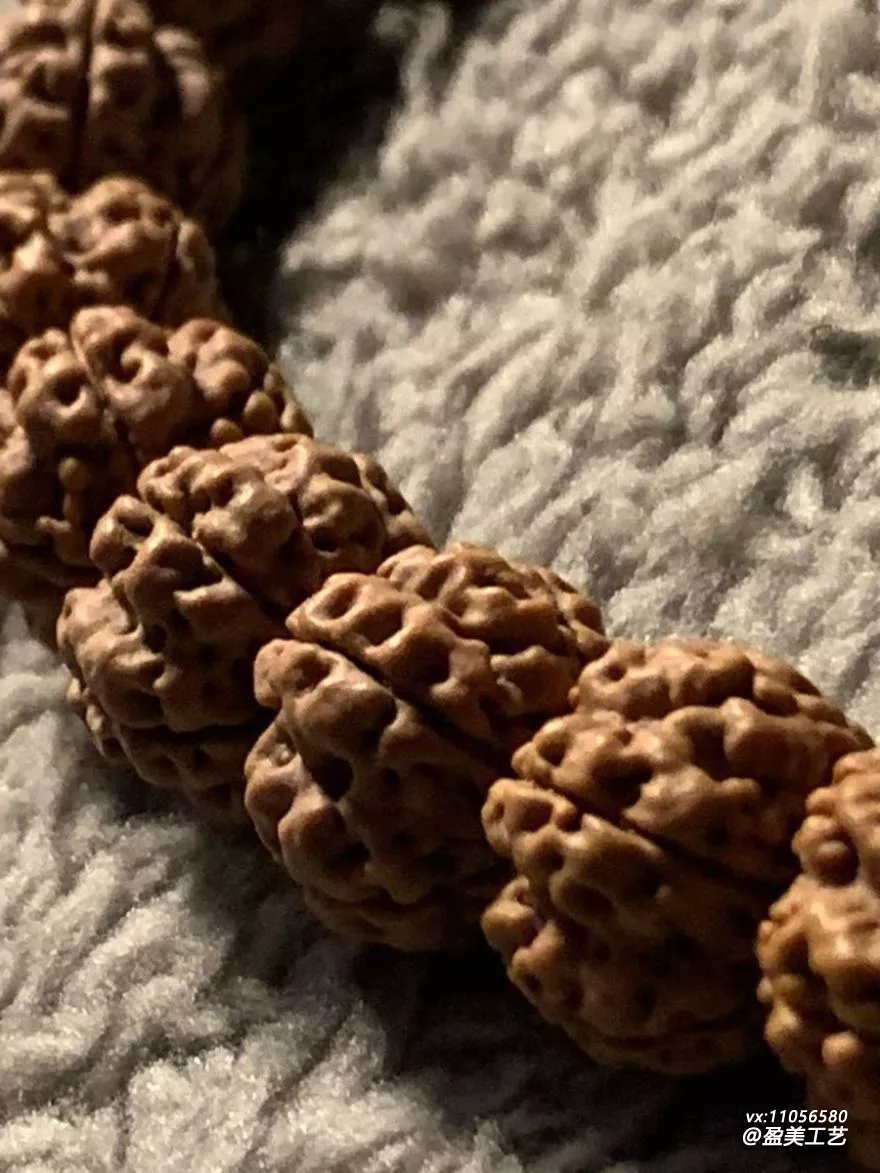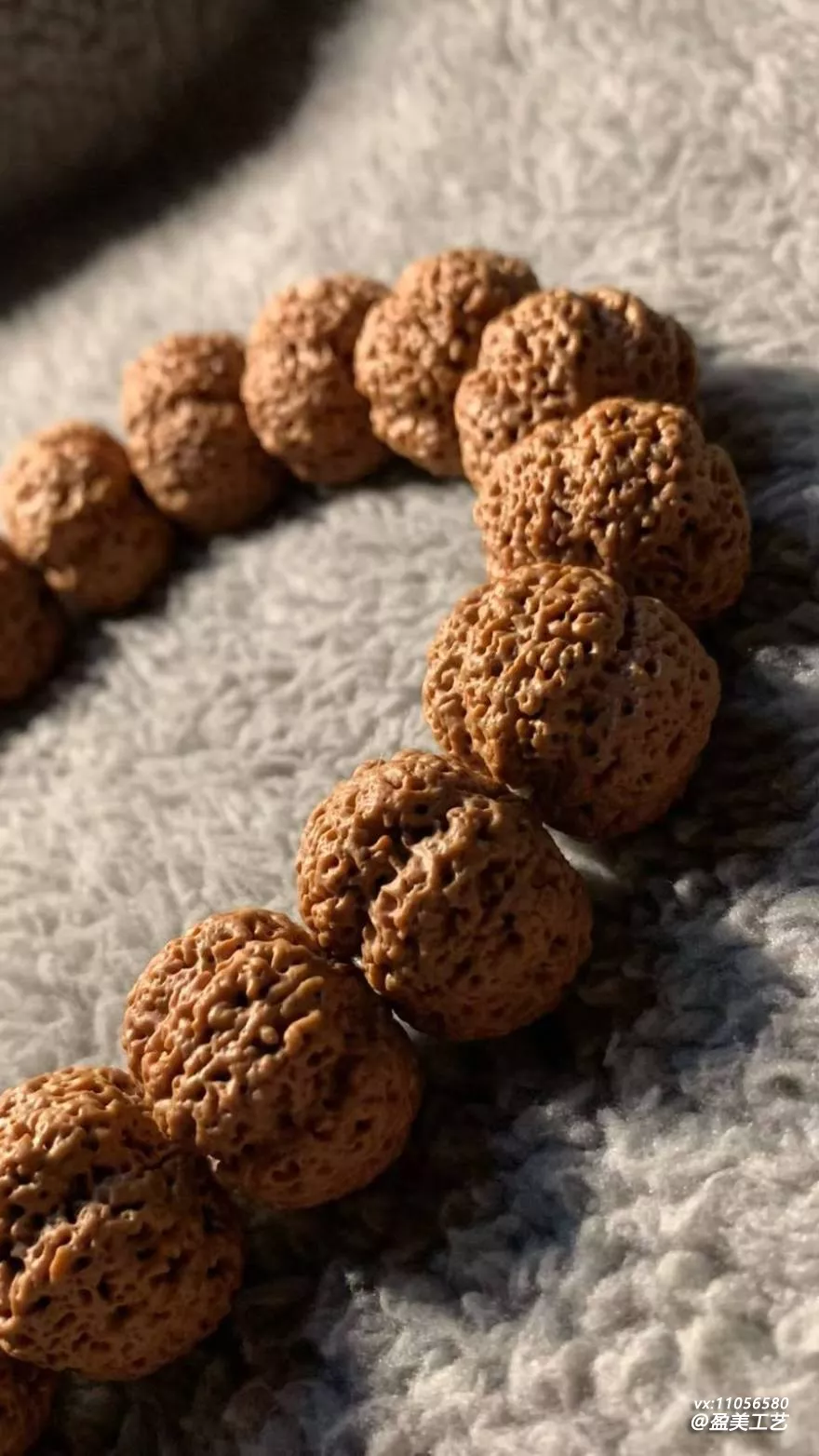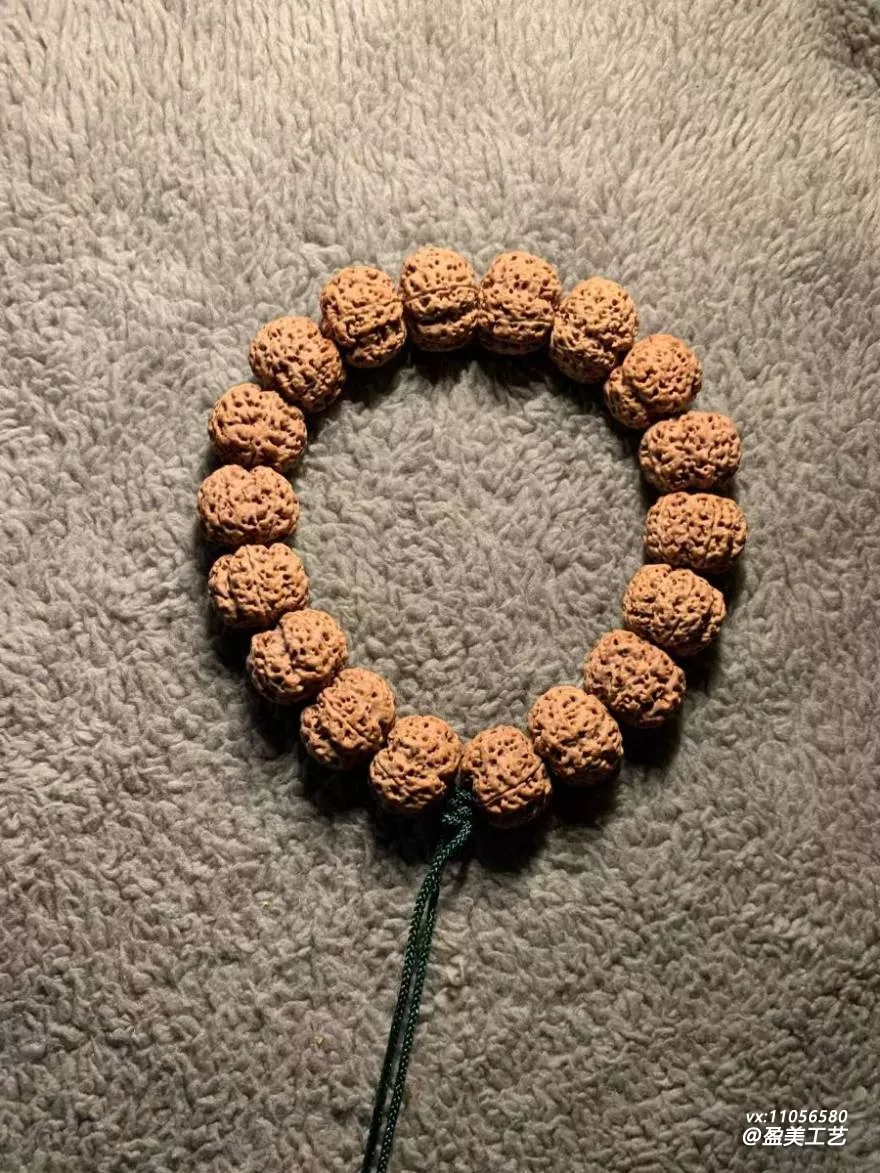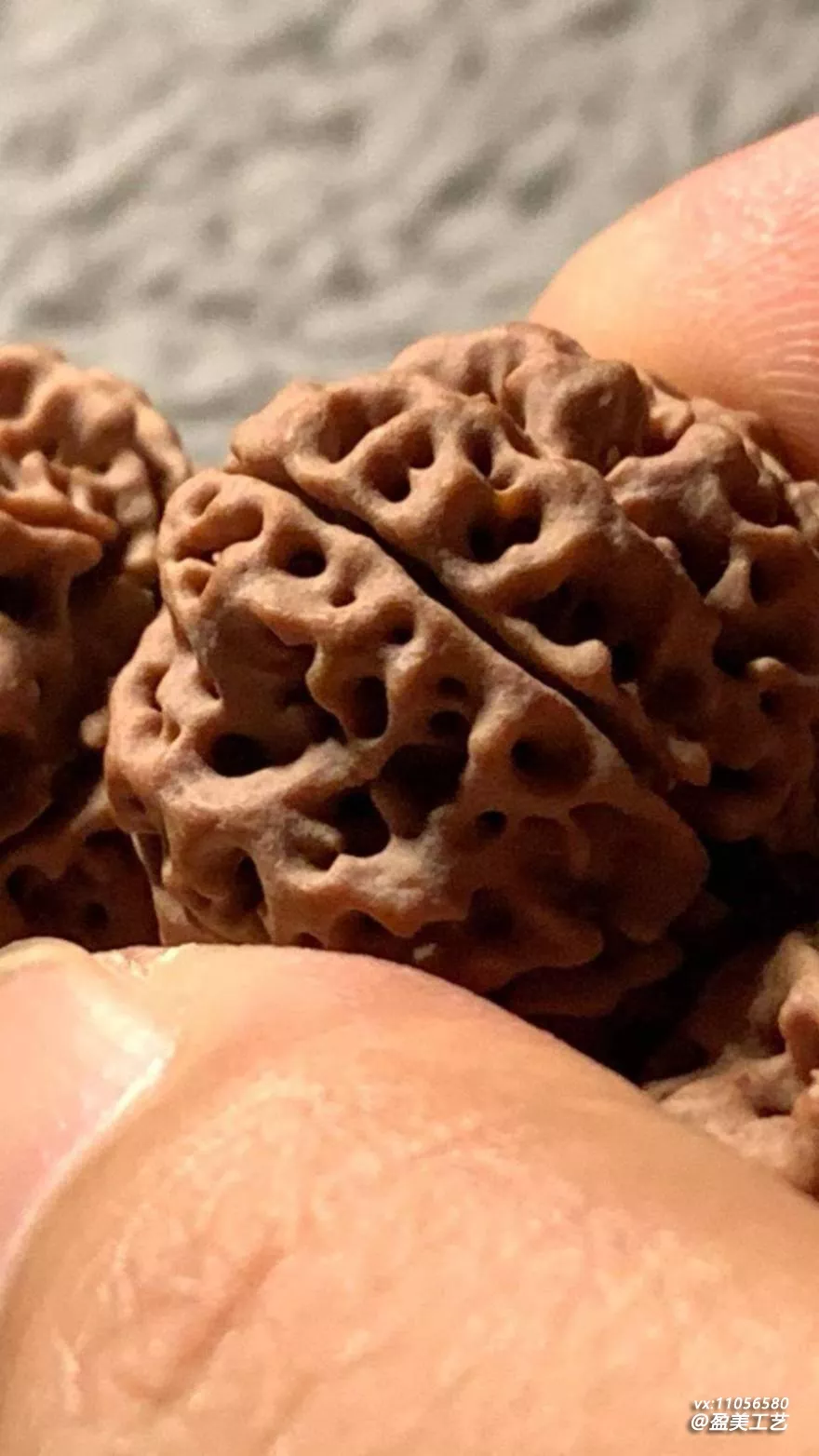
How to tell the quality of large Rudraksha skin at a glance. The skin is the foundation of large Rudraksha; its quality determines the upper limit of the breaking-in (patina process). For beginners choosing a mala, the most important skill to practice is judging the skin. How to tell the quality of large Rudraksha skin at a glance—learn these tricks and you won't be at a disadvantage when selecting a mala.
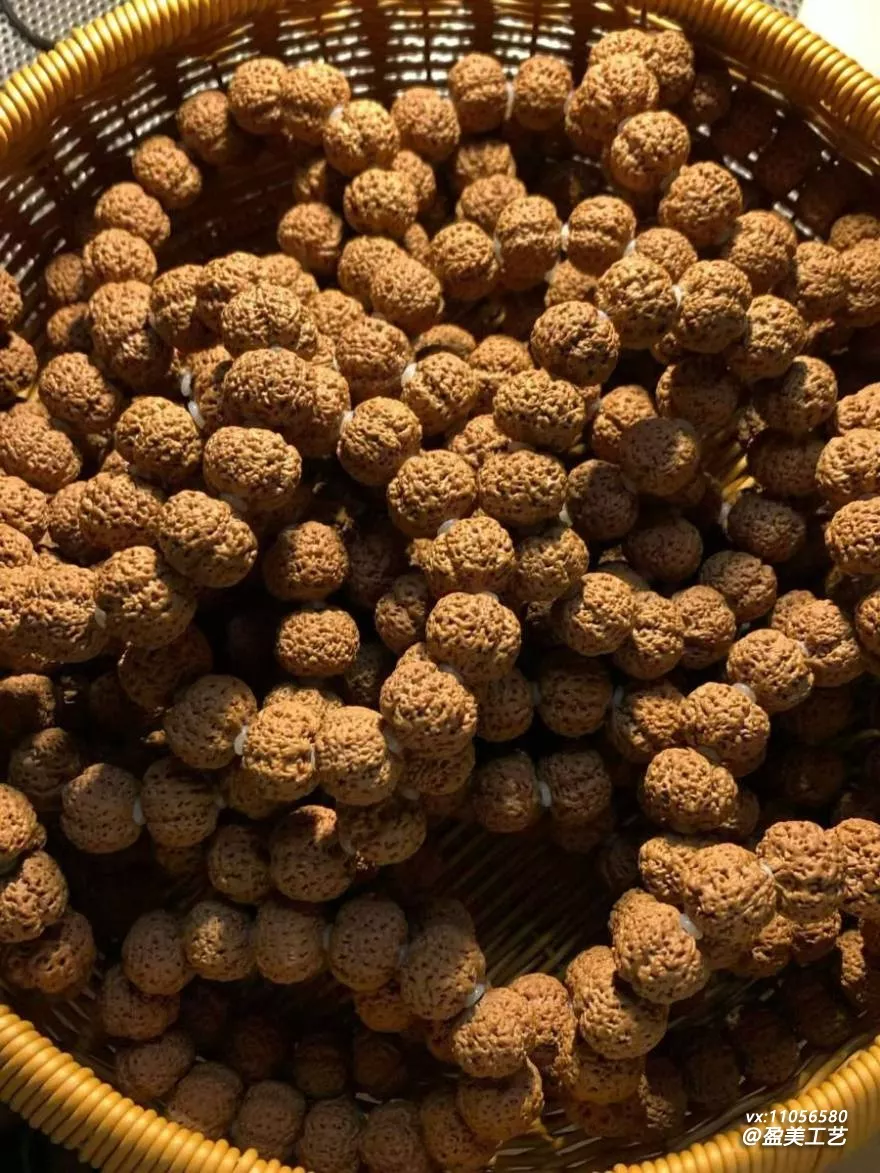
Check the luster
Check the luster: seeds with good skin have a natural sheen on the surface, looking oily and translucent; seeds with poor skin look dry and dull. Hold the seed up to the light—if the luster is oily and rich, the skin is good. This is the first visual method.
Feel the texture
Feel the texture: touch it with your hands. Seeds with good skin feel fine and smooth, with an oily touch; seeds with poor skin feel dry and rough, like firewood. The feel doesn't lie—oily and smooth means good skin, while dry and rough calls for caution.
Weigh it in hand
Weigh it in hand: for seeds of the same size, those that feel heavy in hand have higher density and better skin; lighter ones have lower density and average skin. Pick it up and feel the weight—heavy seeds are good seeds. How to tell the quality of large Rudraksha skin at a glance: check for oily luster, feel for smooth texture, and weigh for heft. Use these three methods together and you'll clearly see the skin quality.
Skin quality is the first lesson in choosing a mala. Once you master these three tricks, you'll have a reliable standard for selection—no pitfalls, no wasted money, and the mala you buy will be satisfying to work with during breaking-in.